

Sukkot (the Feast of Tabernacles, Feast of Booths, or Feast of Ingathering) is one of the richest and most prophetic of the Lord’s appointed feasts, overflowing with symbolism of both God dwelling with His people and the coming Kingdom of Messiah. Let’s unpack it carefully in full biblical and prophetic context.
🕎 1. NAME & MEANING
Hebrew: סֻכּוֹת (Sukkot) = “booths” or “tabernacles” (plural of sukkah).
English titles: Feast of Booths, Feast of Tabernacles, Feast of Ingathering.
Theme: God commands Israel to live in temporary shelters (sukkot) for seven days to remember how He made them dwell in tents during the Exodus and to celebrate His provision after the harvest.
Main idea: God dwells with His redeemed people in joy and fullness after the harvest.
📜 2. OLD TESTAMENT COMMANDS ABOUT SUKKOT
| Passage | Description |
| Leviticus 23:33–43 | Full instructions: 7-day feast beginning on 15th of Tishri; dwell in booths; wave branches; rejoice before the LORD. |
| Numbers 29:12–38 | Sacrificial schedule—70 bulls offered over 7 days (representing nations of the world). |
| Deuteronomy 16:13–17 | Celebrate after ingathering of threshing floor and winepress; all males appear before the LORD in Jerusalem. |
| Exodus 23:16; 34:22 | Called “Feast of Ingathering at the year’s end.” |
| 2 Chronicles 8:12–13 | Solomon observed it in the newly built Temple. |
| 1 Kings 8:2, 65–66 | The dedication of Solomon’s Temple occurred during Sukkot. |
| Nehemiah 8:13-18 | Restoration of the feast after exile under Ezra and Nehemiah. |
| Ezra 3:4 | Sukkot celebrated after the return from Babylonian captivity. |
| Zechariah 14:16–19 | Prophetic future observance during Messiah’s reign on earth. |
🌿 3. RITUALS AND PRACTICES OF SUKKOT
By the Second Temple period (in Jesus’ time), several key rituals developed from the Torah’s foundation:
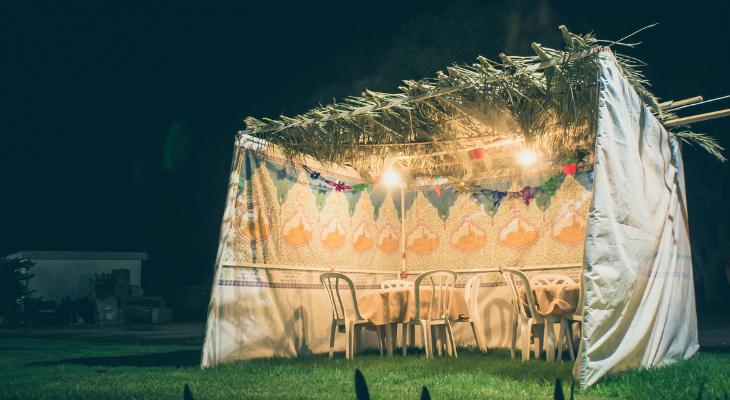
1. Dwelling in Booths (סֻכּוֹת)
- Made of branches and leaves (Leviticus 23:40–42).
- Symbolized God’s protection in the wilderness (cloud by day, fire by night).
- Reminder that this life is temporary — God is our true shelter.

2. Rejoicing Before the LORD
- Sukkot is the most joyful feast — “You shall rejoice before the LORD” (Leviticus 23:40; Deut. 16:14–15).
- Known as “the Season of Our Joy” (Z’man Simchateinu).
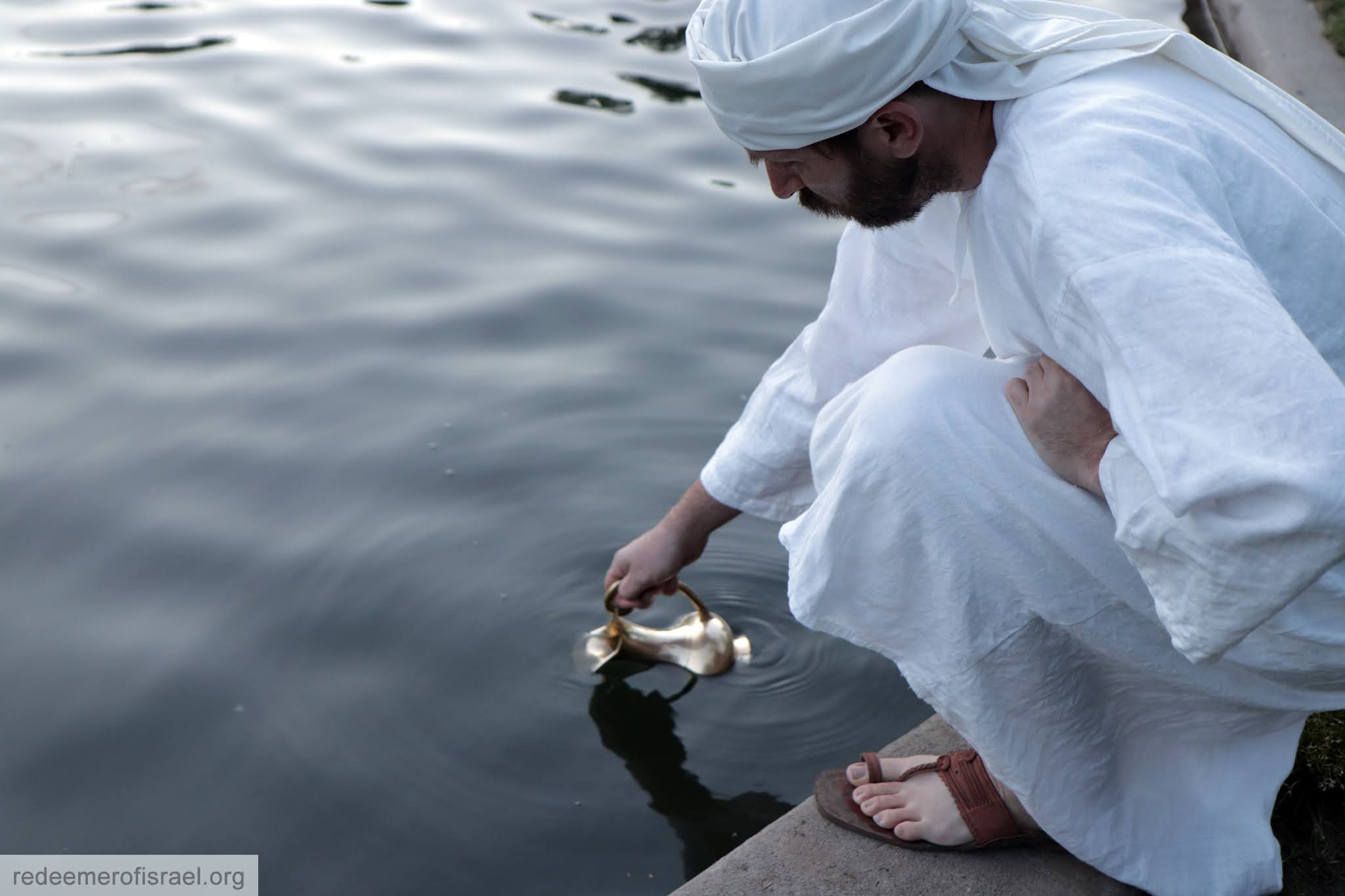
3. Water Libation Ceremony (Simchat Beit HaShoeva)
- Each morning, priests drew water from the Pool of Siloam, carried it up to the altar, and poured it out with wine.
- Symbolized prayer for rain and the outpouring of the Holy Spirit (Isaiah 12:3, “With joy you will draw water from the wells of salvation”).

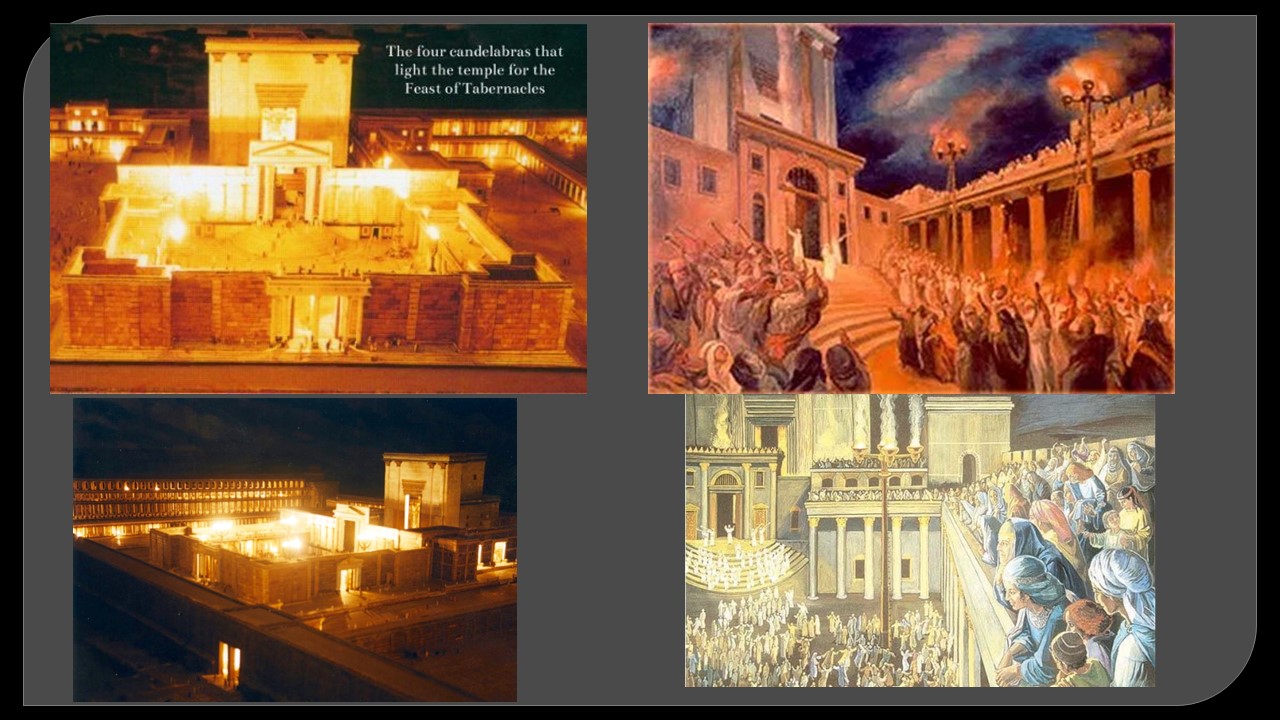
4. Lighting Ceremony (Illumination of the Temple)
- Four massive golden lampstands lit in the Court of Women at night.
- Reminded Israel of the pillar of fire in the wilderness and anticipated Messiah as the Light of the World (Isaiah 60:1–3).

5. Sacrifices (Numbers 29)
- 70 bulls over seven days — traditionally interpreted as atonement for the 70 nations (Genesis 10 table of nations).
- Eighth day (Shemini Atzeret) had a special assembly and single bull offering — representing Israel alone dwelling with God.
- The progressive decrease of bulls (13 → 7) over the seven days of Sukkot isn’t random—it’s a divine picture of how God’s plan for the nations unfolds from the scattering at Babel to the final ingathering in Messiah’s Kingdom.
📜 FOUNDATION: 70 NATIONS (GENESIS 10)
- After the Flood, Genesis 10 lists 70 nations descending from Noah’s sons.
- These represent the totality of mankind—the whole world under God’s eye.
- When Israel later sacrificed 70 bulls during Sukkot (Numbers 29), the rabbis taught that they were interceding for all nations, not just themselves (cf. b. Sukkah 55b).
- “Seventy bulls were offered for the seventy nations, but on the eighth day only one bull was offered, signifying the special relationship between Israel and her God.” — Talmud, Sukkah 55b
🔥THE DECREASING BULLS (13 → 7)
| Day | Bulls | Symbolic Meaning |
| 1 | 13 | God’s salvation begins to reach the nations in fullness — open invitation to all humanity. |
| 2 | 12 | Beginning of distinction — some nations respond, some reject. |
| 3 | 11 | Refinement — truth spreads; false gods exposed. |
| 4 | 10 | Division between light and darkness — Gospel illuminating the nations. |
| 5 | 9 | Narrowing — faithful from all peoples being drawn. |
| 6 | 8 | Purification — sanctified nations (remnant believers). |
| 7 | 7 | Completion — fullness of Gentiles gathered in (Romans 11:25). |
The number 7 in Hebrew thought = completion, fullness, perfection.
So by the 7th day, the 70 nations have symbolically completed their journey from rebellion → redemption → worship.
Layers of meaning:
- 7 days → fullness of human history.
- 70 bulls → completeness of the world’s peoples.
- 7 bulls on final day → perfection of redemption and unity in Messiah.
- Eighth day → new creation beyond time.
“When the fullness of the Gentiles has come in, then all Israel will be saved.” — Romans 11:25–26
Paul’s statement mirrors the Sukkot progression perfectly.
6. Lulavand Etrog (Four Species)
Command:
“On the first day you shall take the fruit of splendid trees, branches of palm trees, boughs of leafy trees, and willows of the brook, and you shall rejoice before the LORD your God seven days.” — Leviticus 23:40
Components of the Four Species:
| Species | Hebrew | Symbolism |
| Etrog (citron) | אֶתְרוֹג | Heart / beauty / fruitfulness; represents a complete, righteous person. |
| Lulav (palm branch) | לוּלָב | Spine / uprightness; represents those who are righteous in deed but perhaps not in heart. |
| Hadas (myrtle branch) | הֲדַס | Eyes / fragrance; represents those with good intention but imperfect action. |
| Aravah (willow branch) | עֲרָבָה | Lips / plainness; represents those who have neither heart nor deed but are still included in the people of God. |
How they were used:
- Bound together (lulav + myrtle + willow) and held in the right hand, with the etrog in the left.
- Waved in six directions: north, south, east, west, up, and down.
- Symbolized God’s sovereignty over all creation.
- Waving in all directions was a prayer for rain, blessing, and universal peace.
- Accompanied the rejoicing and singing in the Temple (Simchat Beit HaShoeva).
✡️ 4. JESUS AND SUKKOT — THE MESSIAH FULFILLS IT
Sukkot forms the backdrop of John 7–8, where Jesus attended the feast in Jerusalem.
🕊️ 1. Jesus and the Water Ceremony
“On the last and greatest day of the feast, Jesus stood and cried out, saying, ‘If anyone thirsts, let him come to Me and drink. Whoever believes in Me, as the Scripture has said, out of his belly shall flow rivers of living water.’”
— John 7:37–39
- Spoken during the water libation ceremony — declaring Himself the source of living water and the Spirit.
- Fulfilled Isaiah 12:3 and Ezekiel 47’s river flowing from the Temple.
- Then Israel sang this song, “Spring up, O well! Sing about it!” – Numbers 21:17
🔥 2. Jesus and the Light Ceremony
“I am the Light of the world. Whoever follows Me will not walk in darkness.” — John 8:12
- Likely said as the temple lamps were extinguished at the end of Sukkot.
- Declares Himself the Shekinah glory — the pillar of fire and presence of God among His people.
🏕️ 3. Jesus “Tabernacled” Among Us
“The Word became flesh and dwelt (ἐσκήνωσεν — tabernacled) among us.” — John 1:14
- Jesus’ incarnation itself is the ultimate sukkah — God dwelling among men (Emmanuel).
- Jesus likely saw or participated in this ritual (John 7:37–39 context).
- The living water He offered can be seen as fulfilling the spiritual thirst these rituals symbolized.
🌿 4. Jesus and the Lulav and Etrog
- Jesus likely saw or participated in this ritual (John 7:37–39 context).
- The waving in all directions foreshadows the Gospel going out to all nations (Acts 1:8; Isaiah 11:10).
🌾 5. Prophetic Picture
- Sukkot celebrates the ingathering of the harvest → symbol of the final ingathering of souls.
Jesus’ ministry fulfills this as He brings in the nations to dwell in God’s presence.
“In that day I will raise up David’s fallen sukkah. I will restore its breaches, raise up its ruins, and rebuild it as in days of old.” Amos 9:11
📜 5. FUTURE FULFILLMENT OF SUKKOT
| Aspect | Description | Scripture |
| Messianic Kingdom | Nations will go up to Jerusalem every year to worship King Jesus and keep the Feast of Tabernacles. | Zechariah 14:16–19 |
| Divine Presence Restored | The dwelling (mishkan) of God will be with mankind forever. | Revelation 21:3–4 |
| Eternal Joy | Fulfillment of “You shall rejoice before the LORD” — joy complete in God’s presence. | Revelation 7:9–17 (multitude with palm branches) |
| Shemini Atzeret (8th Day) | Symbol of eternal fellowship beyond time — the “eighth day” as eternity. | Leviticus 23:36; Revelation 21–22 |
🧭 6. SUMMARY CHART
| Theme | Old Testament Fulfillment | Jesus’ Fulfillment | Future Fulfillment |
| God dwelling with man | Tabernacle in wilderness | Incarnation “Word tabernacled among us” | New Jerusalem (Rev 21:3) |
| Water of life | Water from the rock, water libation | Jesus: “If anyone thirsts…” (Jn 7:37–39) | River of life from God’s throne (Rev 22:1) |
| Light of glory | Pillar of fire | Jesus: “I am the Light of the world.” (Jn 8:12) | “No need of sun, for the Lamb is its light.” (Rev 21:23) |
| Ingathering of harvest | End of agricultural year | Spiritual harvest of souls | Final harvest at end of age |
| Joyful celebration | Israel rejoicing before LORD | Joy of salvation | Eternal rejoicing in God’s kingdom |
✨ 7. REFLECTION
Sukkot beautifully bridges past, present, and future:
- Past: God sheltered Israel in the wilderness.
- Present: Jesus dwells within His people by the Spirit.
- Future: God will dwell with redeemed humanity forever.
It is, in essence, the Feast of Emmanuel — “God with us.”
Just as He came and “tabernacled” once, He will return to dwell eternally among us when the heavenly Jerusalem descends.
Click these links to learn more:
Sukkot video from modern Jewish perspective
Sukkot video for Christians
Torah Life Ministry: Shemini Atzeret
Messianic Jewish Teachings – David Levine: Living Water
Fusion Global – The Mystery and Meaning Sukkot: Feast of Tabernacles
The day after the end of Sukkot is Shemini Atzeret: Eighth Day Assembly.
 Theresa Haigler