

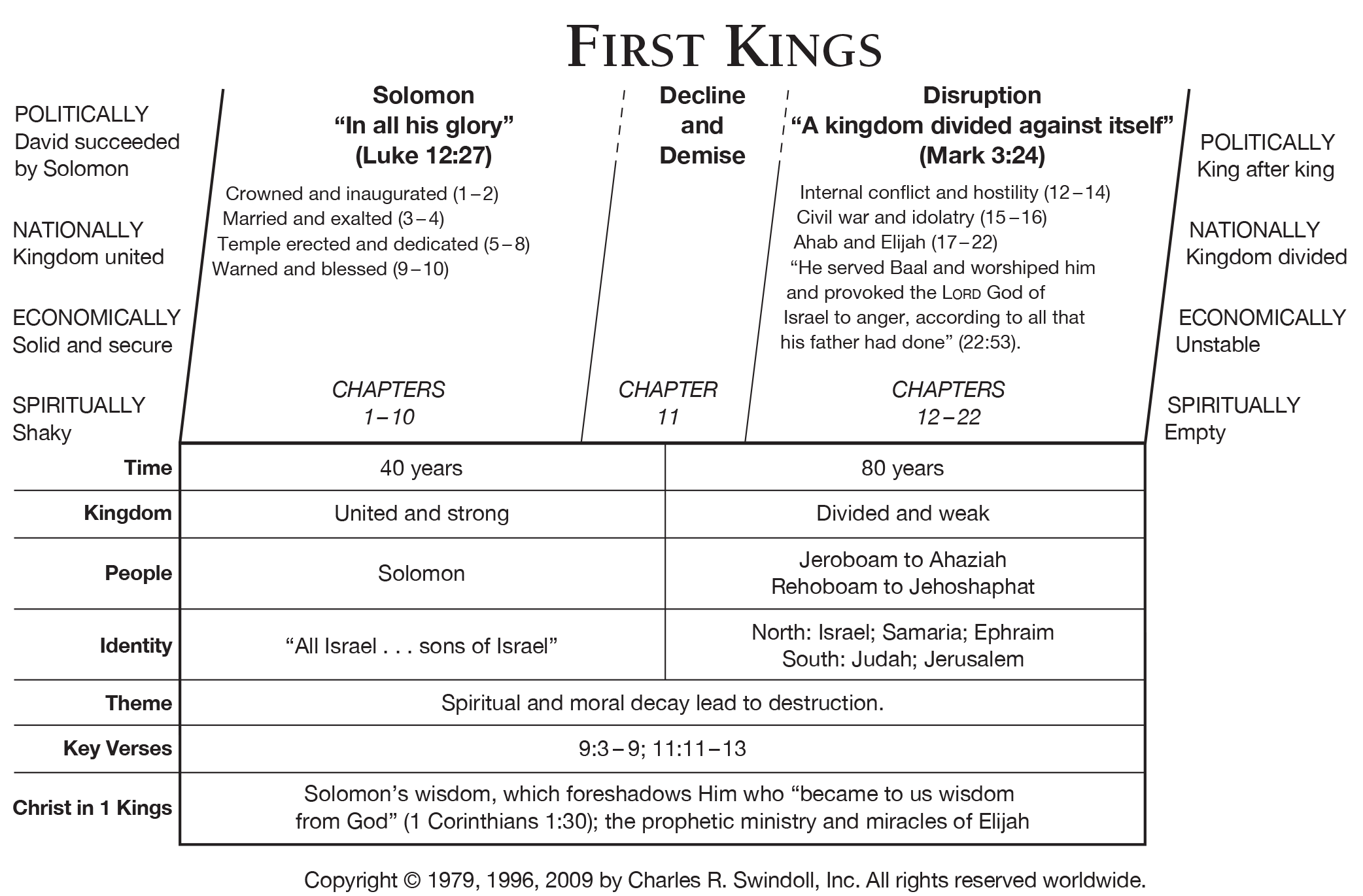
It wasn’t a smooth transition getting Solomon to the throne. Adonijah, one of his half-brothers, was already putting claims on the throne before their father David died. Bathsheba and the prophet Nathan had to intervene if David’s choice was to rule after him.
Solomon goes to Gibeon to offer 1000 burnt offerings. Take a look at why Gibeon is an important location in the Bible:
God visits Solomon in a dream at Gibeon and tells him to ask for anything. Solomon, being a young and new ruler (probably in late teens or early twenties), asks for wisdom and discernment in judging the people. God is pleased with this request and gives him that and so much more. Next we see the famous story of how he judged a case of maternal identity. 1 Kings 3
Solomon continues in wisdom and power. The descendants of Israel are as numerous as the sand on the seashore and he rules over kingdoms from the Euphrates River to the land of the Philistines (1 Kings 4:20-21)That’s a nod to the promise to Abraham from Genesis 22:17.
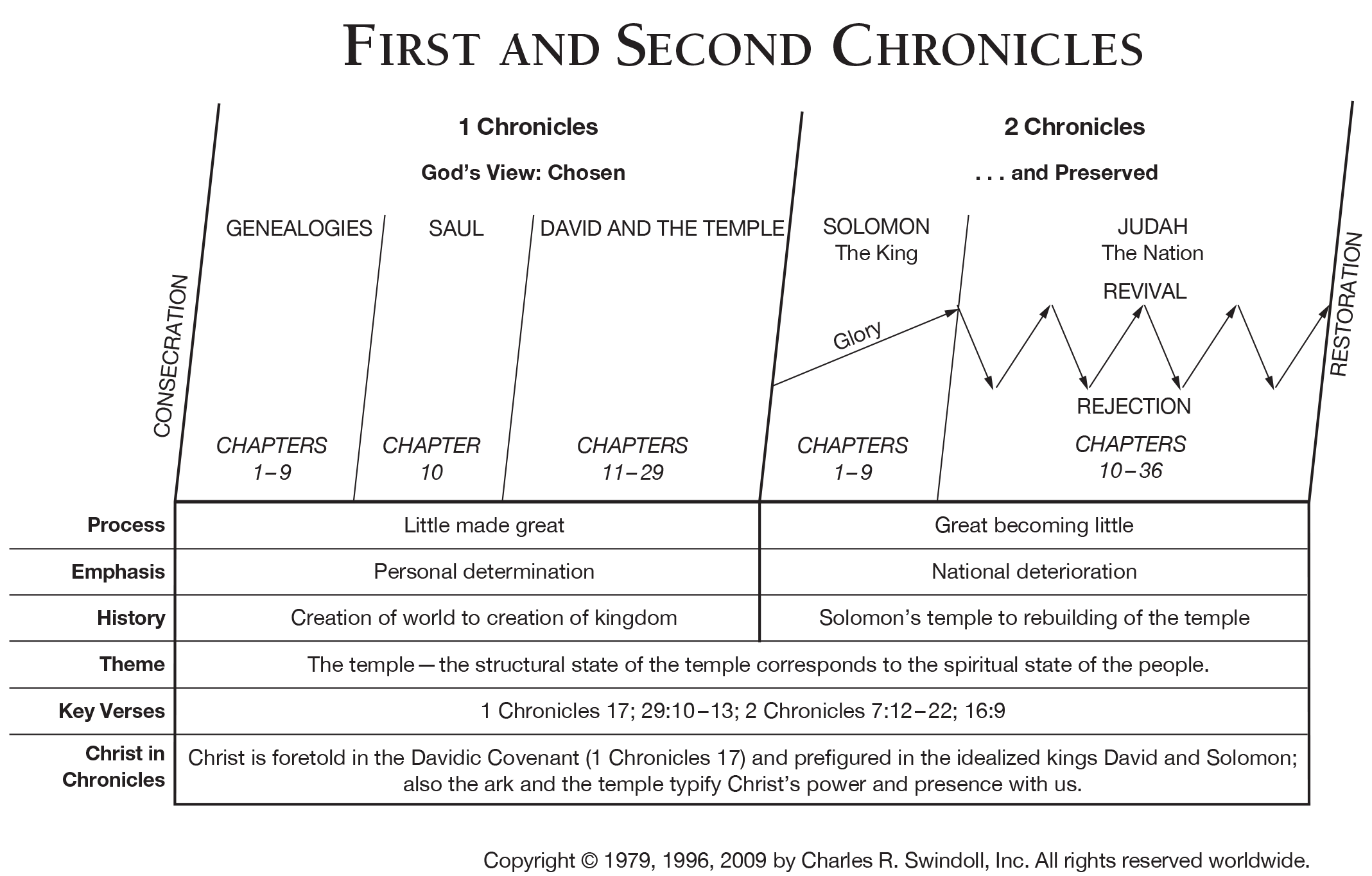
Solomon builds the Temple that his father David wanted to build. It took 7 1/2 years and it’s magnificent and the LORD fills it with His glory.
God gives a conditional promise to Solomon as He did with his ancestors: 1 Kings 3:3-9
3 The Lord said to him: “I have heard the prayer and plea you have made before me; I have consecrated this temple, which you have built, by putting my Name there forever. My eyes and my heart will always be there.
4 “As for you, if you walk before me faithfully with integrity of heart and uprightness, as David your father did, and do all I command and observe my decrees and laws, 5 I will establish your royal throne over Israel forever, as I promised David your father when I said, ‘You shall never fail to have a successor on the throne of Israel.’
6 “But if you[a] or your descendants turn away from me and do not observe the commands and decrees I have given you[b] and go off to serve other gods and worship them, 7 then I will cut off Israel from the land I have given them and will reject this temple I have consecrated for my Name. Israel will then become a byword and an object of ridicule among all peoples. 8 This temple will become a heap of rubble. All[c] who pass by will be appalled and will scoff and say, ‘Why has the Lord done such a thing to this land and to this temple?’ 9 People will answer, ‘Because they have forsaken the Lord their God, who brought their ancestors out of Egypt, and have embraced other gods, worshiping and serving them—that is why the Lord brought all this disaster on them.’”
We see in Deuteronomy 17:14-20 some of the “Dos and Don’ts” for future kings:
The King
14 When you enter the land the Lord your God is giving you and have taken possession of it and settled in it, and you say, “Let us set a king over us like all the nations around us,” 15 be sure to appoint over you a king the Lord your God chooses. He must be from among your fellow Israelites. Do not place a foreigner over you, one who is not an Israelite. 16 The king, moreover, must not acquire great numbers of horses for himself or make the people return to Egypt to get more of them, for the Lord has told you, “You are not to go back that way again.” 17 He must not take many wives, or his heart will be led astray. He must not accumulate large amounts of silver and gold.
18 When he takes the throne of his kingdom, he is to write for himself on a scroll a copy of this law, taken from that of the Levitical priests. 19 It is to be with him, and he is to read it all the days of his life so that he may learn to revere the Lord his God and follow carefully all the words of this law and these decrees 20 and not consider himself better than his fellow Israelites and turn from the law to the right or to the left. Then he and his descendants will reign a long time over his kingdom in Israel.

During his reign, Solomon acquires many horses from all over, especially Egypt. In addition, he not only obtains 700 wives but 300 concubines as well. The final result is that the wisest man on earth turns his heart away from God. And then God has to do what He said He would do.
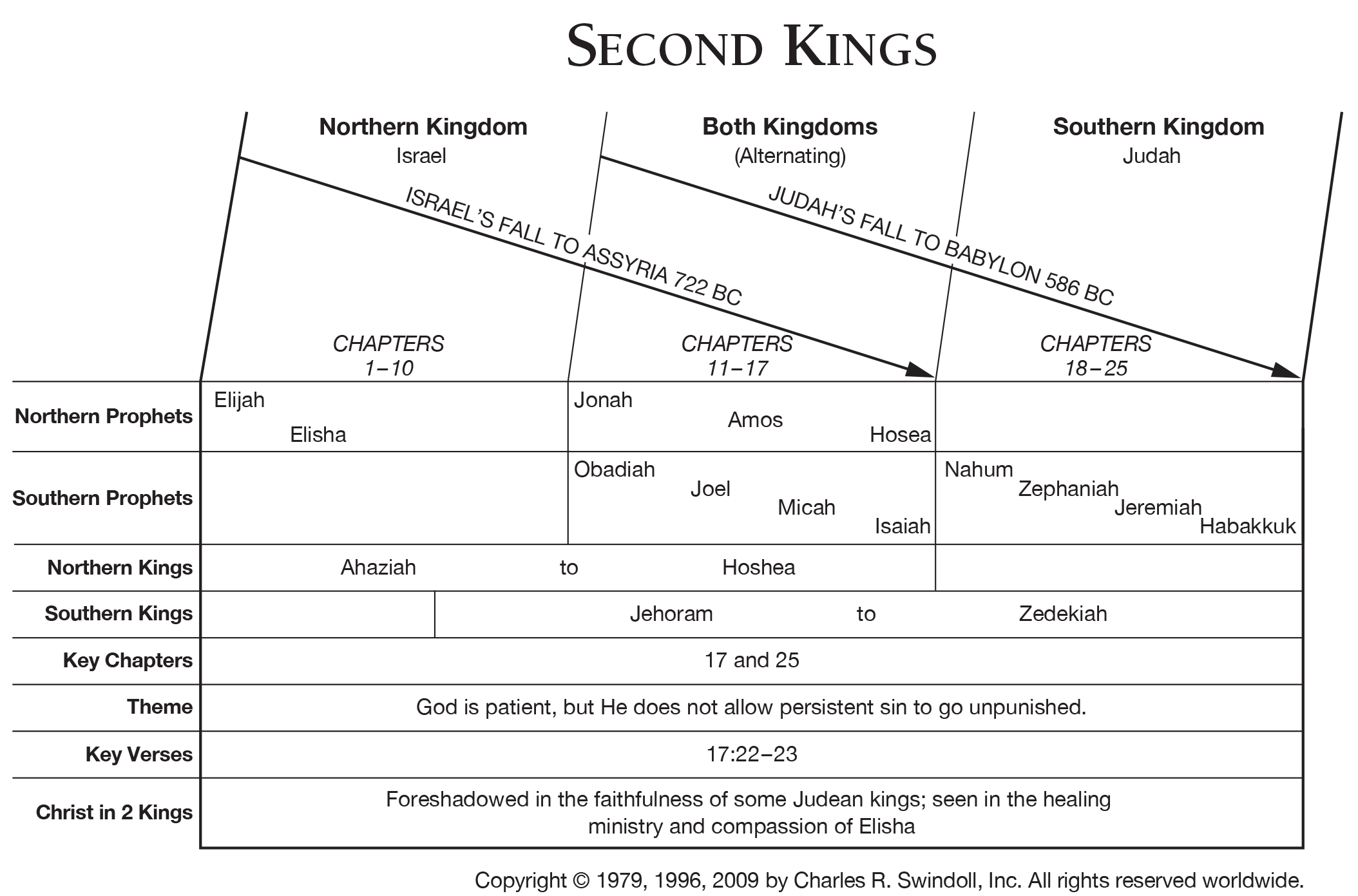
After Solomon dies, the kingdom is split into two, the northern kingdom called Israel and the southern kingdom called Judah. Israel’s kings do not all come from one lineage like the kings of Judah. You can see that in the chart below. Another interesting note is that there is no “good king” in Israel, only bad. This causes them to go into captivity first. In contrast, Judah’s kings are all descended from David. Many are good kings, but unfortunately a lot are bad too. We see the problem when the book of the law is “found” during the reign of King Josiah. God had instructed that each king was to write the book of the law for himself so that he could meditate on it day and night, following God with all his heart. Obviously that wasn’t happening and we don’t really know when it stopped.

During this period of the split kingdoms many prophets arise. Some are sent to Israel and some are sent to Judah. Each one has a difficult task in trying to turn the hearts of the king and the people back to God.
Extra Charts & Resources:
Articles:
Insights on the Bible: 1 Kings
Insights on the Bible: 2 Kings
Insights on the Bible: 1 Chronicles
Podcasts:
The Bible Recap podcast: 1 Kings 3-4
The Bible Recap podcast: 1 Kings 5-6, 2 Chronicles 2-3
The Bible Recap podcast: 1 Kings 8, 2 Chronicles 5
The Bible Recap podcast: 1 Kings 9, 2 Chronicles 8
Teaching Videos:
 Theresa Haigler