
GOOGLE MAP: Caesarea, Mt Carmel, Megiddo, Nazareth, Tiberias
CAESAREA MARITIMA
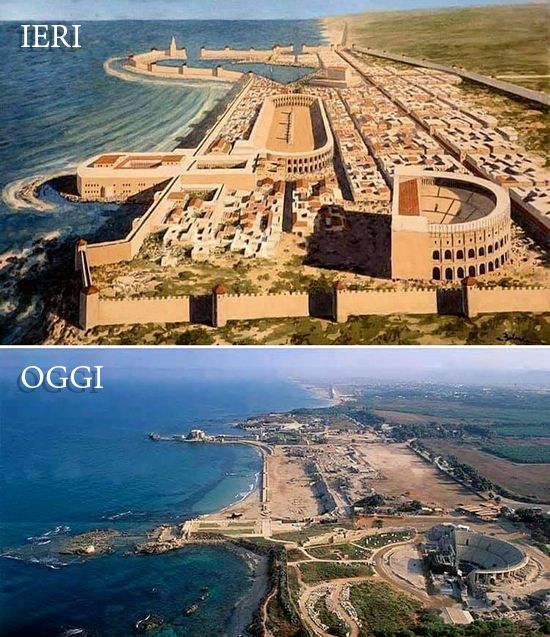
SECULAR HISTORY
-Seaport city on the Mediterranean coast.
-22 BC Herod the Great began building the city and completed it in 12 years.
-Built on the ancient site of the Hellenistic city of Strato’s Tower, the original name of Caesarea after its founder Straton, who is believed to have been a ruler of Sidon in the 4th century BCE. Alexander Yannai captured the city in 96 BCE and it remained in the Hasmonean Kingdom until it became an autonomous city by Pompey. After being for some time in the possession of Cleopatra, ruler of Egypt, it was returned by Augustus to King Herod as a present by Augustus Caesar and is named after him.
-Named in honor of Caesar Augustus.
– “Caesarea was the first artificial harbor constructed in the ancient world” (IVP Dictionary of New Testament Background, p. 176).
-The success of this man-made harbor depended on the new invention of hydraulic concrete, used for the first time at Caesarea.
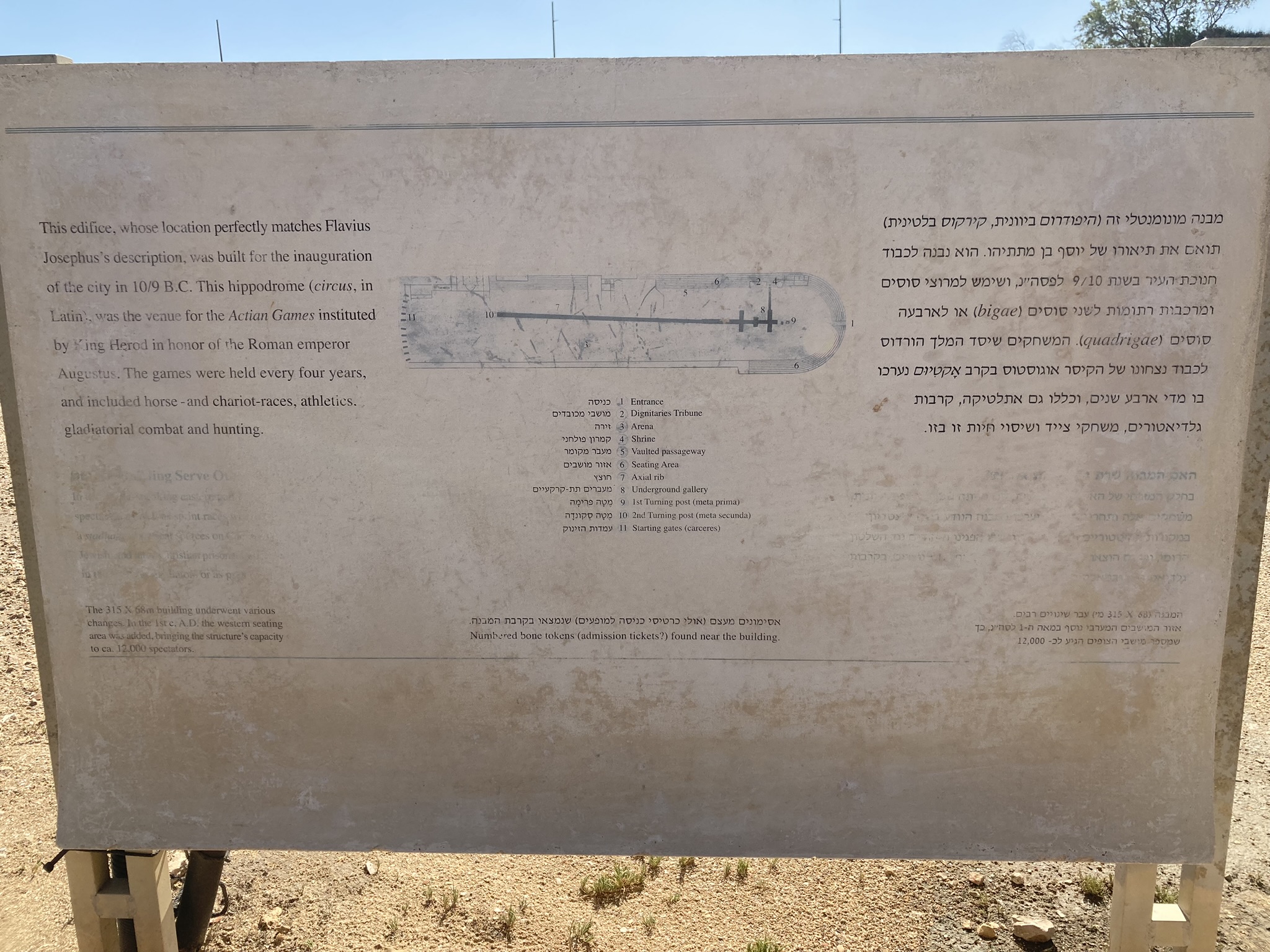
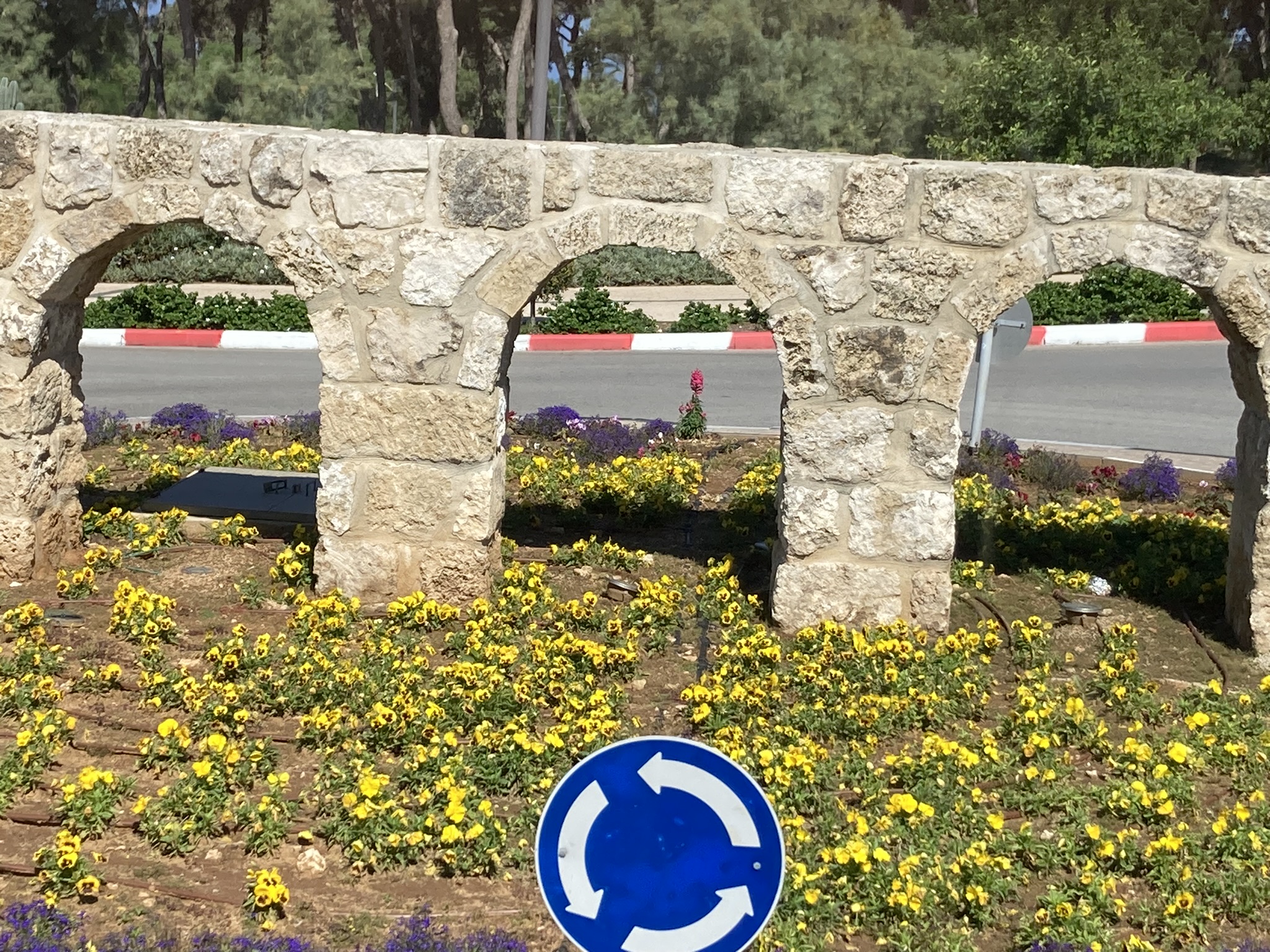
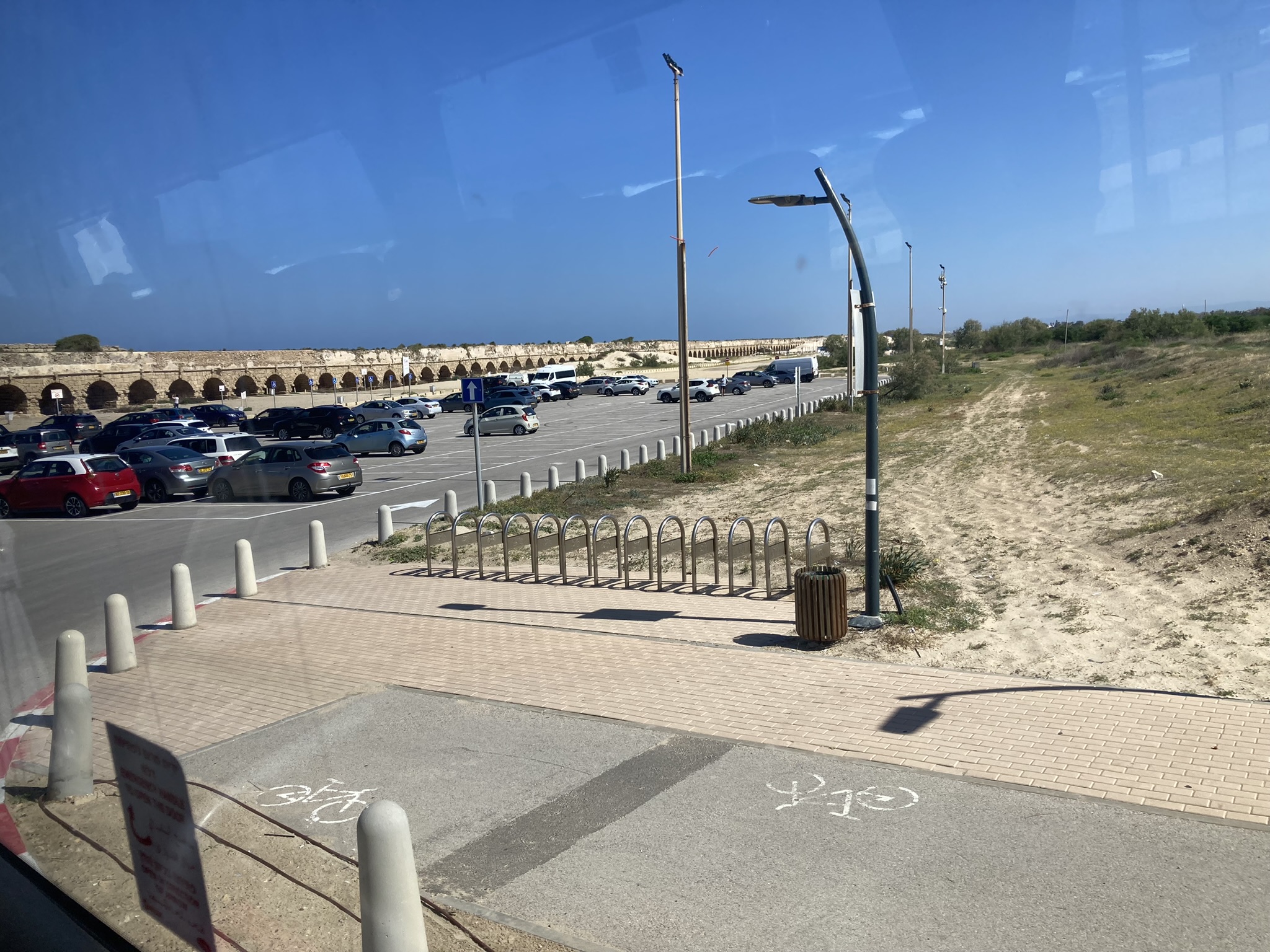
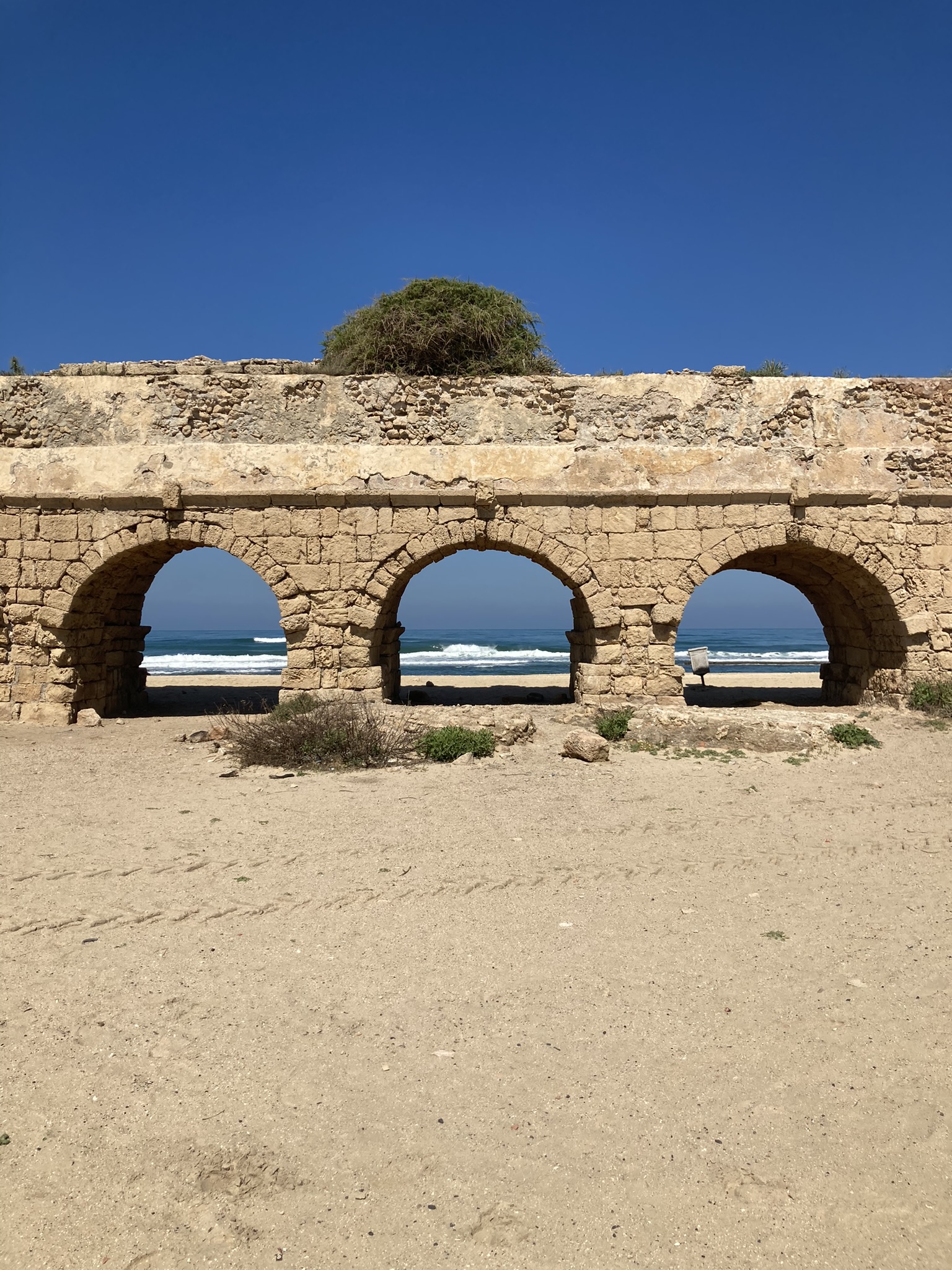
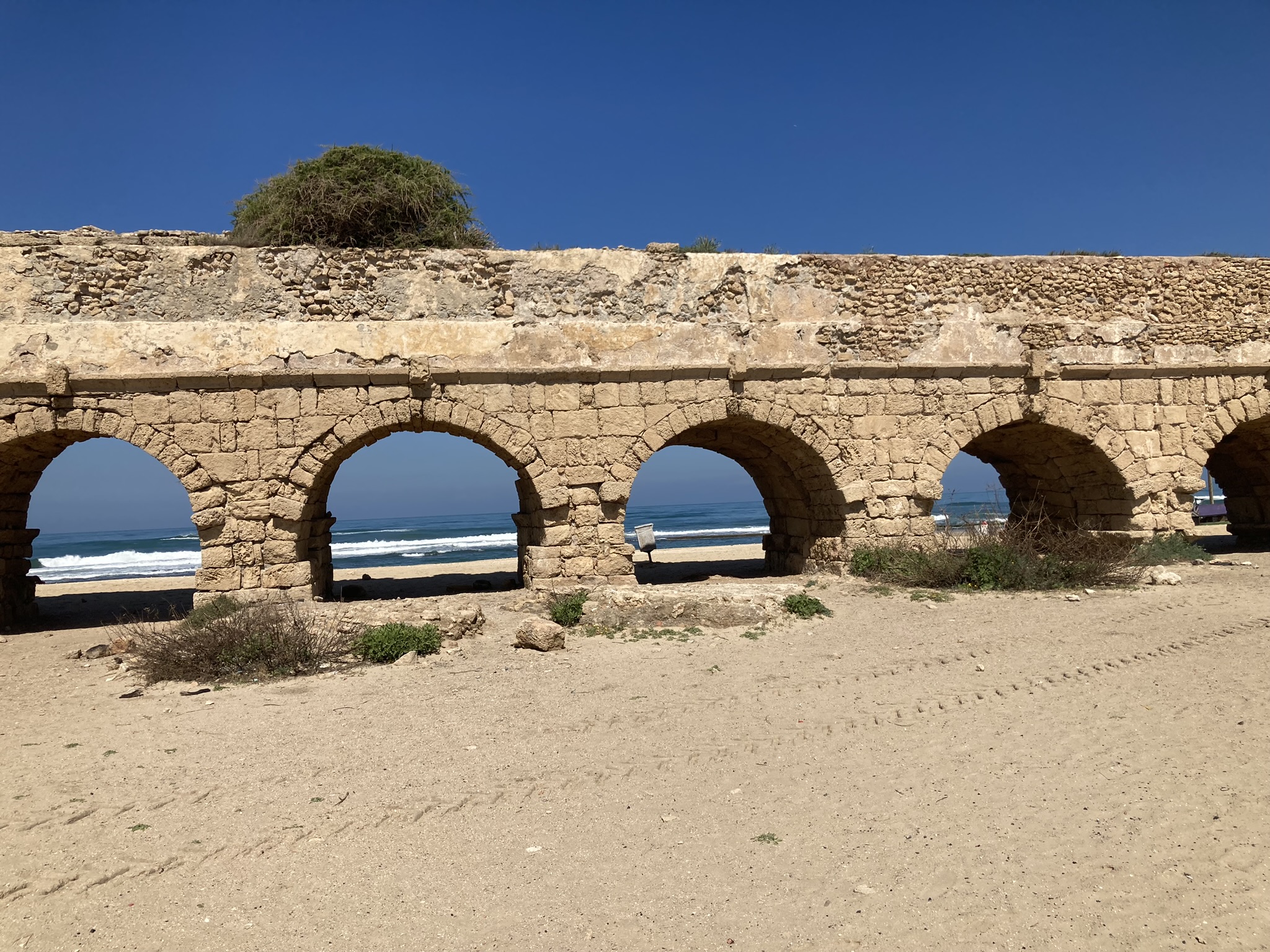
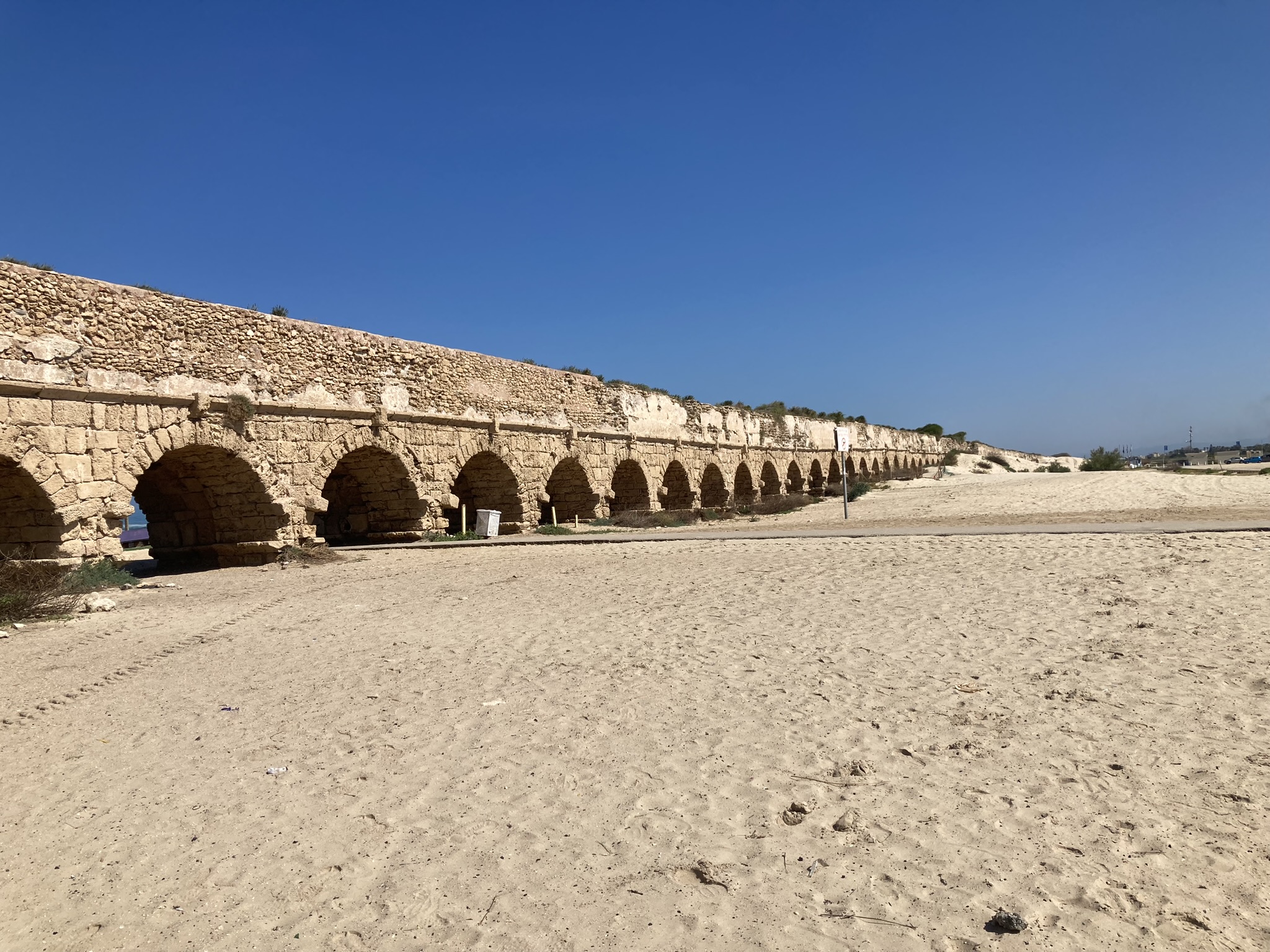
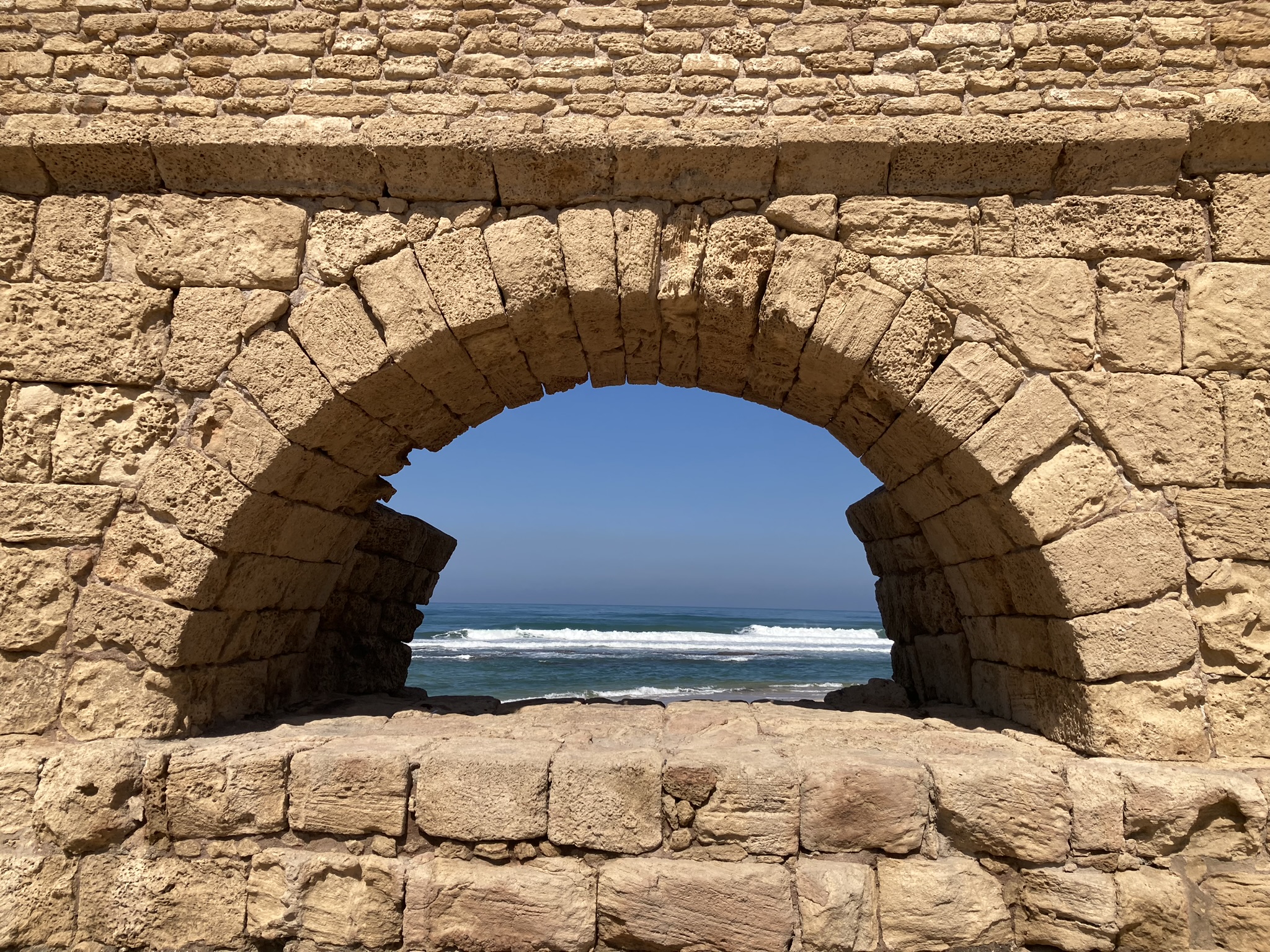
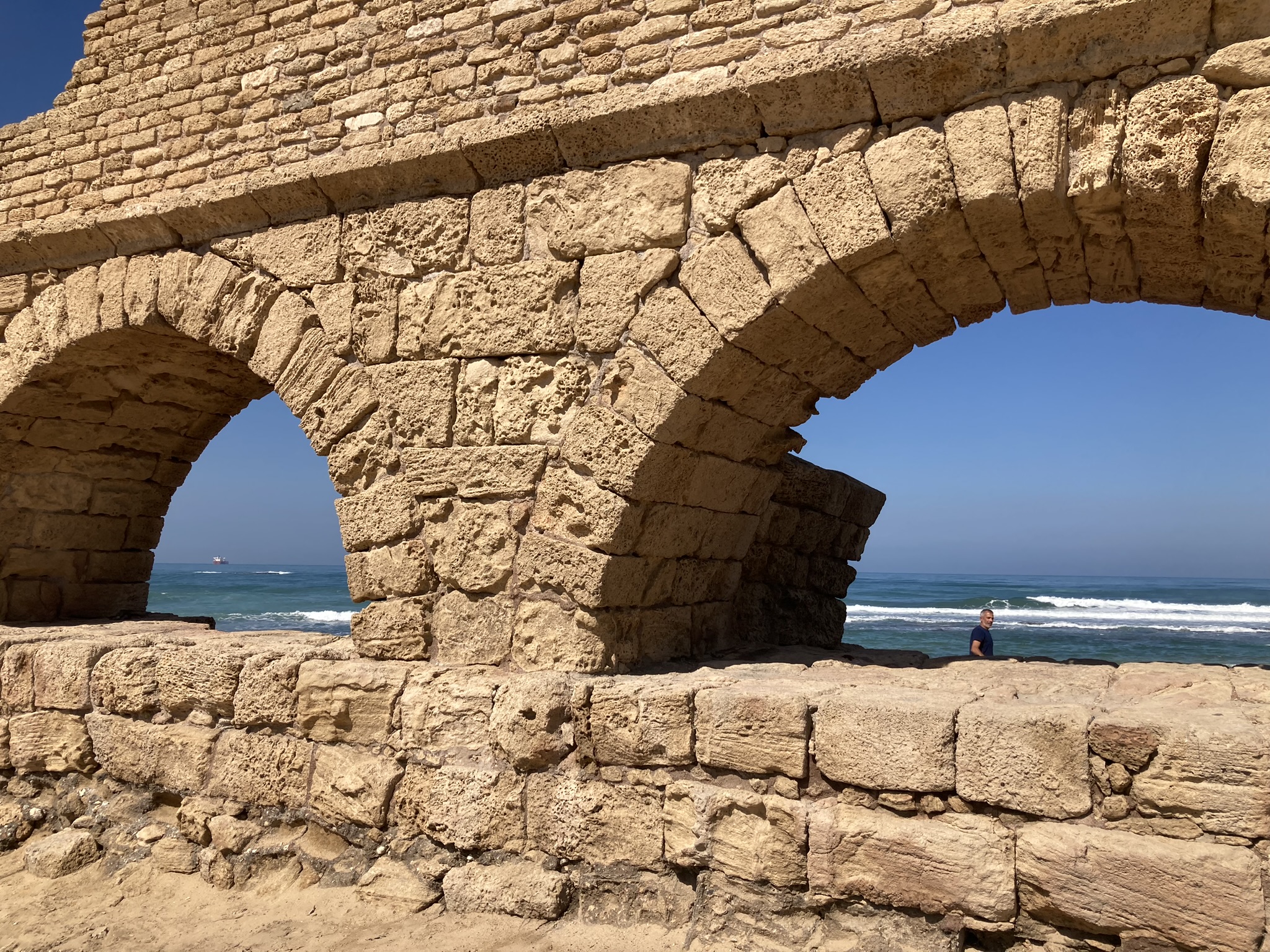
-Herod built lavish palaces, a temple to Augustus, a hippo-drome, an amphitheater, an aqueduct, a sewer system, and a harbor.
-In the 6th Century AD, Rome made Caesarea the capital of its province of Judea and the headquarters of the 10th Roman Legion.
-Home of Pontius Pilate (ruled 26-36 AD). The “Pilate Stone” was found there in 1961.
-Josephus, in relating the incident of the standards at Caesarea (BellJ 2 169-74; AntJ 18.57), mentions a demonstration outside of the palace which moved into the adjacent stadium.
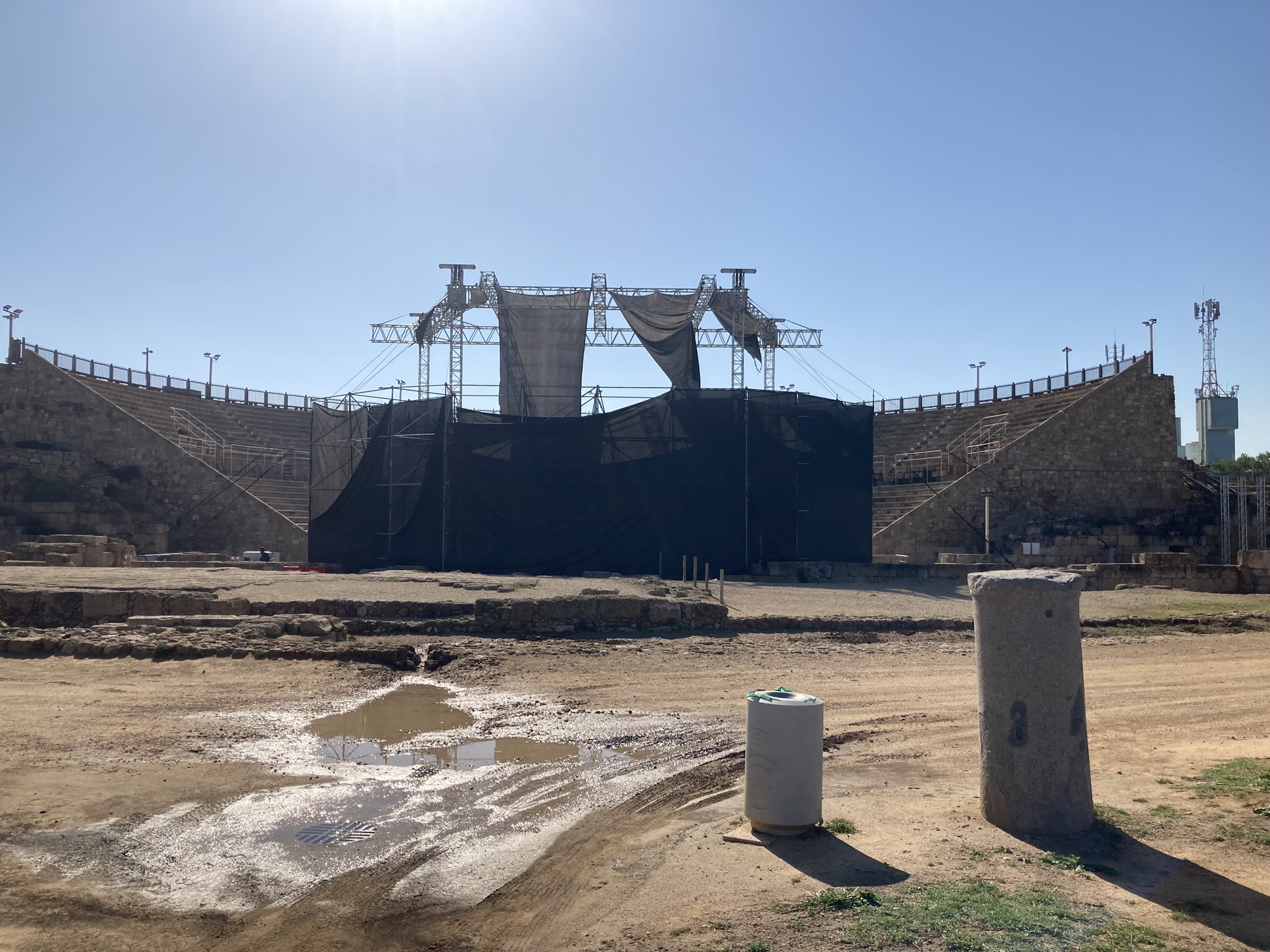
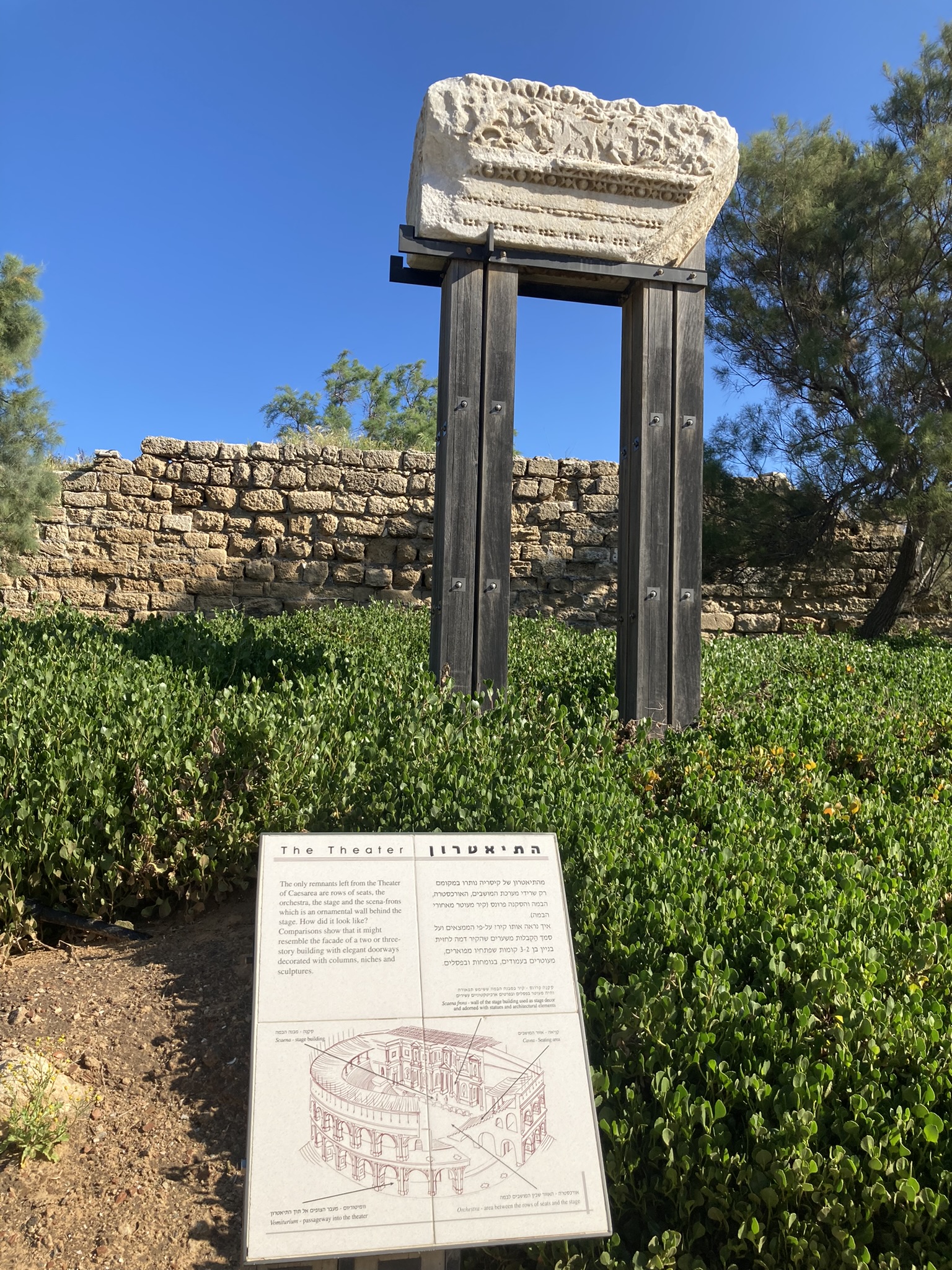
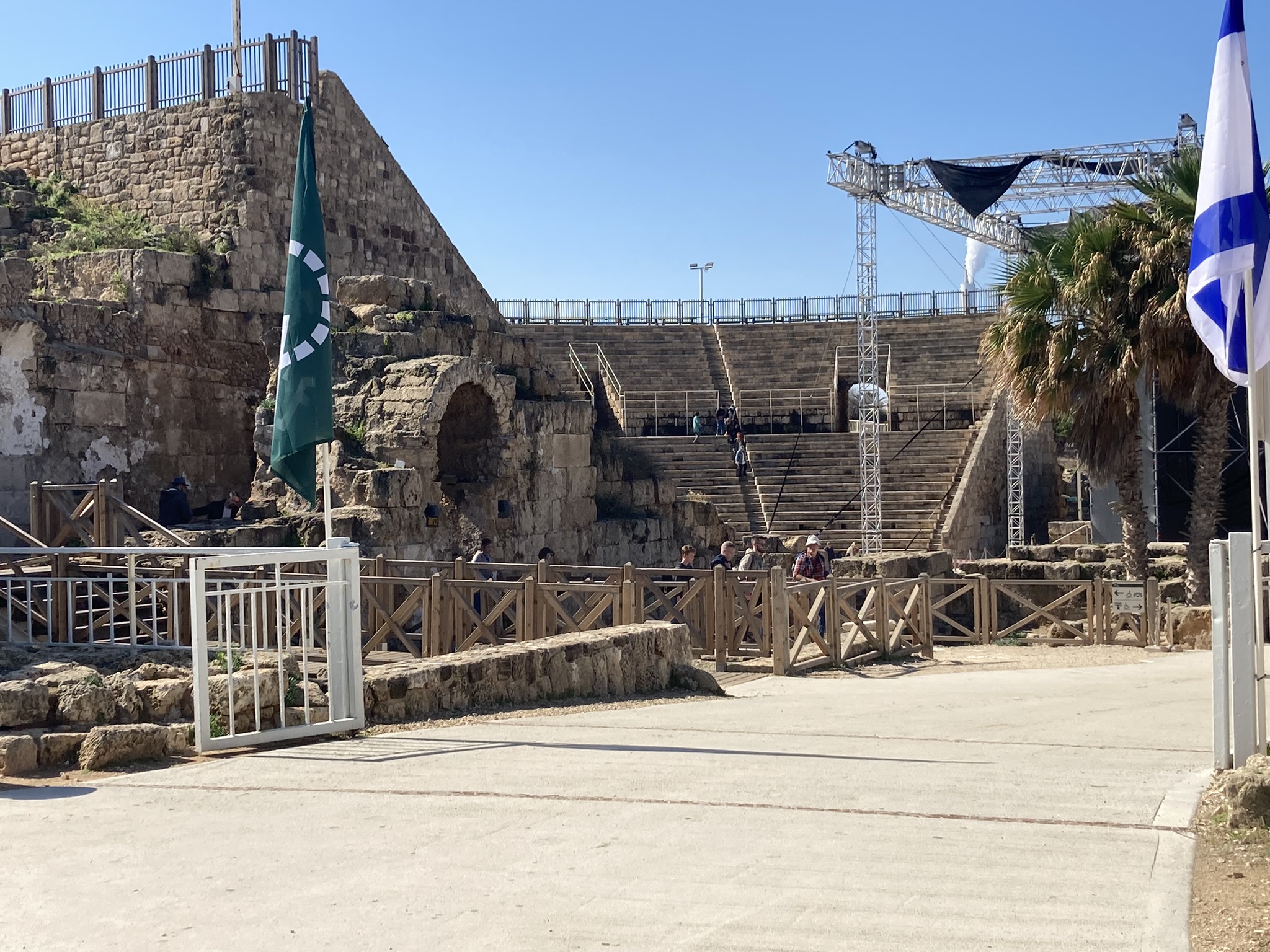
-The theater illustrated the glory of the Hellenistic lifestyle. It was seductive and overwhelming to the Jewish people. It was resisted by the religious community. An ancient rabbi named Yizak is quoted in Megilla, a collection of Jewish sayings, as believing that Caesarea and Jerusalem could not prosper at the same time. Either one or the other would be in ruins. This was his way of teaching that the values represented by Caesarea (and its theater) were antithetical to those of Jerusalem (and the Temple).
NEW TESTAMENT
-It was here that the Apostle Peter met Cornelius, a Roman centurion who became one of the first gentile believers. What’s more, Peter also baptized Cornelius and his two servants. (Acts 10)
-Herod Agrippa I died here (Acts 12:19-23)
-“Herod’s praetorium” was the destination of the apostle Paul for a hearing before Antoninus Felix at Caesarea (Acts 23:35).
-Herod Agrippa II and his sister Bernice visited a new governor, Porcius Festus, there and heard Paul’s self-defense in the akroaterion (audience/hearing room) (Acts 25).
They often stayed there with Philip the evangelist and his daughters who prophesied (Acts 21:8-10).
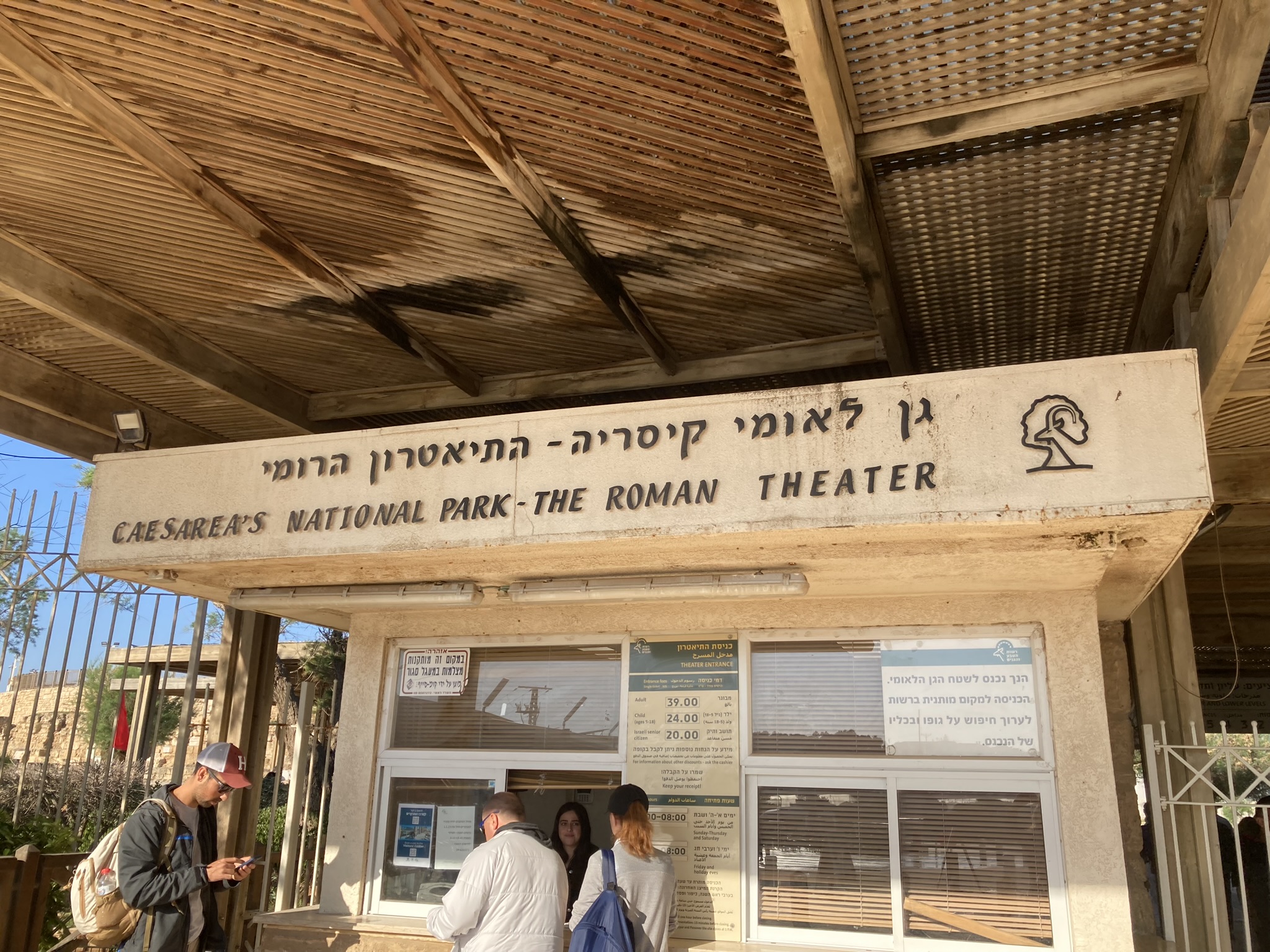
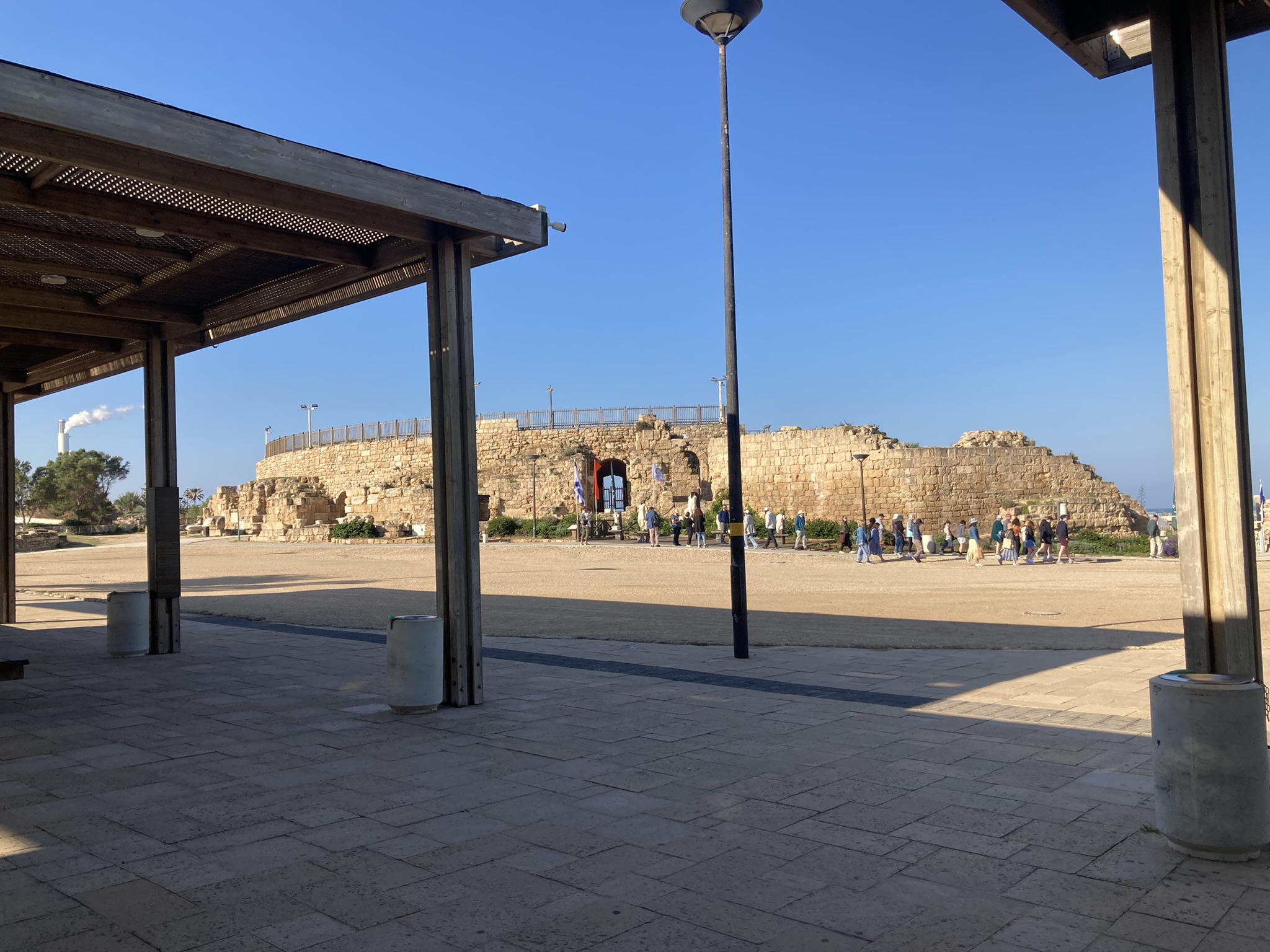
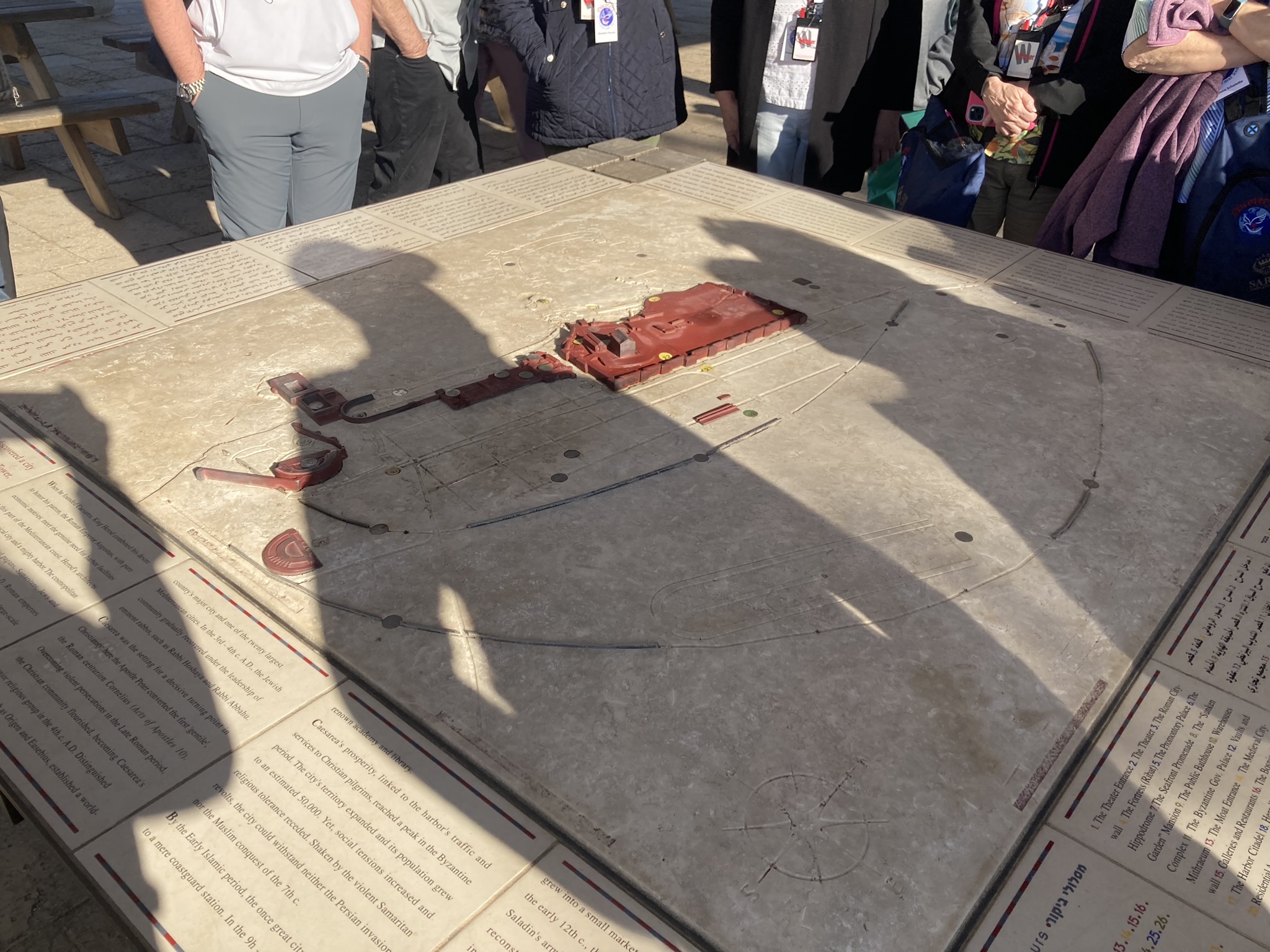
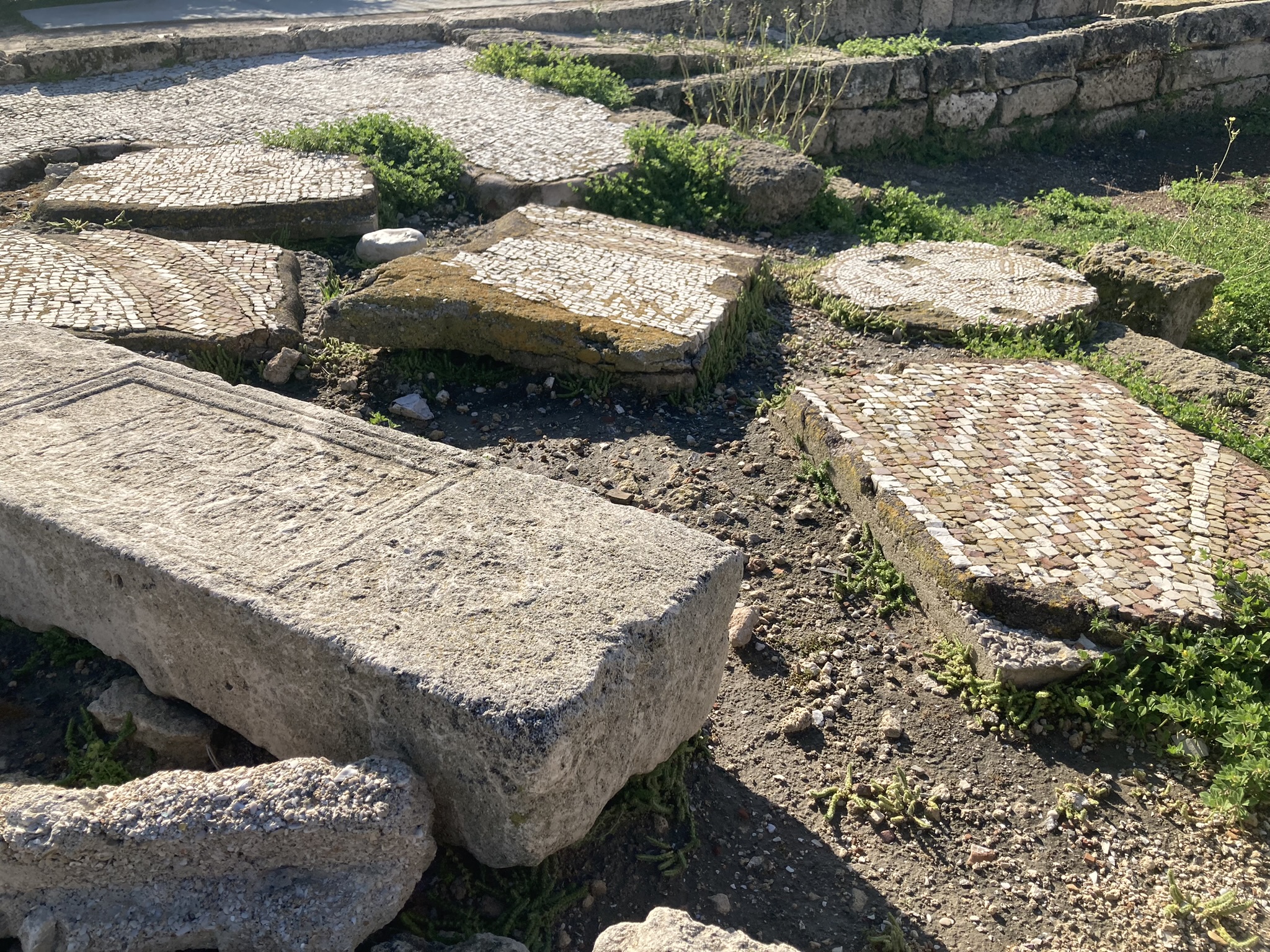
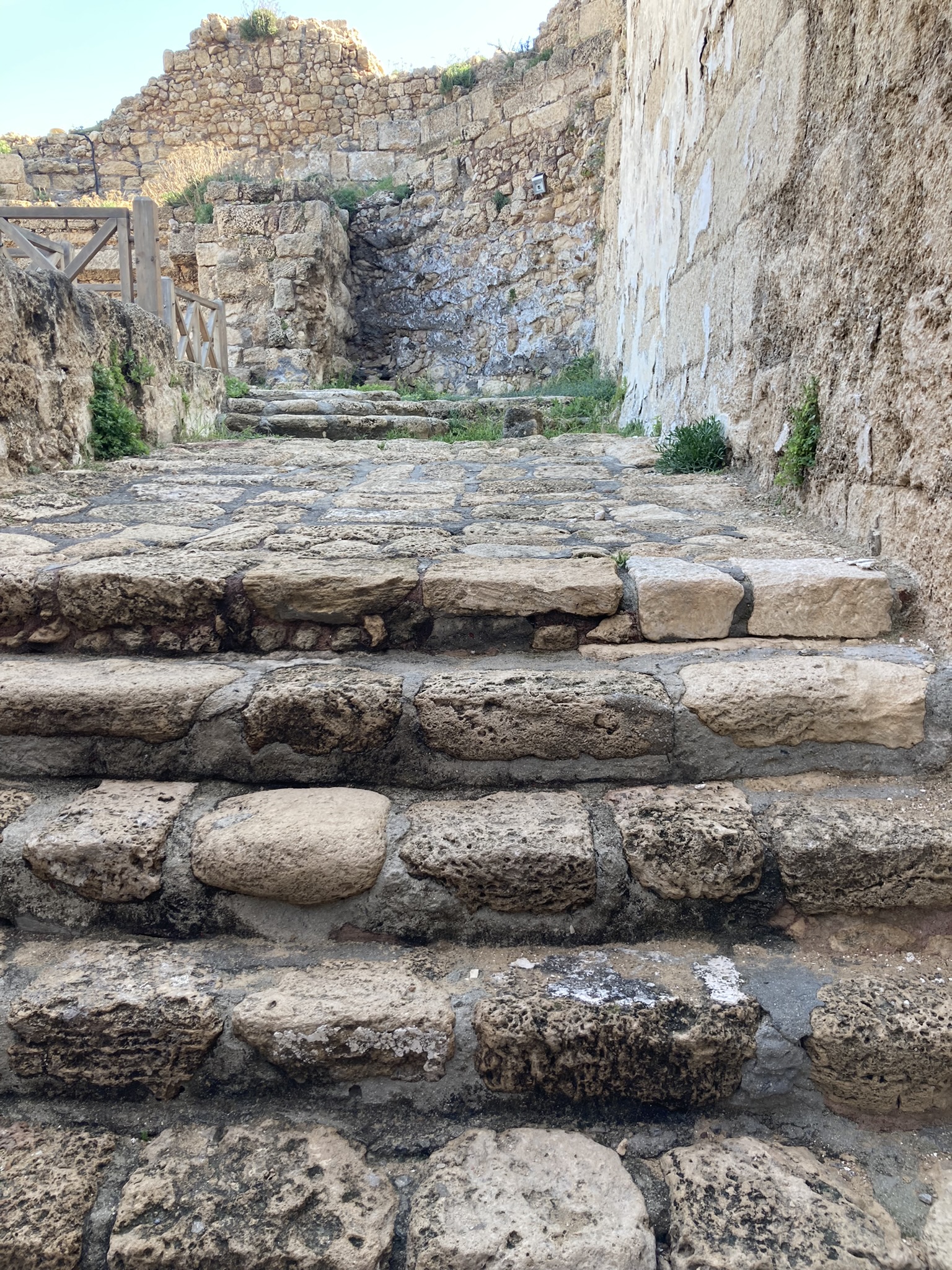
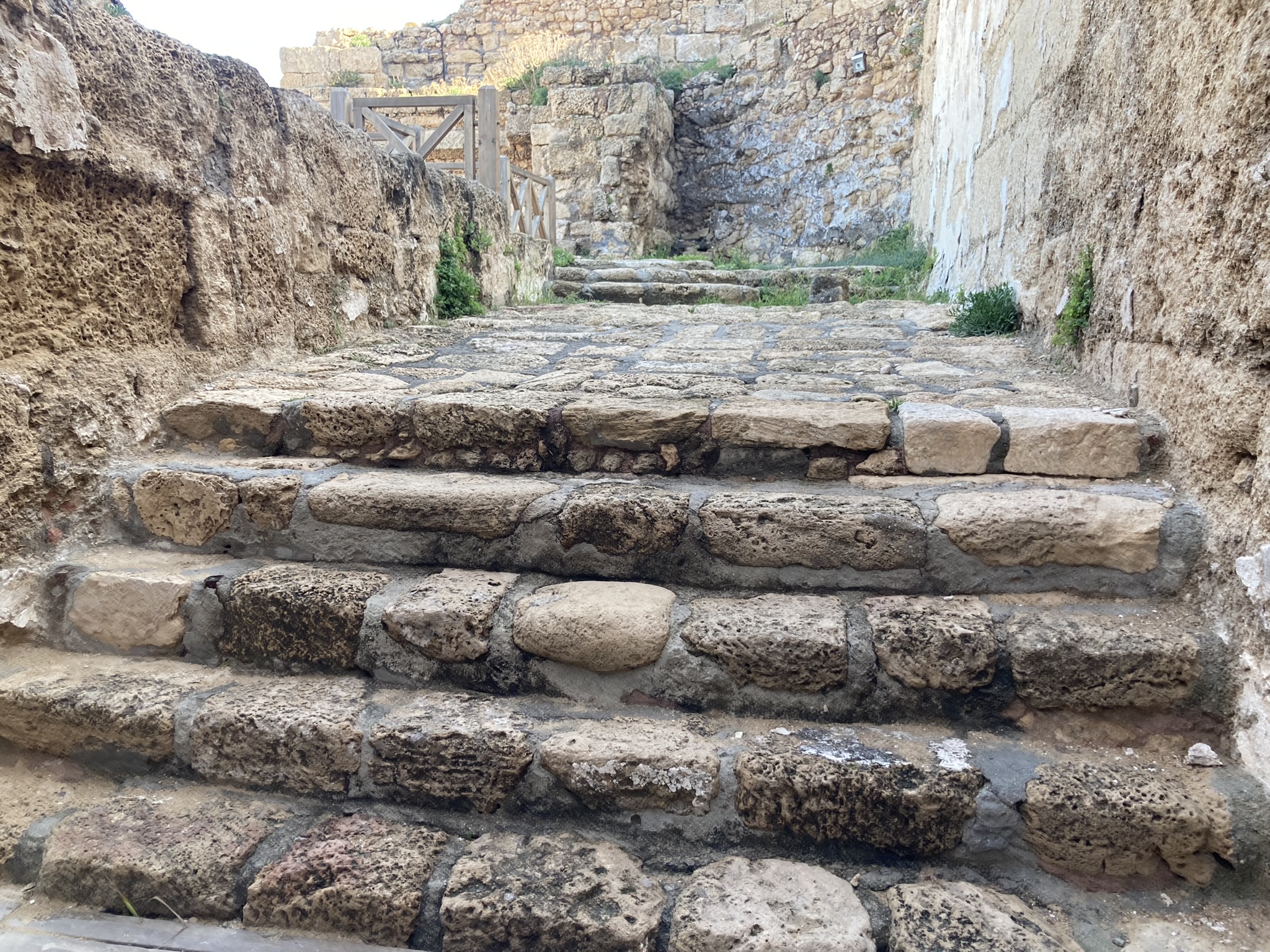
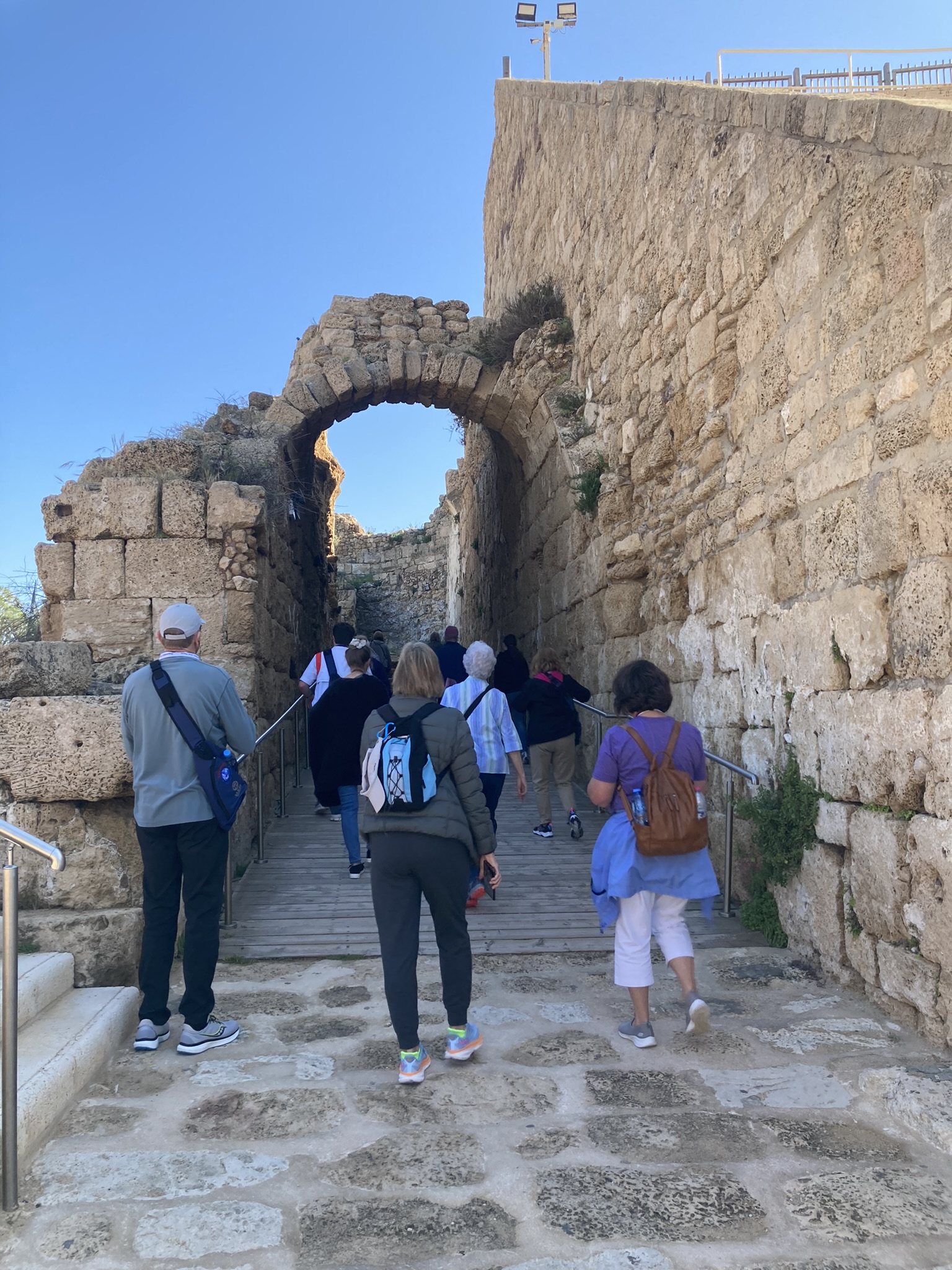
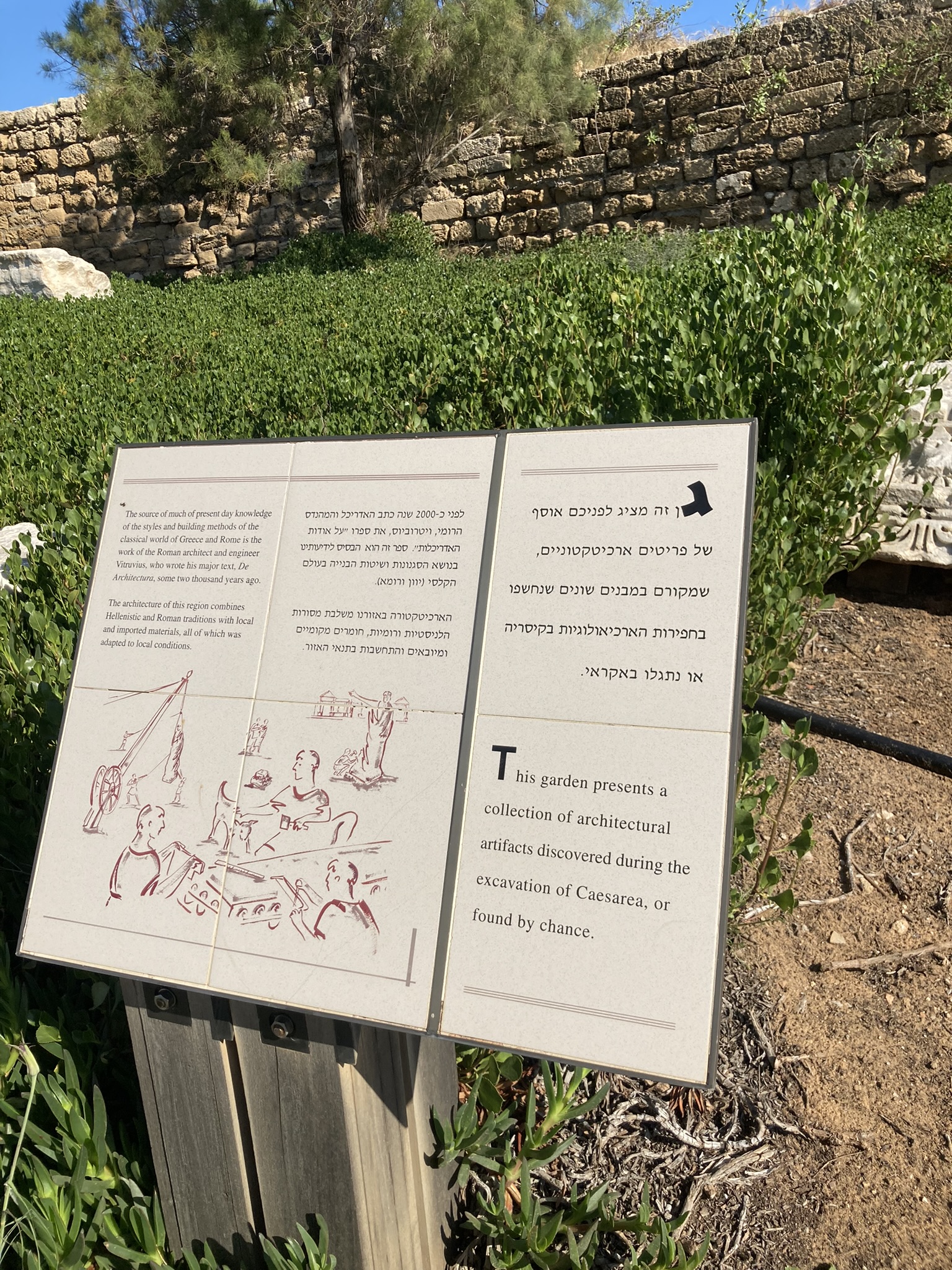
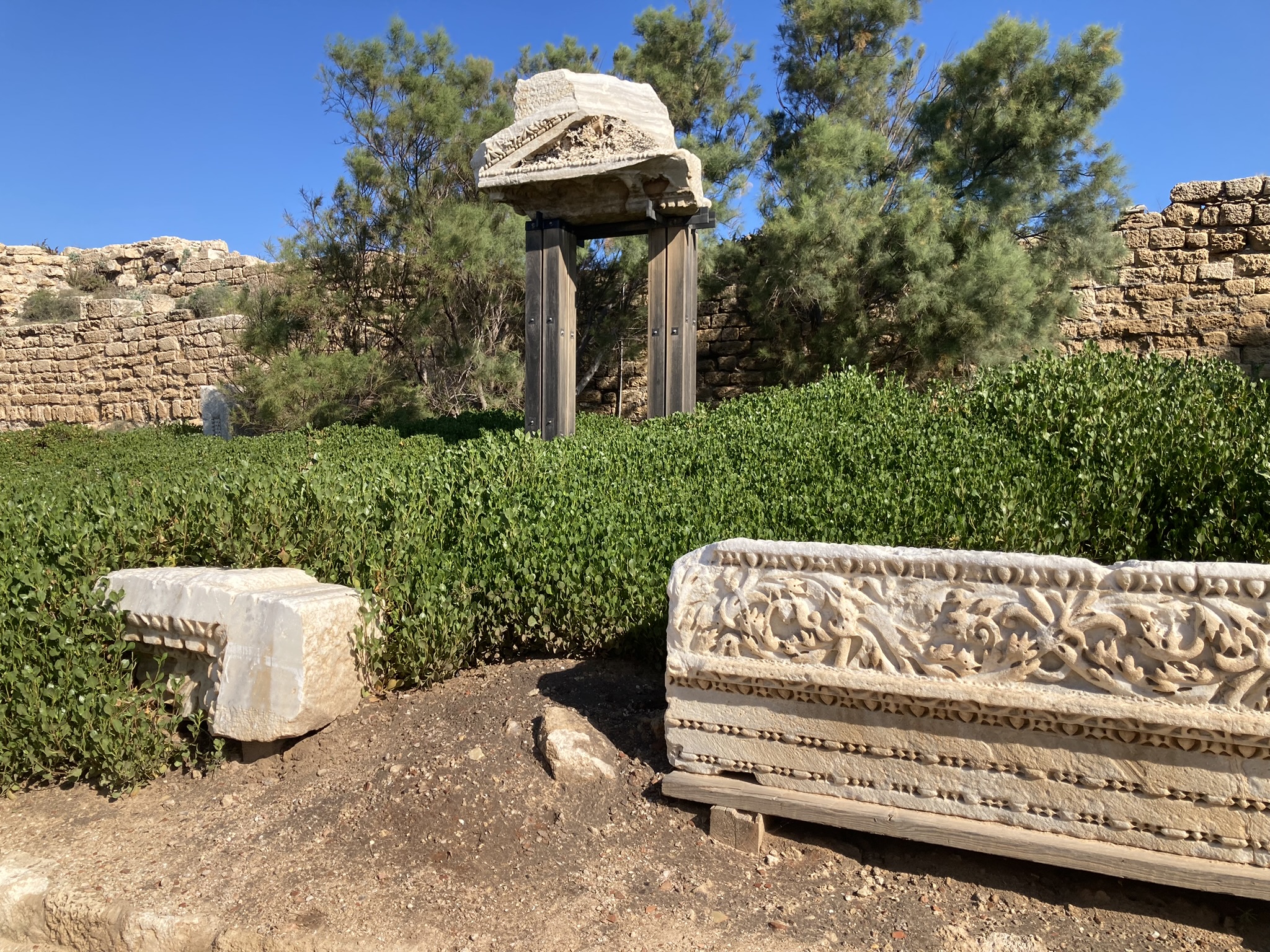
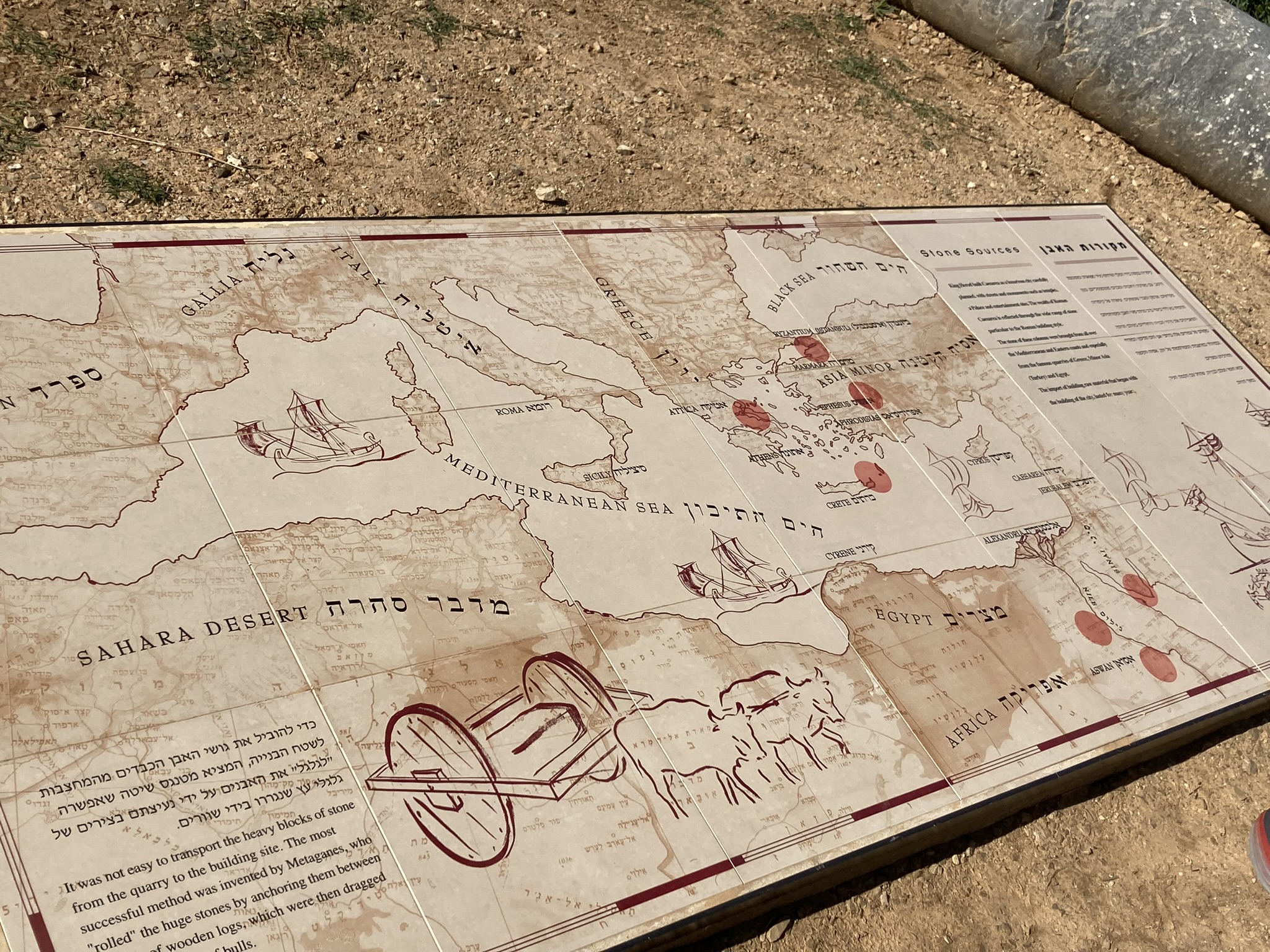
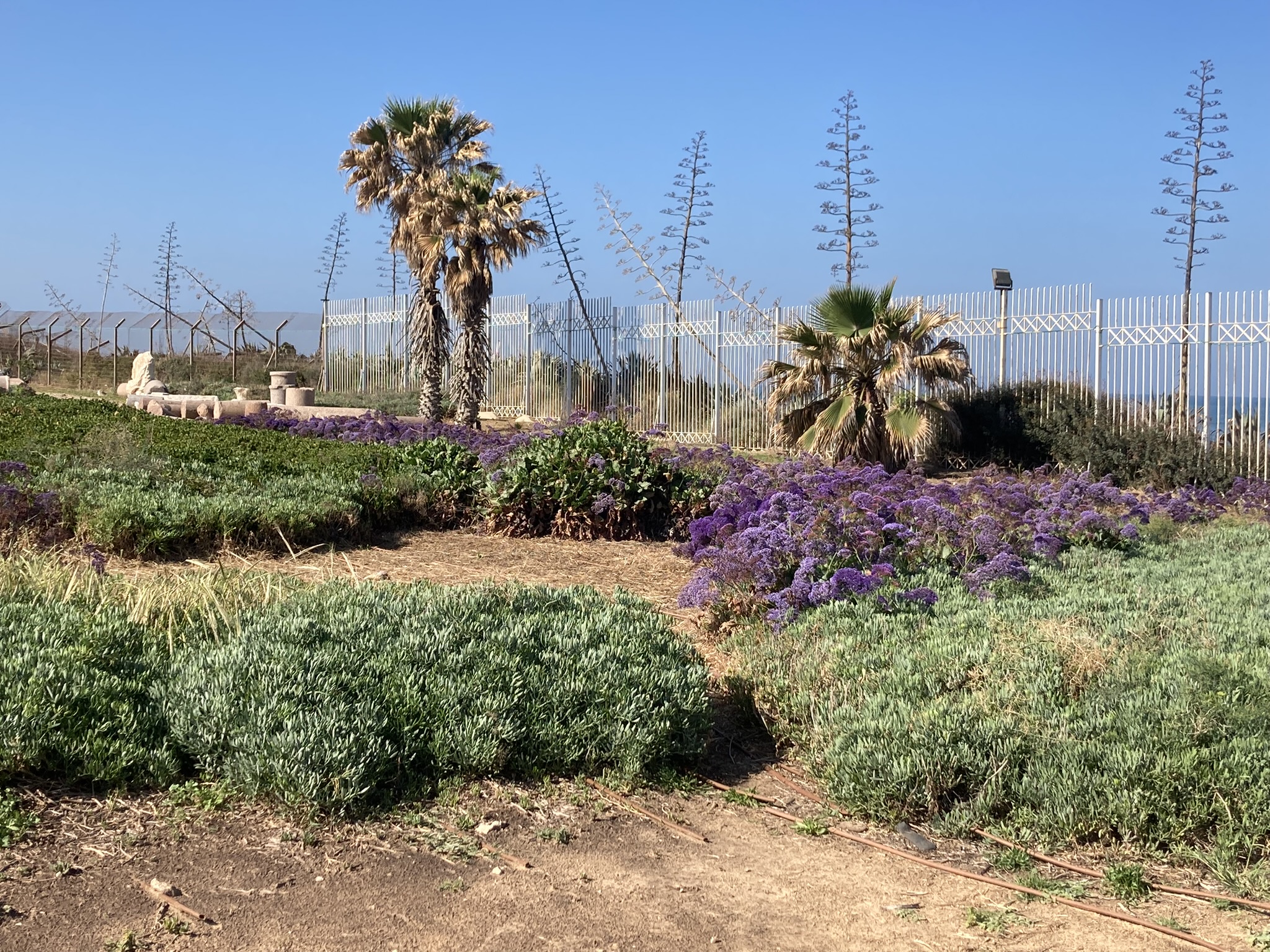
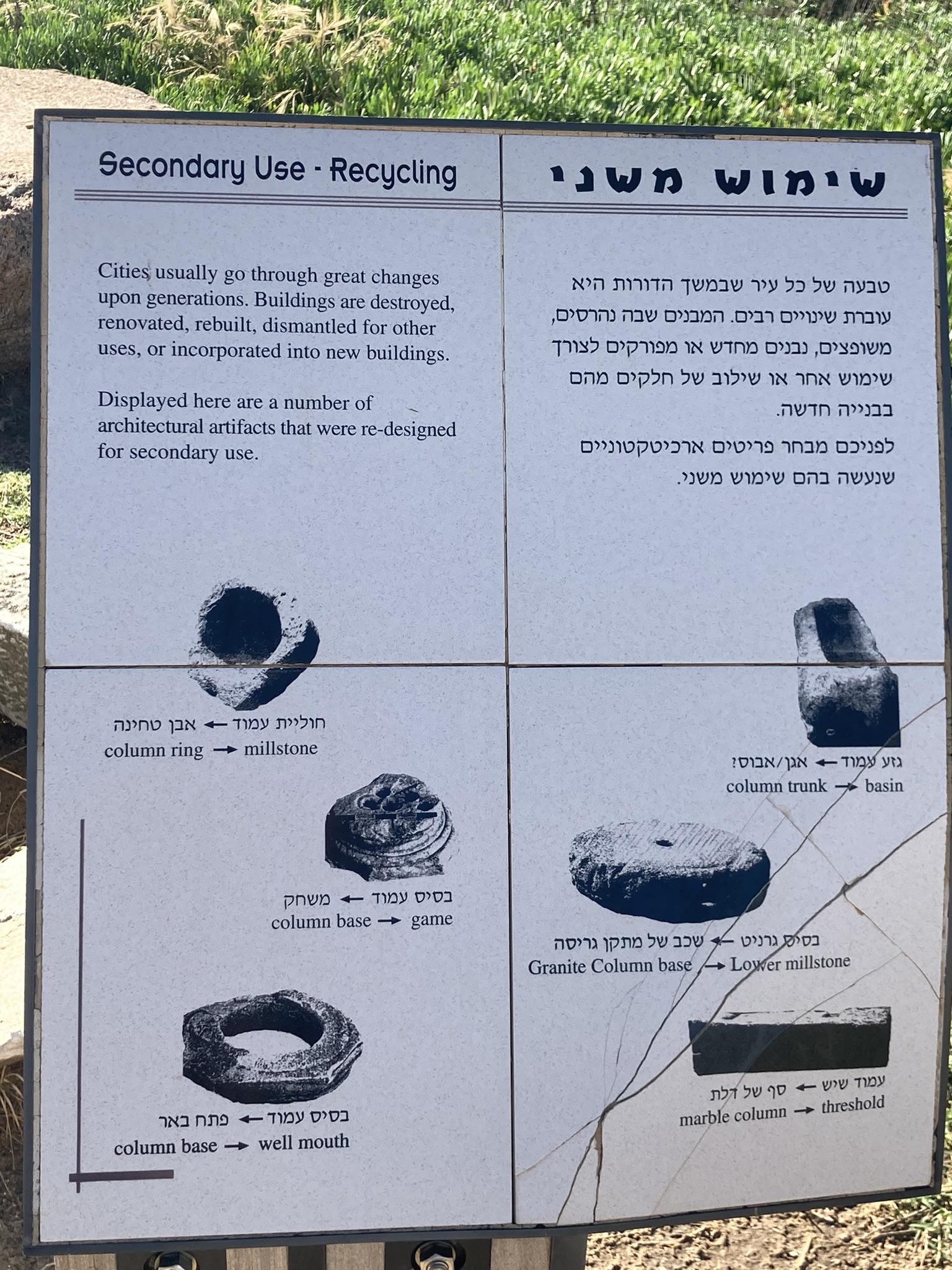
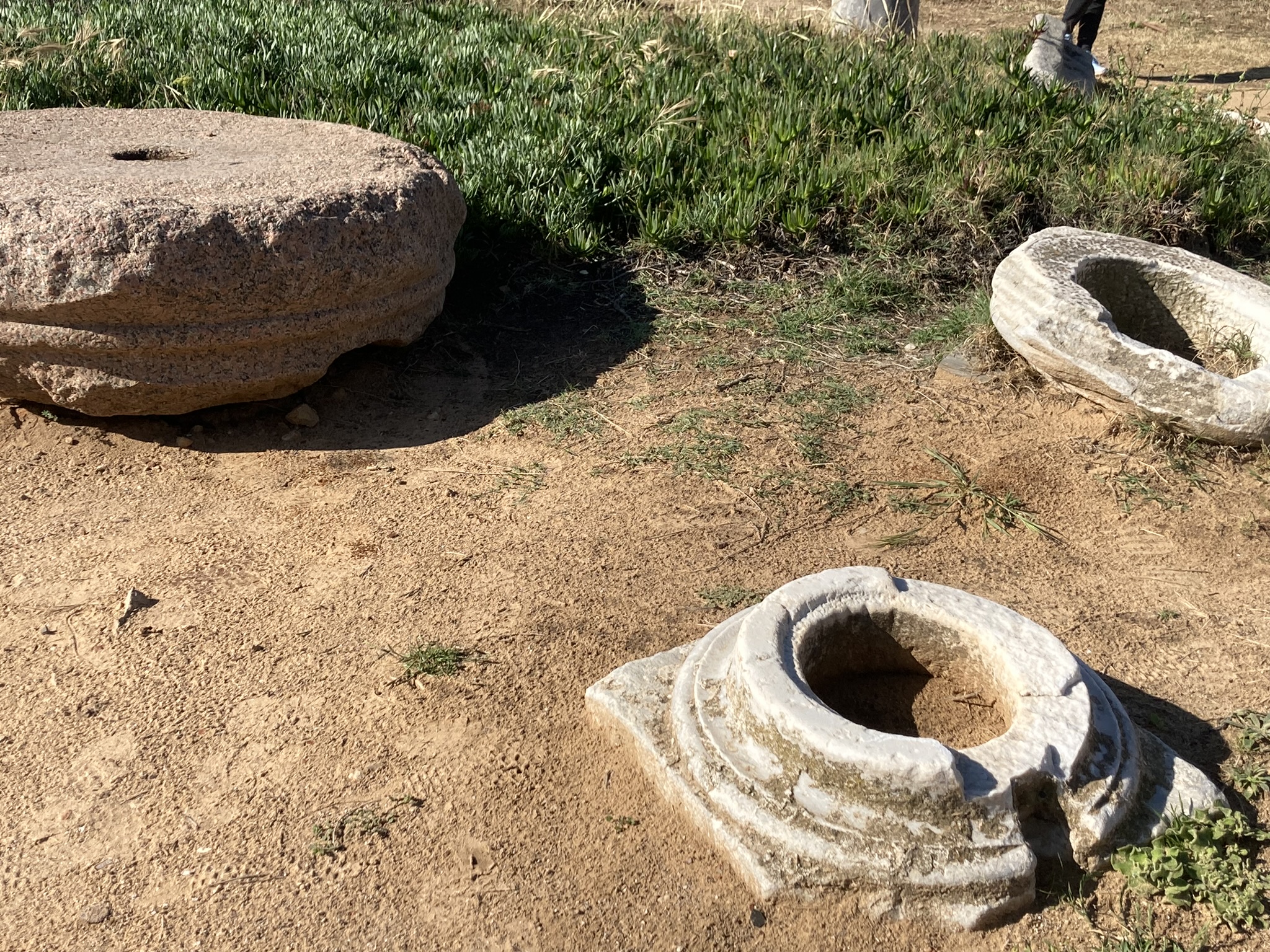
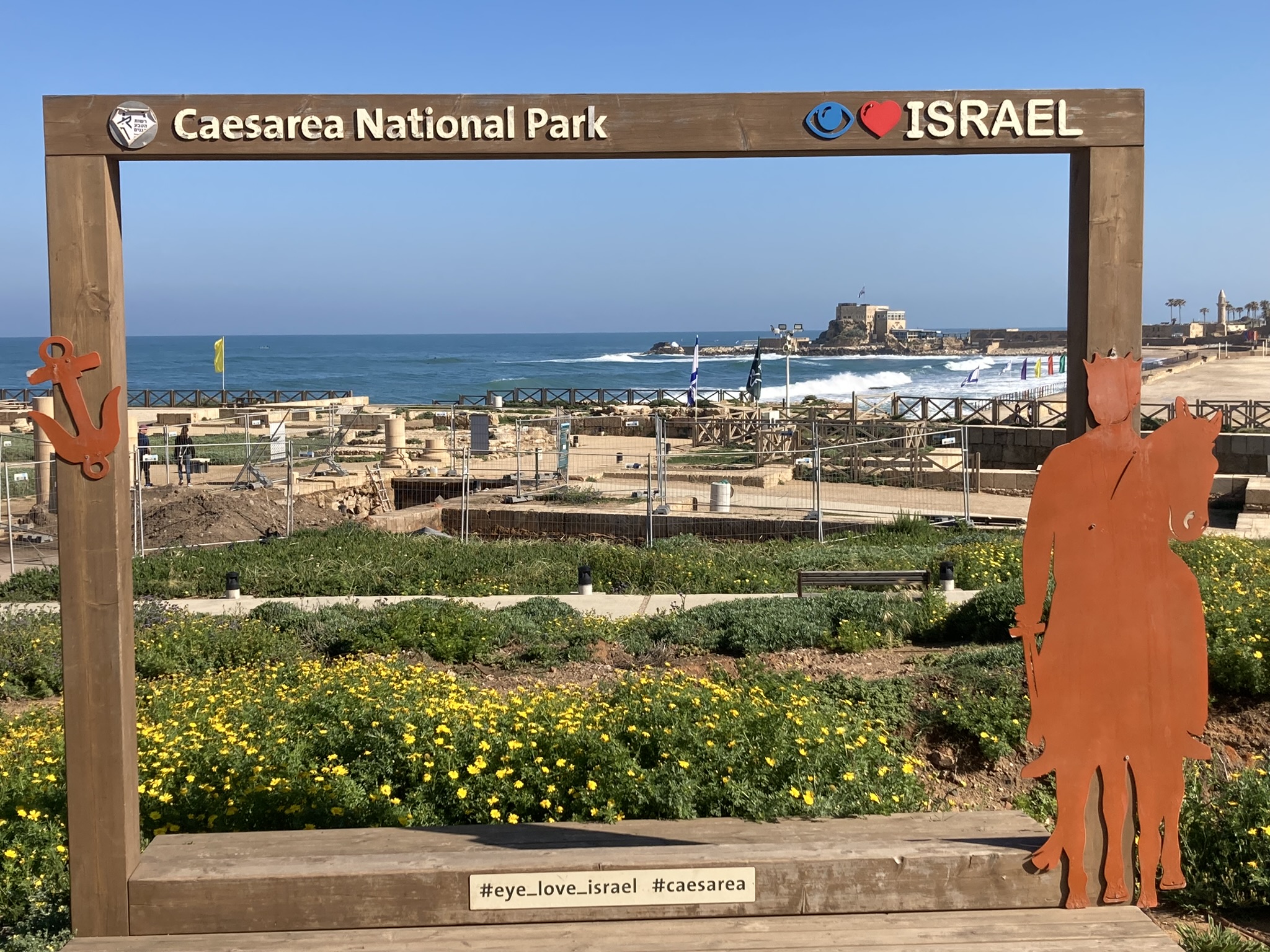
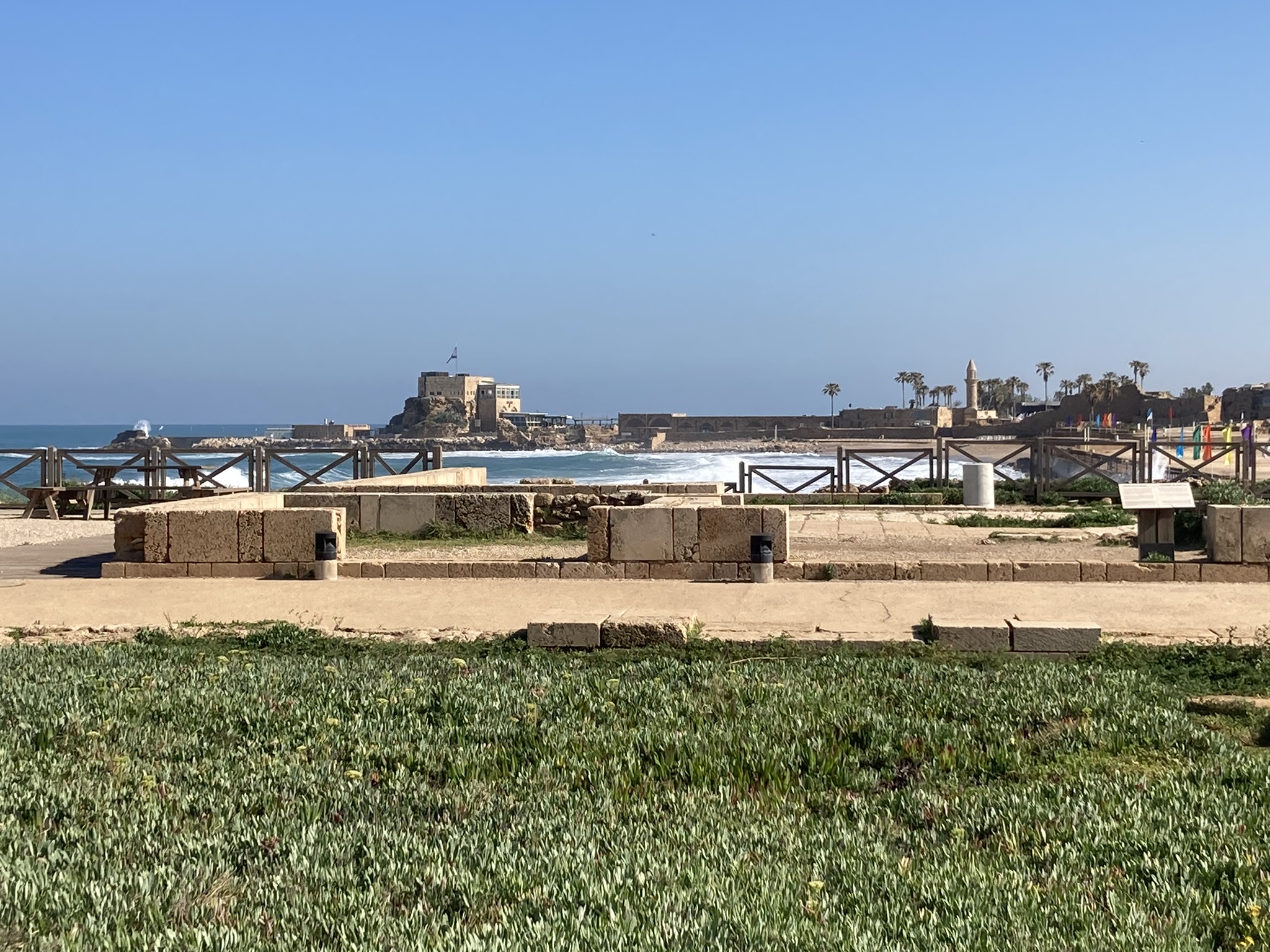
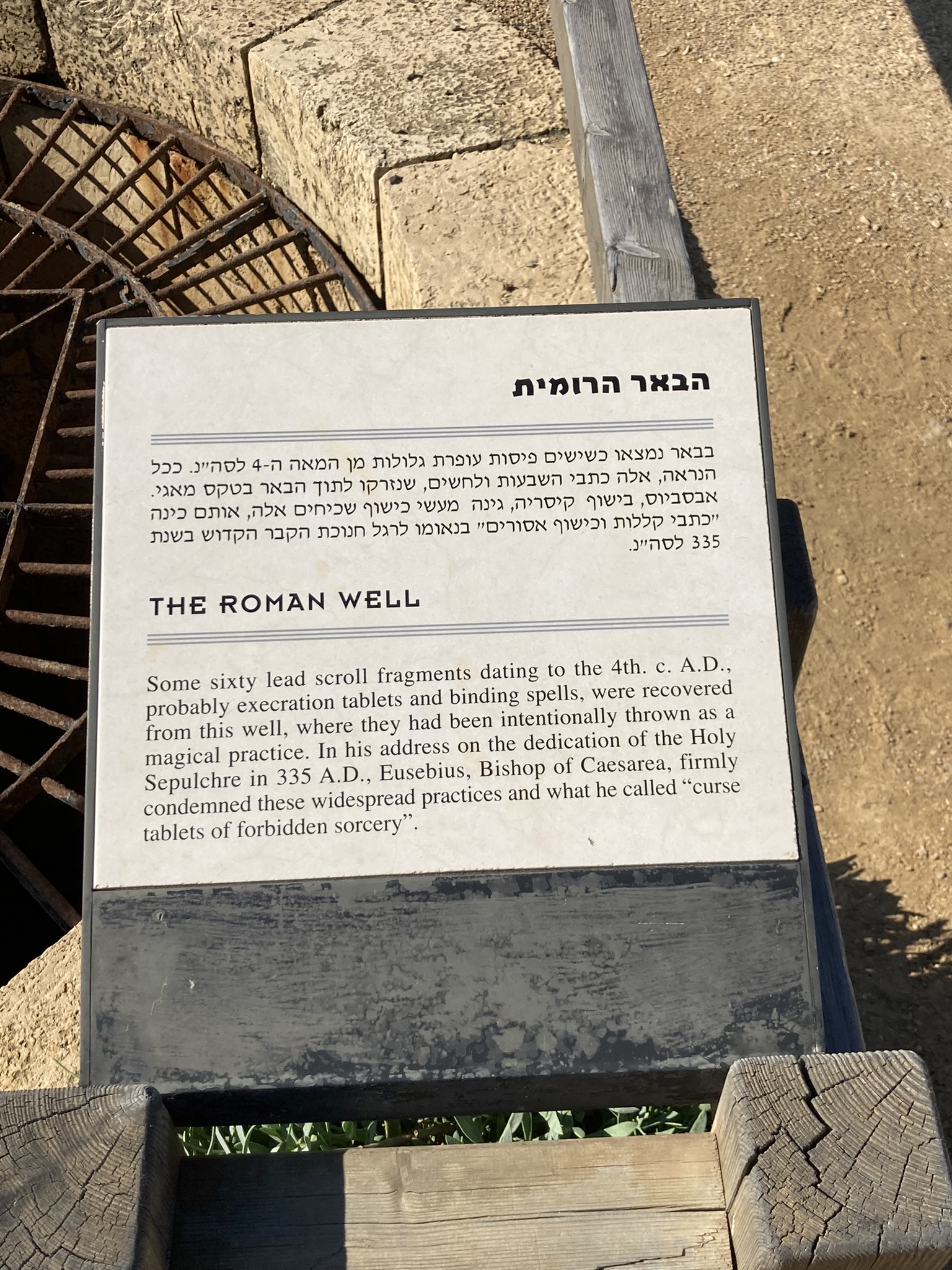
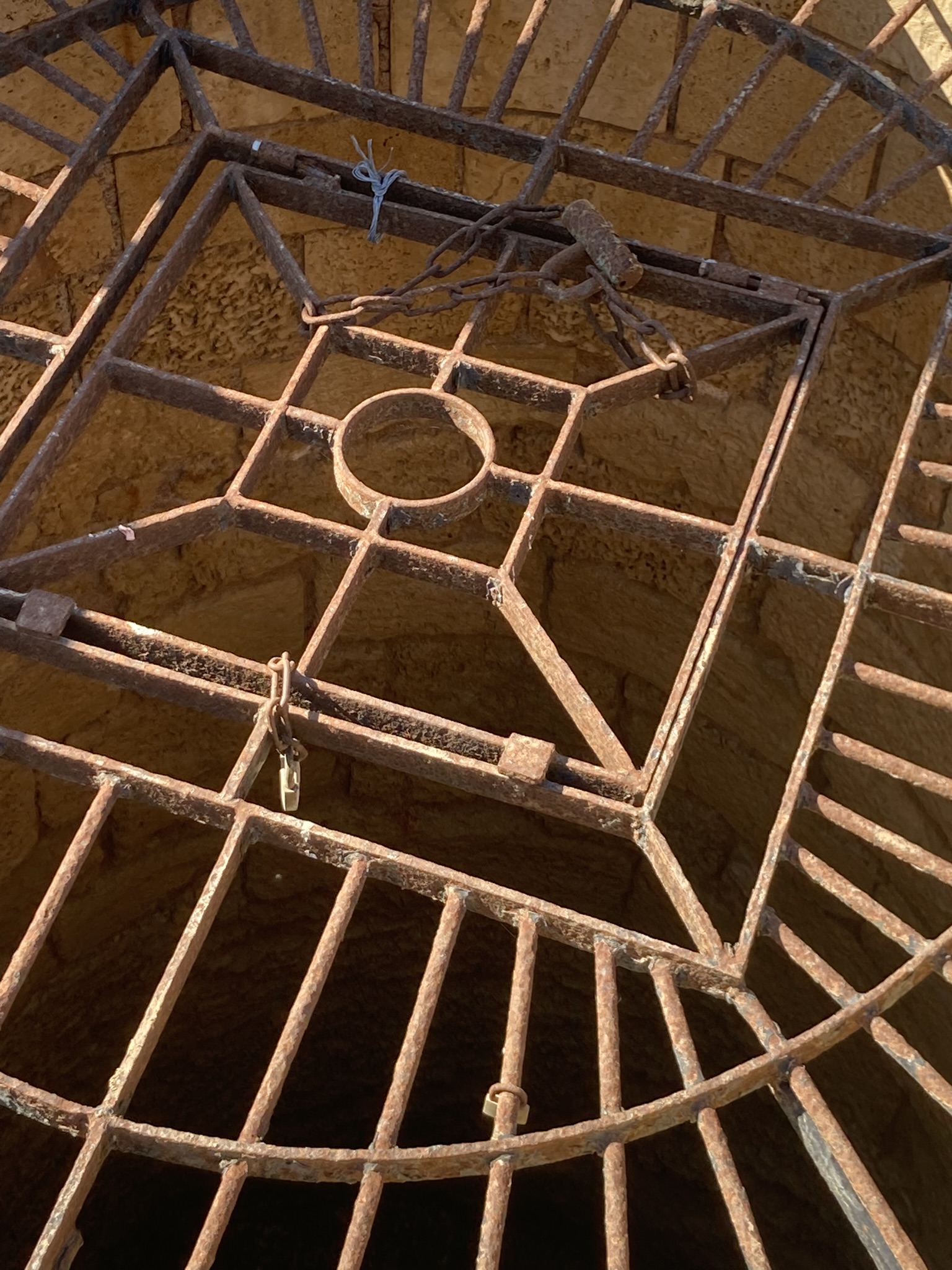
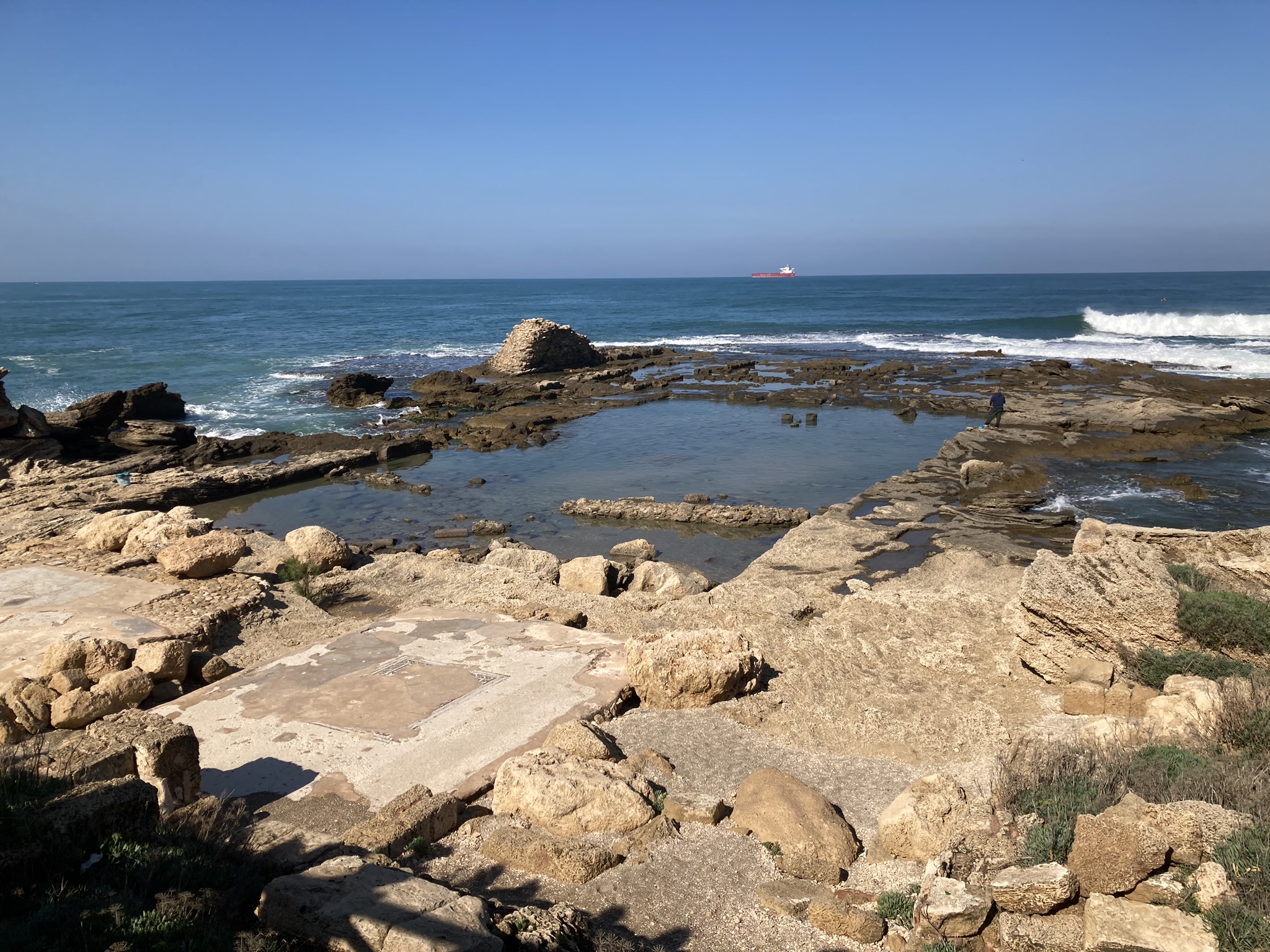
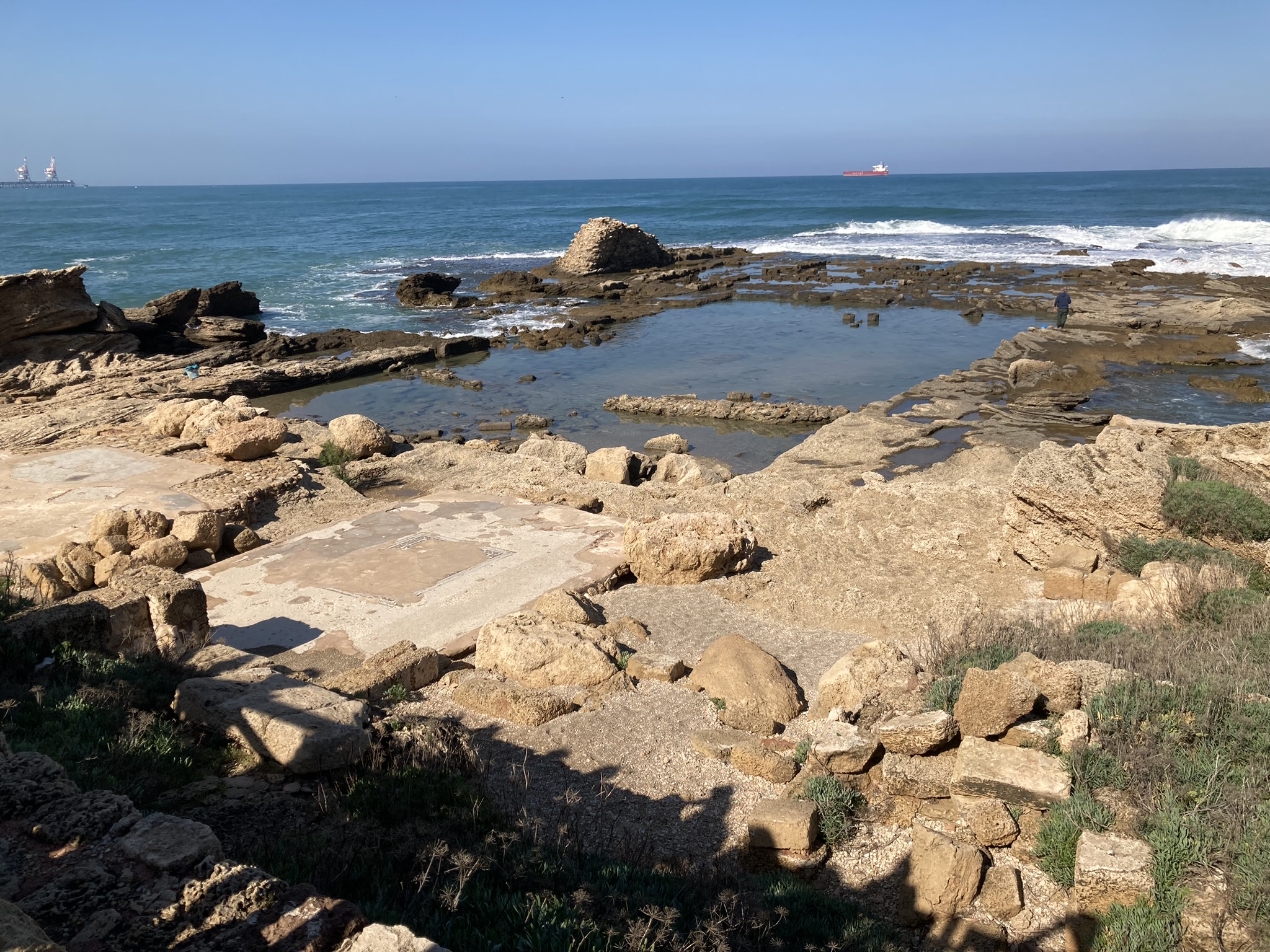
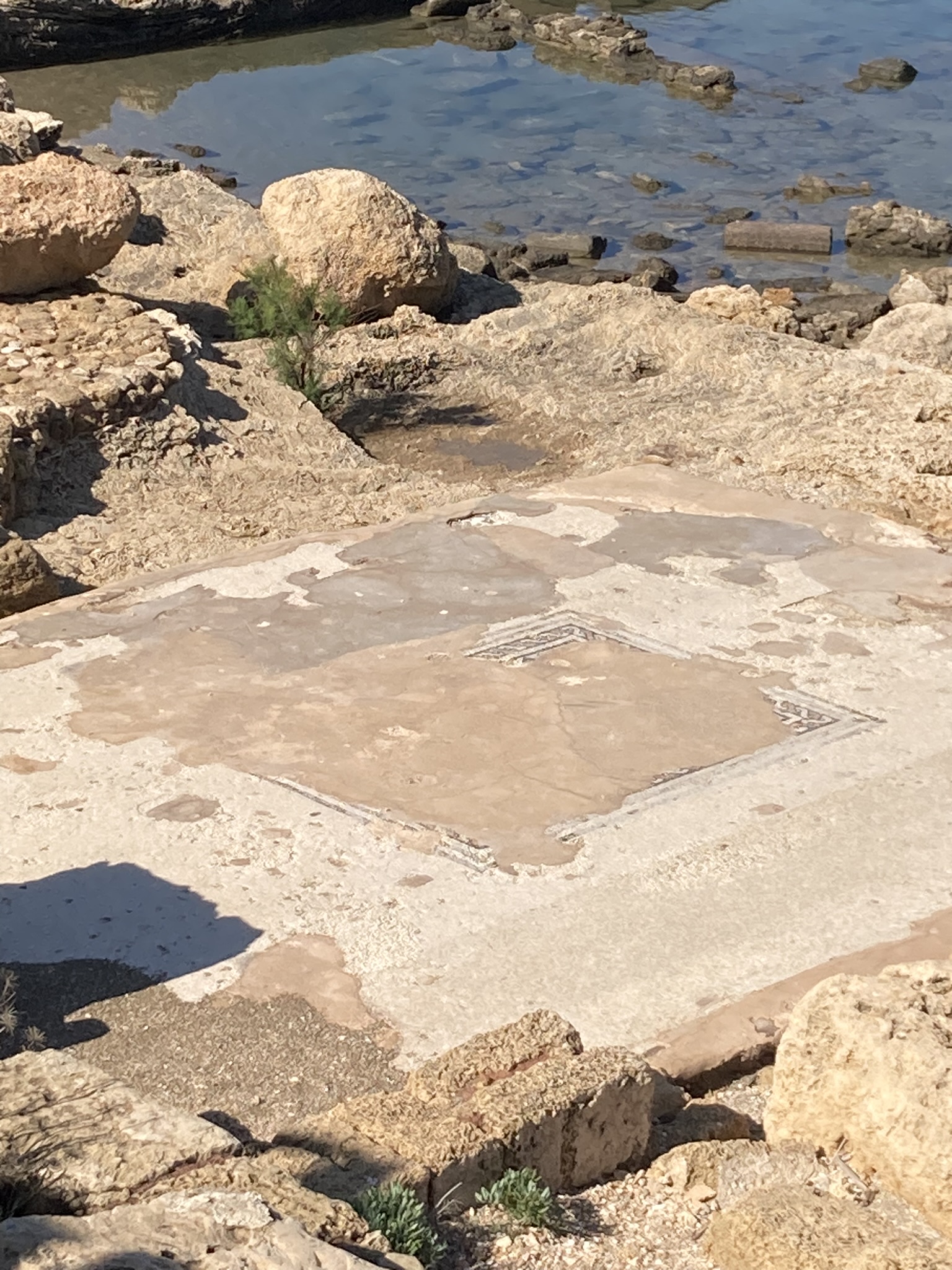
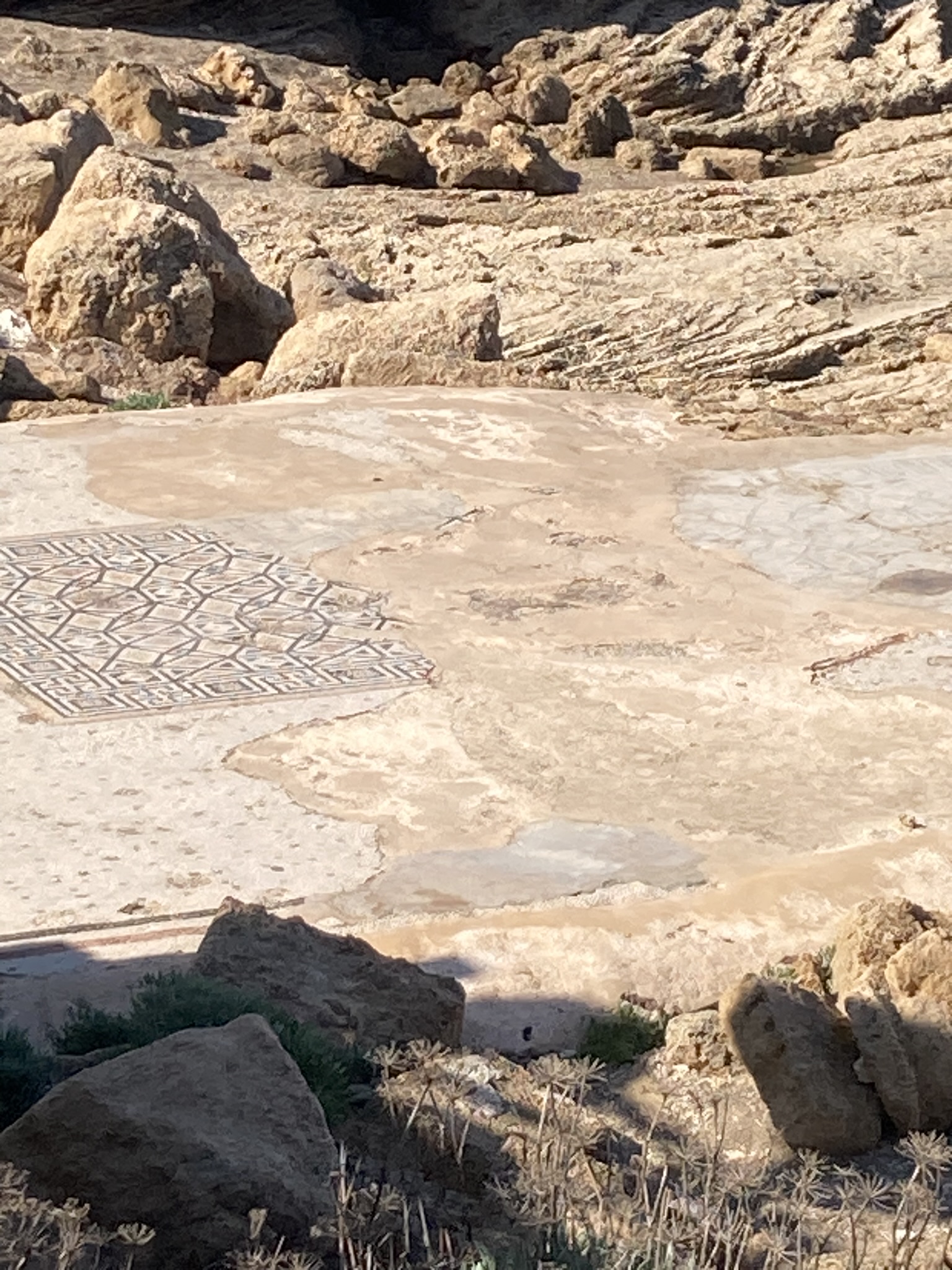
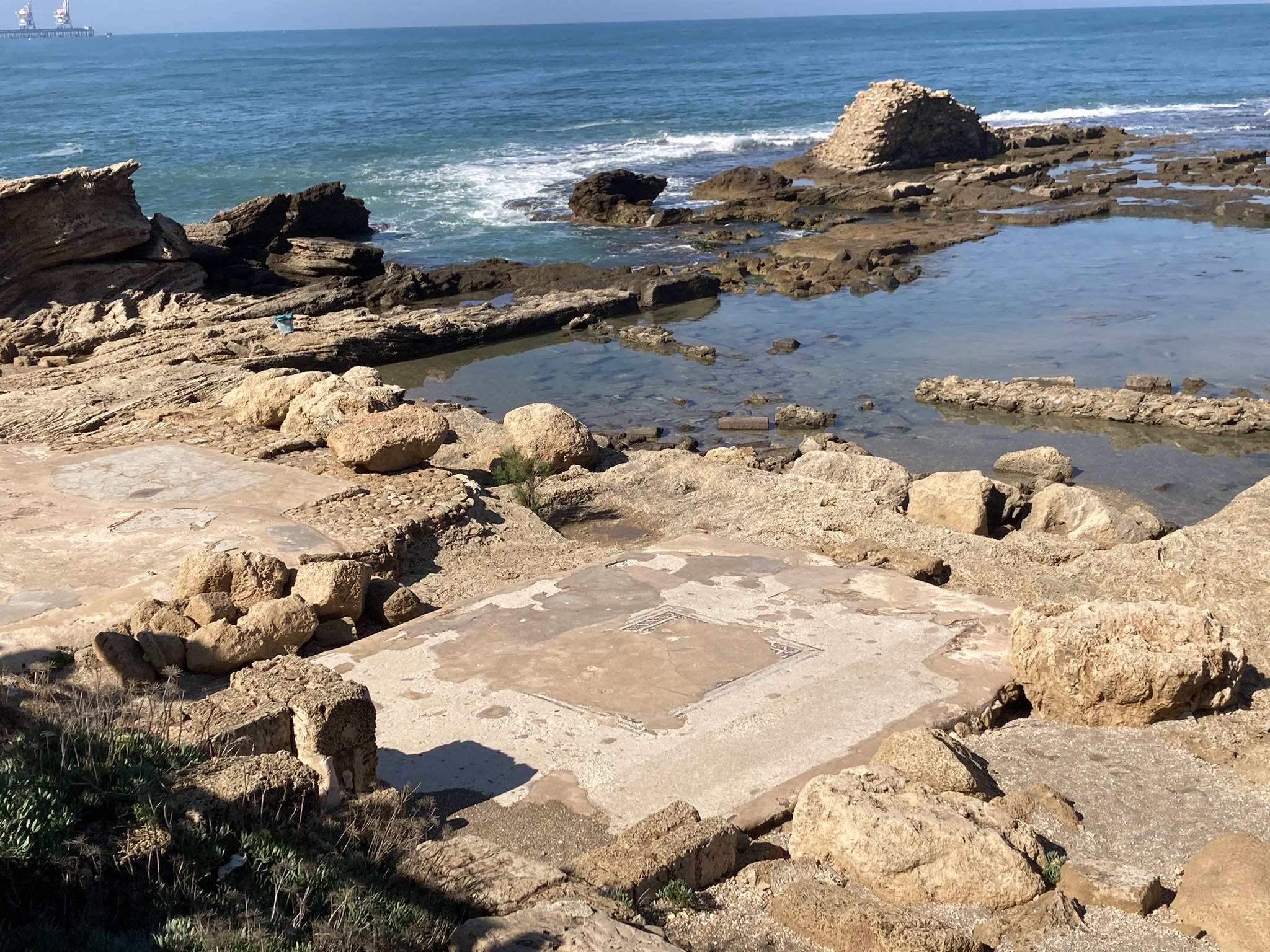
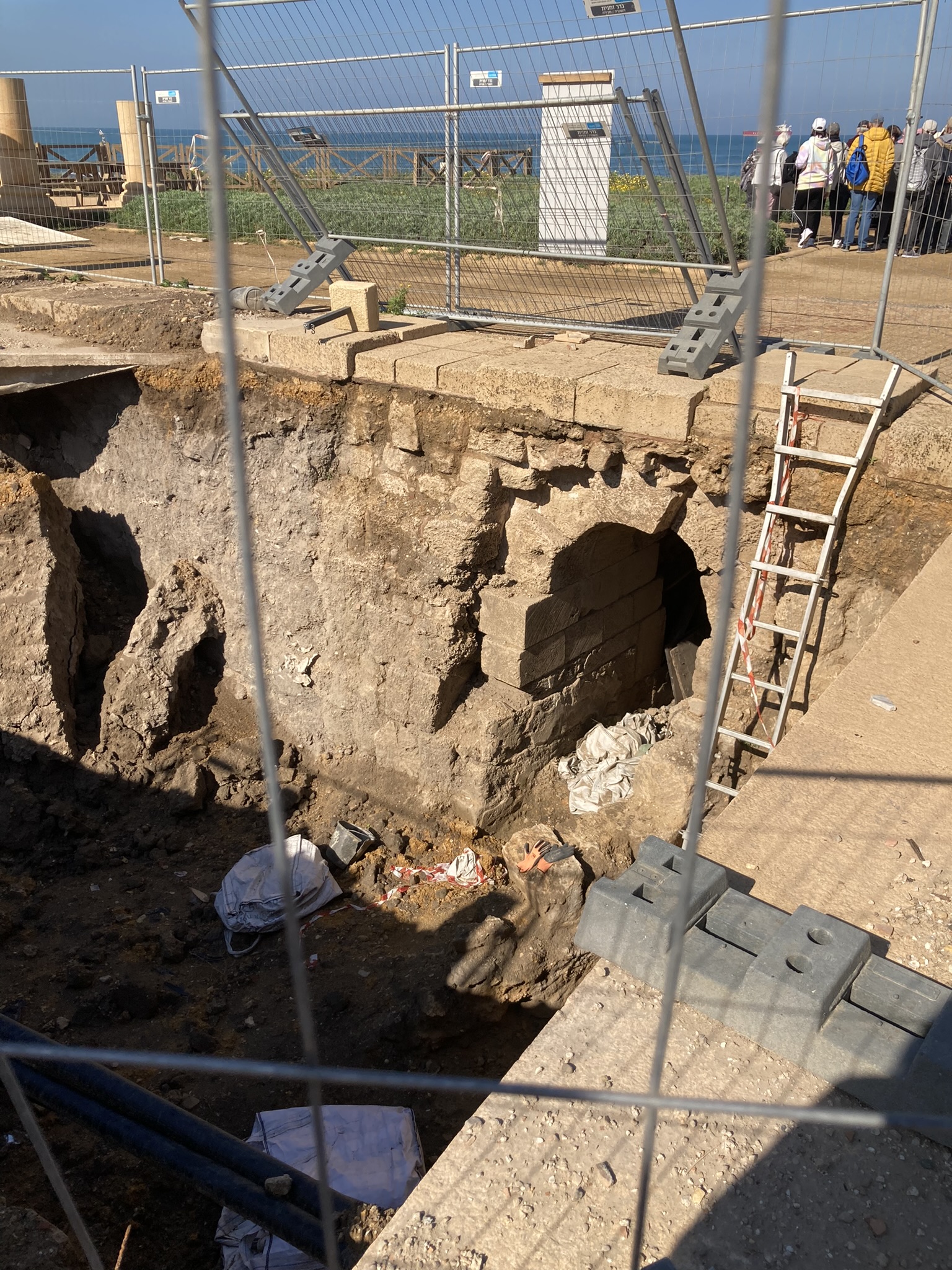
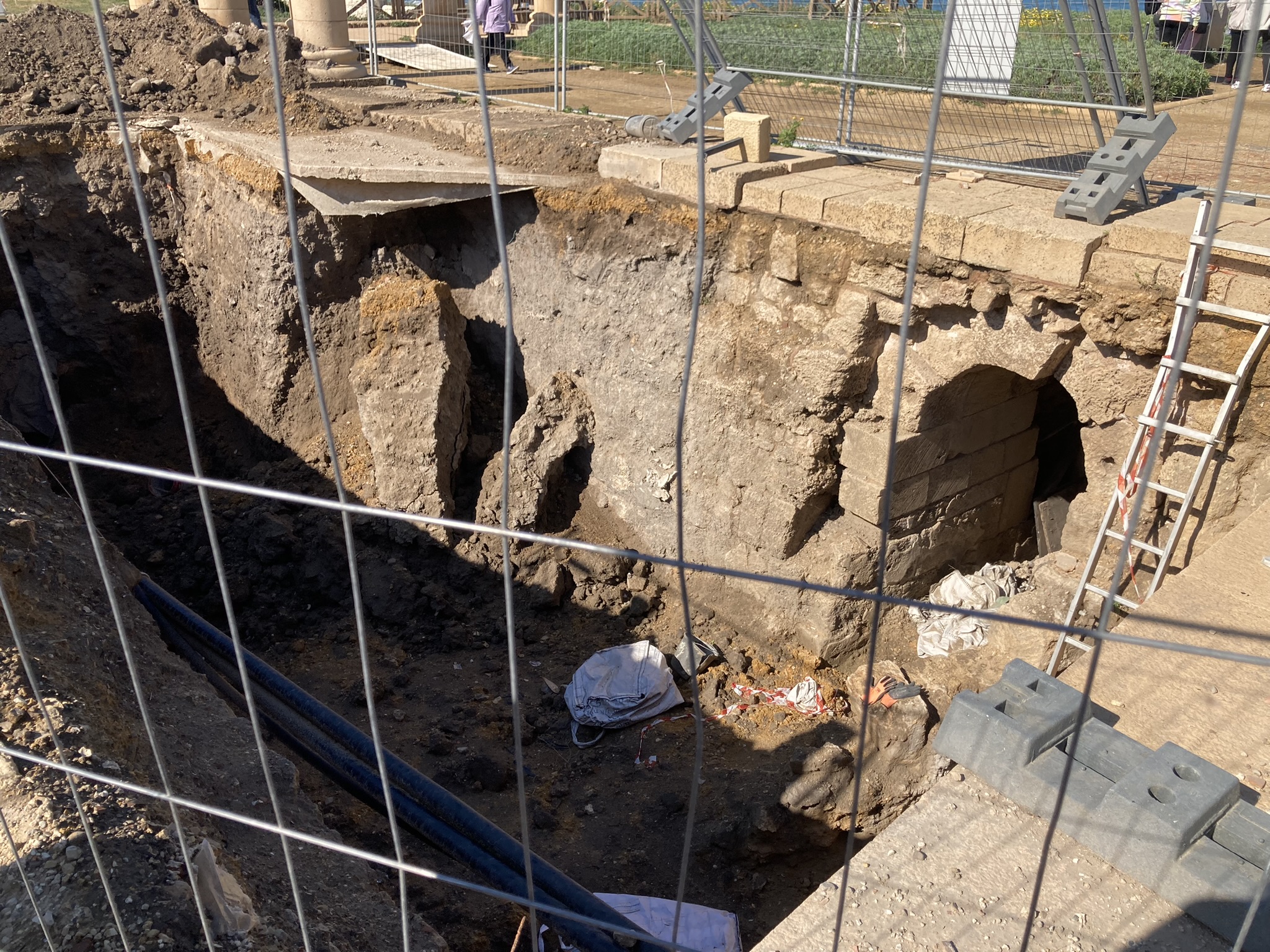
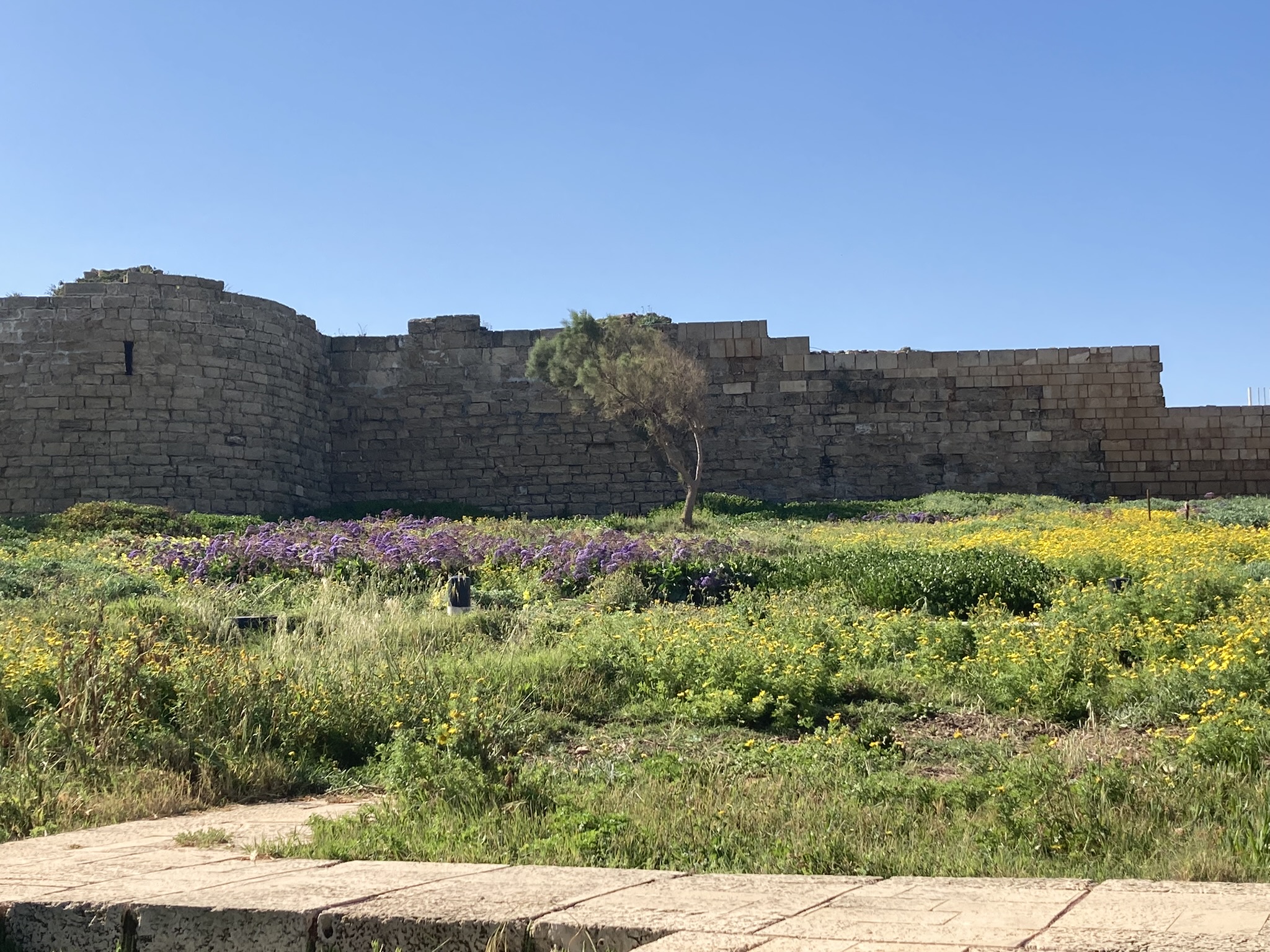
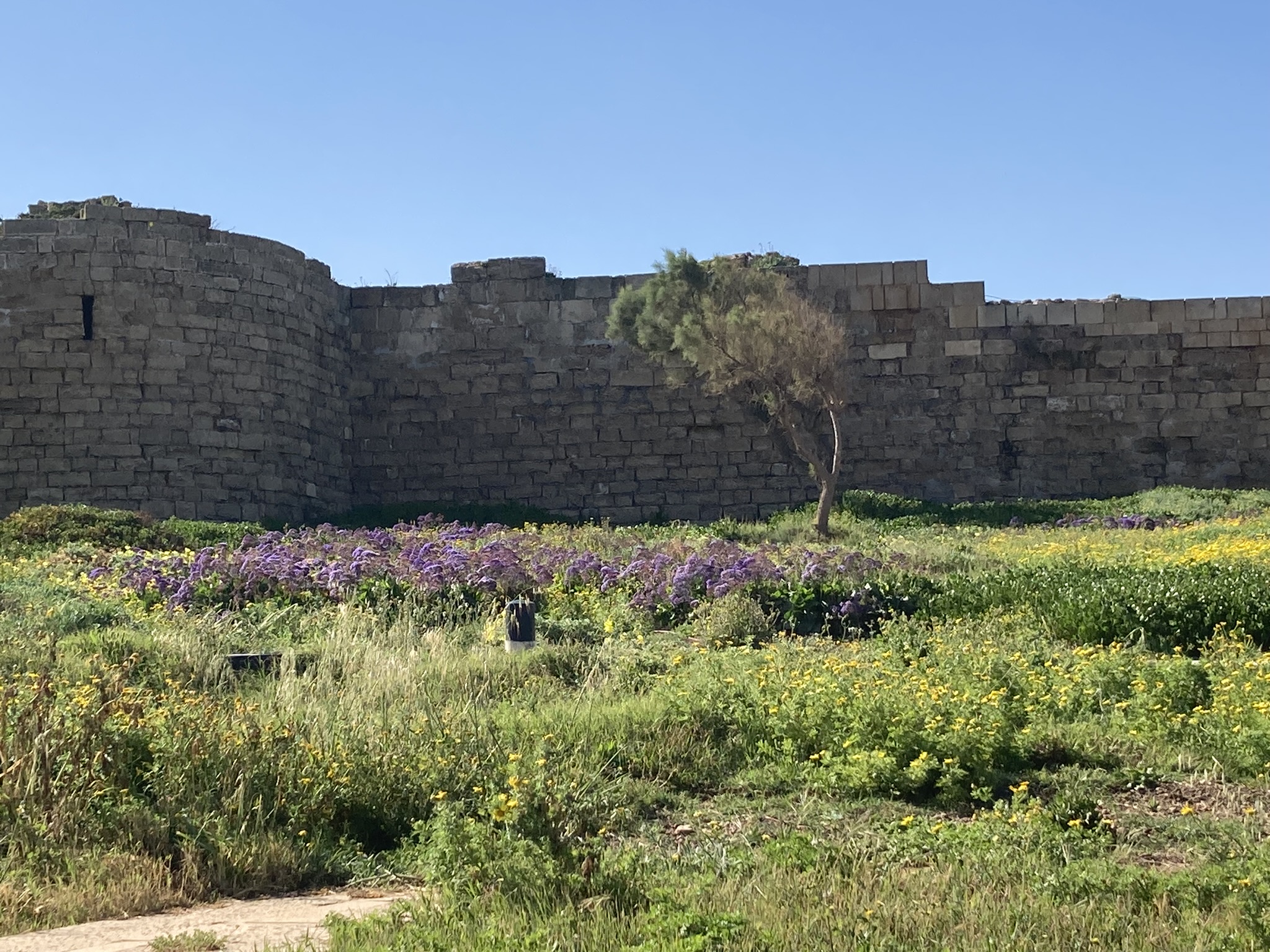
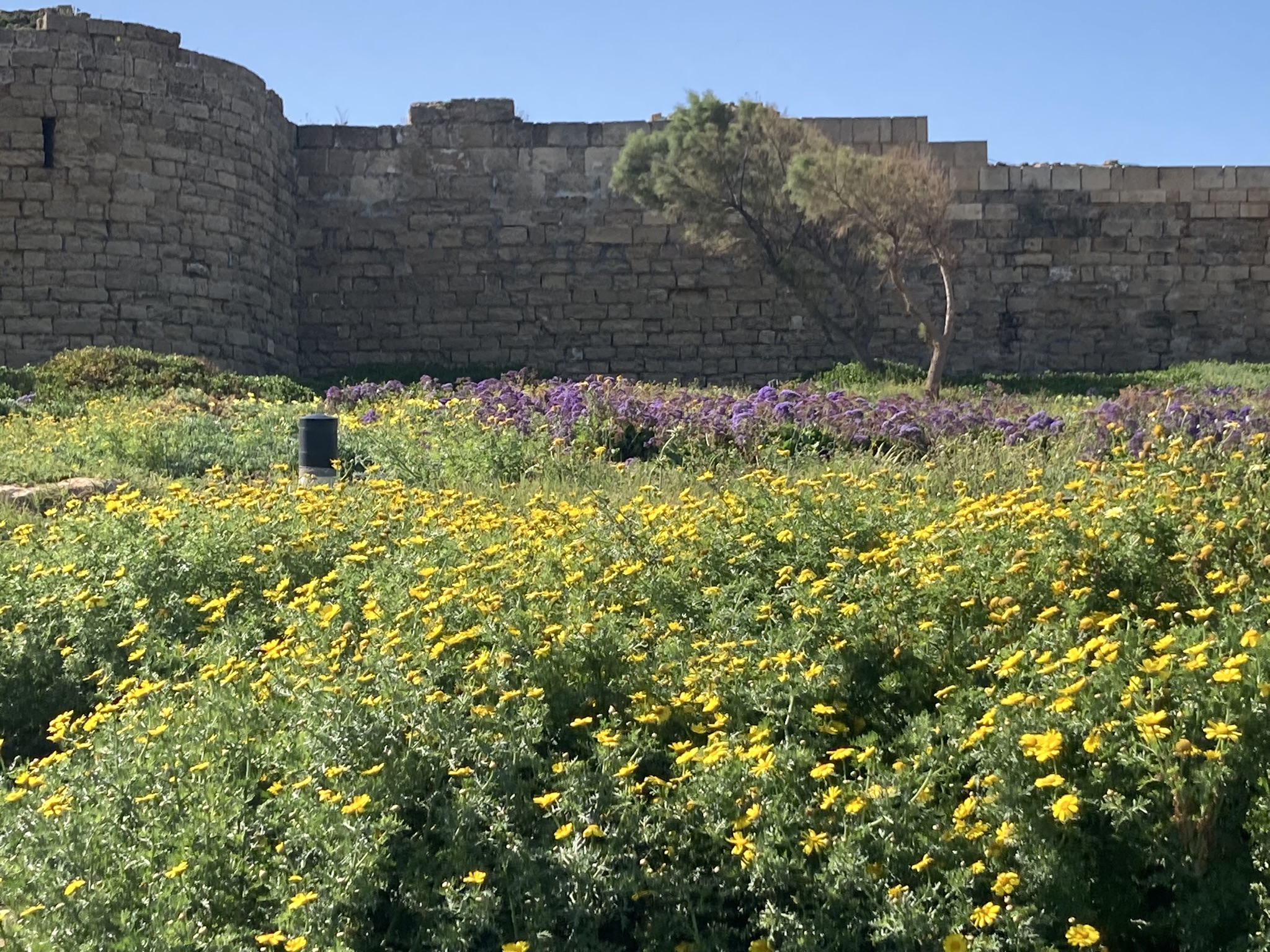
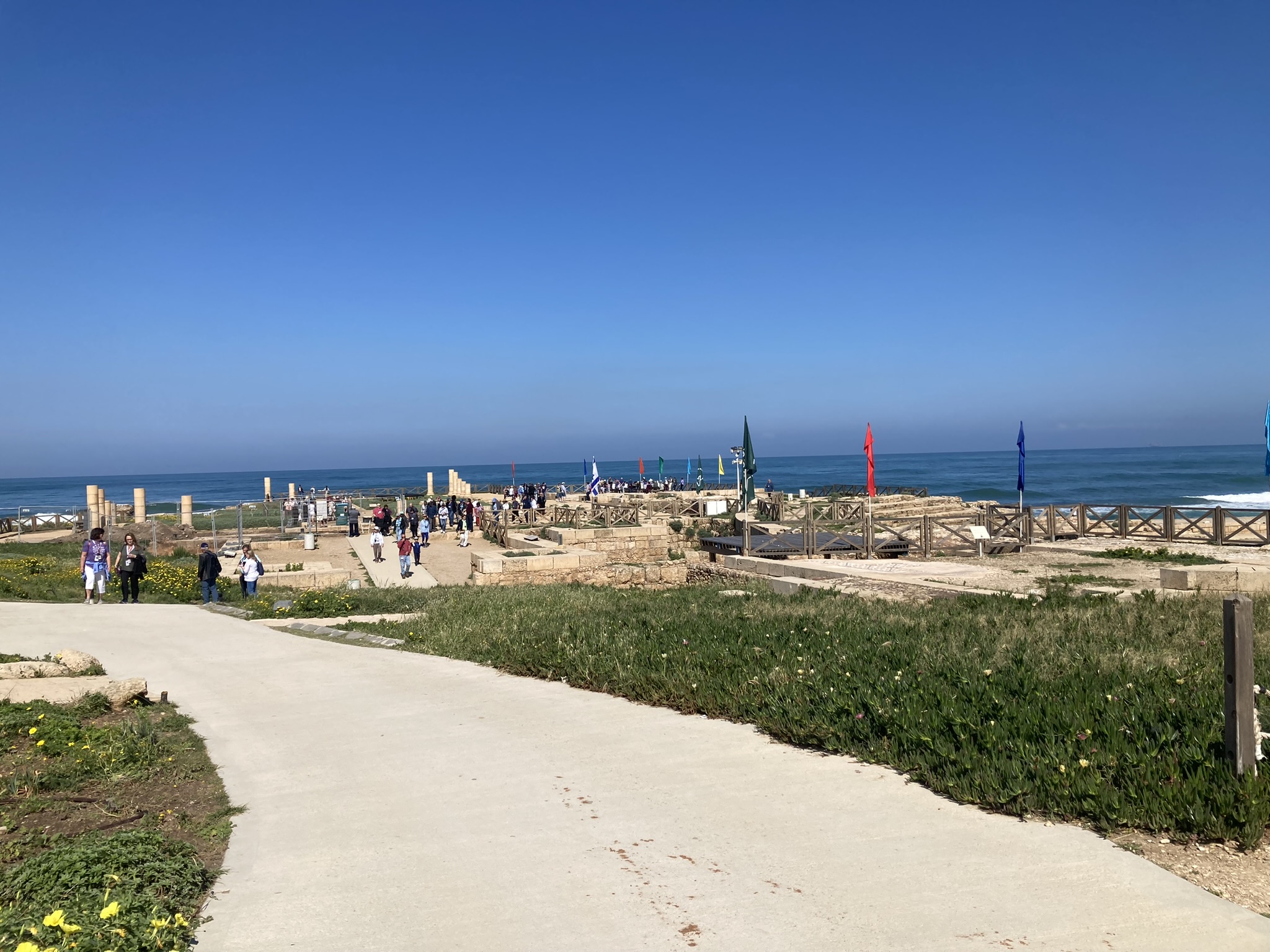
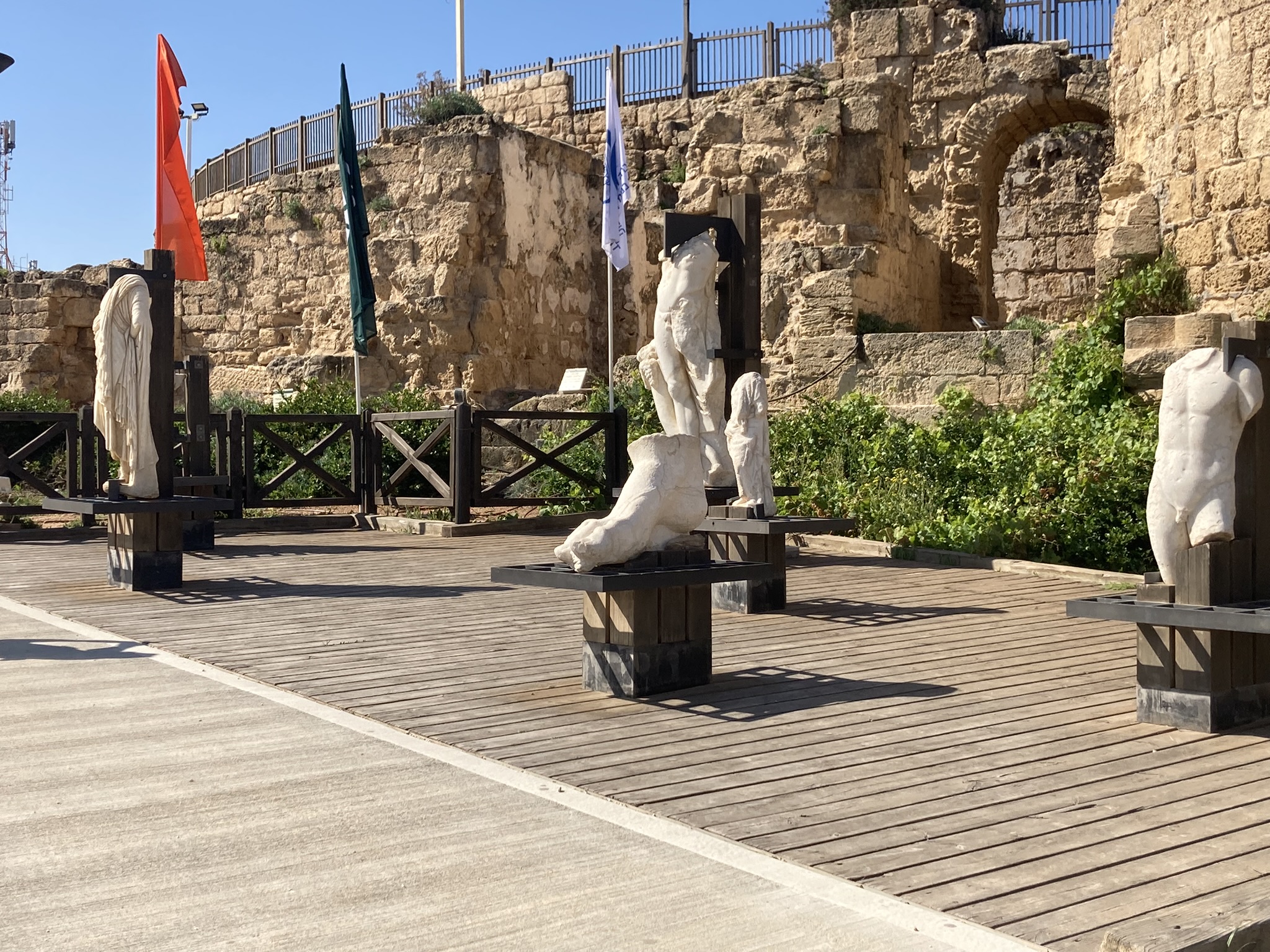
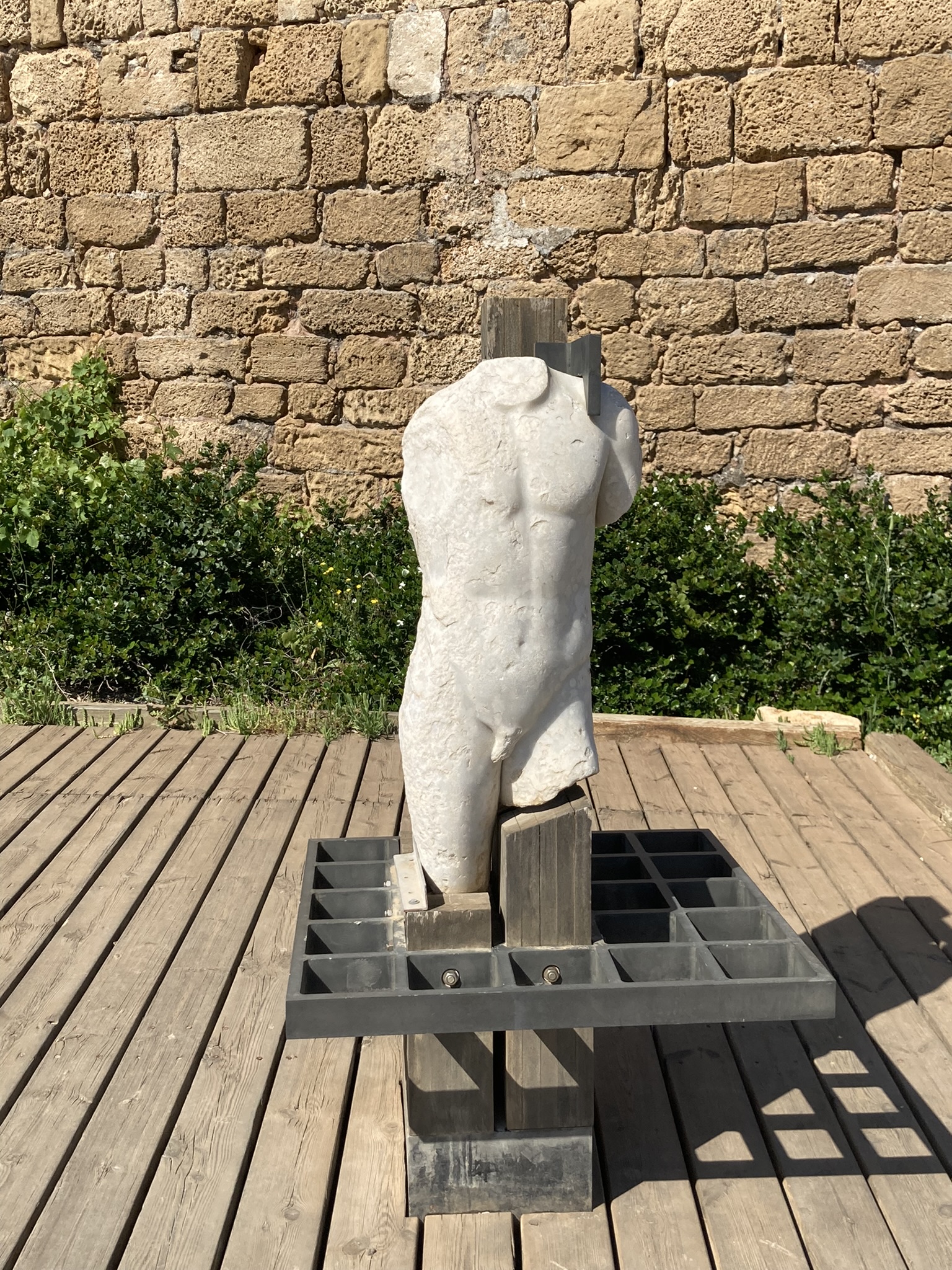
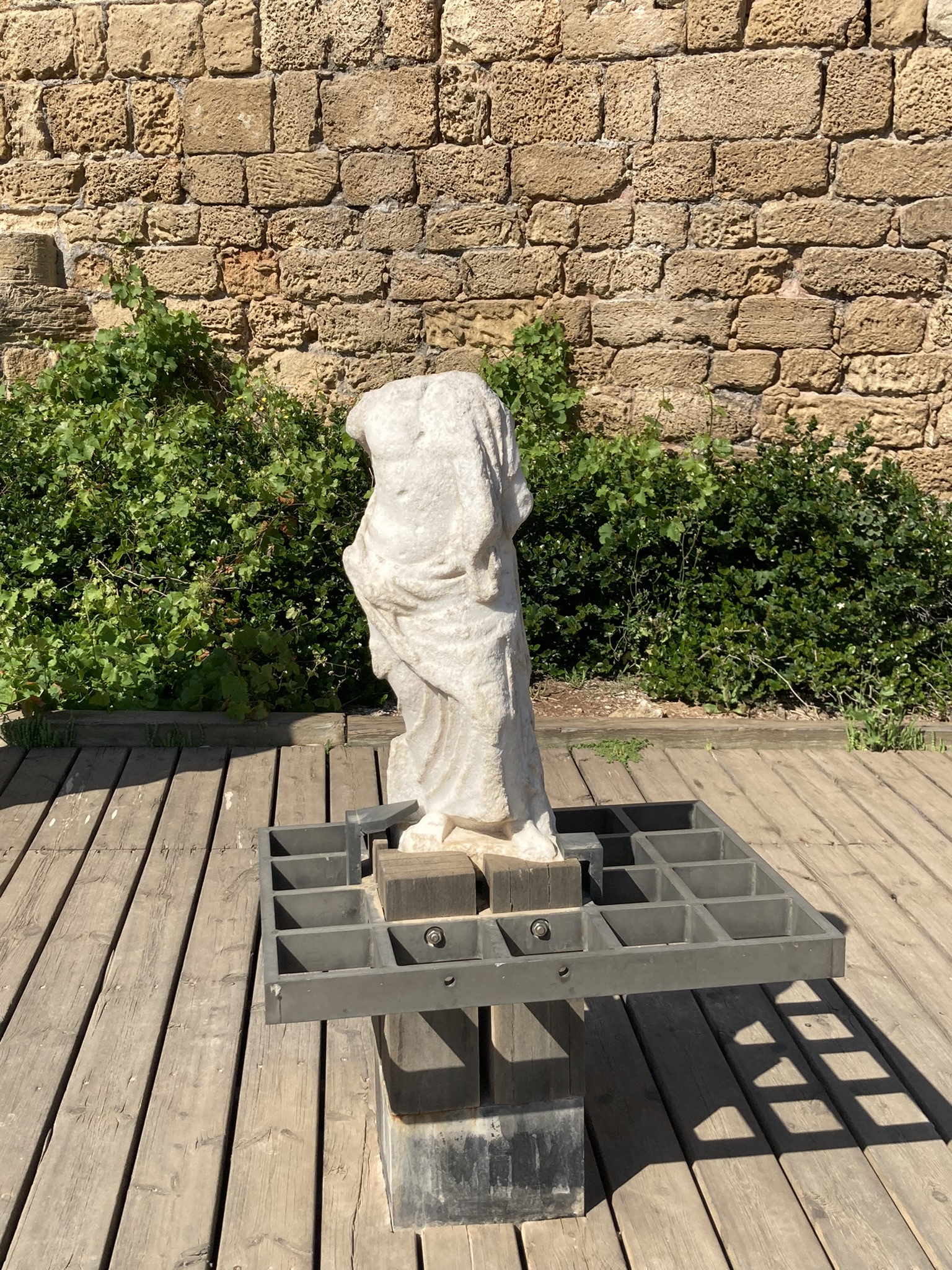
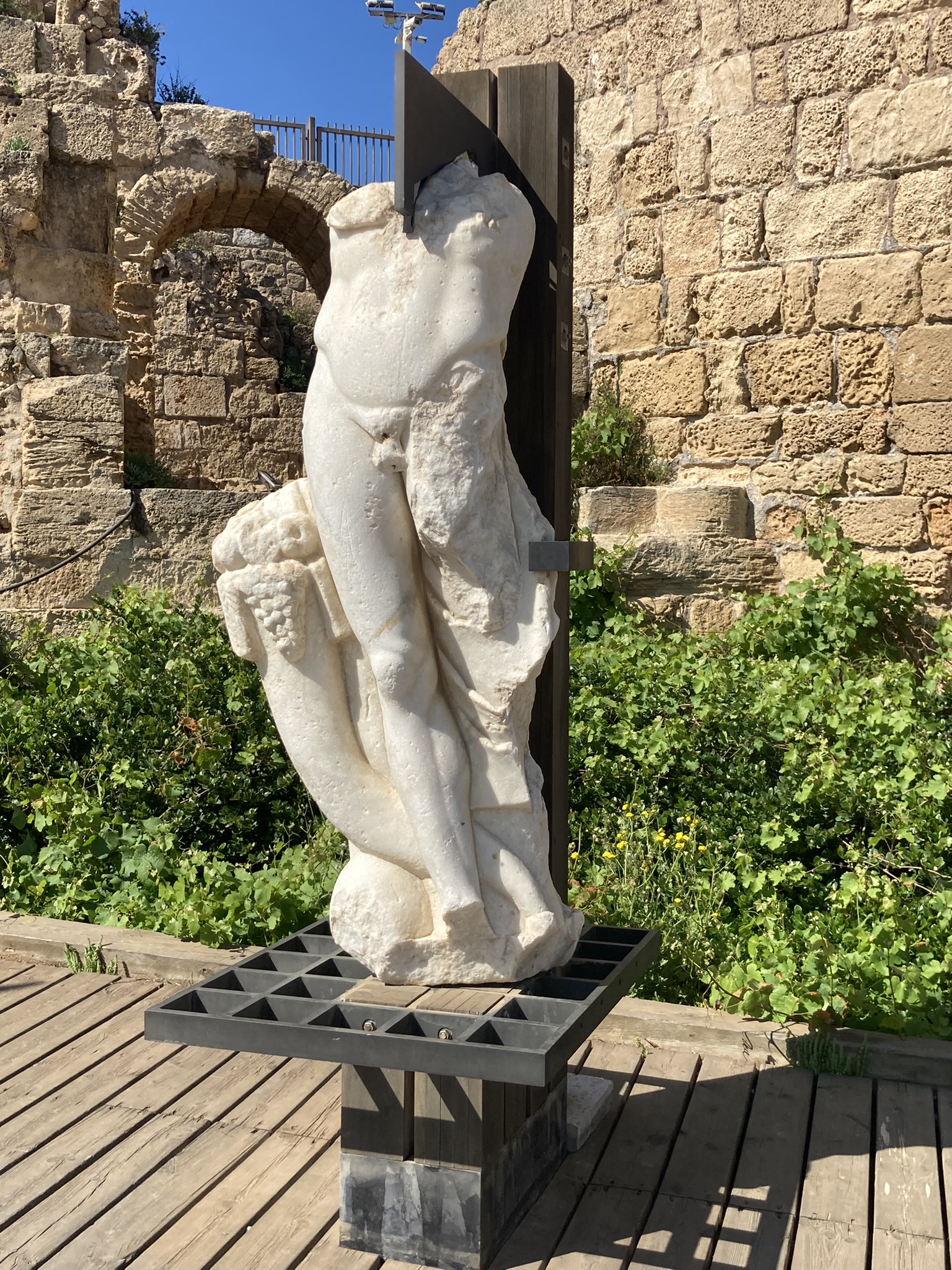
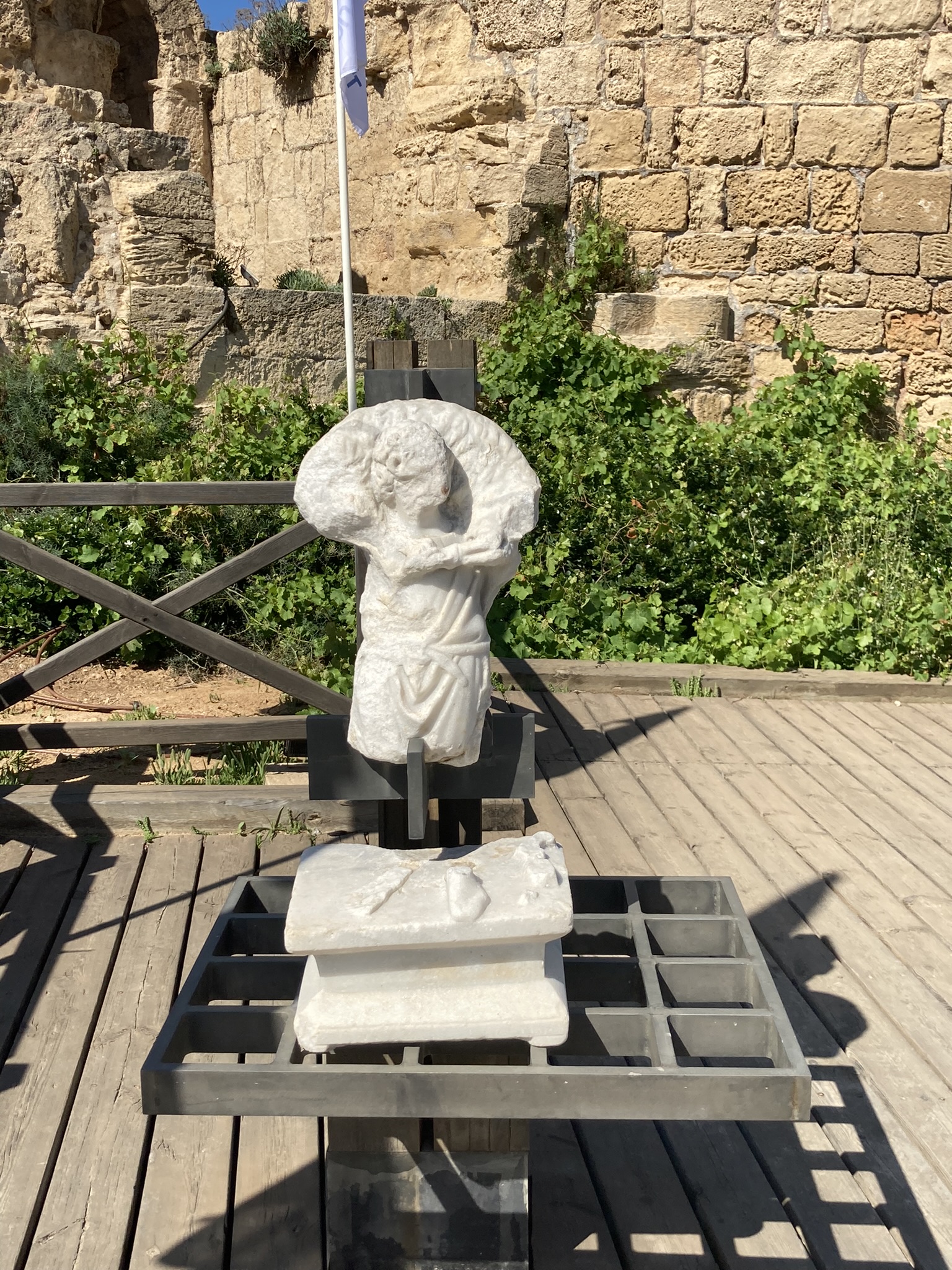
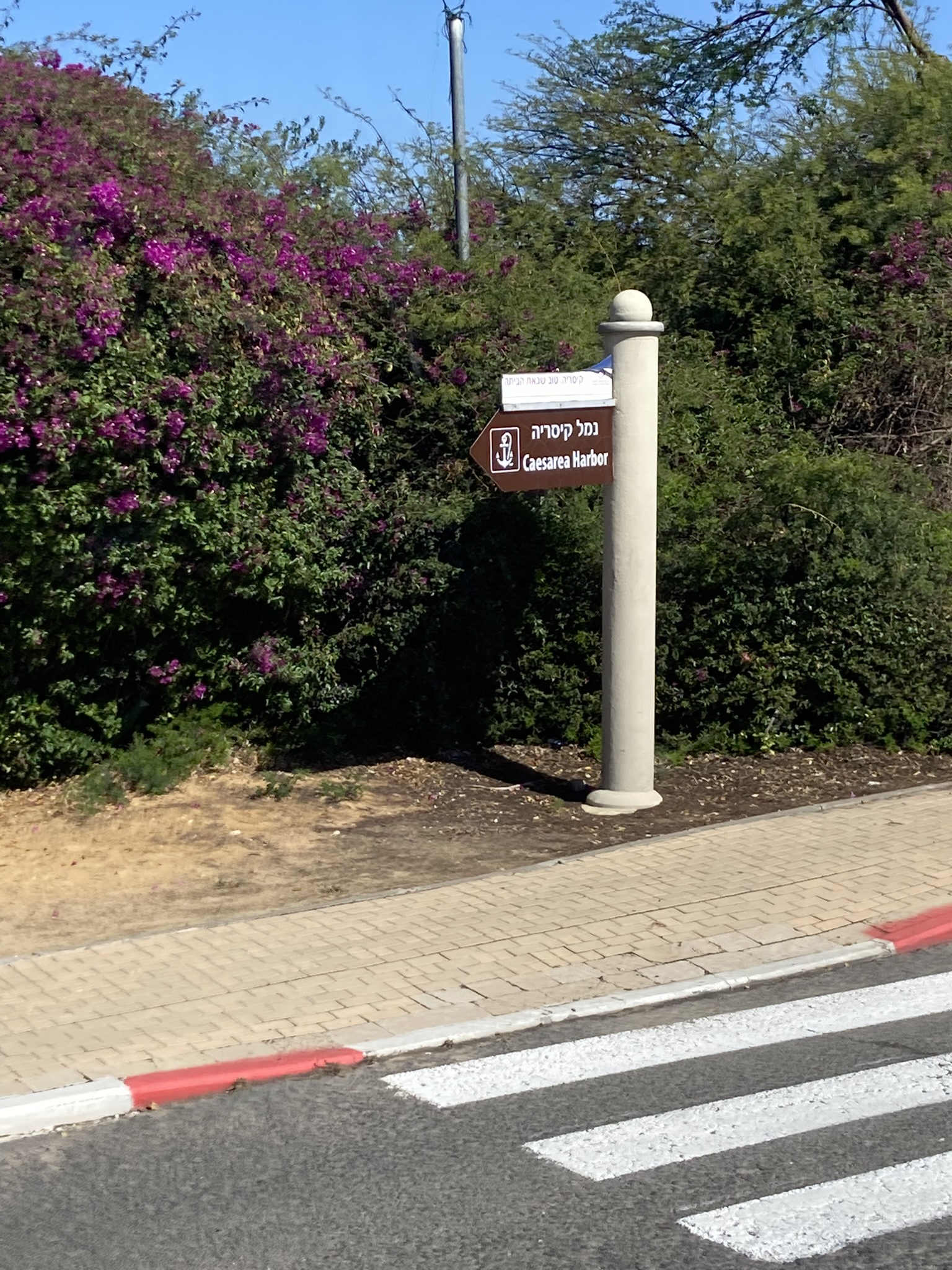
Here are some of our photos from our visit.
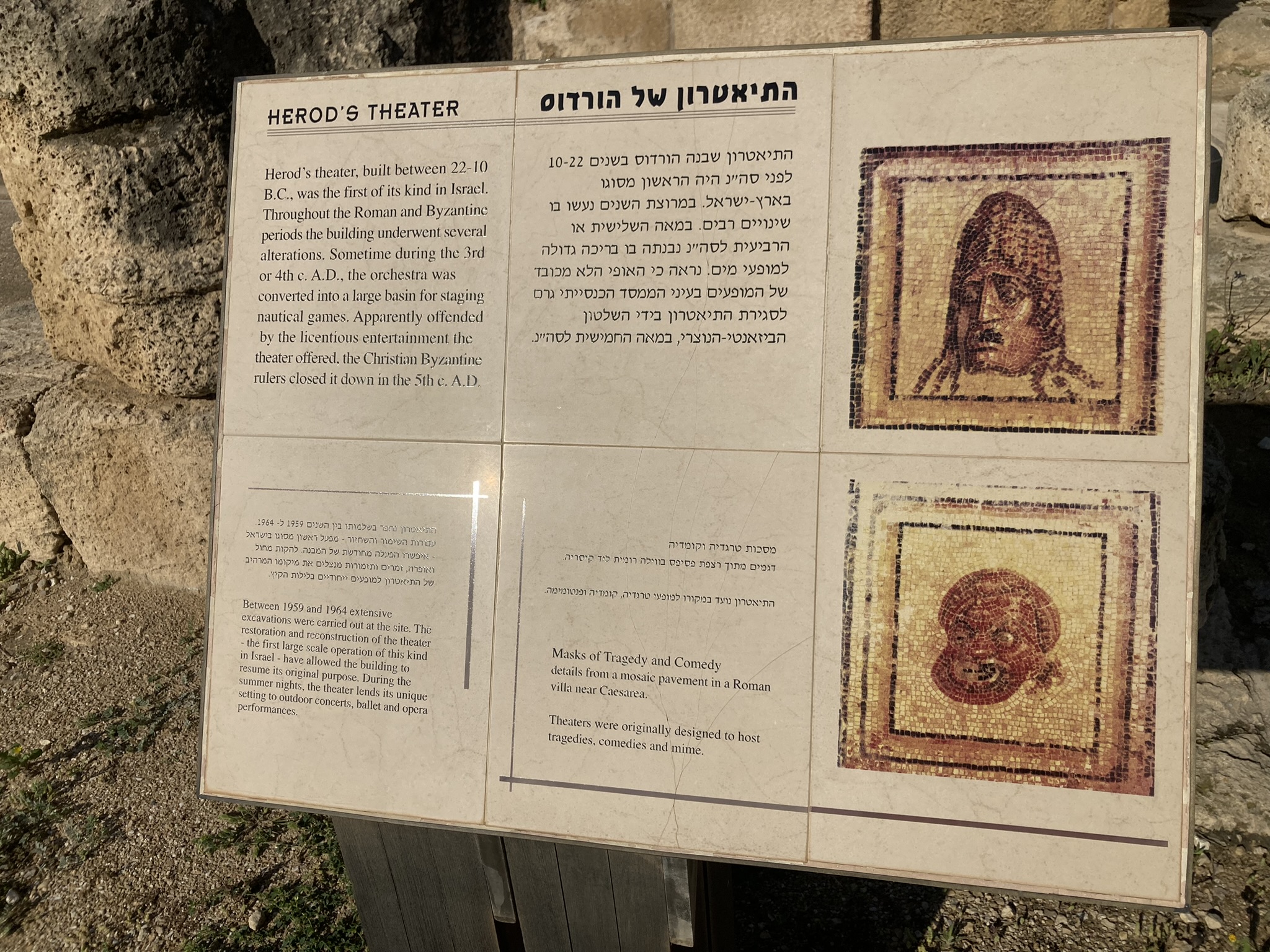
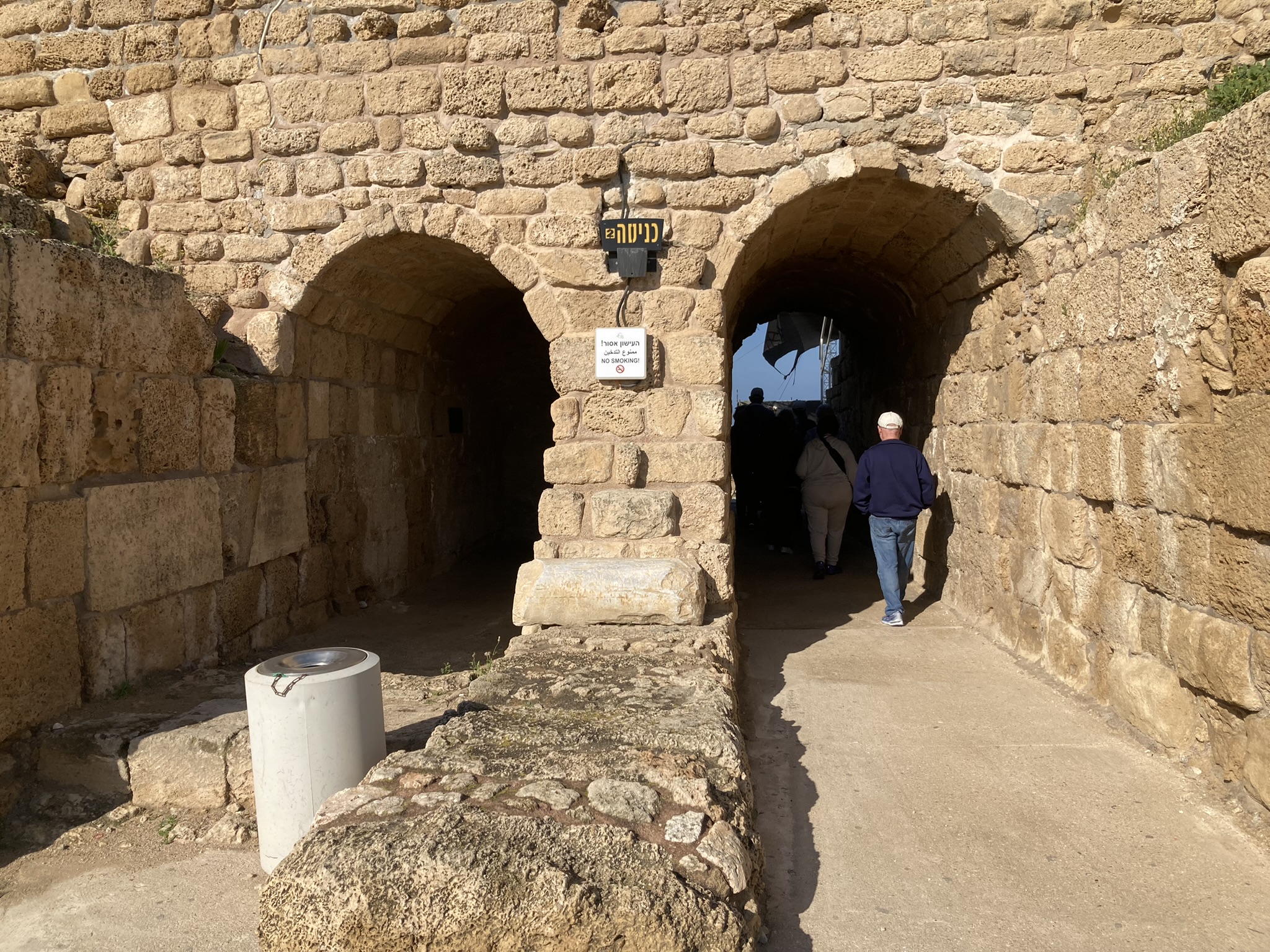
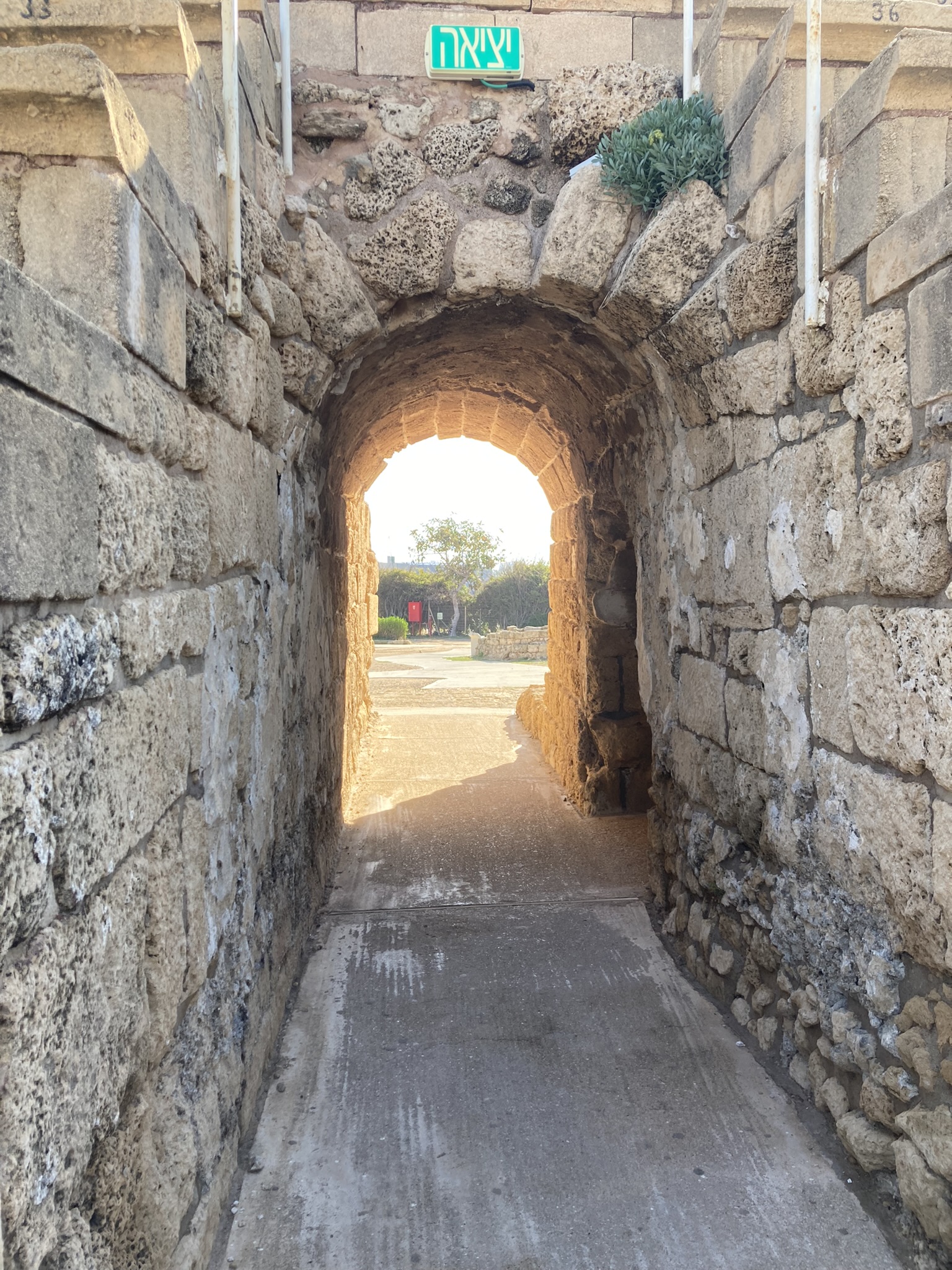
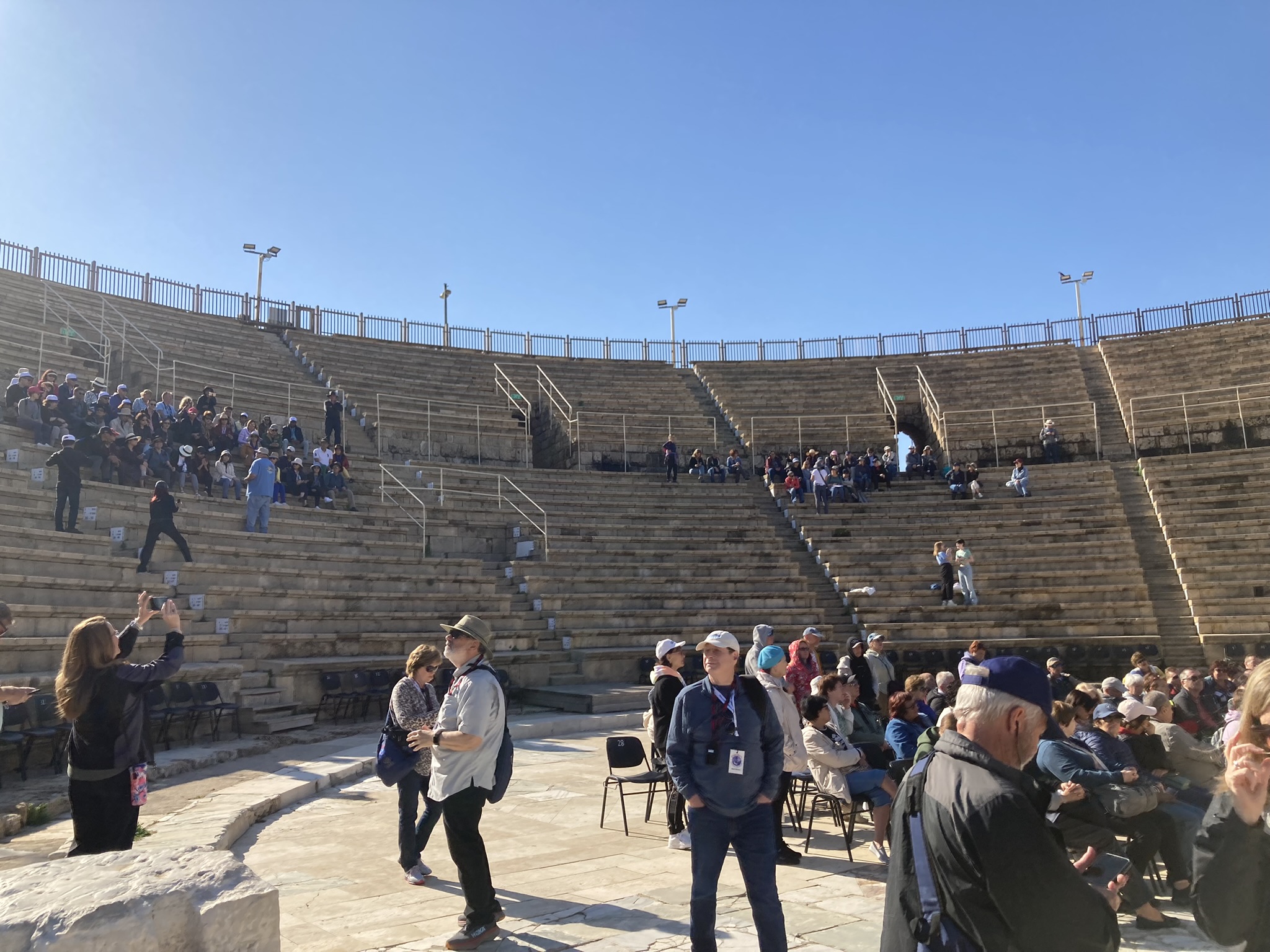





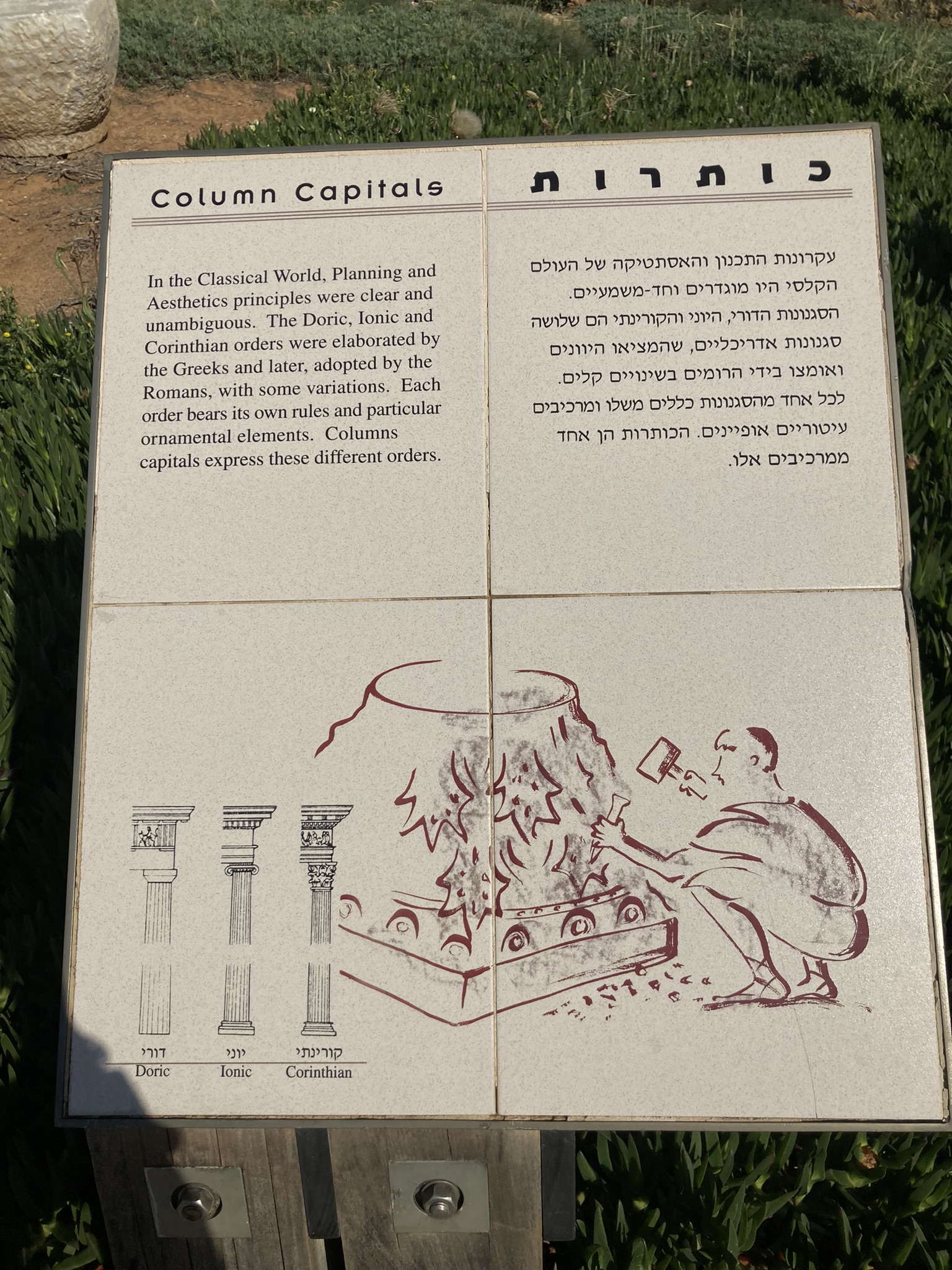
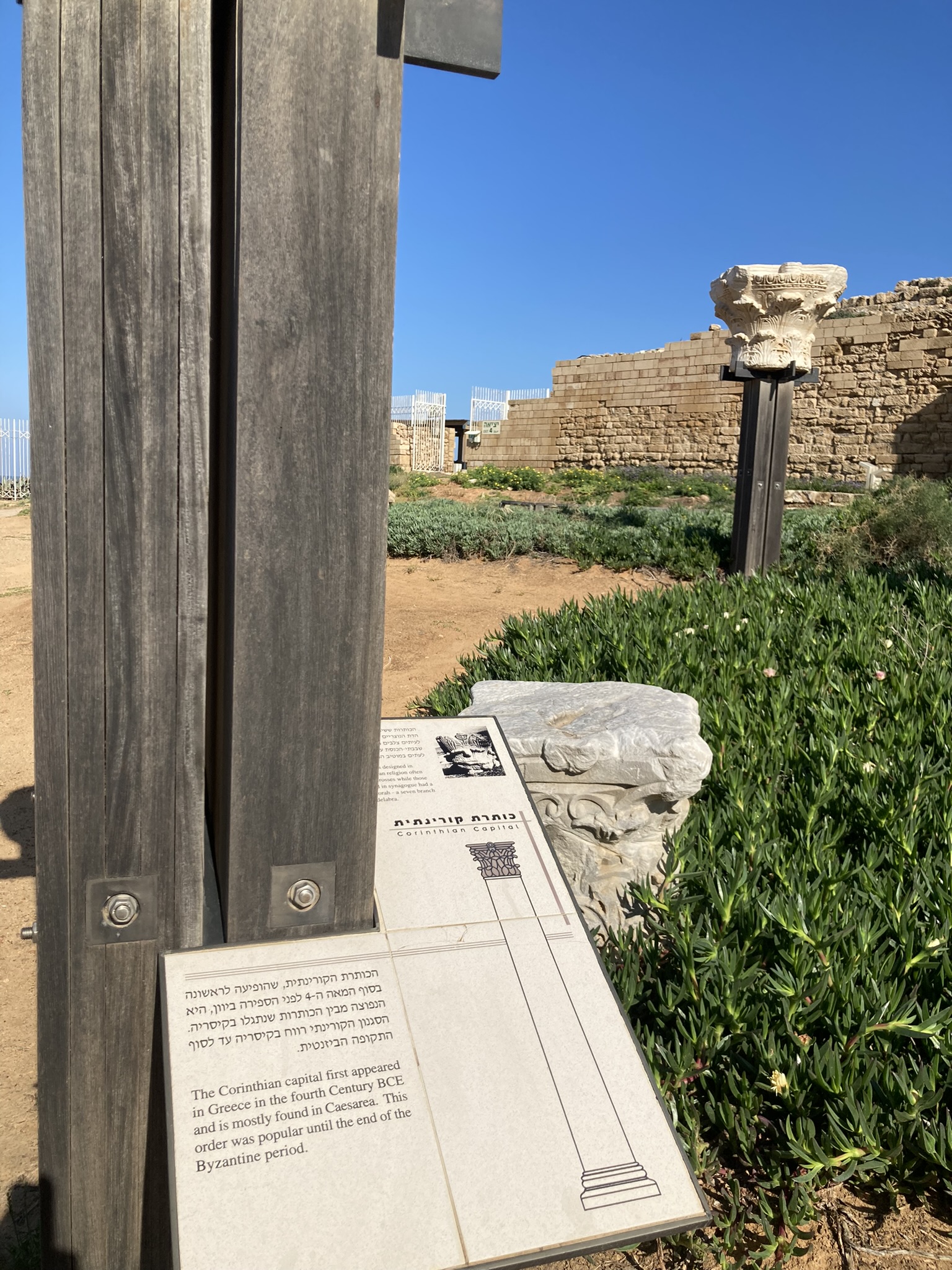
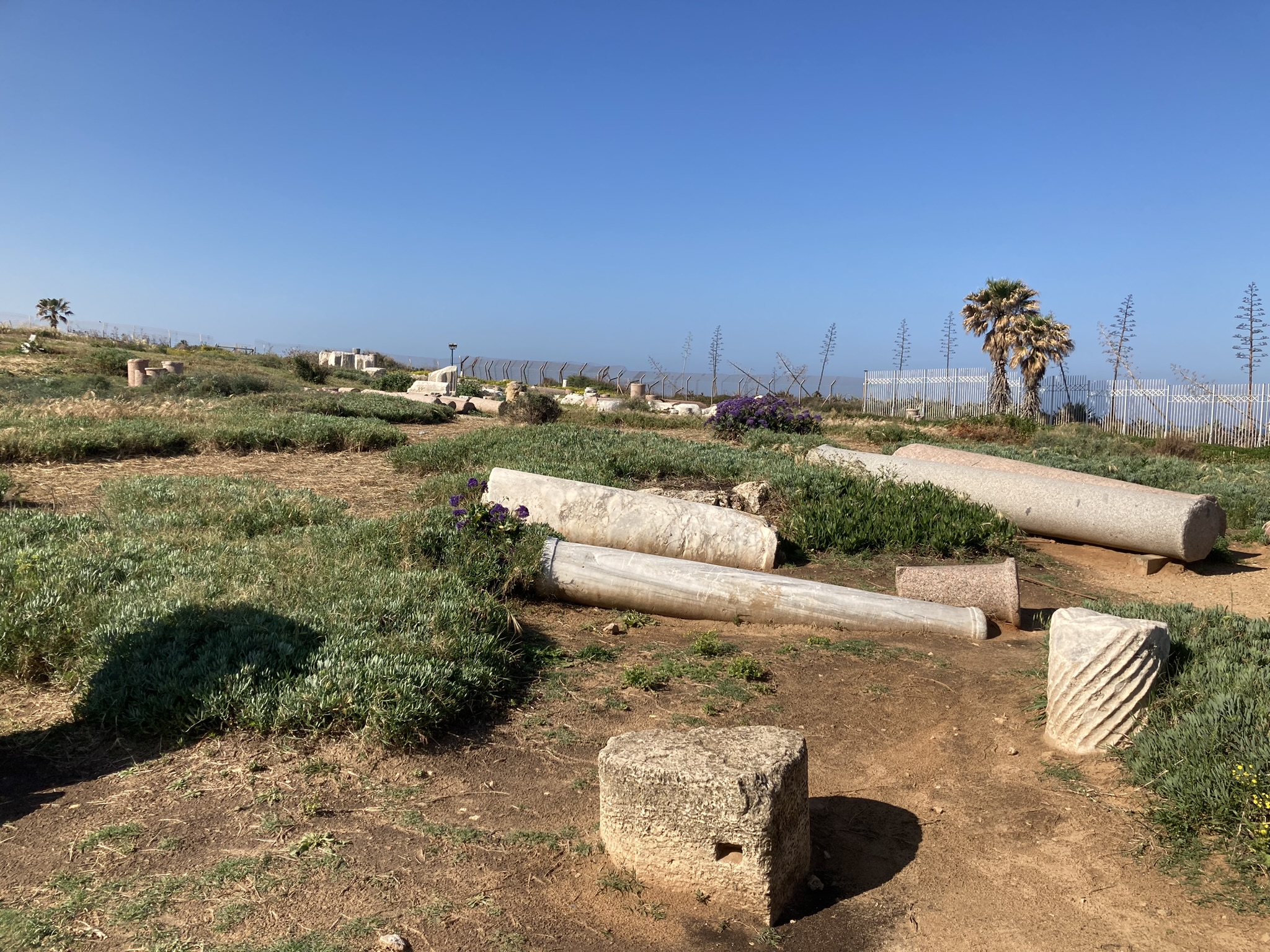
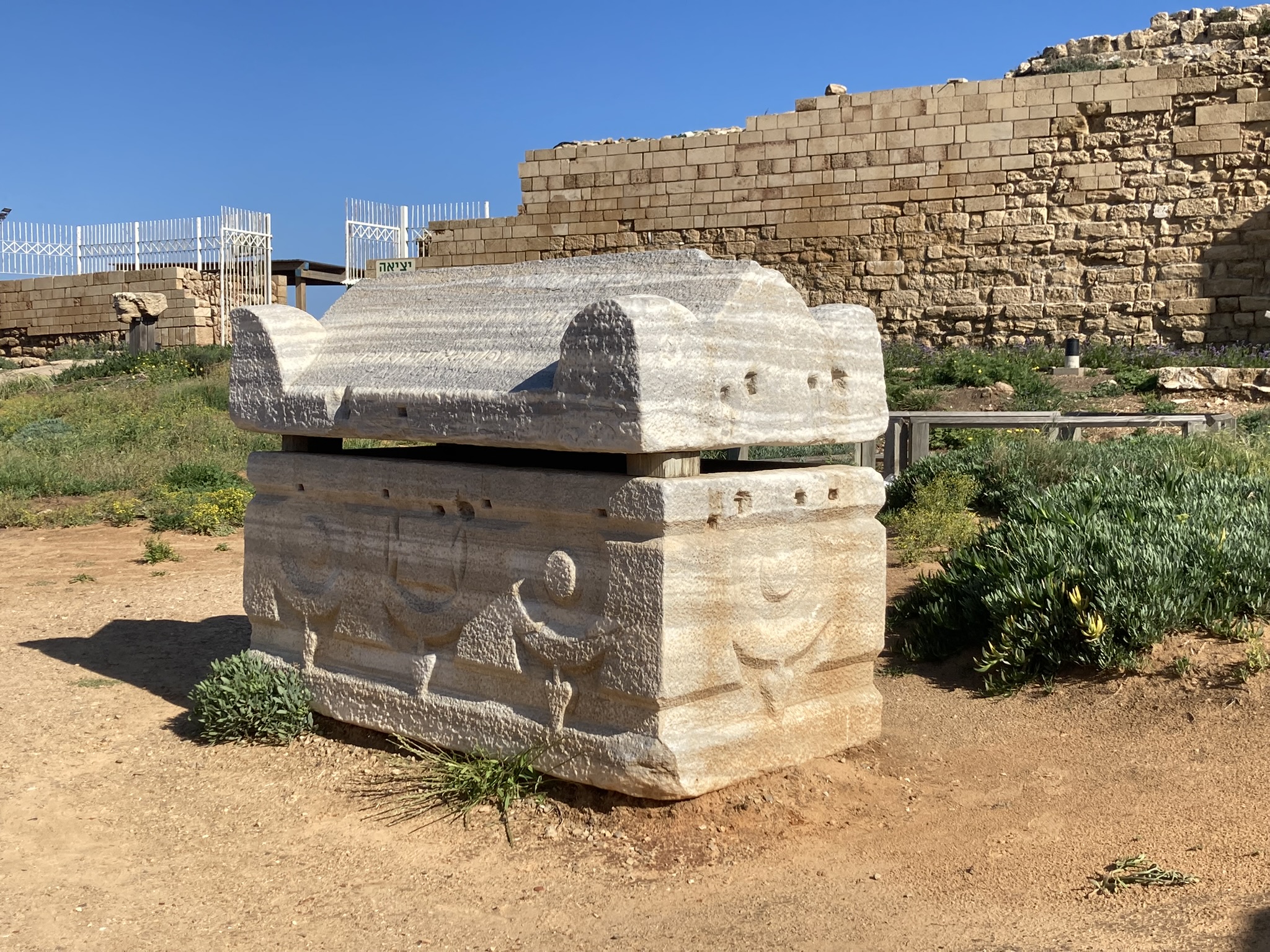



















MOUNT CARMEL
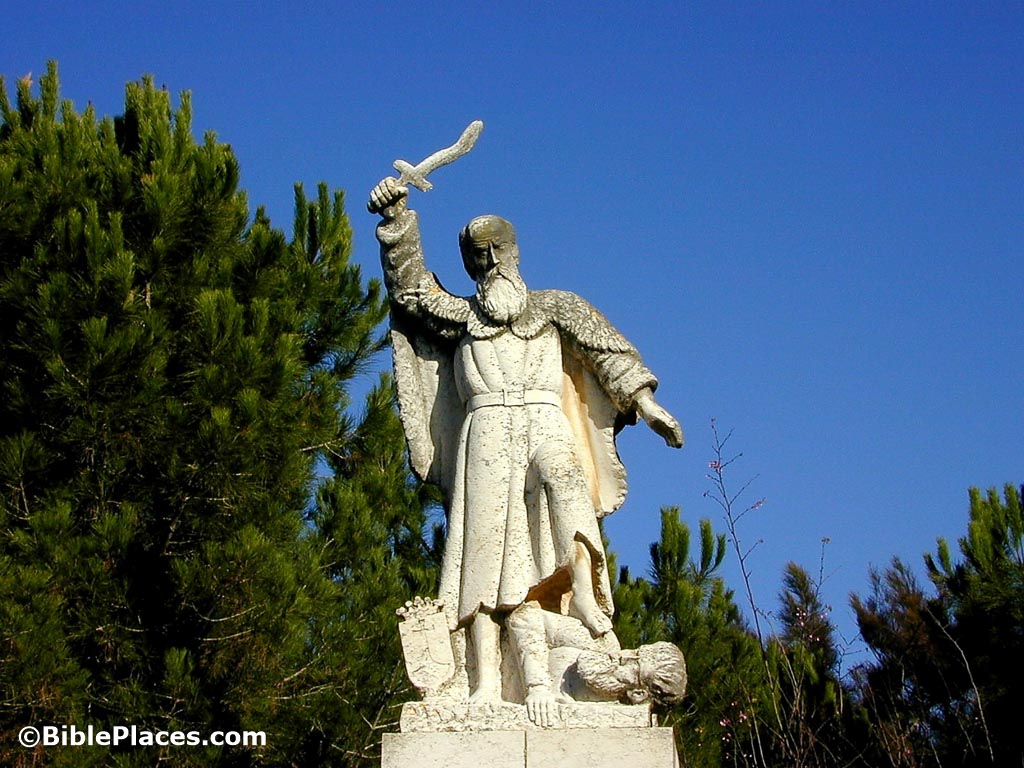
Mount Carmel, Hebrew Har Ha-karmel. The name, dating back to biblical times, is derived from the Hebrew kerem (“vineyard” or “orchard”) and attests to the mountain’s fertility even in ancient times. At its highest point, Mount Carmel is a mountain of limestone and reaches over 1,700 feet above sea level and is approximately 13 miles long. Known as “The Place of the Burning”. Overlooks the valley of Armageddon.
OLD TESTAMENT
Mount Carmel is the scene of a confrontation between the 850 false prophets of Baal and Asherah and the One True God of Israel. The episode takes place during one of Israel’s worst times of crisis under King Ahab. To please his wife, Jezebel, Ahab set up an altar to Baal at the top of Mount Carmel. Baal, the favorite deity of Jezebel, was reputed to be the god of rain and vegetation.
The story can be found in 1 Kings 17-18. Elijah proposes a contest. All of Israel was summoned to Mount Carmel to witness the confrontation between Elijah and the false prophets of Baal and Asherah. The match would show whose god was able to send fire from heaven to consume their offerings.
“21 Elijah came near to all the people and said, “How long will you hesitate between two opinions? If the Lord is God, follow Him; but if Baal, follow him.” But the people did not answer him a word.” 1 Kings 18:21
Joshua asked the same thing centuries before as they were entering this very land and it’s a question we still need to ask ourselves today.
“If it is disagreeable in your sight to serve the Lord, choose for yourselves today whom you will serve: whether the gods which your fathers served which were beyond the River, or the gods of the Amorites in whose land you are living; but as for me and my house, we will serve the Lord.” Joshua 24:15
The prophet Elisha later used Mount Carmel as a home base (2 Kings 4:25). From ancient times, Mount Carmel has been regarded as a holy place and a symbol of beauty and fertility. In the tribal divisions, Mount Carmel was part of the territory of (western) Manasseh. Like the region of upper Galilee, Mount Carmel received plentiful rainfall in biblical times, producing lush, beautiful forests and rich grasslands on the lower slopes suitable for grazing. Isaiah associates God’s glorious restoration of redeemed humanity with the “splendor of Carmel” (Isaiah 35:2). Solomon compares the head of his beloved with the beauty and nobility of Mount Carmel (Song of Solomon 7:5).

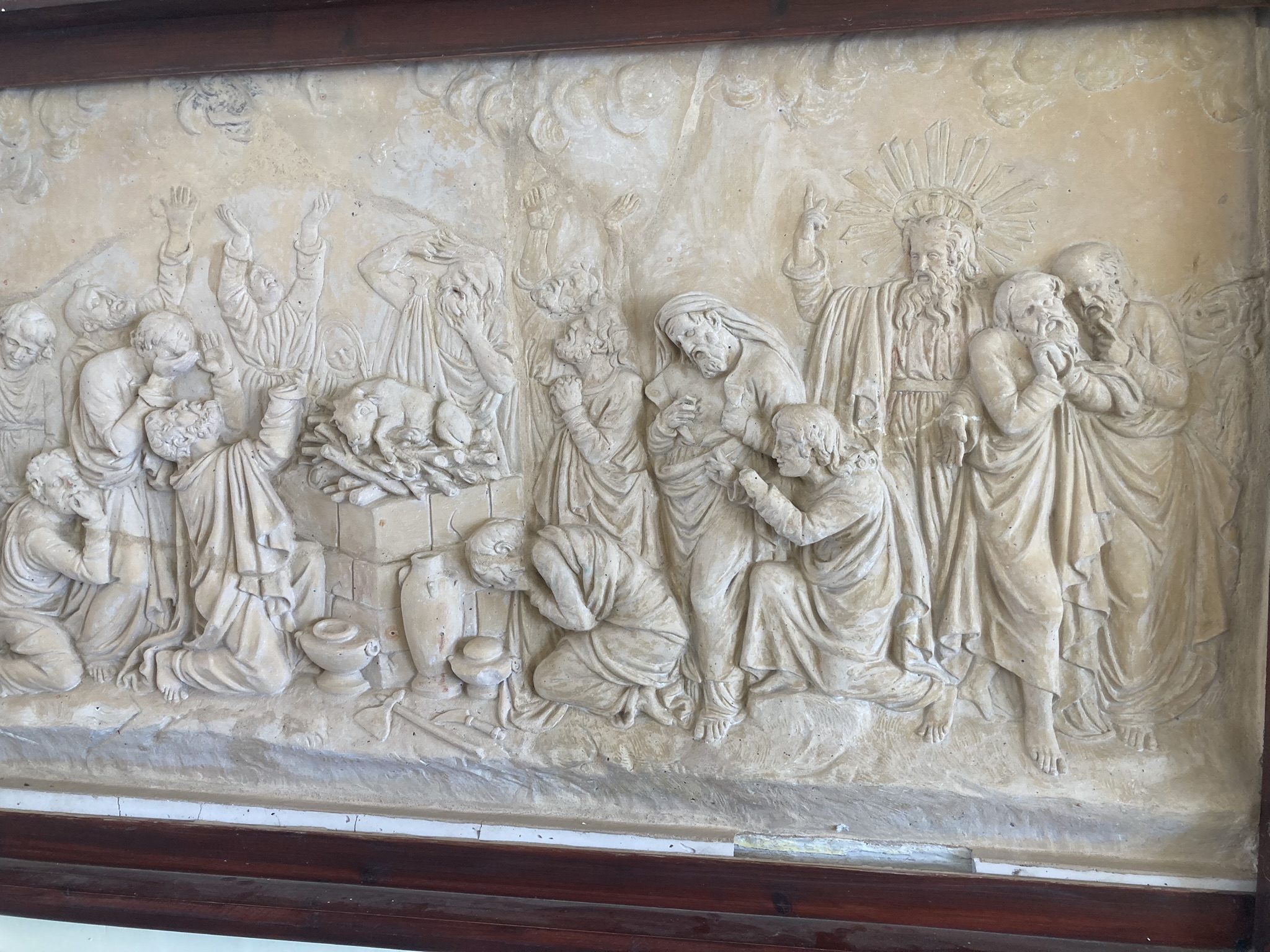

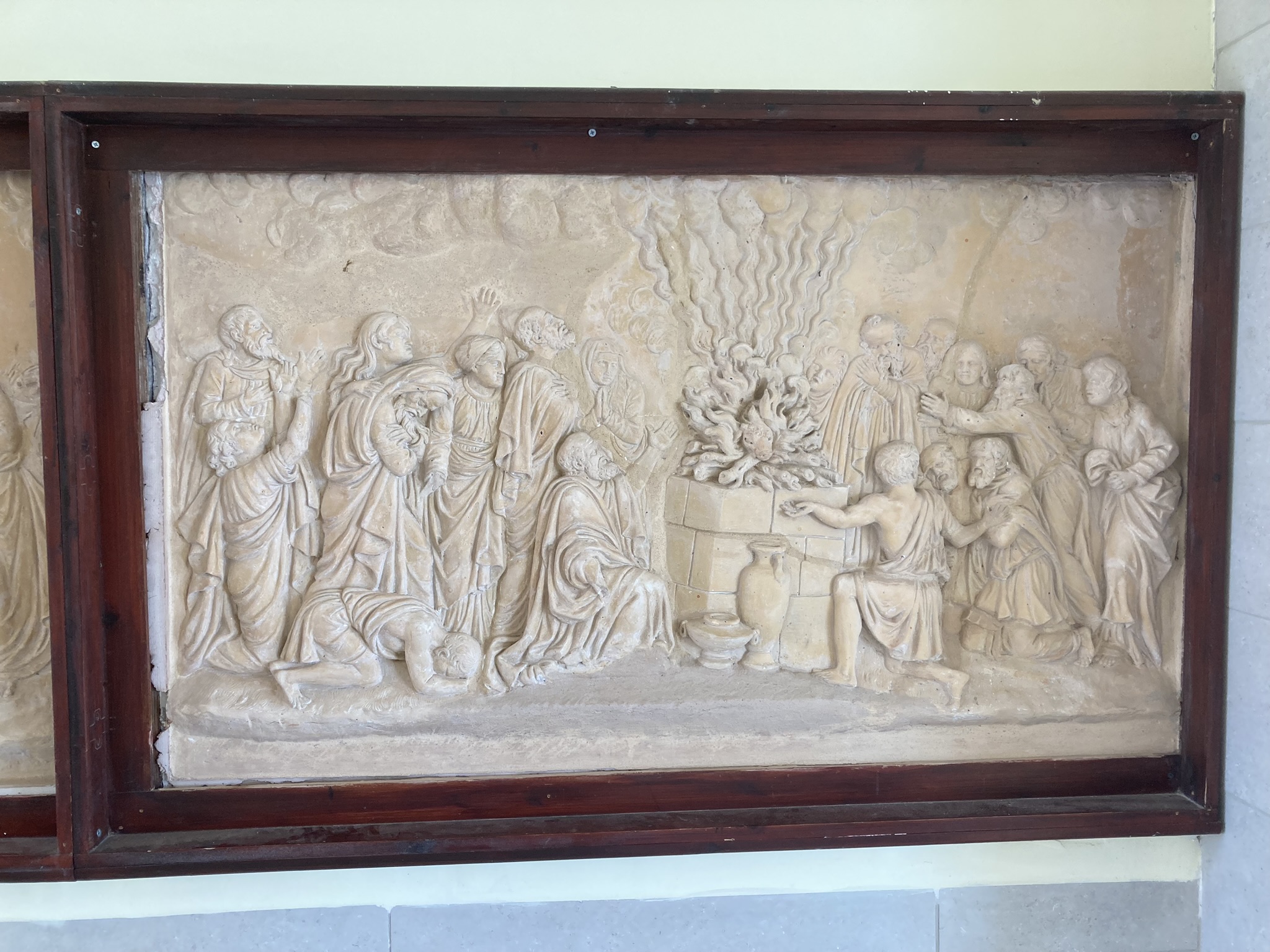
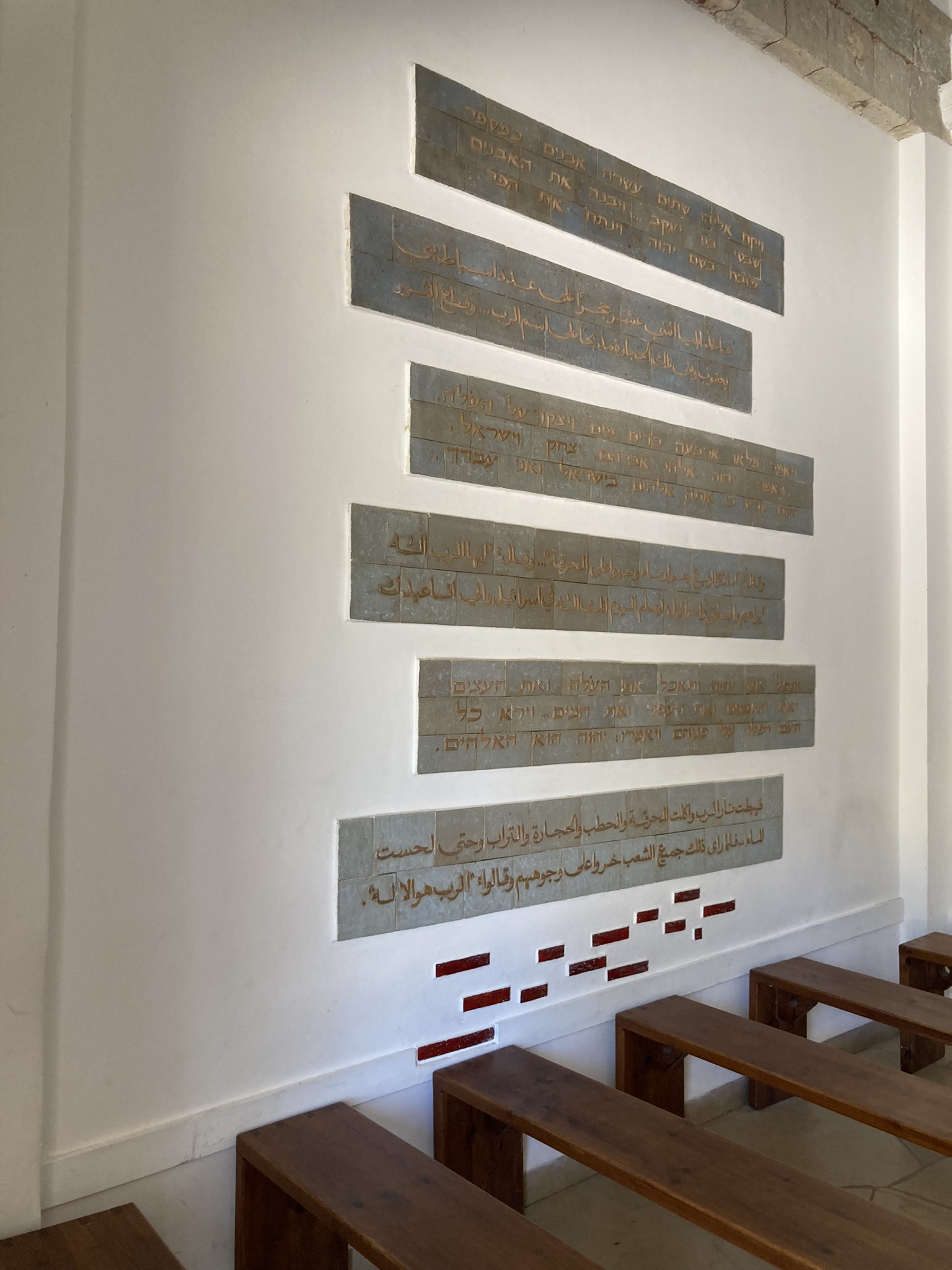
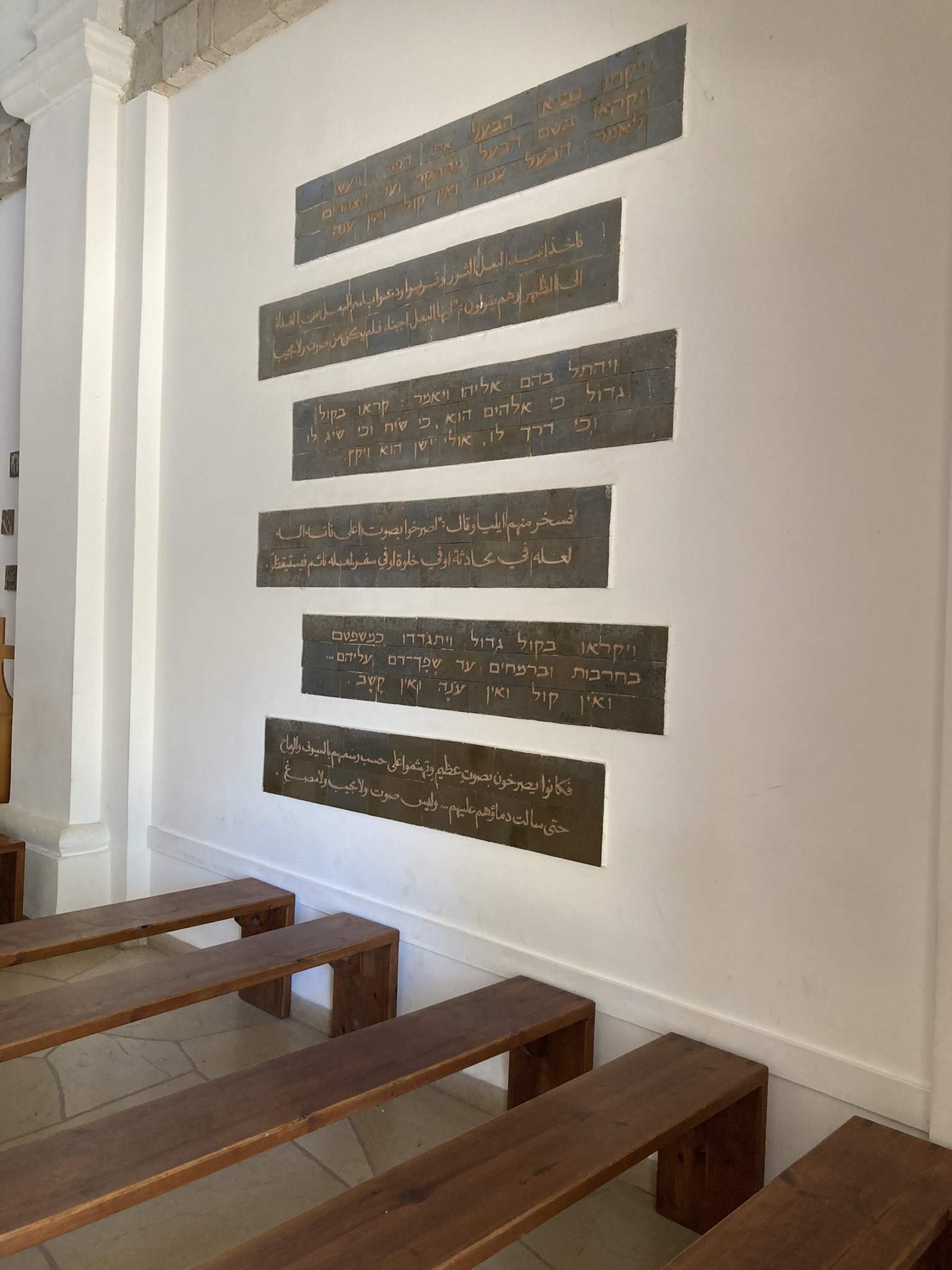
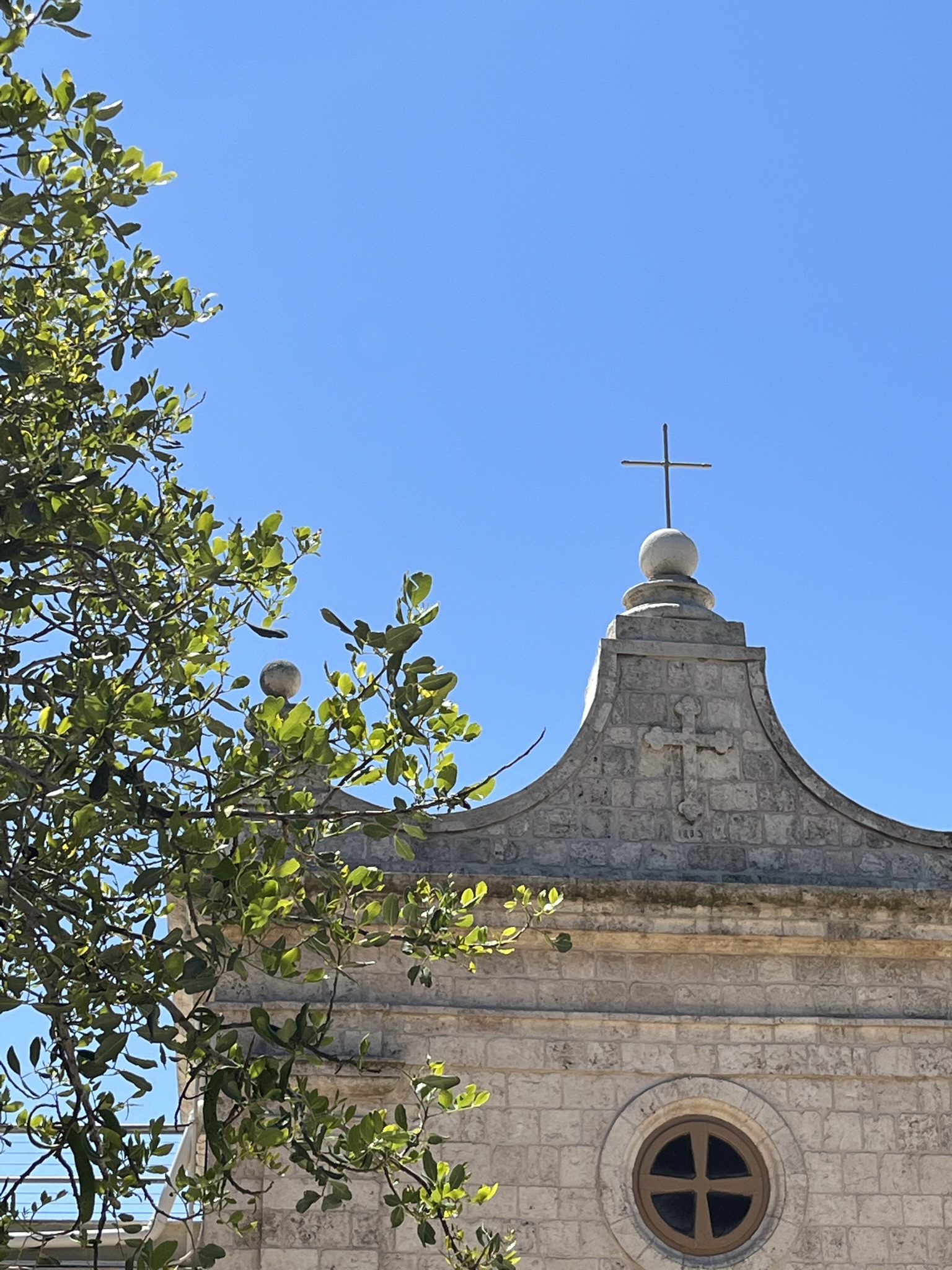
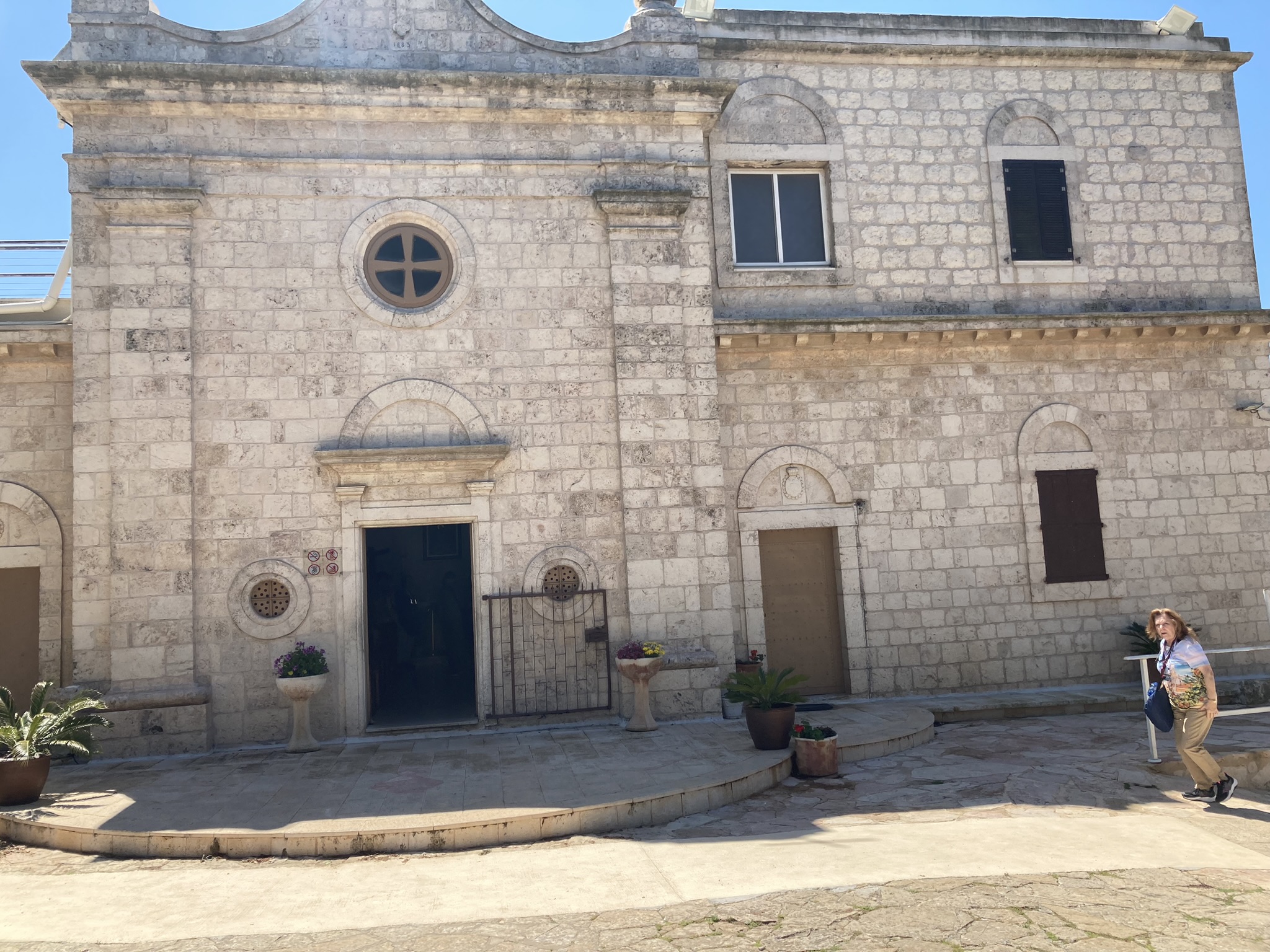

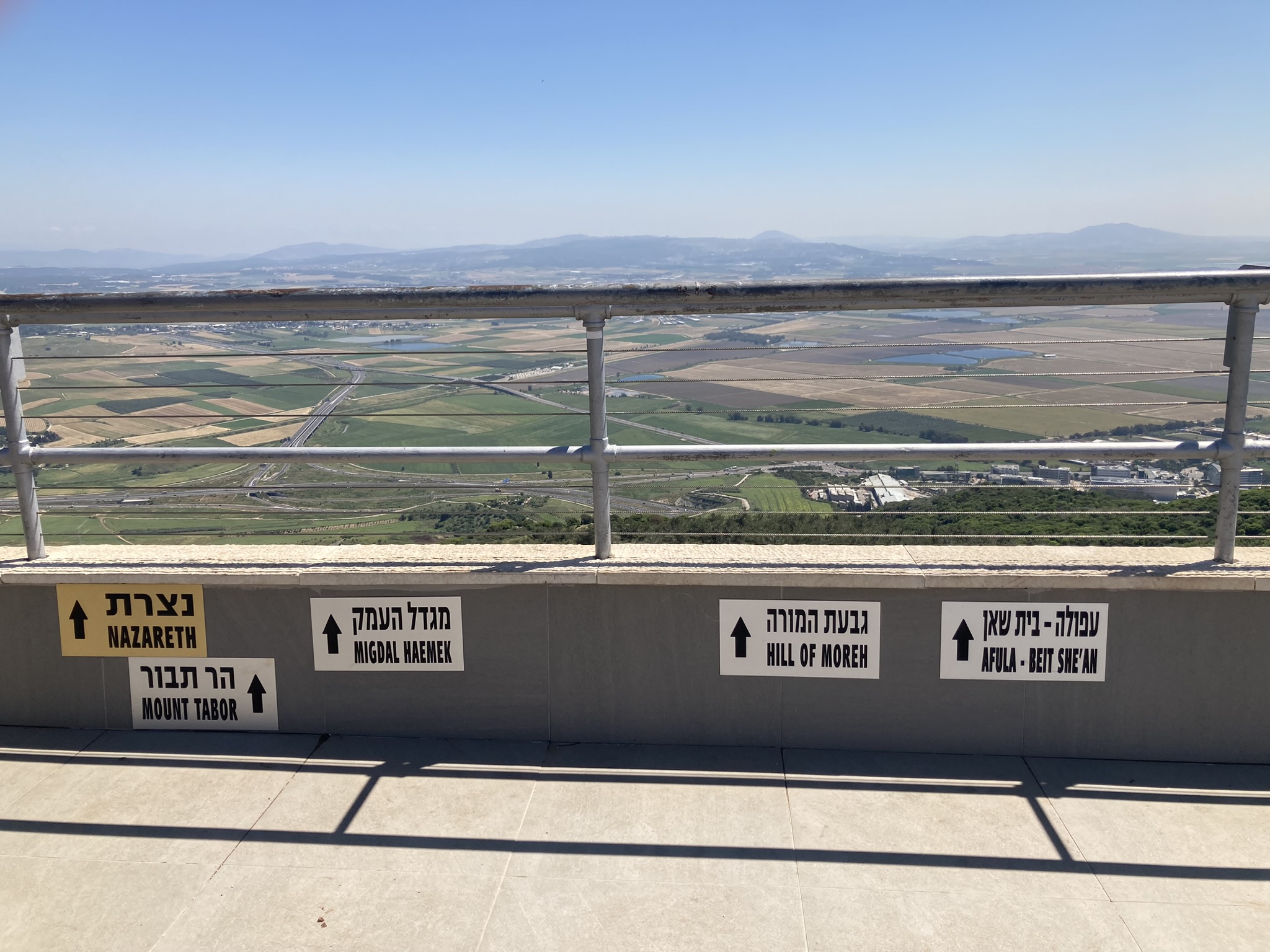


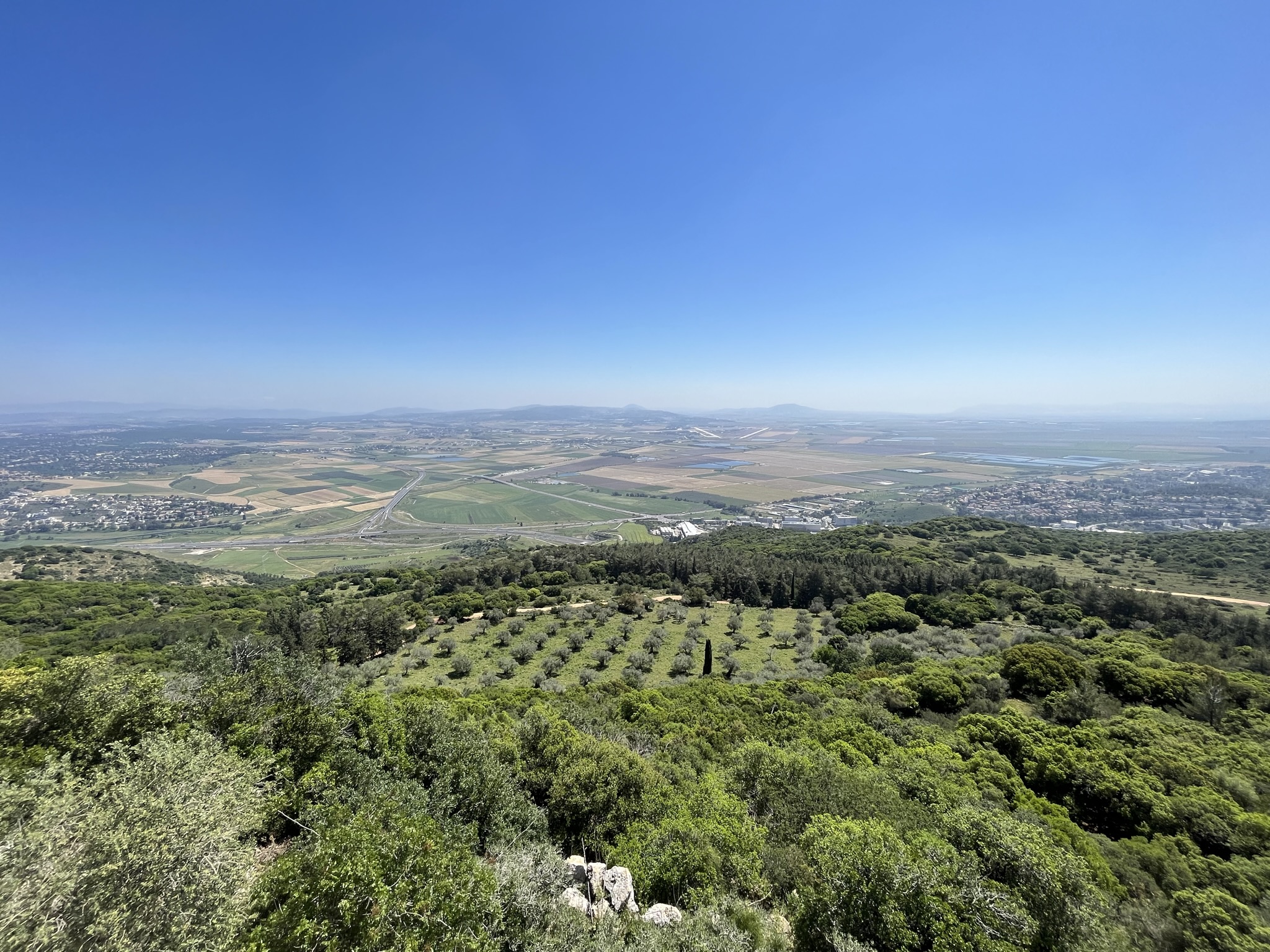
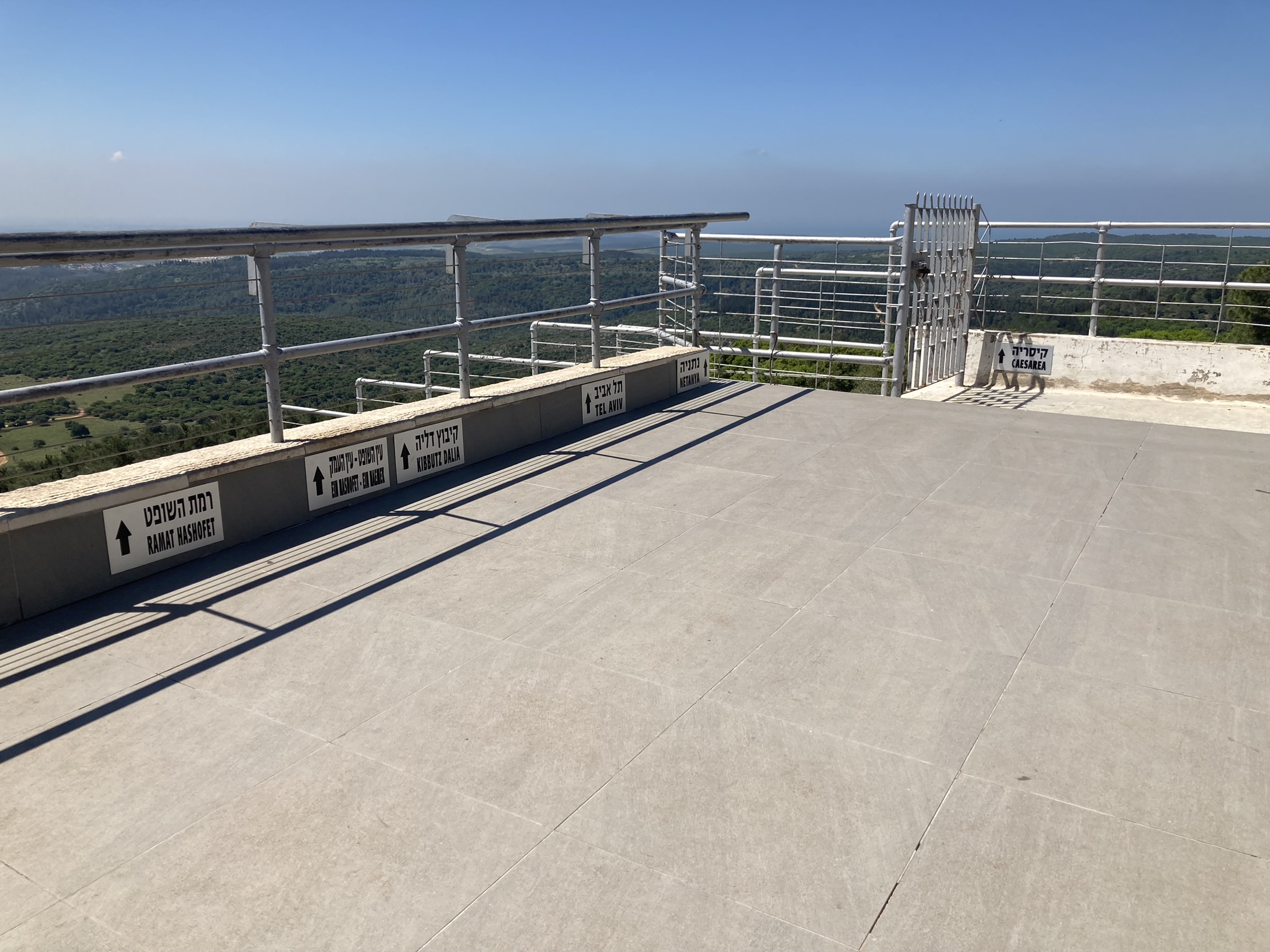


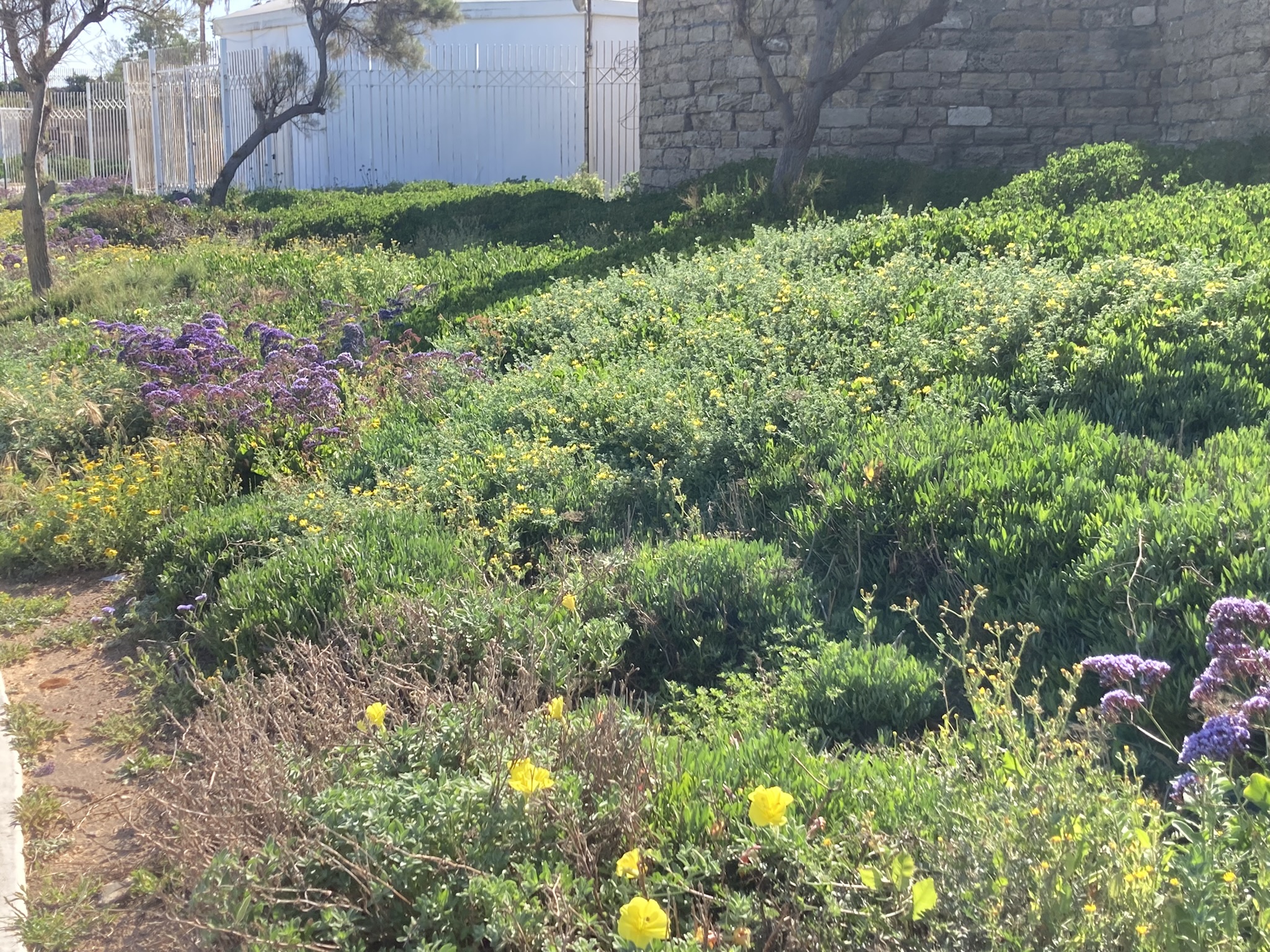
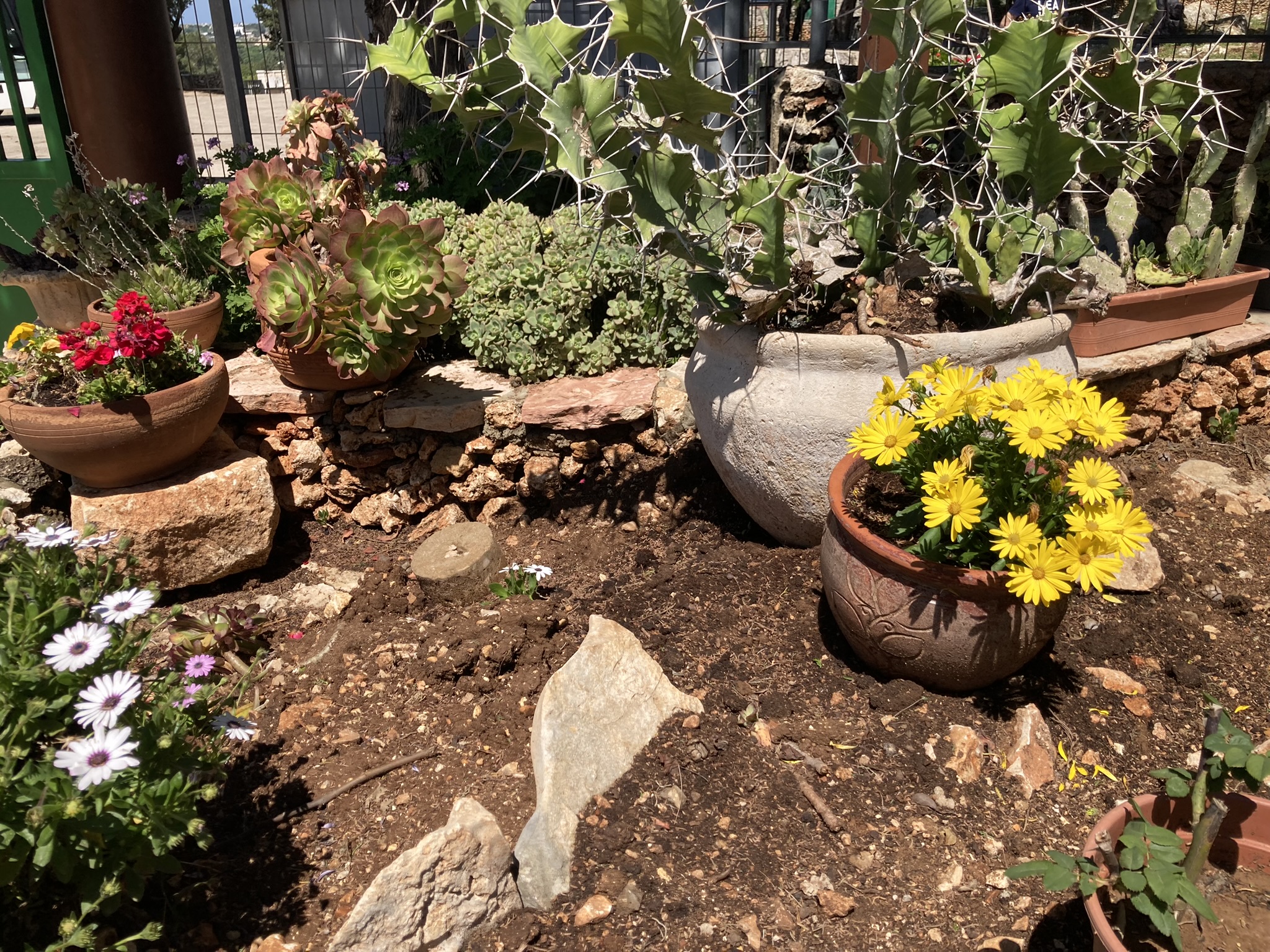
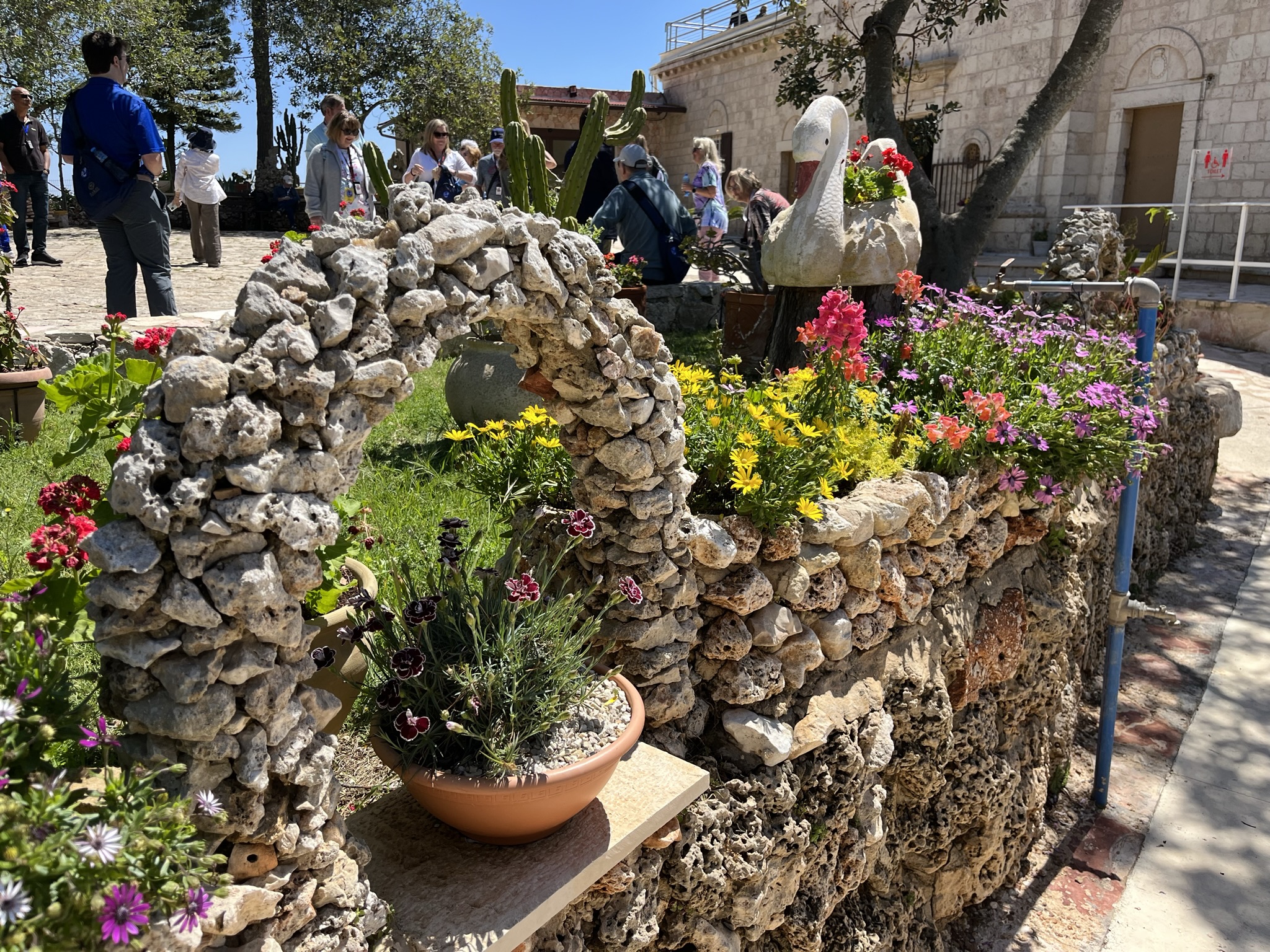
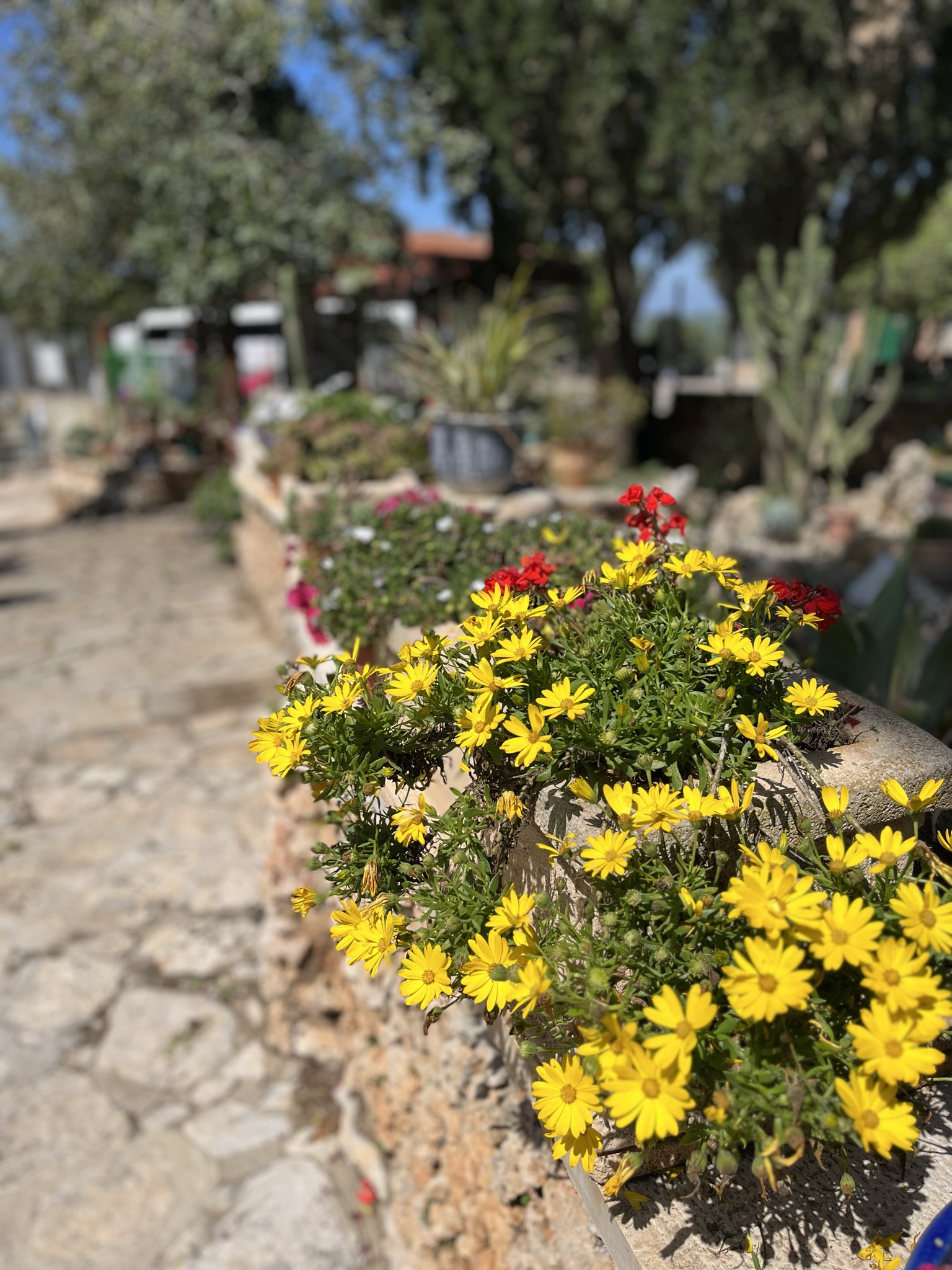
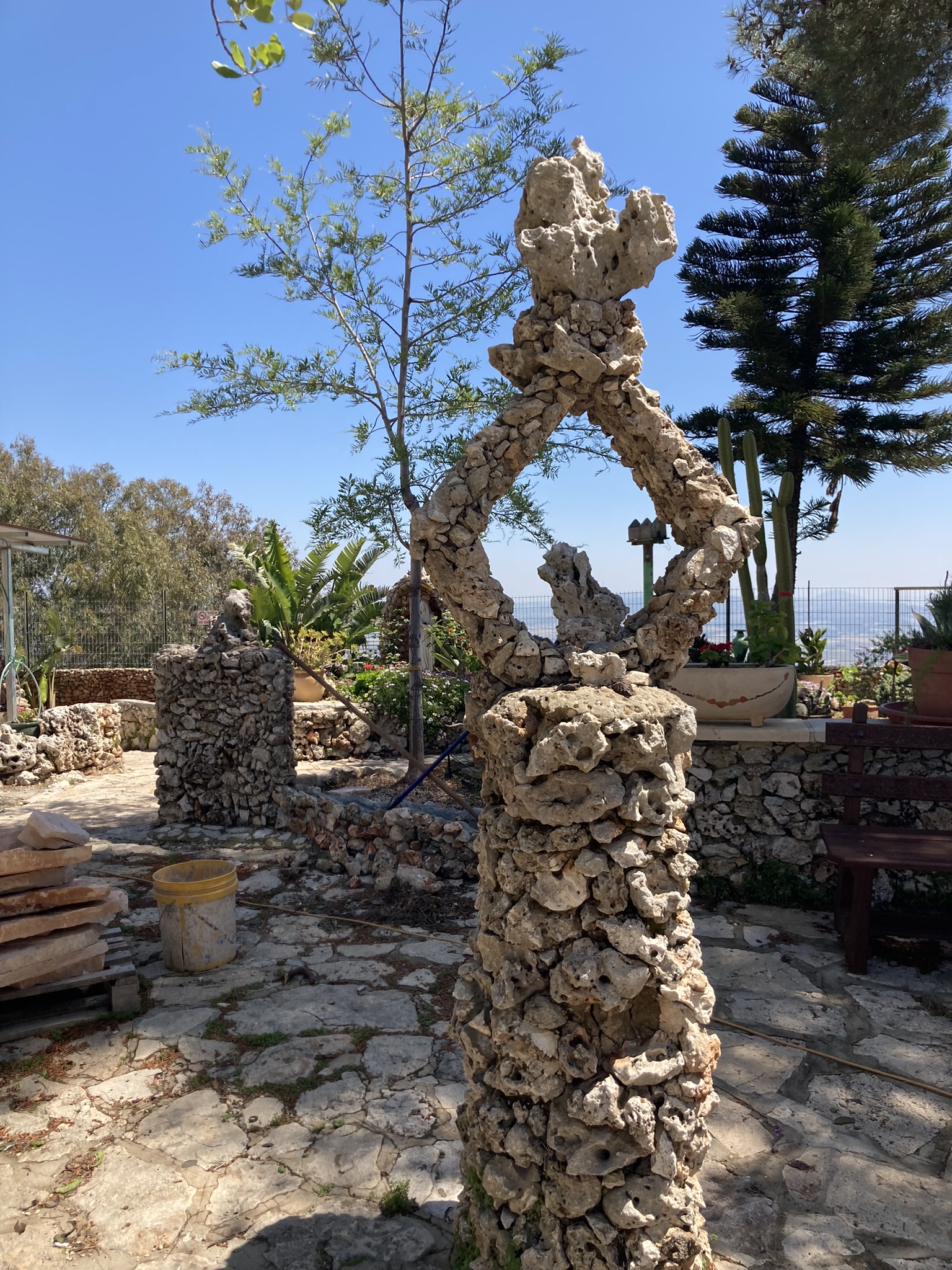
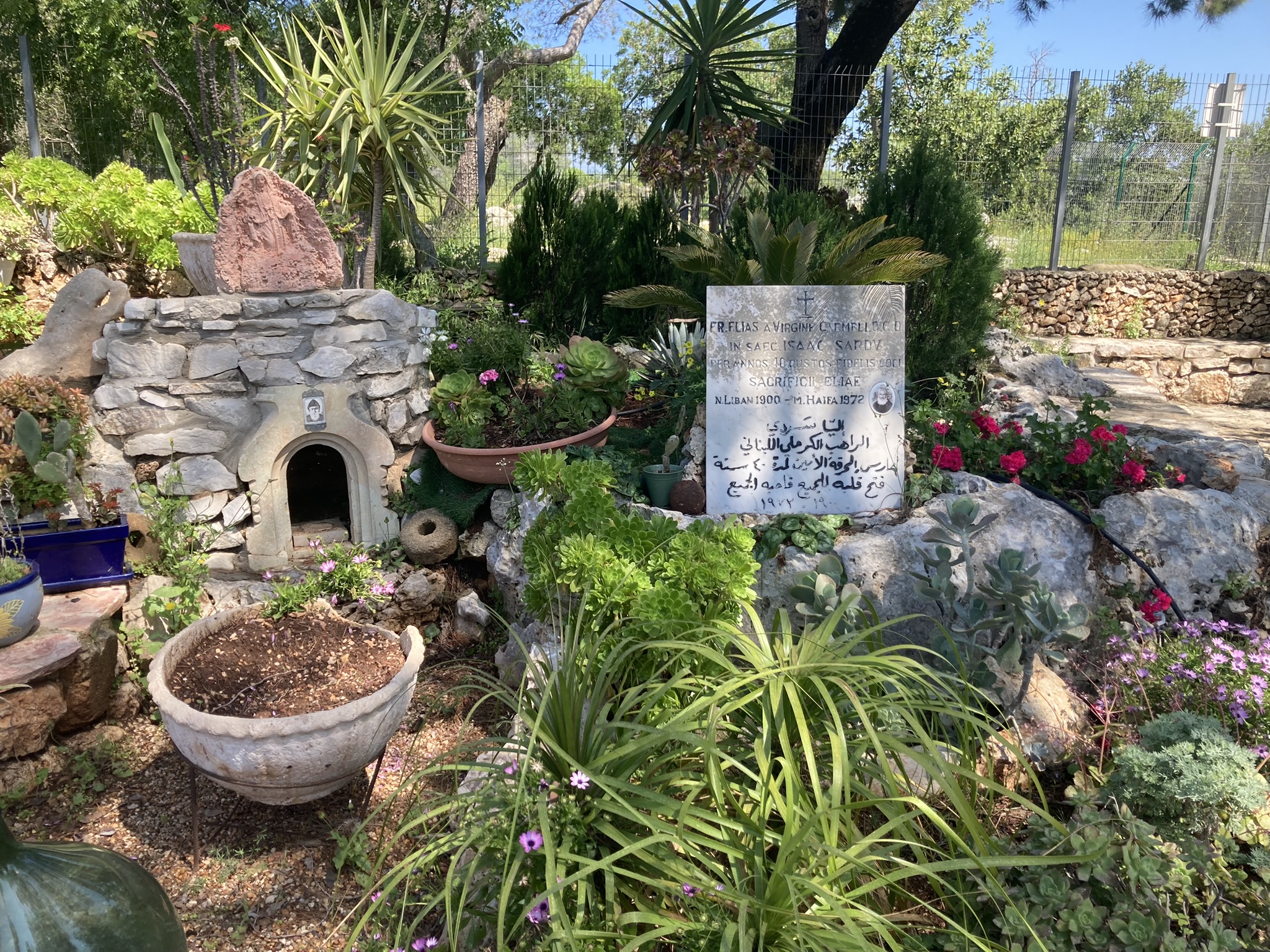
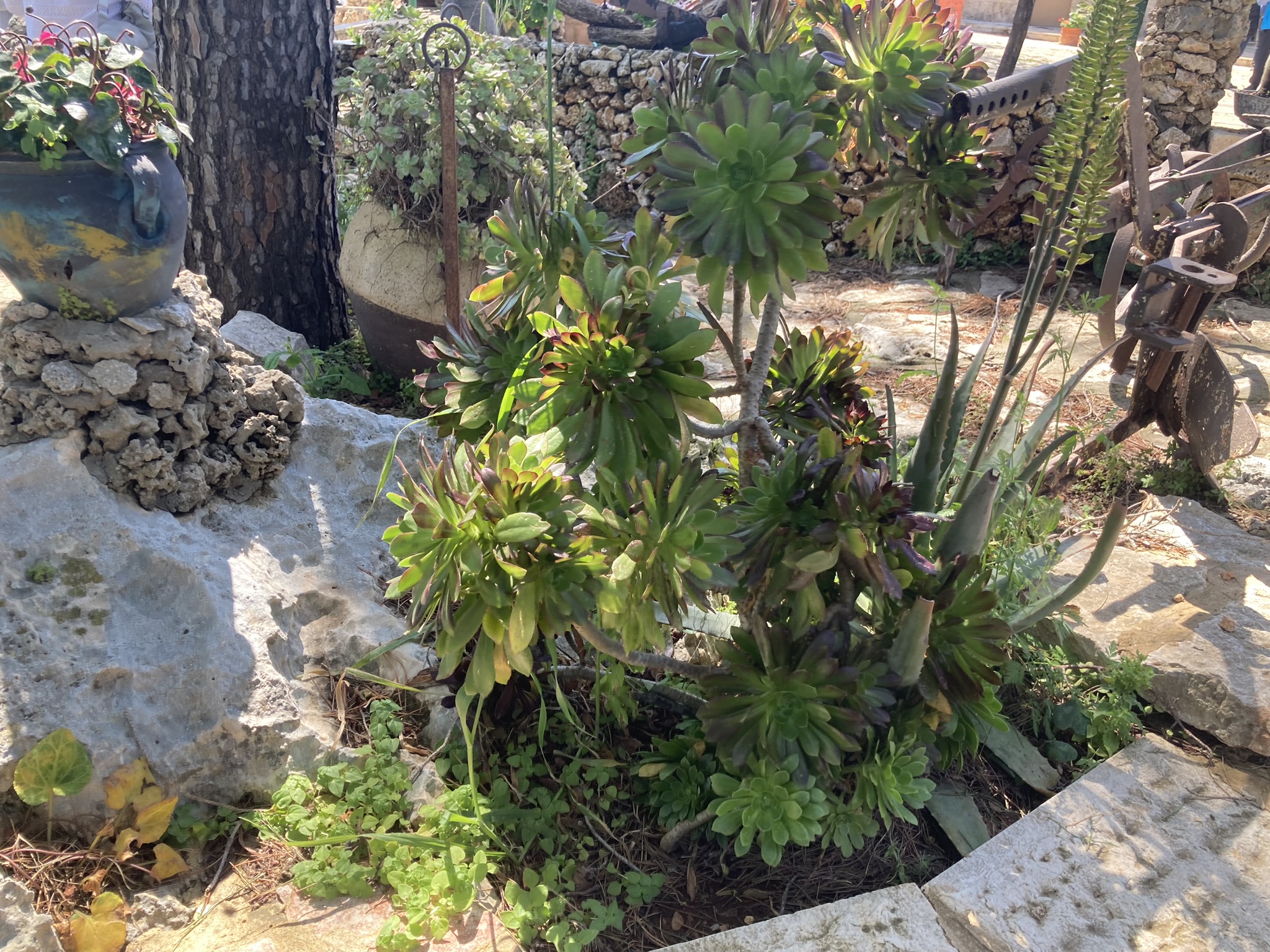
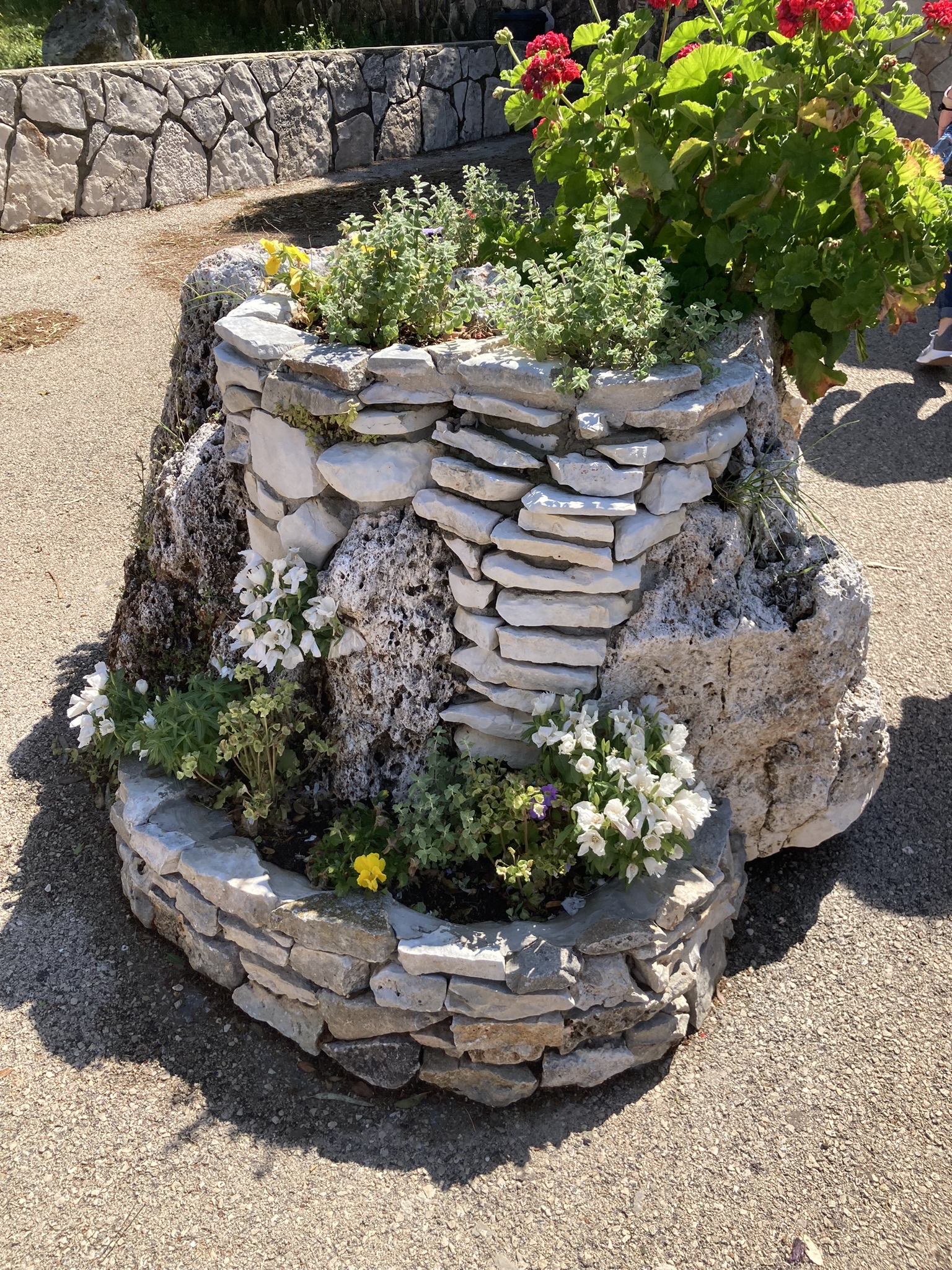
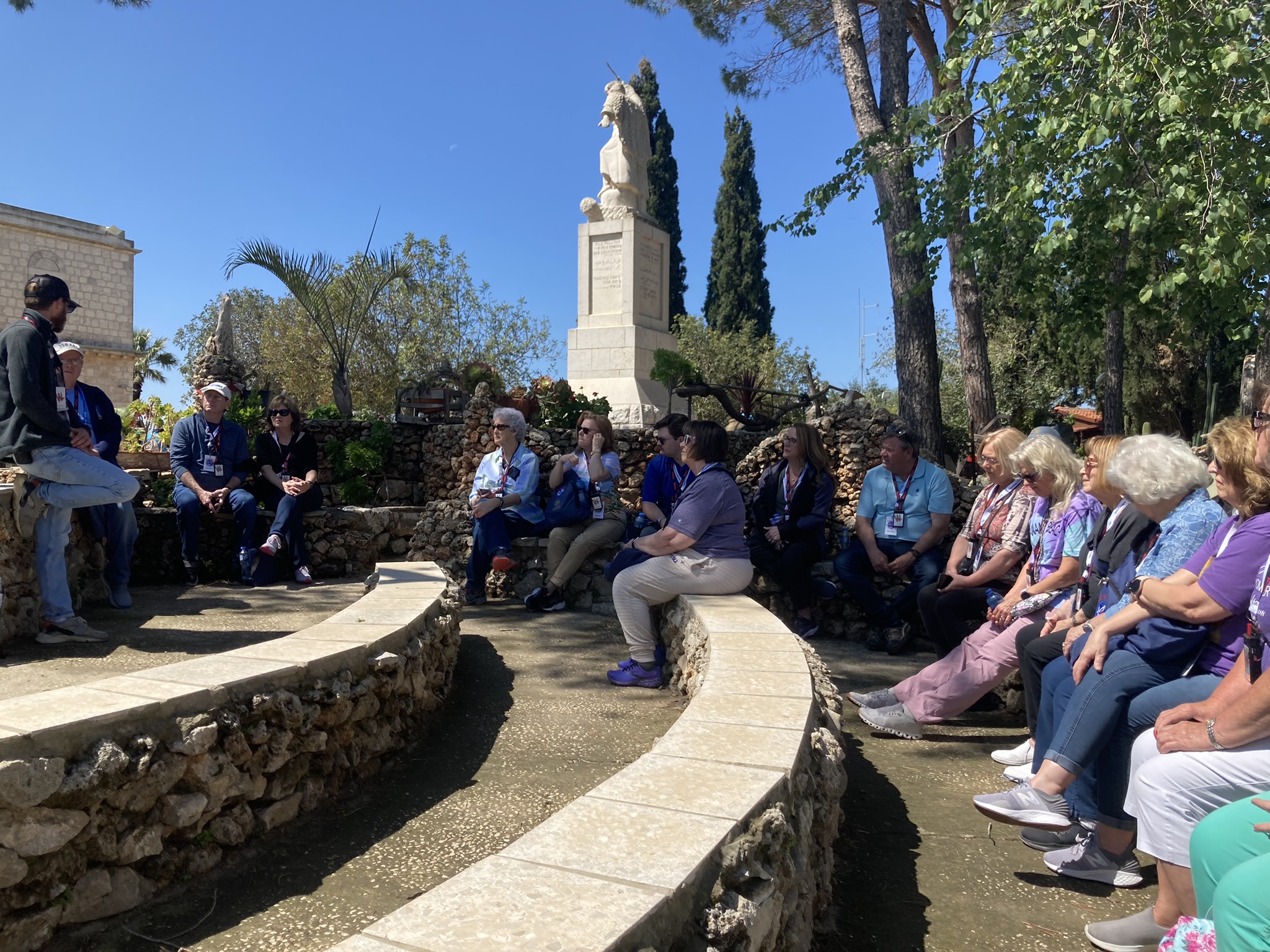
The garden at the Monastery was beautiful! I’ve never seen succulents so big! While we were there they were working on constructing another section to the garden with an alter.
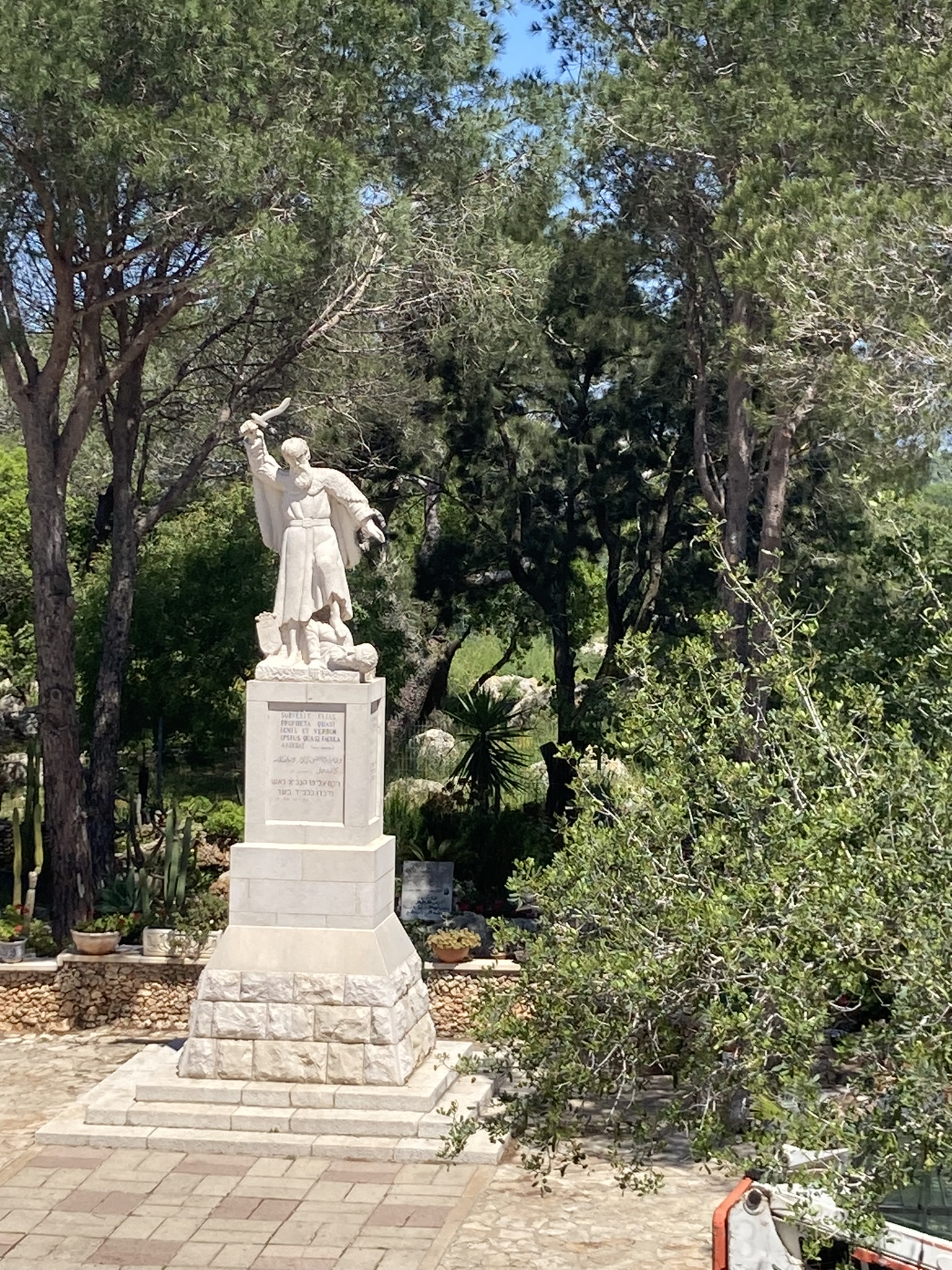
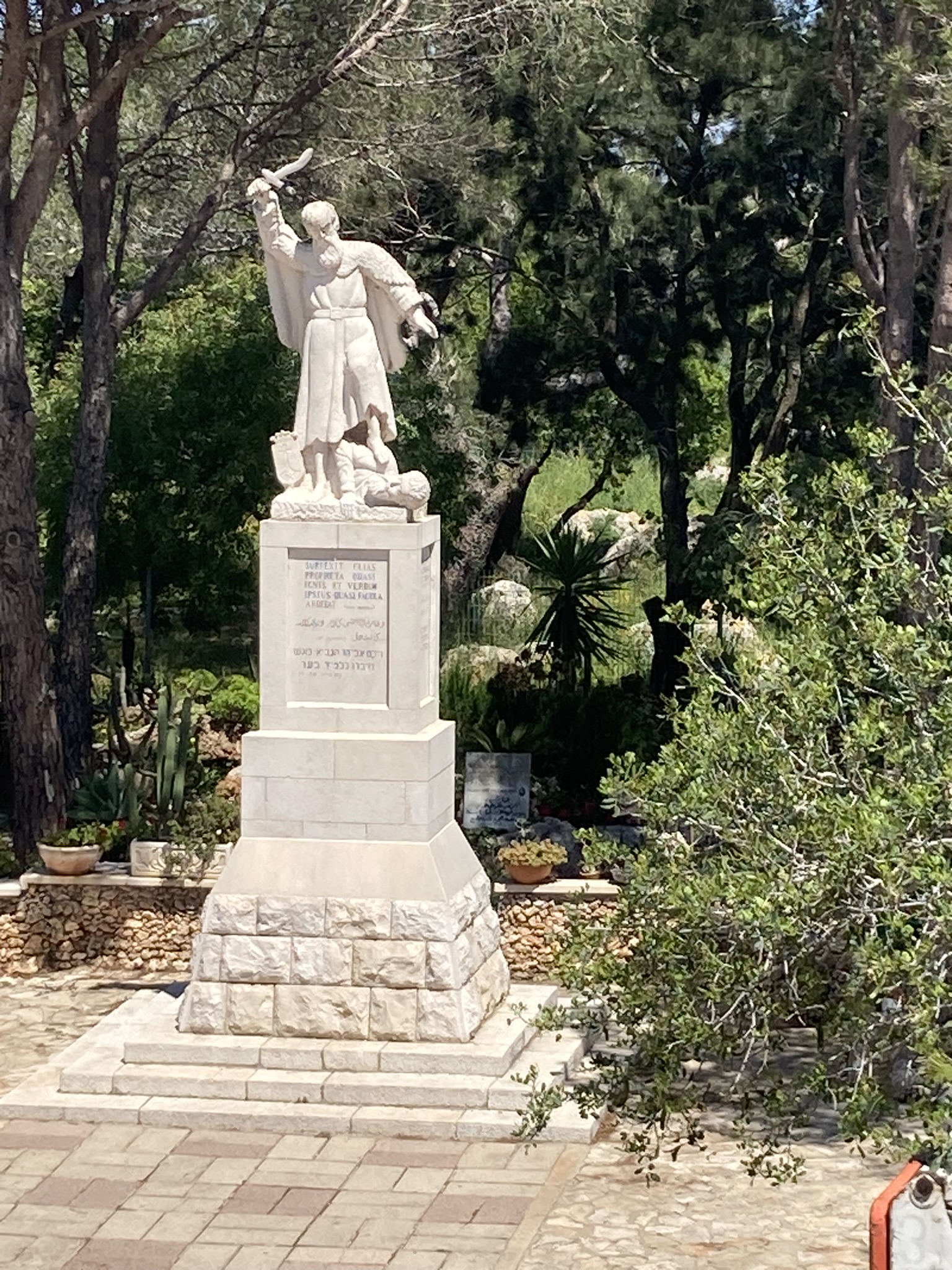
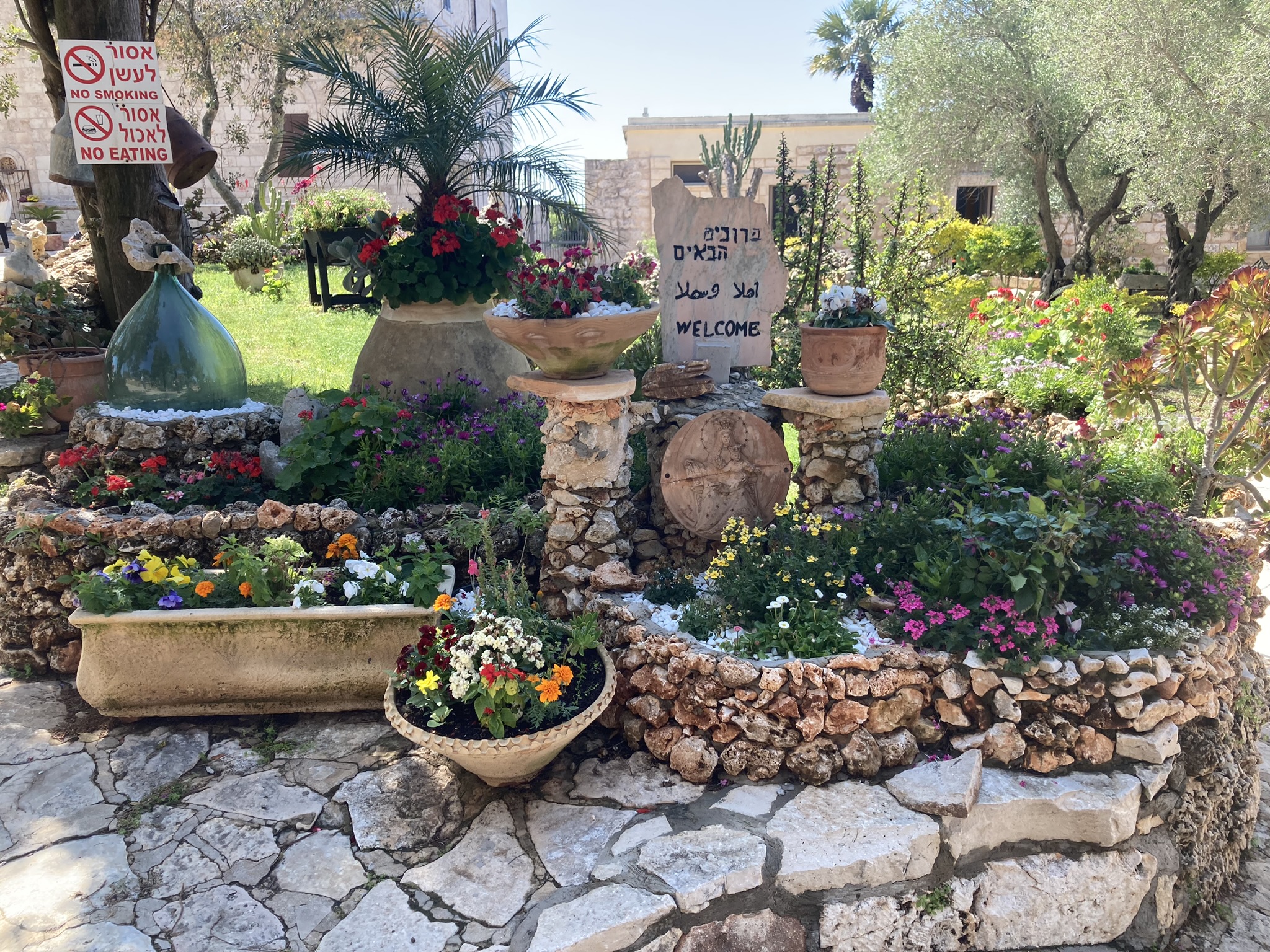
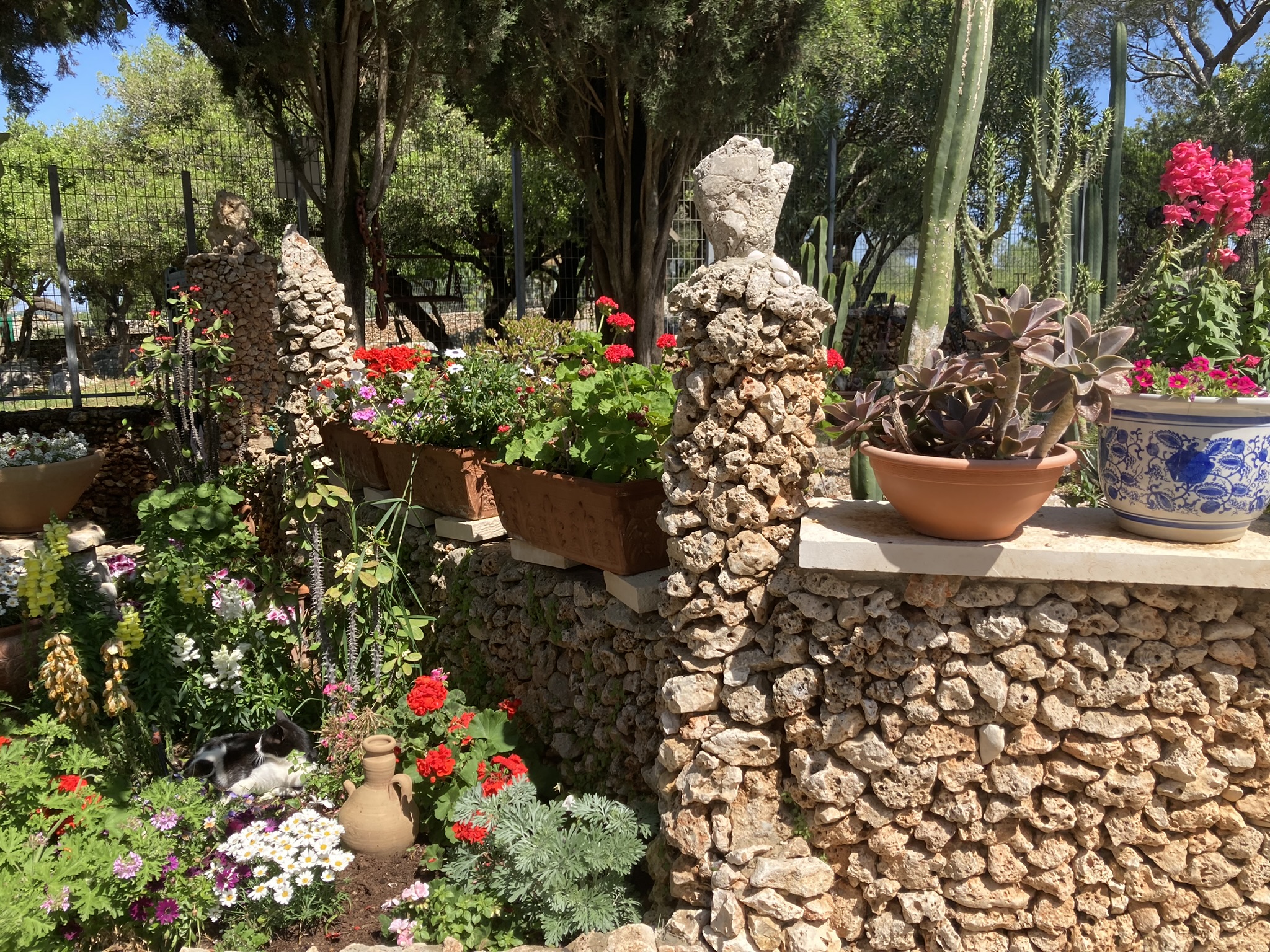
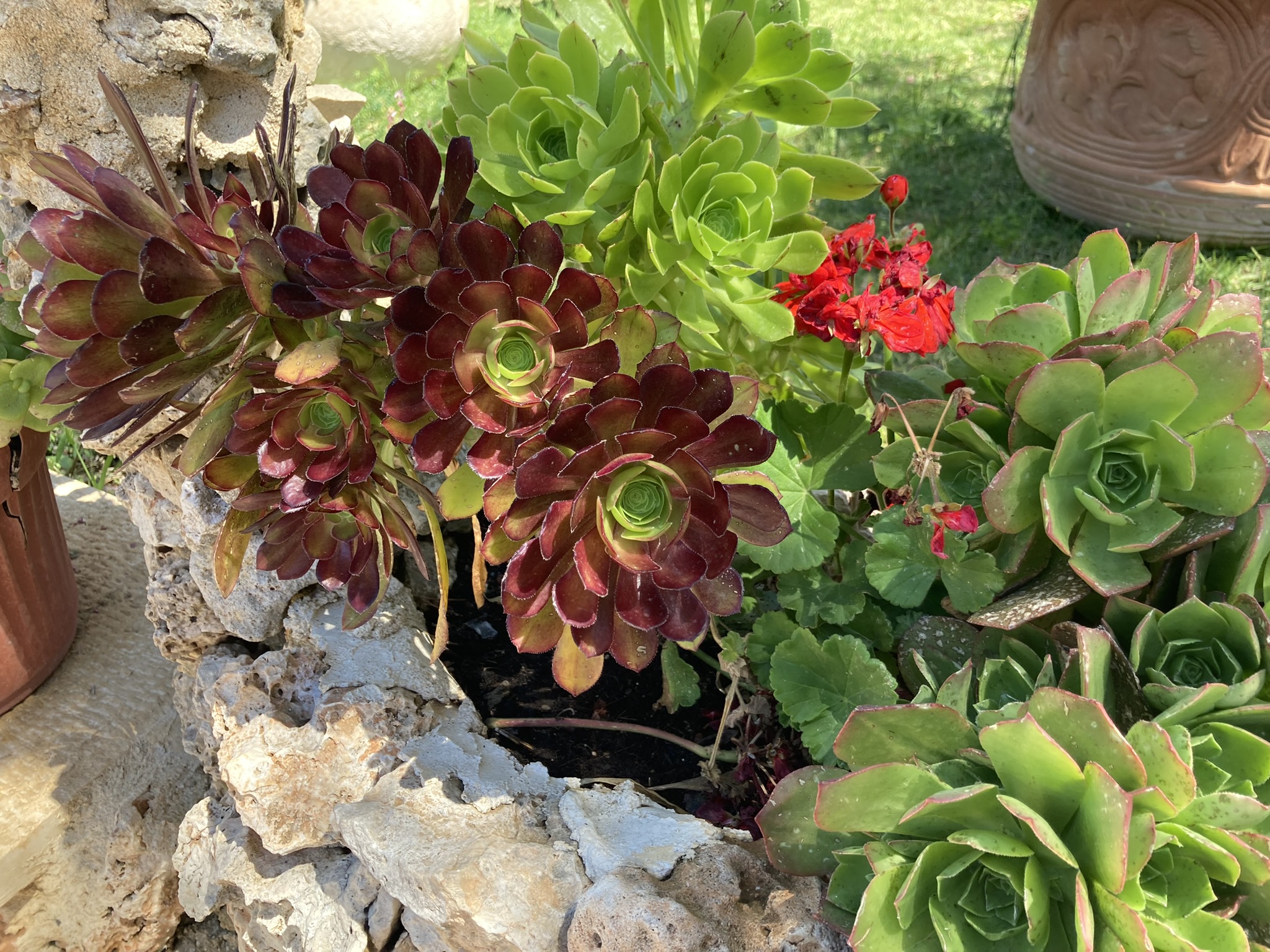






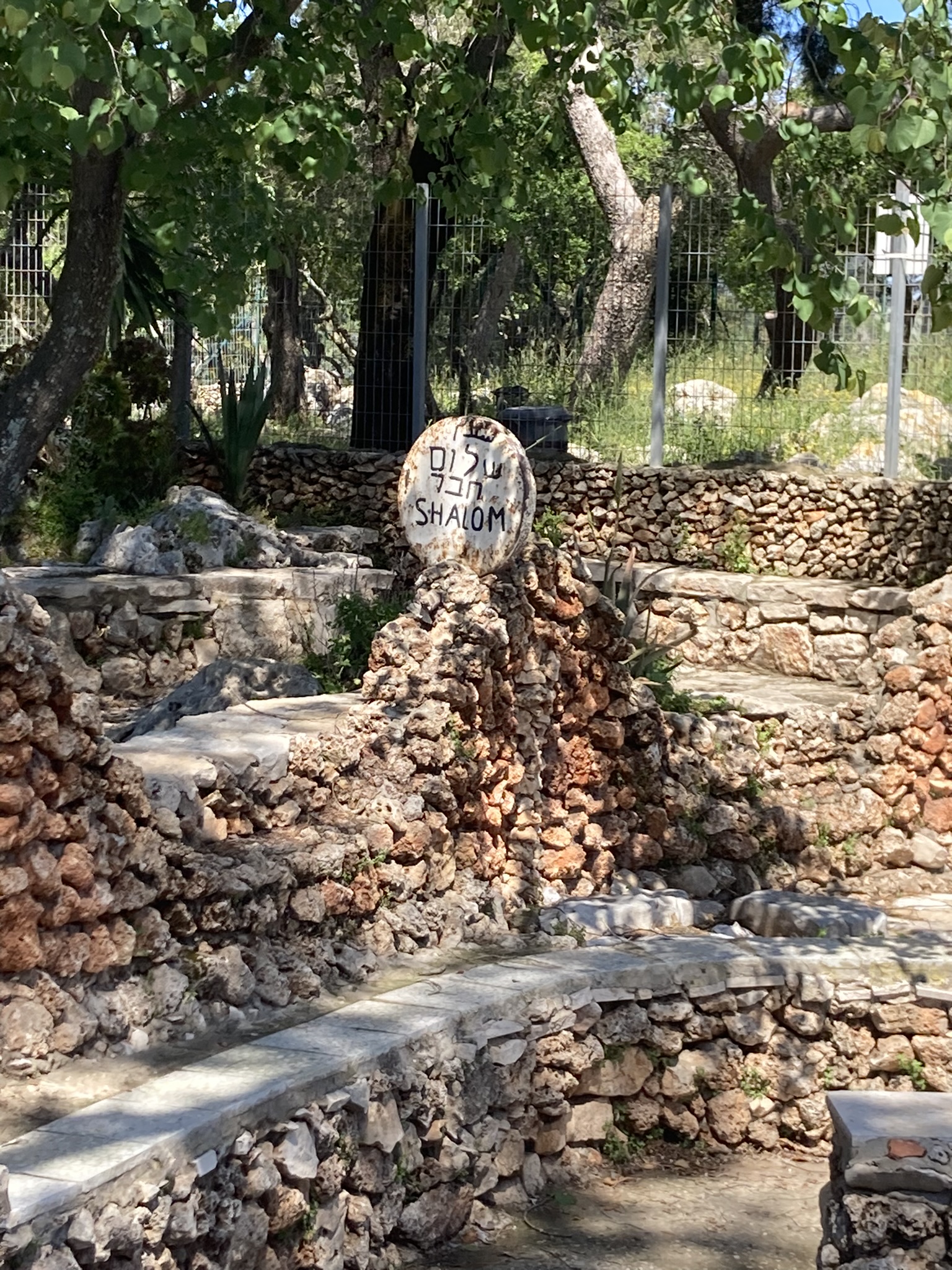
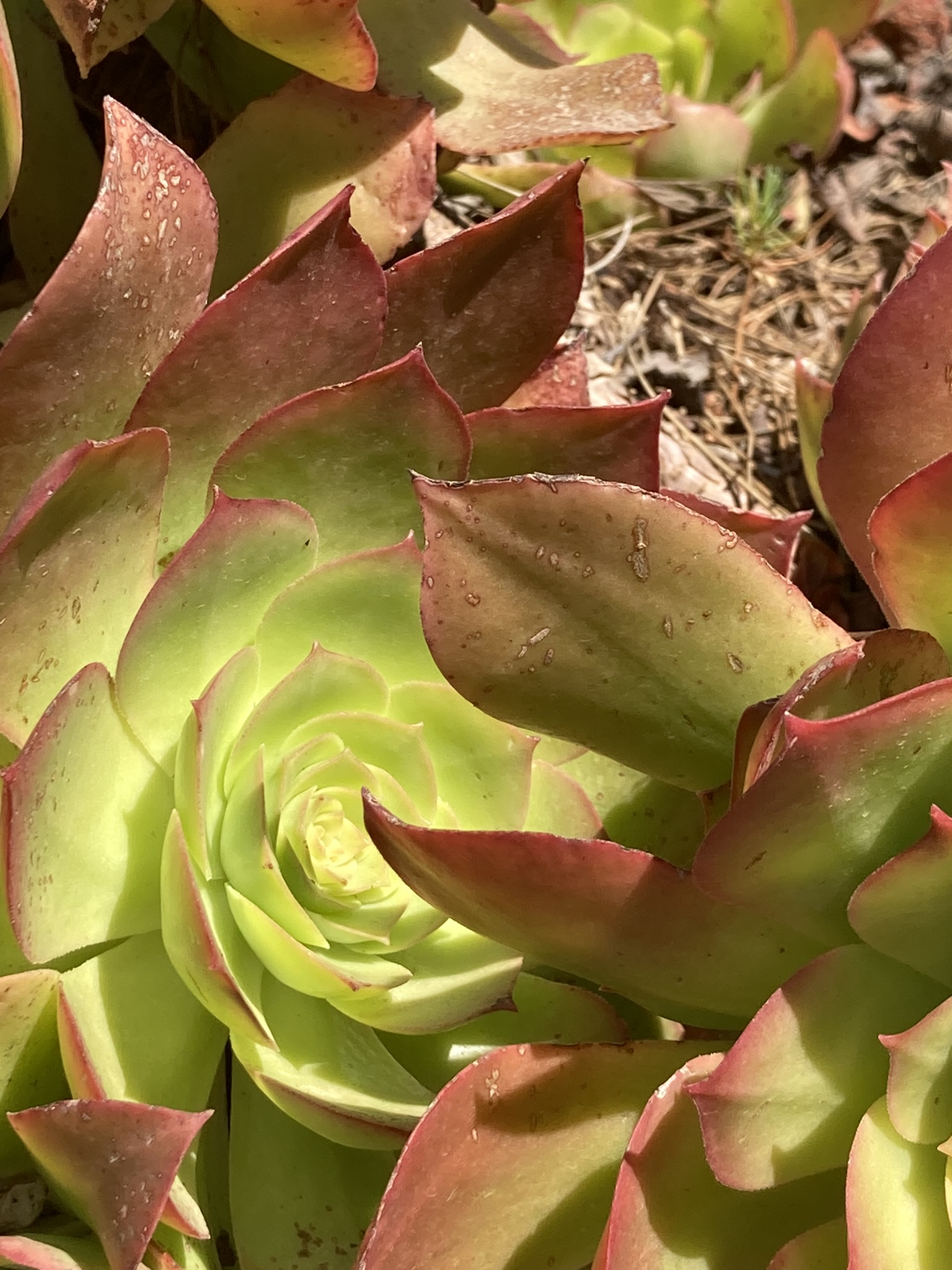
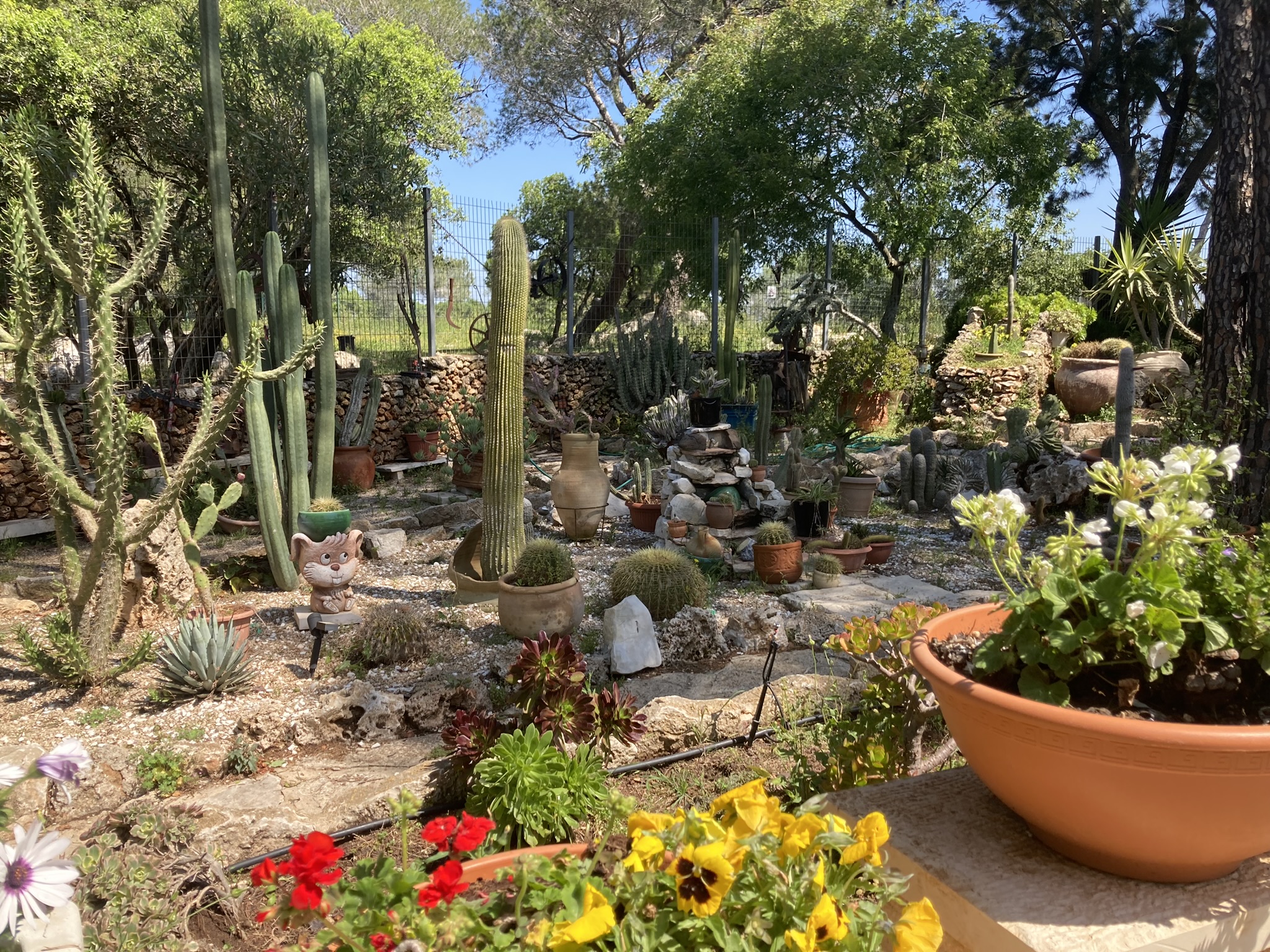
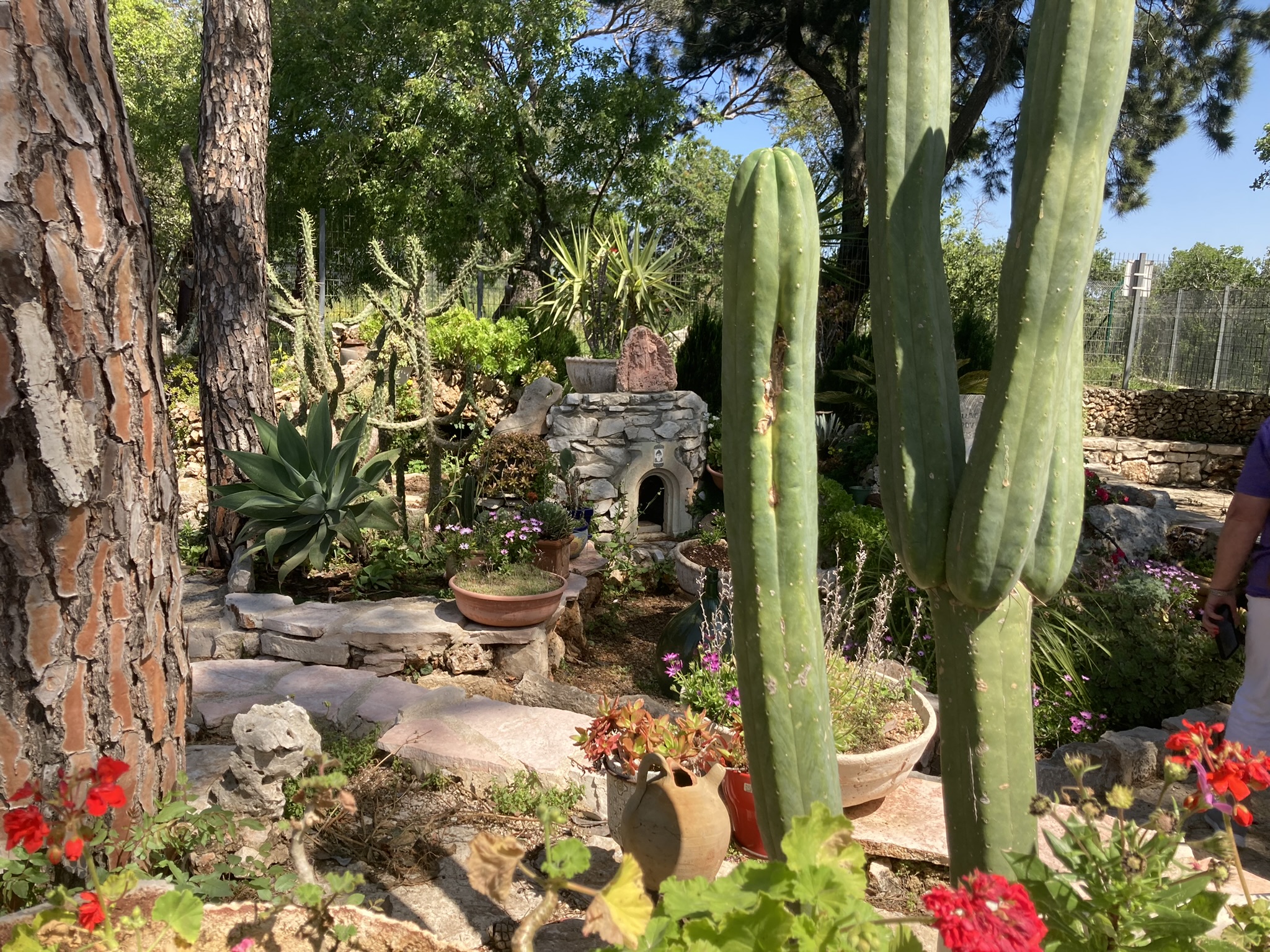



More Bible verses including Mt. Carmel.
MEGIDDO
SECULAR HISTORY
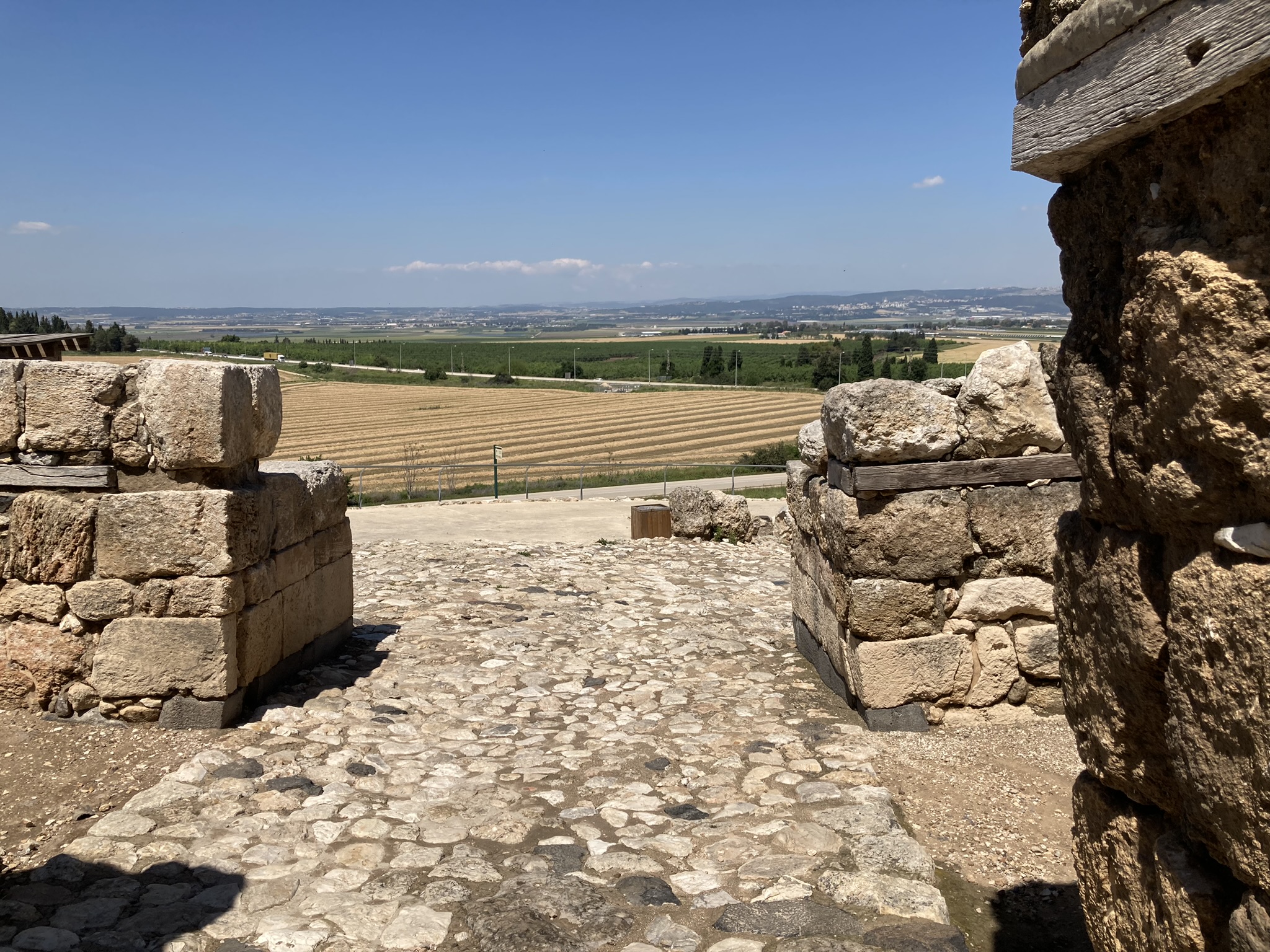
The immensity of the plain is so astonishing that when Napoleon Bonaparte first viewed it, he was reported to have said: “All the armies of the world could maneuver their forces on this vast plain…There is no place in the whole world more suited for war than this… the most natural battleground of the whole earth” (Cline 2002: 142).
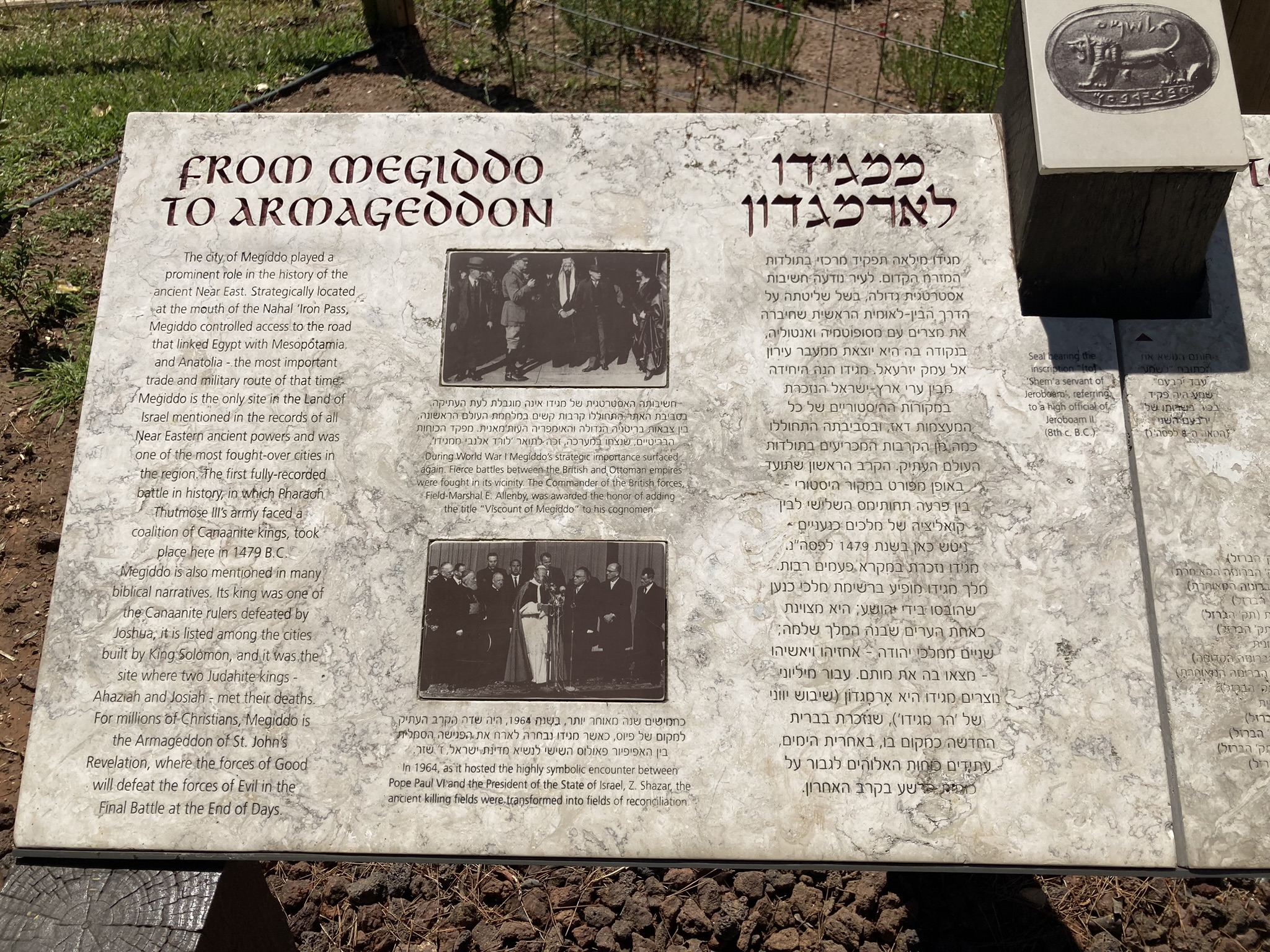
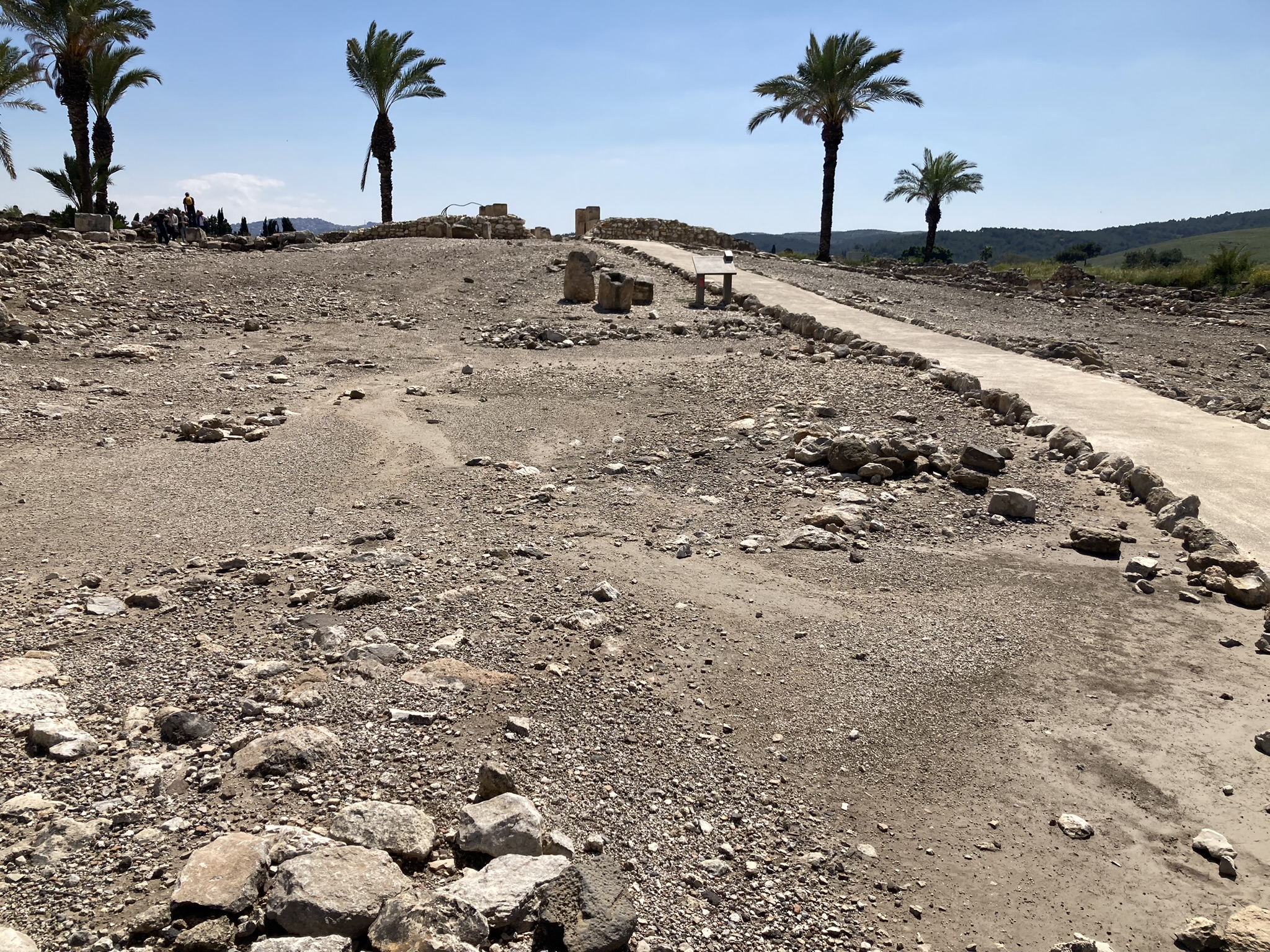
A royal city of the Canaanites, it is strategically located where the Via Maris enters the Valley of Jezreel. This fortress city protected the greatest ancient trade route in the world. So many world leaders fought in this area: Thutmoses, Ramses, Shishak, Pharoah Nacho (there’s a fun title), Sennacherib, Alexander the Great, Napolean and many more. Even General Allenby of the British army fought here.
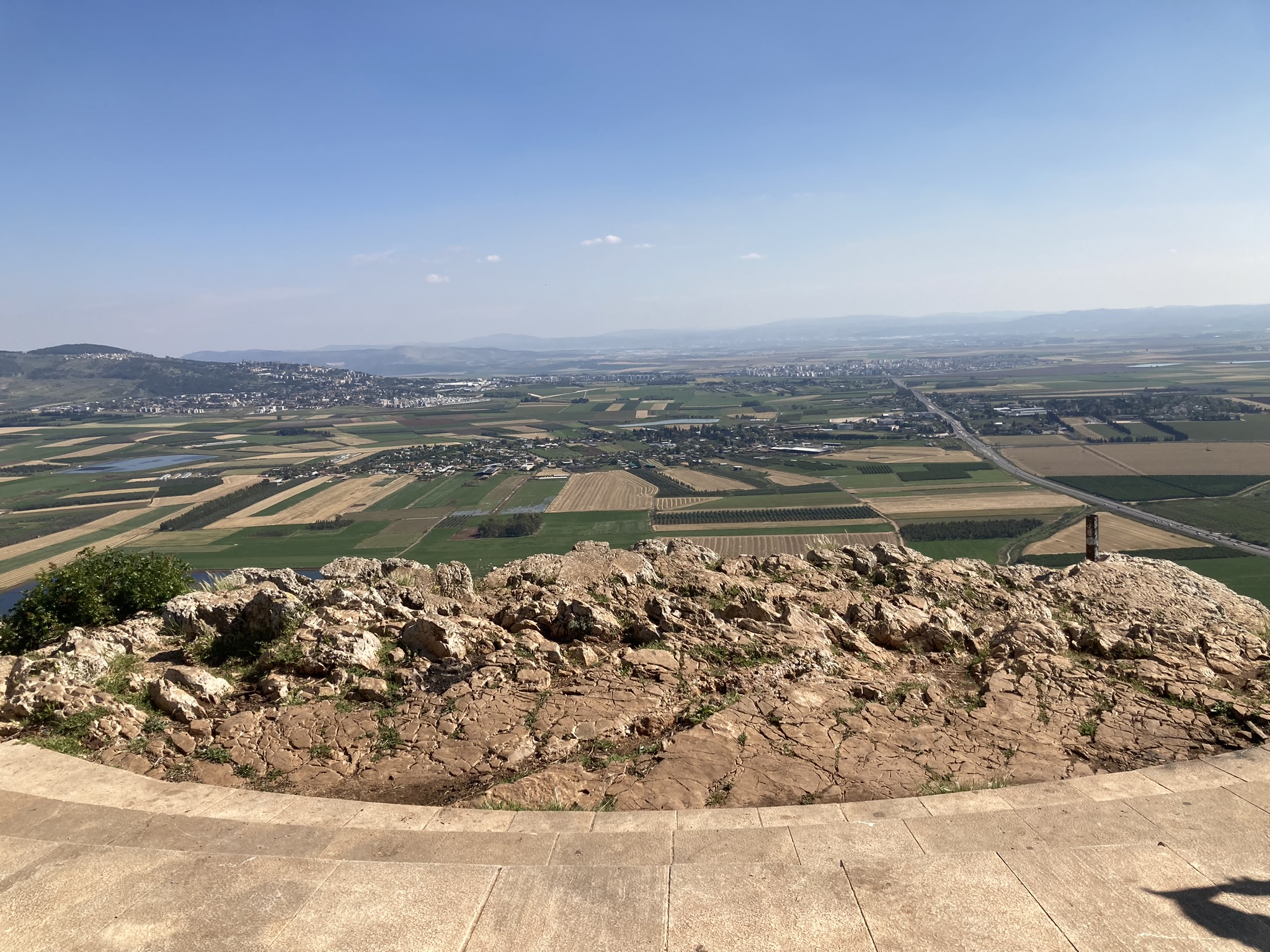
This area, also known as the Valley of Jezreel, is the highest piece of food-producing real estate, per square foot, in the world. In the early 1900’s it was a malaria-infested marshland. Ezekiel said, “They will say, ‘This desolate land has become like the garden of Eden; and the waste, desolate and ruined cities are fortified and inhabited.’” Ezekiel 36:35
OLD TESTAMENT
Megiddo is first mentioned in Joshua 12:21 as one of the cities defeated by Joshua. Megiddo was in the territory of Manasseh (Joshua 17:11; 1 Chronicles 7:29), and, although they were not able to completely drive out the residents, they were eventually able to subjugate them (Judges 1:27).
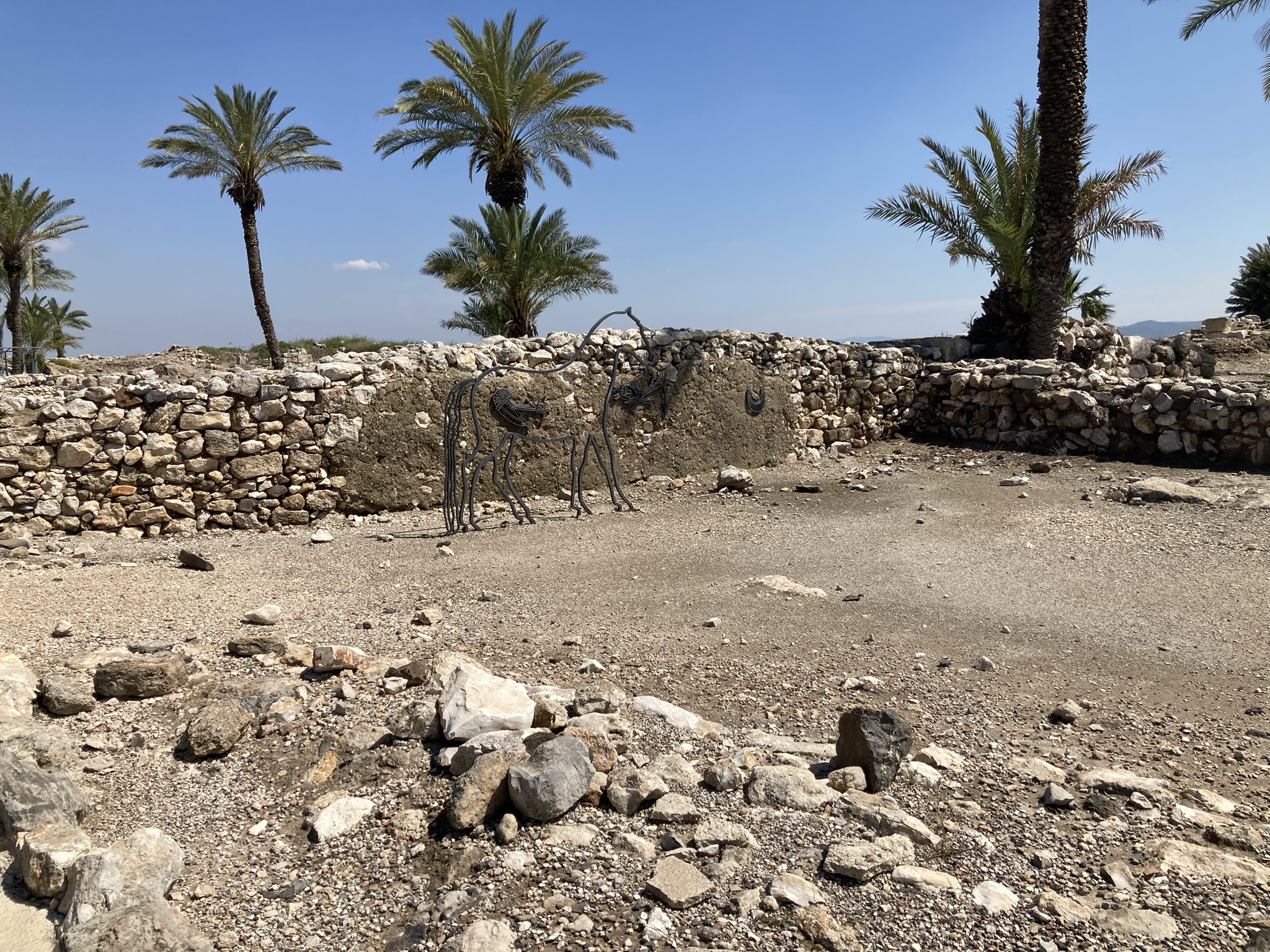
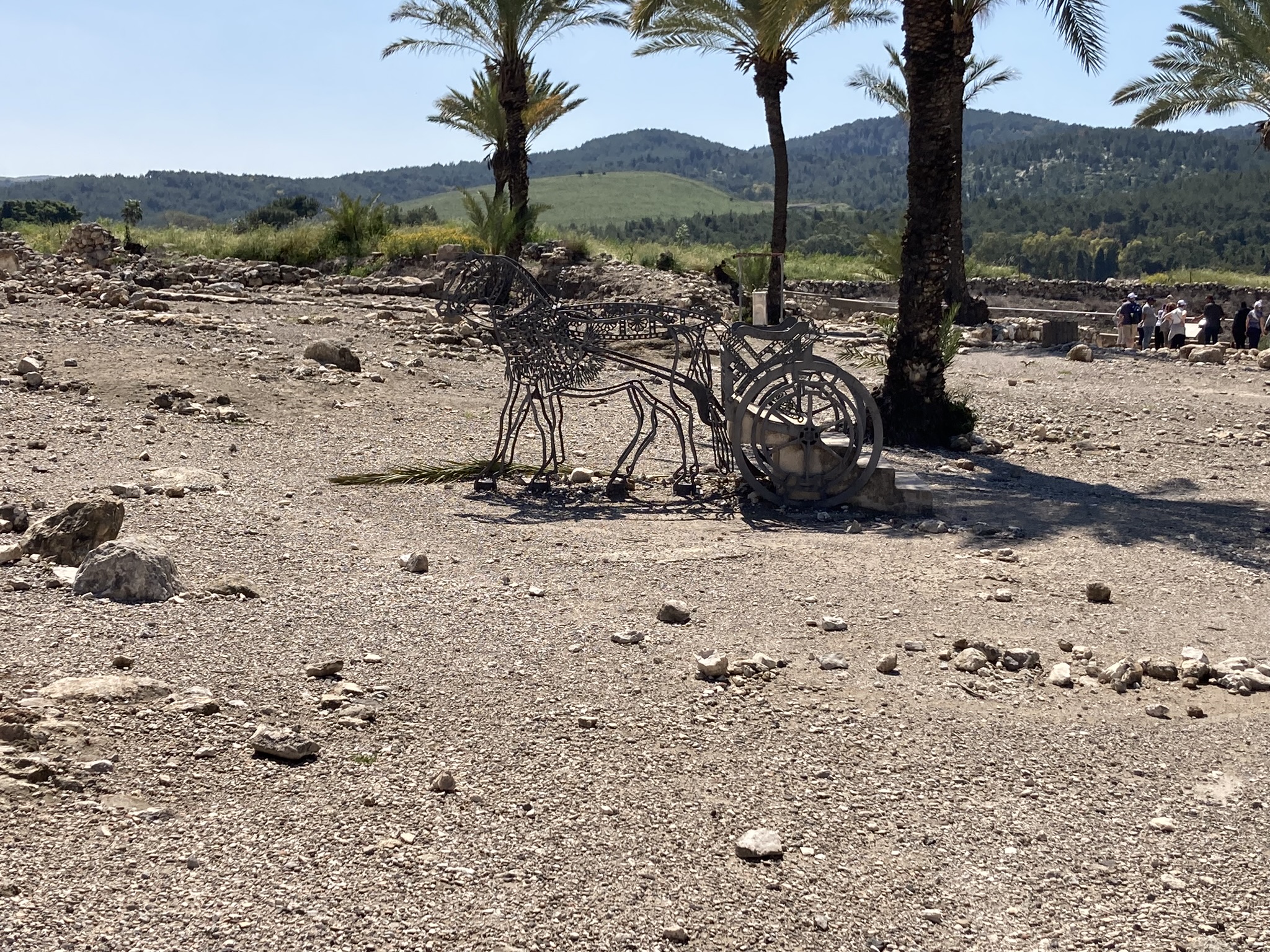
Megiddo is also mentioned in the battle between Sisera and Barak (Deborah is judge) in Judges 5:19. Megiddo was later included in the territory of Baana son of Ahilud, one of Solomon’s twelve district governors (1 Kings 4:12). Megiddo was one of the cities that was rebuilt or fortified by Solomon (1 Kings 9:15). Excavations have revealed 450 horse stables built during Solomon’s time.
Ahaziah, king of Judah, was wounded in battle against Jehu, who was attempting to overthrow Joram, the king of the northern kingdom of Israel. Ahaziah fled to Megiddo where he died from his wounds (2 Kings 9:27).
King Josiah of Judah, contrary to God’s will, fought against Pharaoh Necho at Megiddo and was killed there (2 Kings 23:29–30 and 2 Chronicles 35:22).
Zechariah 12:10–12 says, “And I will pour out on the house of David and the inhabitants of Jerusalem a spirit of grace and supplication. They will look on me, the one they have pierced, and they will mourn for him as one mourns for an only child, and grieve bitterly for him as one grieves for a firstborn son. On that day the weeping in Jerusalem will be as great as the weeping of Hadad Rimmon in the plain of Megiddo. The land will mourn, each clan by itself, with their wives by themselves: the clan of the house of David and their wives, the clan of the house of Nathan and their wives.” Zechariah 12 looks forward to a time when the nation will mourn for the Messiah as they mourned for Josiah.
NEW TESTAMENT
The New Testament does not mention Megiddo, but the term Armageddon (Har Megiddo, or “Mount Megiddo”) is mentioned in Revelation 16:16 as a place of judgment against the enemies of God, which would seem to correlate with the imagery in Zechariah 12. This is the site of the last great battle in the future that will include the Beast, False Prophet and armies from allover the world. Thankfully, it’s also where Christ will come to put an end to it all. Revelation 19:11-21
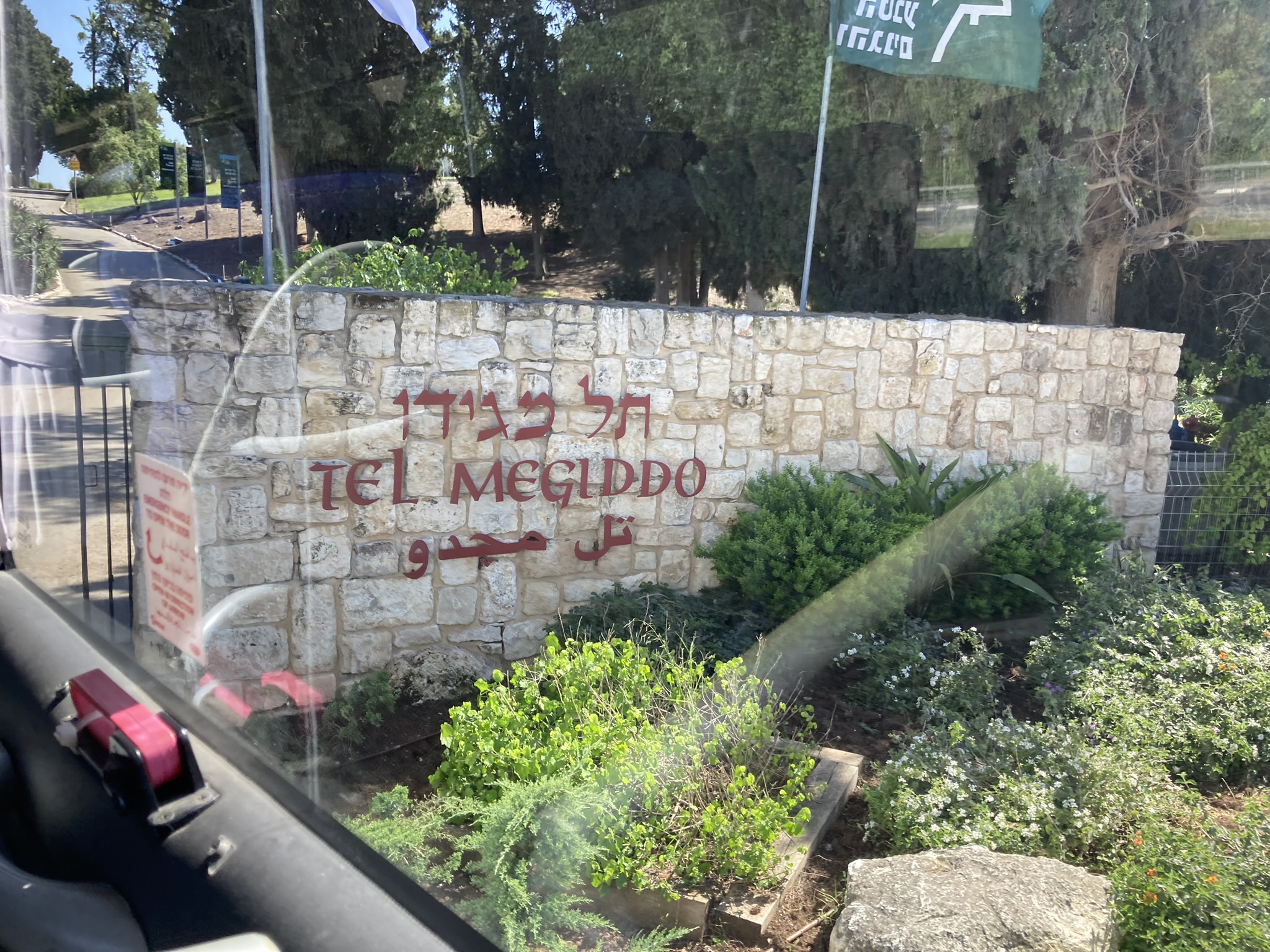
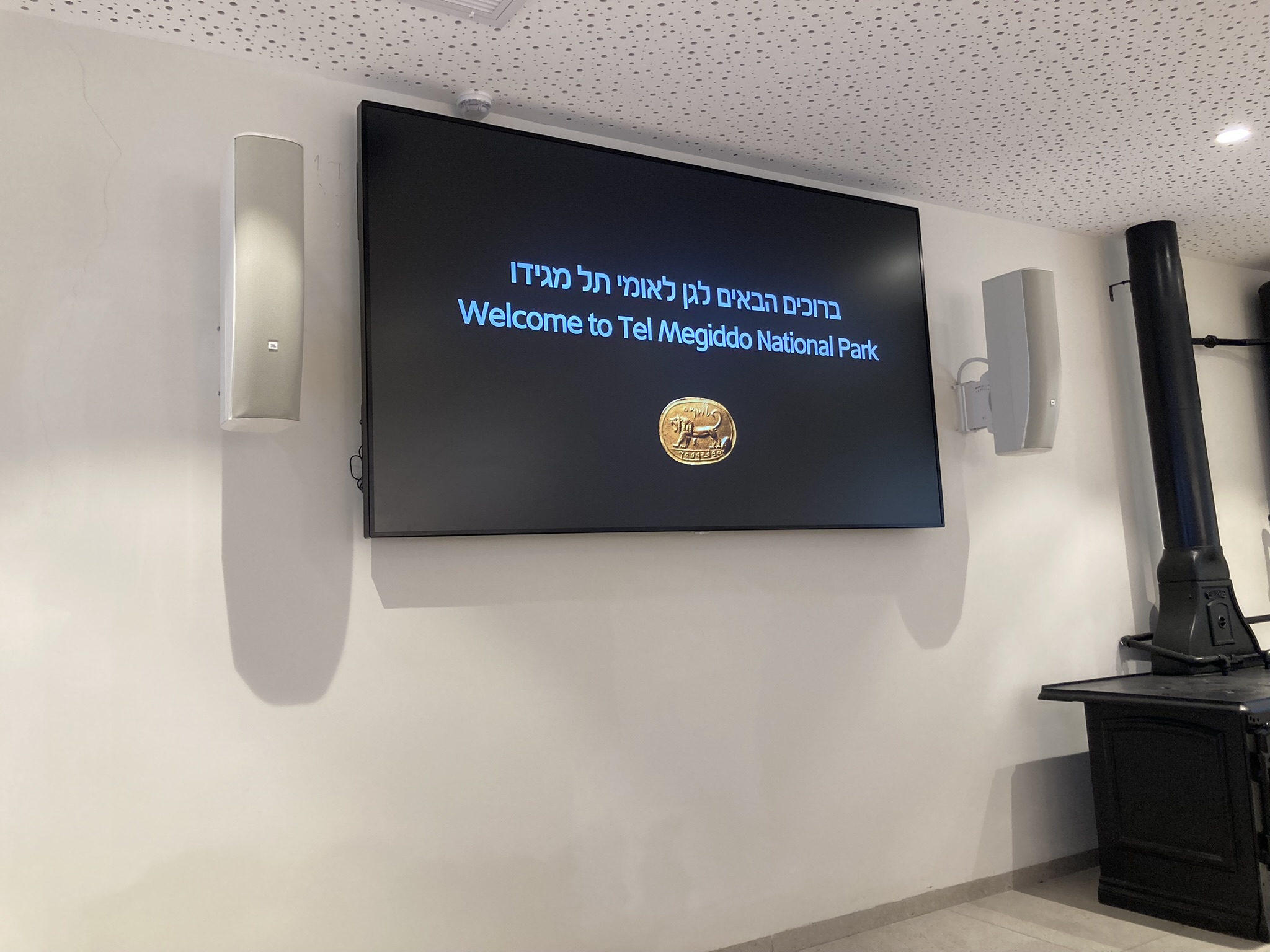
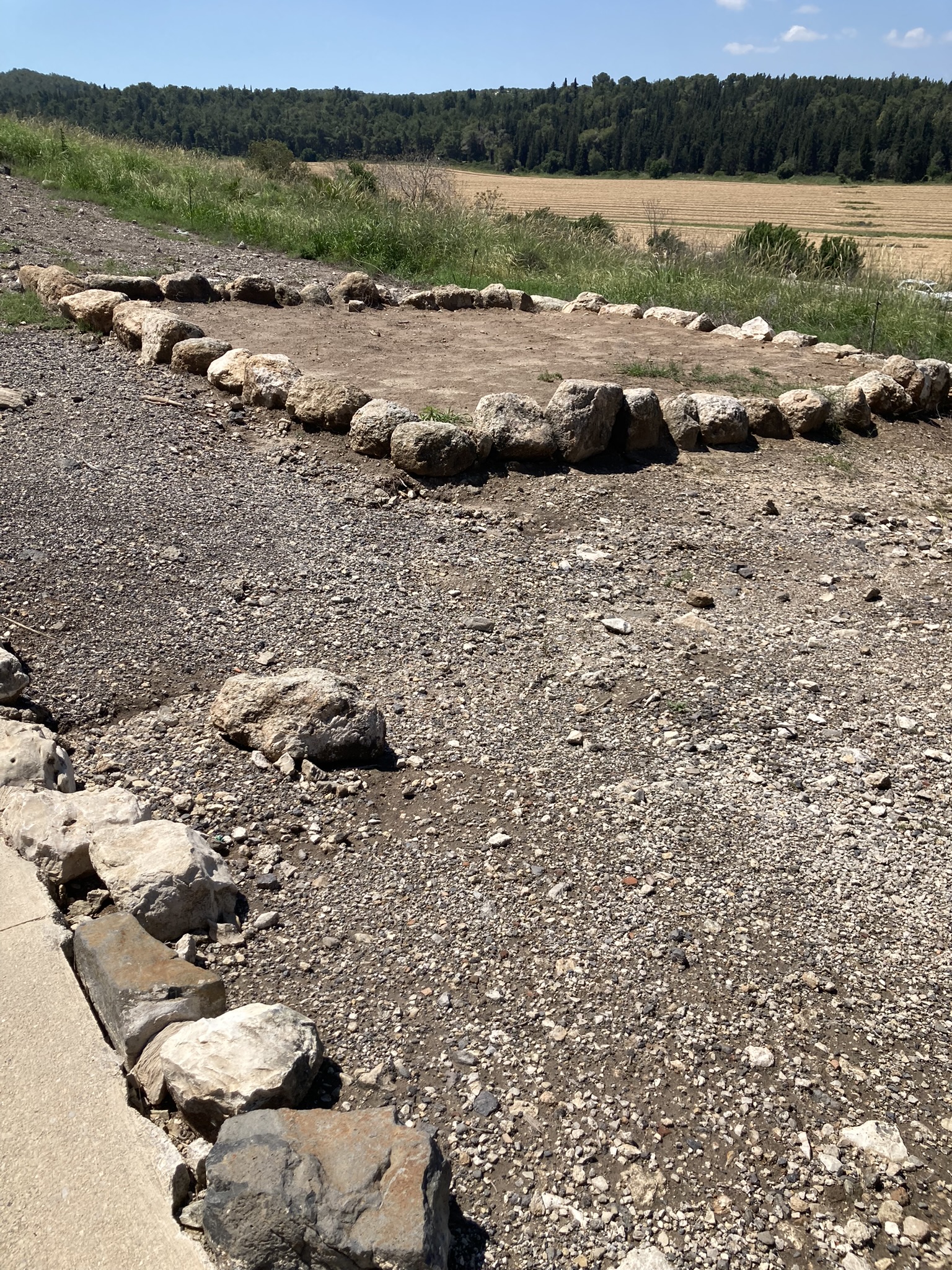
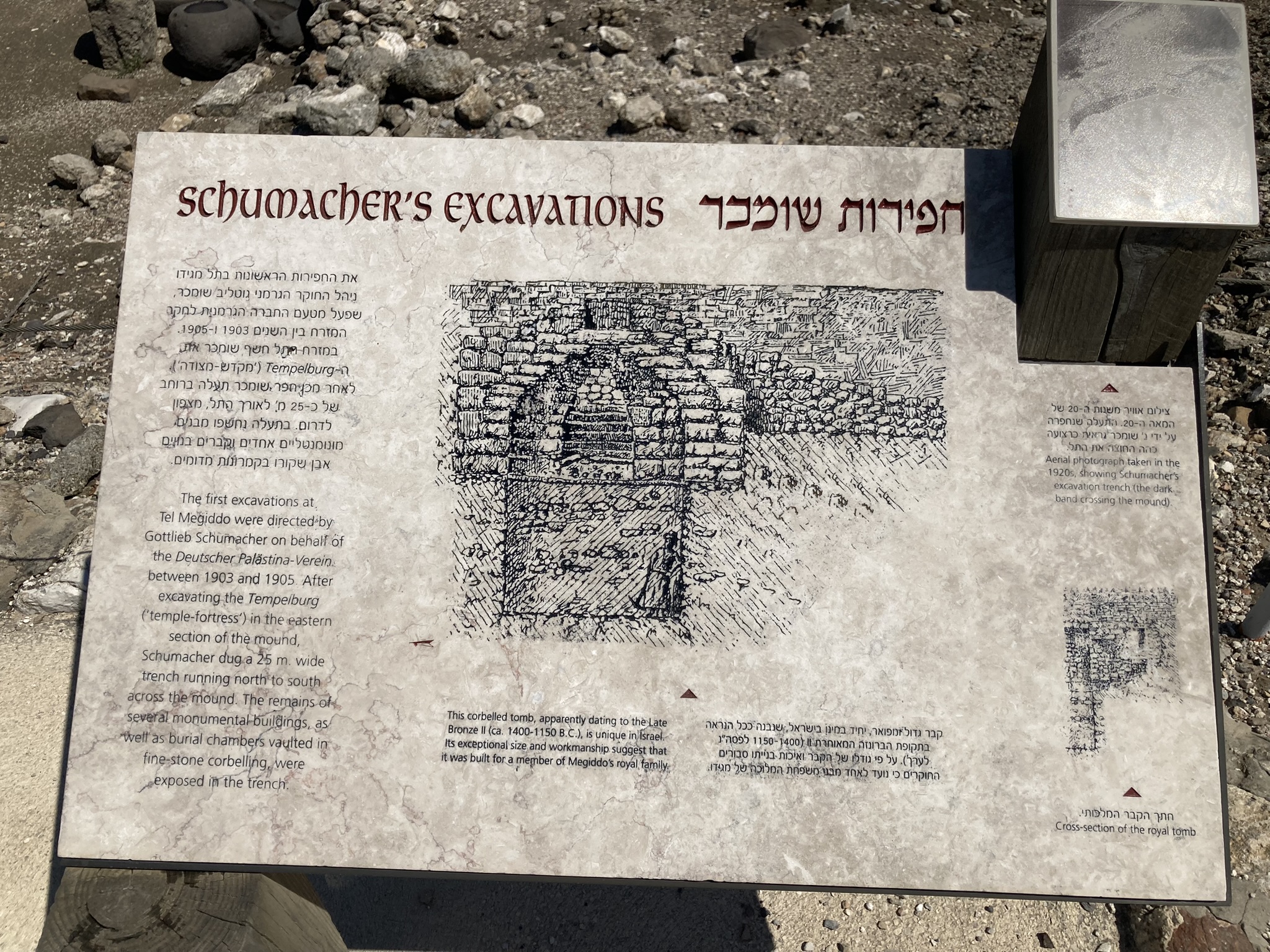
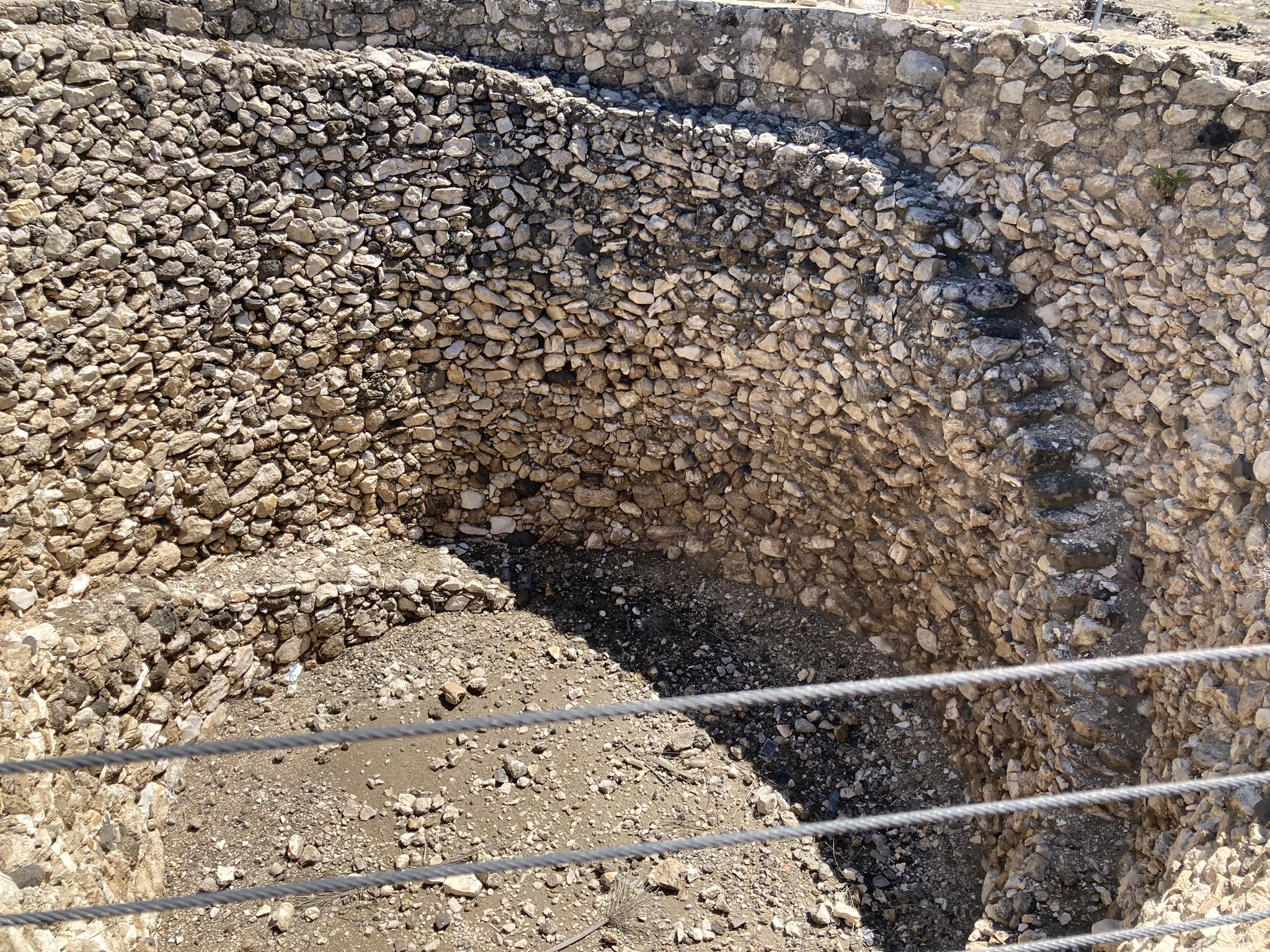
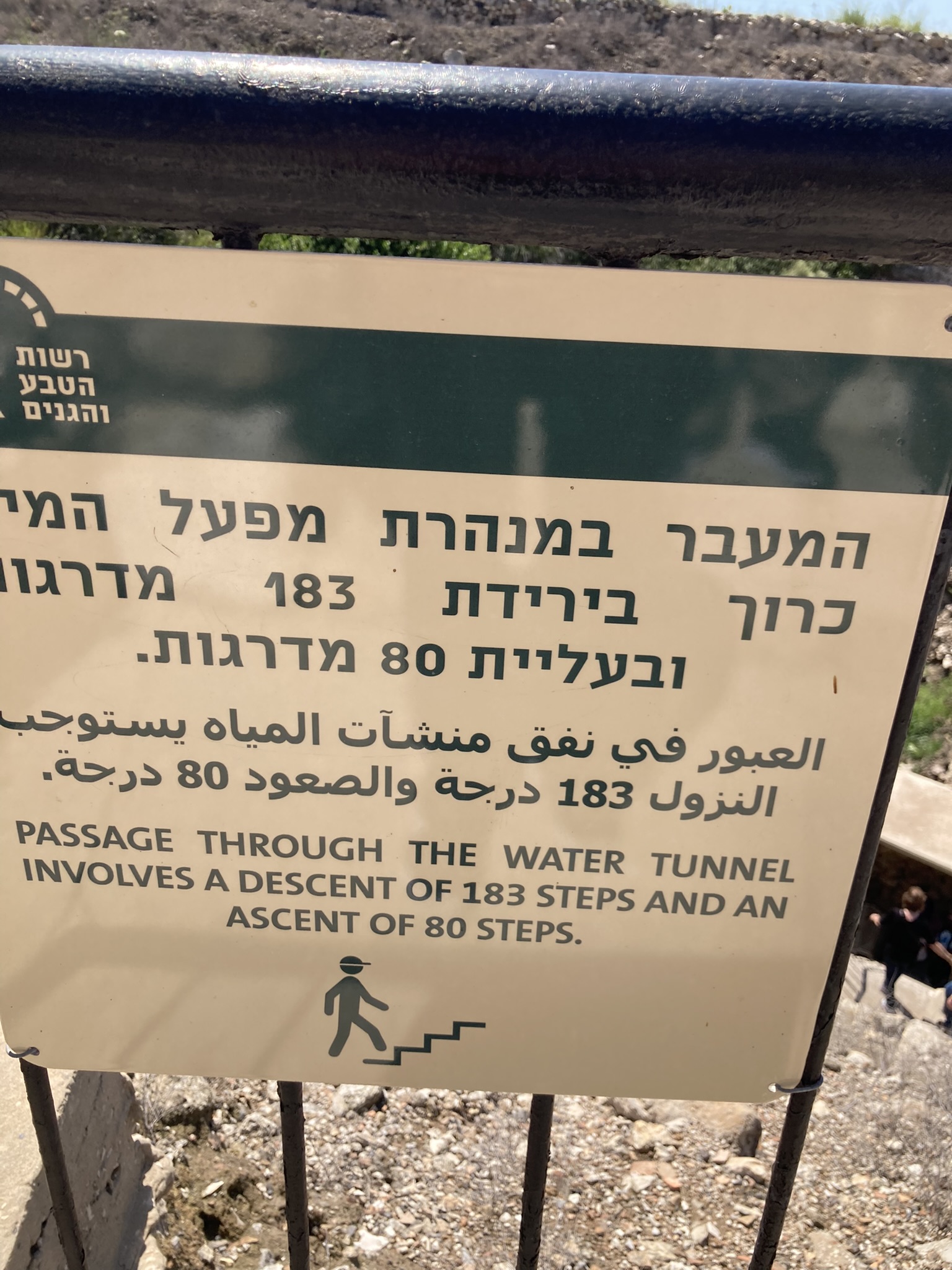
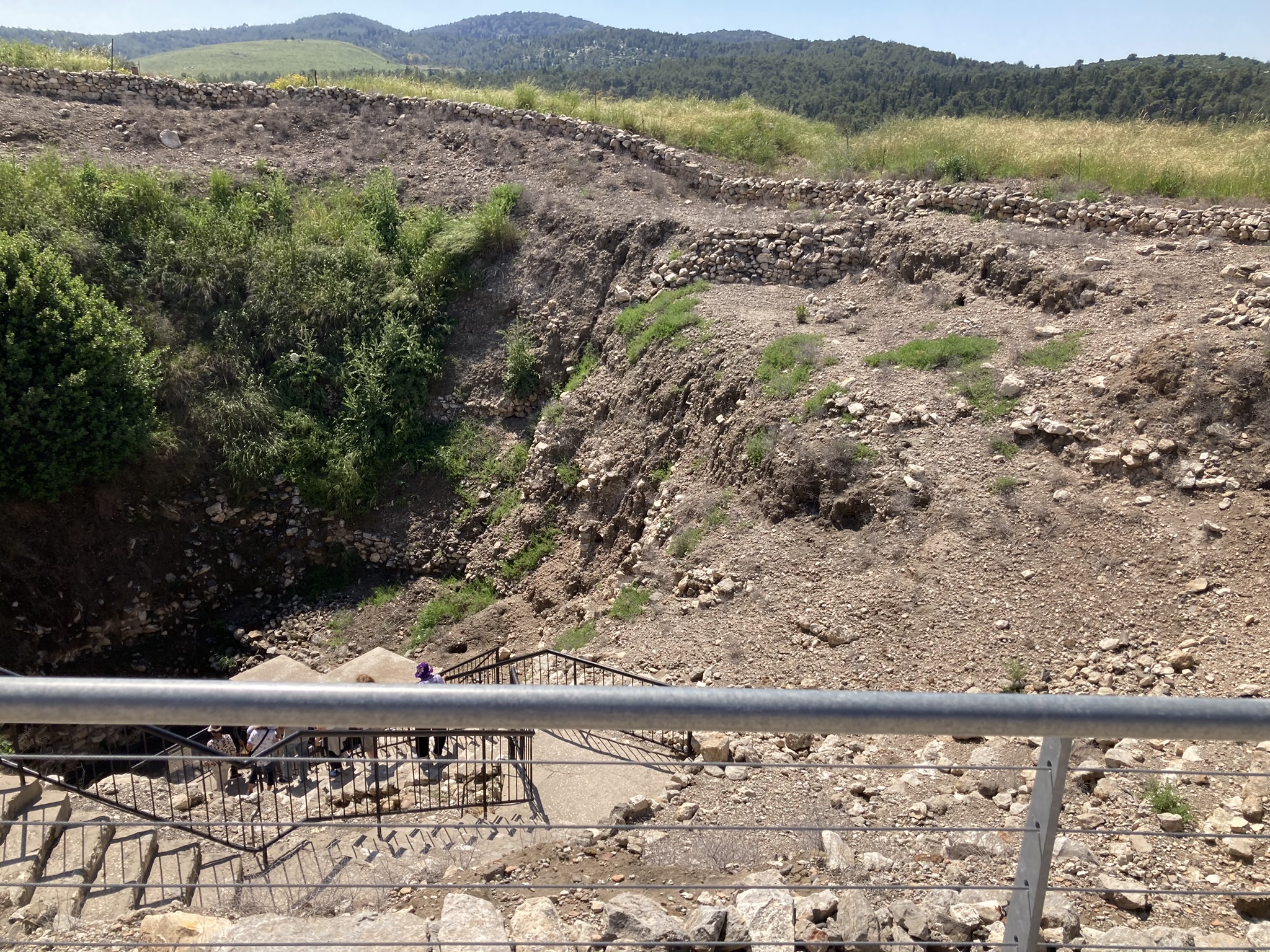
Here are some of our photos from this stop on the tour:











MORE RESOURCES:
https://biblearchaeology.org/research/conquest-of-canaan/3084-megiddo-the-place-of-battles
Jewish Virtual Library: Megiddo
Live Science: Megiddo – Armageddon
NAZARETH
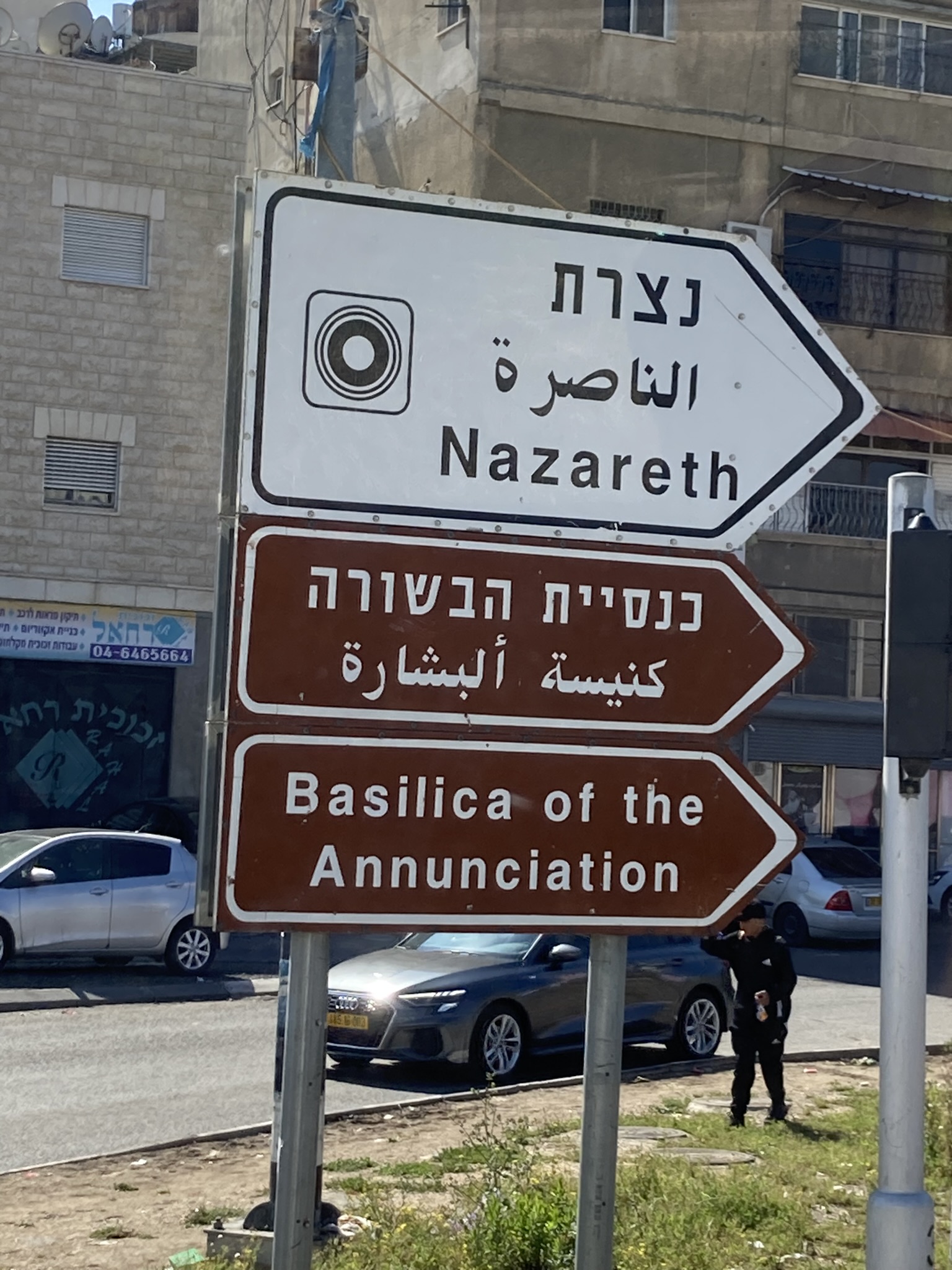
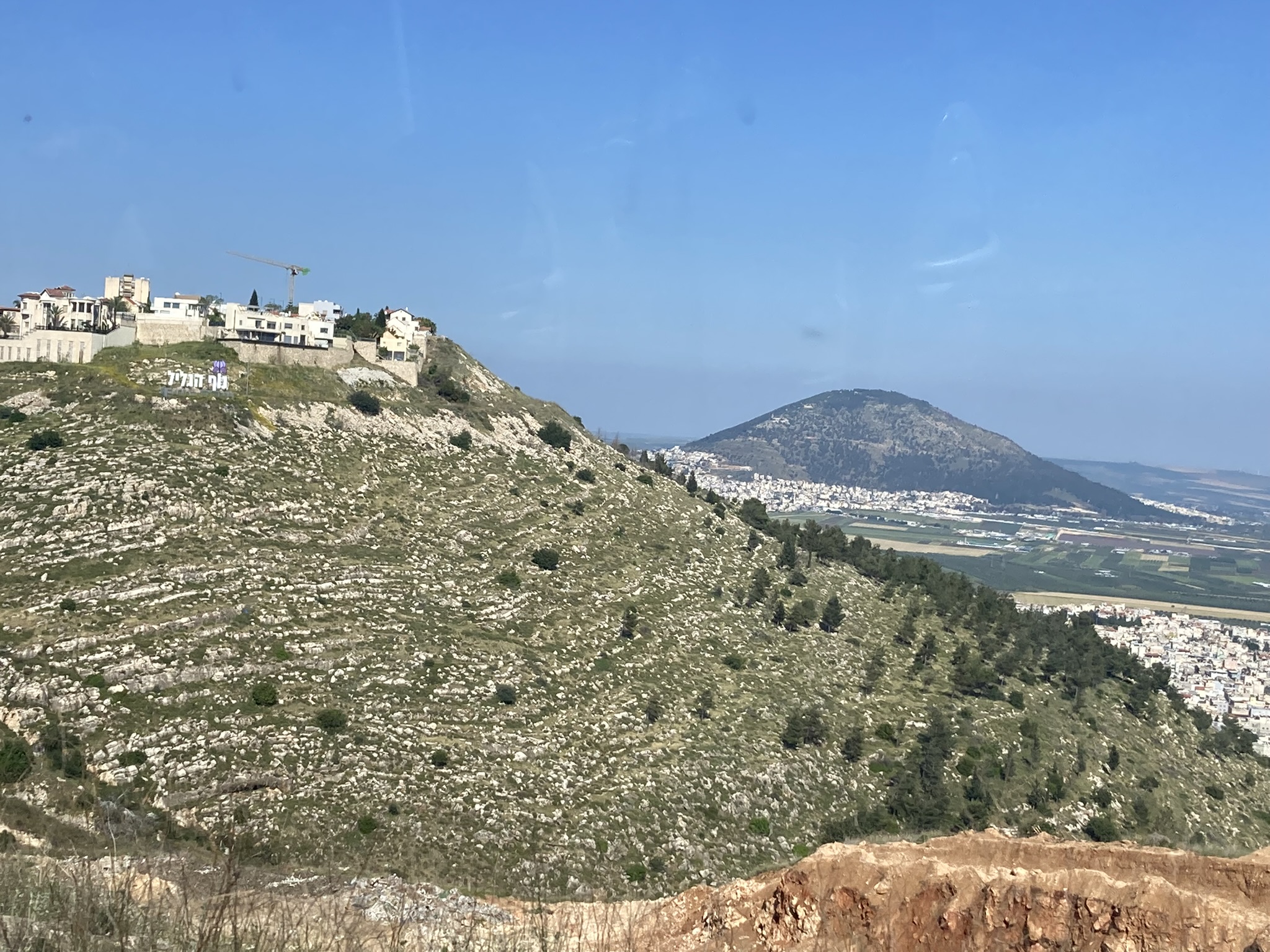
Nazareth isn’t mentioned in the Old Testament. We first hear about it in the Gospel of Luke as the hometown of Mary. It was here that the angel Gabriel was sent to Mary by God to give her good news of great joy…she will conceive the Son of God. Mary leaves here to go stay with her cousin Elizabeth for six months, but returns for the last three months of her pregnancy. She would deliver in Bethlehem, however, because of the census. The family would hide out in Egypt for awhile until the death of Herod, then return to Nazareth where Jesus would be brought up.
When Jesus is 30, He leaves Nazareth to go be baptized by John. He returns here sometime later and is invited to read from the scroll of Isaiah in the synagogue. Luke records it:
18 “The Spirit of the Lord is on me,
because he has anointed me
to proclaim good news to the poor.
He has sent me to proclaim freedom for the prisoners
and recovery of sight for the blind,
to set the oppressed free,
19 to proclaim the year of the Lord’s favor.”
The Spirit of the Sovereign Lord is on me,
because the Lord has anointed me
to proclaim good news to the poor.
He has sent me to bind up the brokenhearted,
to proclaim freedom for the captives
and release from darkness for the prisoners,
2 to proclaim the year of the Lord’s favor
and the day of vengeance of our God,
20 Then he rolled up the scroll, gave it back to the attendant and sat down. The eyes of everyone in the synagogue were fastened on him. 21 He began by saying to them, “Today this scripture is fulfilled in your hearing.” Luke 4:20-21
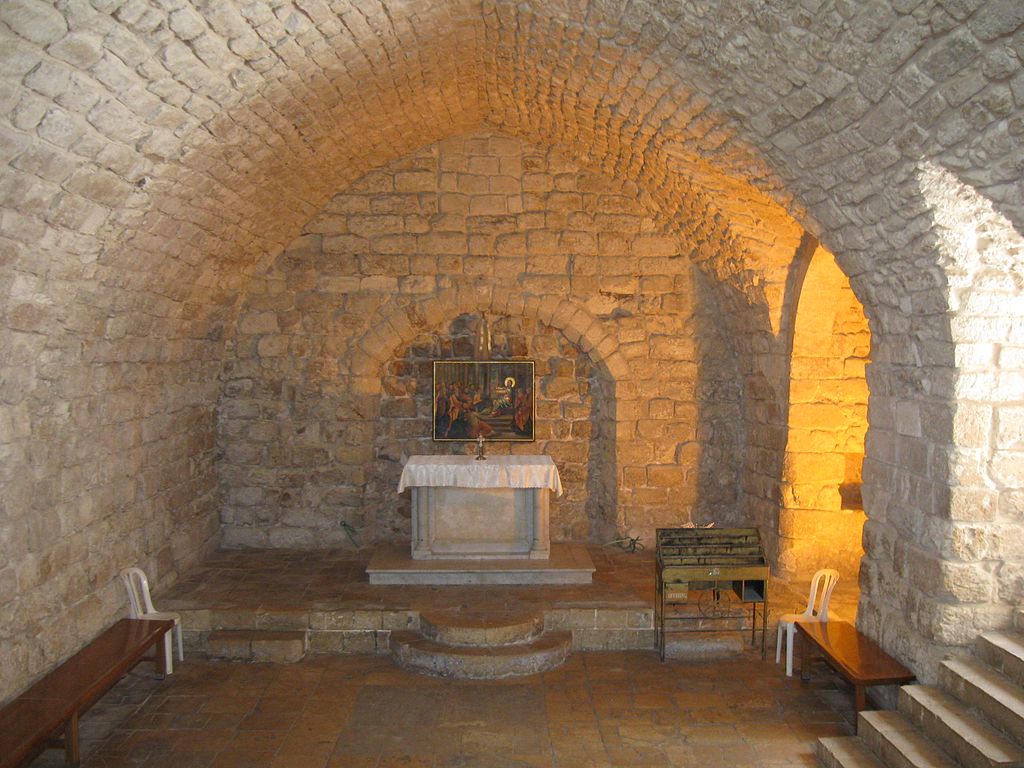
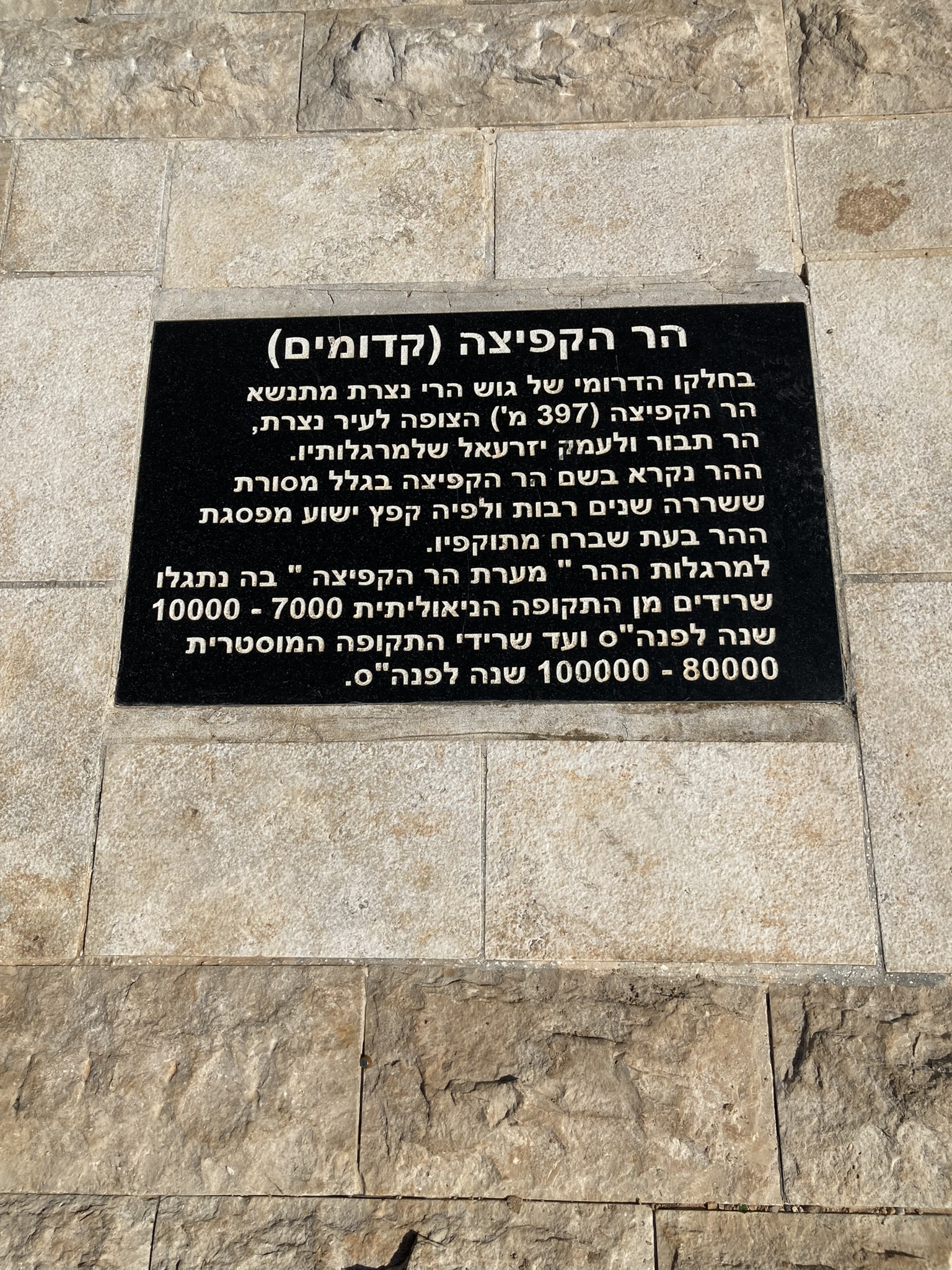
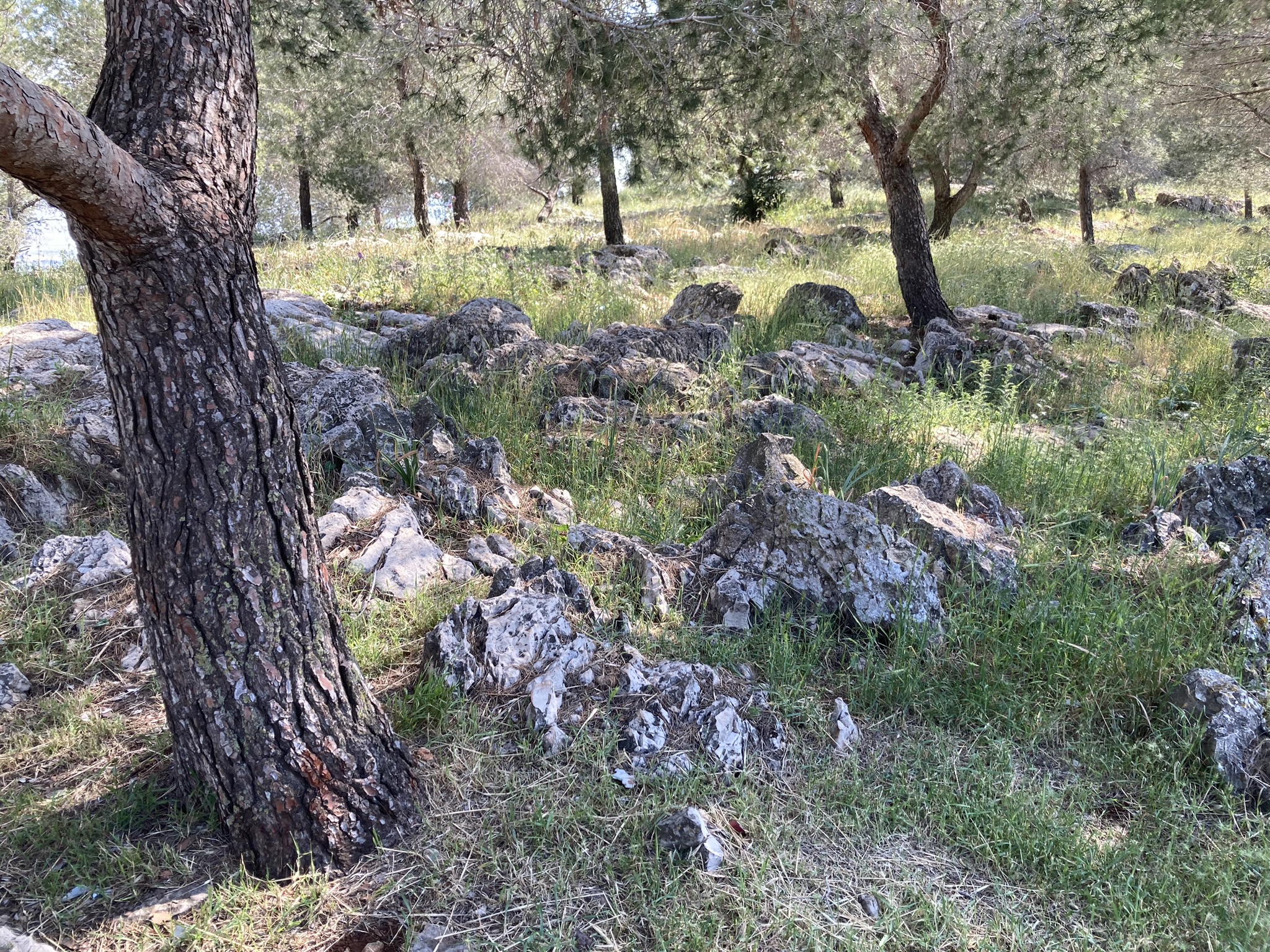
That didn’t go over so well. Jesus said no prophet is welcome in his hometown and He was right. They wanted to throw Him off a cliff. He escaped of course and headed for Capernaum where He would establish his Galilean headquarters.
Here is a video of Max Ellis teaching this lesson from that cliff:

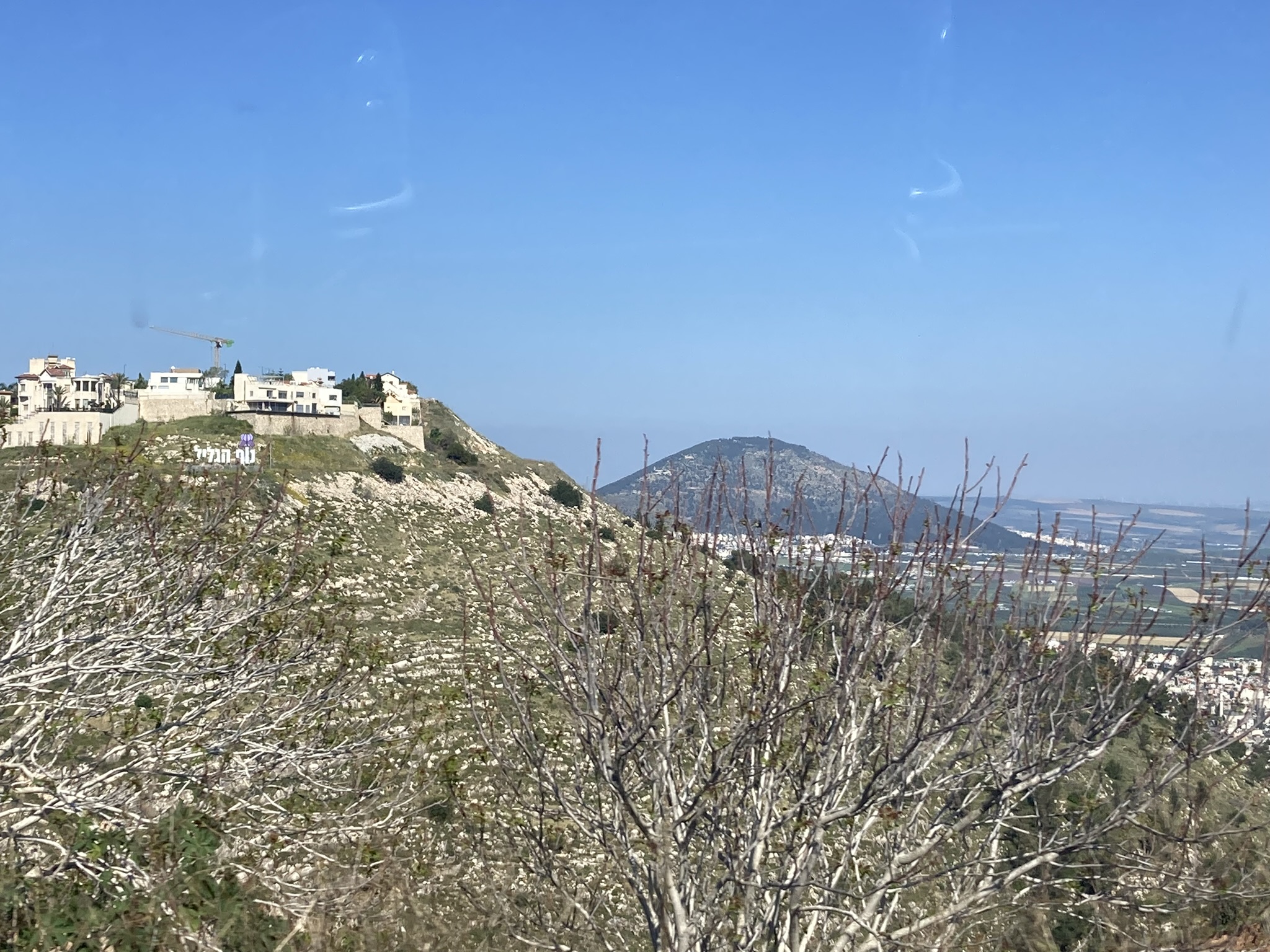
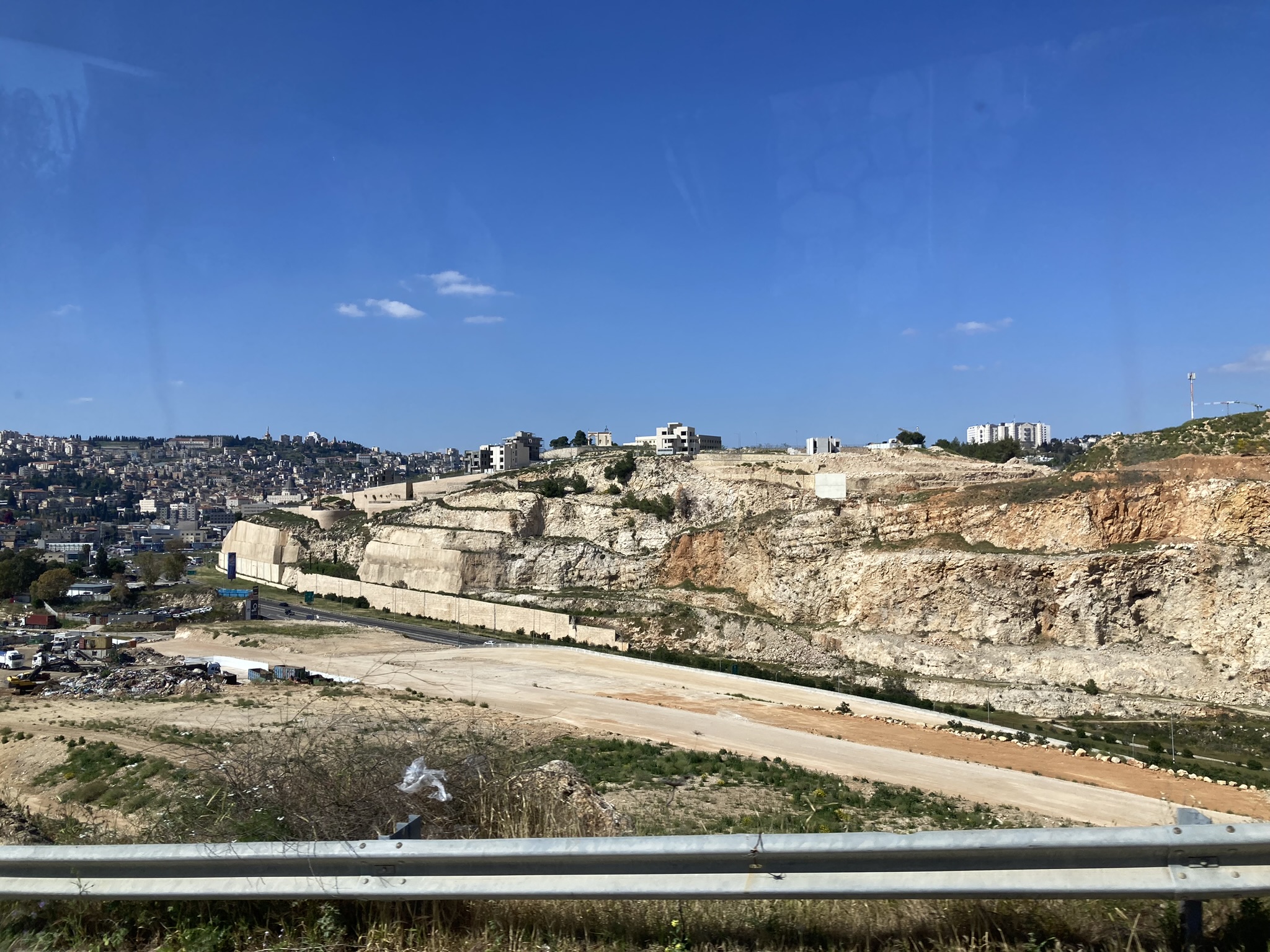
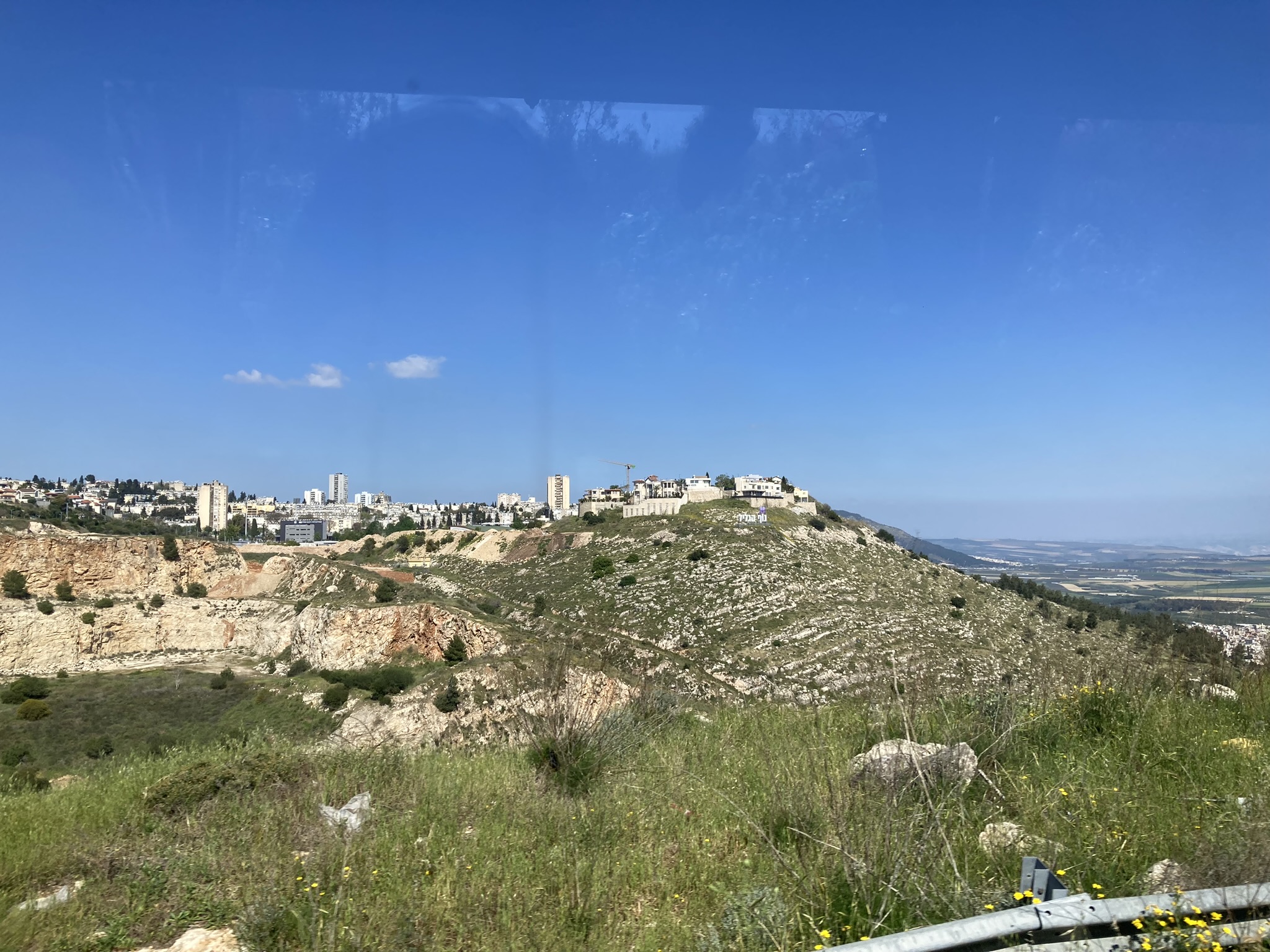
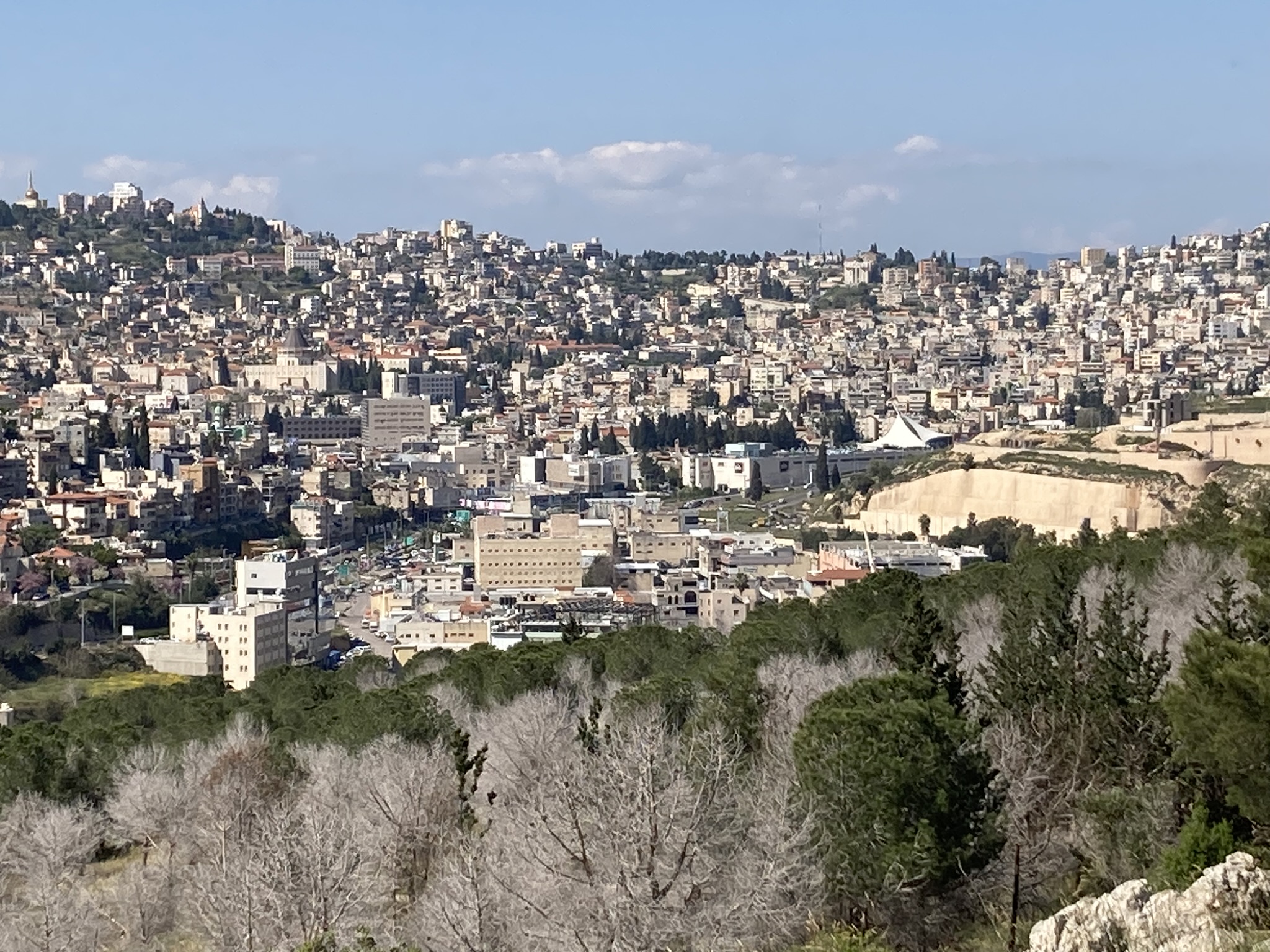


Nazareth is no exception.
TIBERIAS
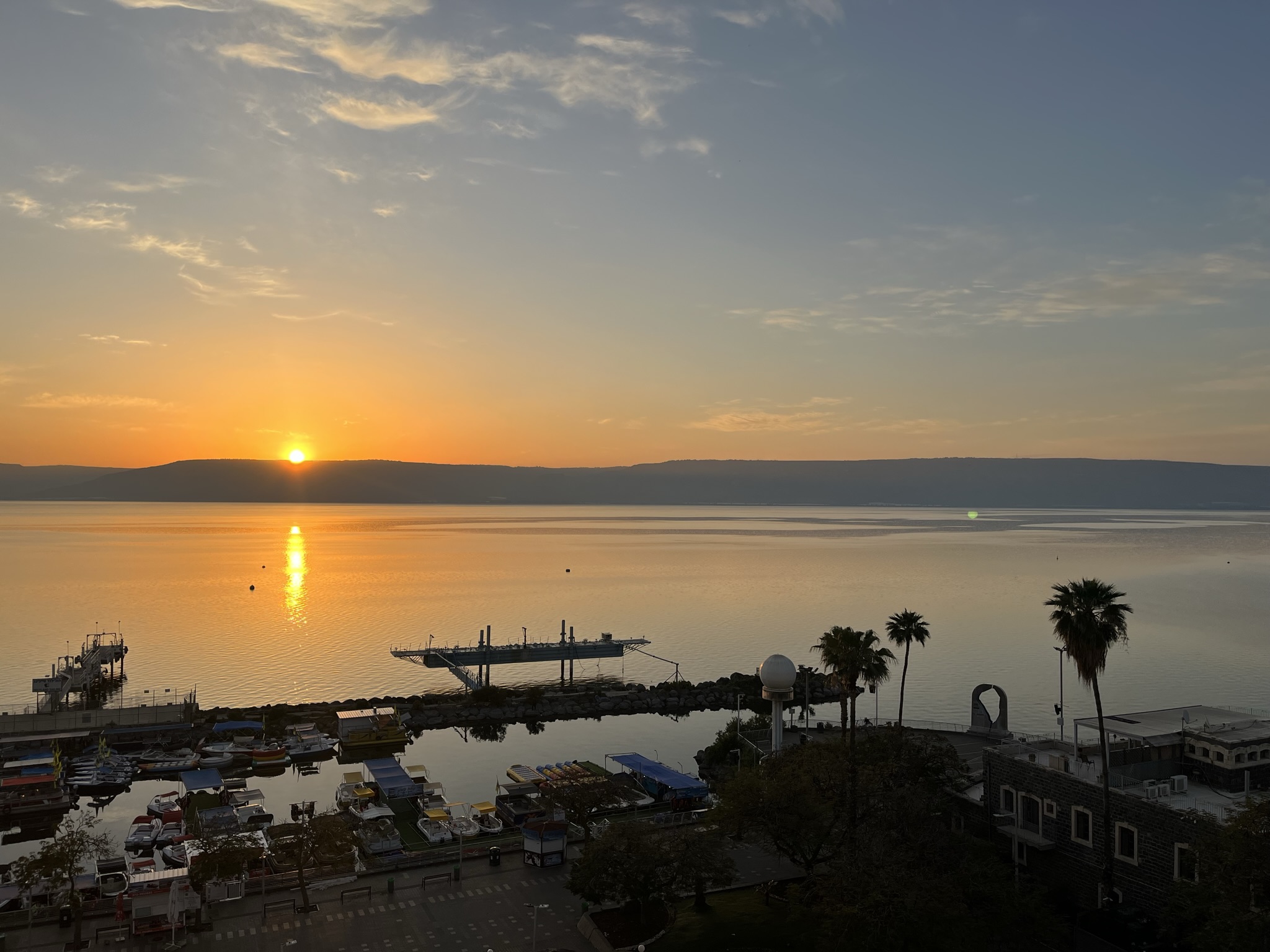
Tiberias is the largest city on the Sea of Galilee today. Because of the many hot springs located here, it is Israel’s leading resort area on the Sea. We didn’t see any hot springs in person since we were so busy with our tour, but I hear the Tiberias Hot Springs National Park is something!

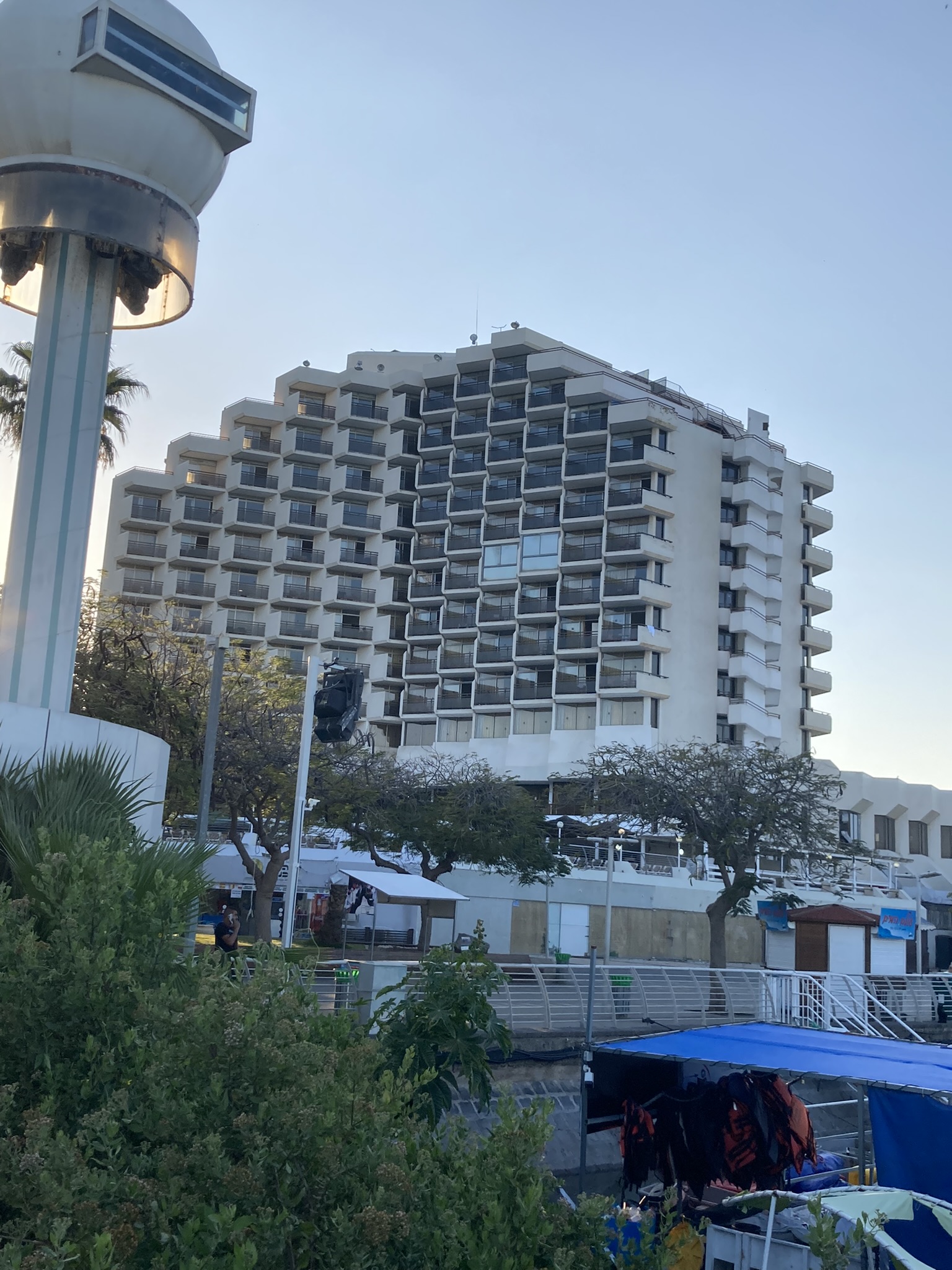
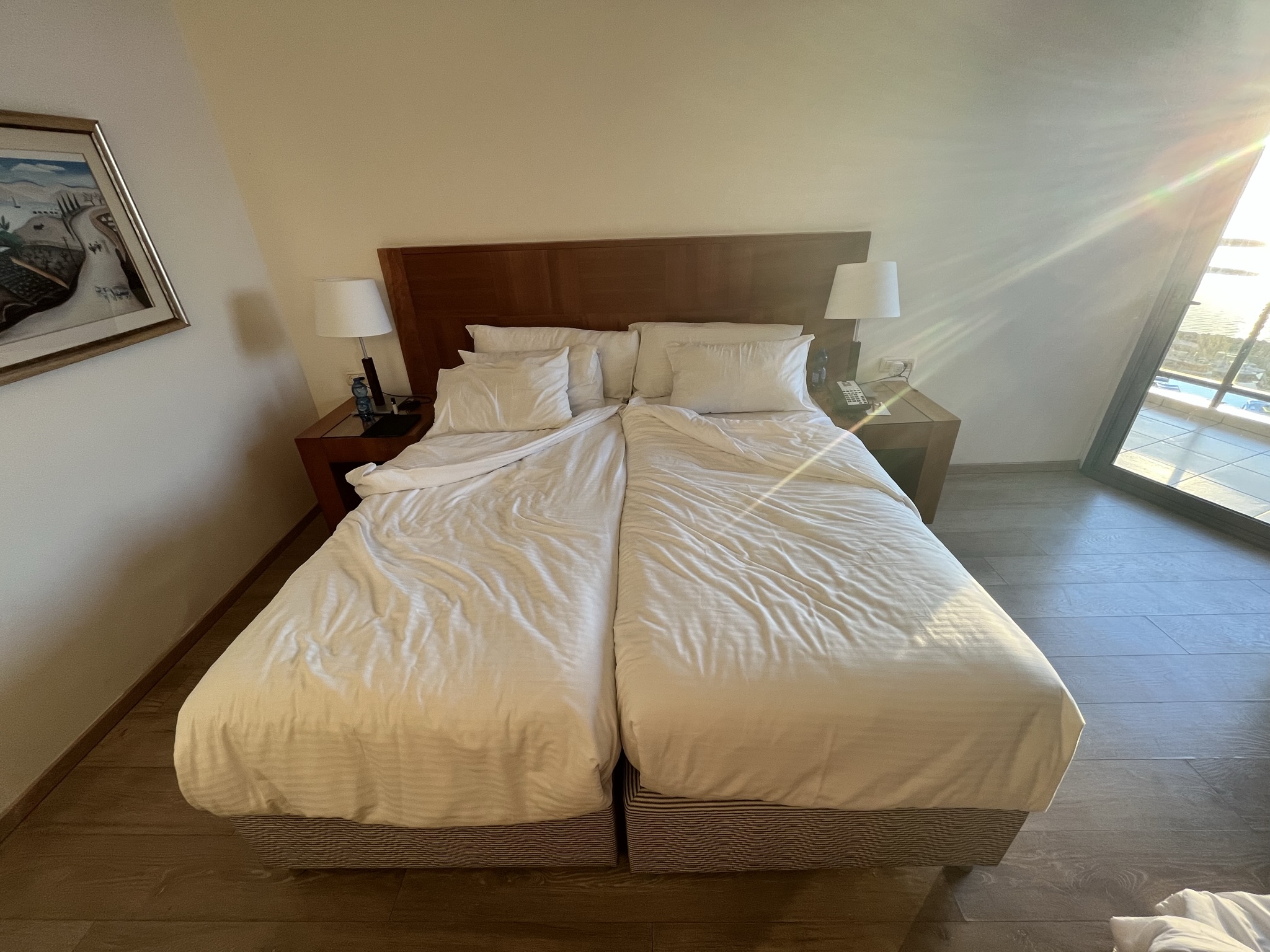
We did stay a couple of nights at the Leonardo Hotel in Tiberias on the Sea of Galilee.




 Theresa Haigler