
GOOGLE MAP: Lions’ Gate, Church of St. Anne, Pool of Bethesda, Via Dolorosa, Garden Tomb, Benedictine Abbey of Abu Gosh

LIONS’ GATE
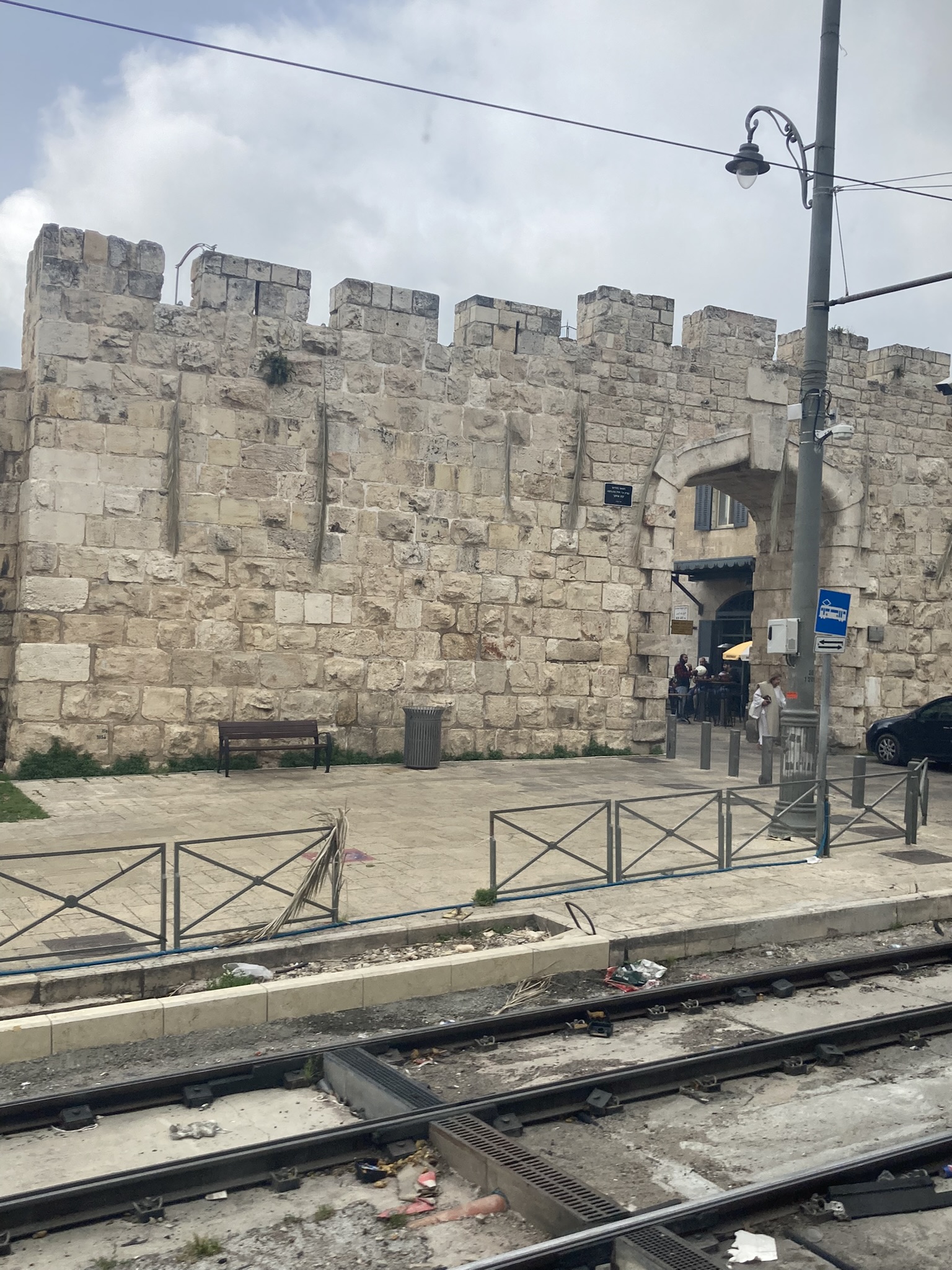
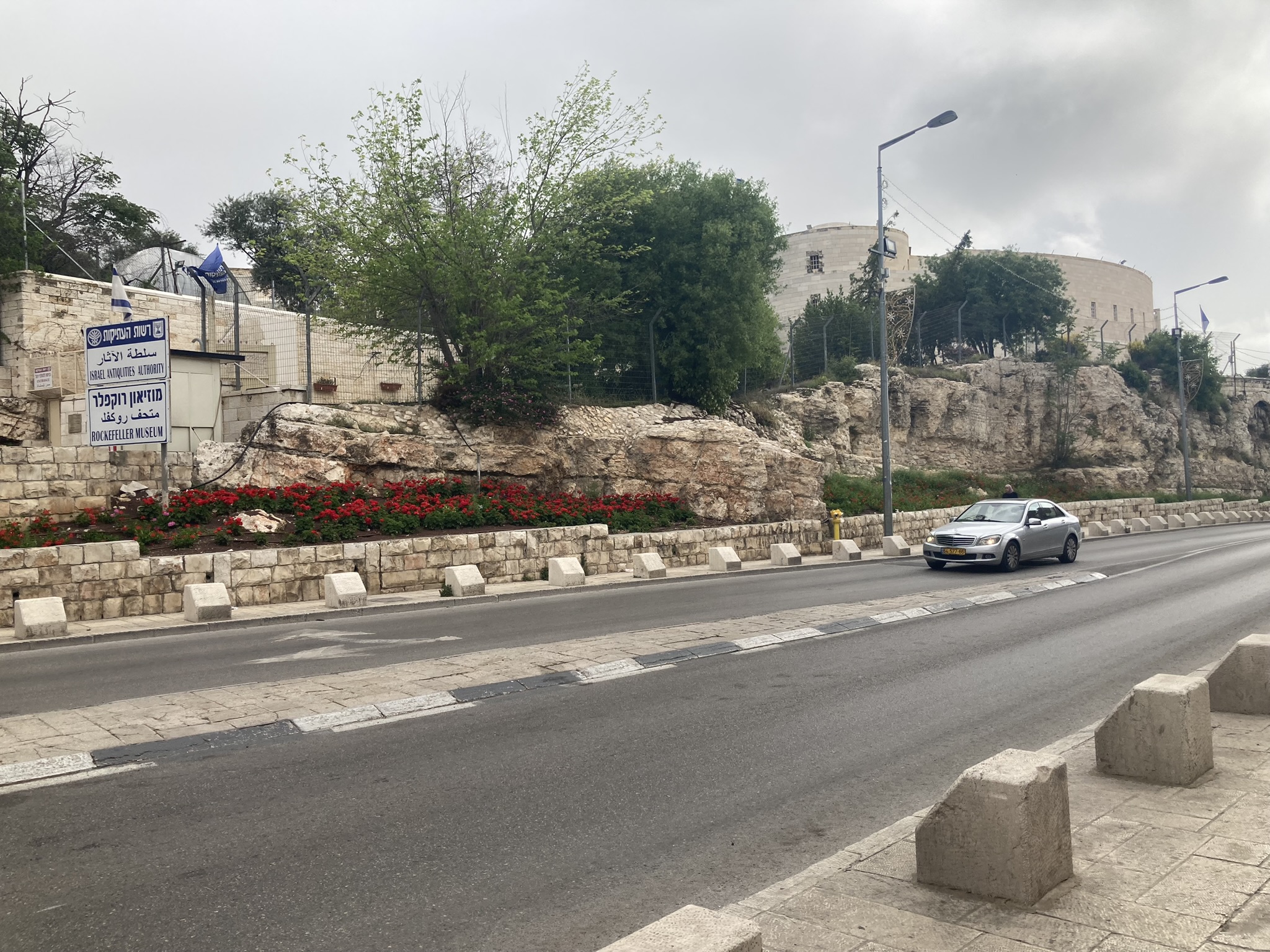
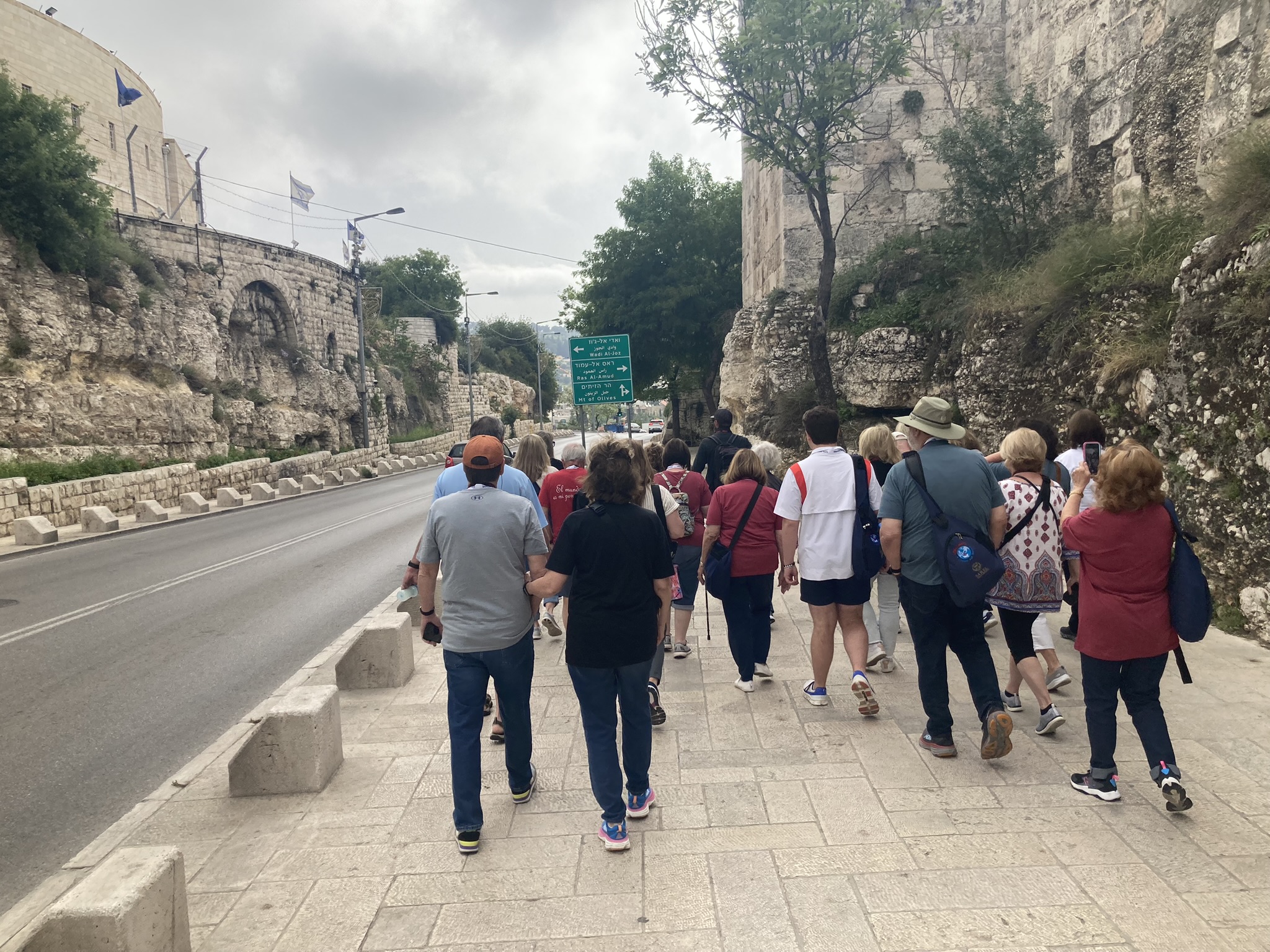
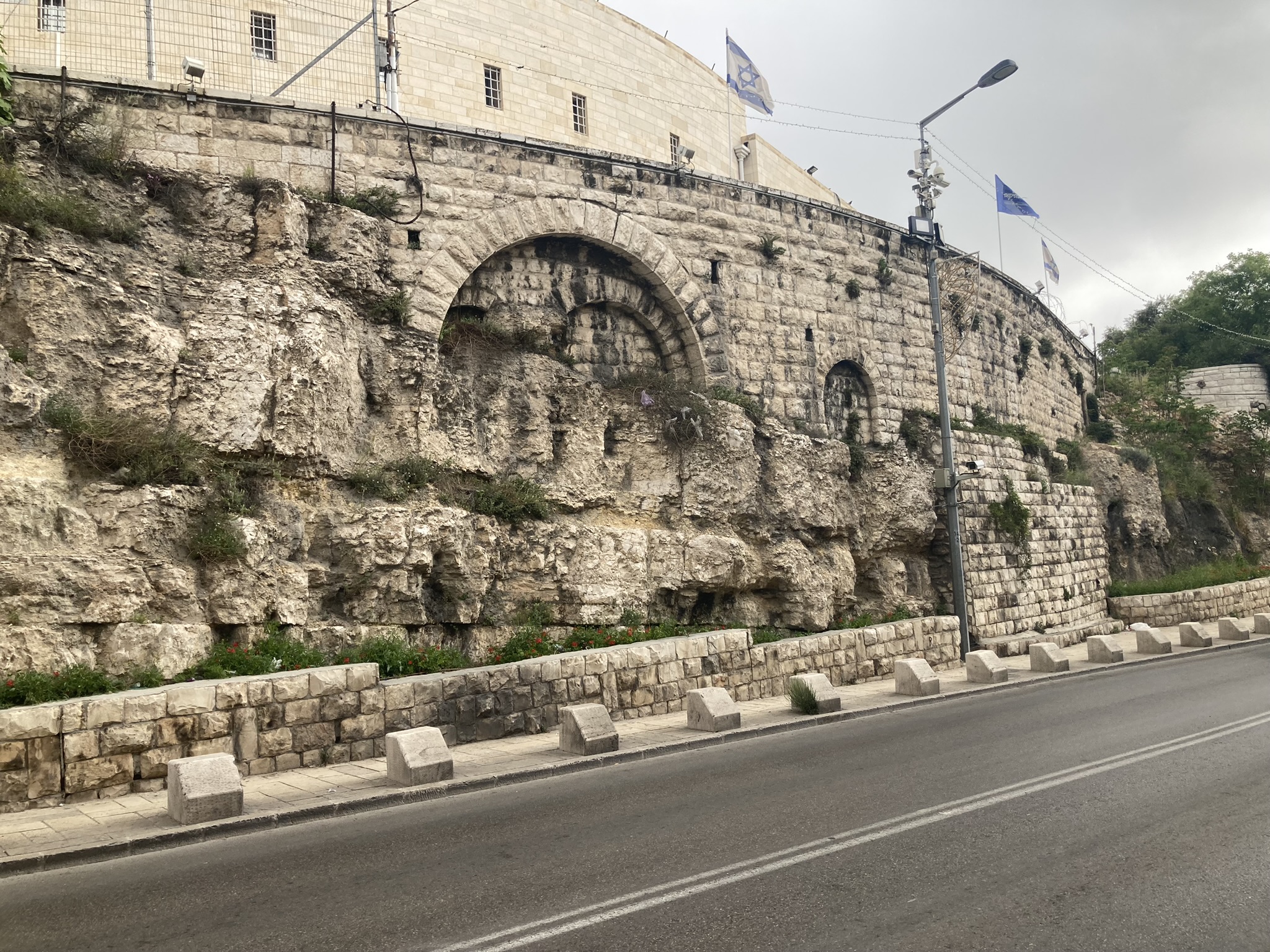
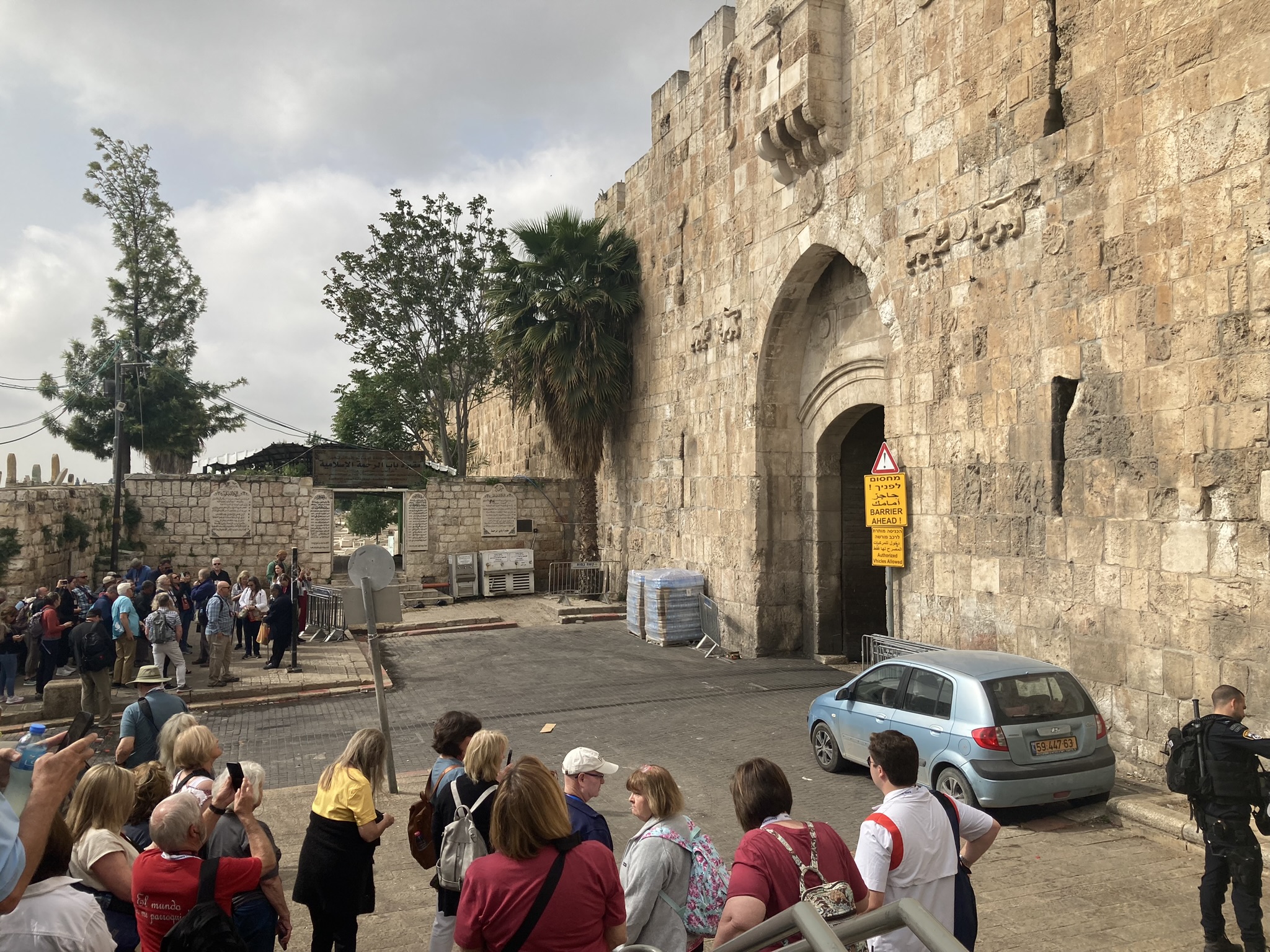
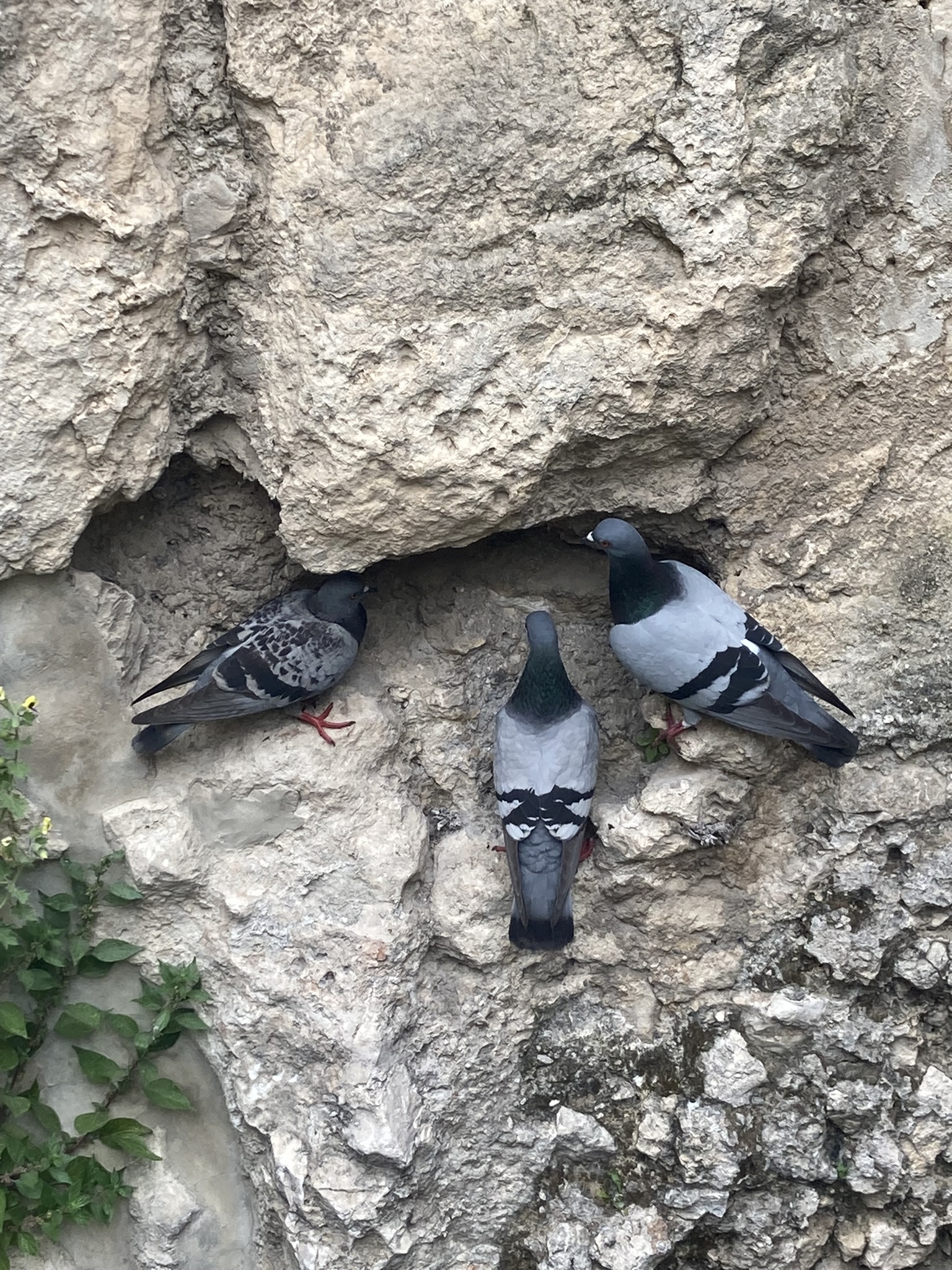
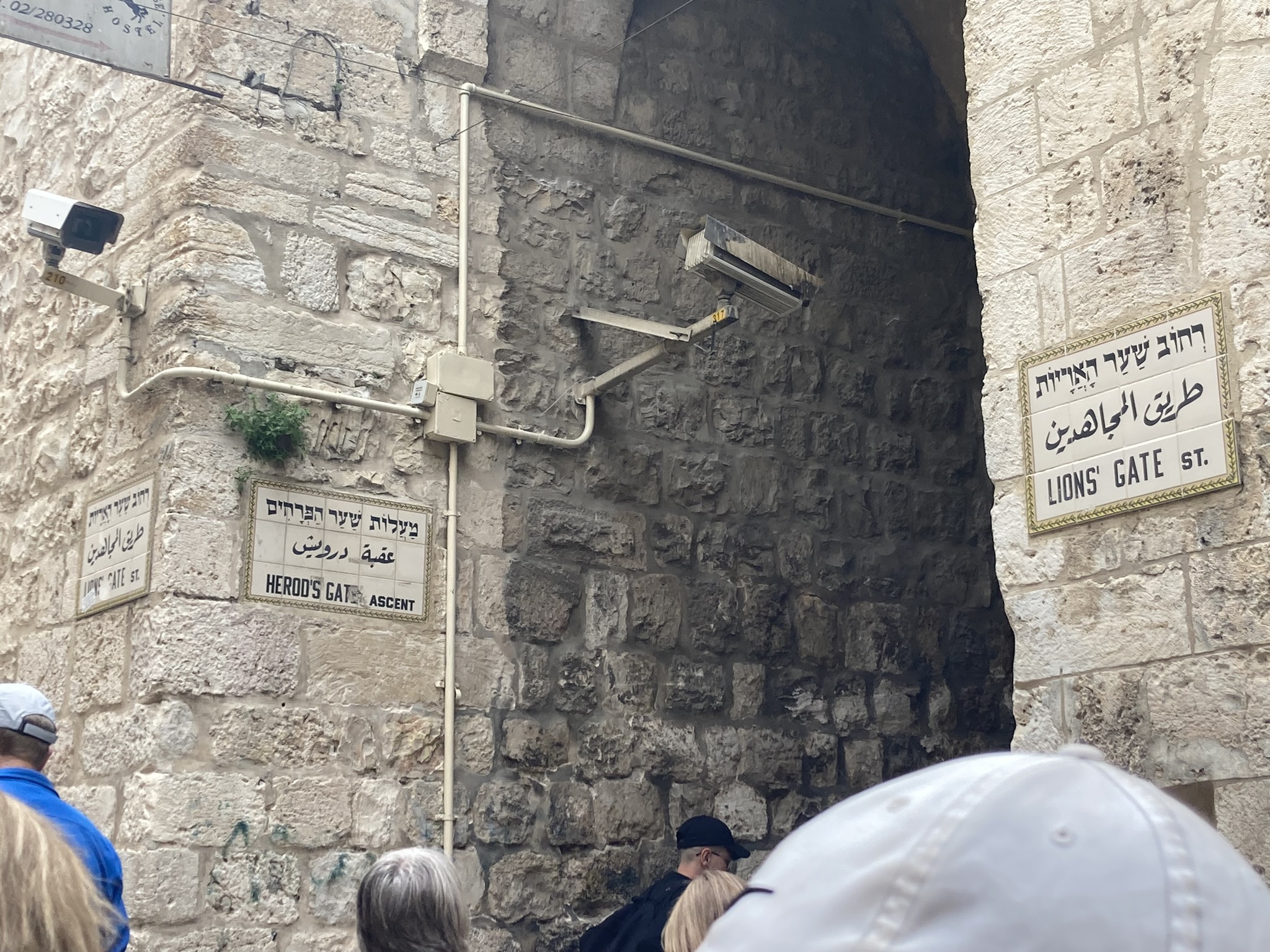
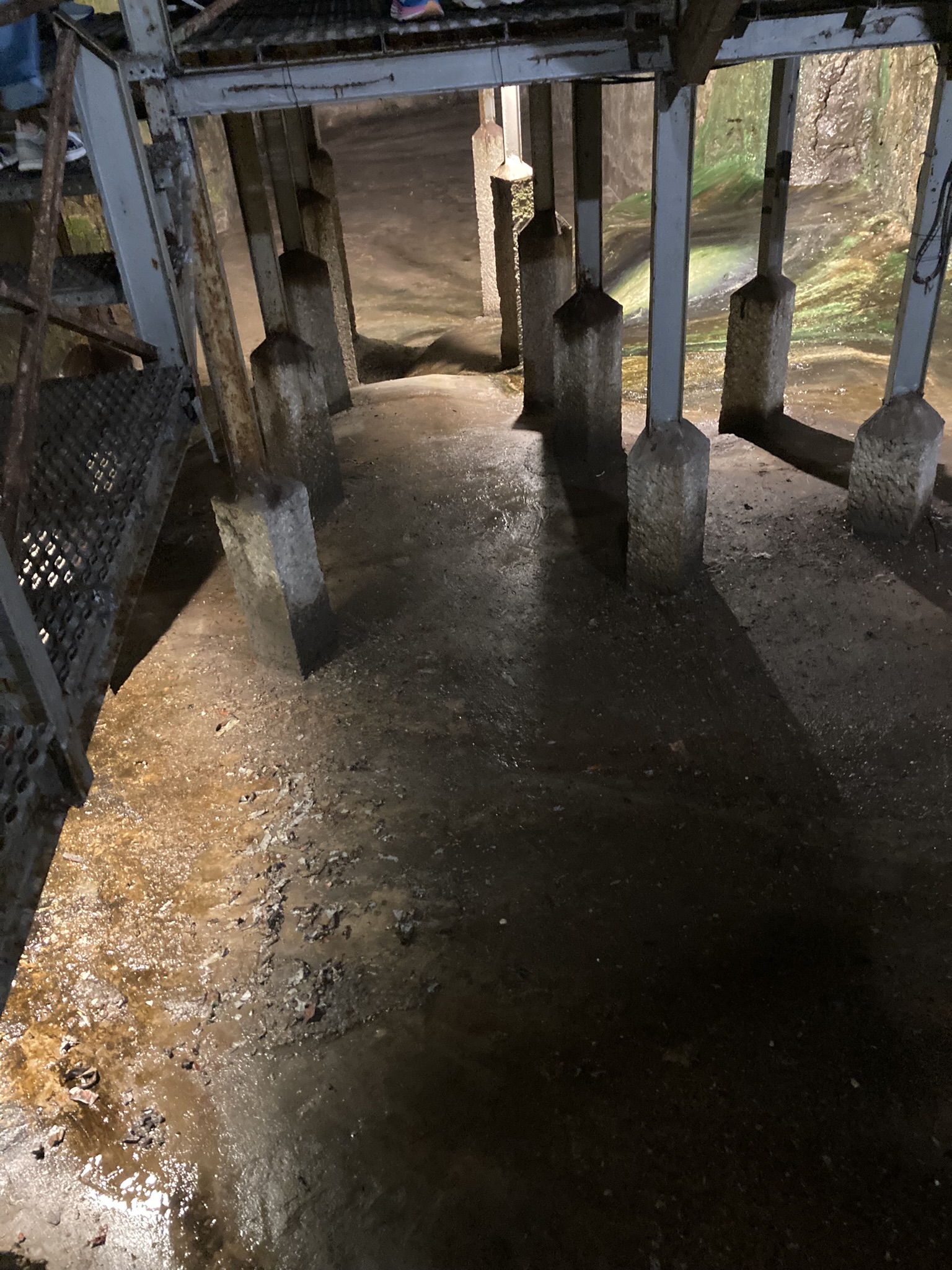
The Lion’s Gate, also known as the Gate of Jehoshaphat, St. Mary’s Gate, St. Stephen’s Gate, and the Gate of the Tribes, is located on the eastern wall of the Old City, which rises above the steep western bank of the Kidron Valley. The gate is near the Temple Mount’s northern wall. It opens directly into the Muslim Quarter and is the gate closest to the first station of the cross on the Via Dolorosa. This area is very trashy. You’ll see that in our photos as we walk along the north then east side heading to the Lions’ Gate entrance.





CHURCH OF ST. ANNE & POOL OF BETHESDA





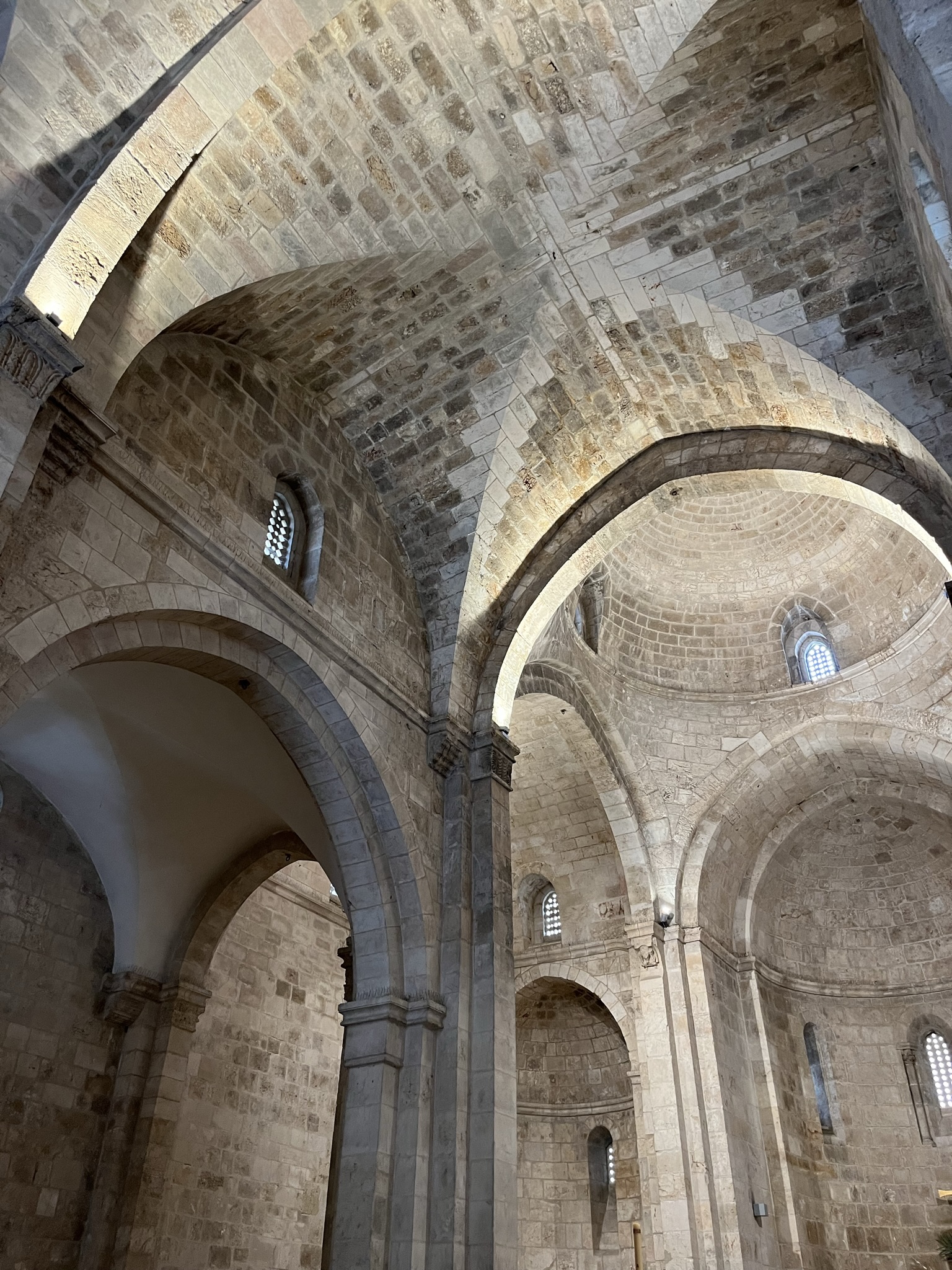

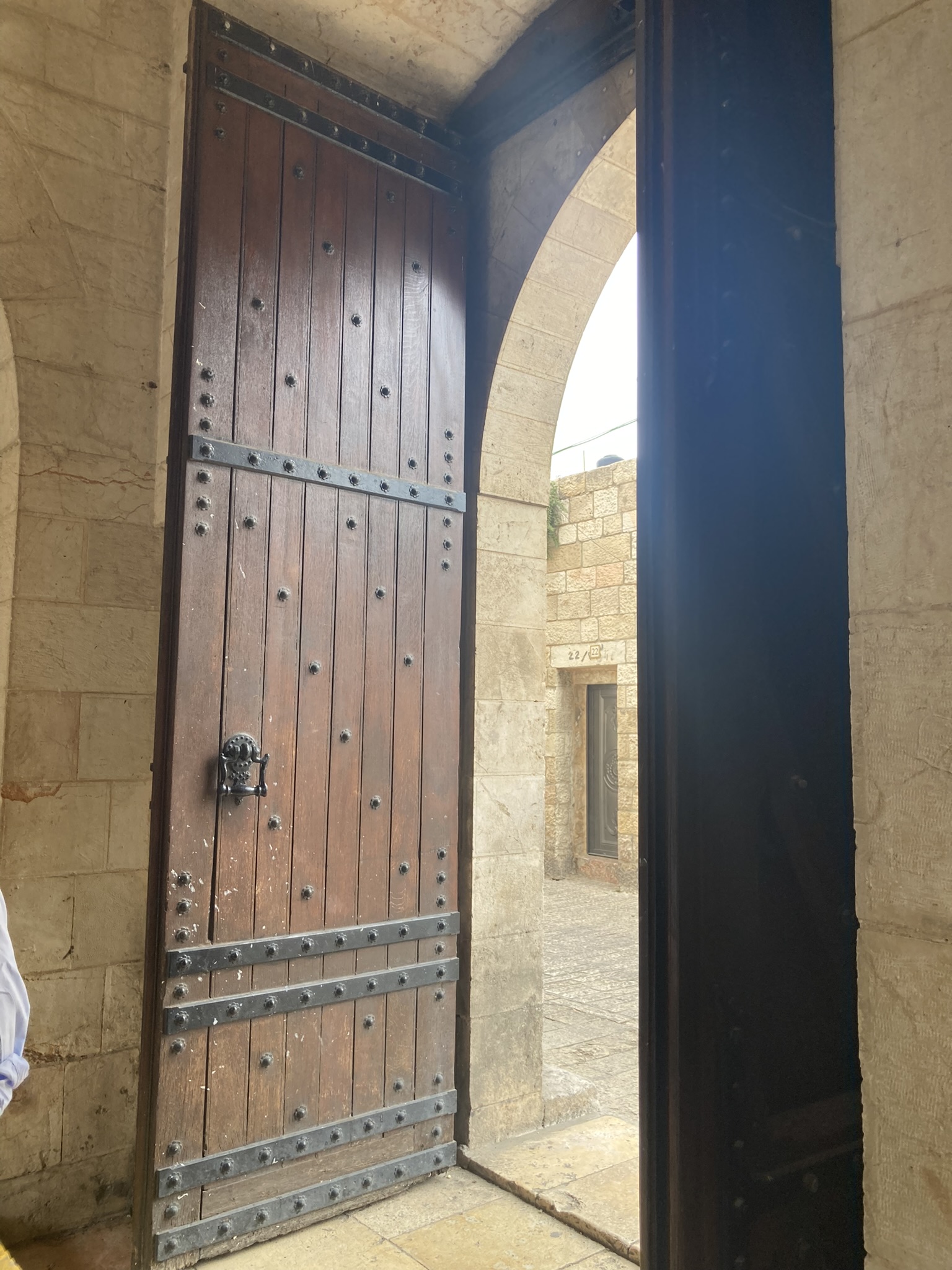




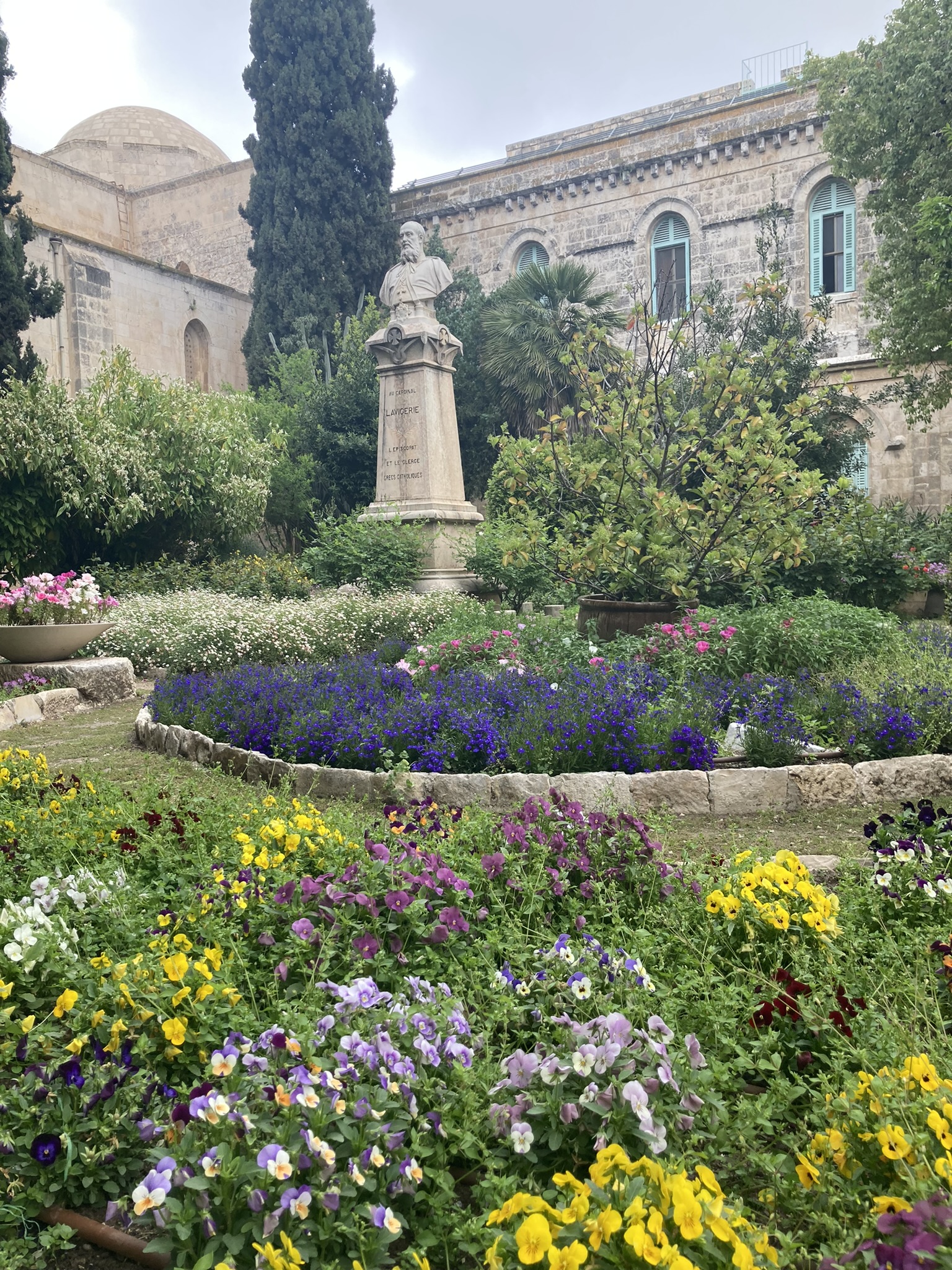
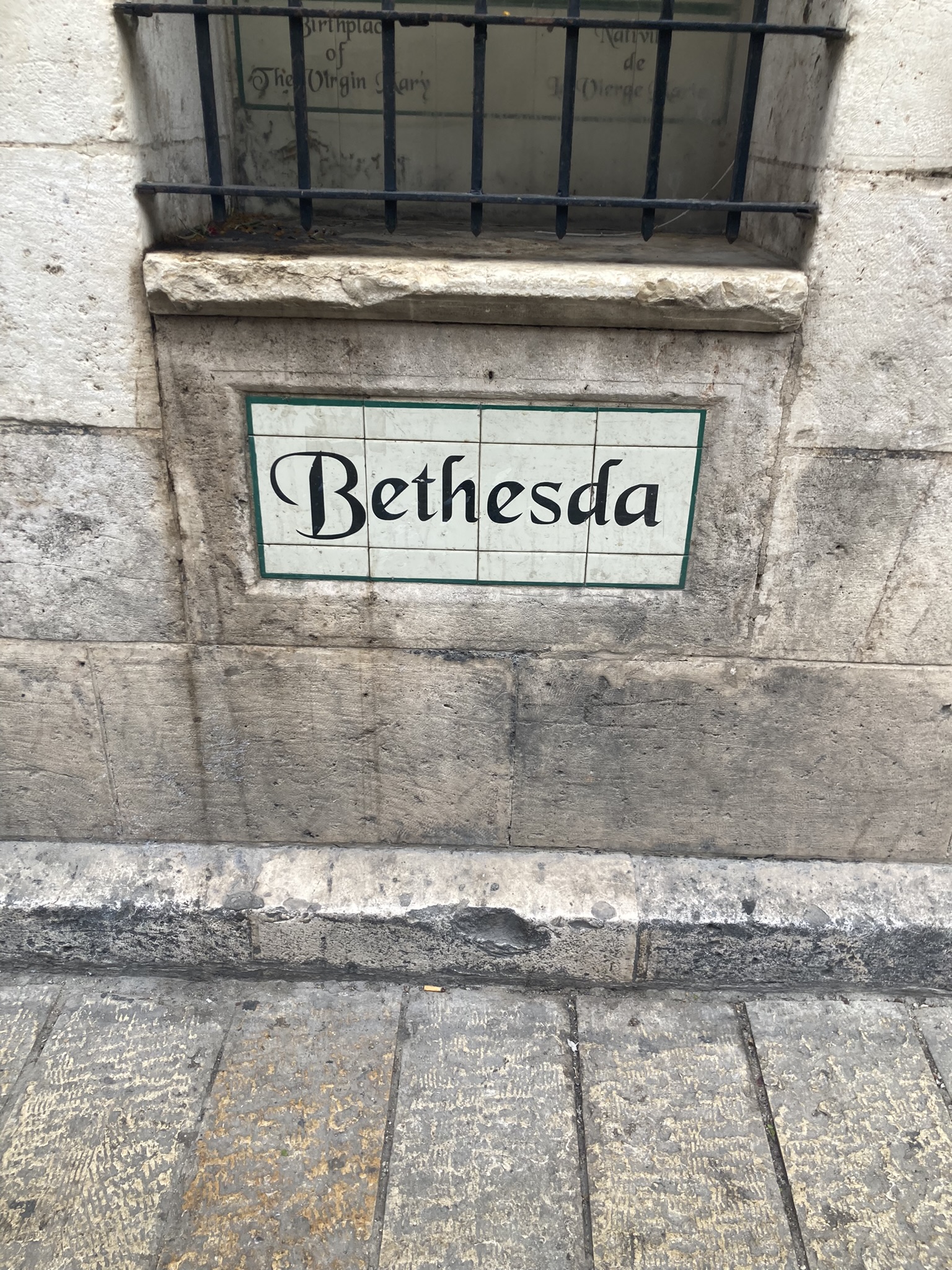

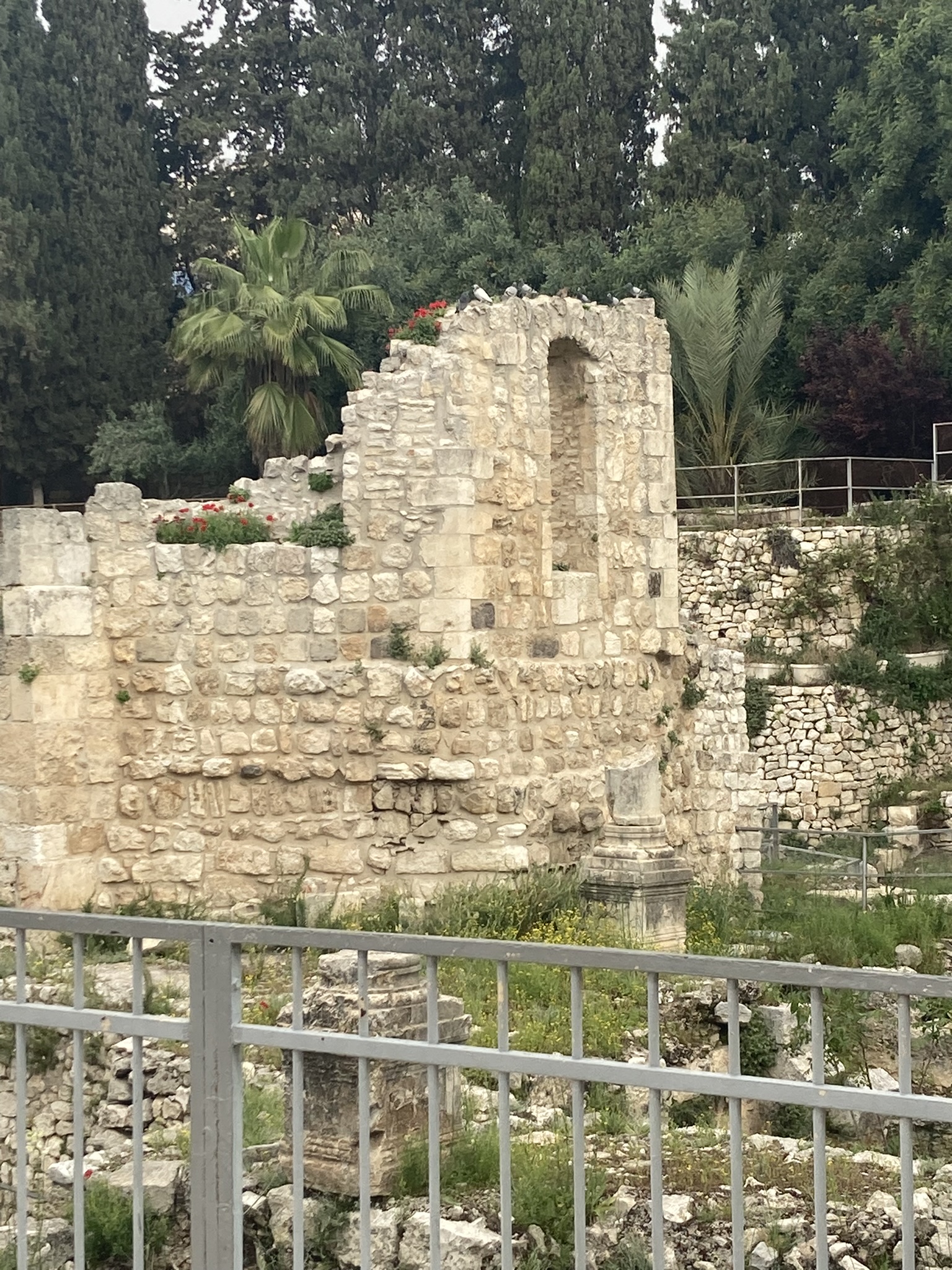
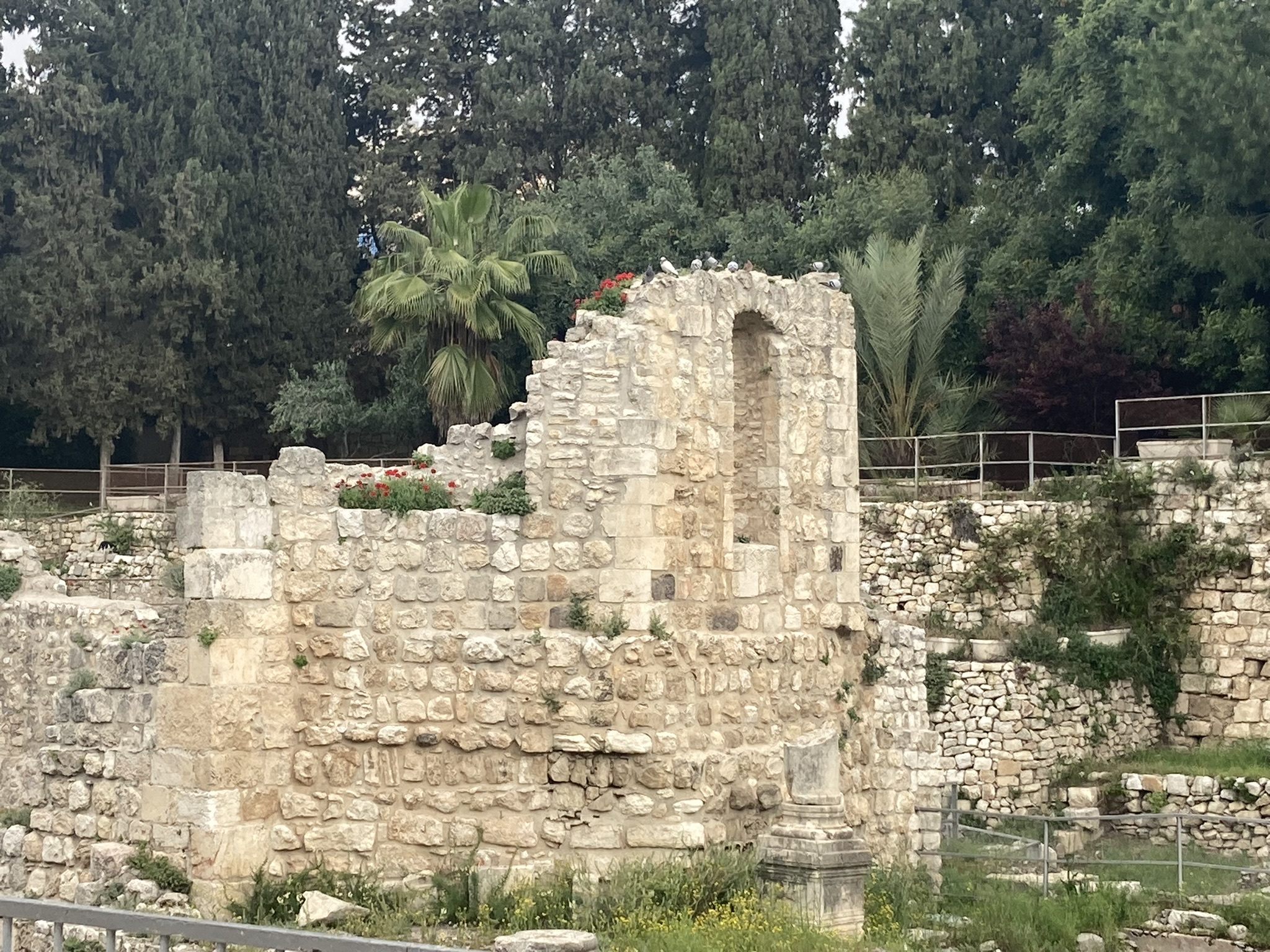








VIA DOLOROSA








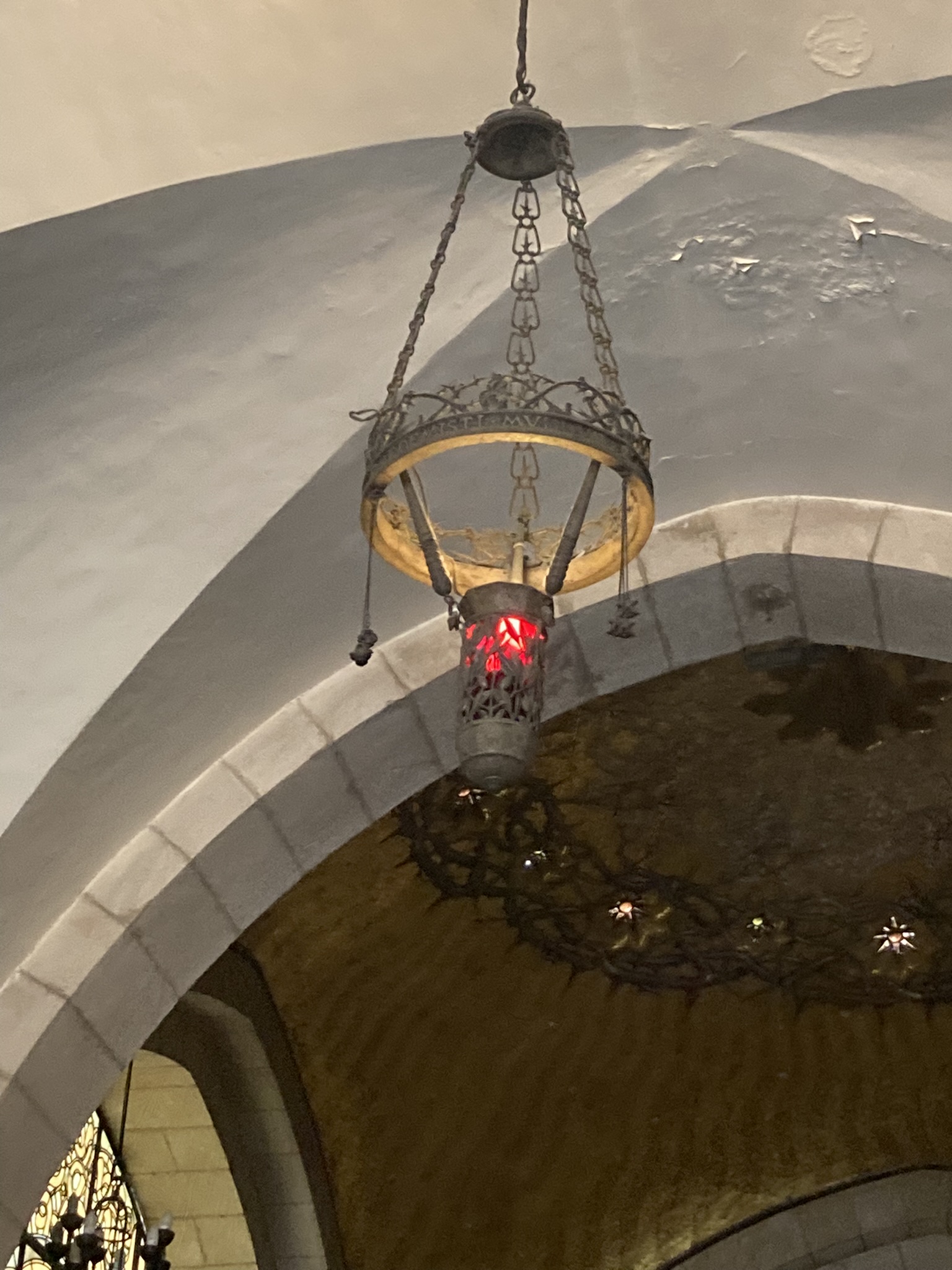


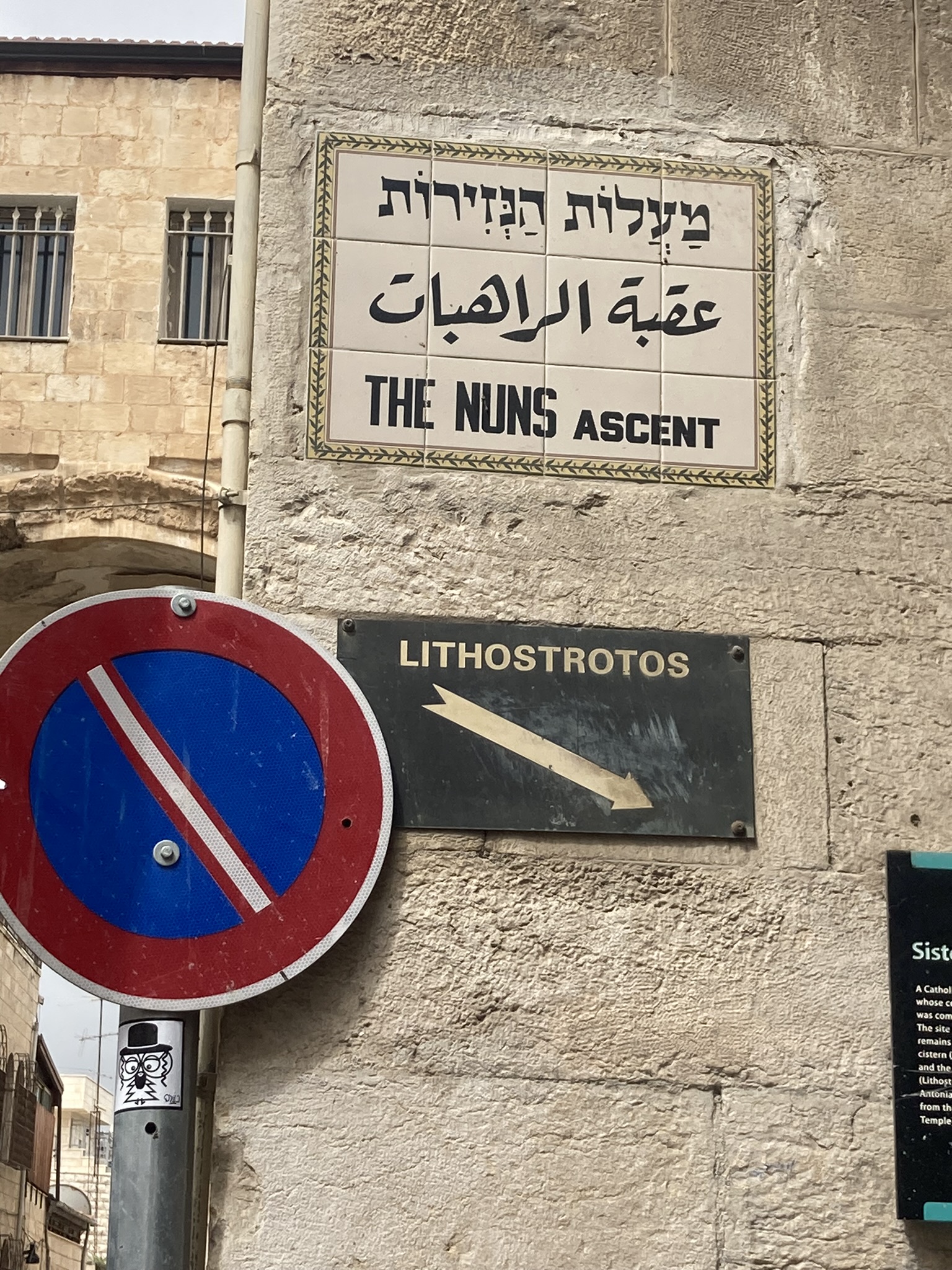

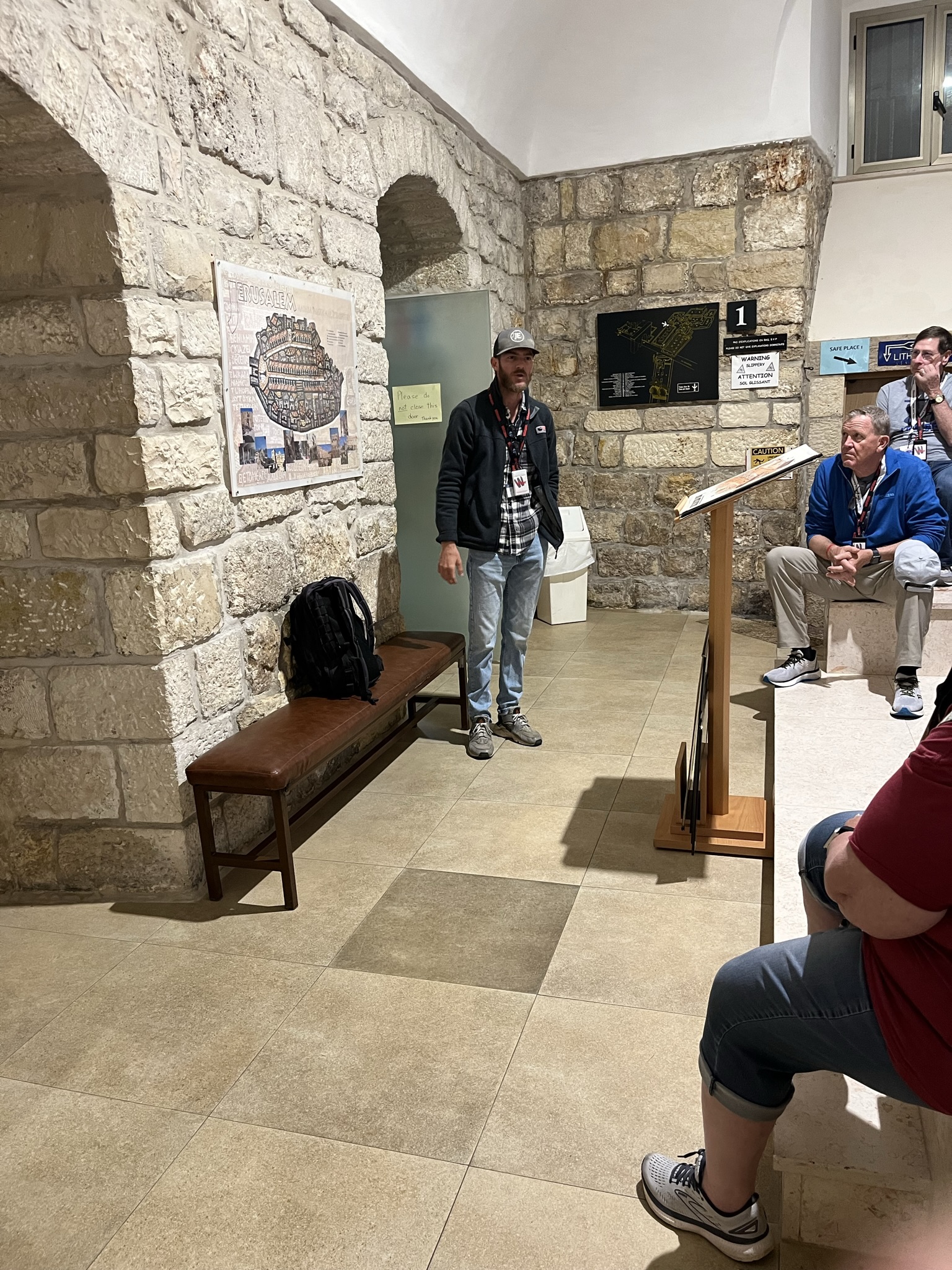


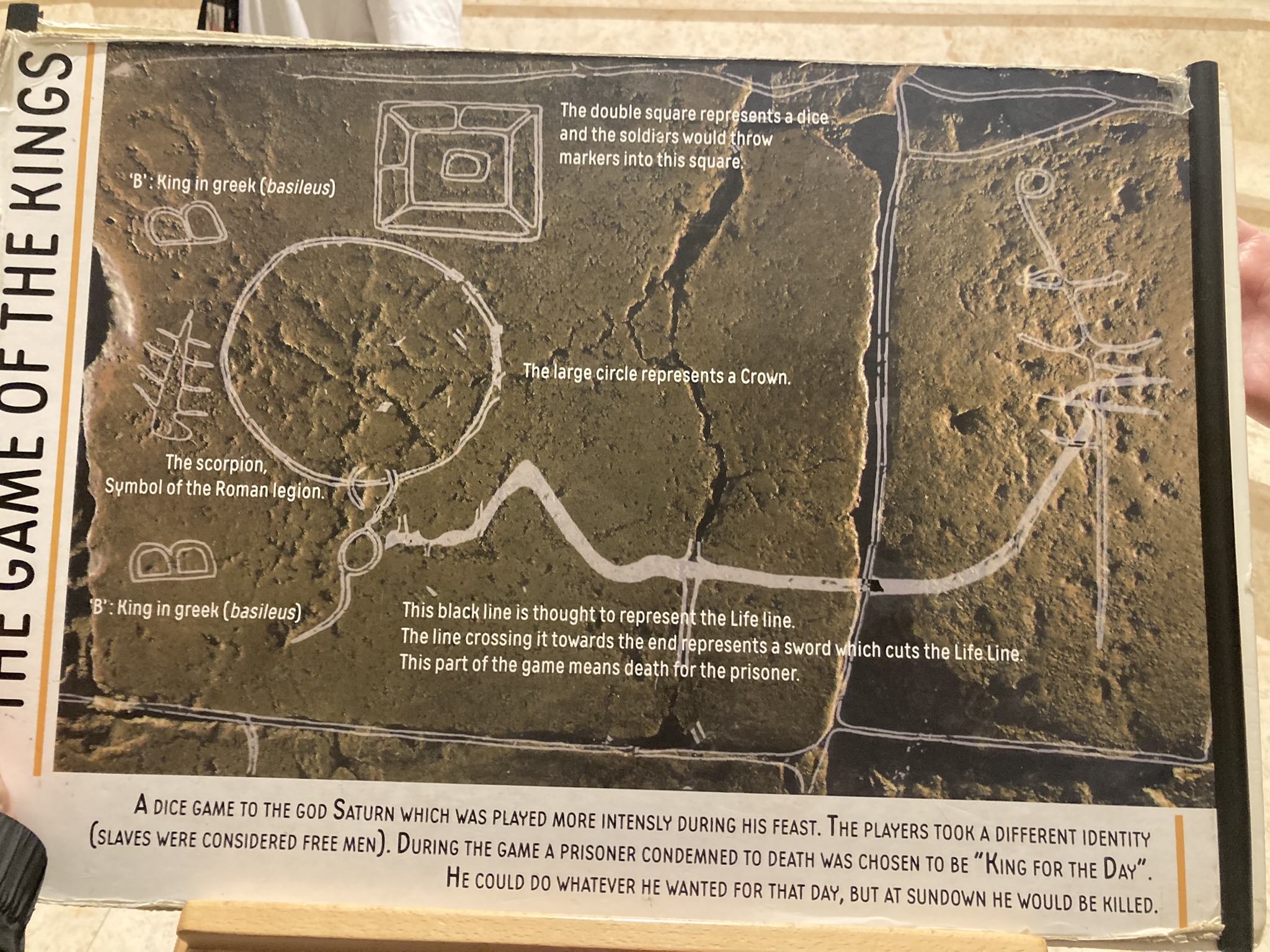











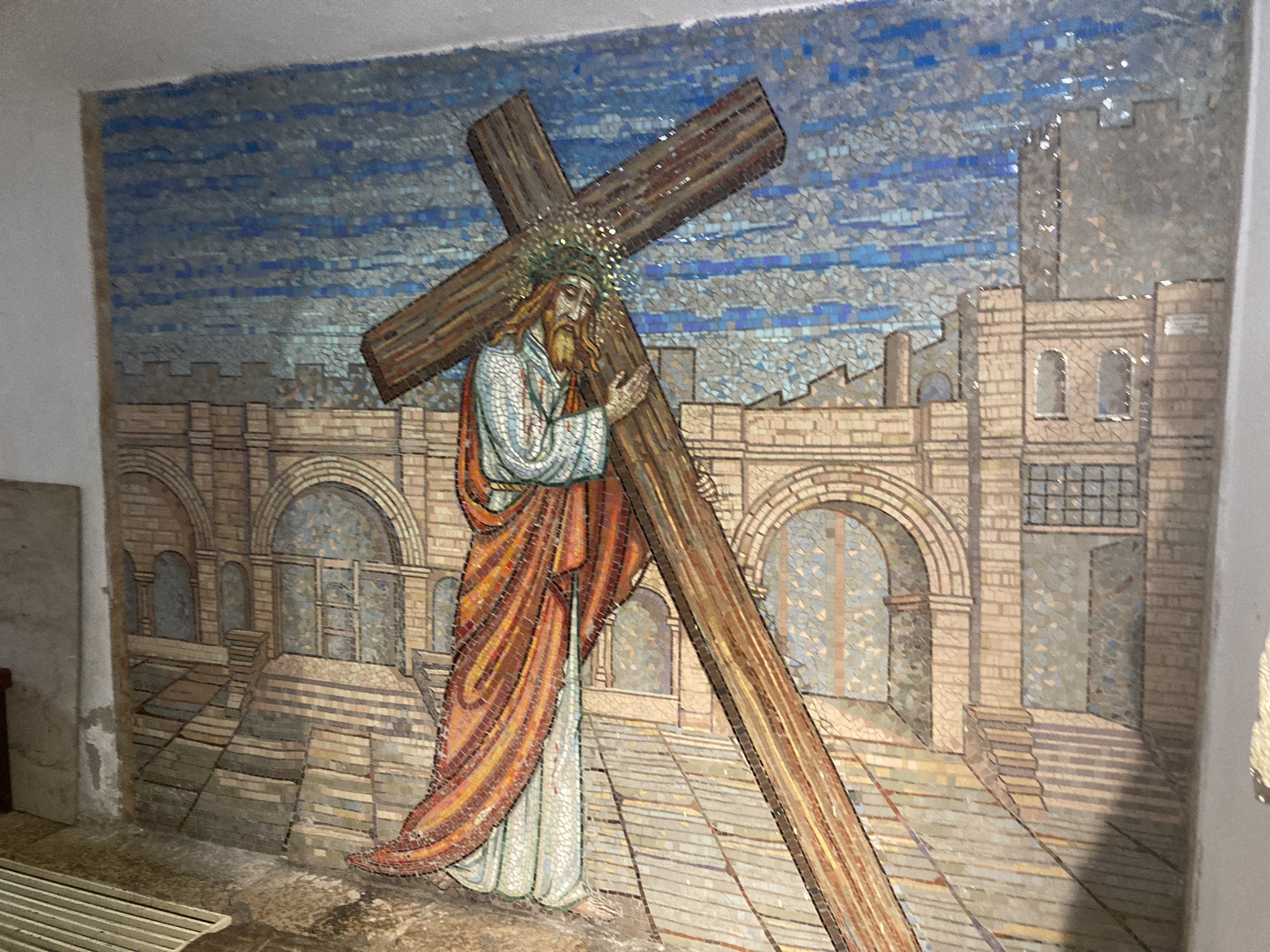
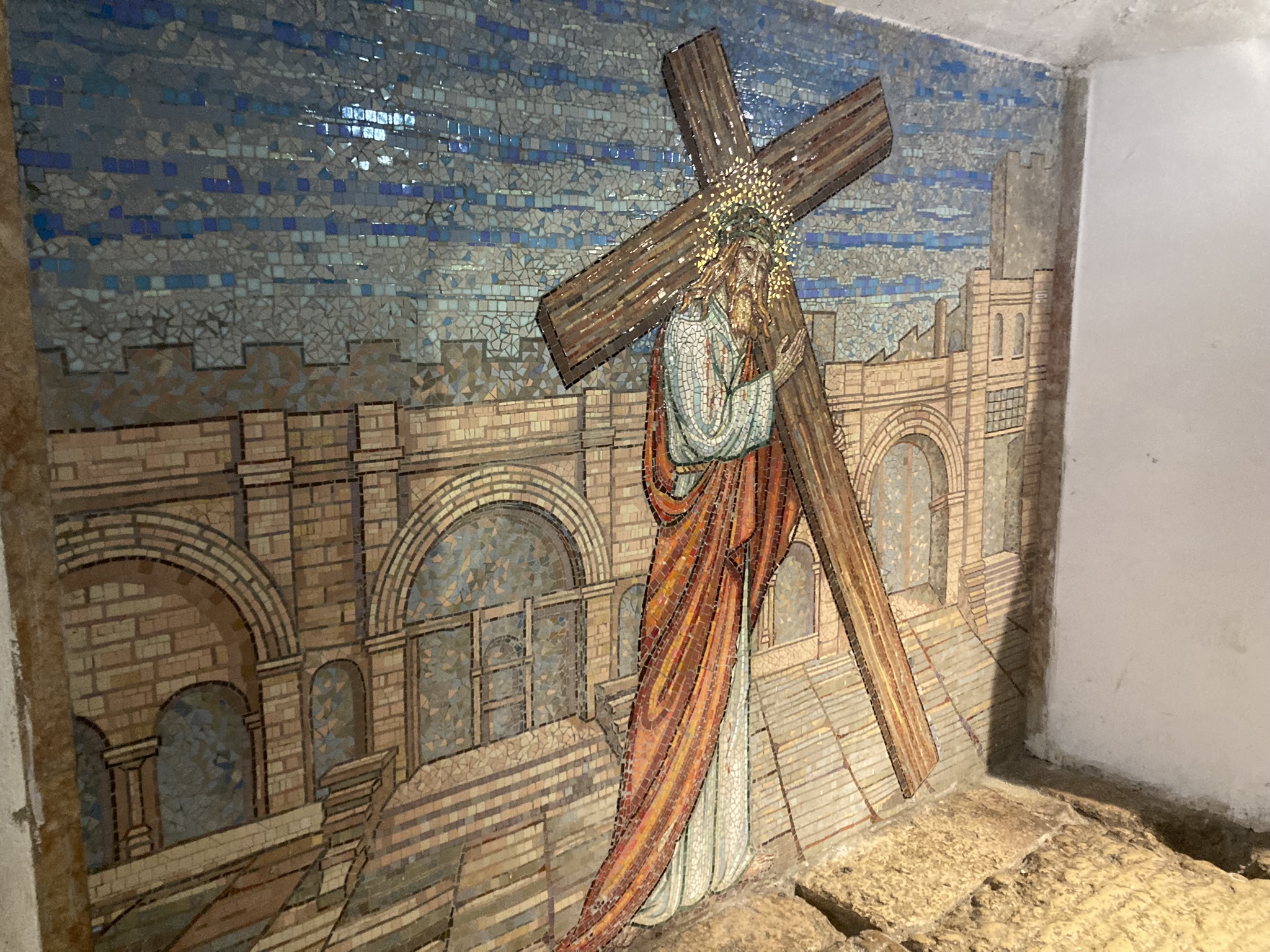

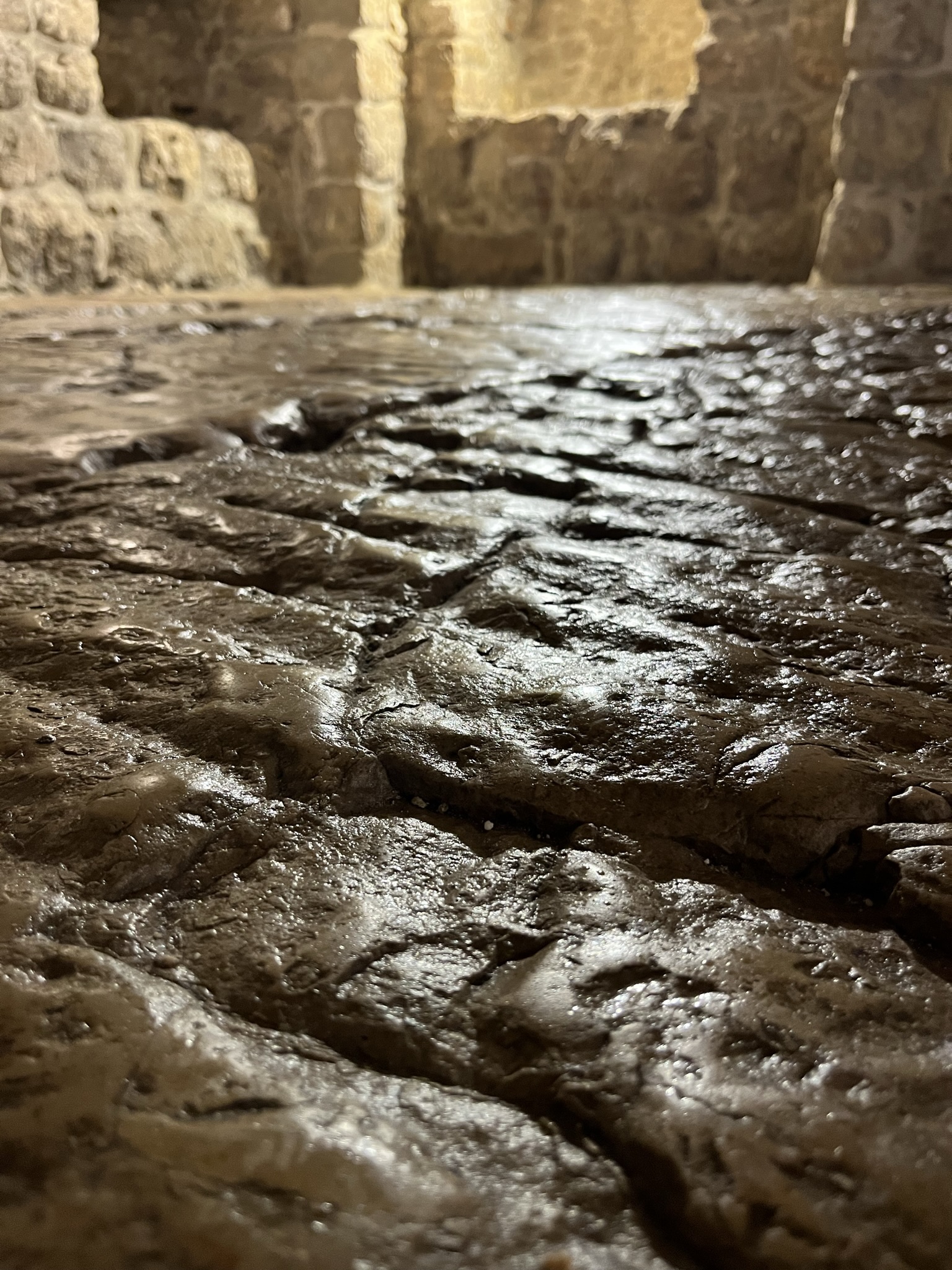


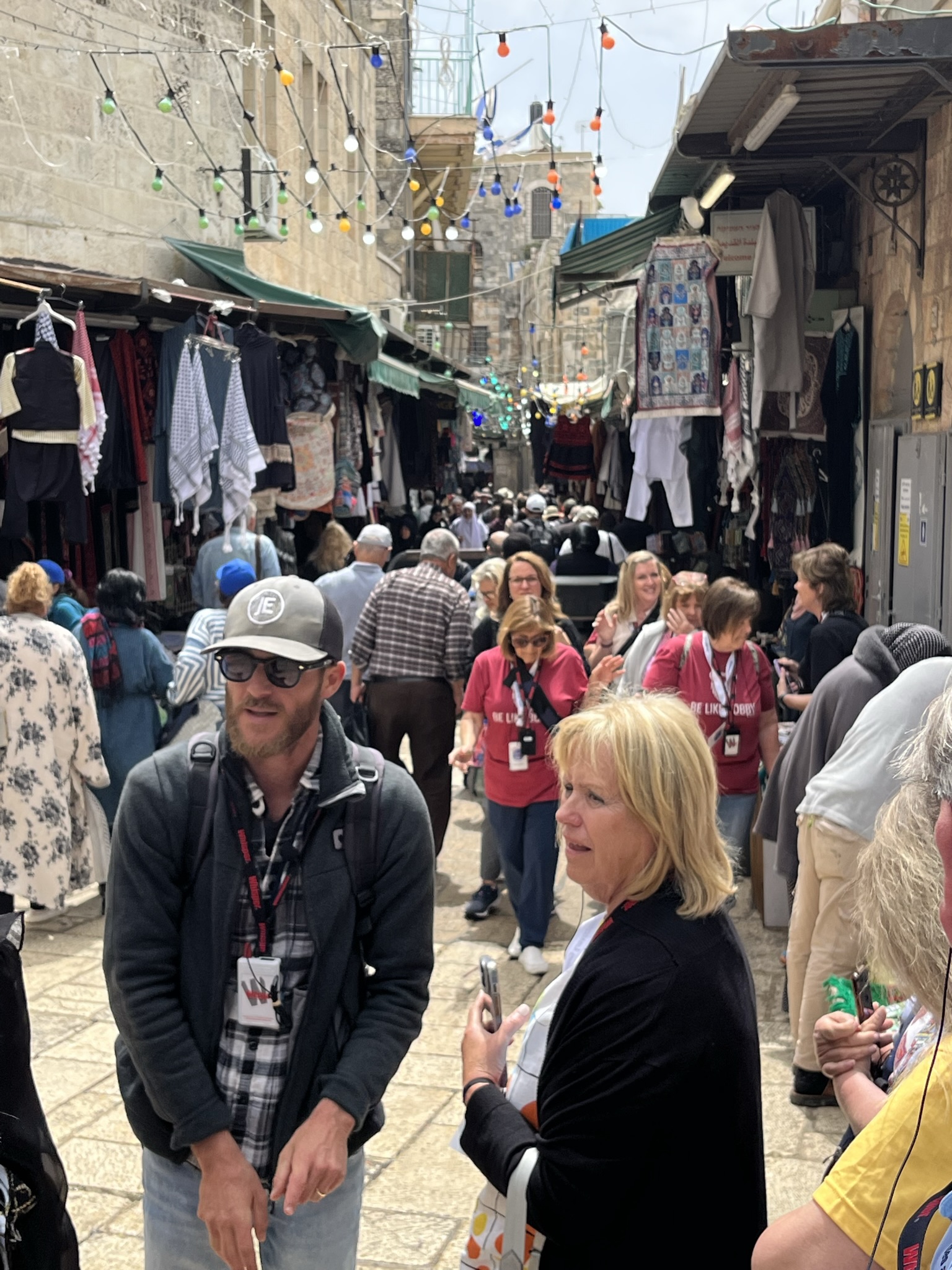
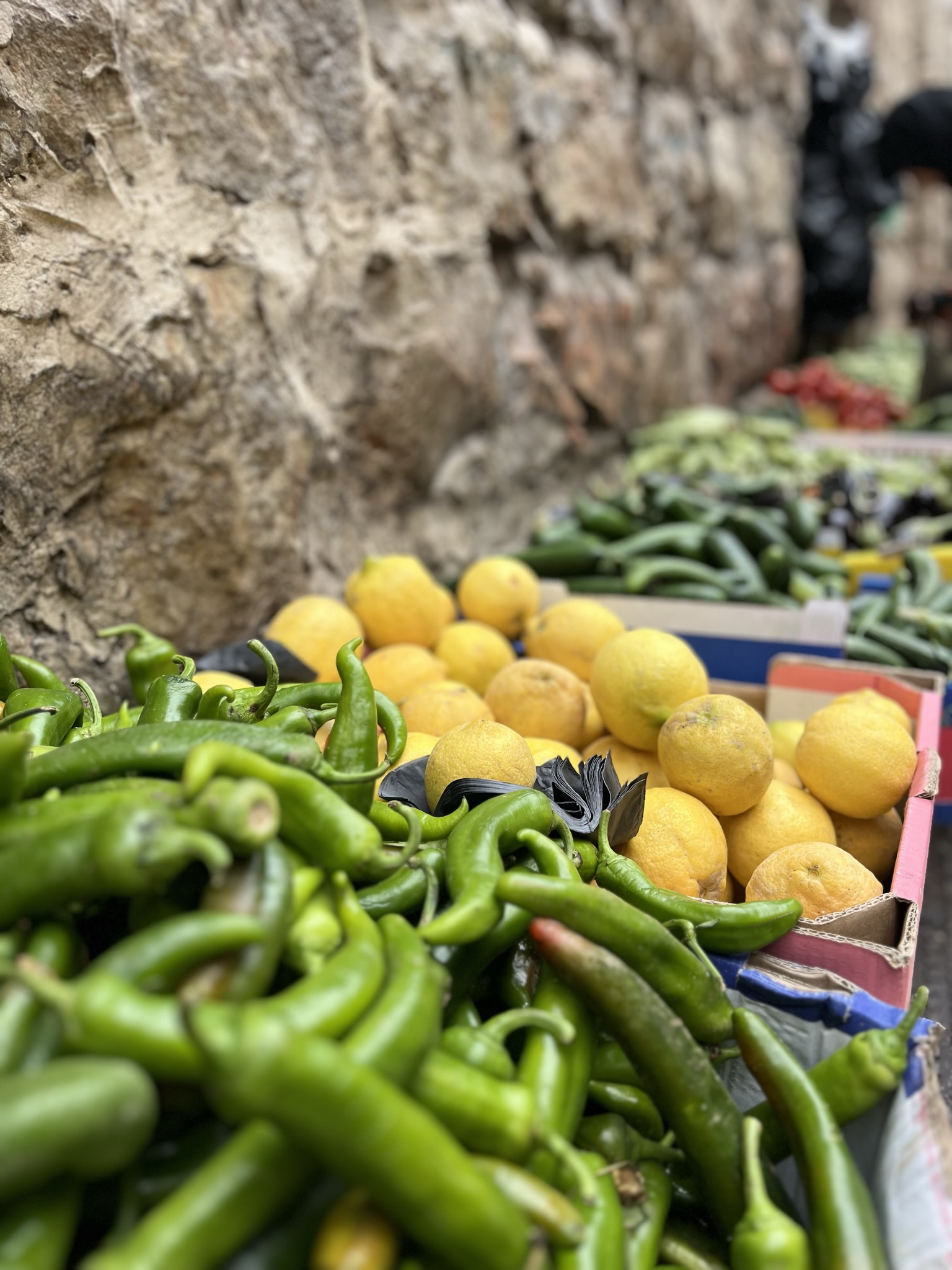
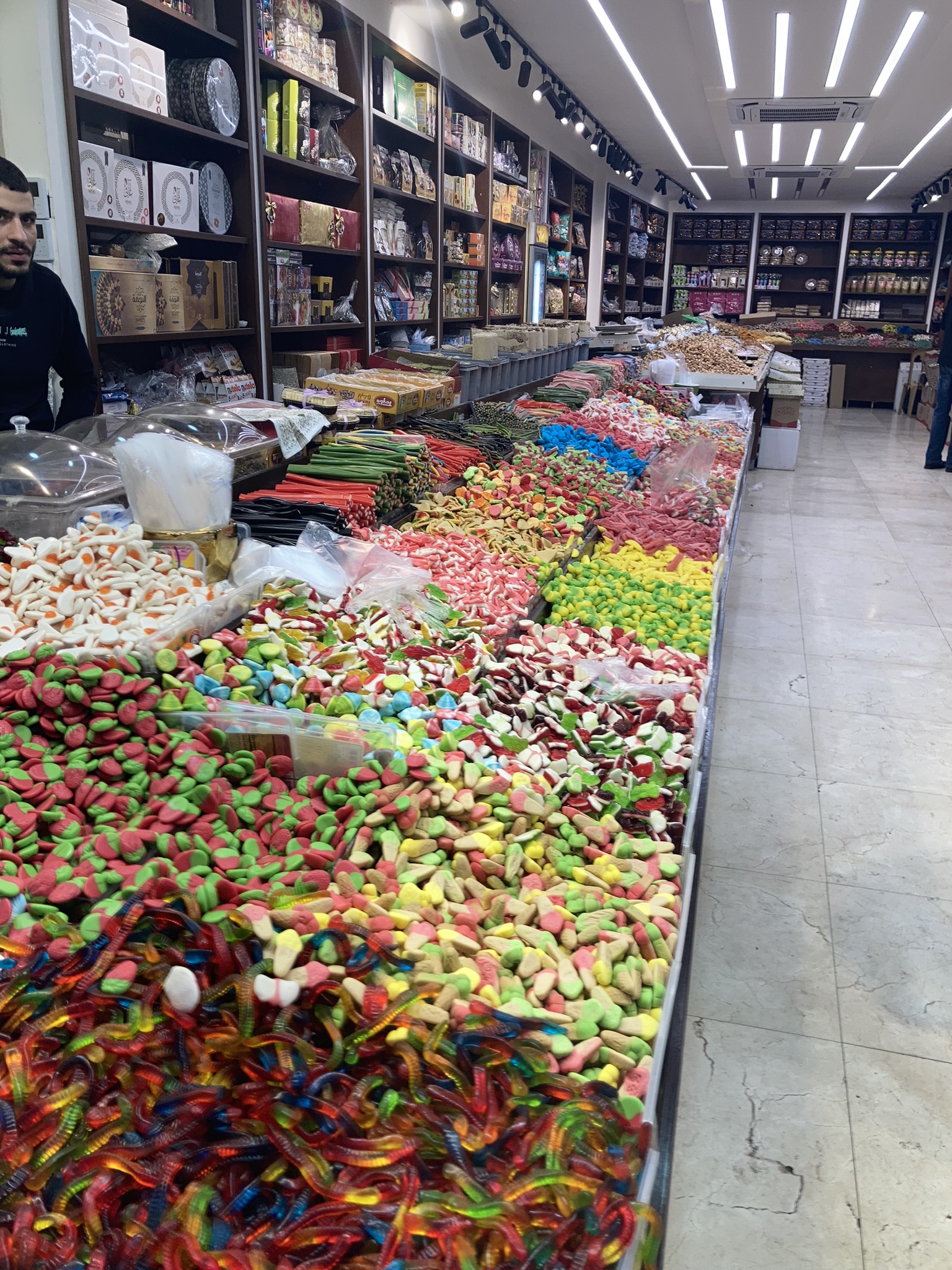



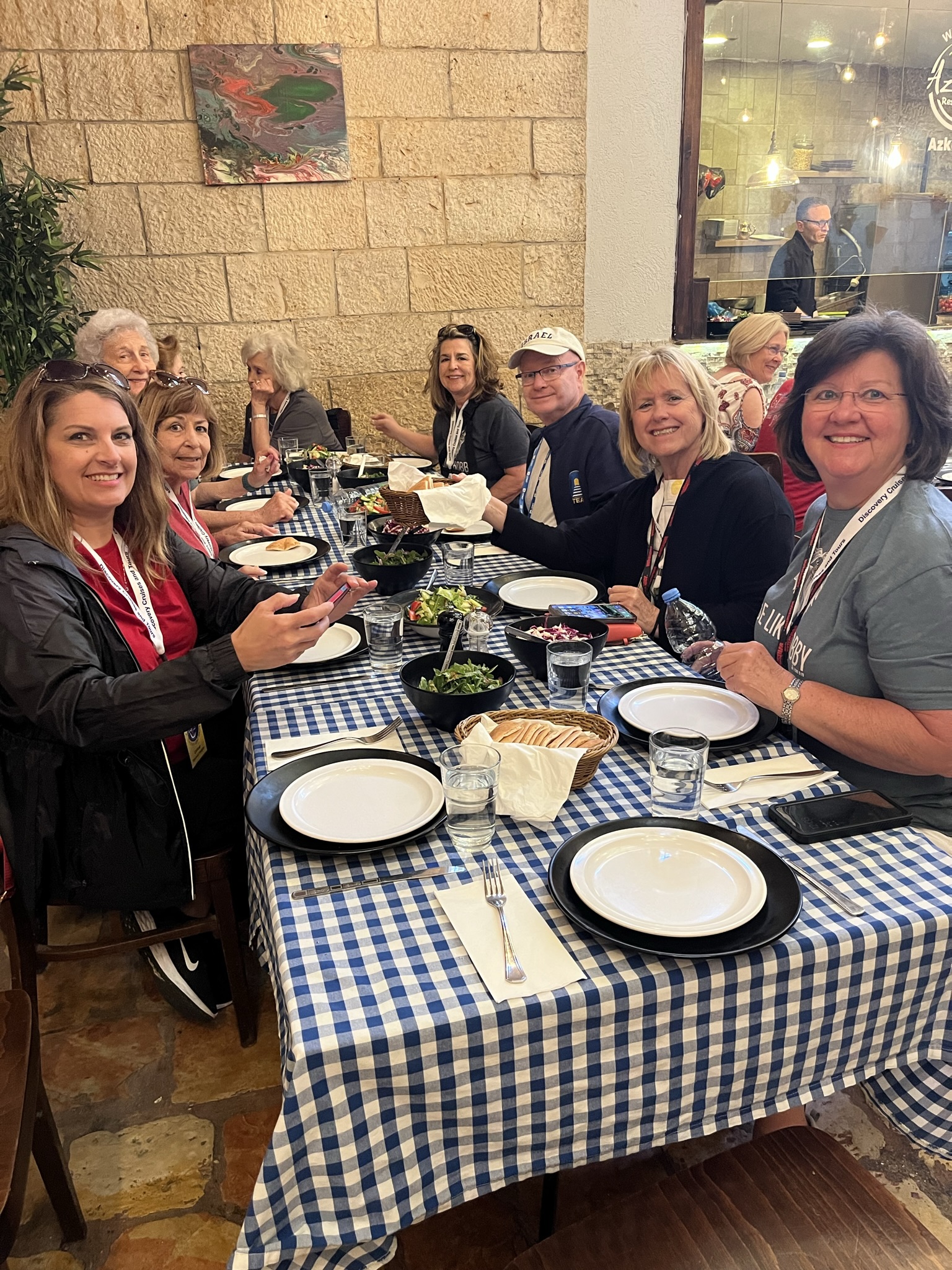
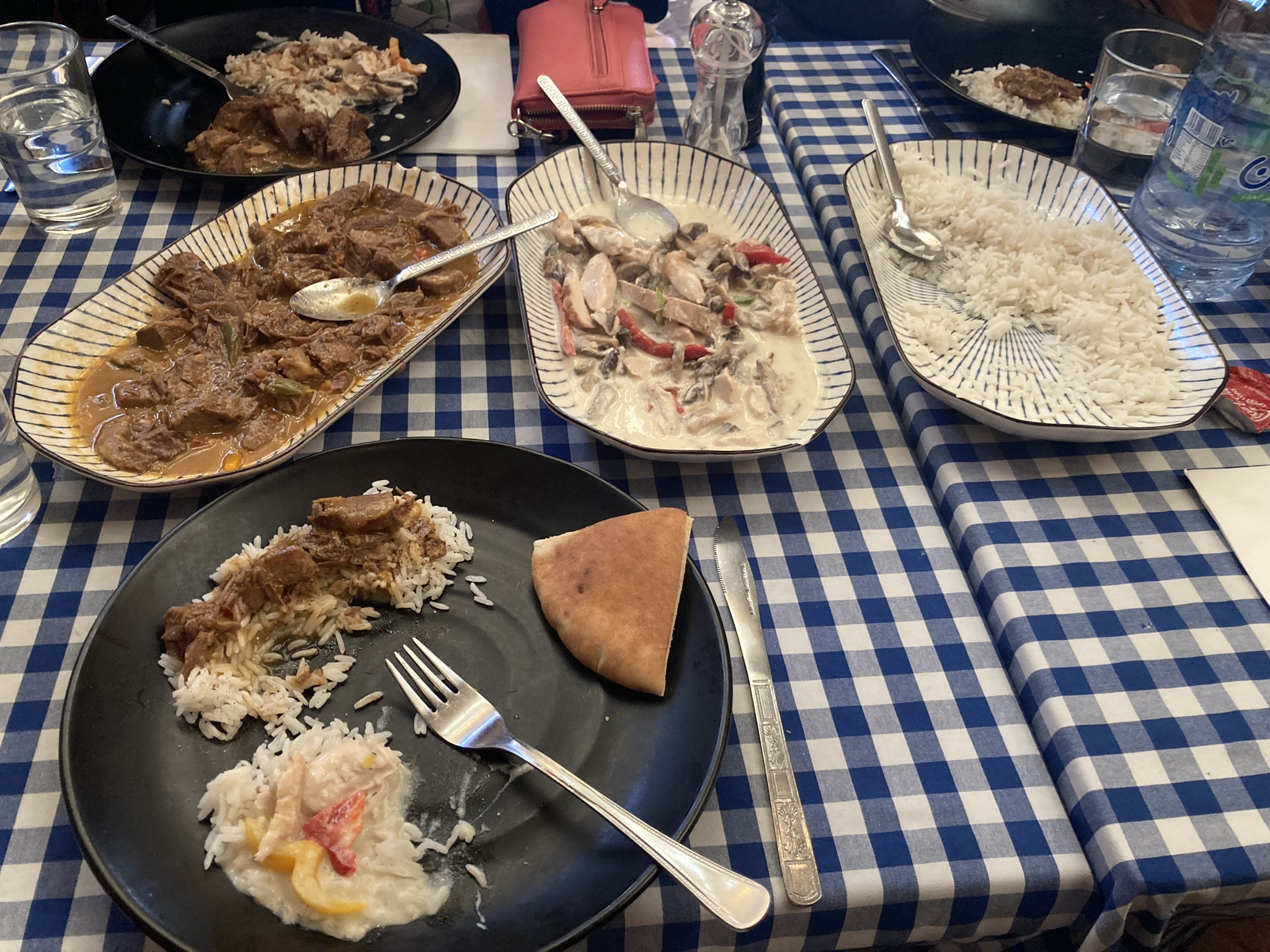
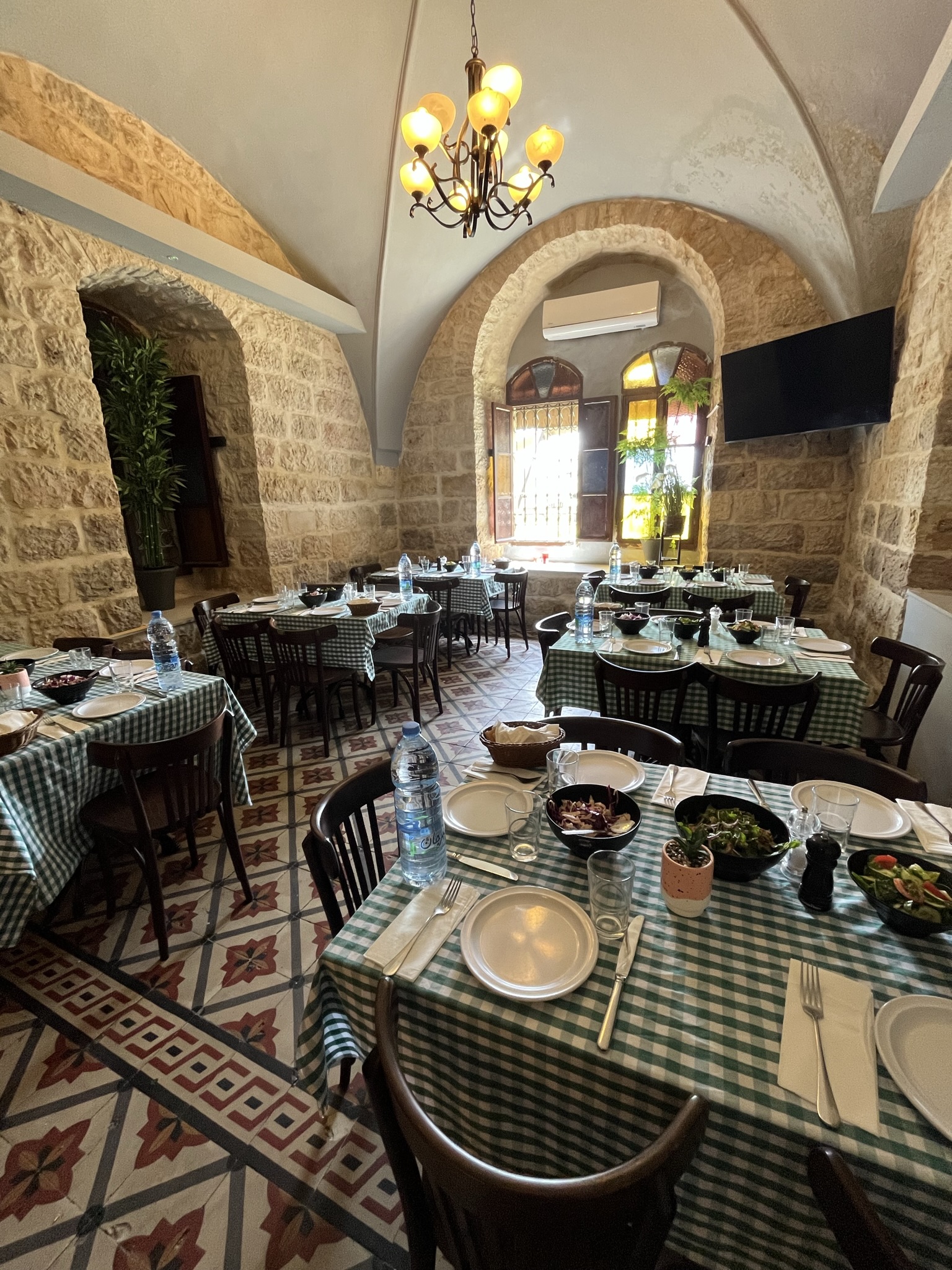
LUNCH AT AZKADINYA RESTAURANT








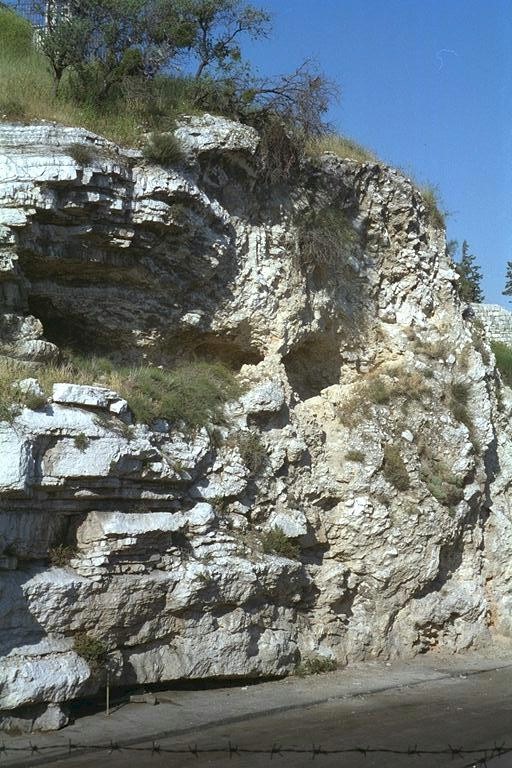
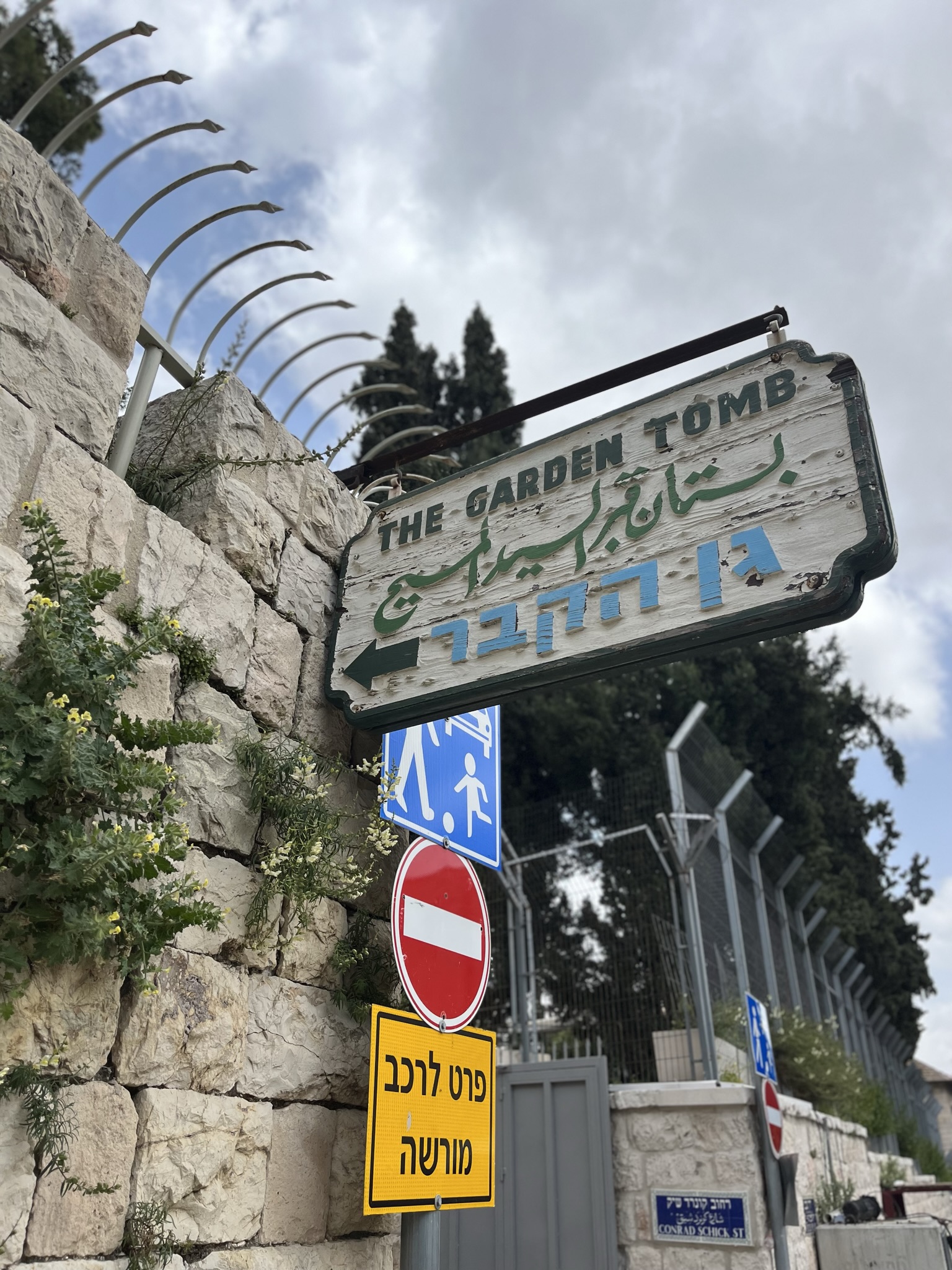
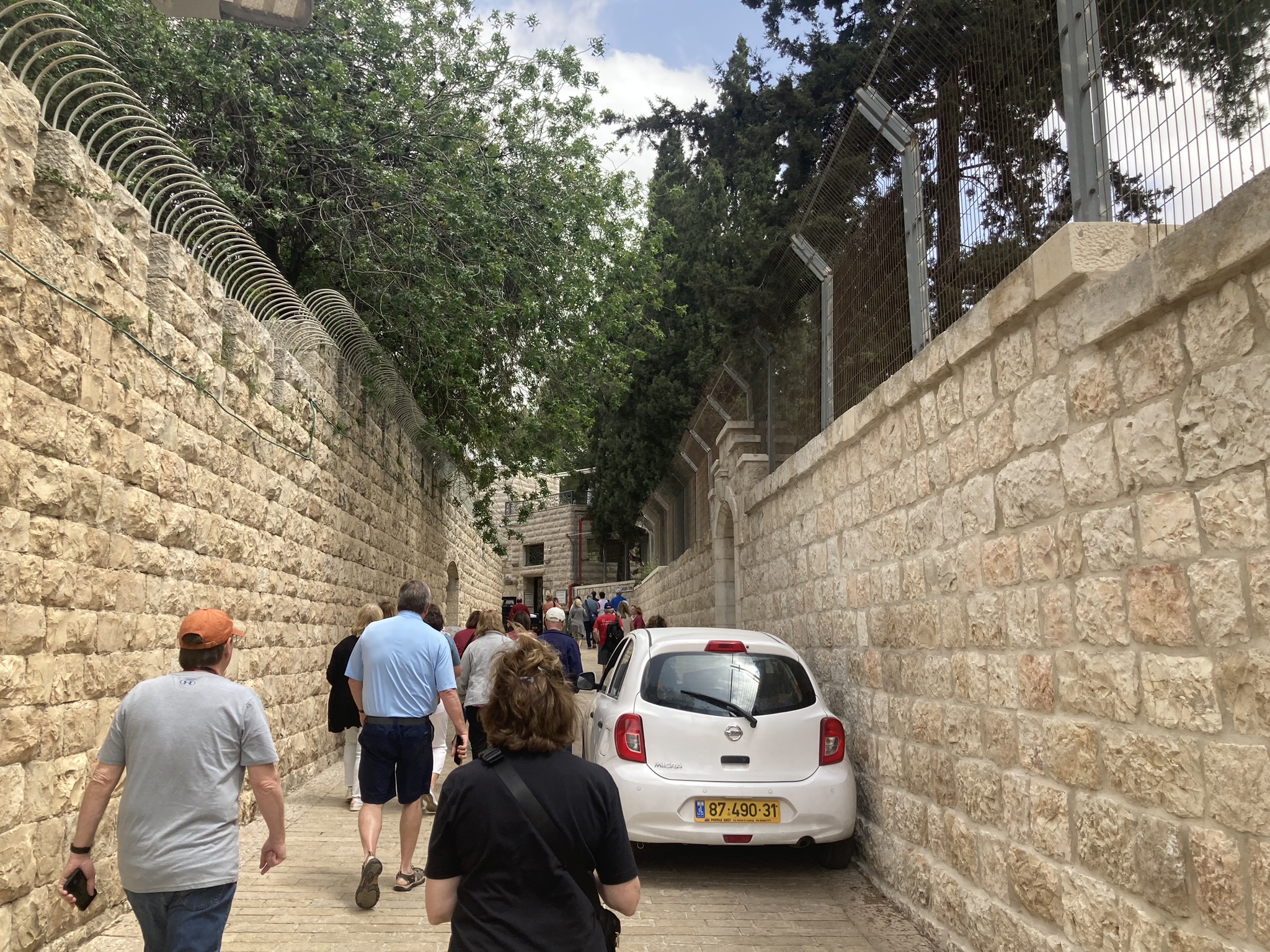
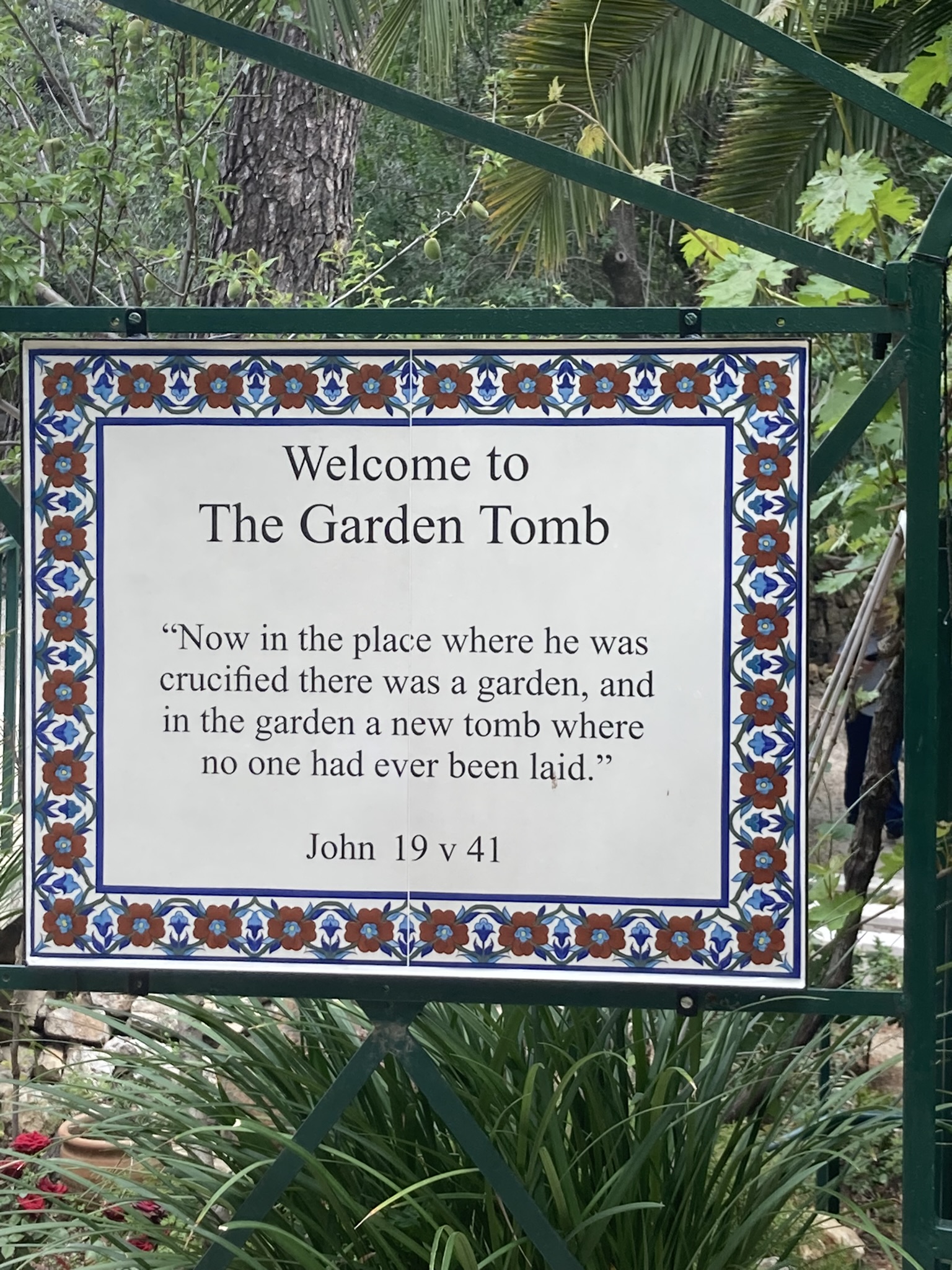
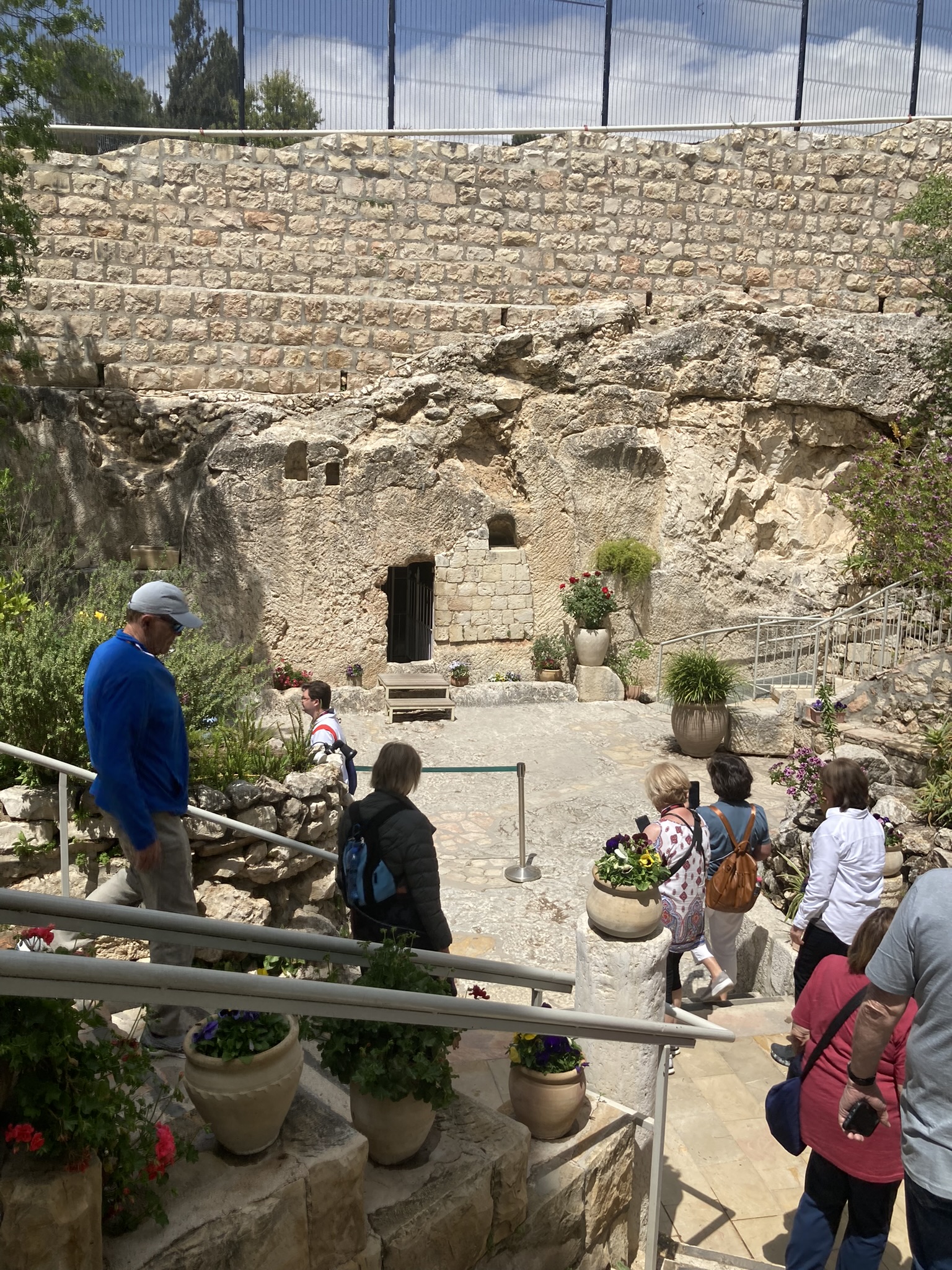
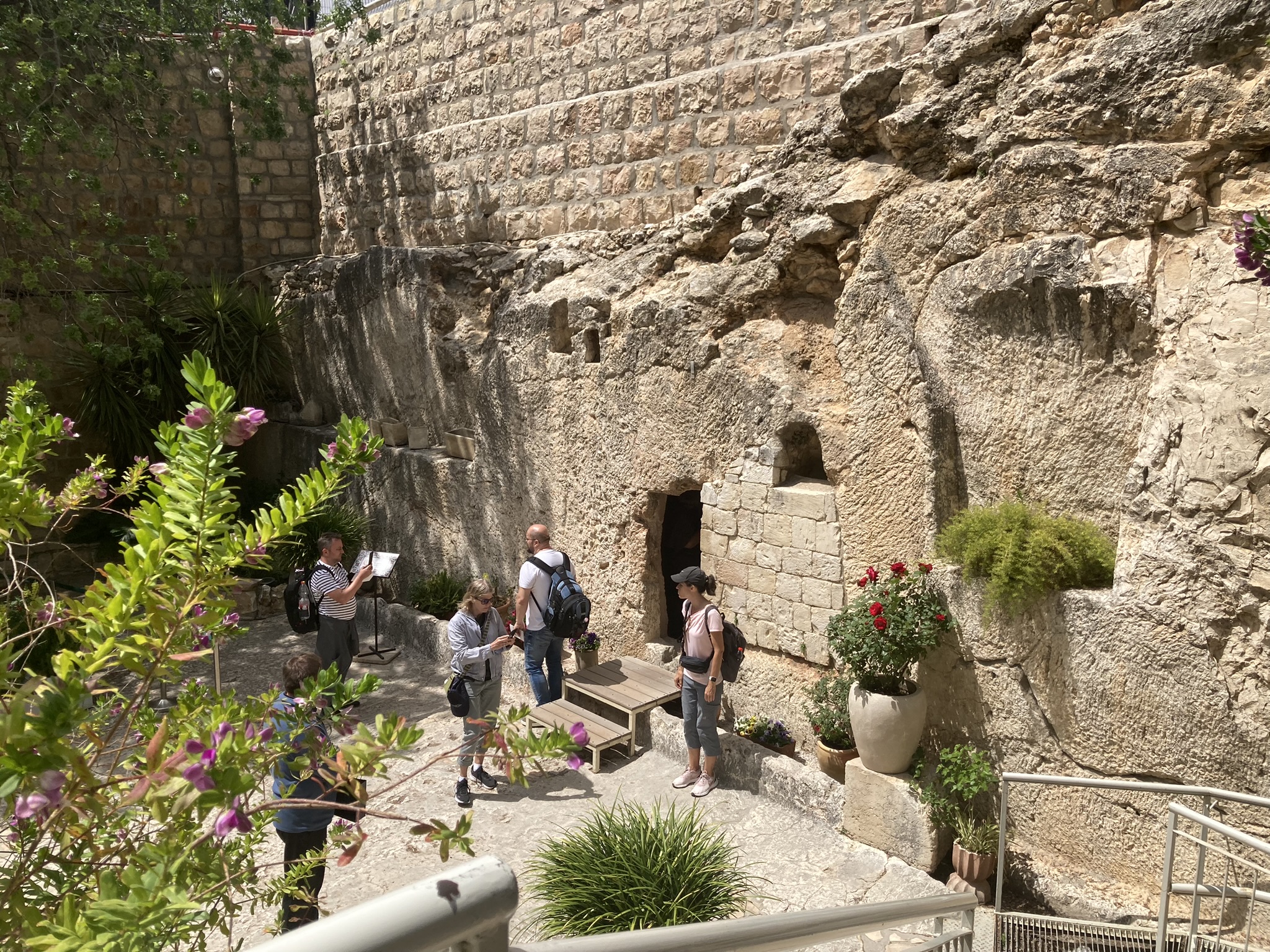
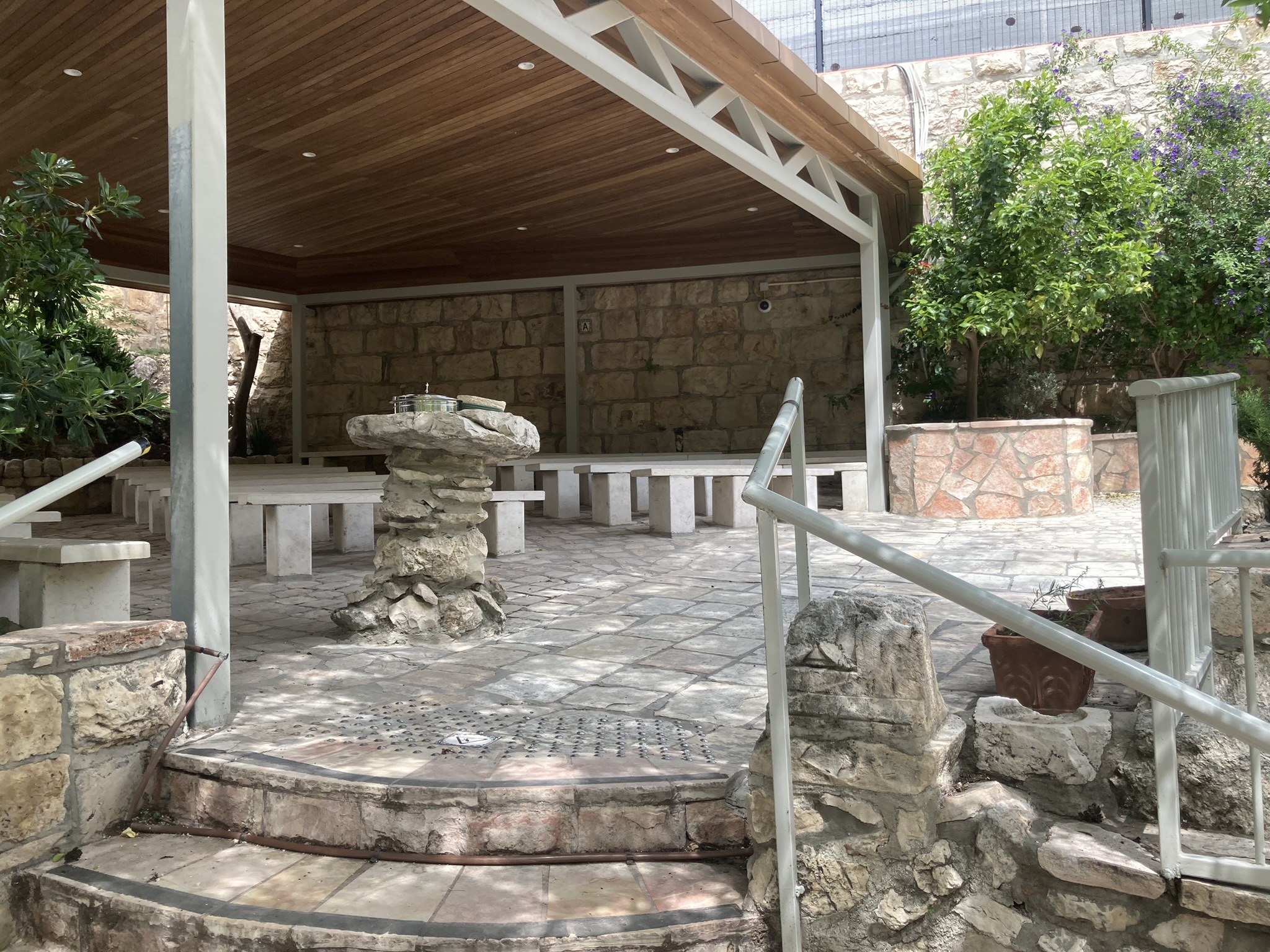
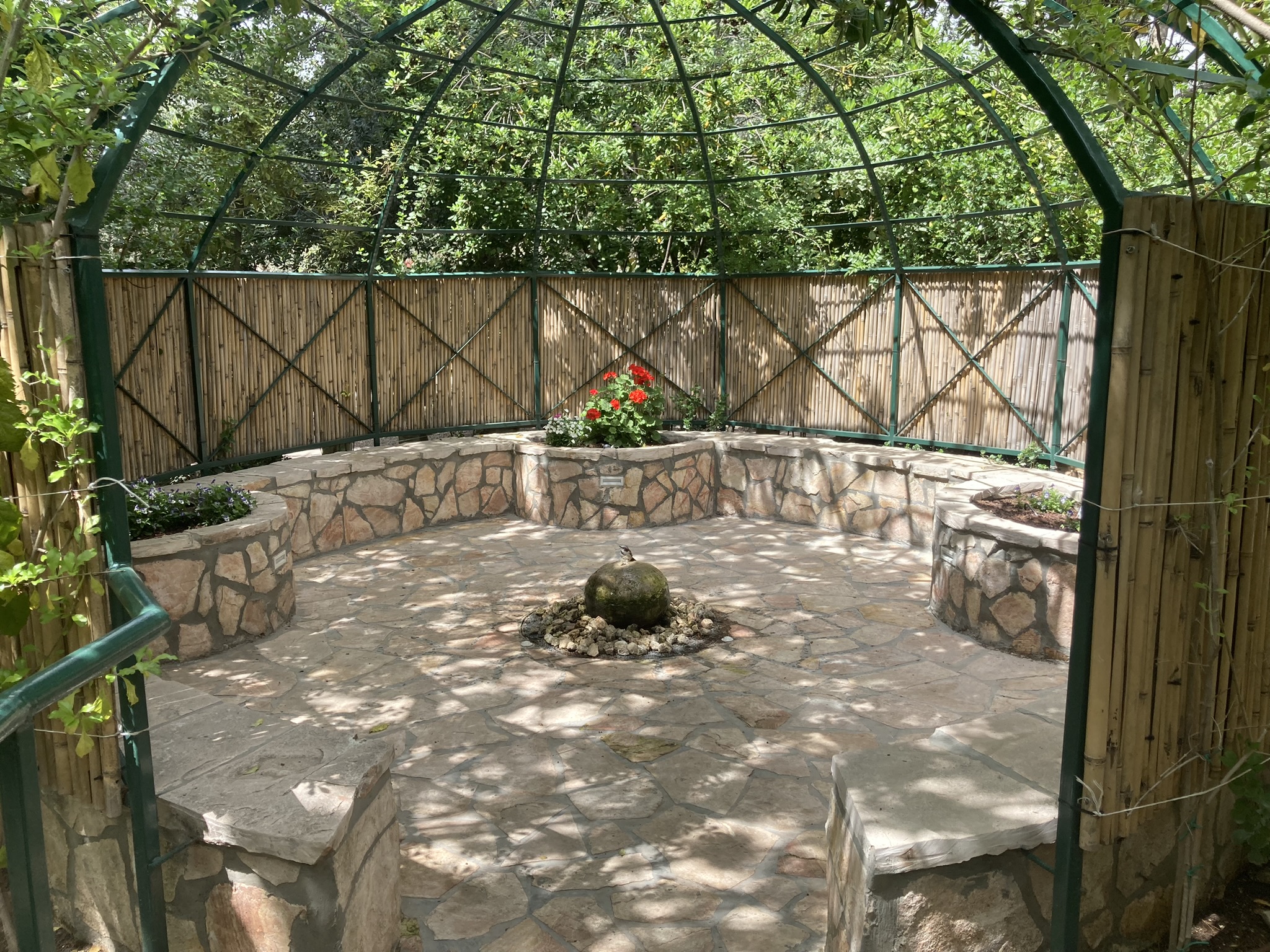
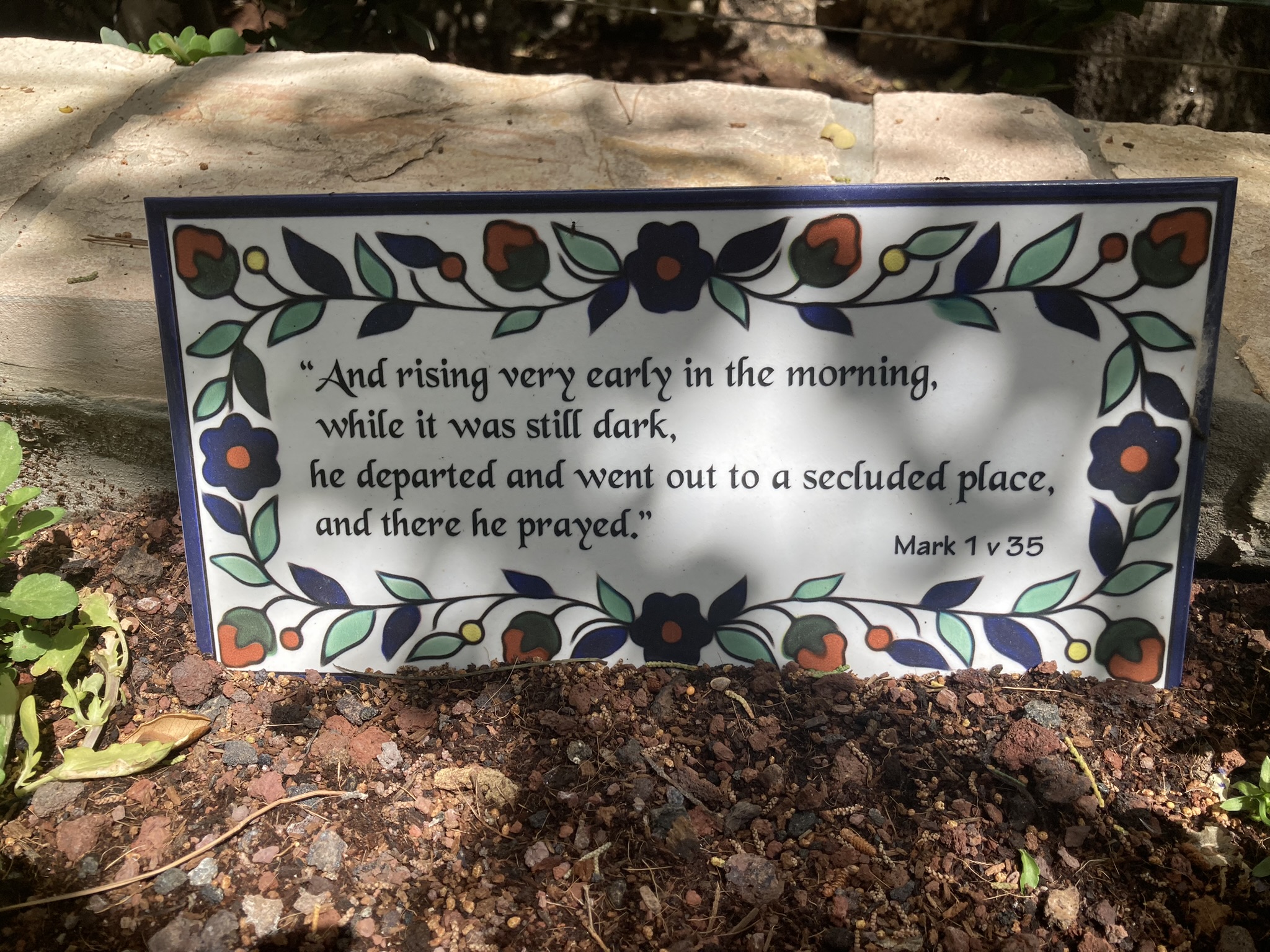
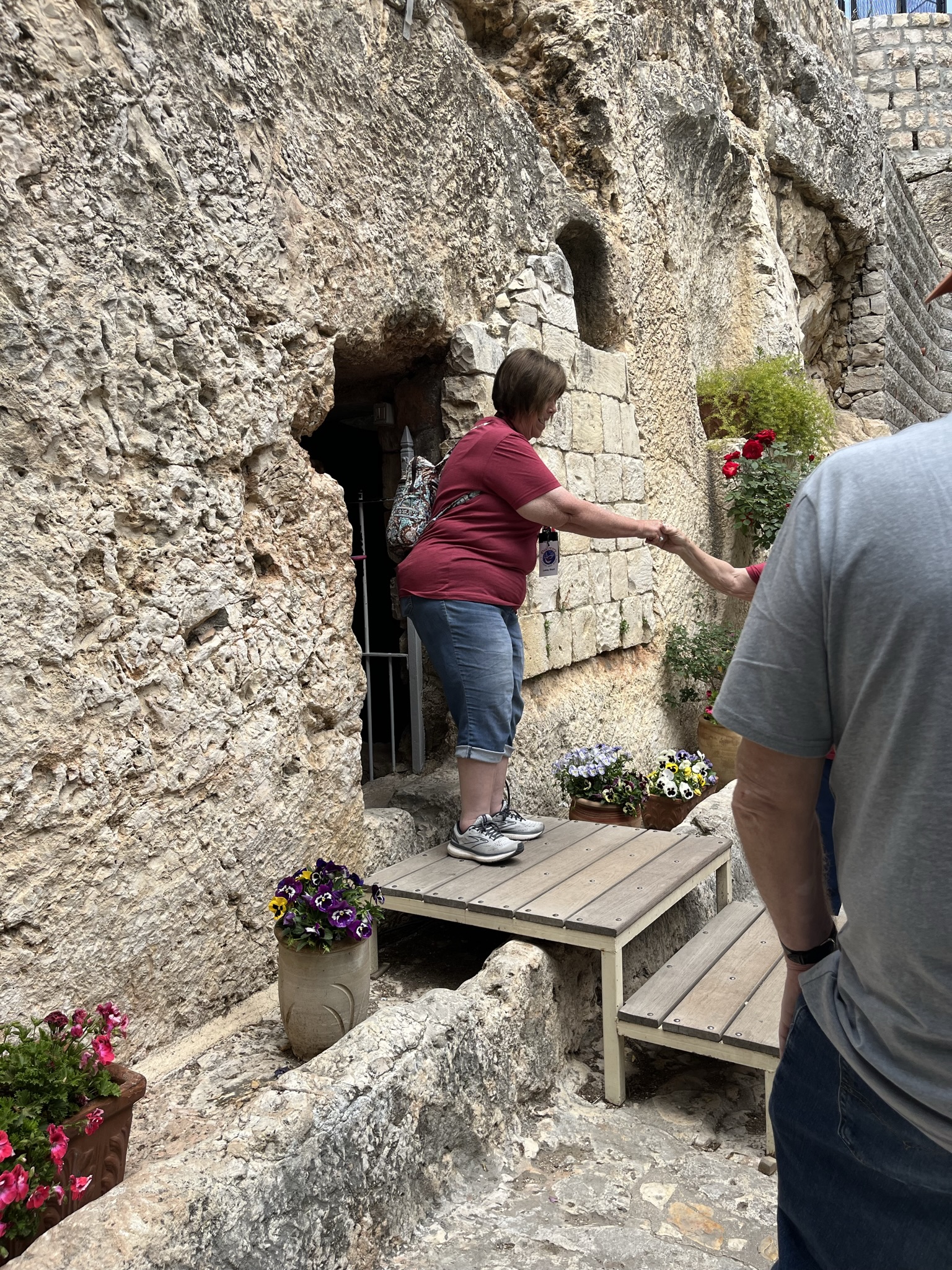
GARDEN TOMB
The timeline of events during Jesus’ last week have been skewed over the centuries. When you understand the Jewish Passover and the Jewish High Sabbath days in addition to regular Sabbath days, you understand the timeline much better.
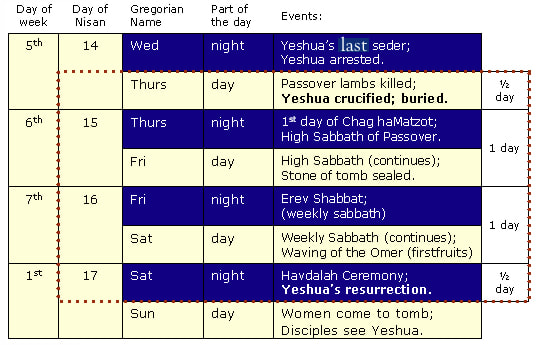
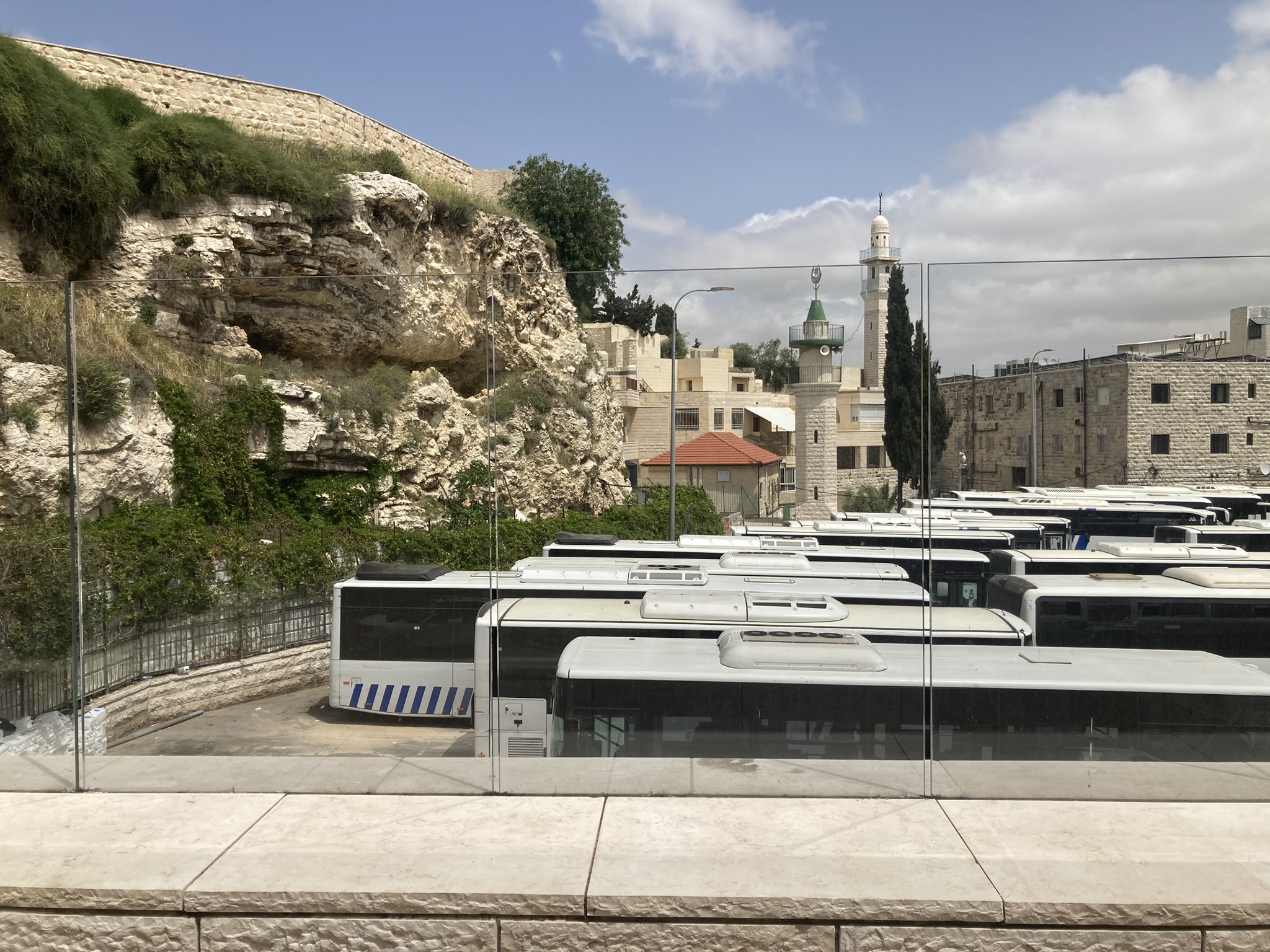
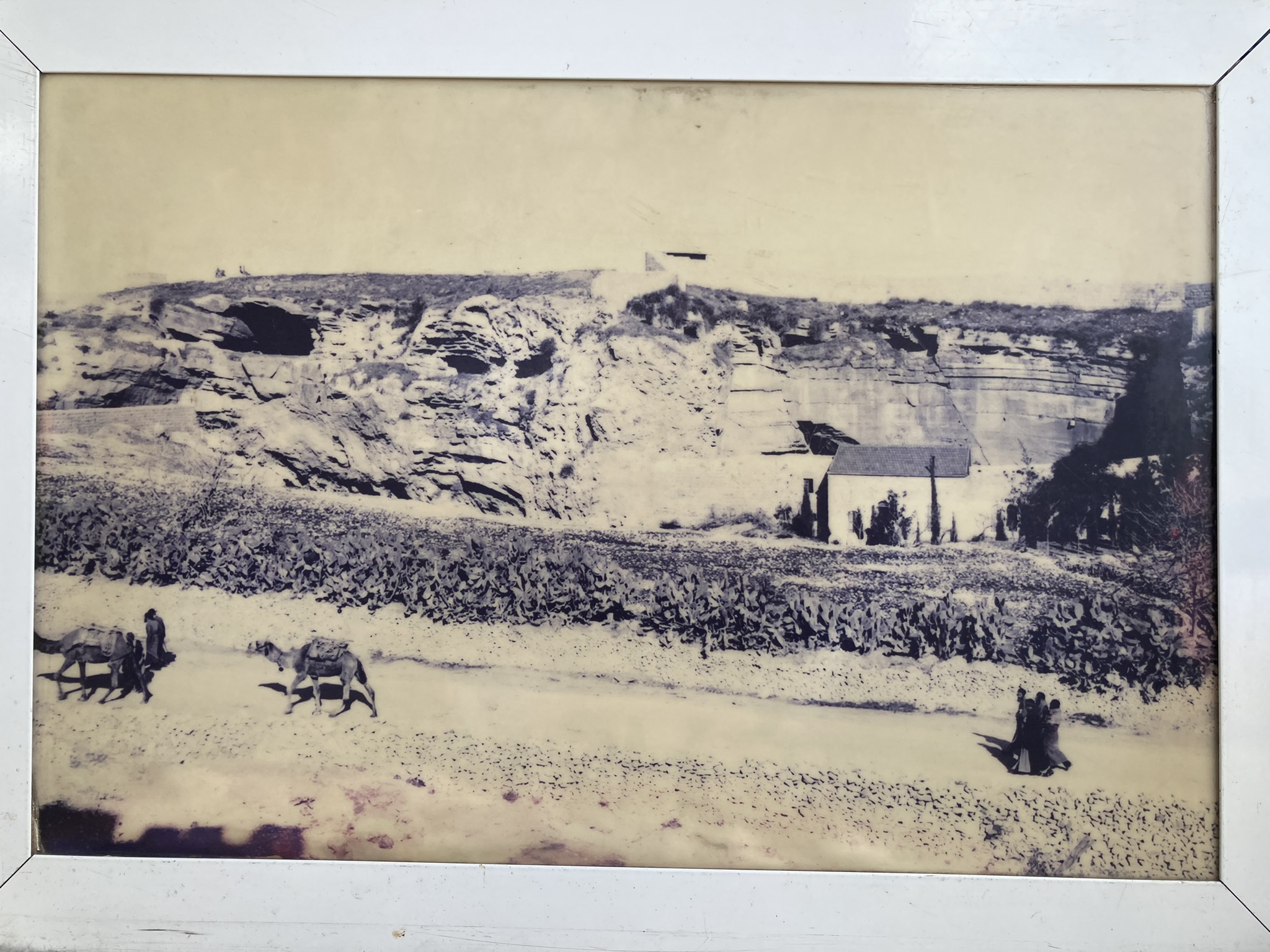
Jesus was crucified in a place named “the Skull” (Golgotha in Aramaic). Matthew 27:33, Mark 15:22, Luke 23:33, and John 19:17 This happened on a Thursday. This may throw some people off since we traditionally observe His death on Good Friday. This isn’t the only calendar issue we have with Biblical dates though. Jesus wasn’t born on December 25 and everyone knows it, but we continue to celebrate on that day anyway. In case you’re wondering, the dating of Easter is off too. The timing was changed so that we could always celebrate on a Sunday. It should actually follow the Jewish Passover. BUT, when we celebrate isn’t as important as the fact that we do. But if you learn the real calendar times, you can celebrate twice.
The accounts of the death, burial and resurrection of Jesus can be found in:


























EMMAUS
Only the Gospel of Luke tells the “Road to Emmaus” story. It’s found in Luke 24:1-49.
Verse 27 says “And beginning with Moses and all the Prophets, he explained to them what was said in all the Scriptures concerning himself.”
Can you imagine that lesson? We know it was powerful because once their eyes were opened and Jesus disappeared, verse 32 says “They asked each other, ‘Were not our hearts burning within us while he talked with us on the road and opened the Scriptures to us?’”
Our travels along the road to Emmaus took us to our next stop…
BENEDICTINE ABBEY OF ABU GOSH
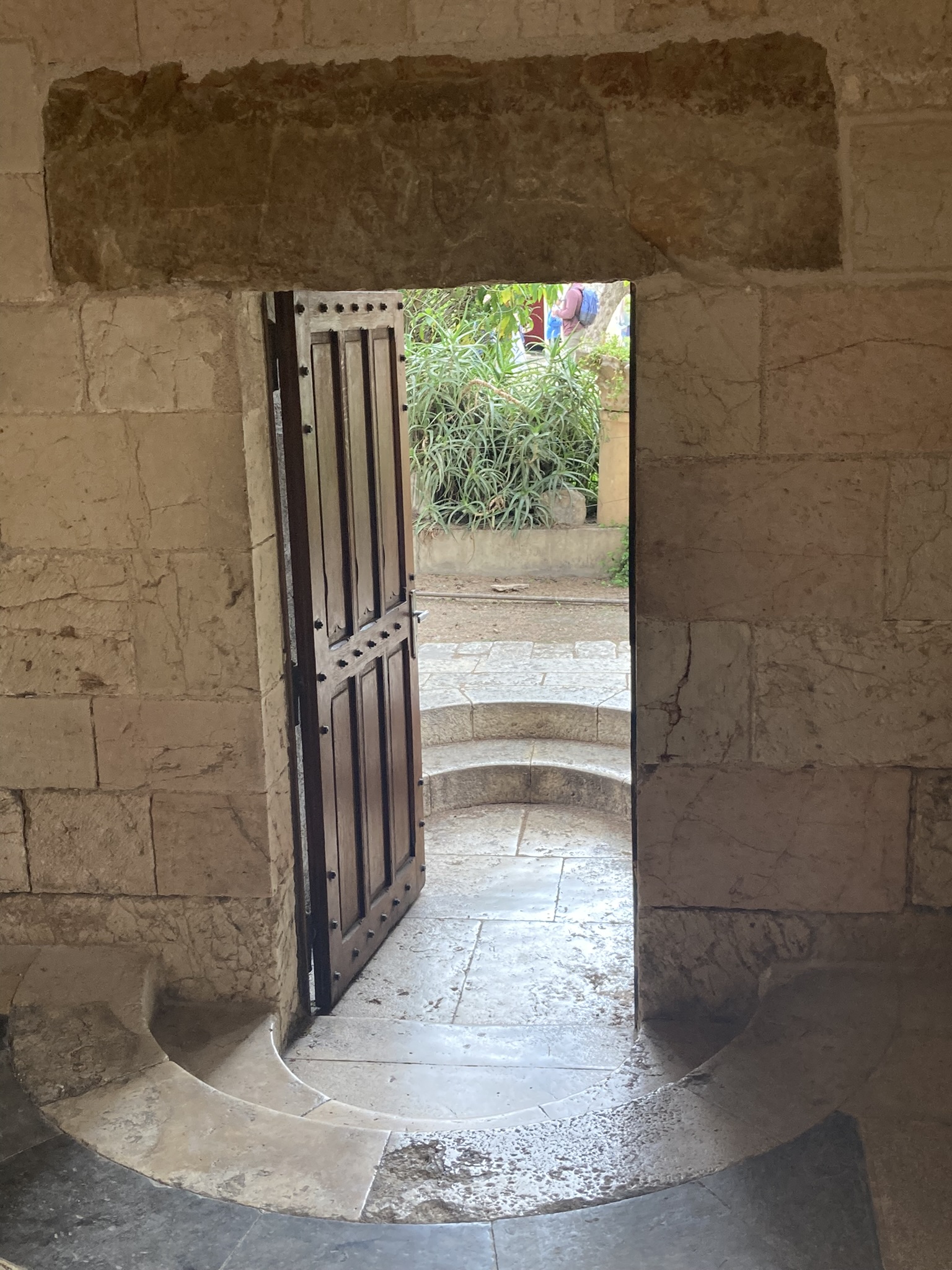
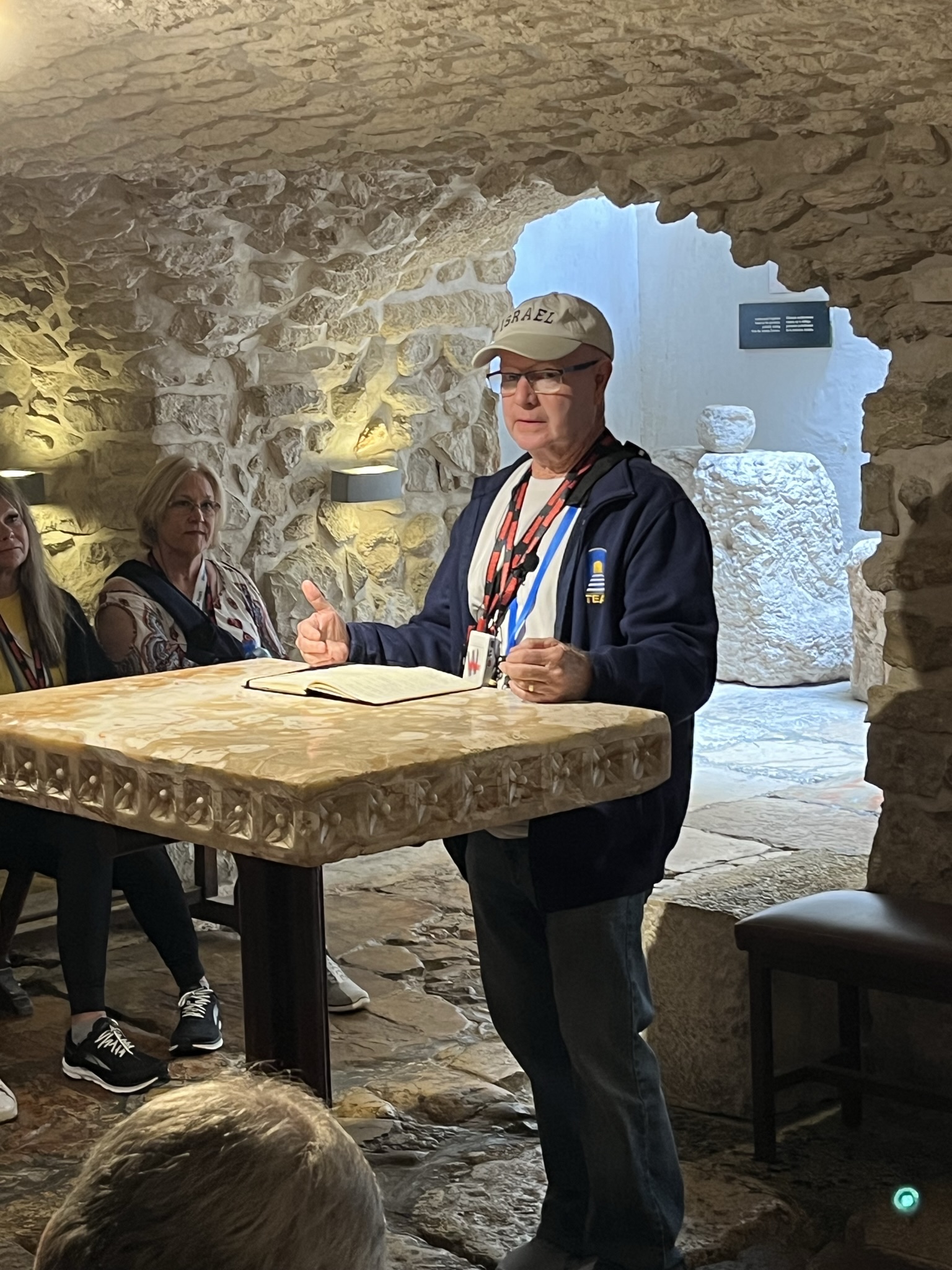
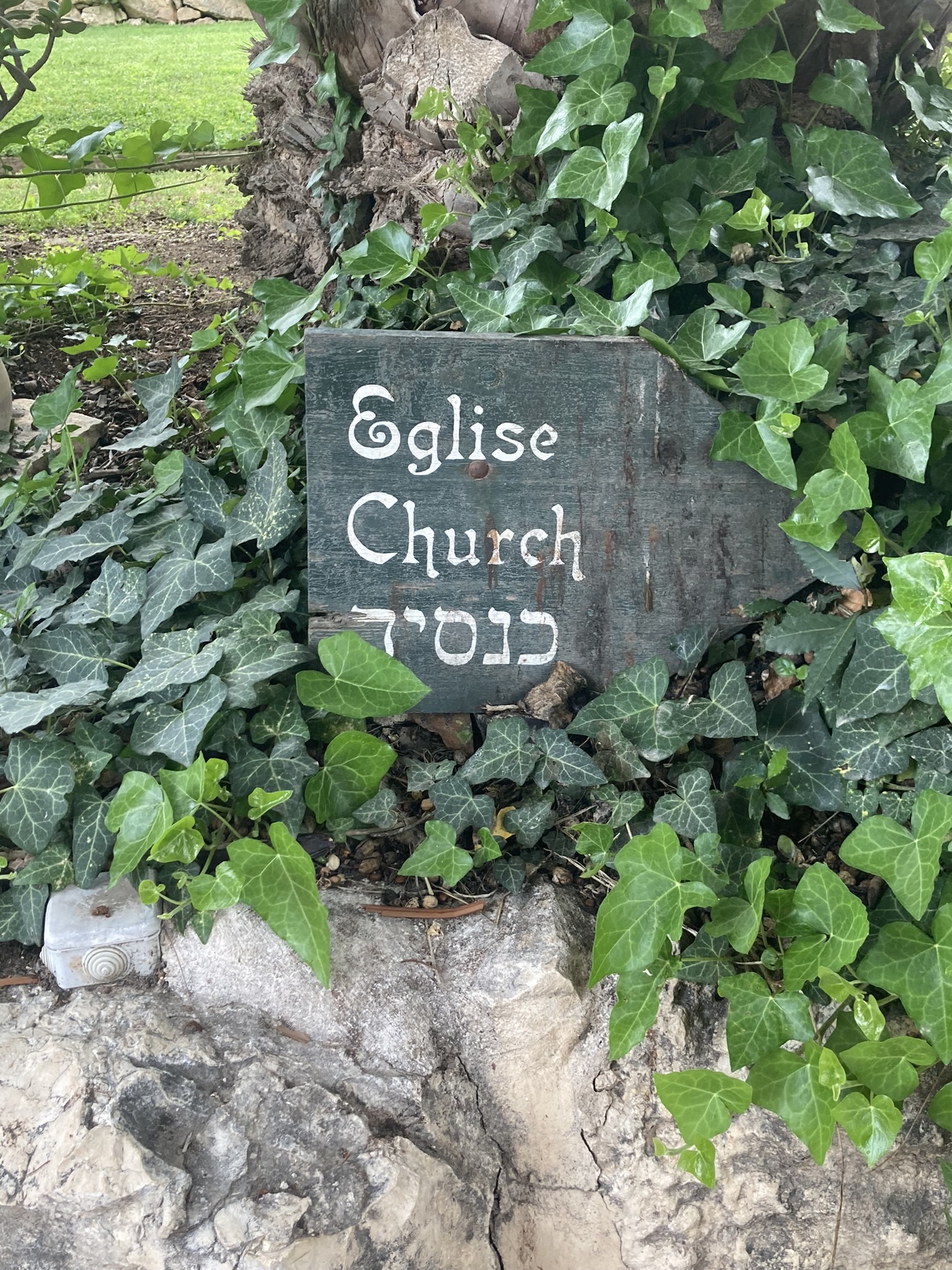
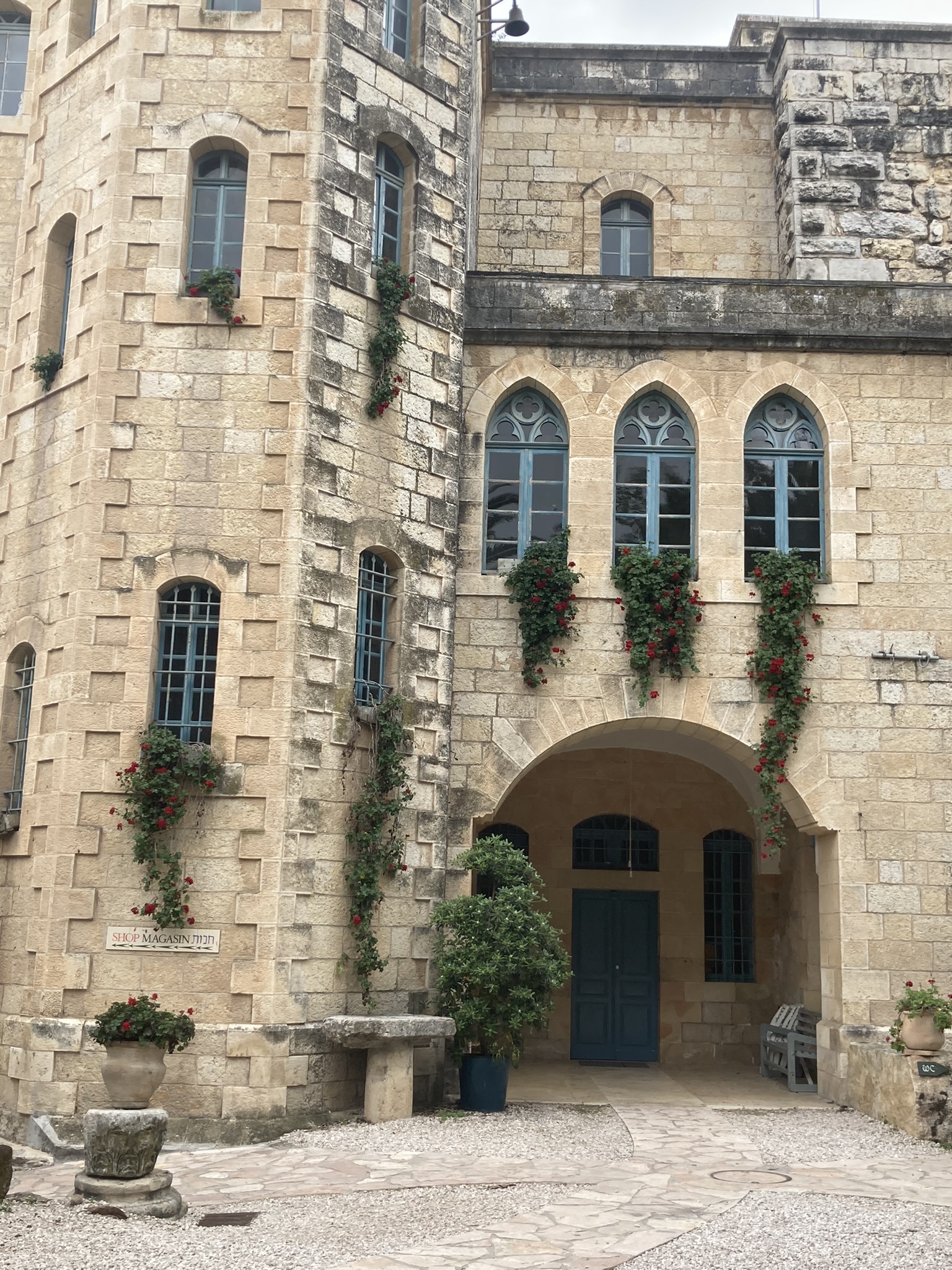
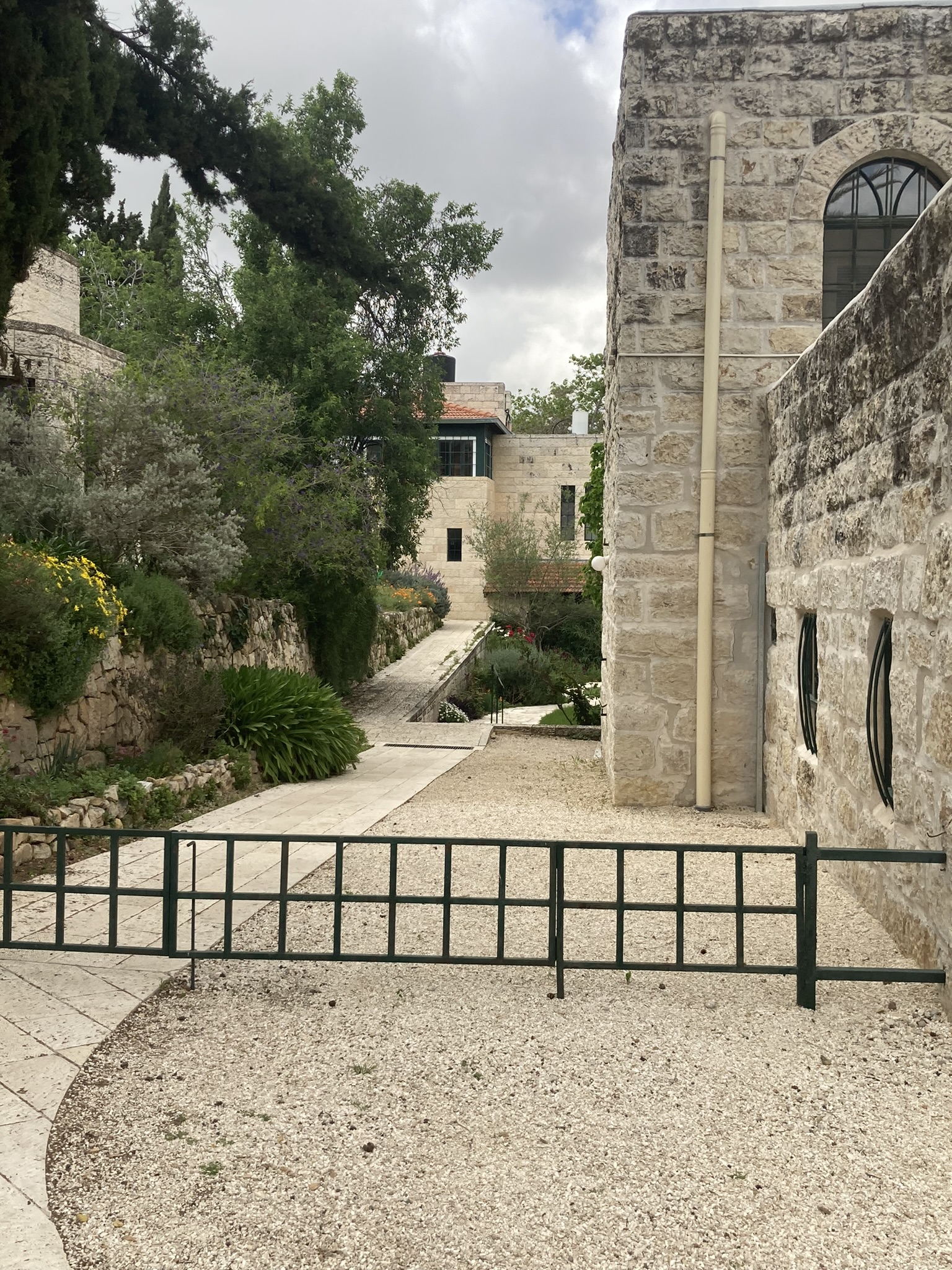
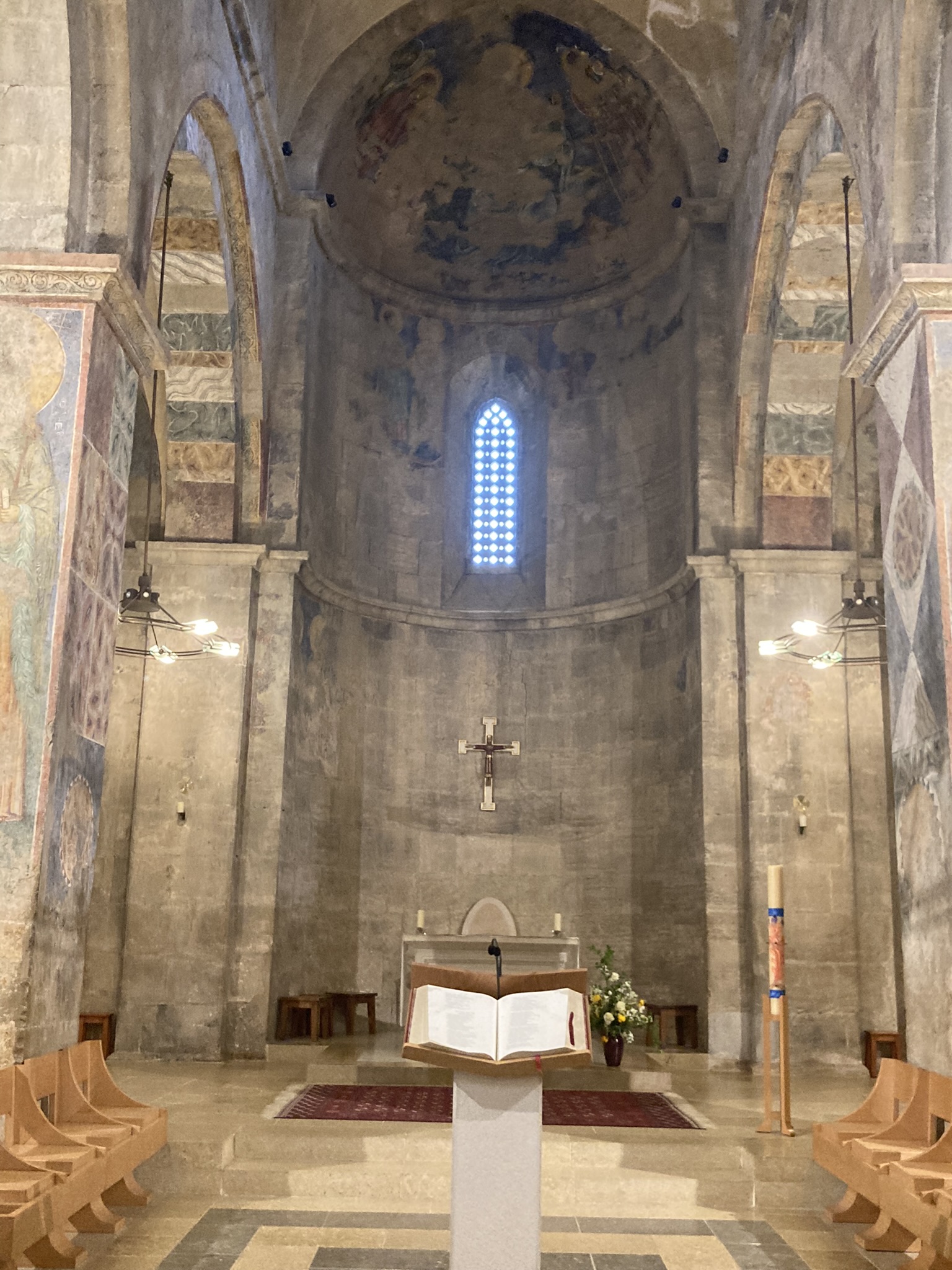
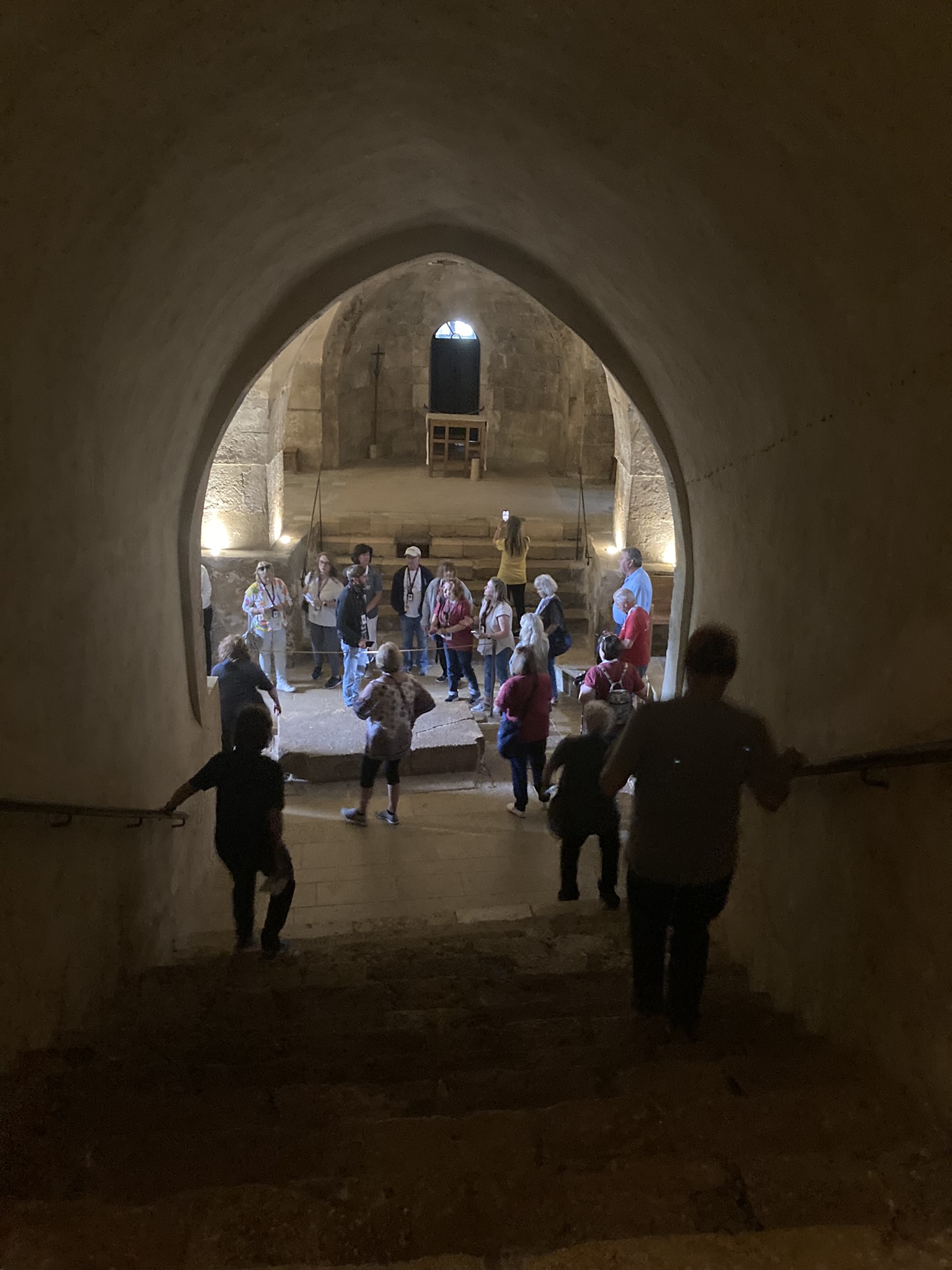
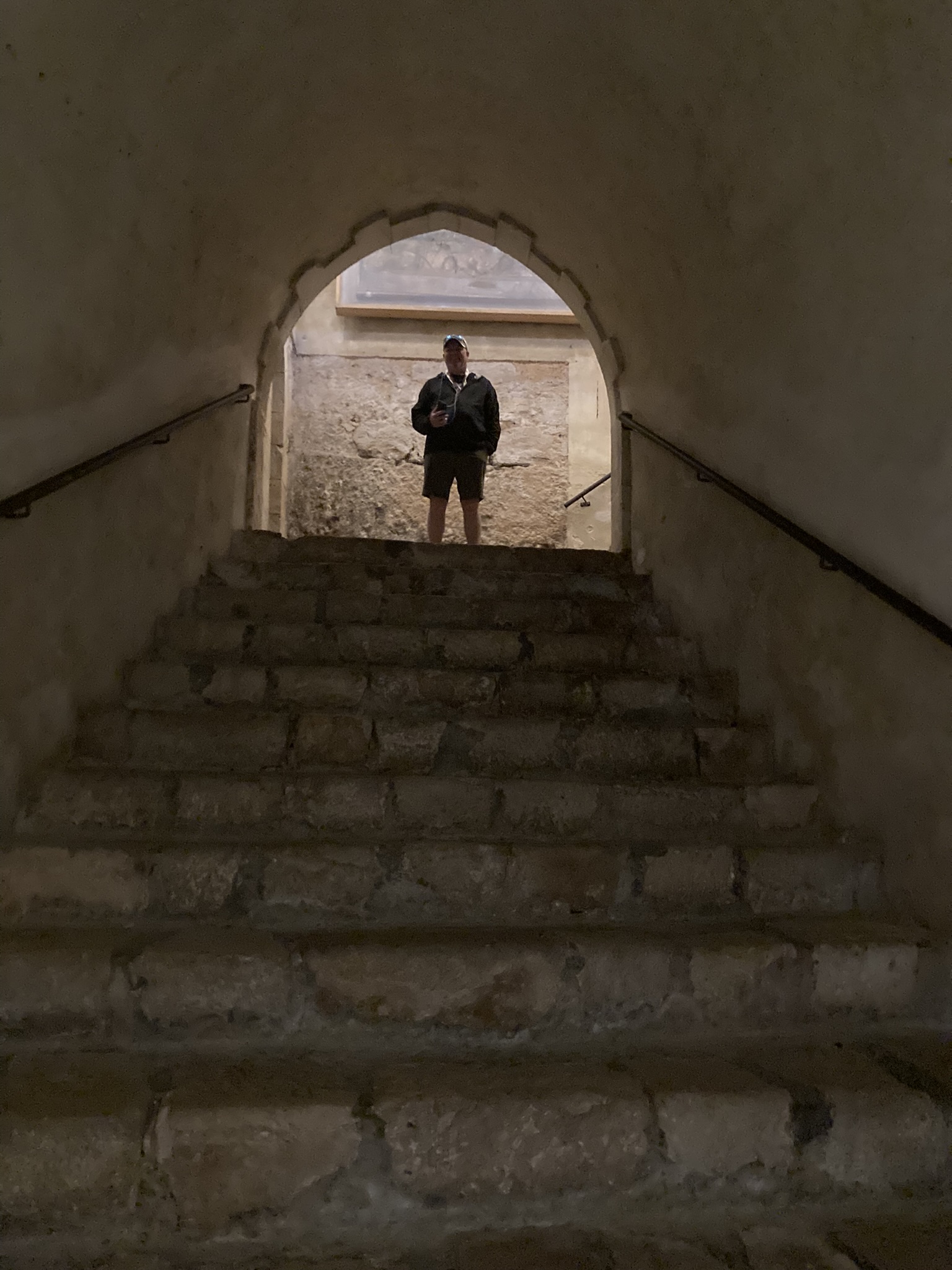
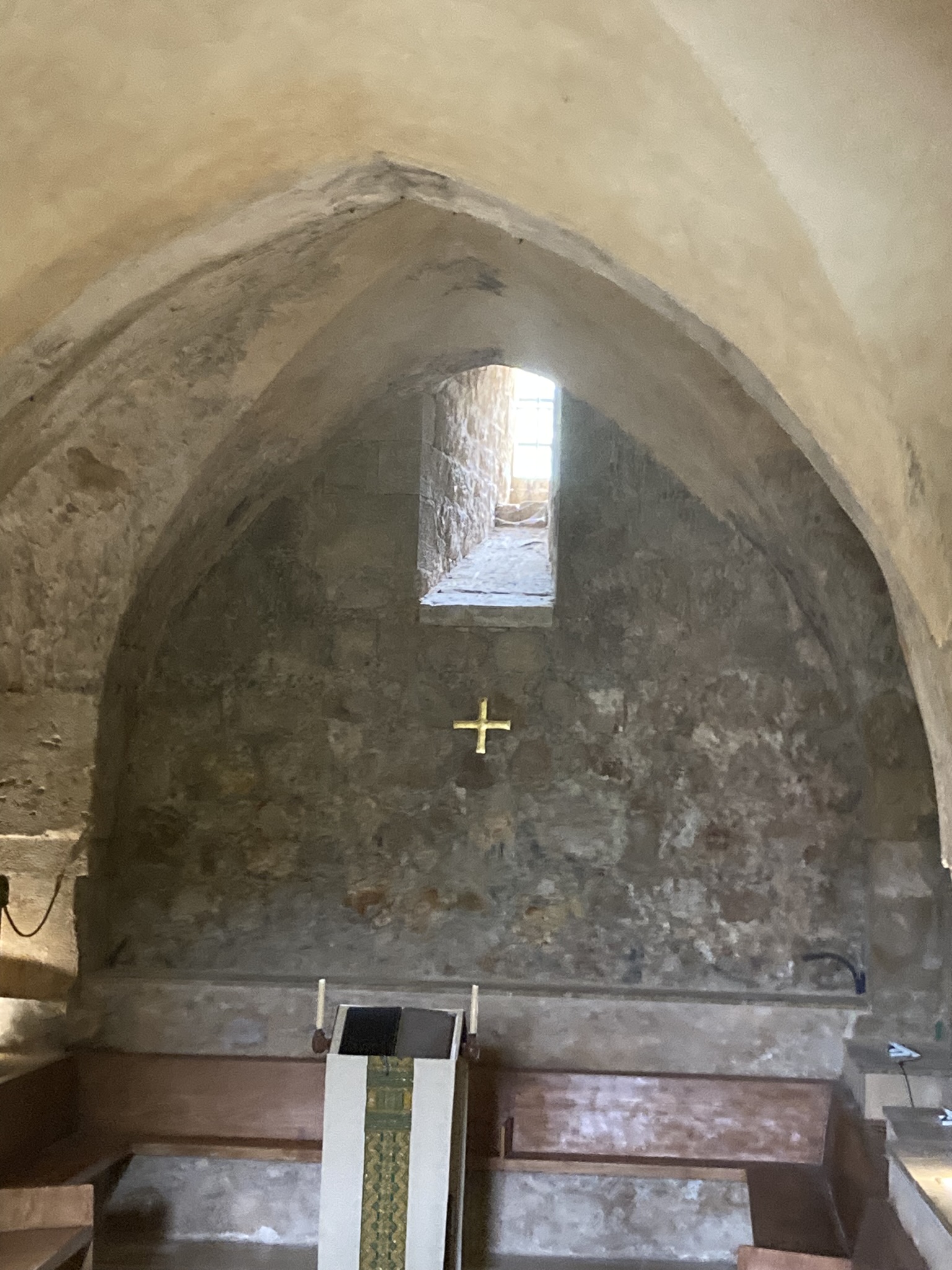
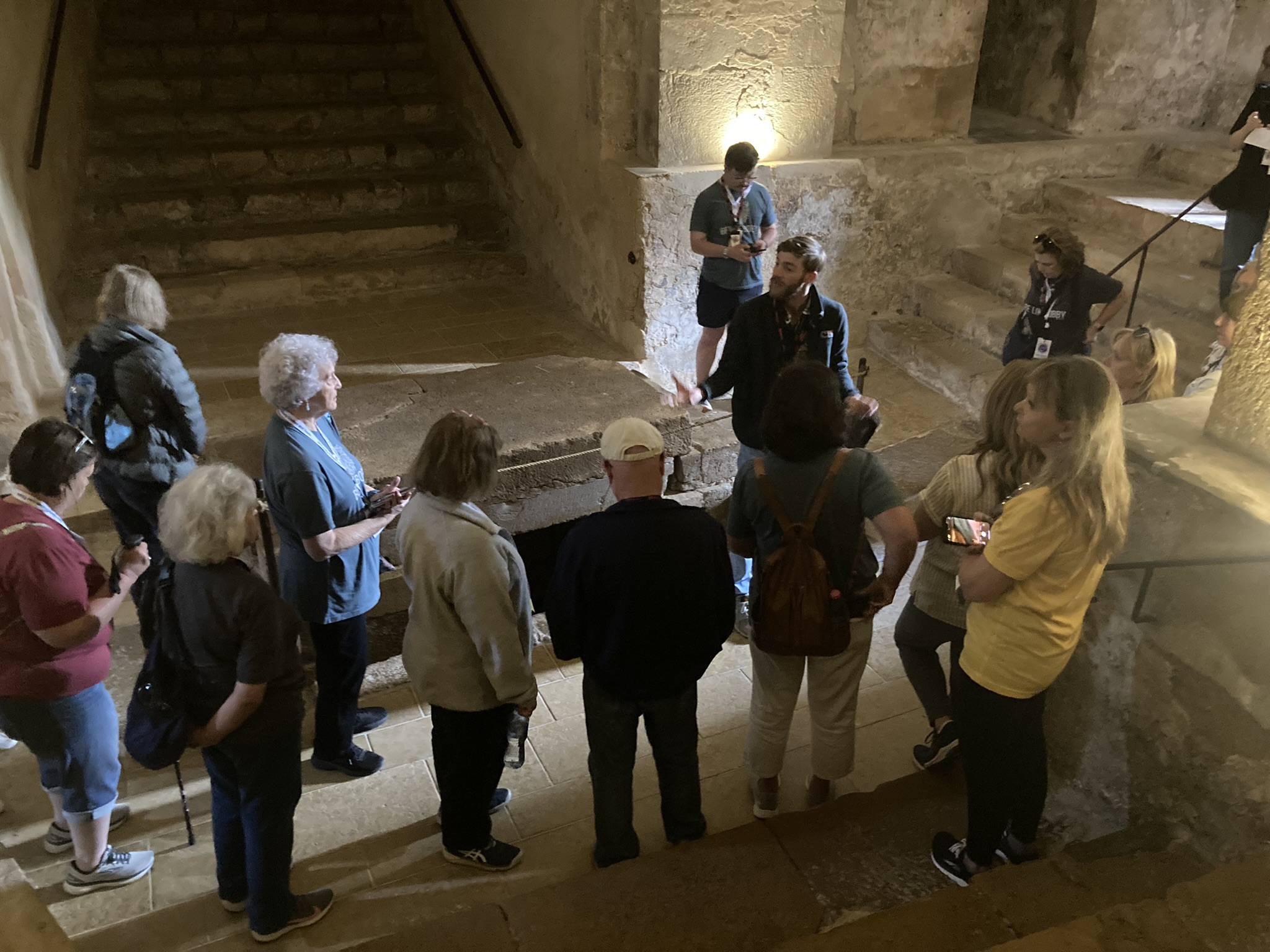
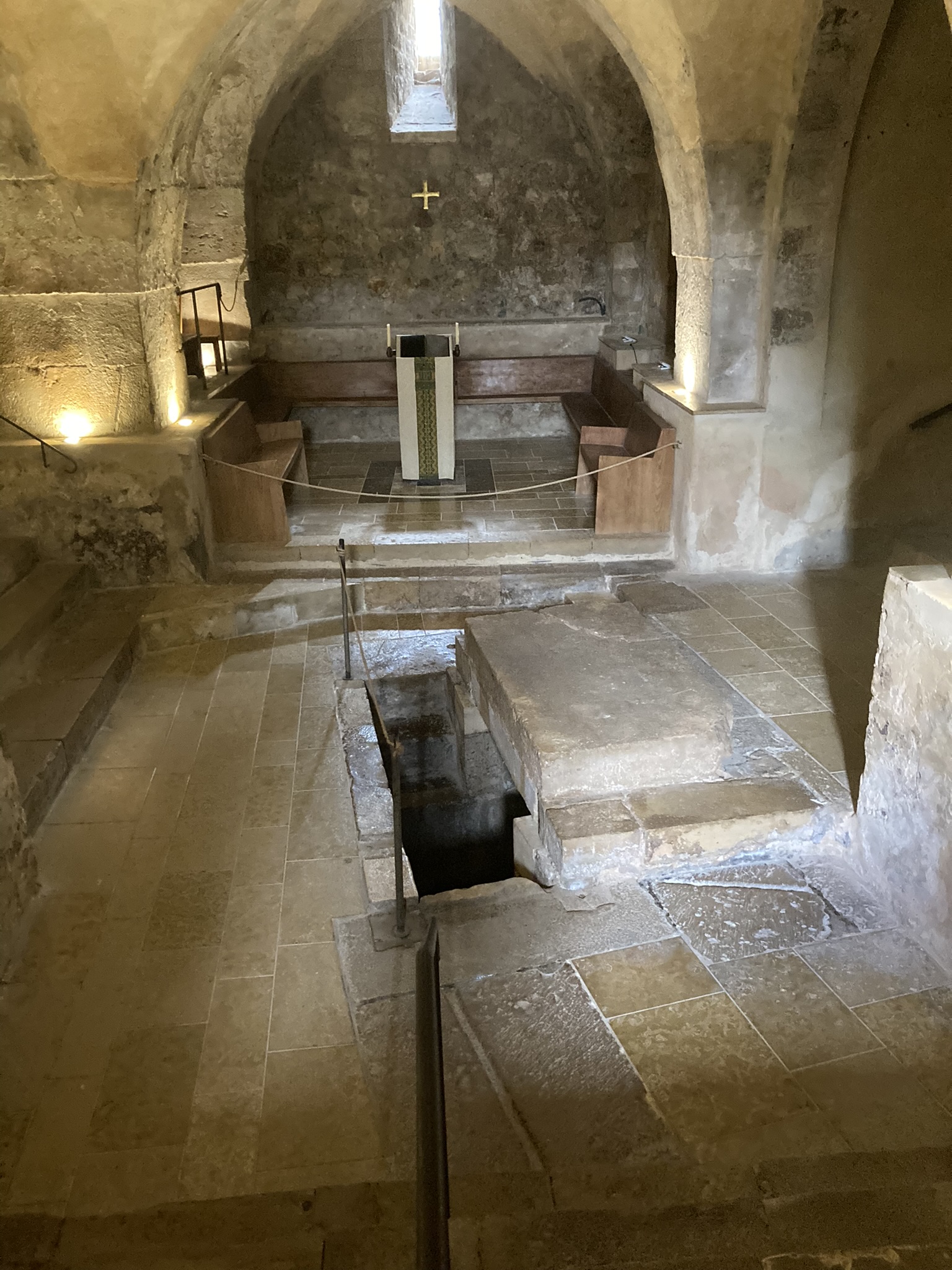
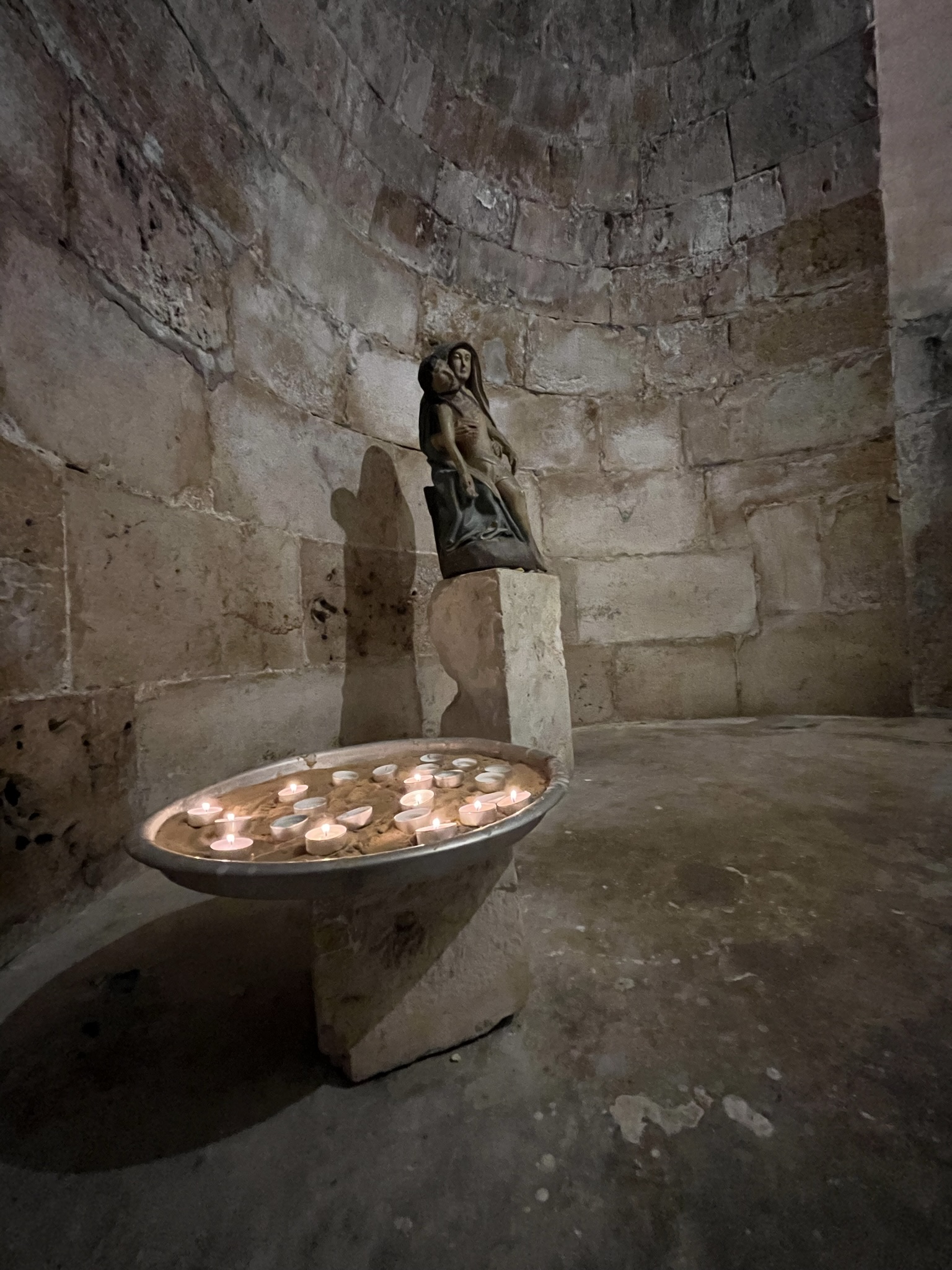
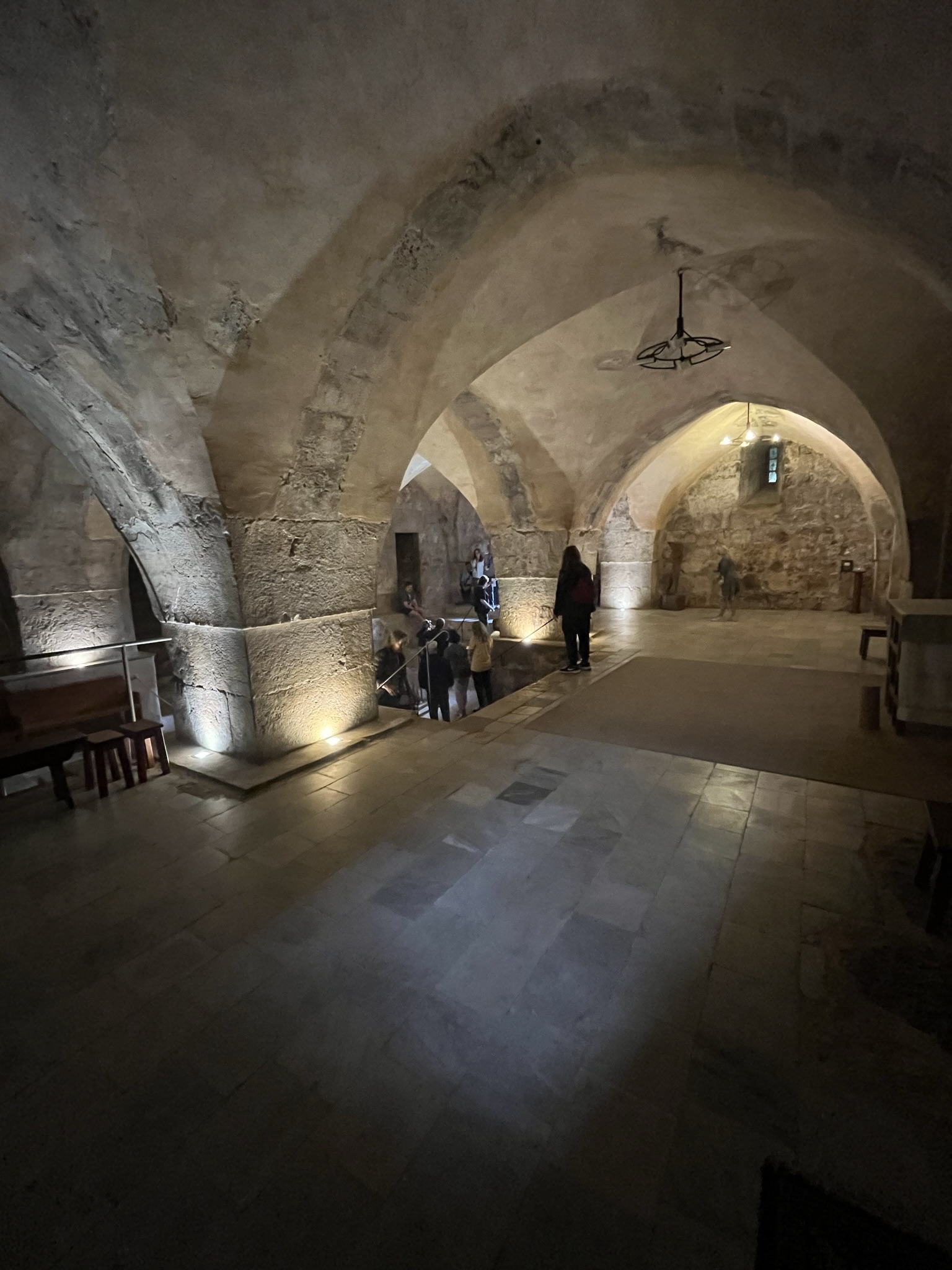
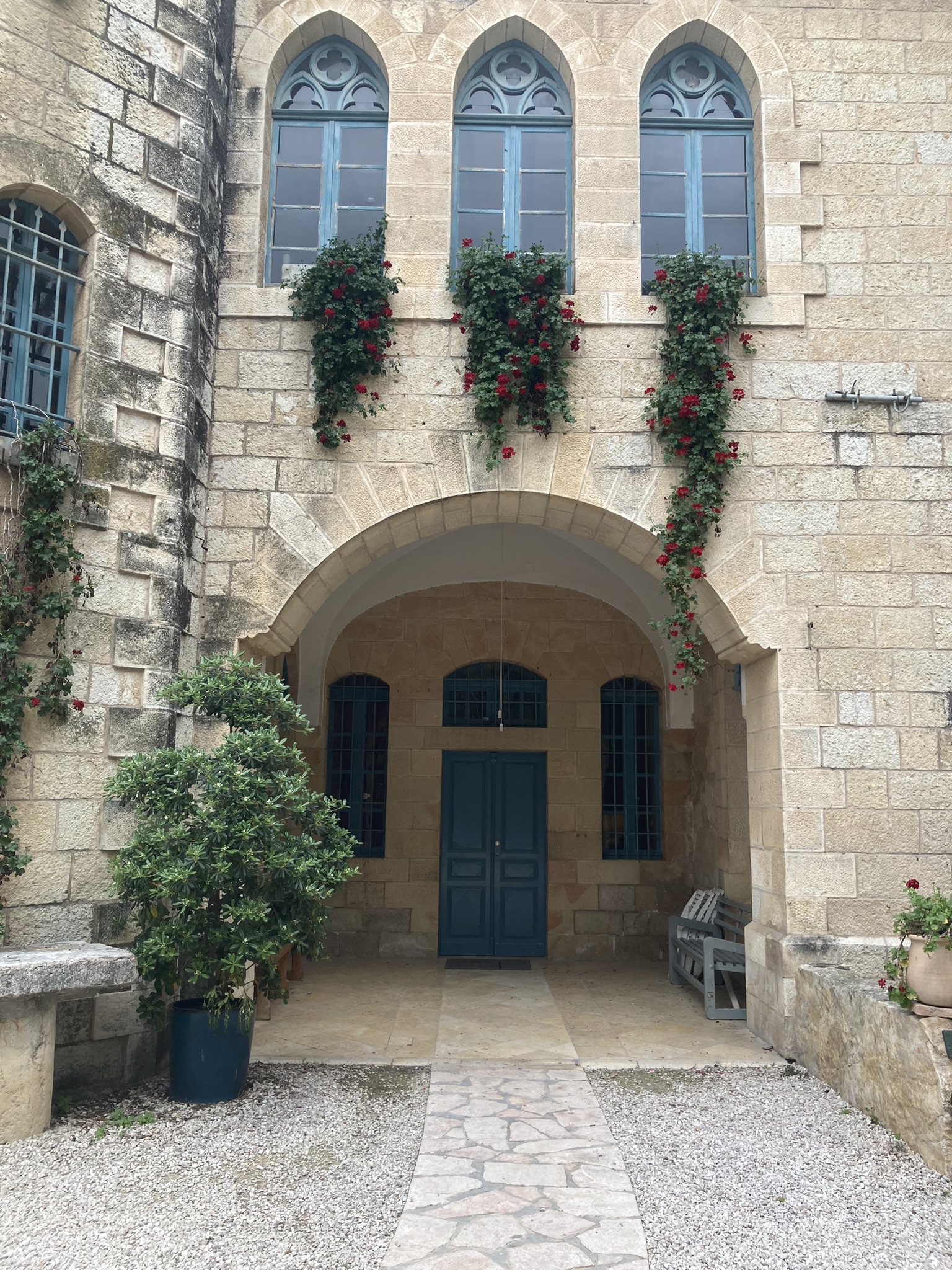
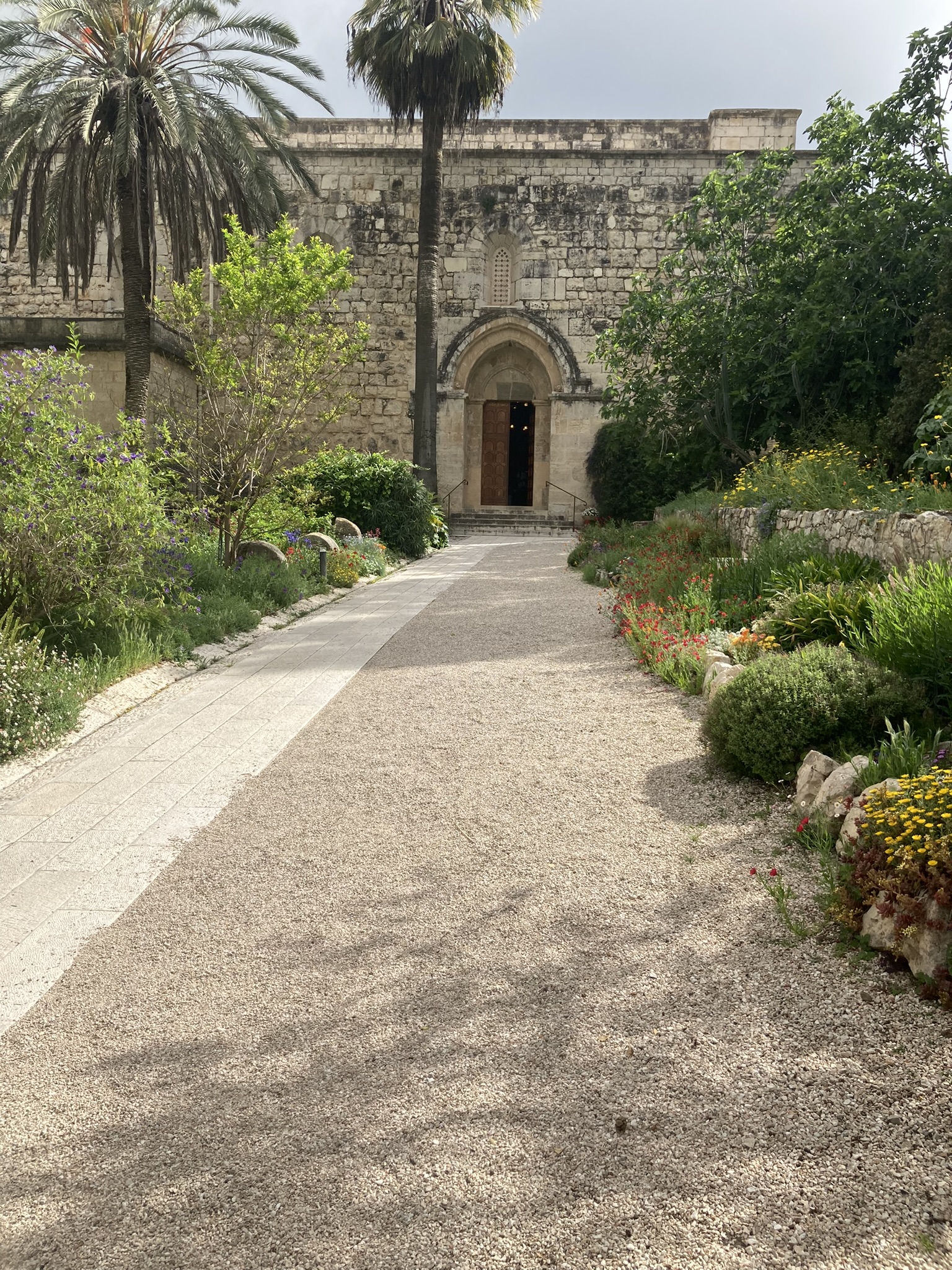
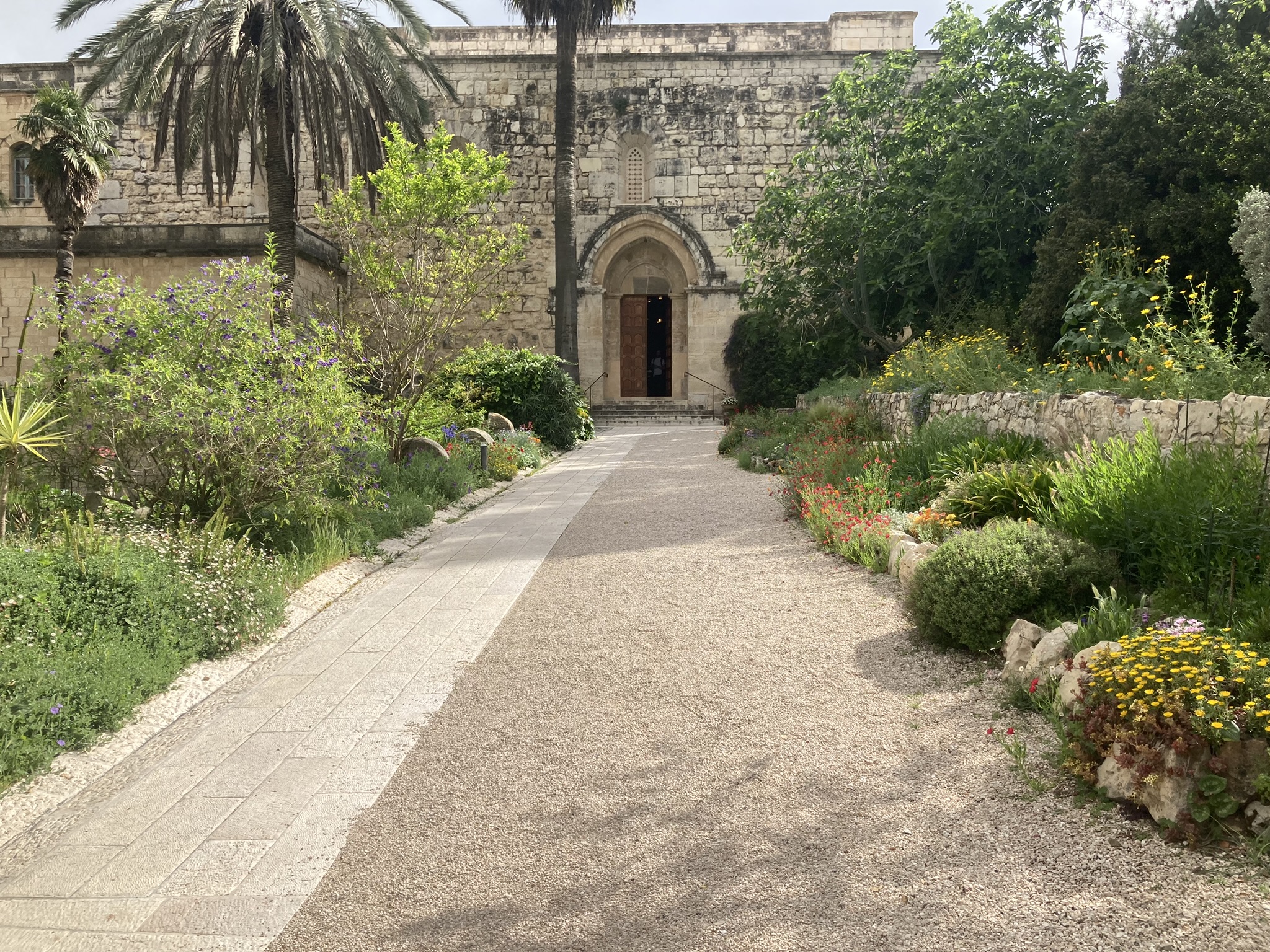
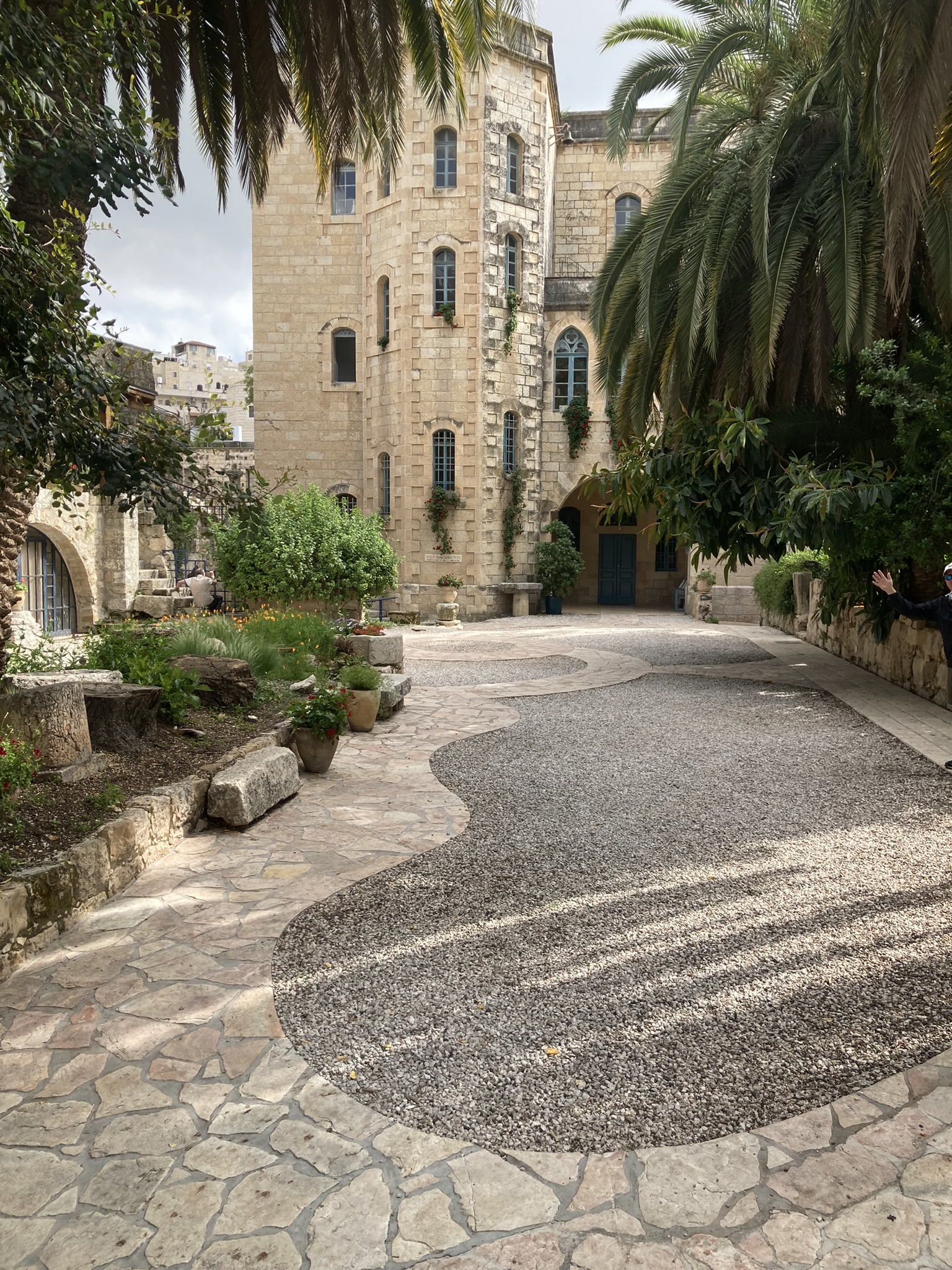
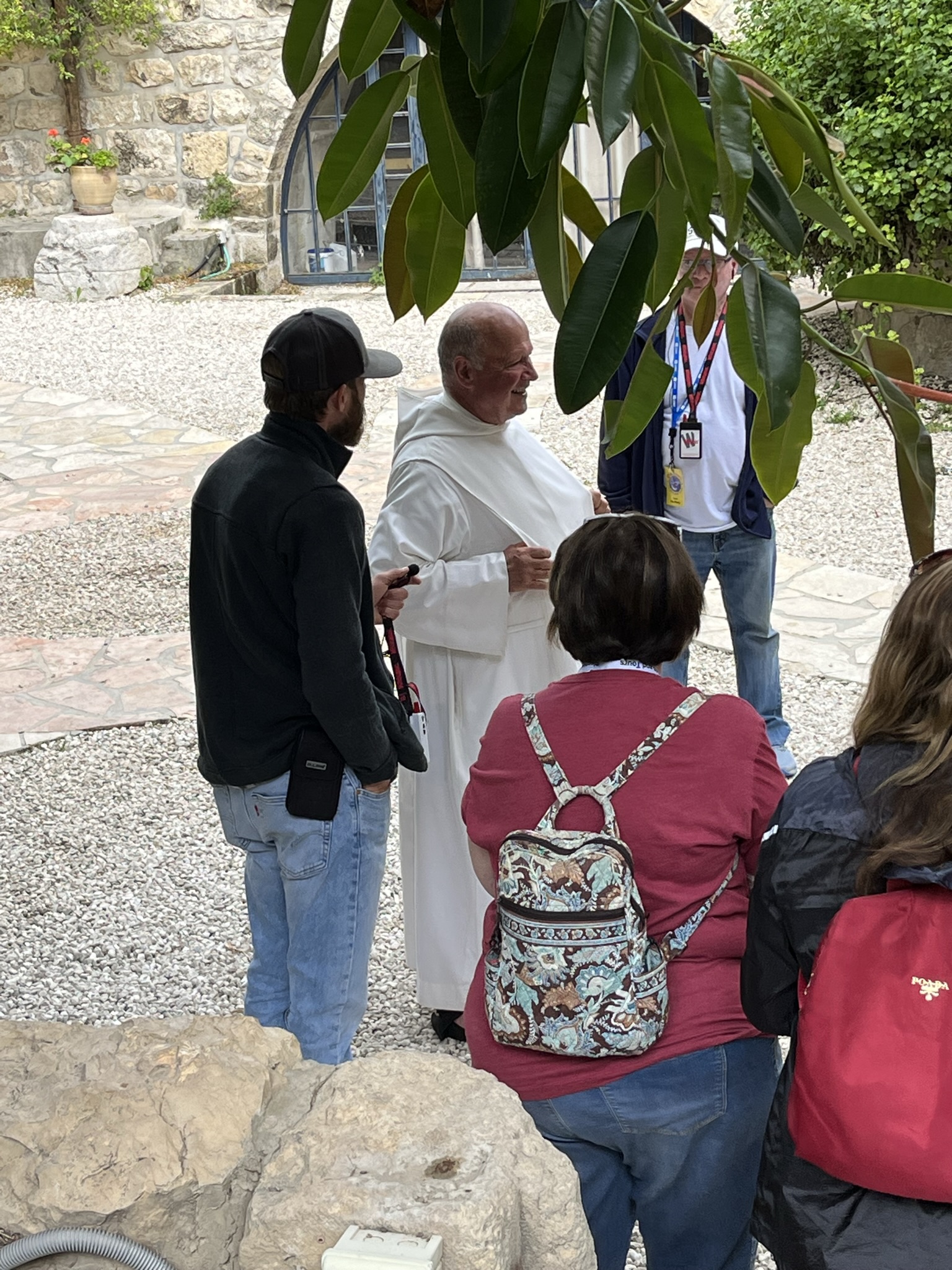
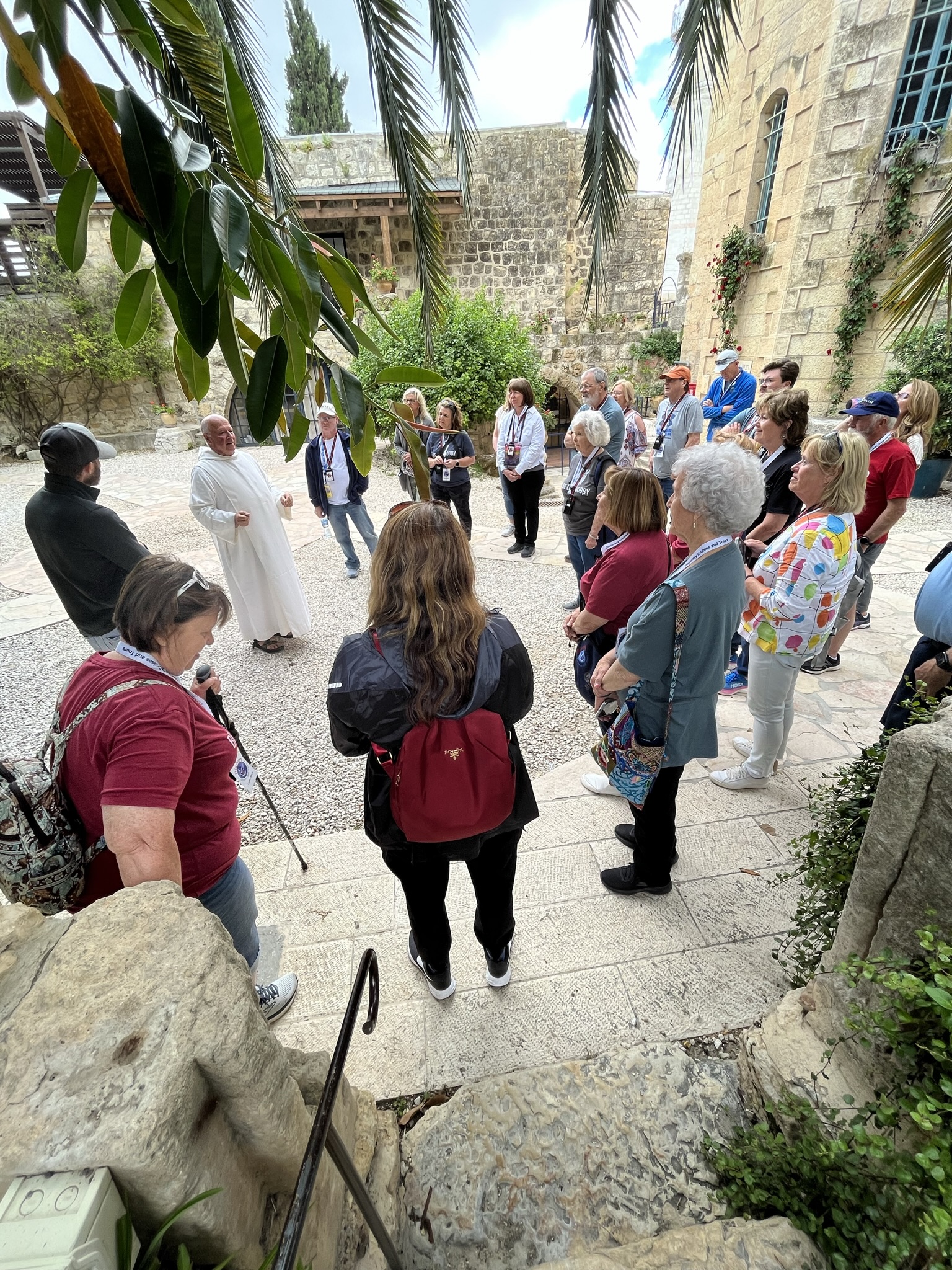
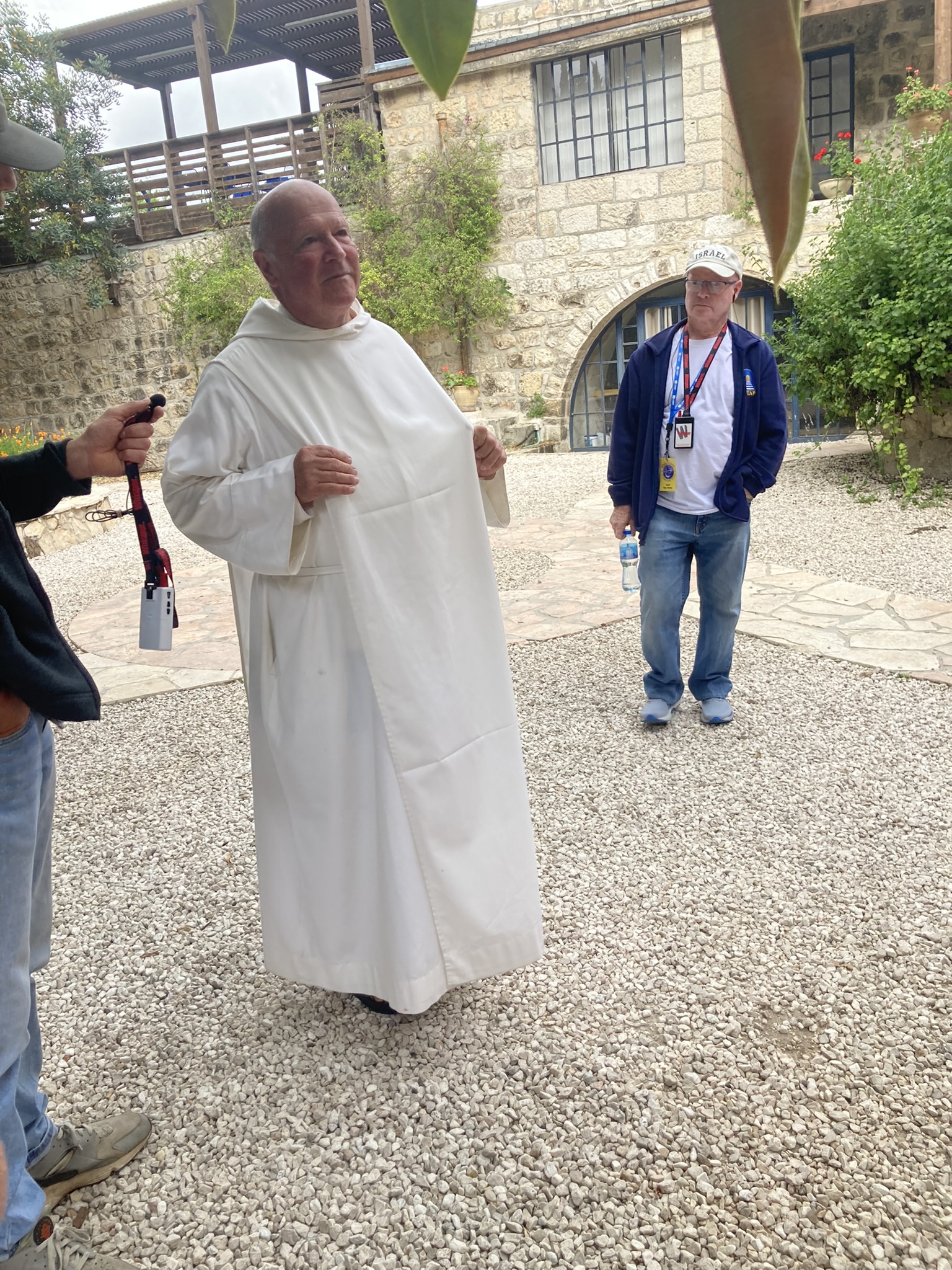
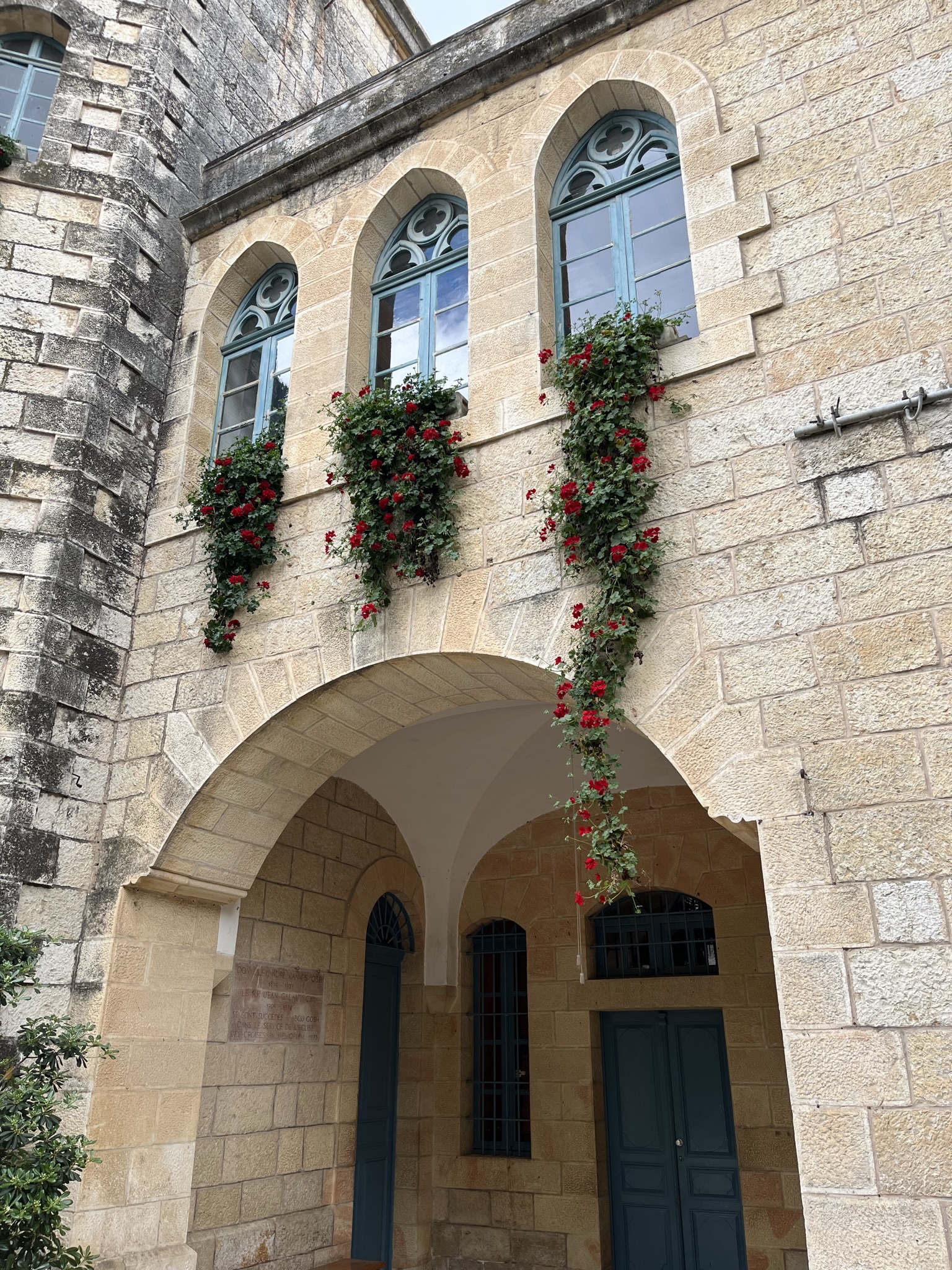
The Benedictine Abbey of Abu Gosh was our final stop of our tour and it was absolutely lovely. Starting in biblical times, the place had a name: Kyriat Yearim. The biblical city of “Kiriath Jearim” (another spelling) is best known for the house of Abinadab which held the Ark of the Covenant from the time of Samuel until the time of David. This is also considered to be the place where the “road to Emmaus” led the two discouraged disciples to their encounter with the risen Lord (Luke 24).















 Theresa Haigler