
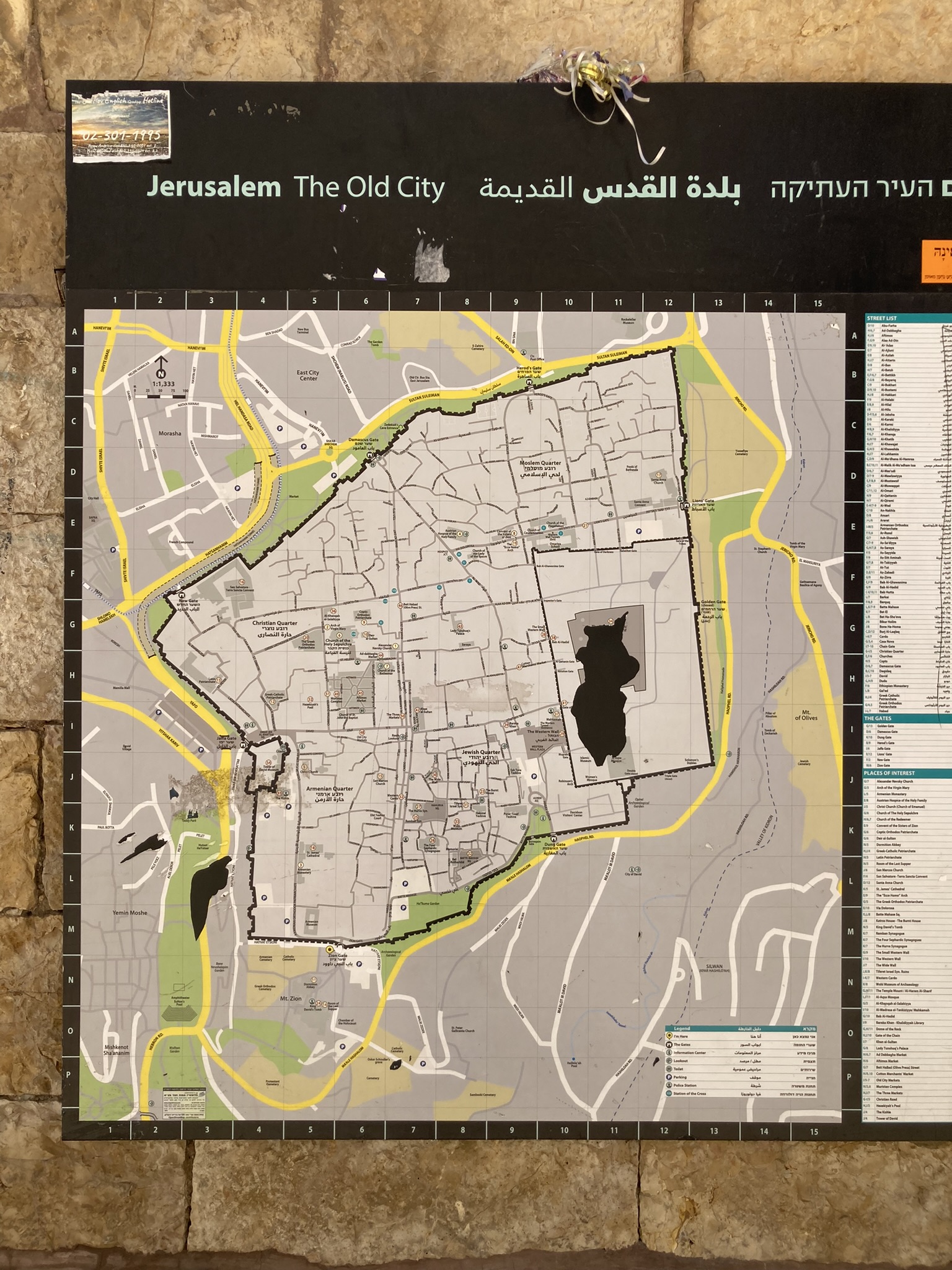
GOOGLE MAP: Jerusalem, Mount of Olives, Garden of Gethsemane, Zion Gate, The Old City, Western Wall
MOUNT OF OLIVES
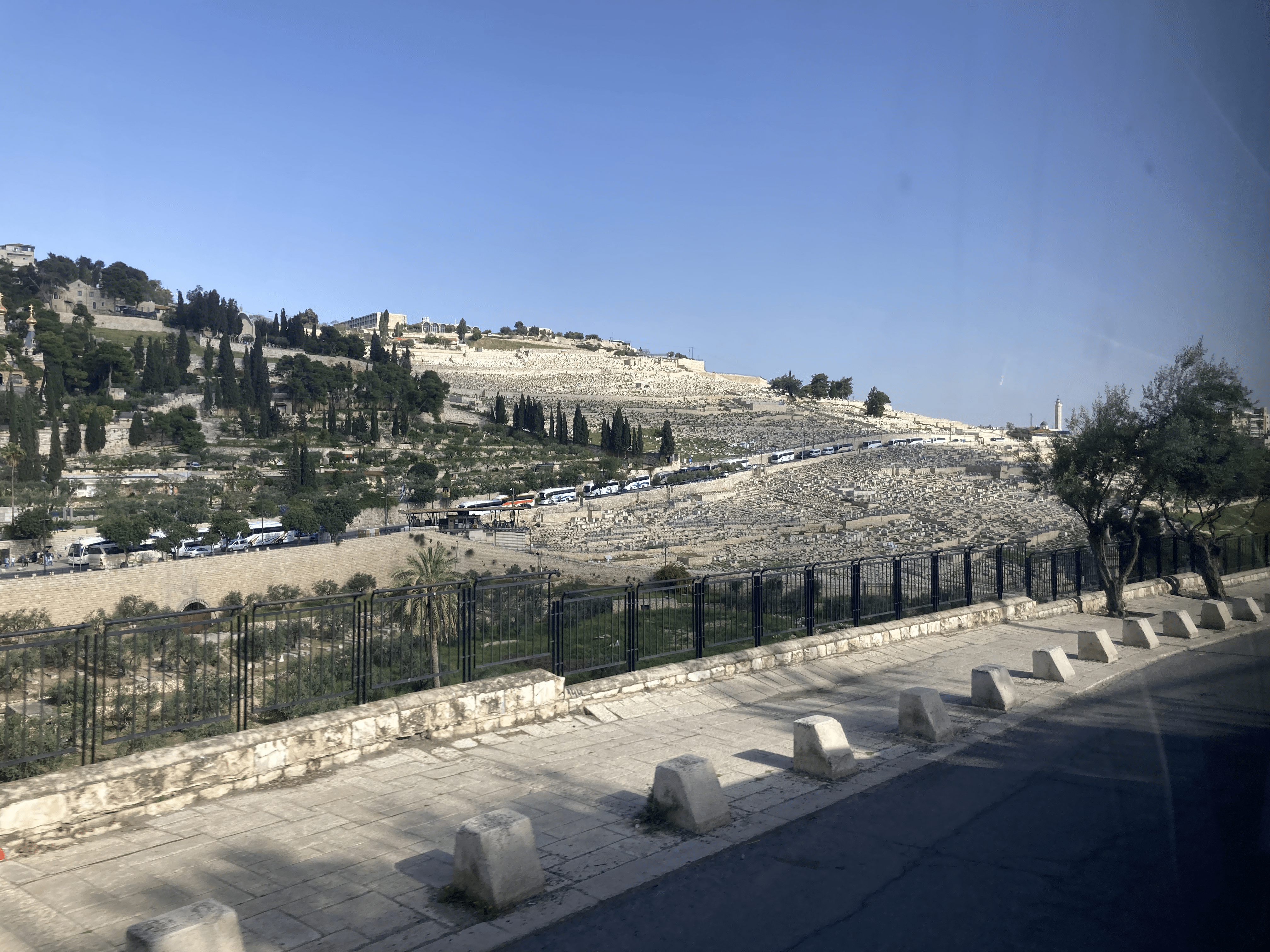
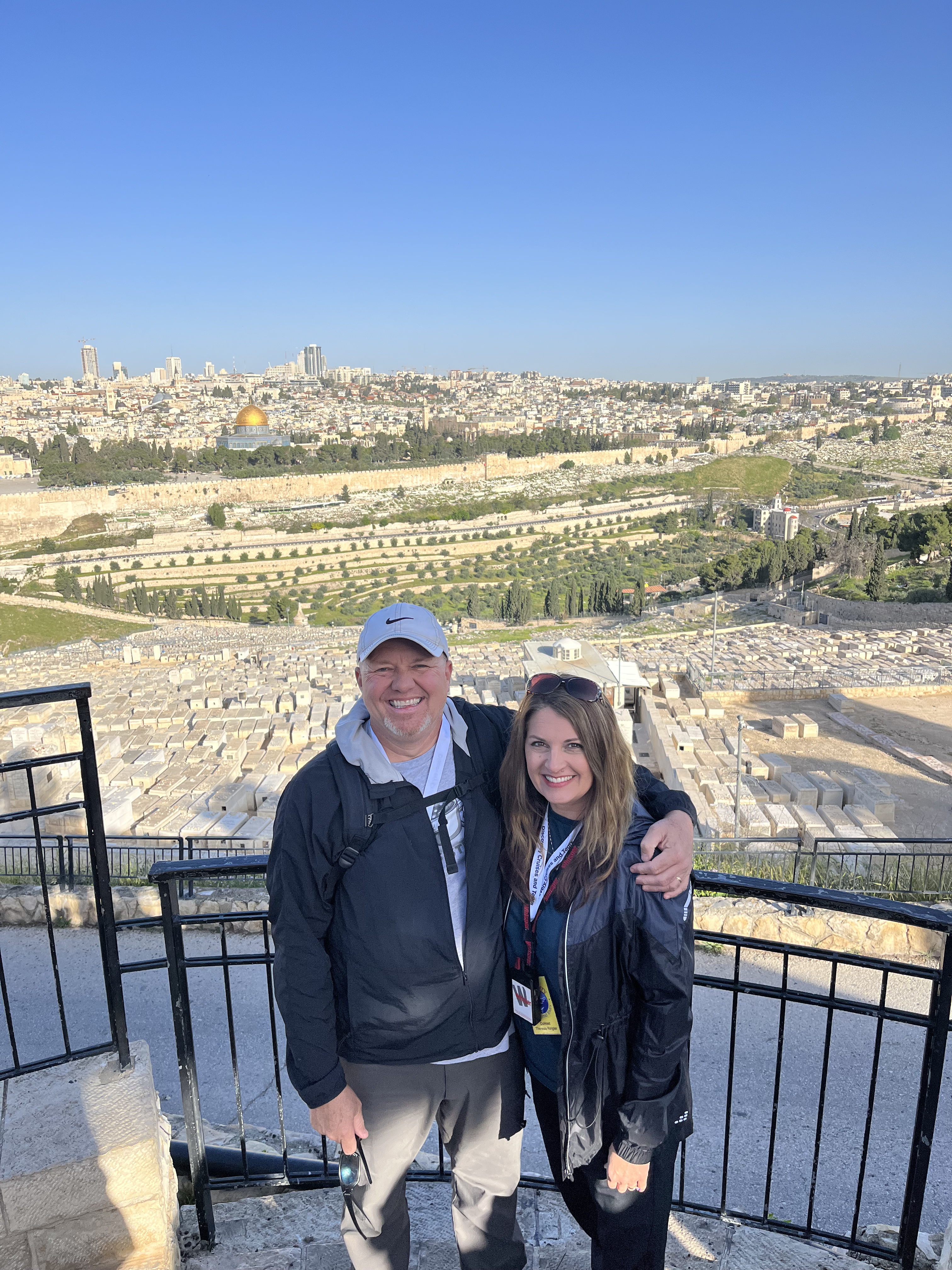
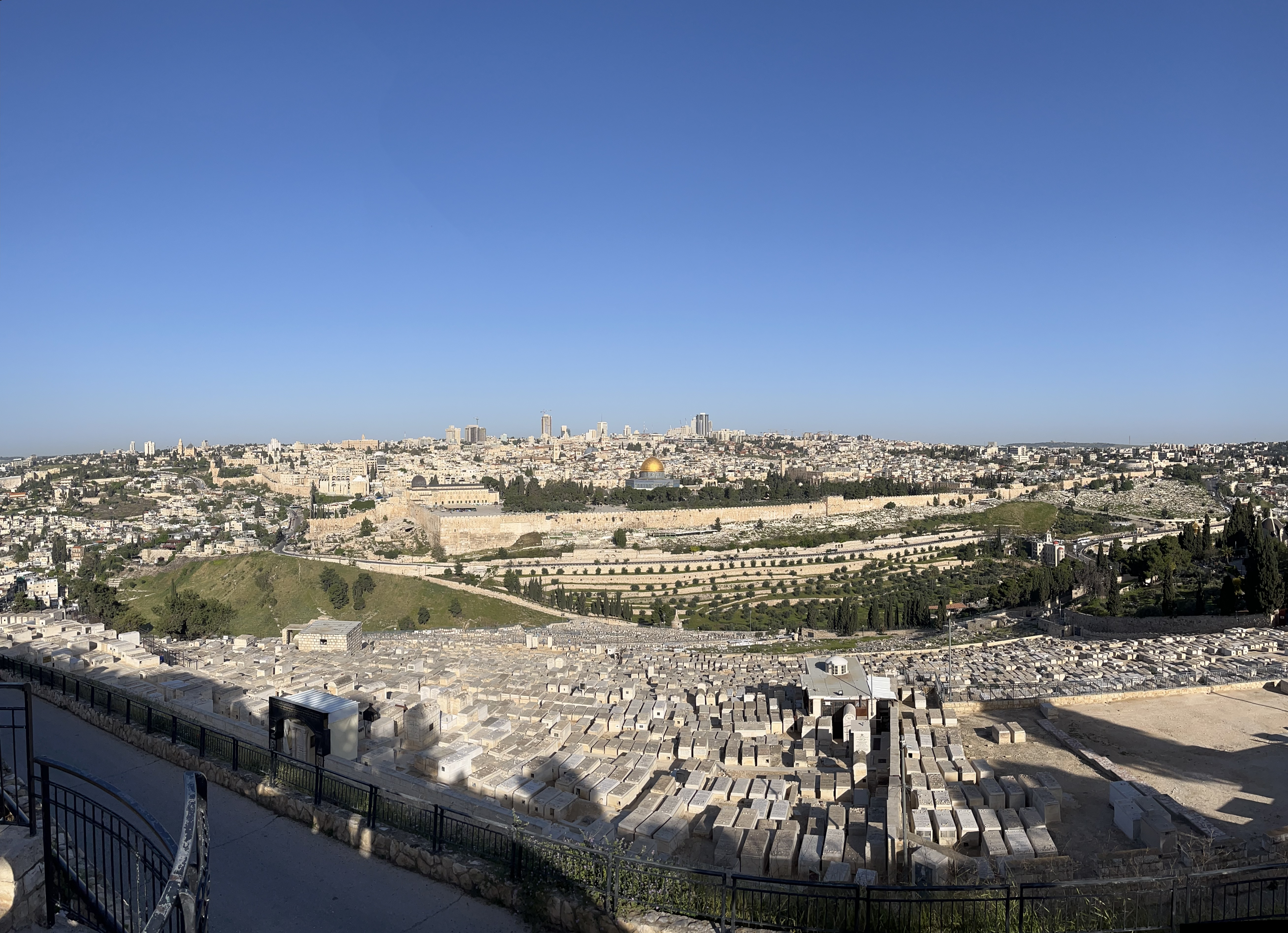
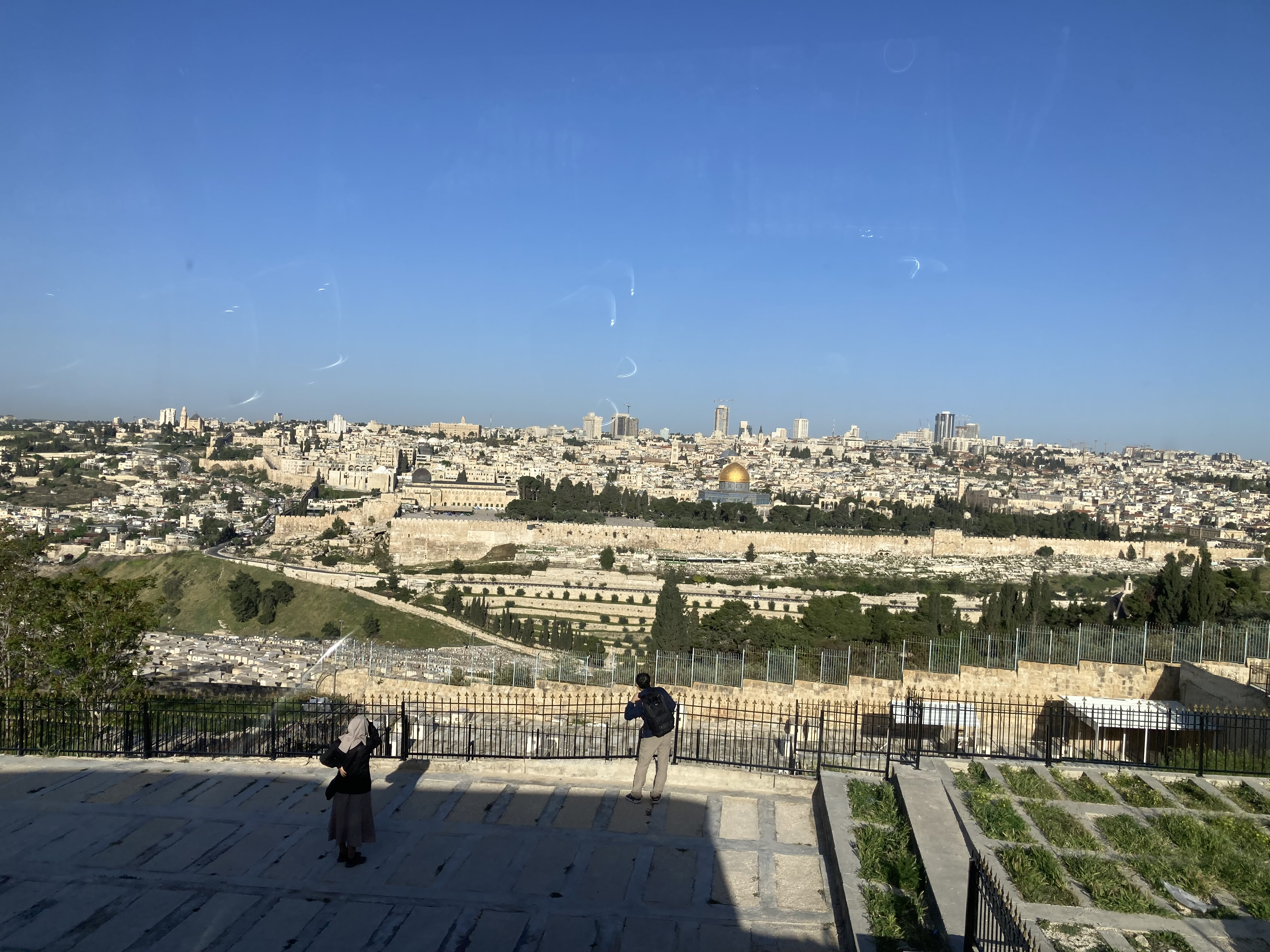
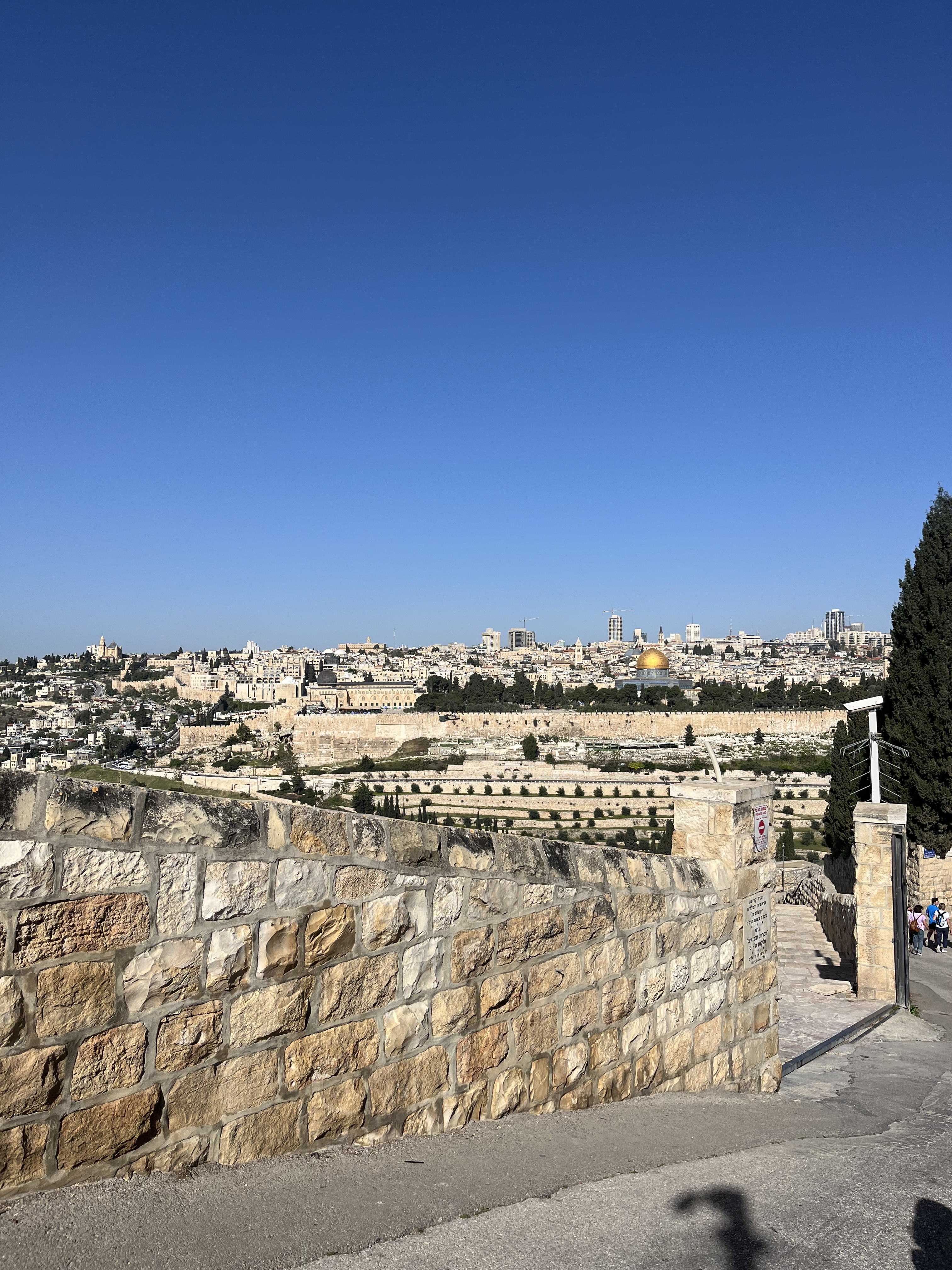
Also known as Olivet, Mount Olivet, Har HaZeitim. This area is known to one of the oldest cemeteries in the world. It is actually the oldest continuously used cemetery in the world. It is an honor to have a spot here today, and people who want to be buried here pay tens of thousands of dollars.
OLD TESTAMENT
The Mount of Olives is first mentioned in the Bible in 2 Samuel 15 when King David fled from his son Absalom:
30 But David continued up the Mount of Olives, weeping as he went; his head was covered and he was barefoot. All the people with him covered their heads too and were weeping as they went up. 31 Now David had been told, “Ahithophel is among the conspirators with Absalom.” So David prayed, “Lord, turn Ahithophel’s counsel into foolishness.” 32 When David arrived at the summit, where people used to worship God, Hushai the Arkite was there to meet him, his robe torn and dust on his head. 2 Samuel 15:30-32
It is also referred to in Zechariah in the prophecy of the end of days as the location where the Lord’s “feet will stand on the Mount of Olives, east of Jerusalem, and the Mount of Olives will be split in two from east to west, forming a great valley, with half of the mountain moving north and half moving south.” Zechariah 14:4
NEW TESTAMENT
Jesus entered Jerusalem from the Mount of Olives for His “Triumphal Entry” on Palm Sunday. Today the road is known as the Palm Sunday Path. Jesus entered the Eastern Gate into the Temple area riding on a donkey. This is the same day that all of Jerusalem was choosing their Passover Lamb to be sacrificed in the next several days. Jesus would ascend the Temple Mount as a willing sacrifice just as Isaac did on this same mountain centuries before. Luke 19:28-44, Zechariah 9:9
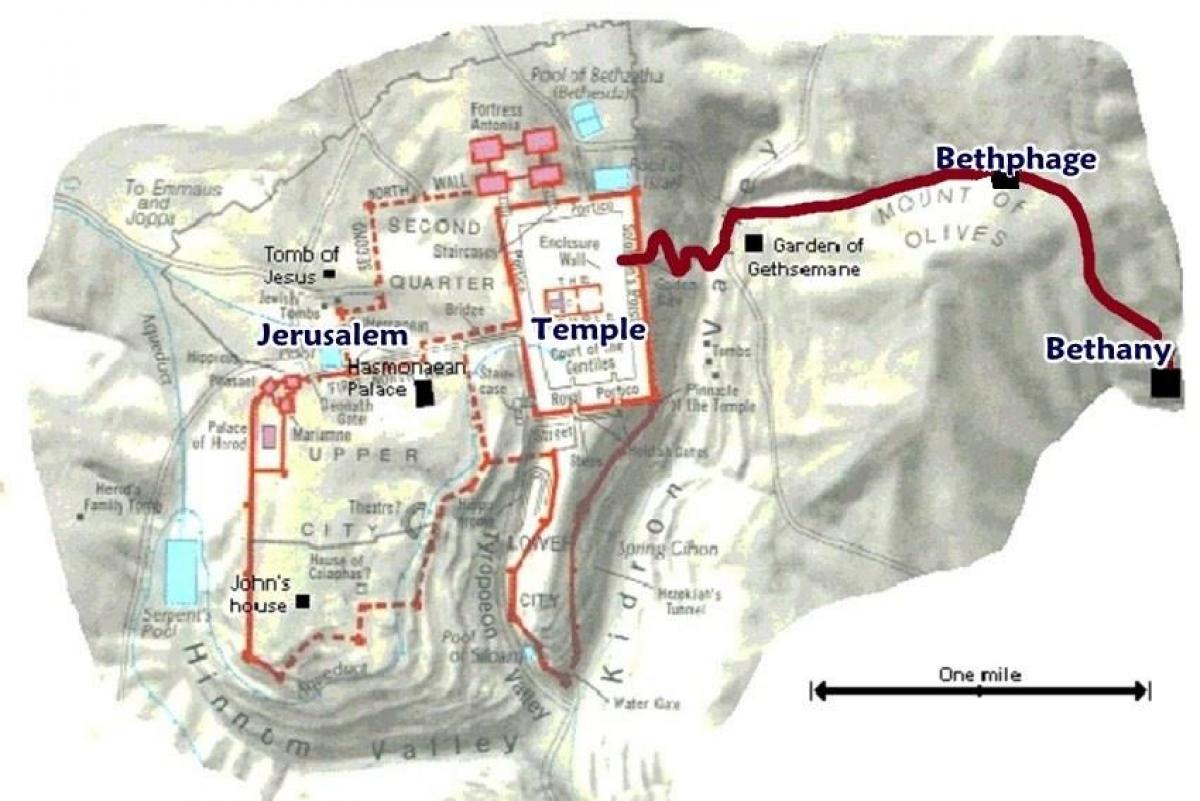
That evening Jesus left the Temple and went back to Bethany just across the Mount of Olives to spend the night. On His way back in the morning, he saw a fig tree not producing fruit and cursed it. Matthew 21:17-22
This is the location where Jesus ascended into Heaven in a cloud with the disciples looking up into the sky. A couple of angels appeared informing them that Jesus would come back the same way He left. This confirms the prophecy in Zechariah that is yet to come. Acts 1:4-14



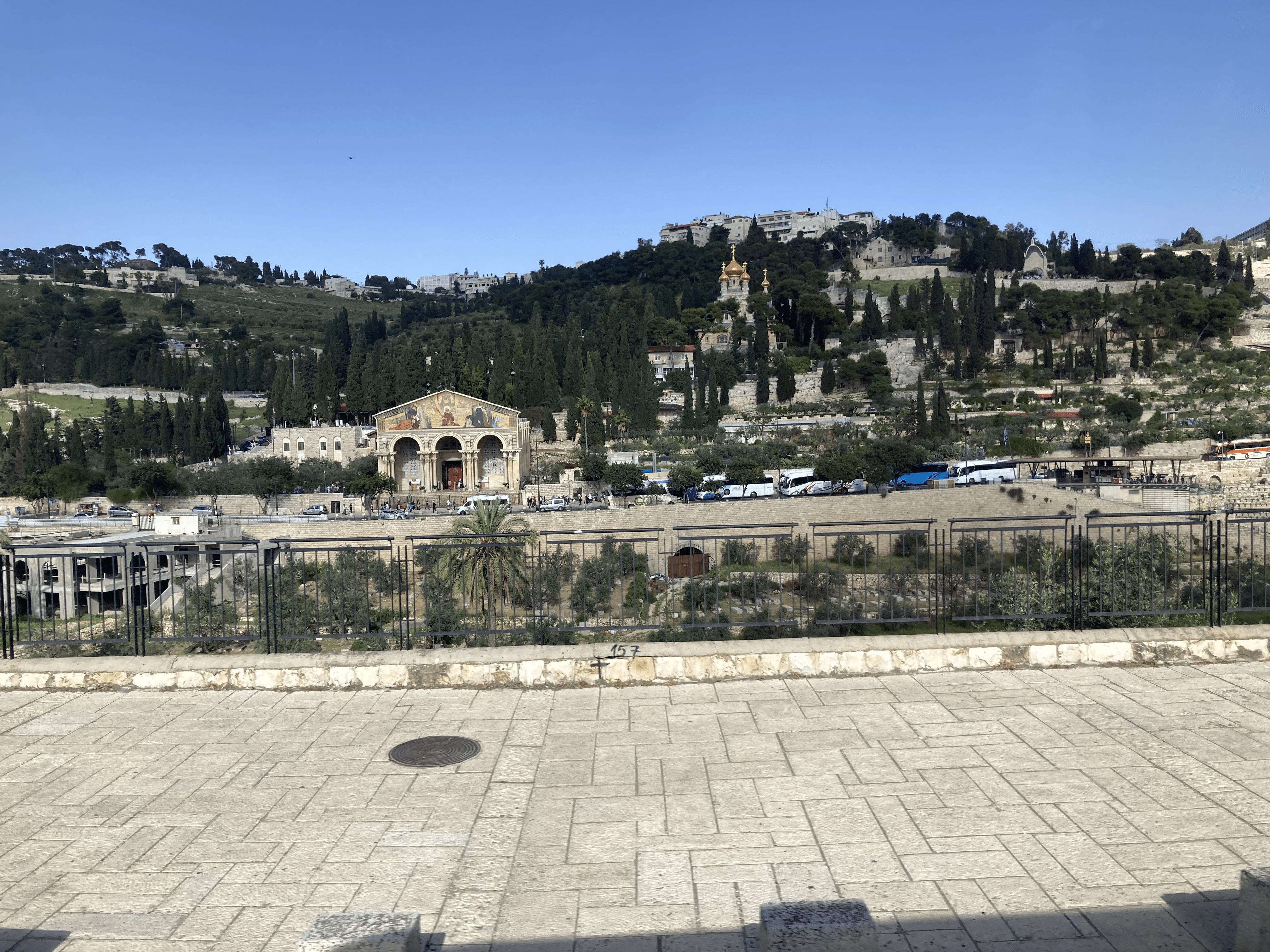




GARDEN OF GETHSEMANE
The word gethsemane is derived from two Hebrew words: gat, which means “a place for pressing oil (or wine)” and shemanim, which means “oils.”
It was here that Jesus prayed three times with His disciples before His crucifixion. He asked three times if it was possible for “this cup” to be removed. He was referring to the Cups of Passover that He would have to fulfill. The second of the four cups is called the Cup of Plagues or the Cup of Judgment. Some refer to it as the Cup of Deliverance. It depends on your viewpoint. For Egypt is was judgment. For Israel it was deliverance. During this part of the Passover seder, the participants dip their finger in the cup ten times and spill the drops of wine on their plate as they recite all the plagues. It is not a coincidence that Luke mentions that Jesus’ “sweat was like drops of blood falling to the ground” as He endured the three part process of this Oil Press. Luke 22:39-44
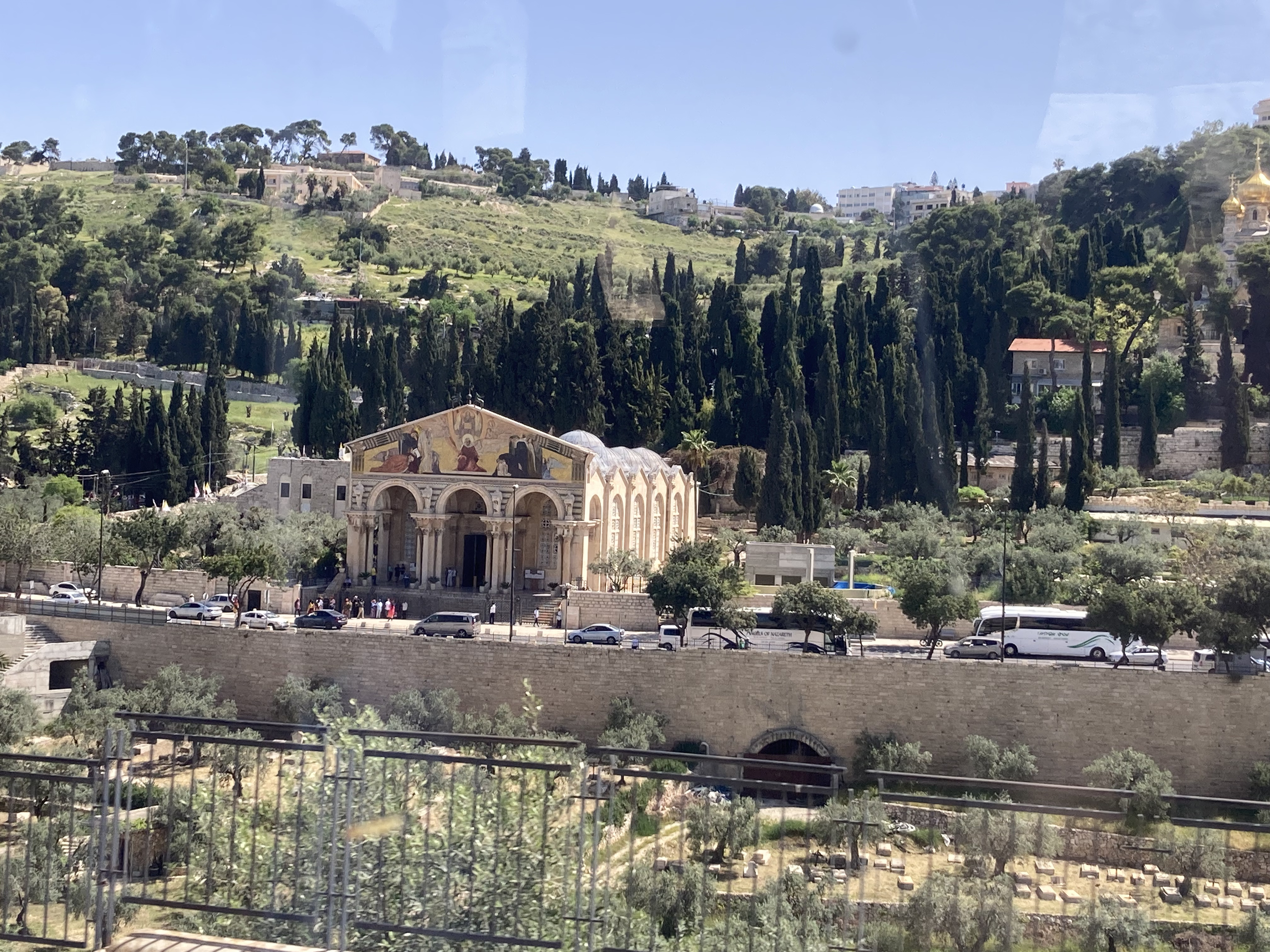
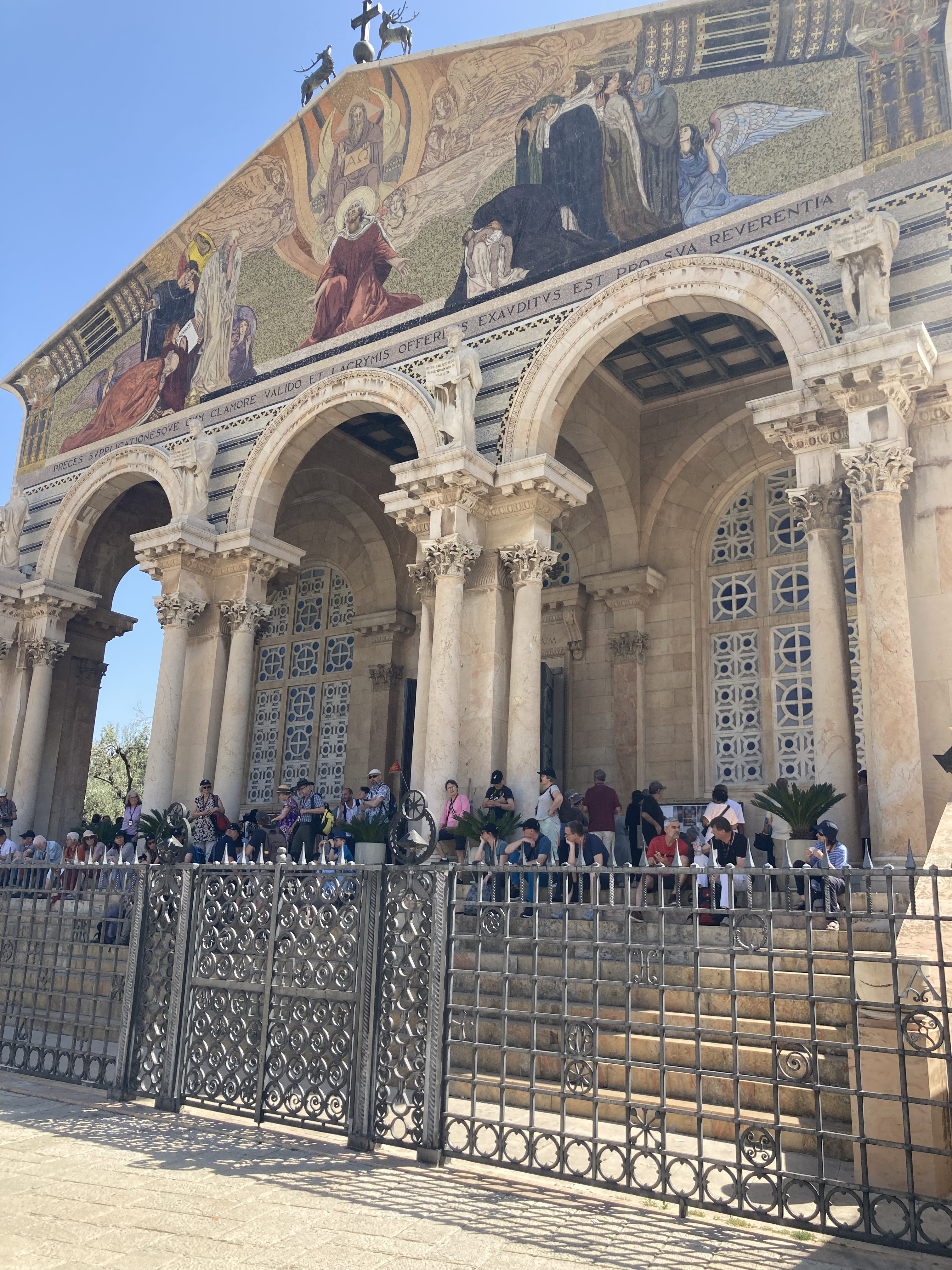



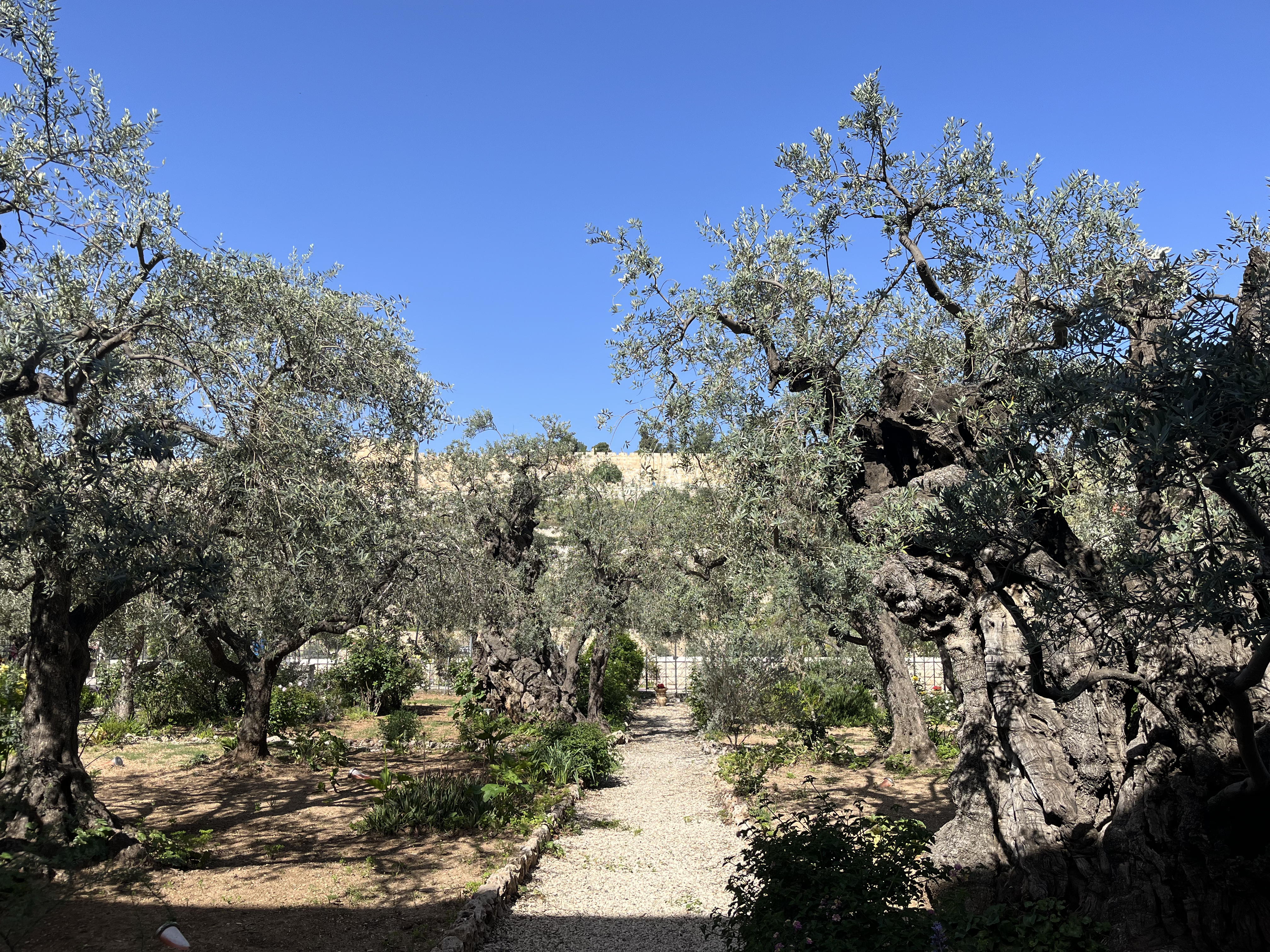


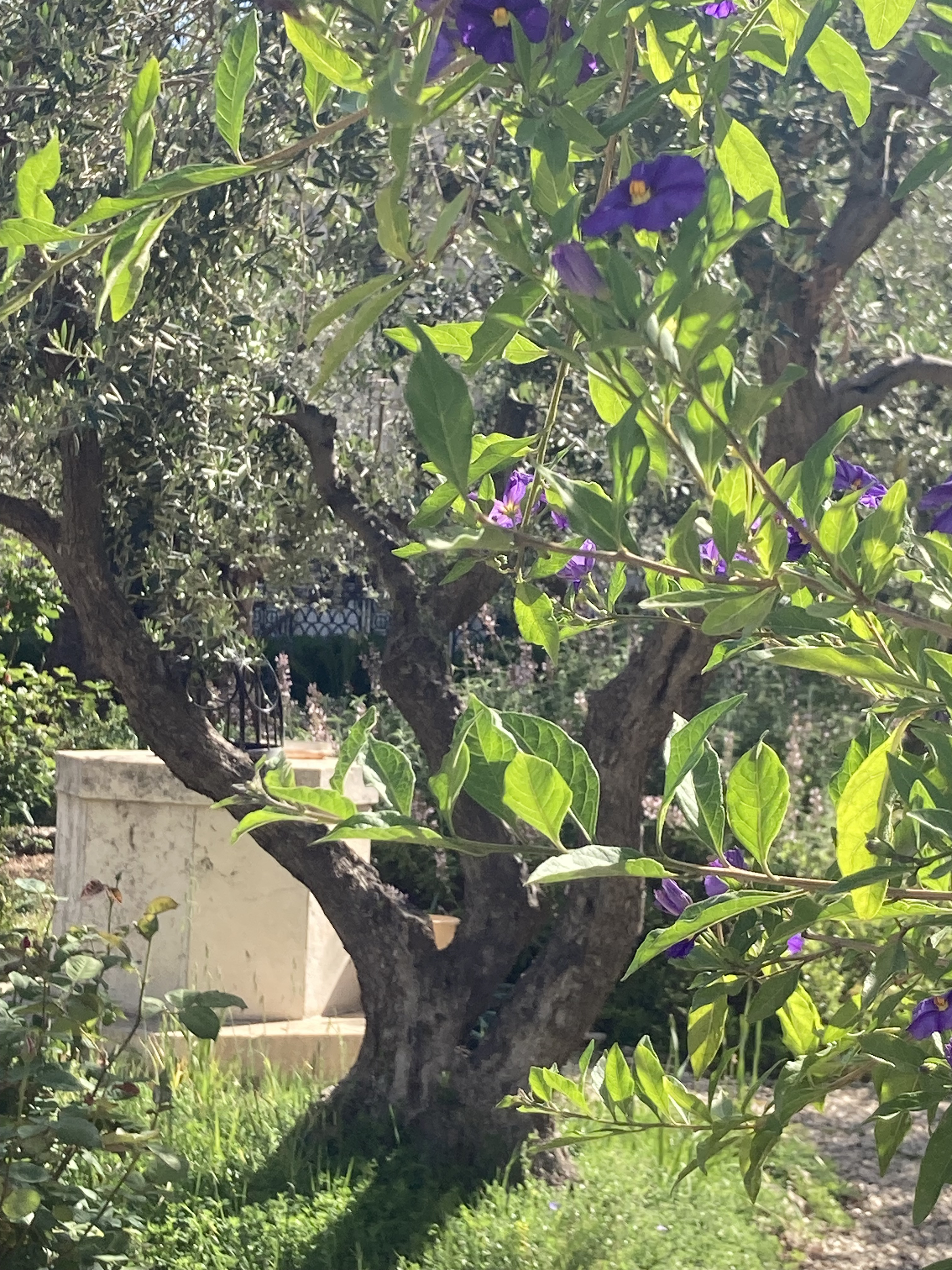
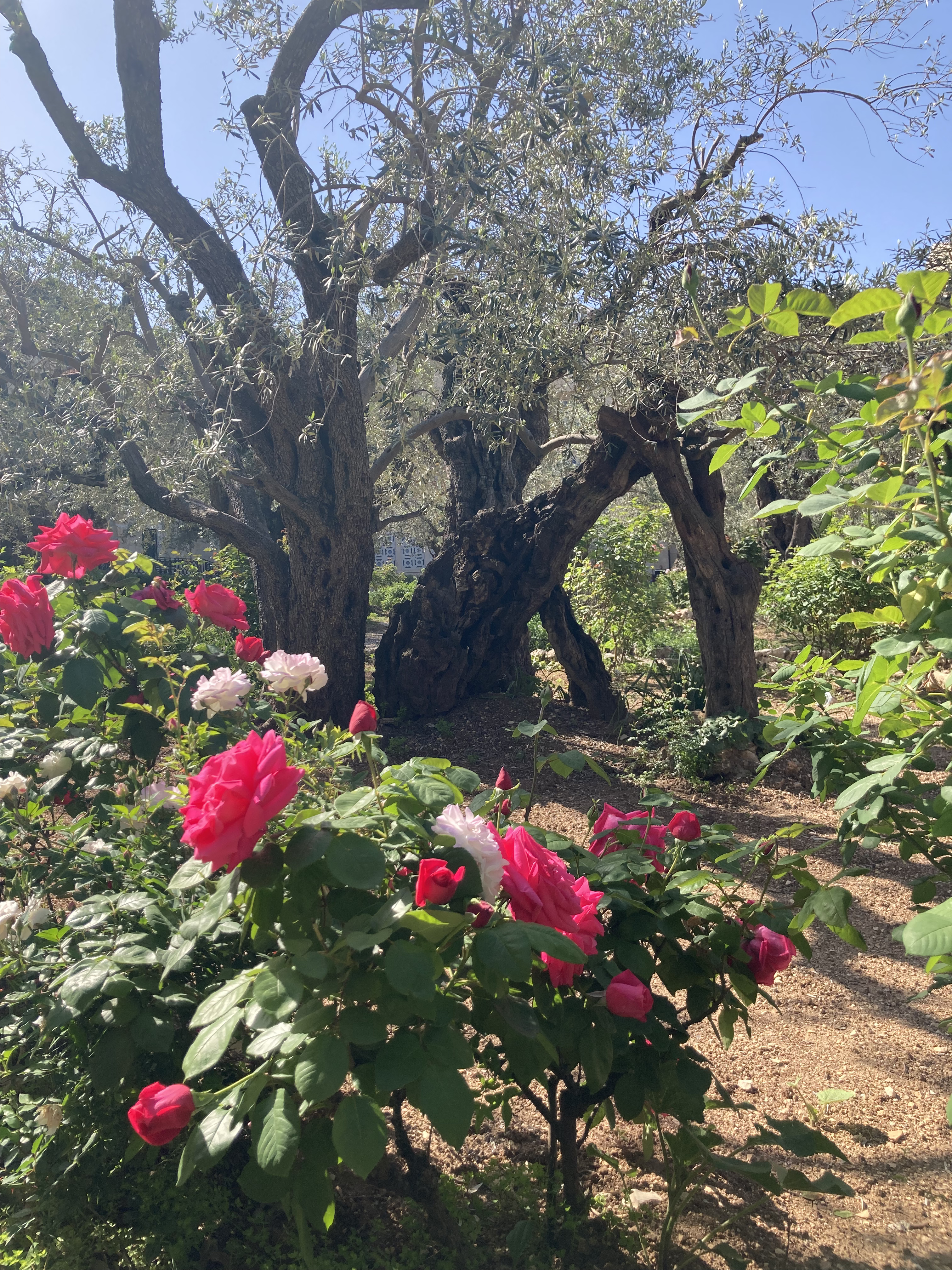
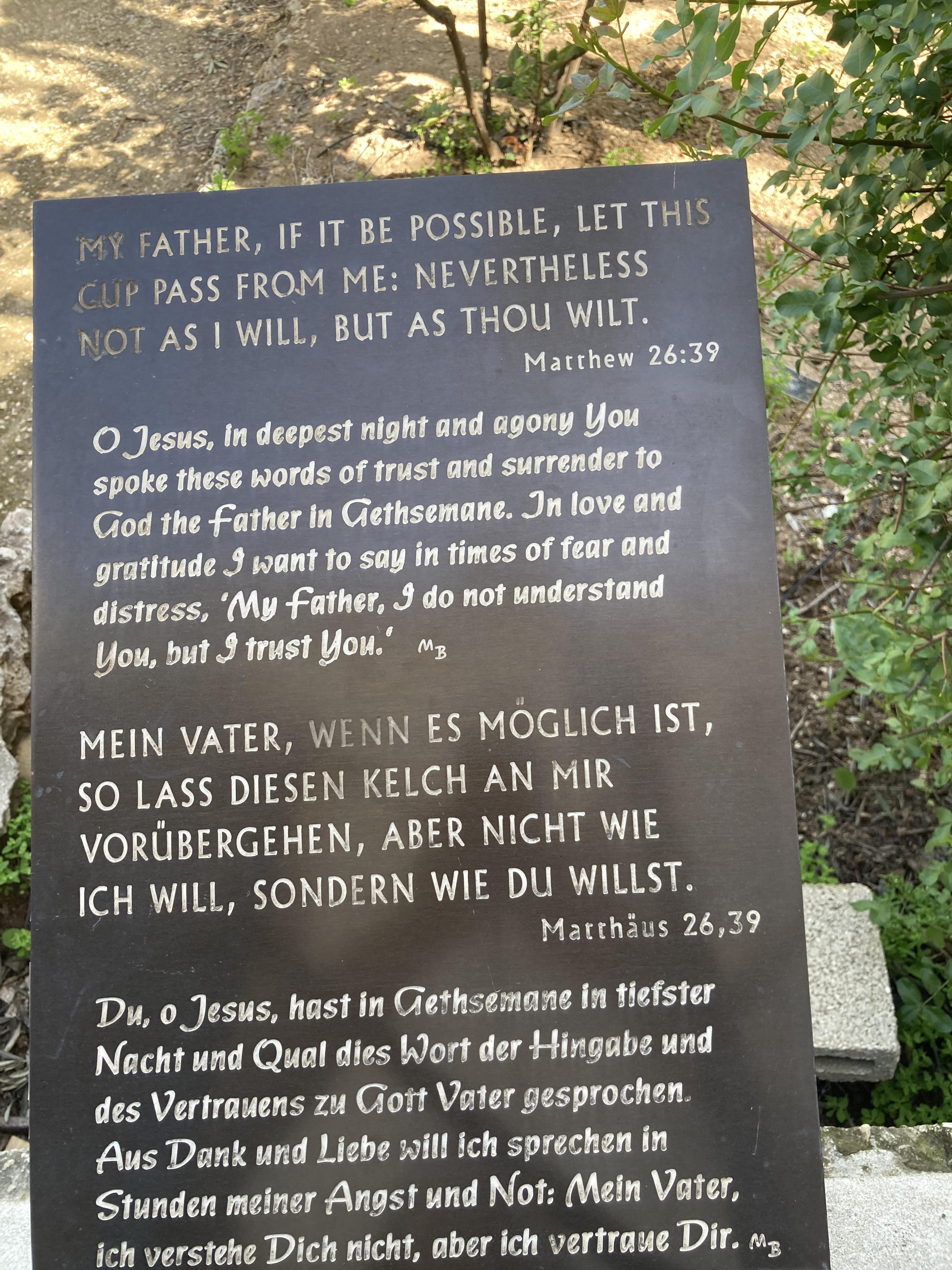
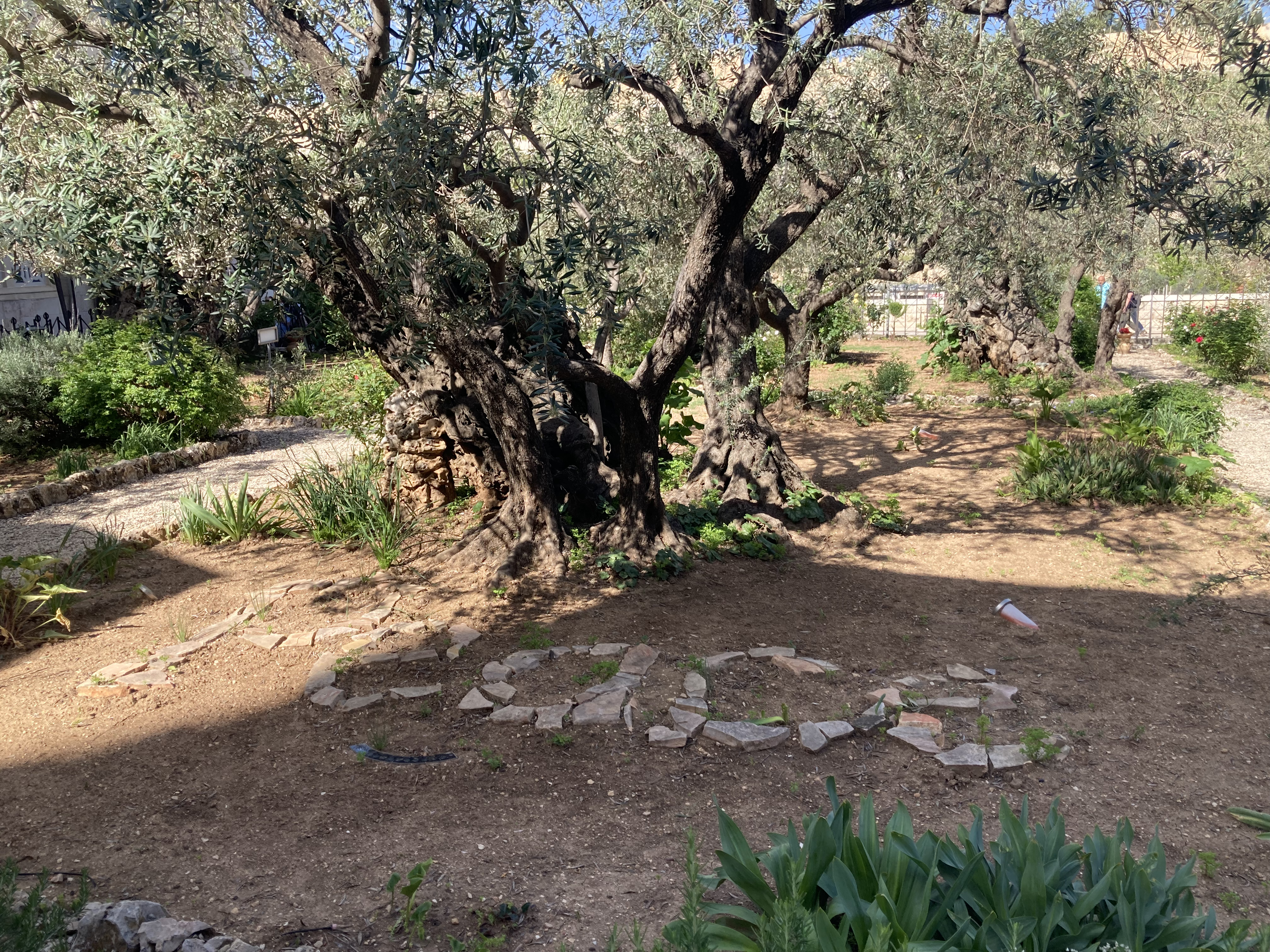

See Life in the Holy Land – Garden of Gethsemane to view old photos.
OLD CITY
The walls and gates of the Old City have changed throughout the centuries. During different periods, the city walls followed different outlines and had a varying number of gates. The gates as we have them today were, for the most part, built or renovated by the Ottomans in the 1500’s AD. It is said that they are at least built on the foundations of the previous walls and gates.
We traveled from the Garden of Gethsemane to the Old City where the House of Caiaphas was located. This would’ve been the trek for Jesus when He was arrested. There were many excavations happening at the time we were there and you can see those in the photos. While Jesus was inside being interrogated by the High Priest, Peter was outside busy denying Jesus by the fire. There is a statue there with a rooster at the top.


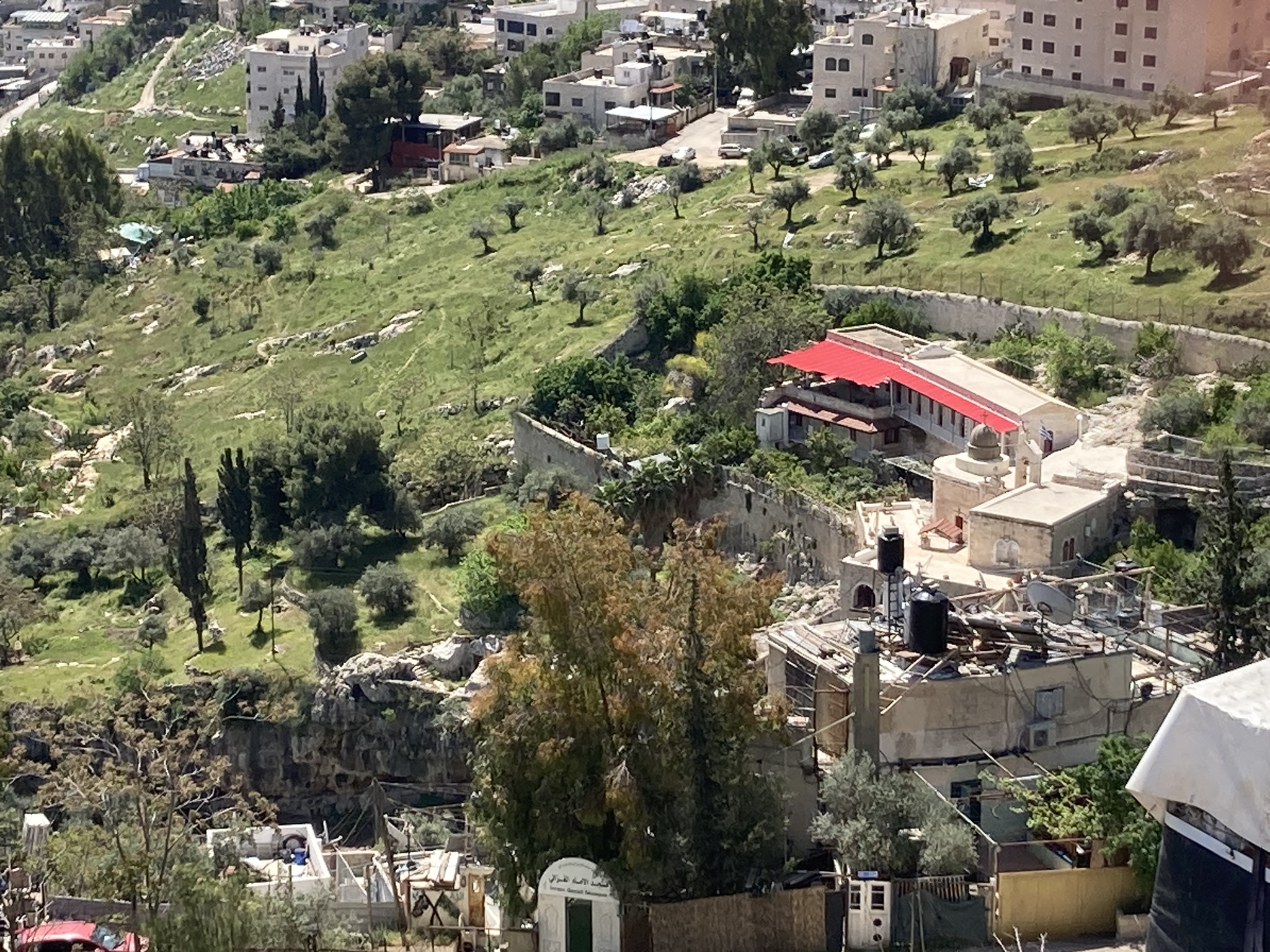
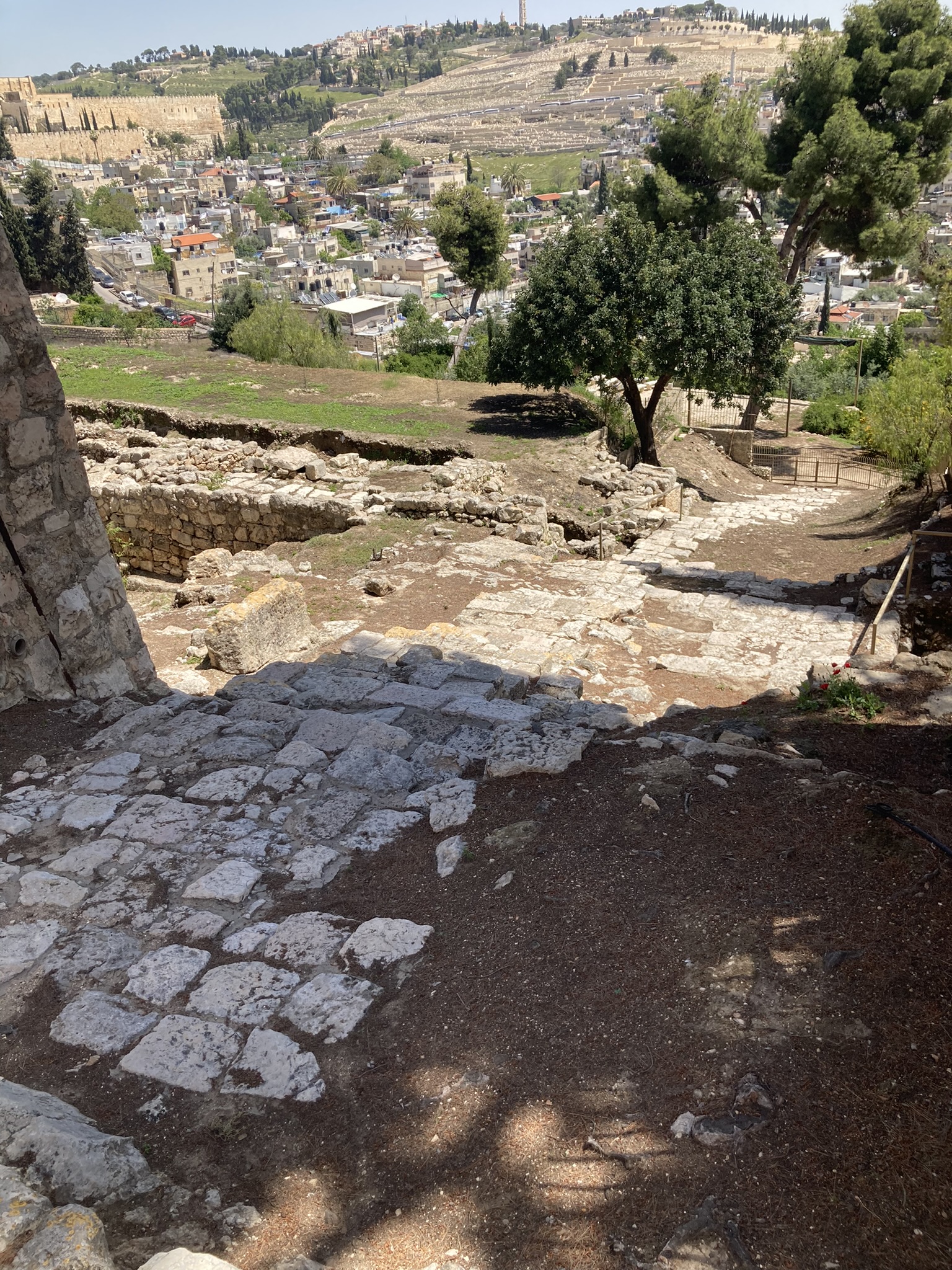
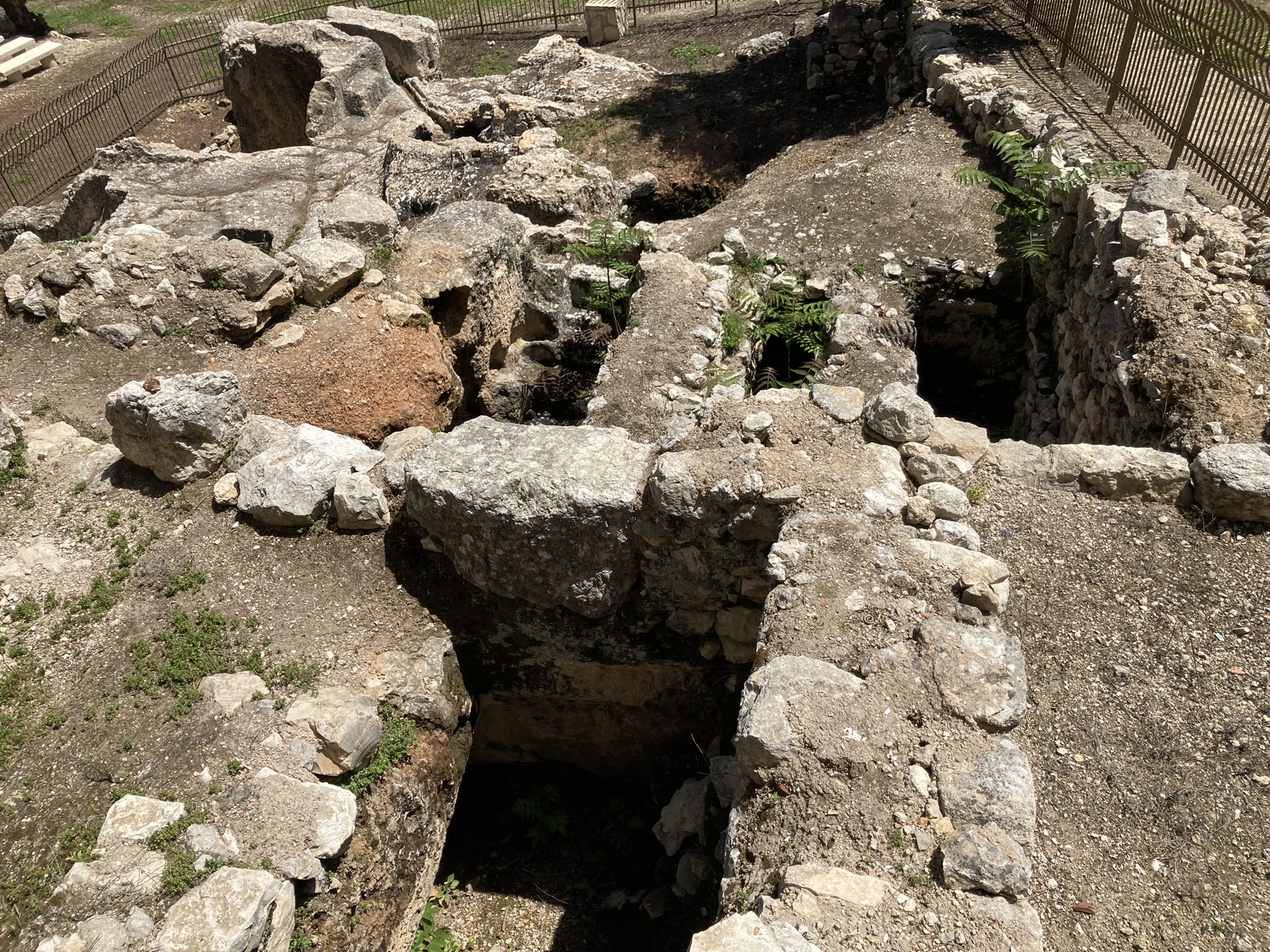
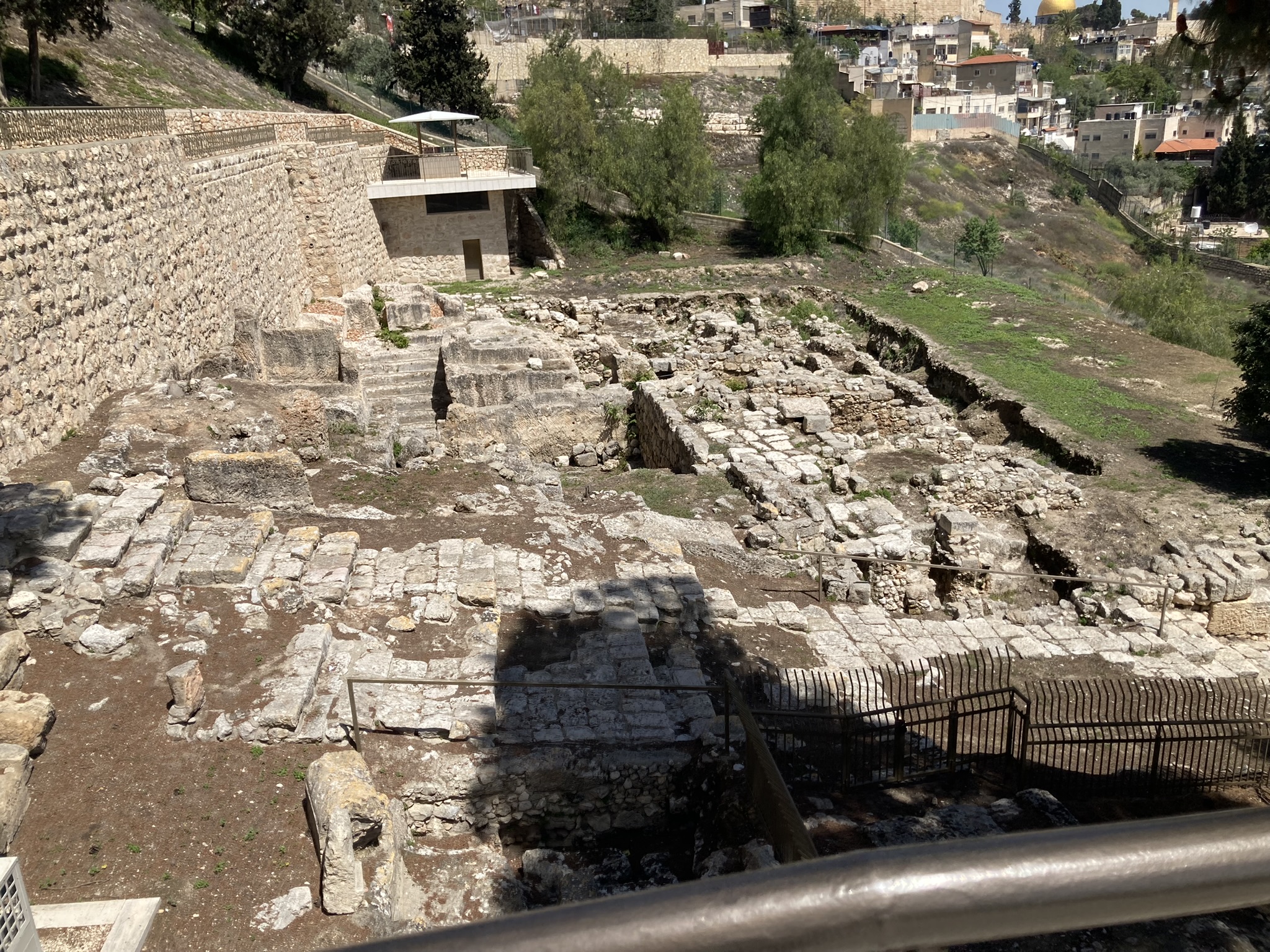
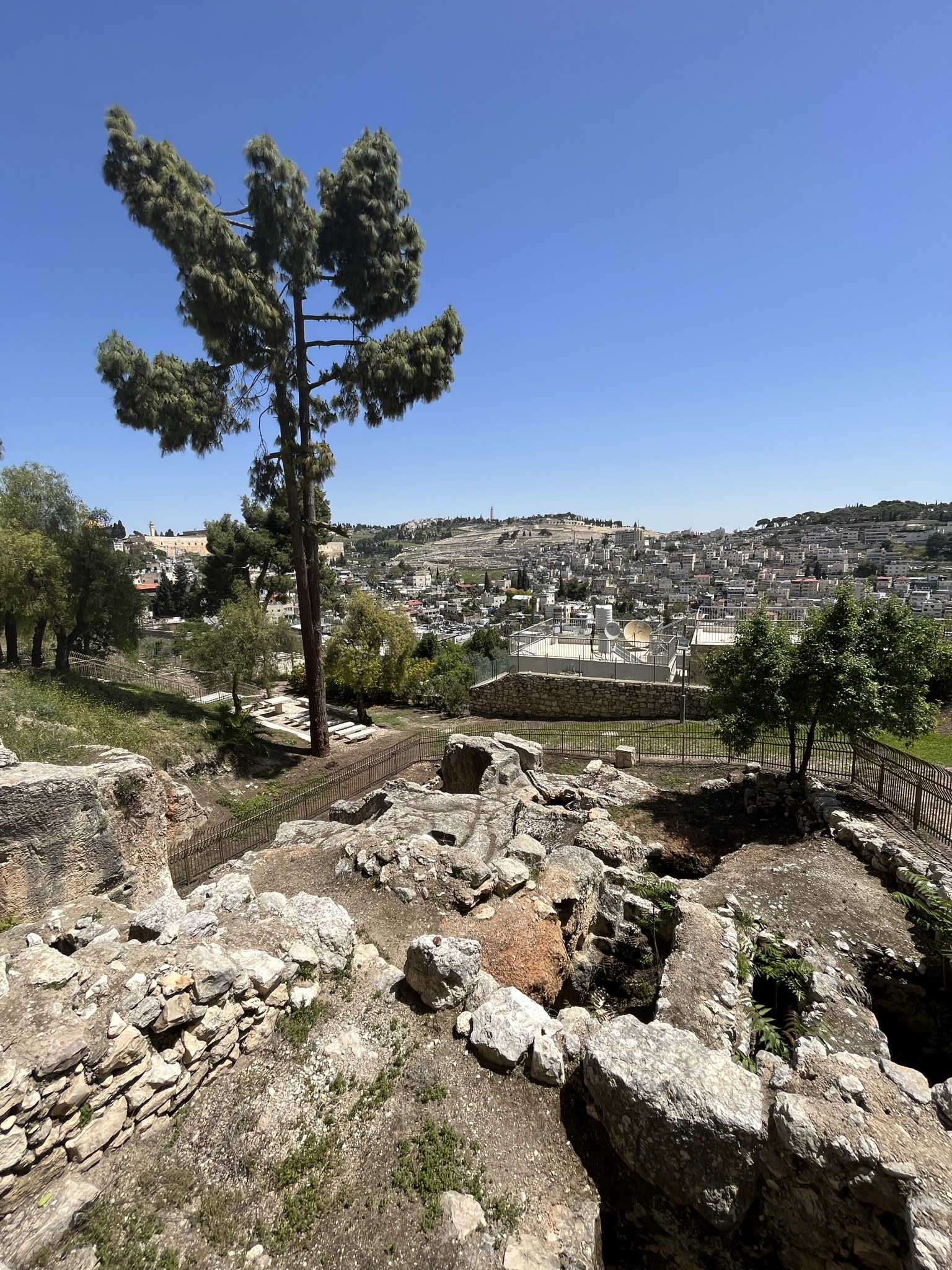
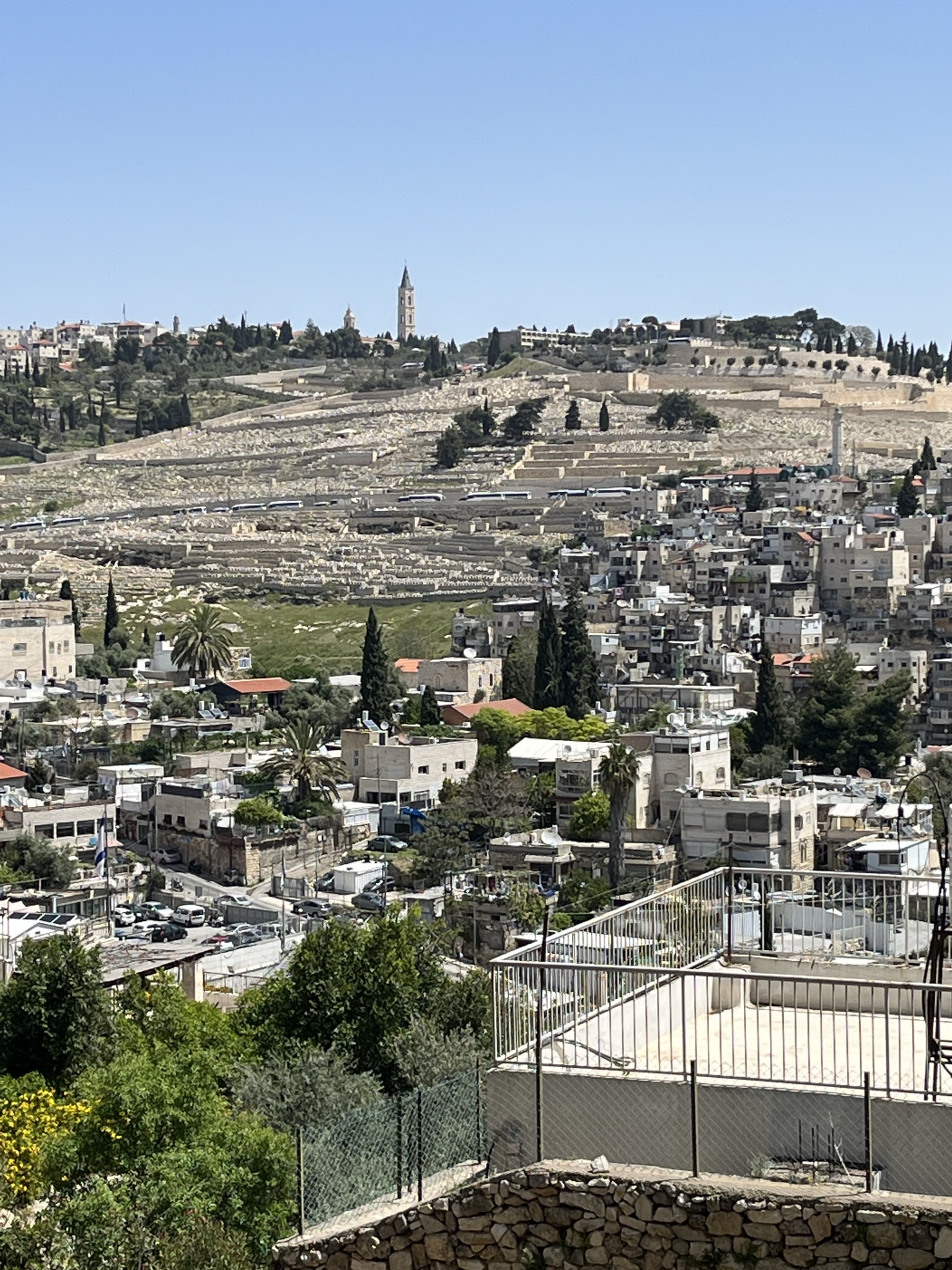



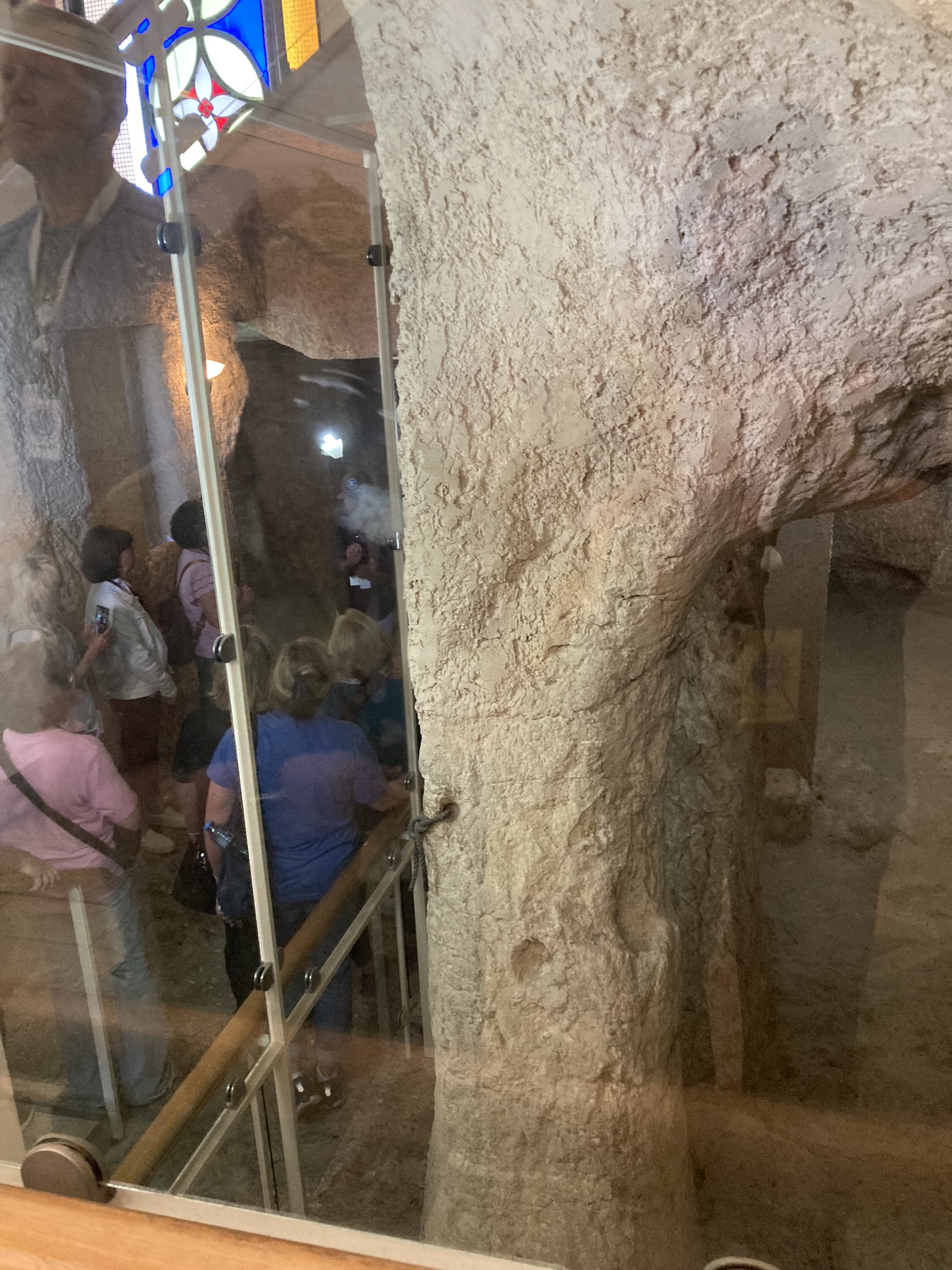


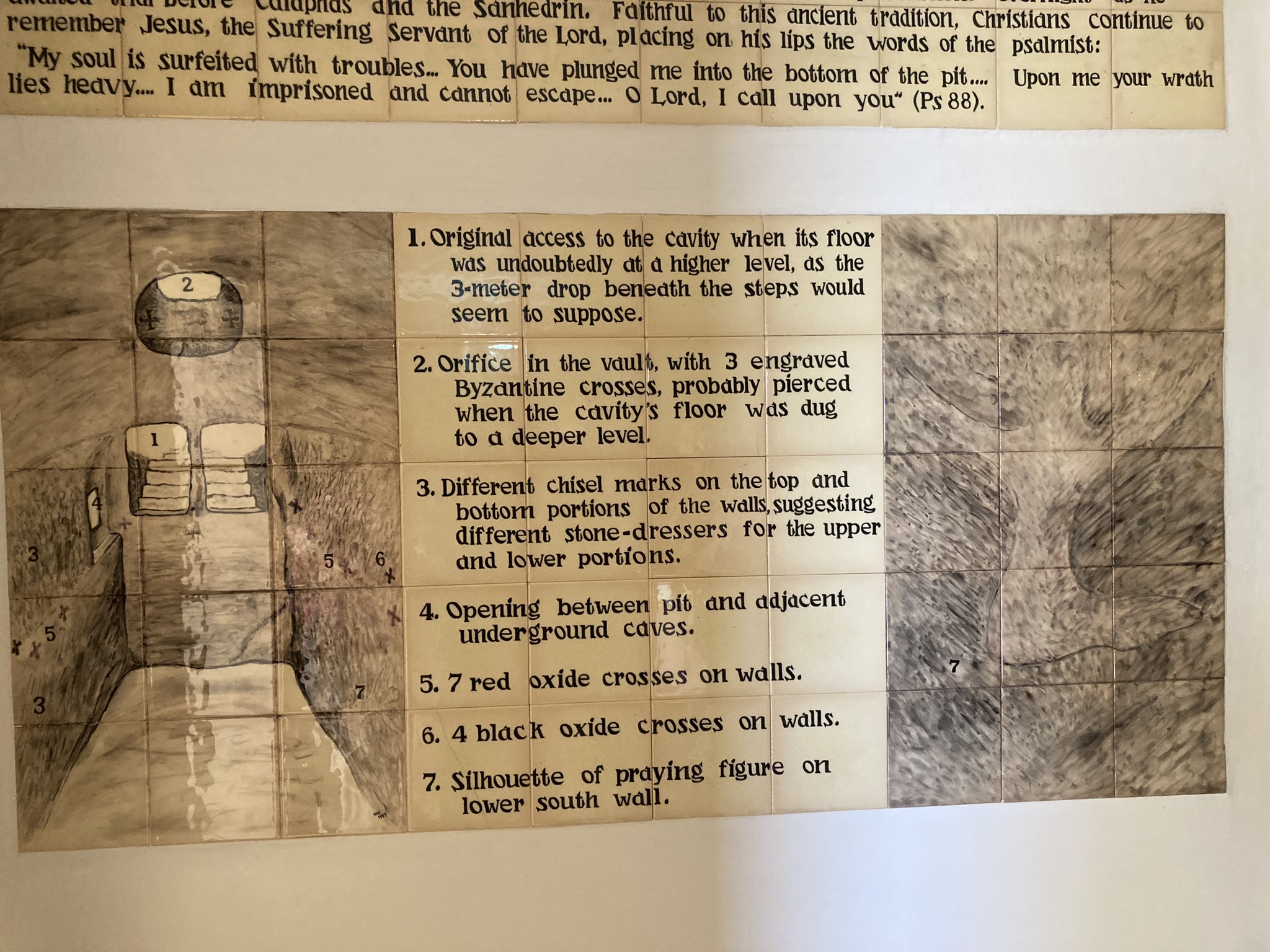


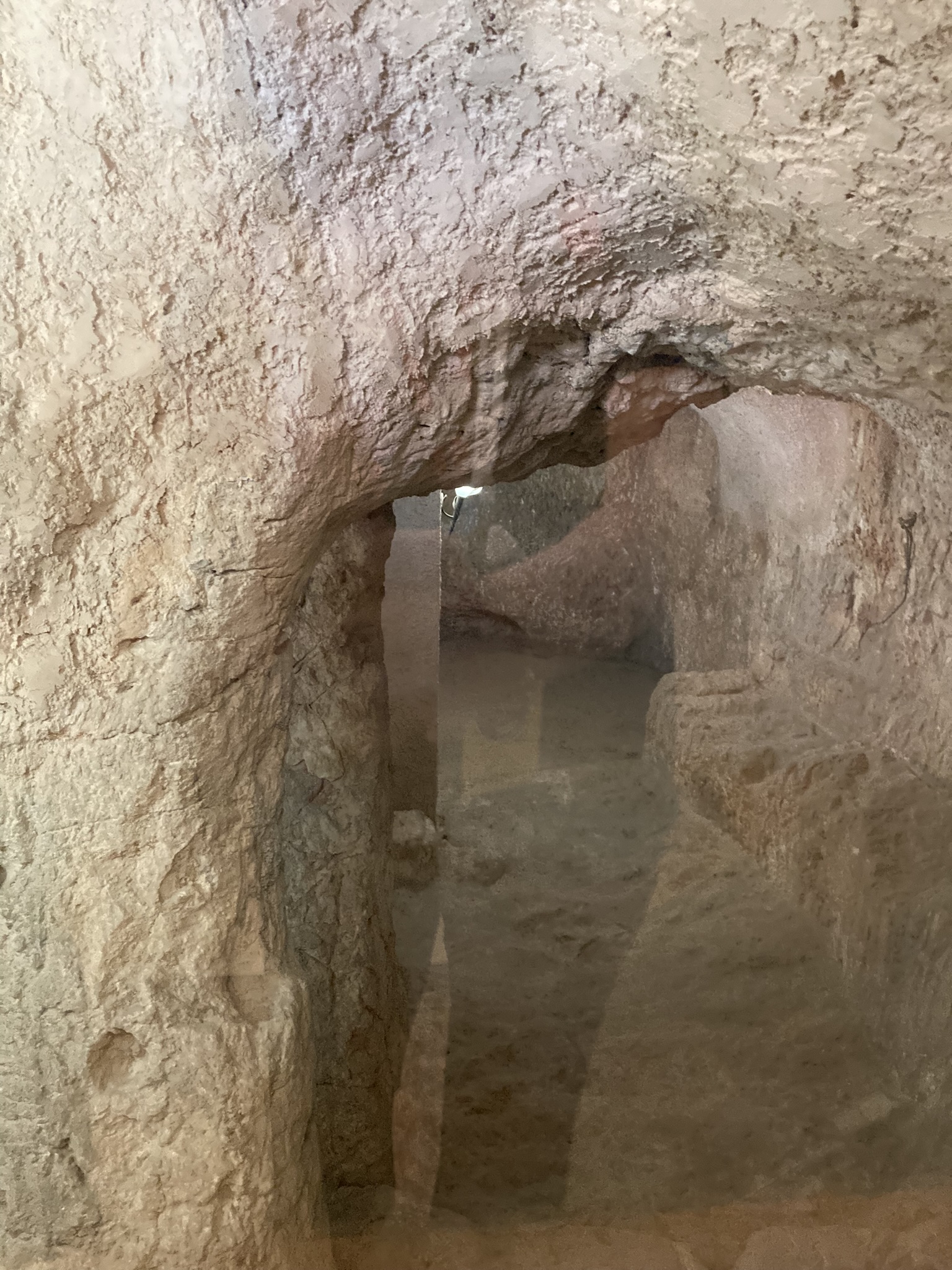

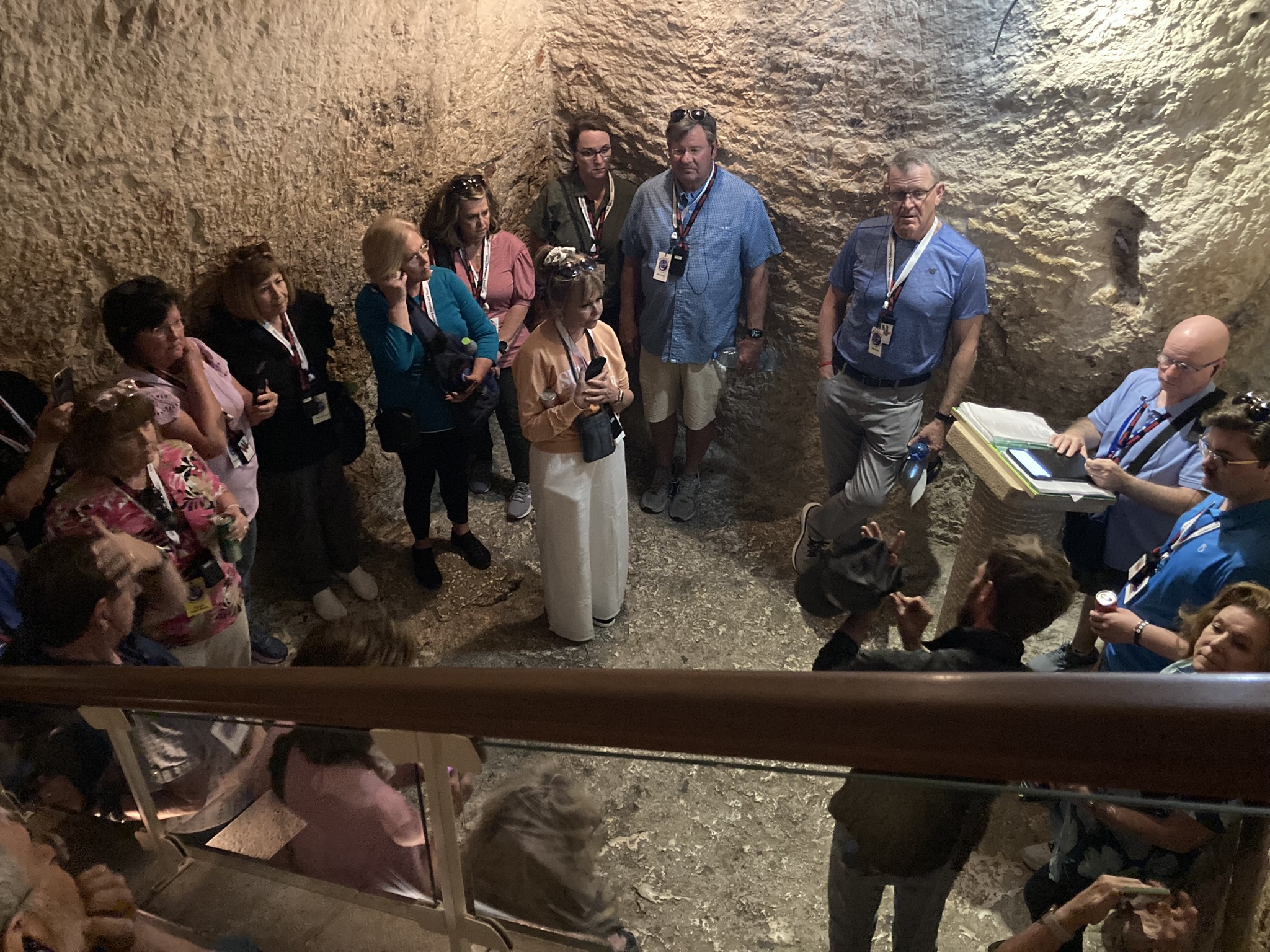


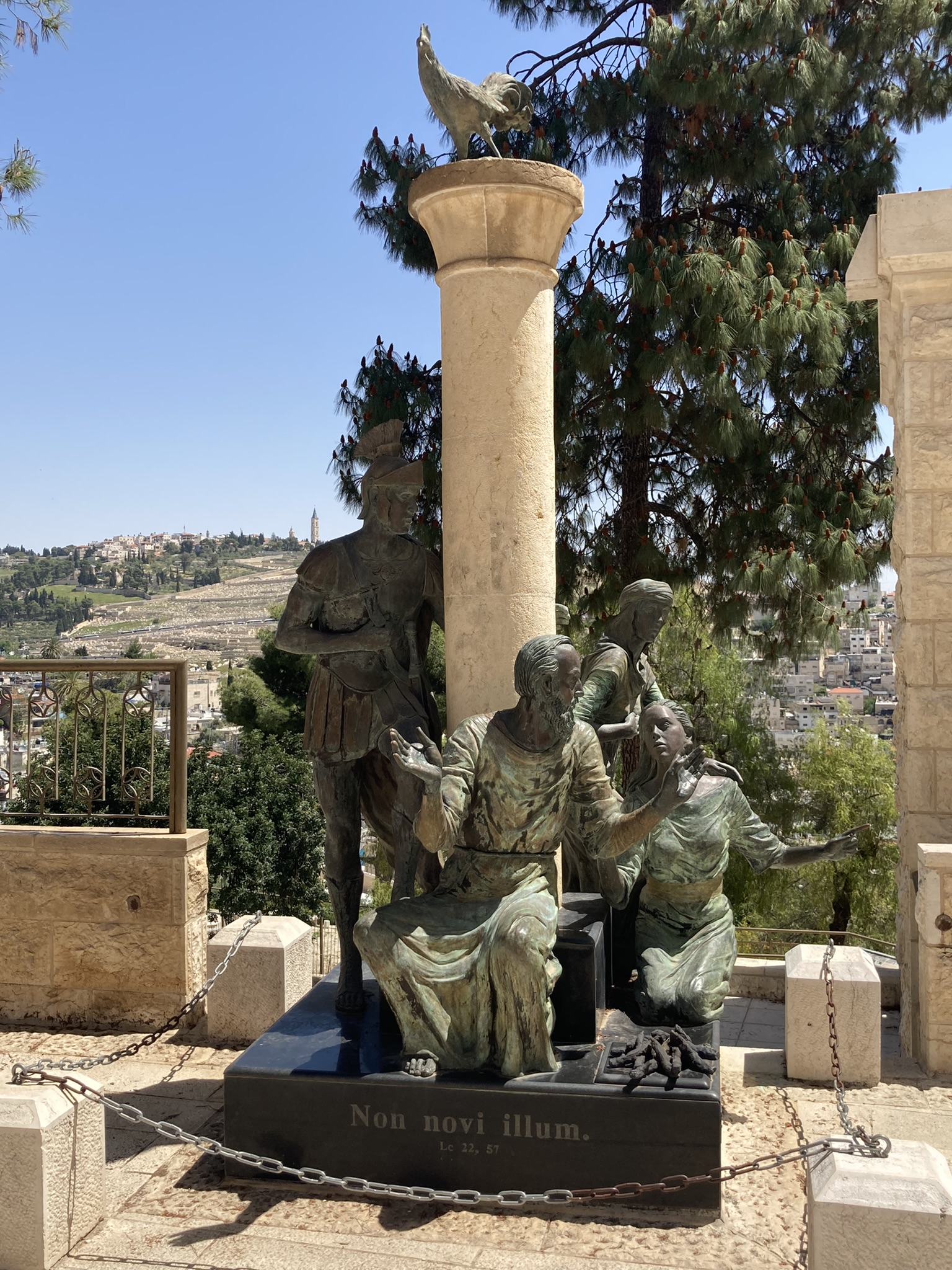

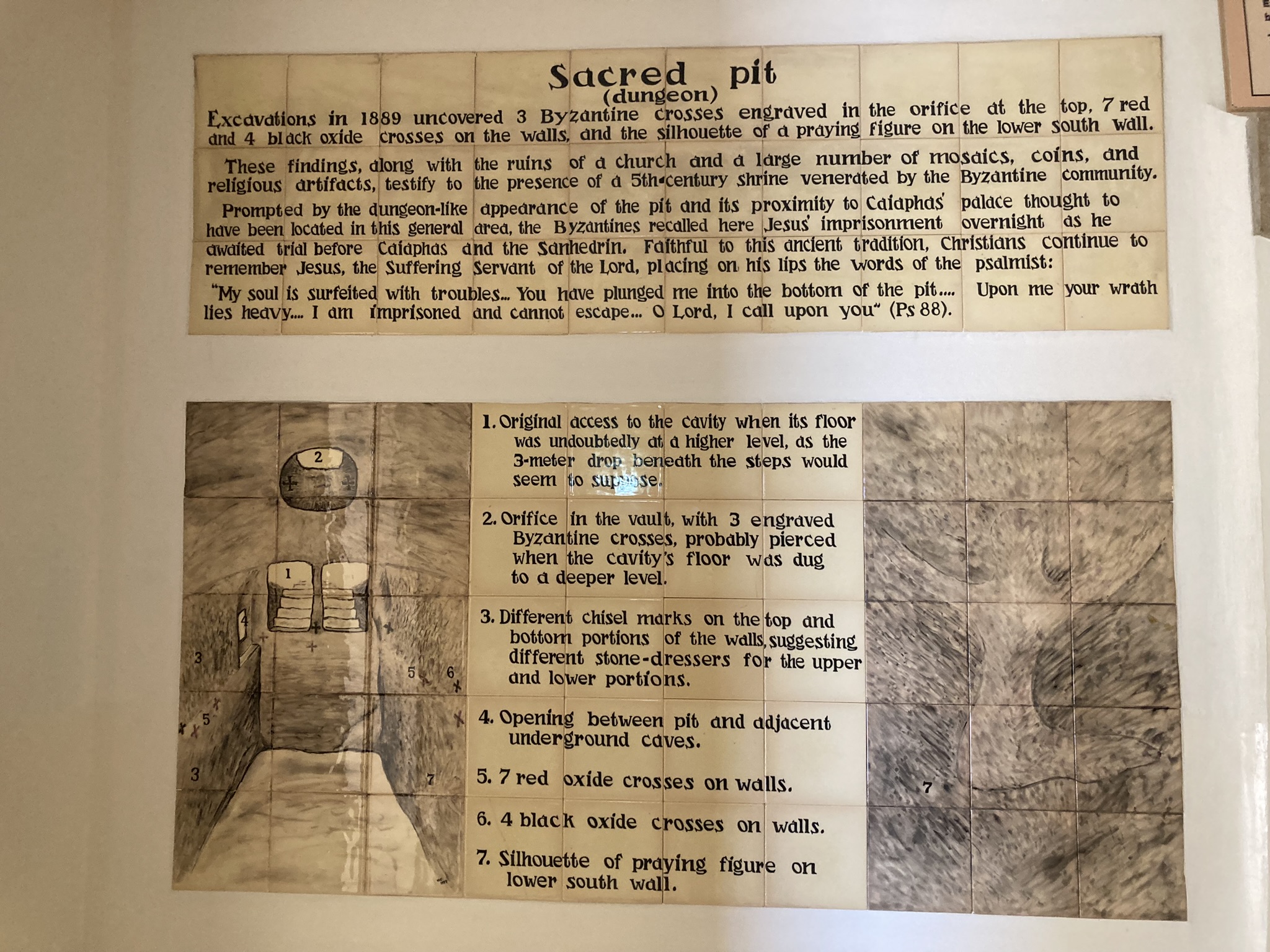

A look around the House of Caiaphas, High Priest during the time of Jesus:
Entering Zion Gate:
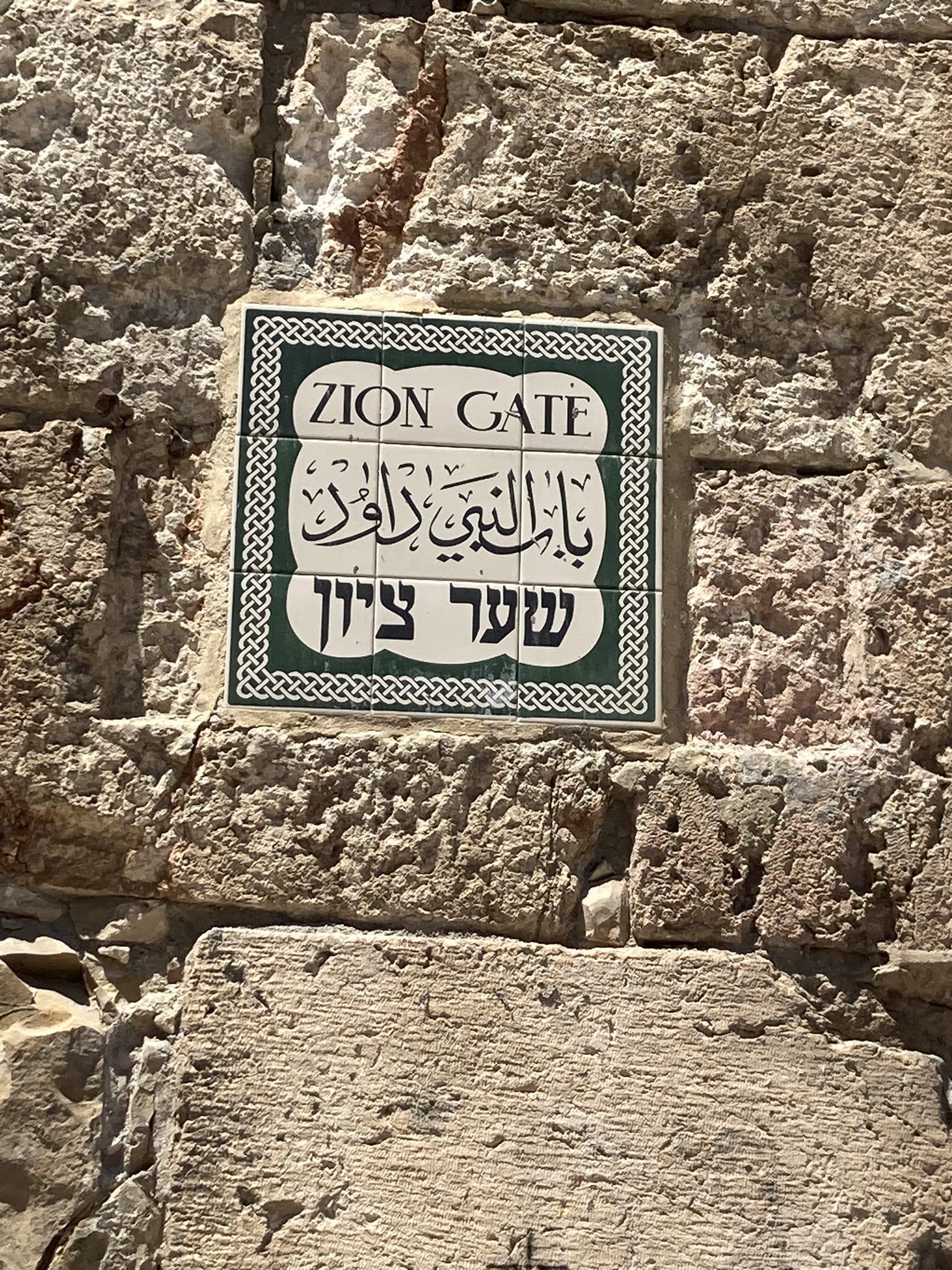

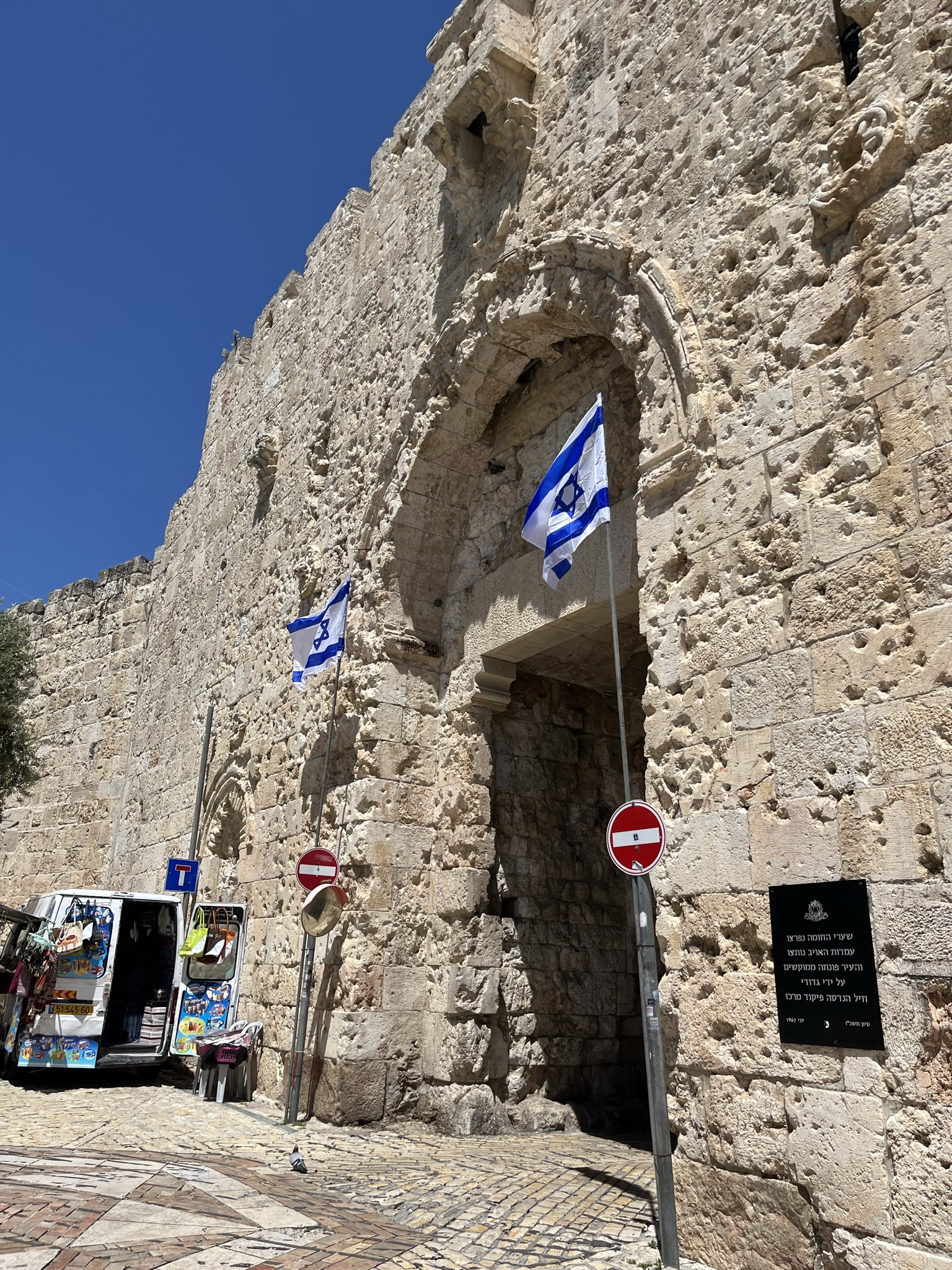

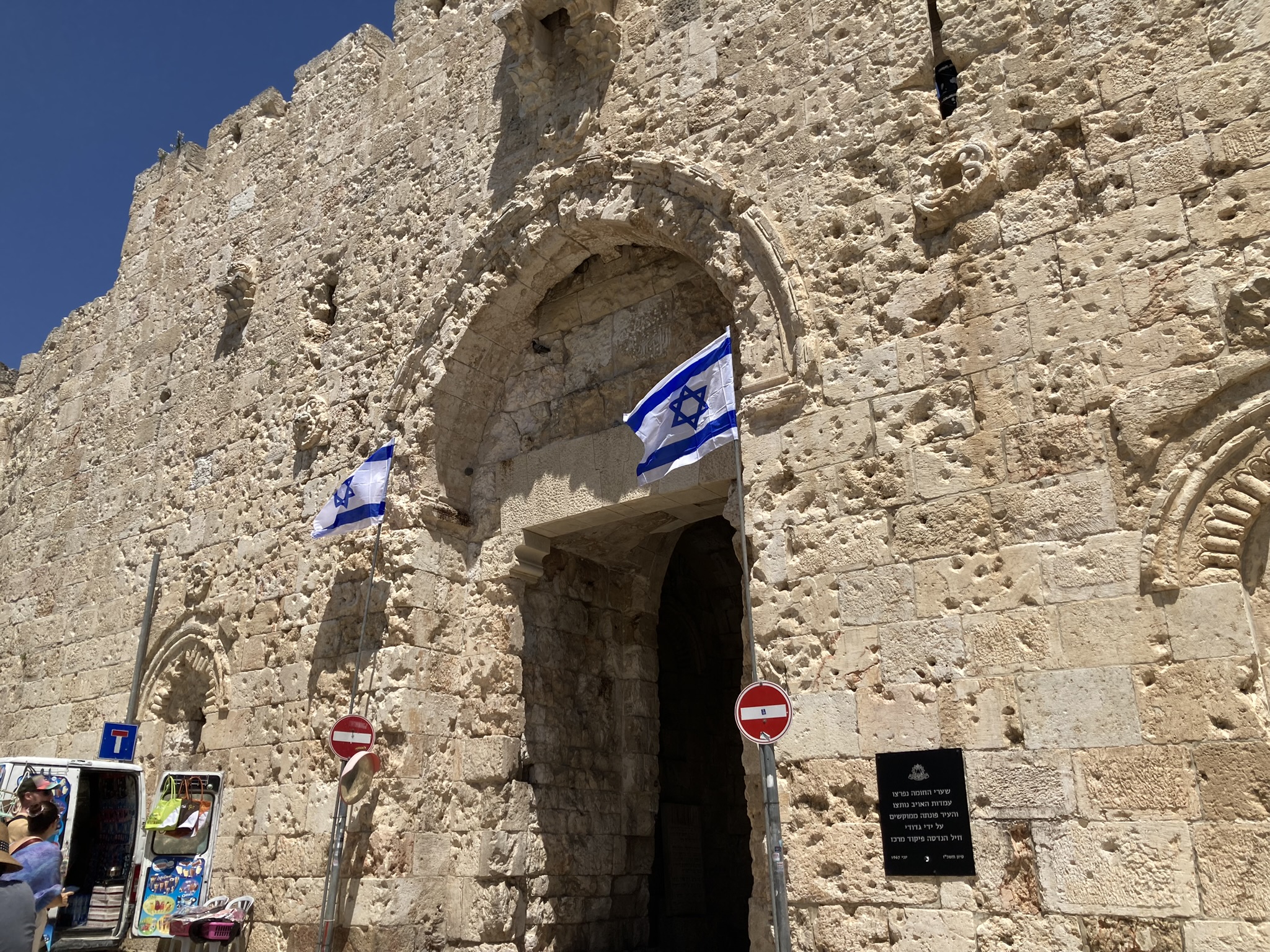

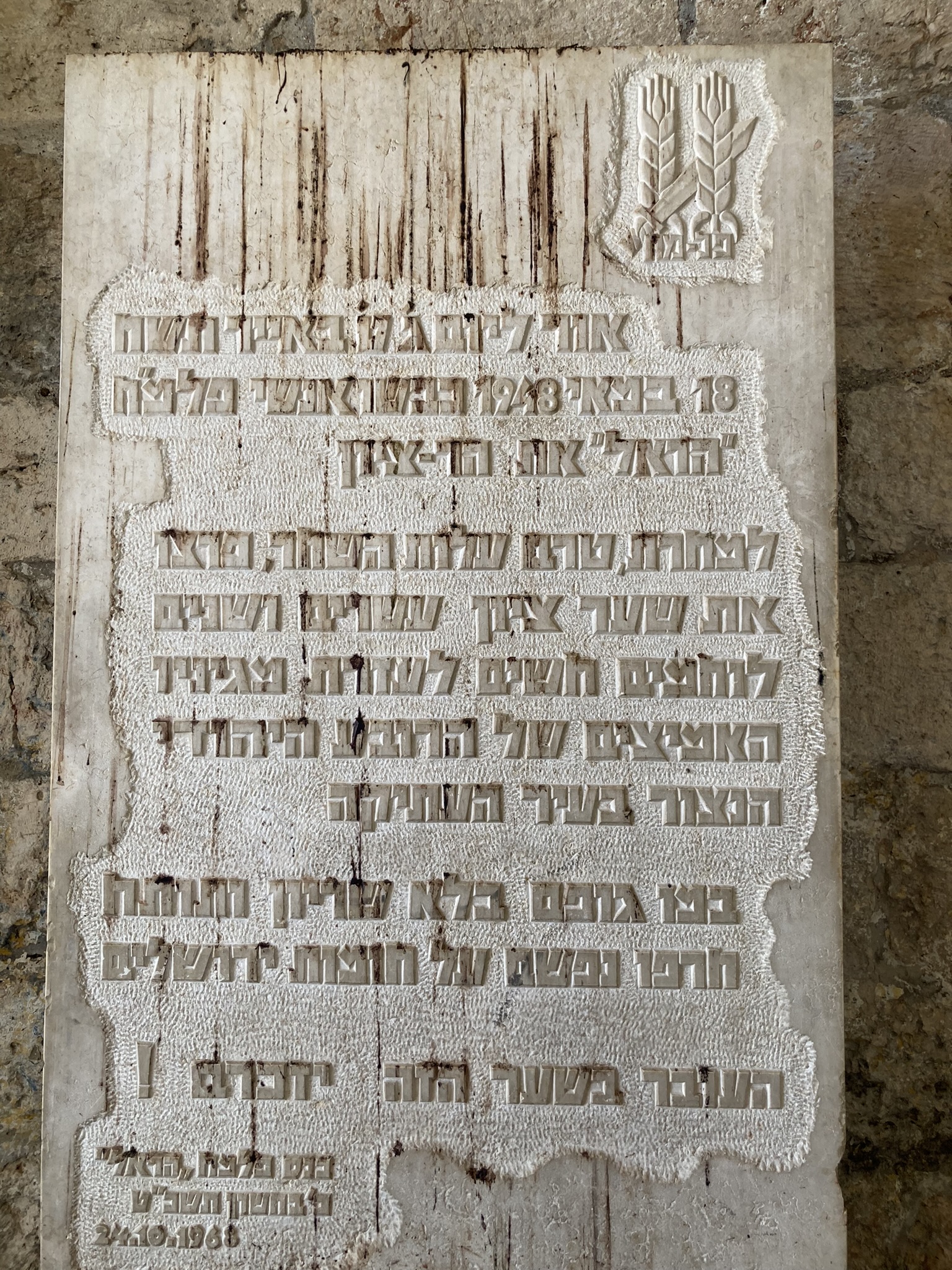
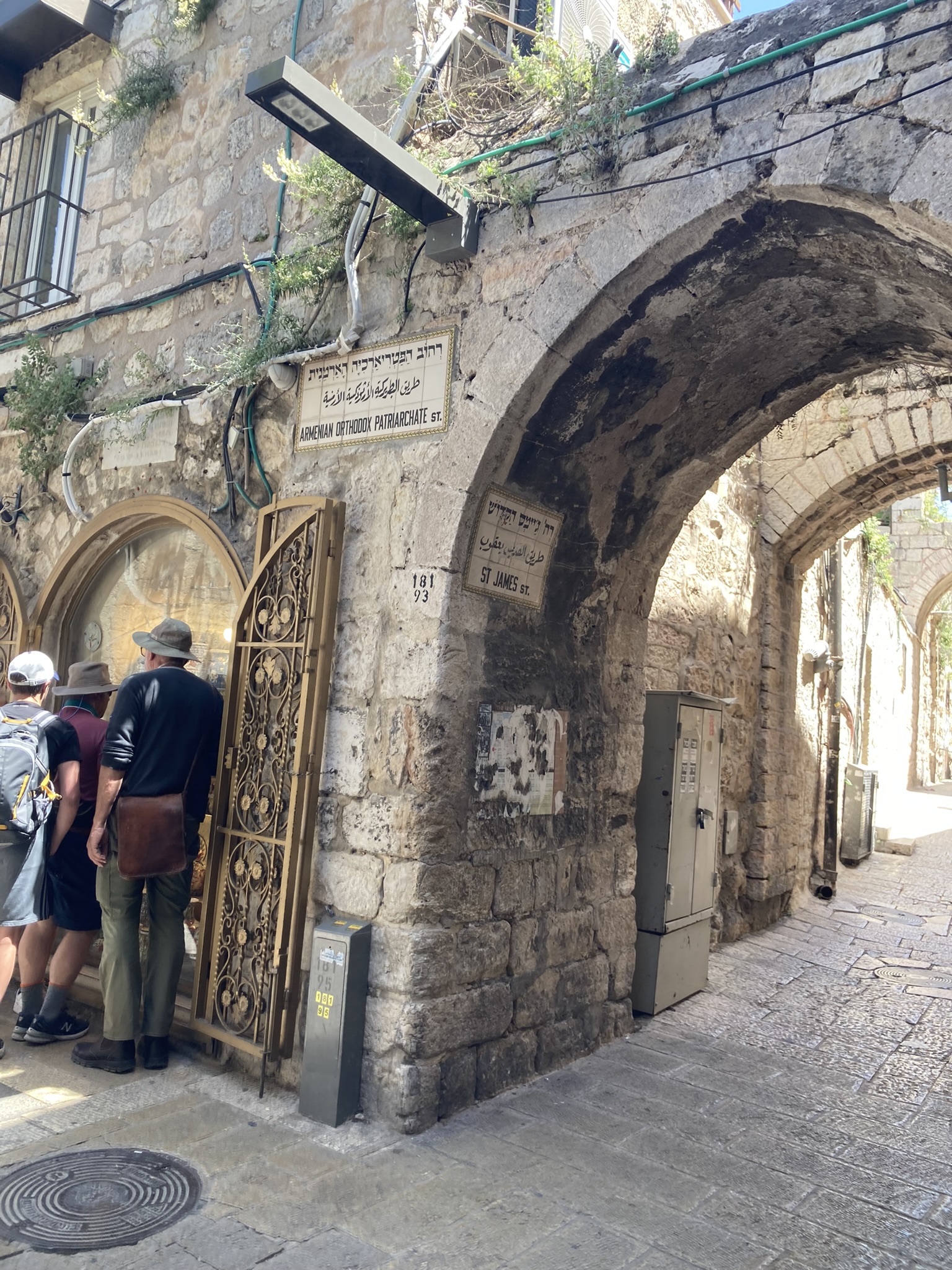
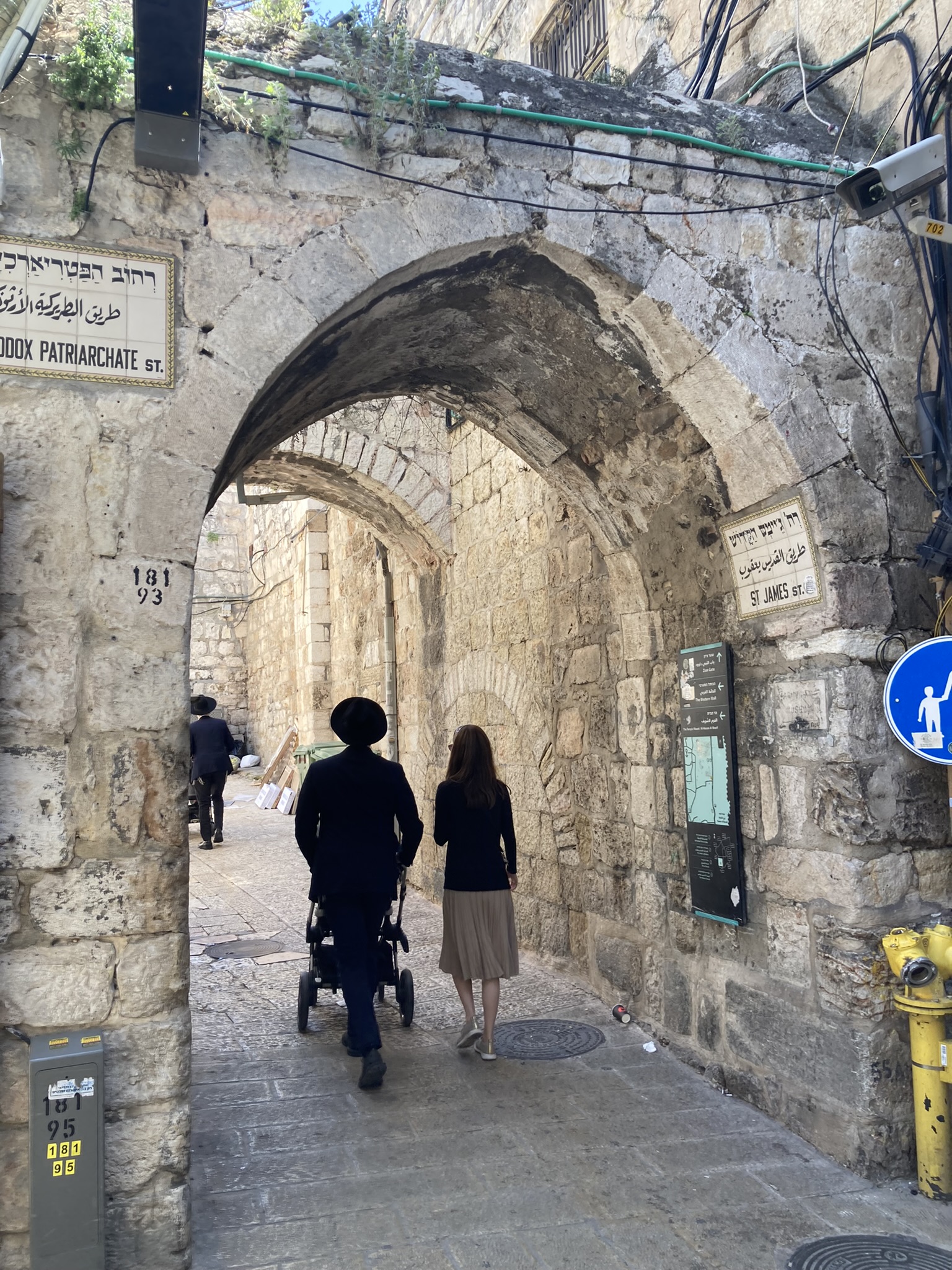
Lunch just past the Zion Gate at Bulghourji Armenian Bar Restaurant:

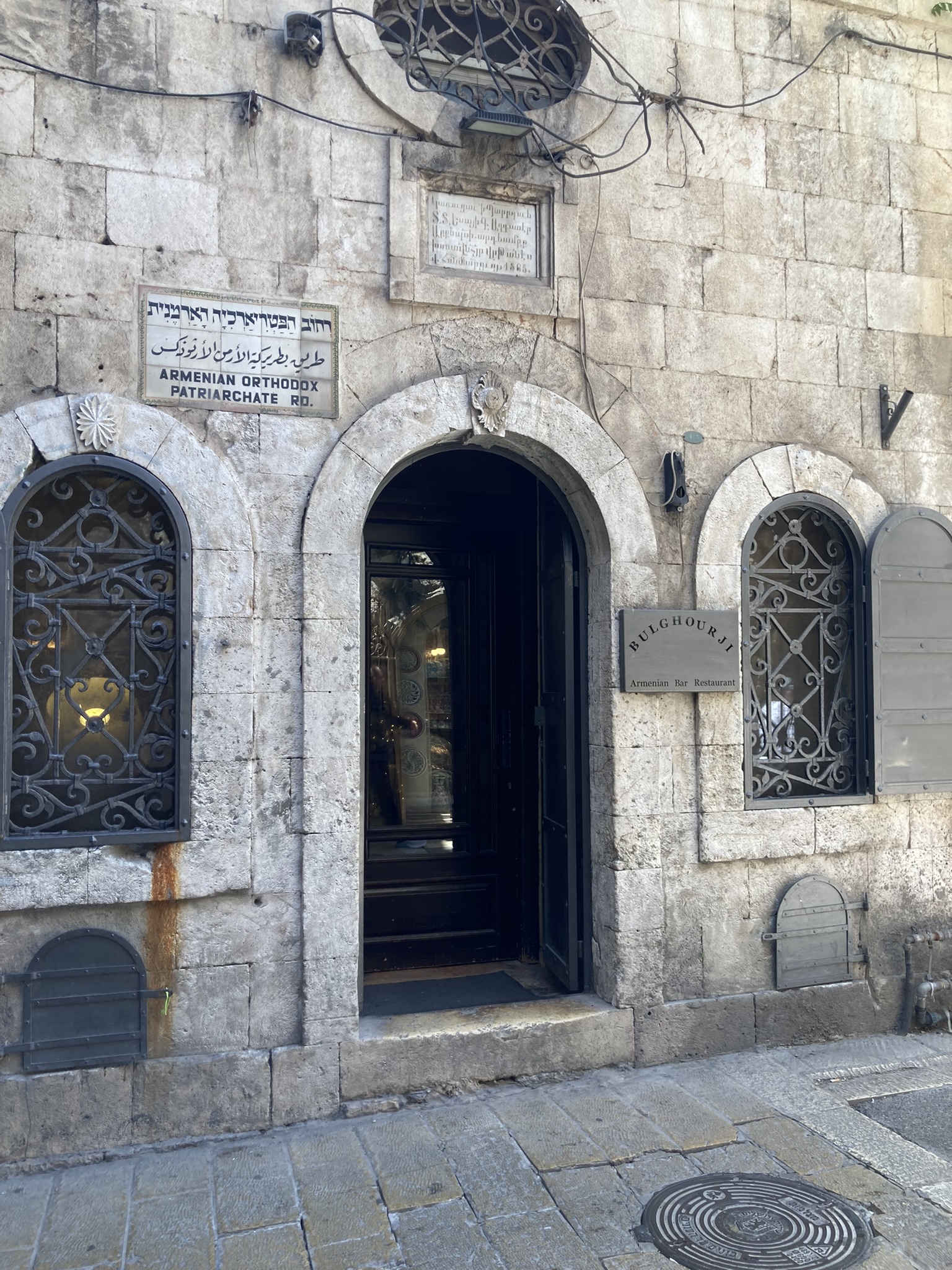
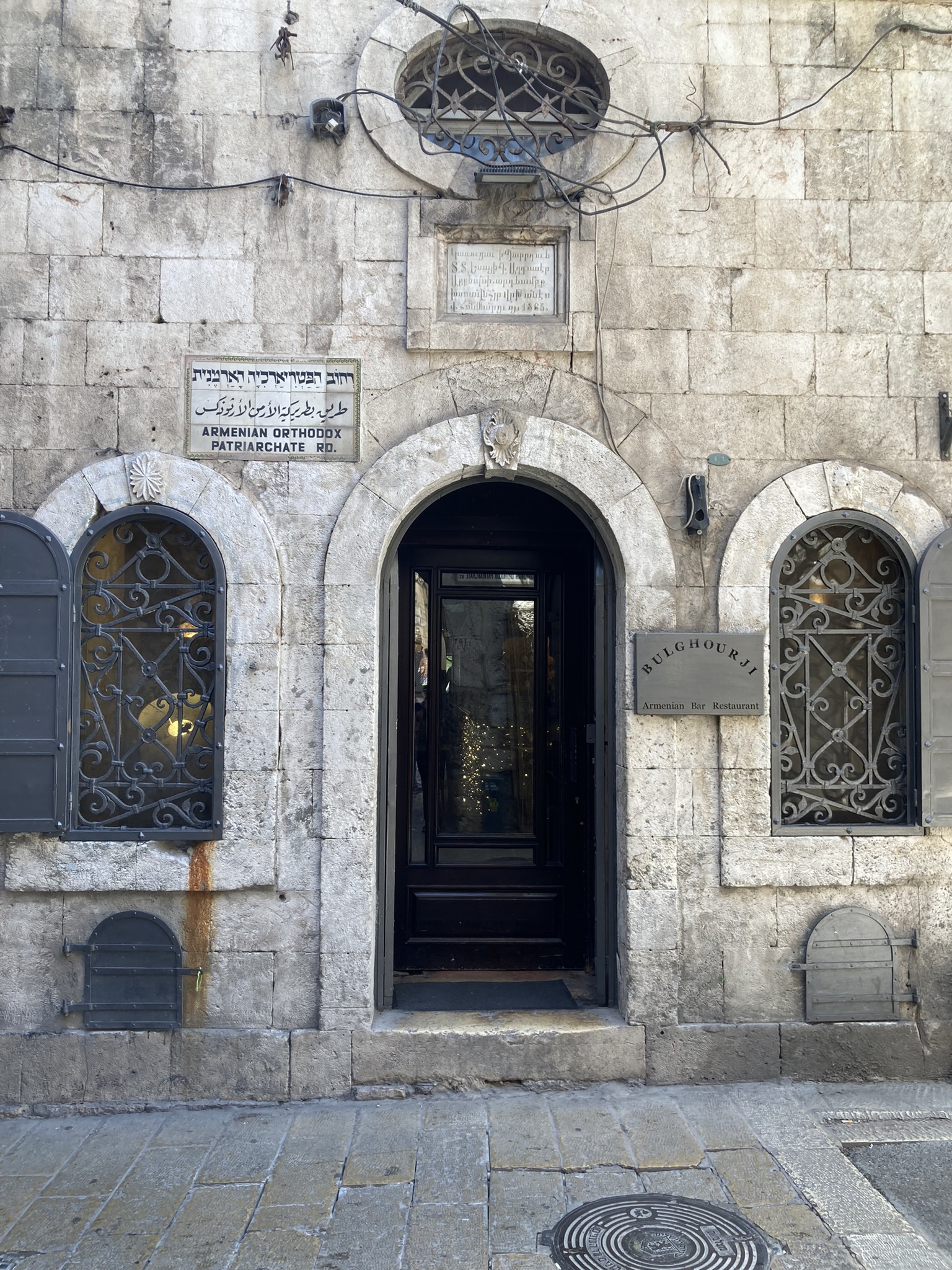
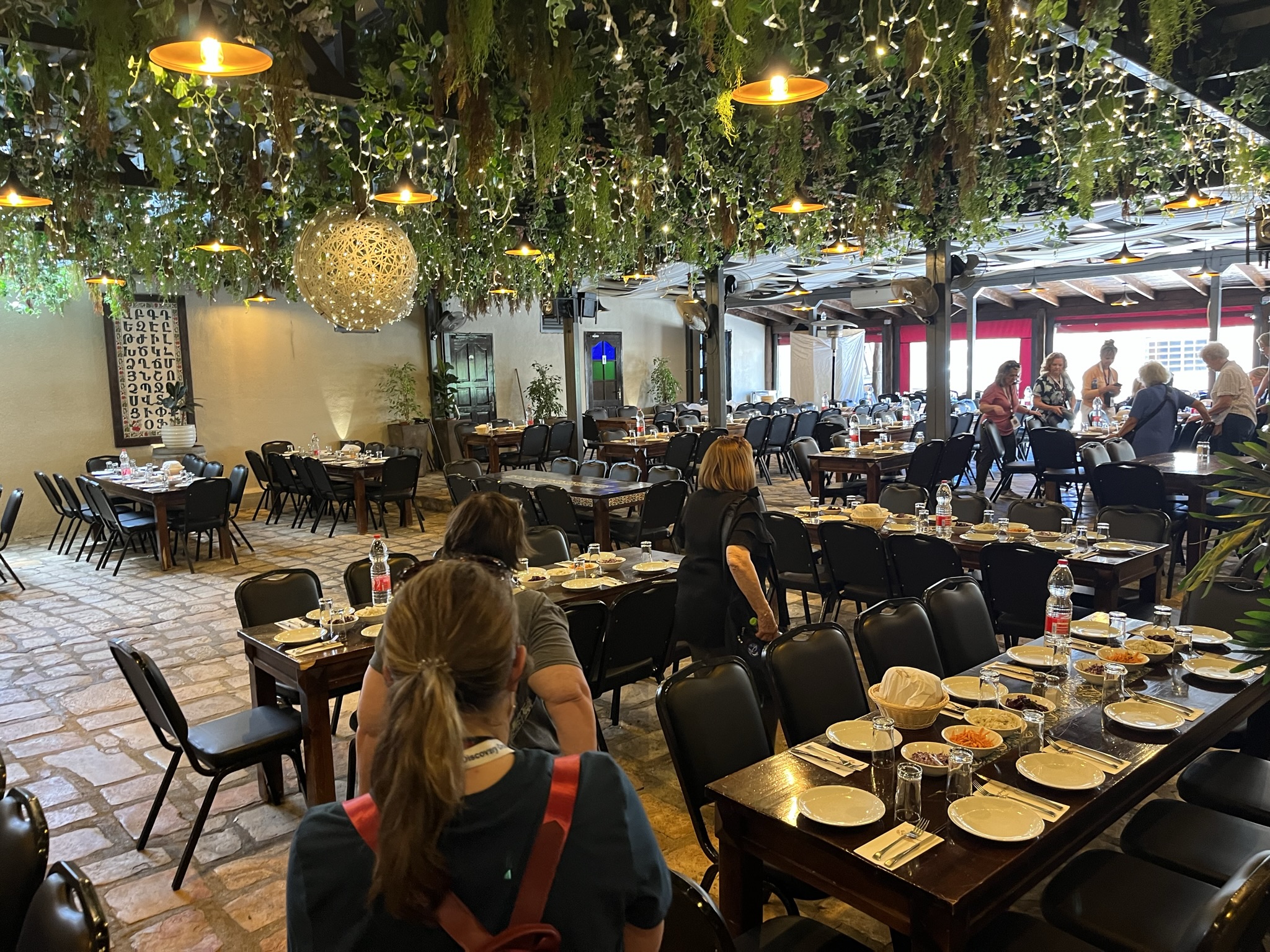

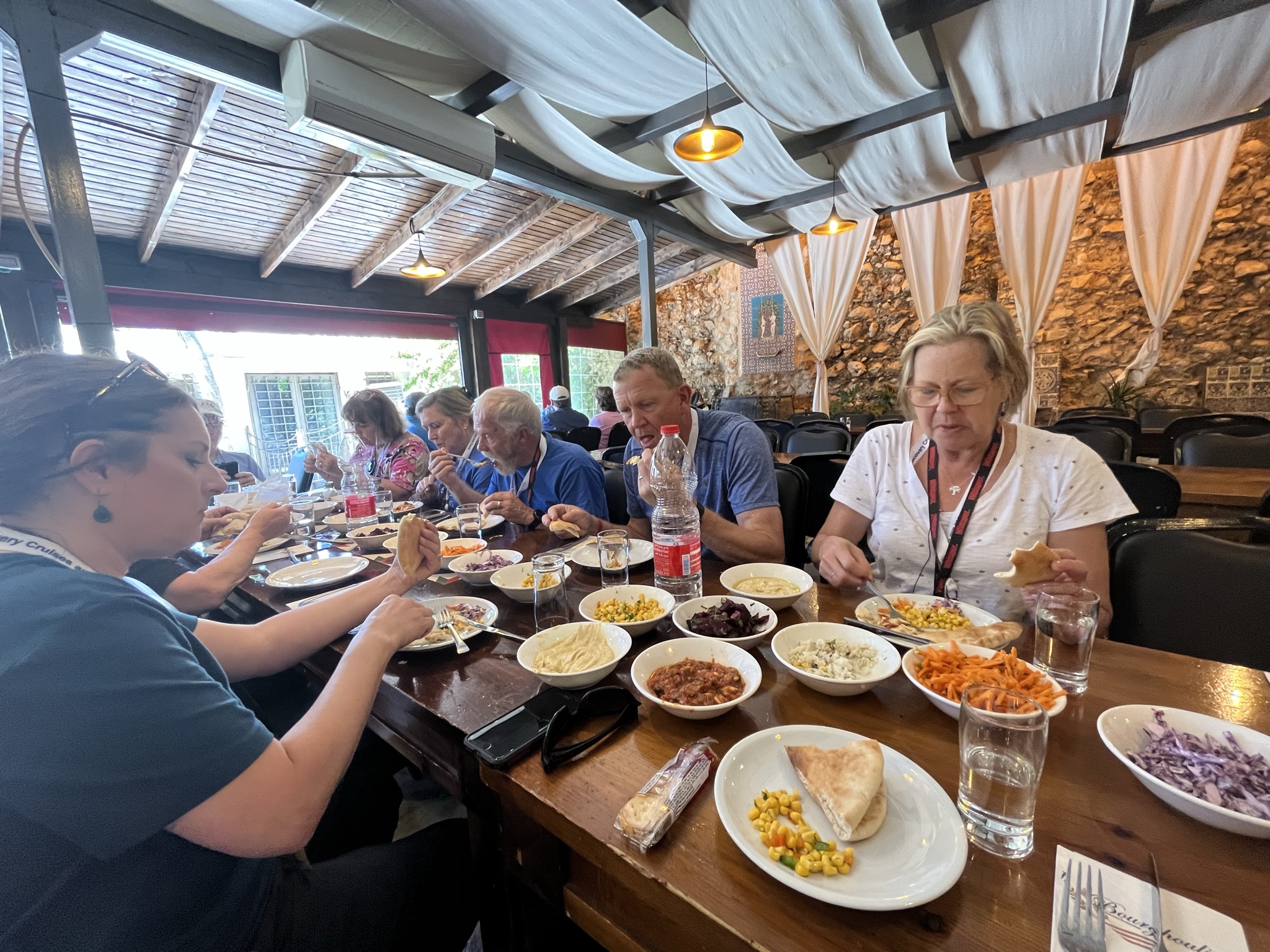

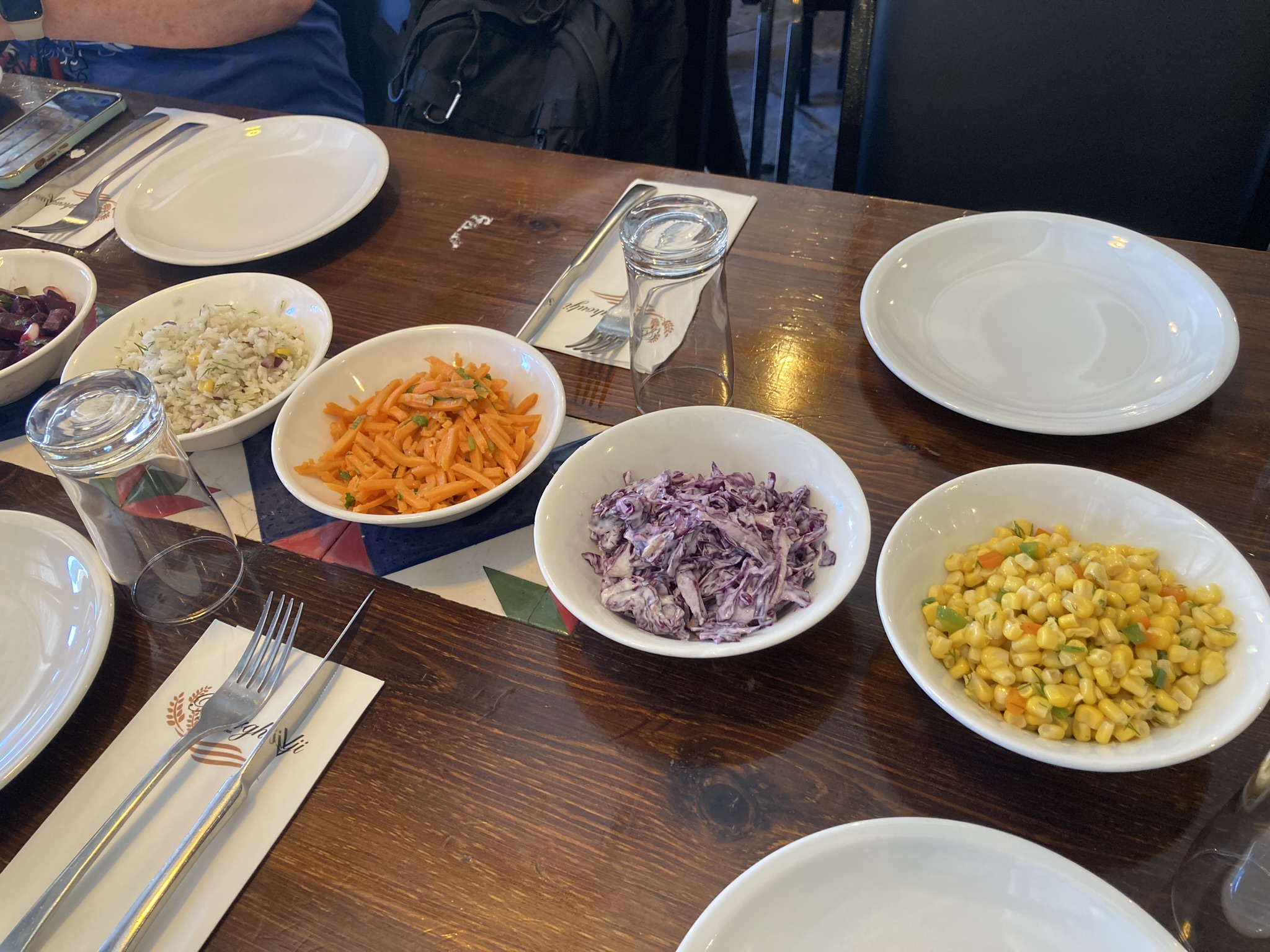
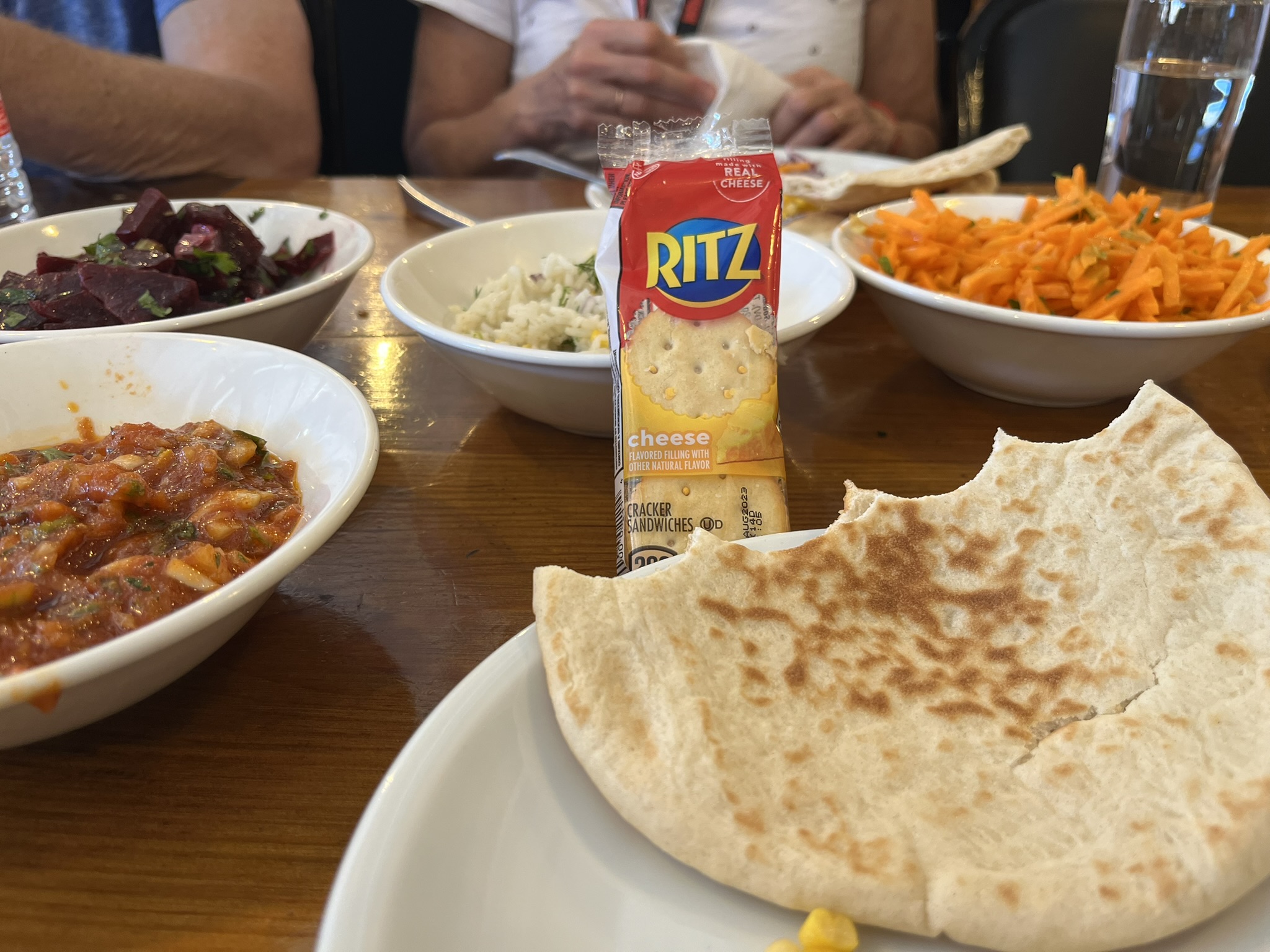

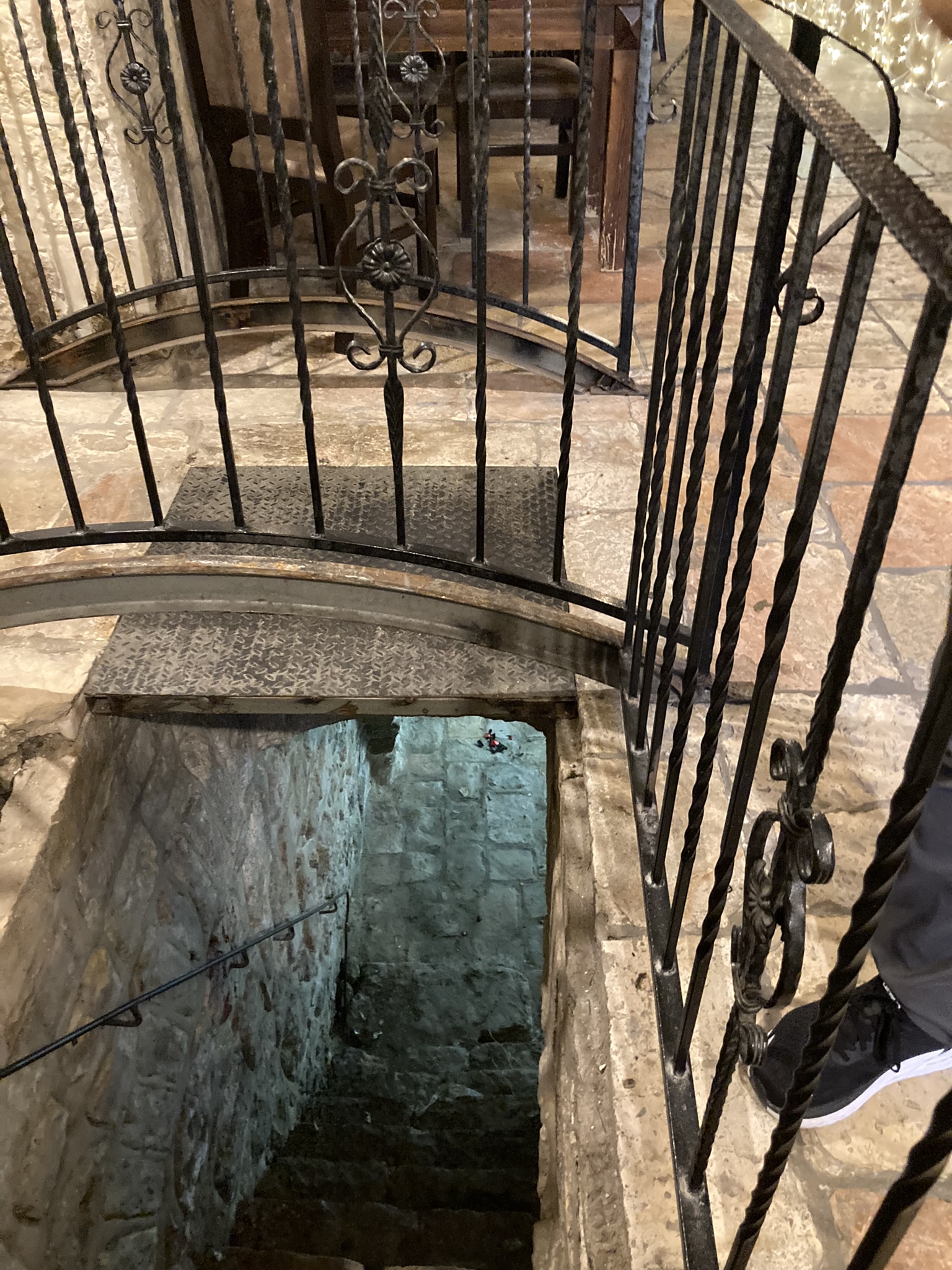

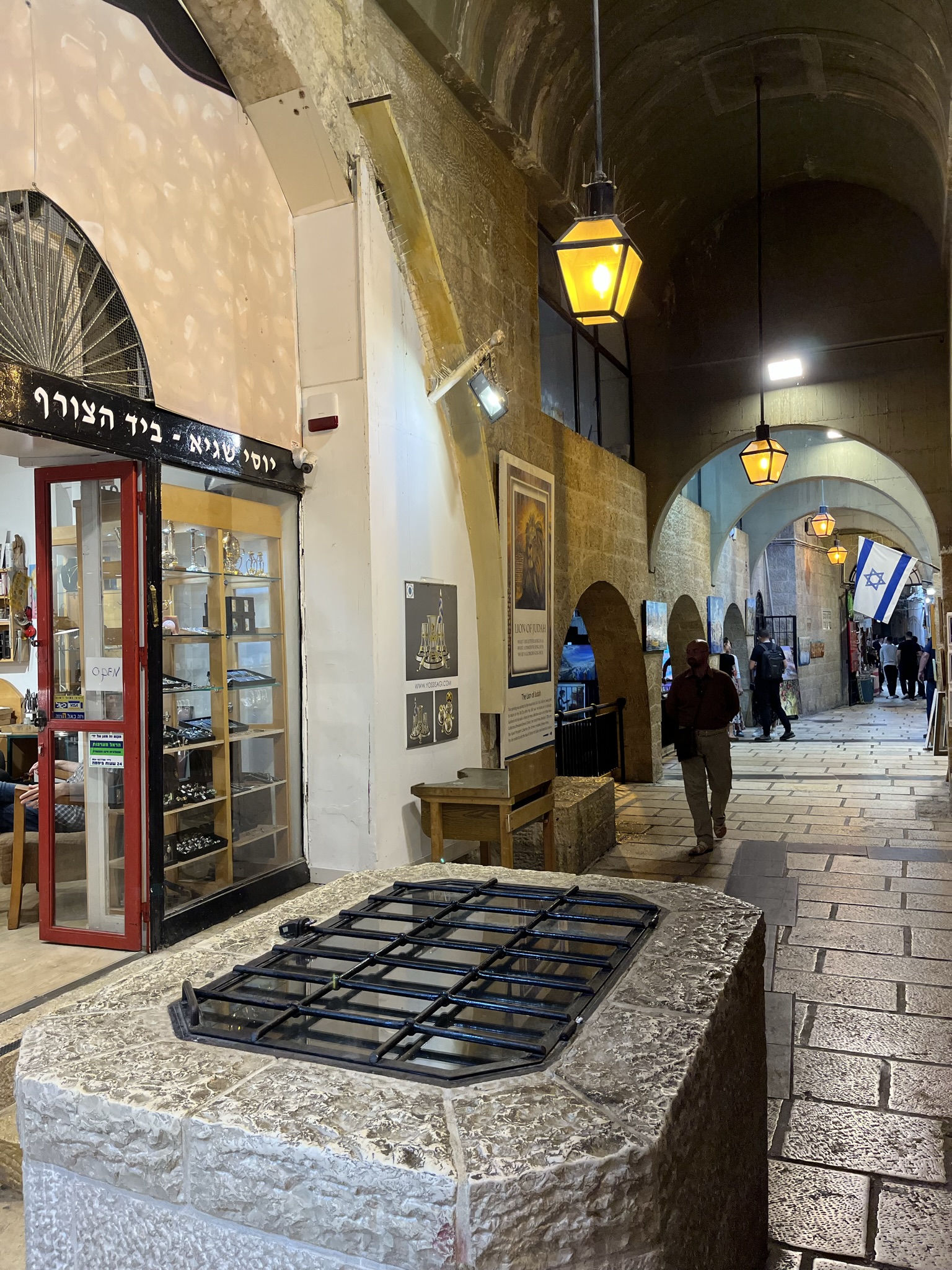
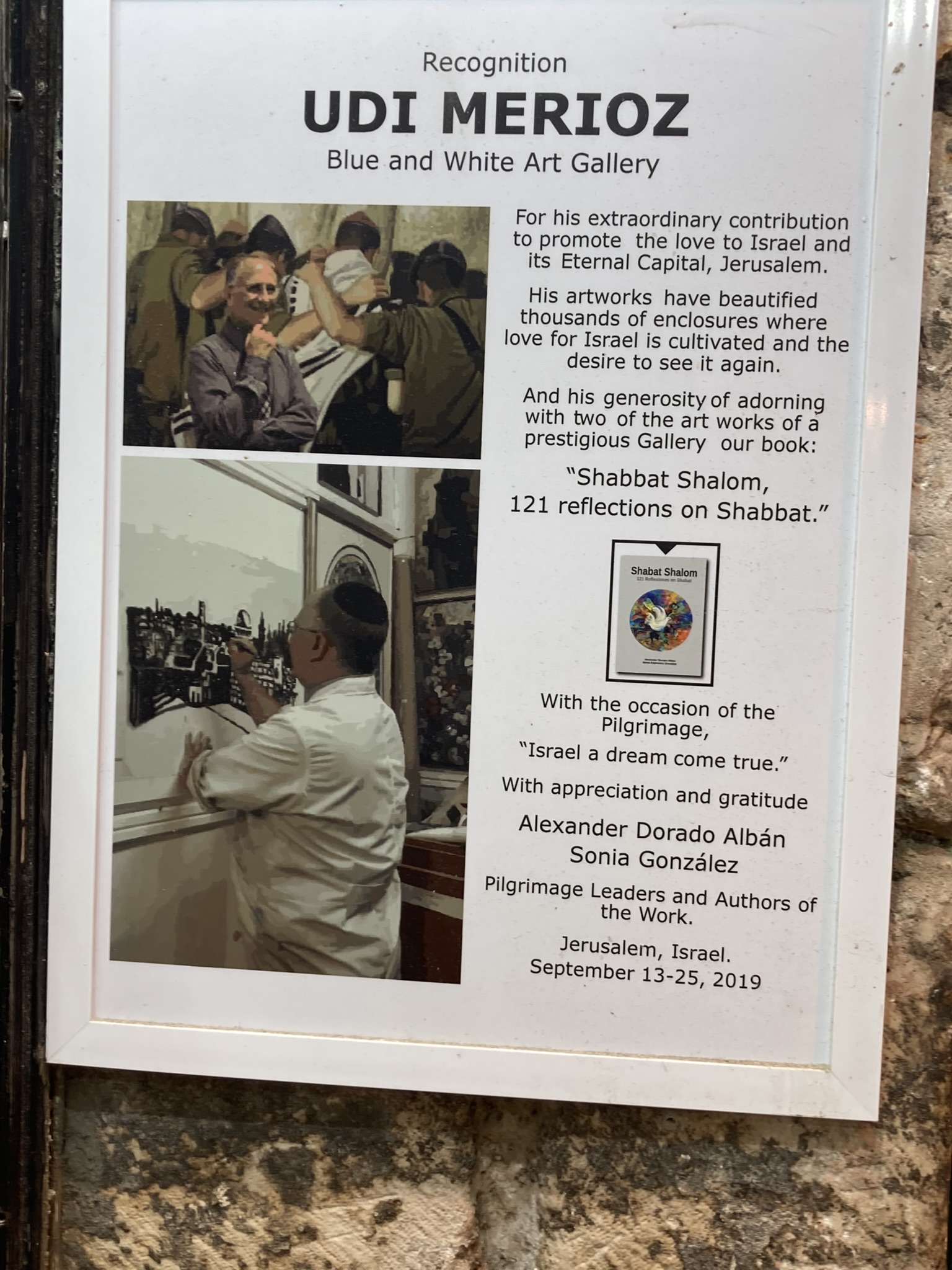
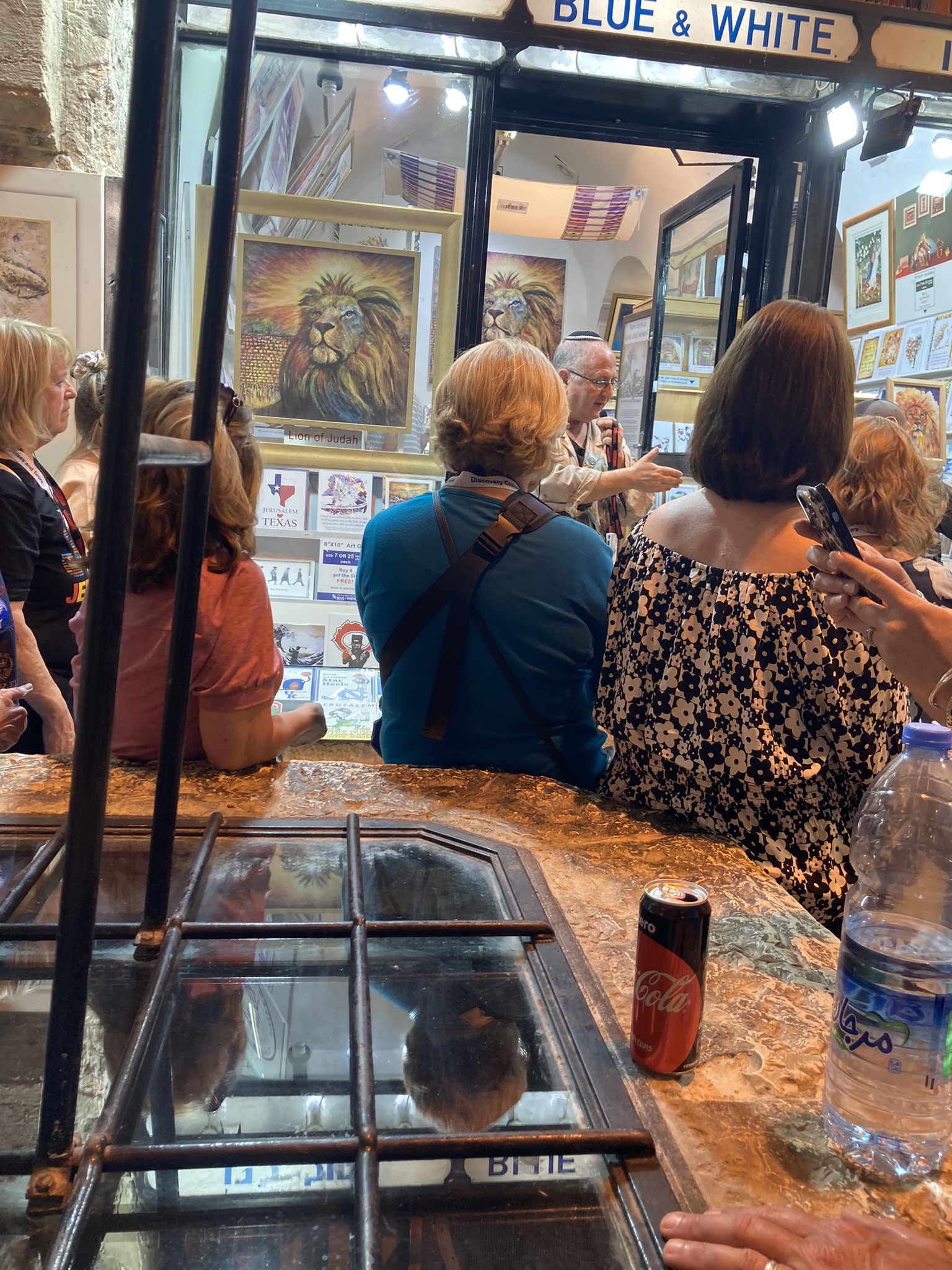
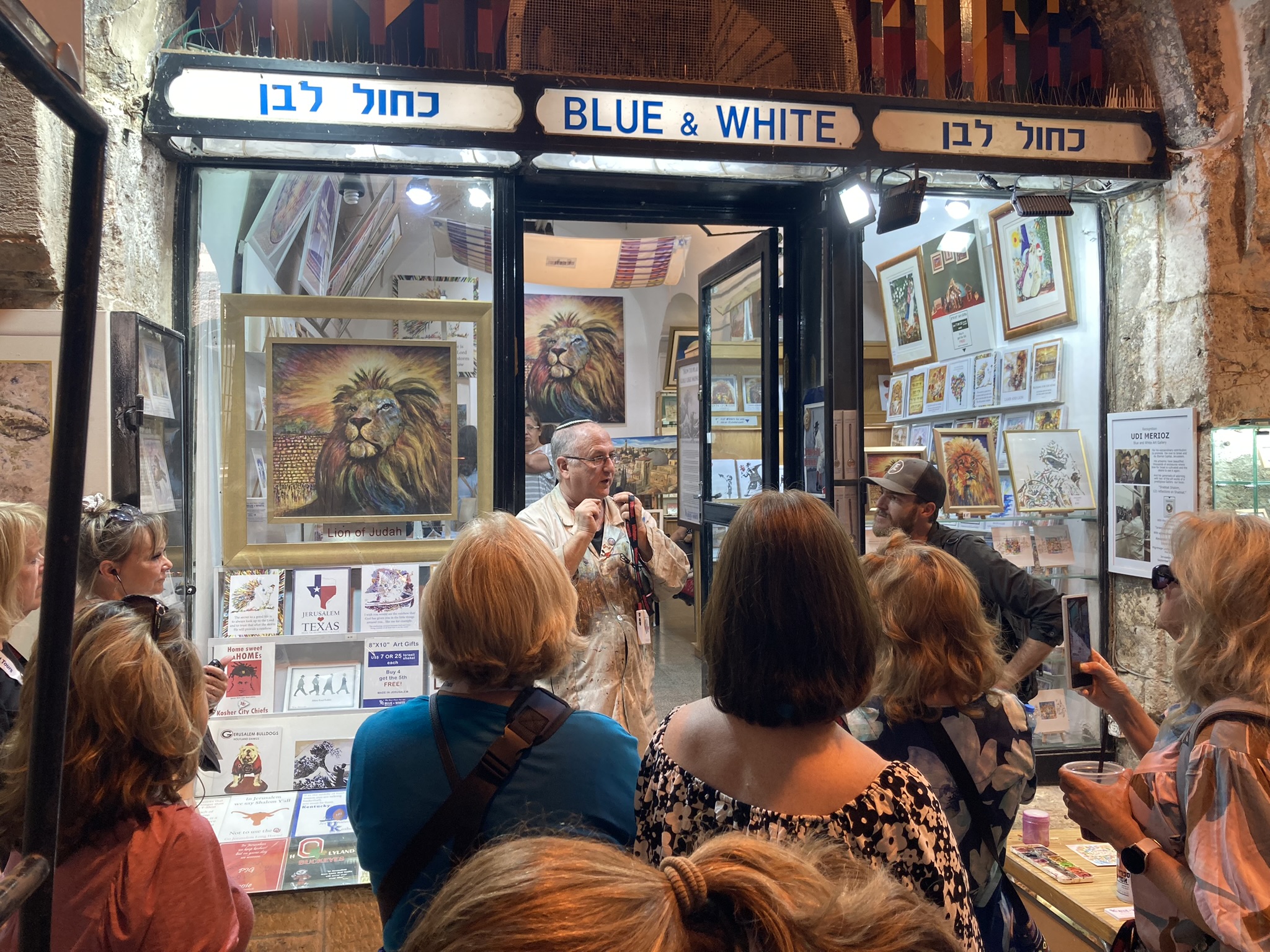
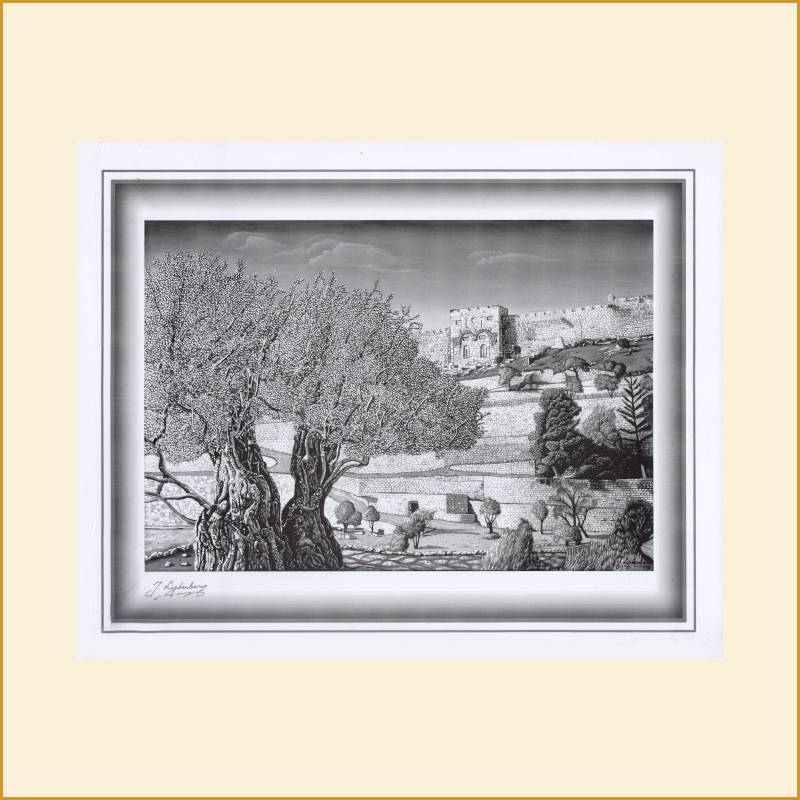
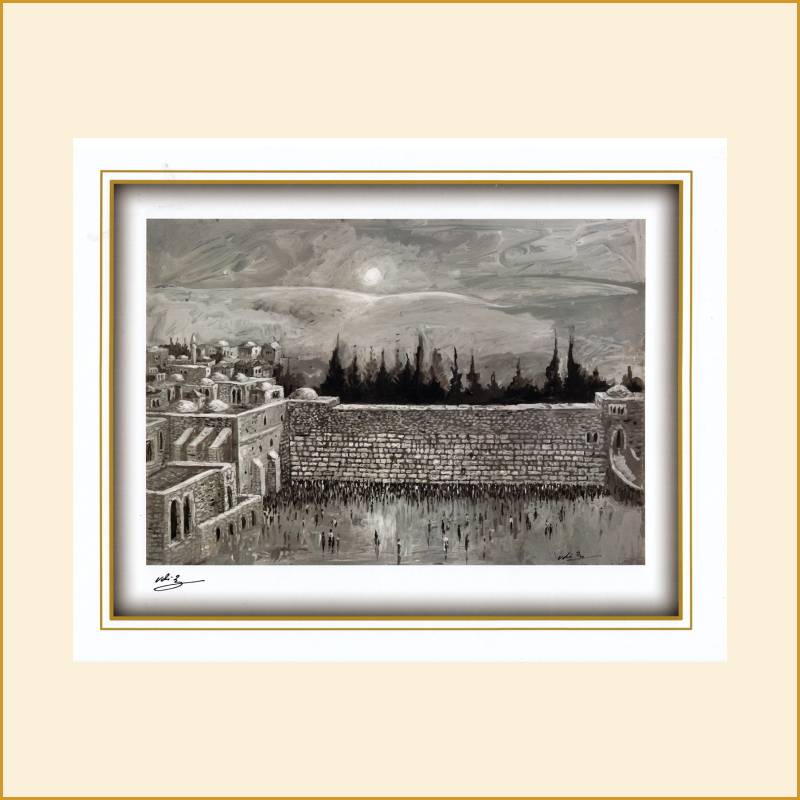
After lunch we went shopping at the Blue & White Art Gallery on HaKardo St. There we met the owner, Udi Merioz. He has a unique perspective on Jerusalem because his father fought for it in 1948, was one of the last Jewish defenders evacuated before the Quarter surrendered to the Arab Legion, and was the first to purchase land there when Israel freed it from Jordanian occupation in 1967. We had the privilege of hearing him tell his story. After, he let us all choose two prints to take home at no extra cost. I chose the Western Wall and the Eastern Gate as seen from the Garden of Gethsemane.


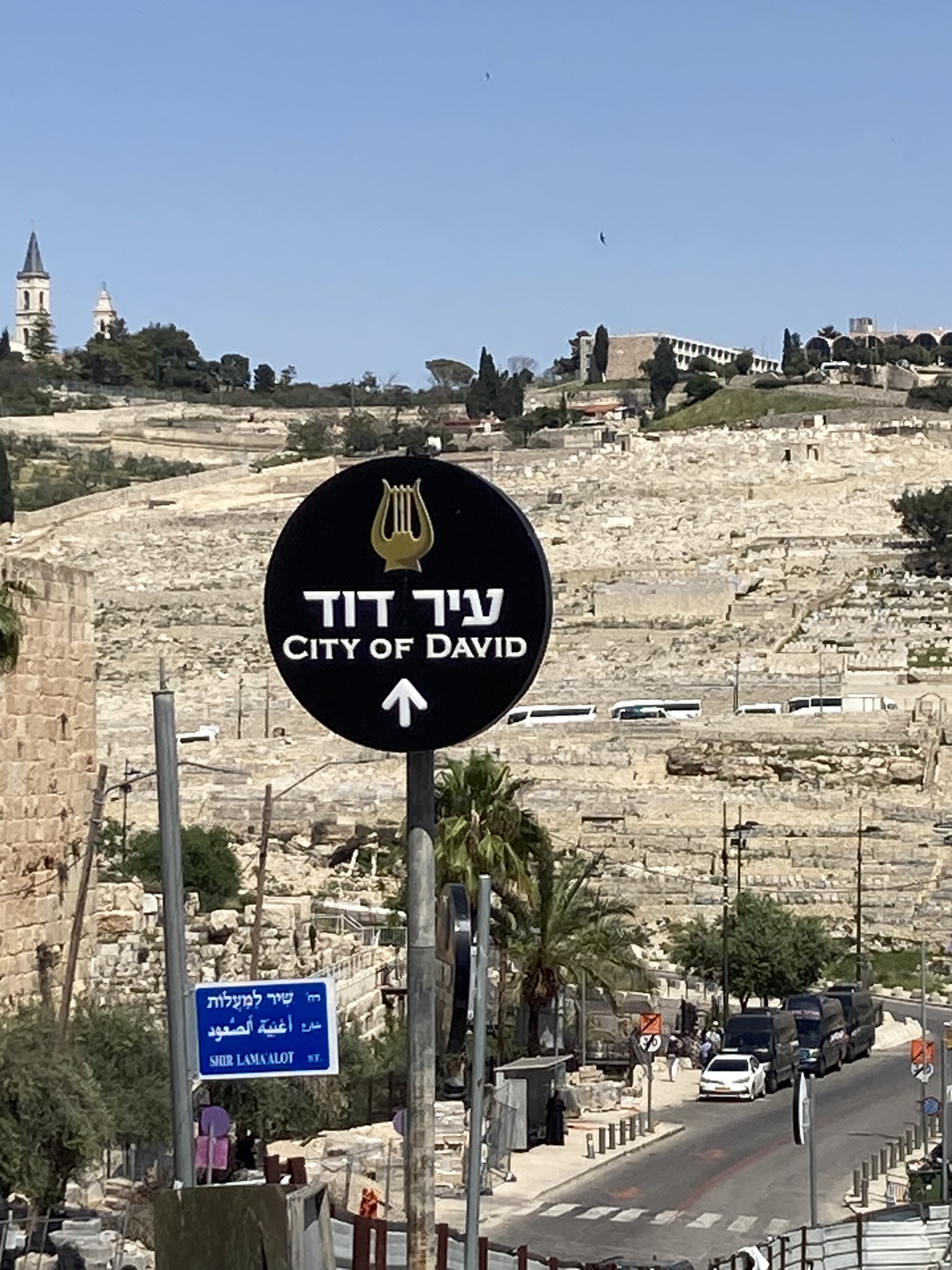
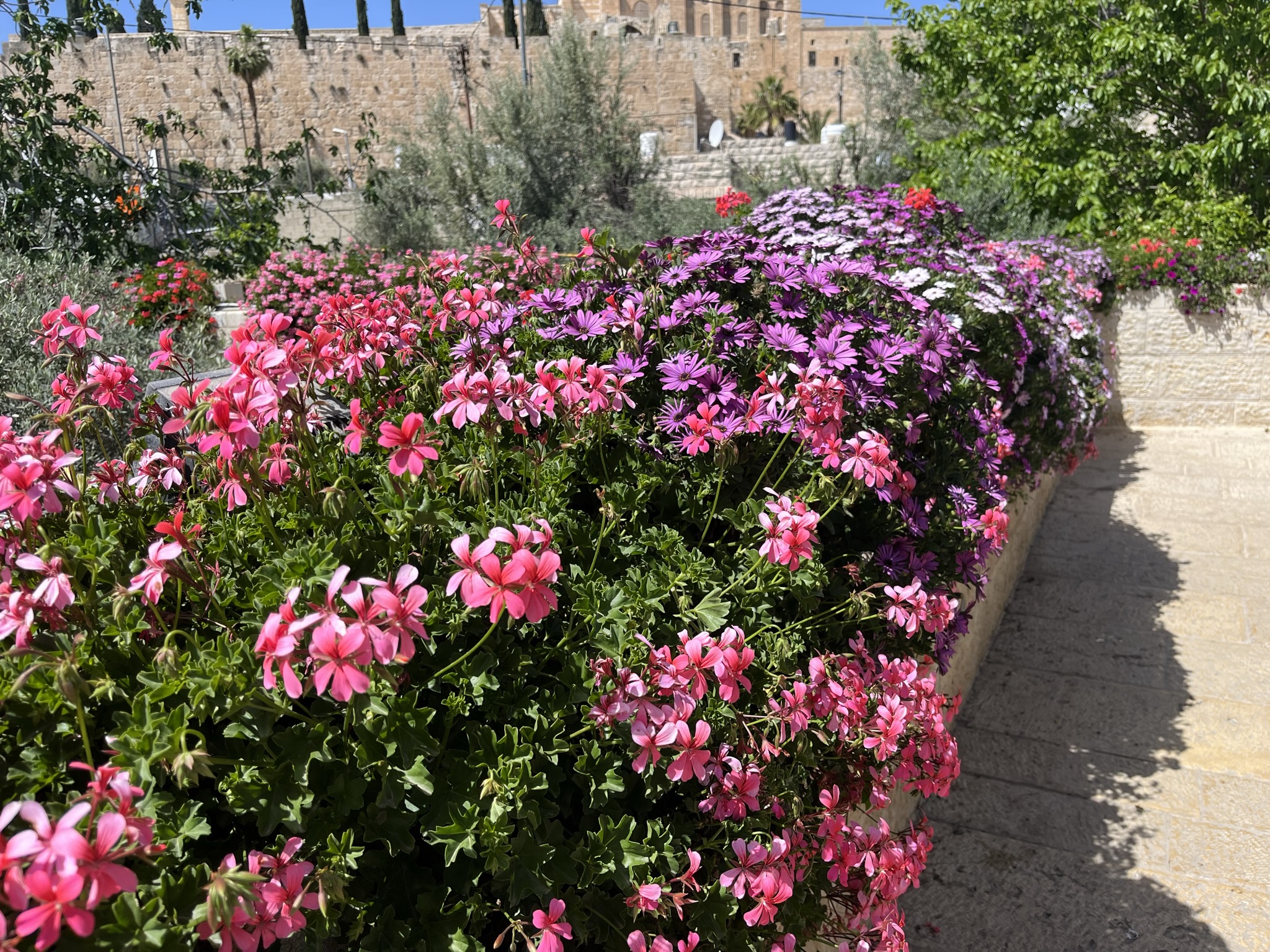
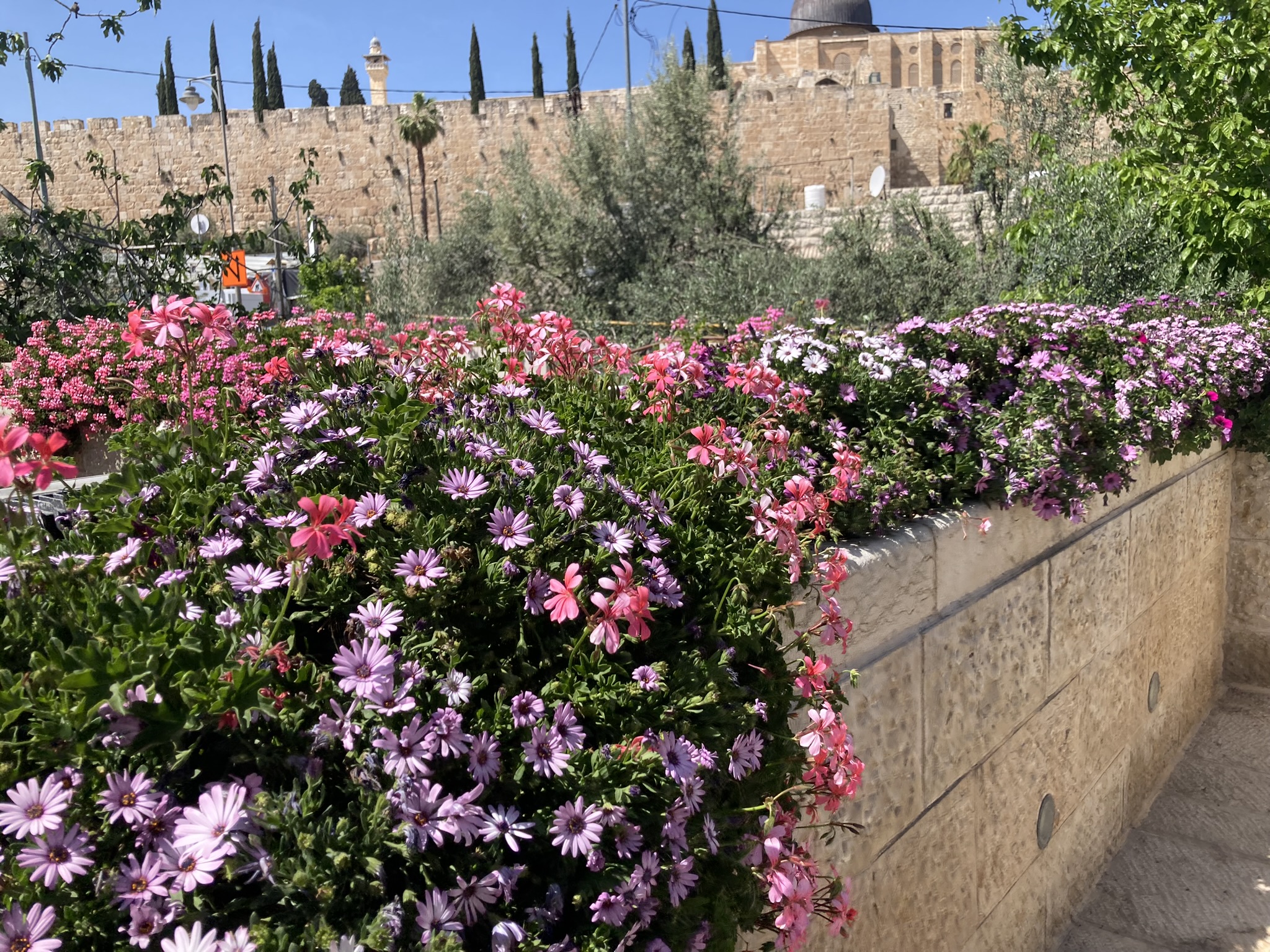
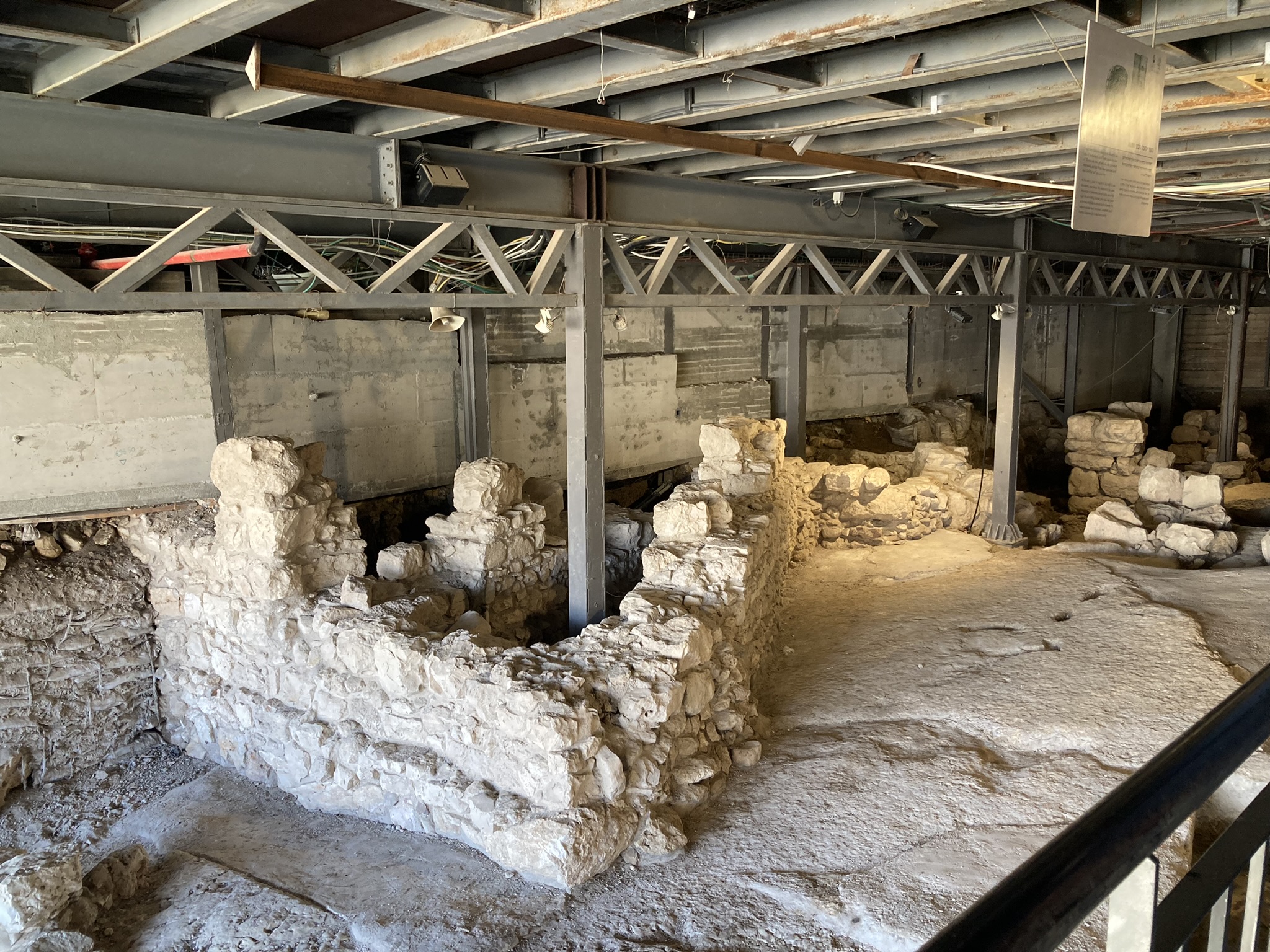
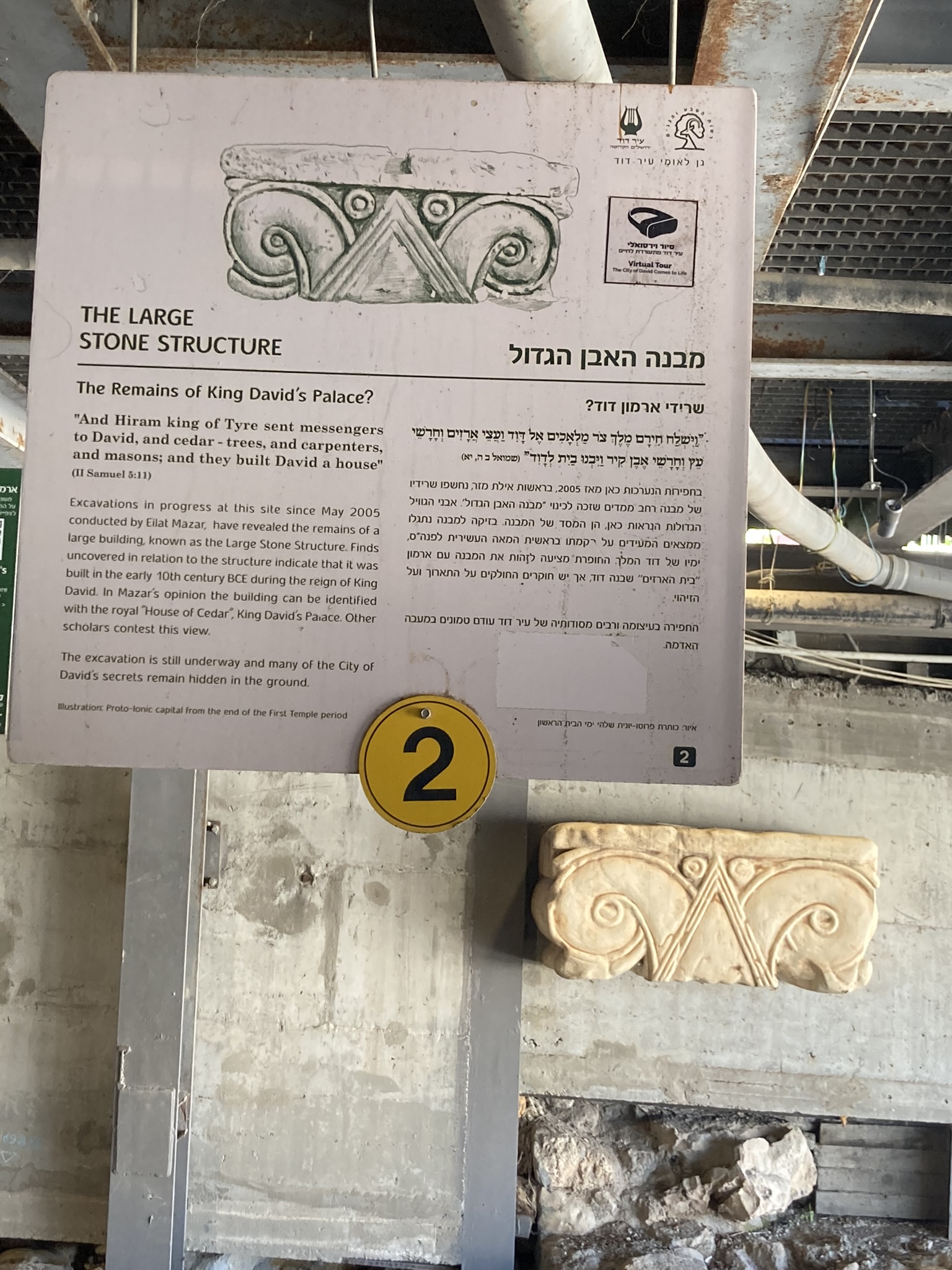
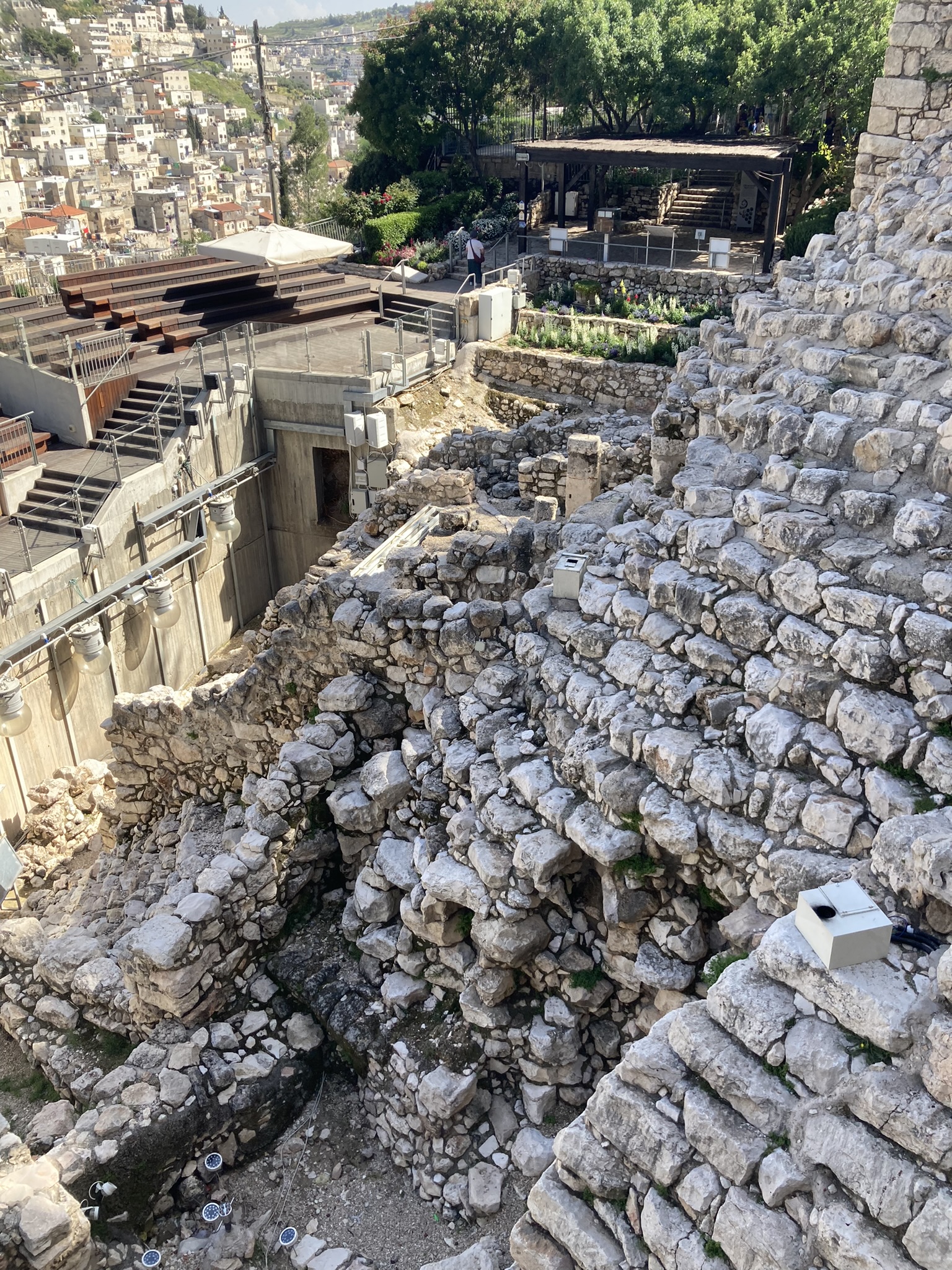
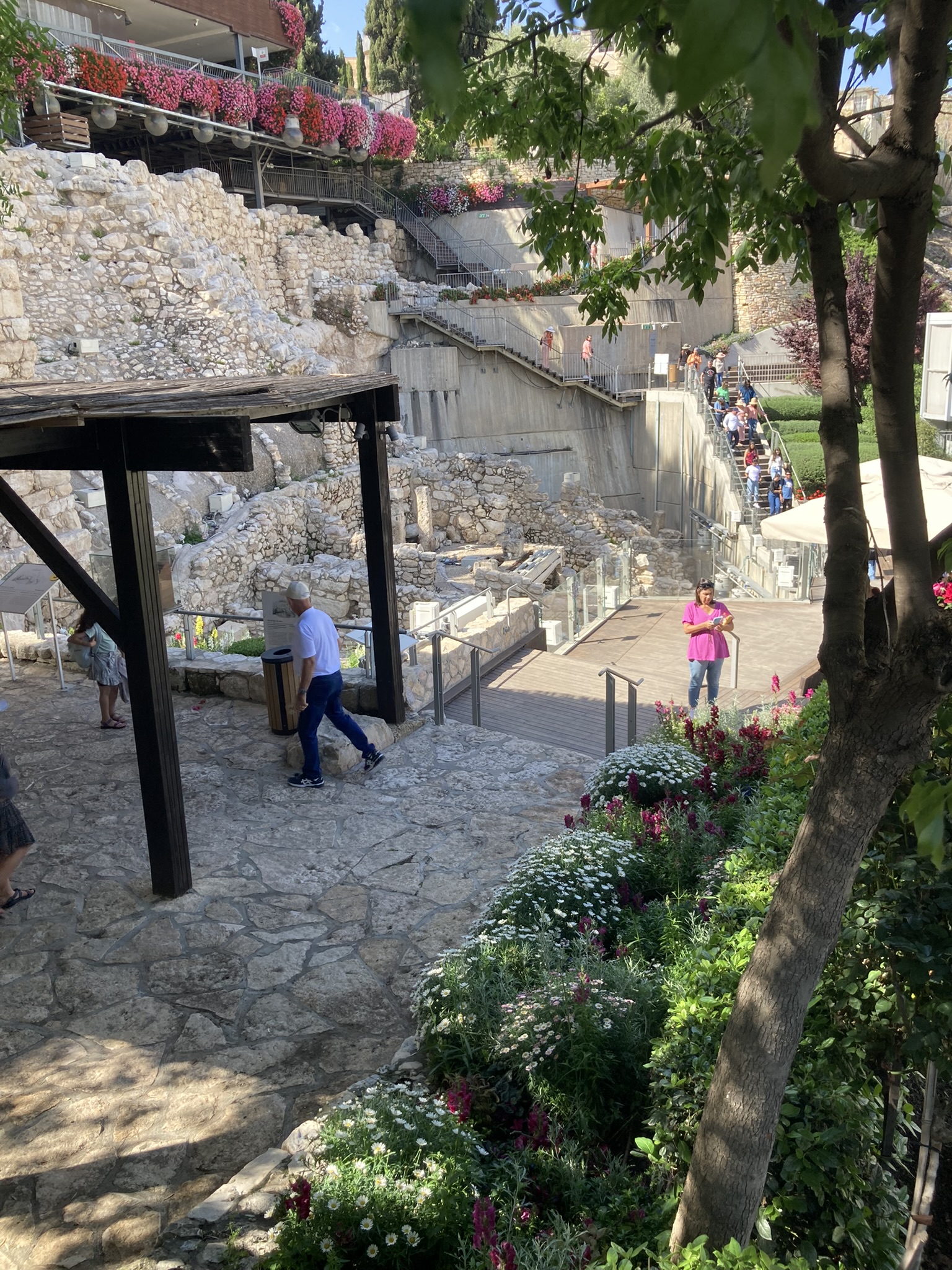
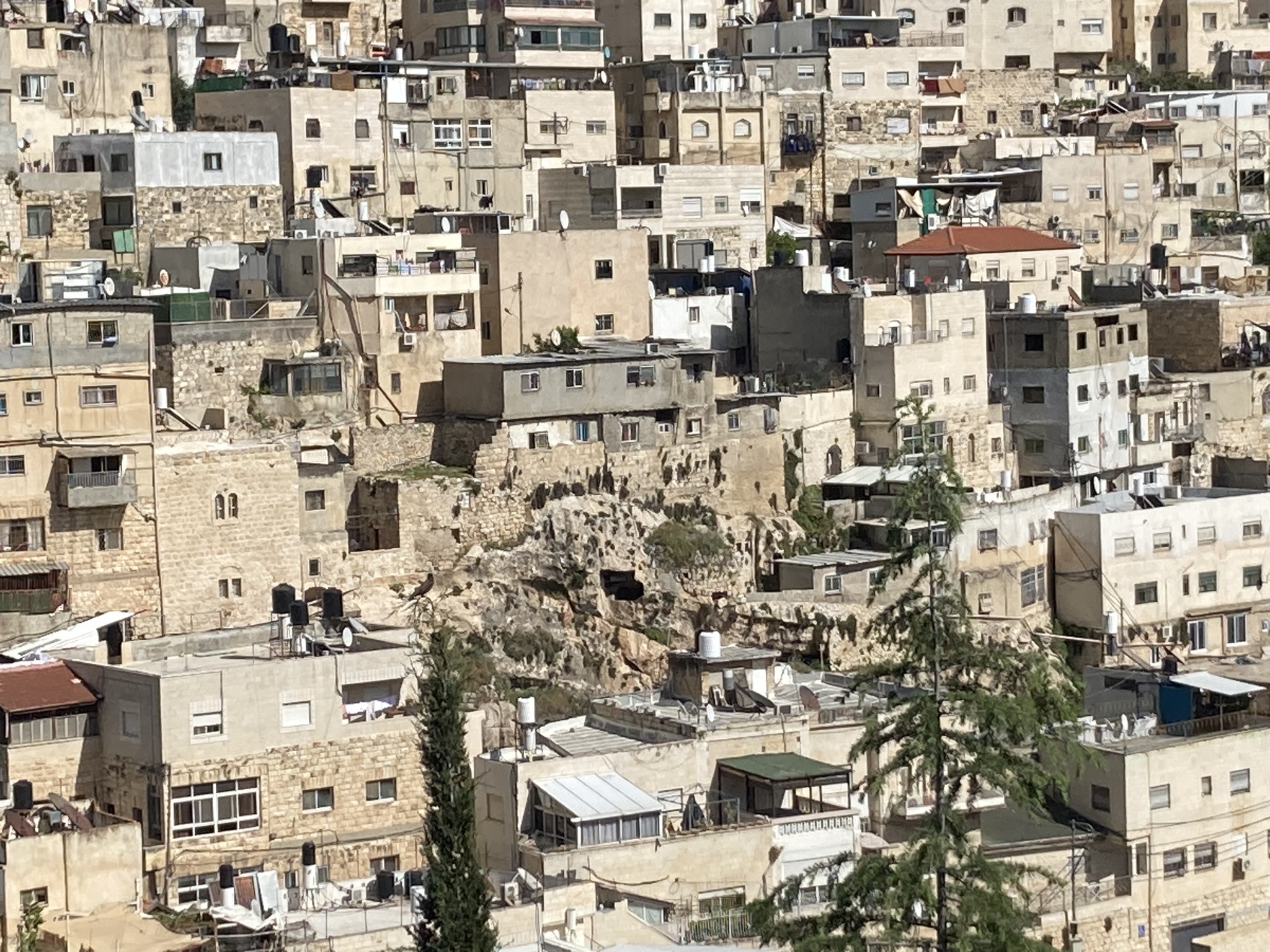
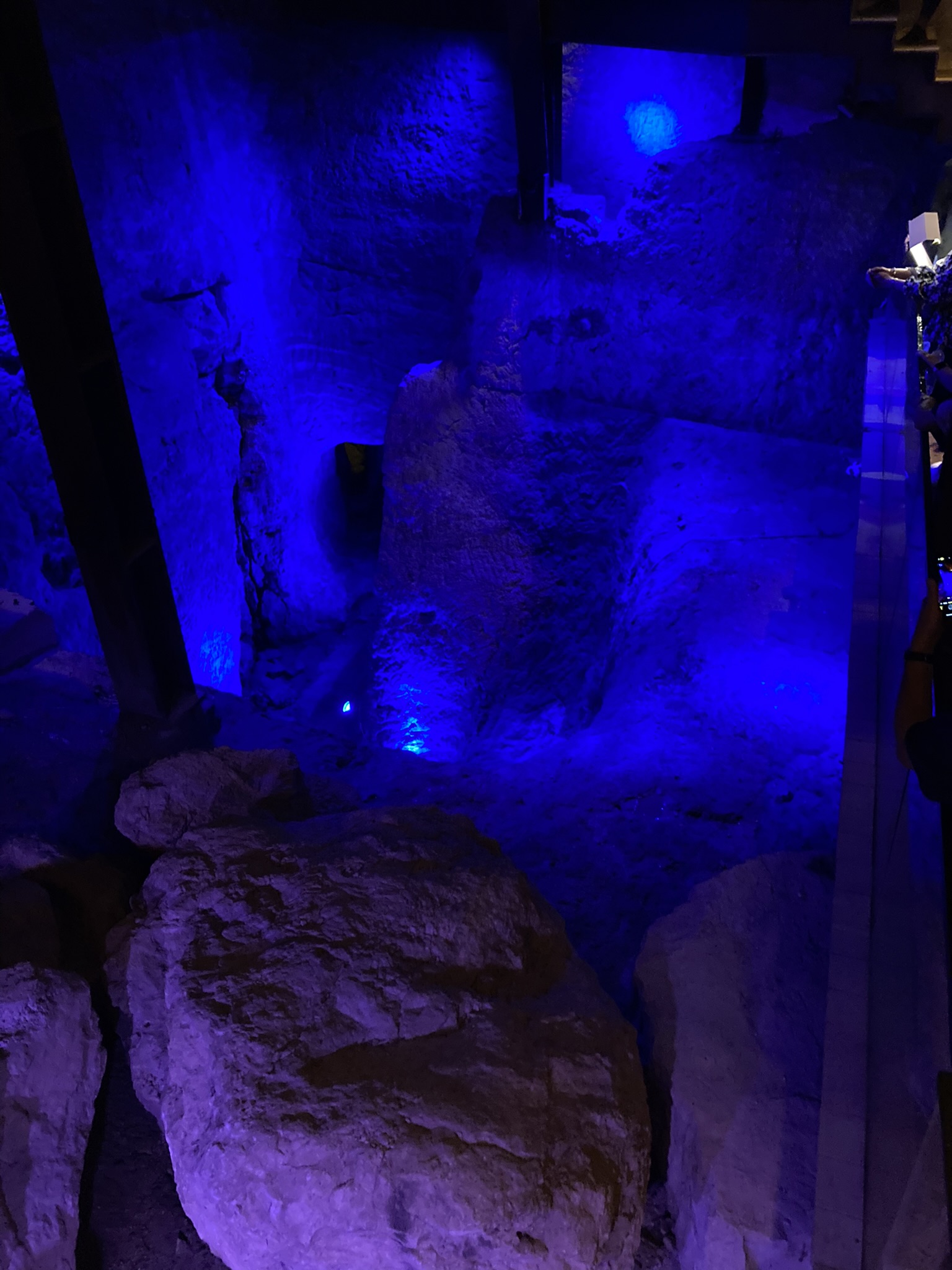
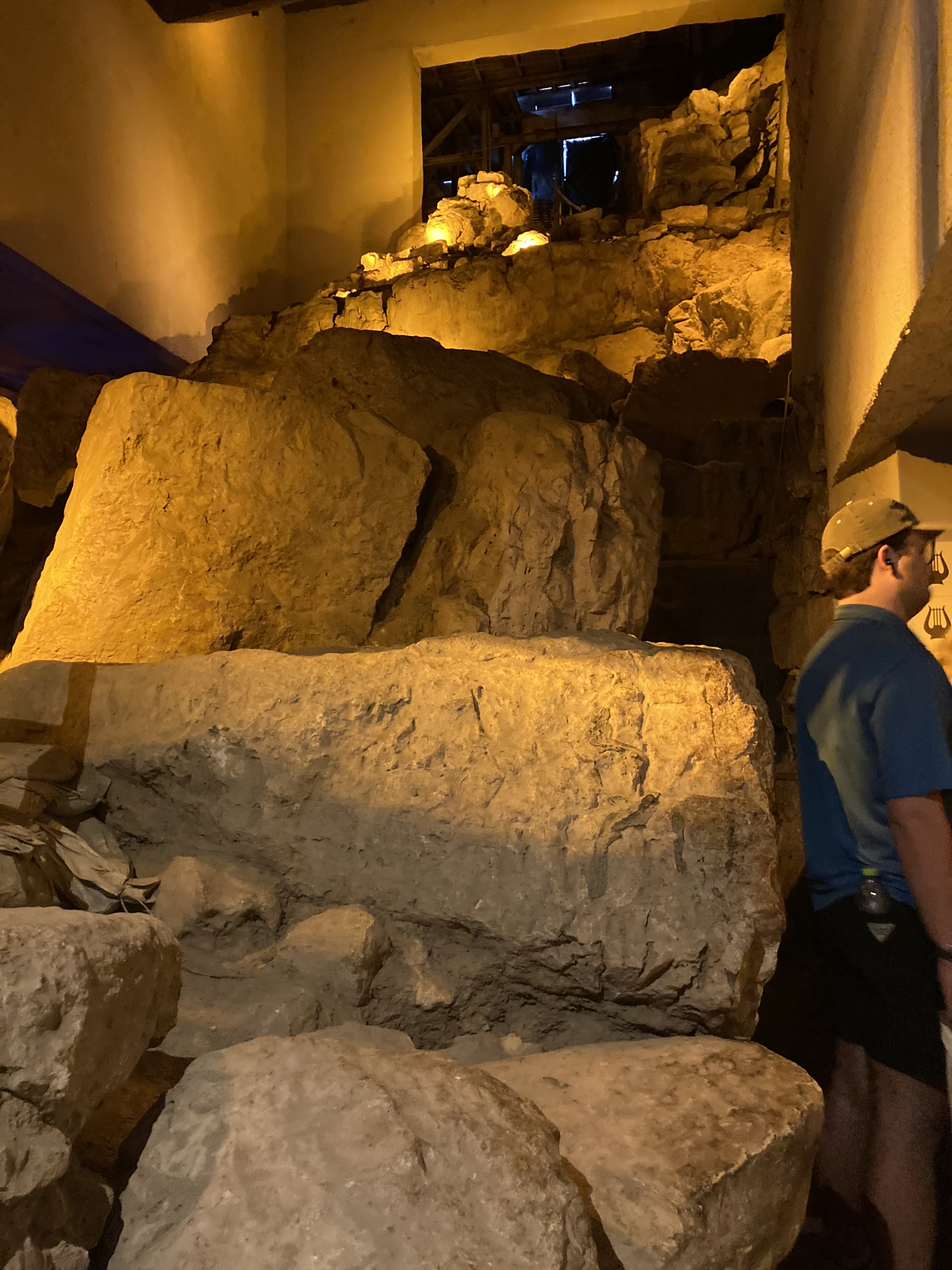
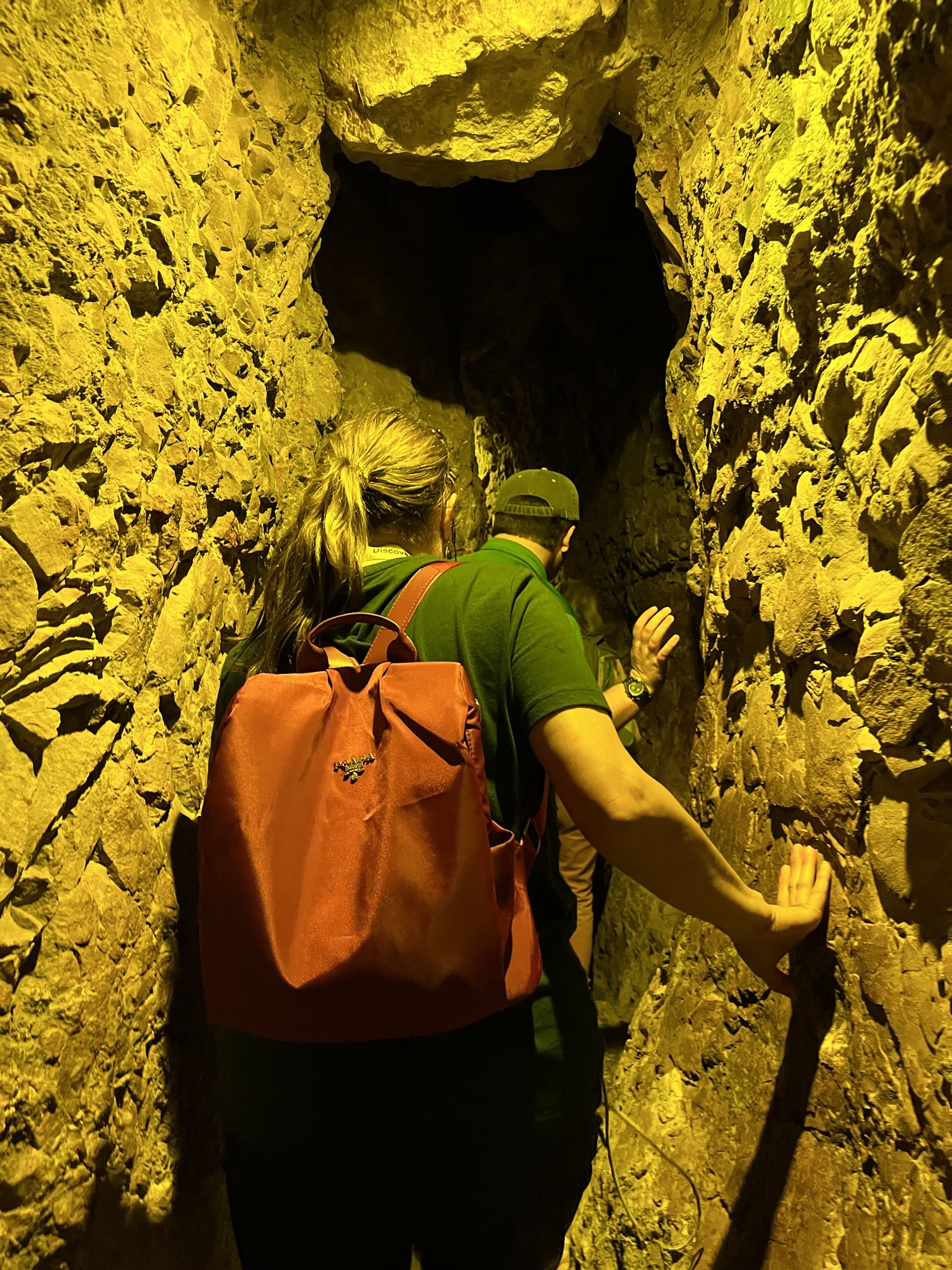
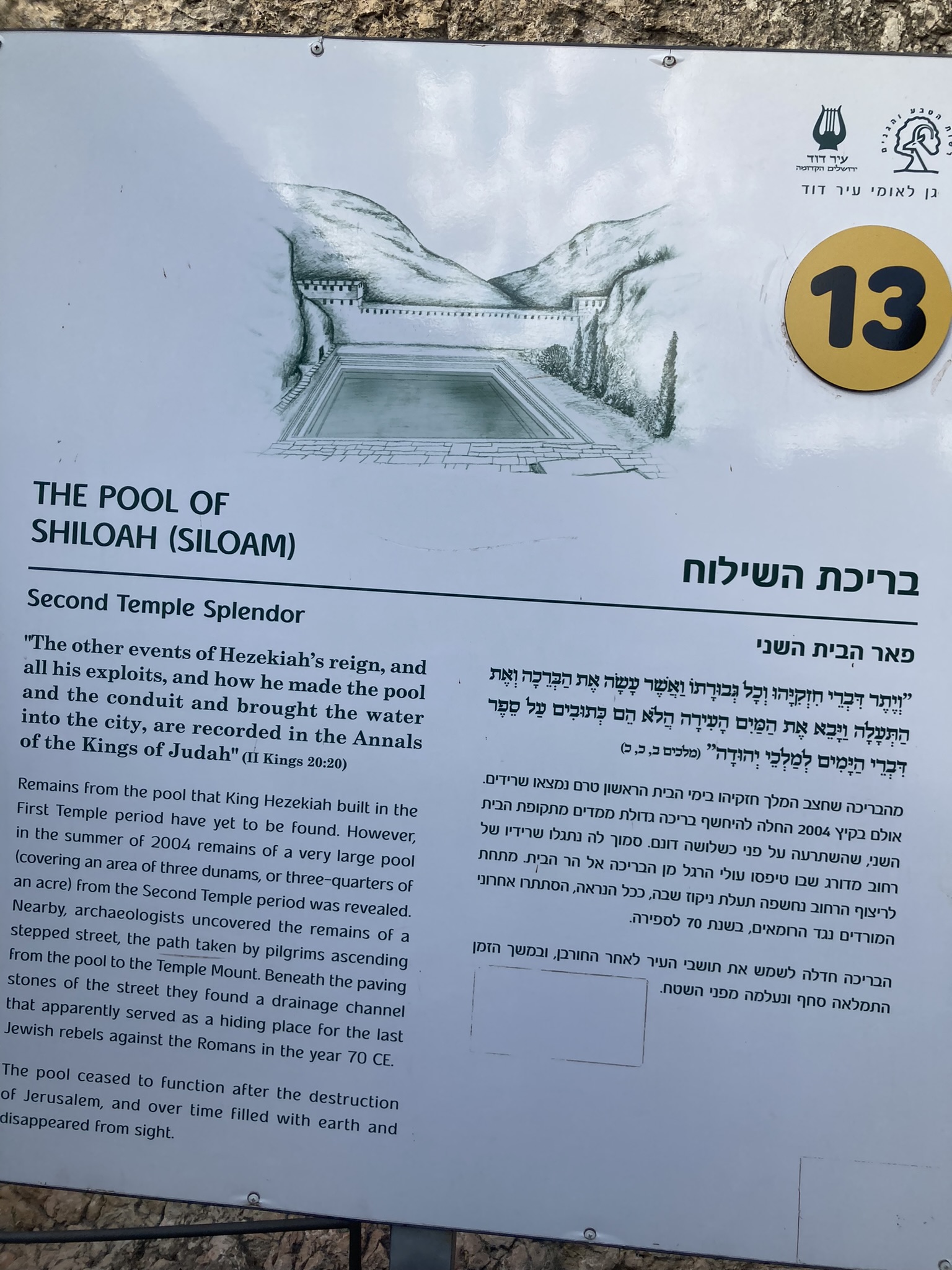
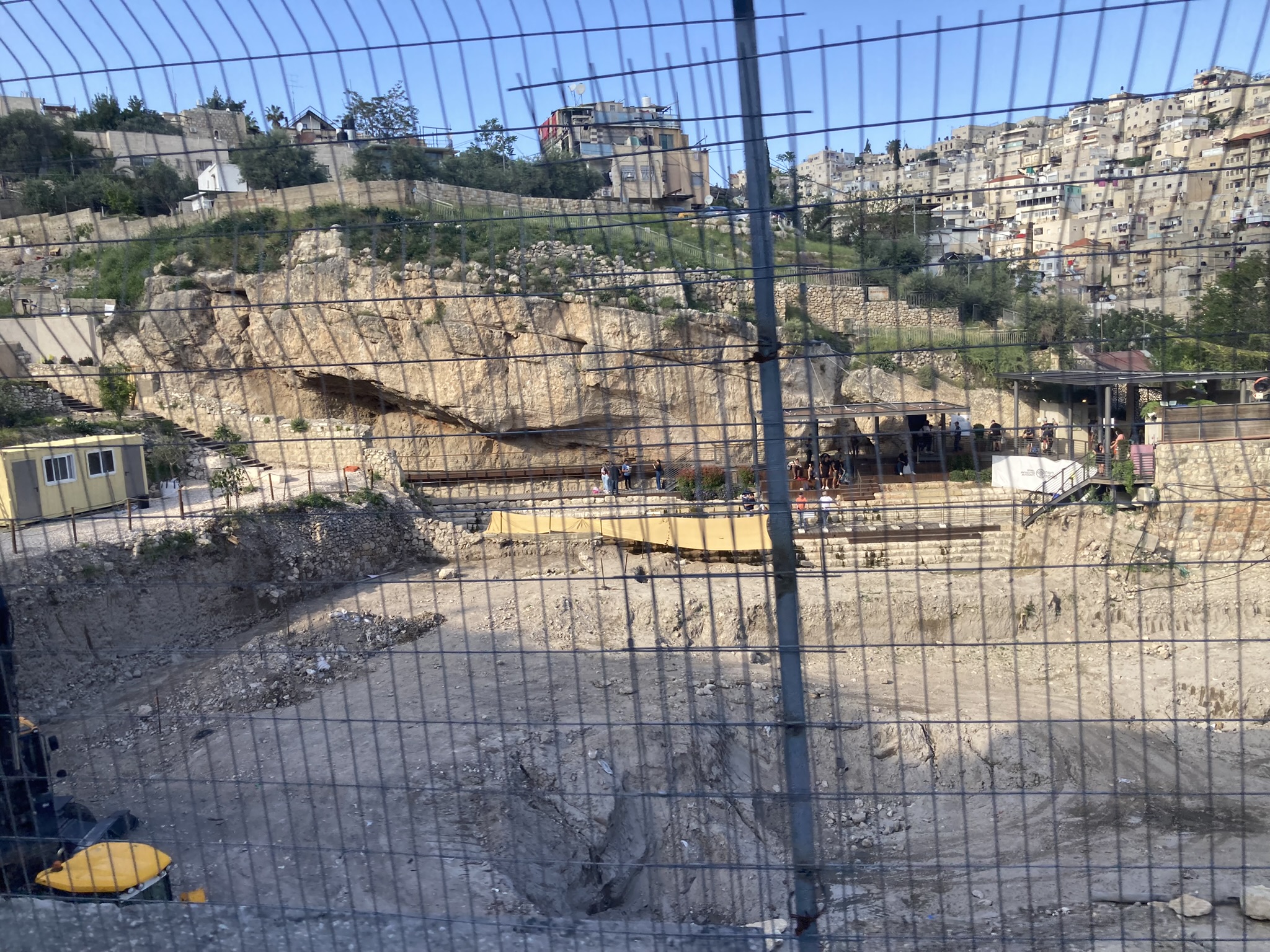
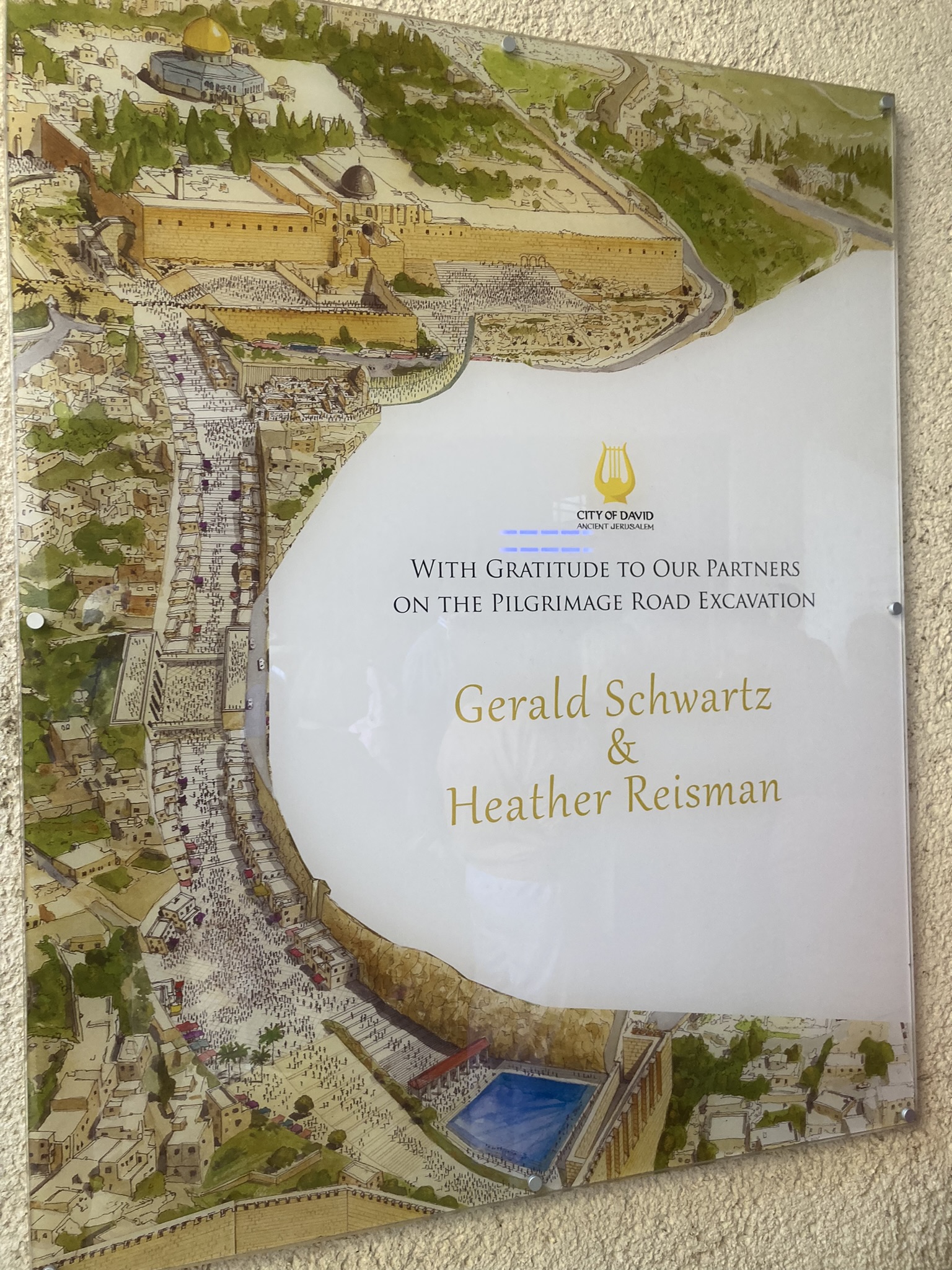
The City of David, complete with Hezekiah’s Tunnel and Siloam Pool:










TEMPLE MOUNT
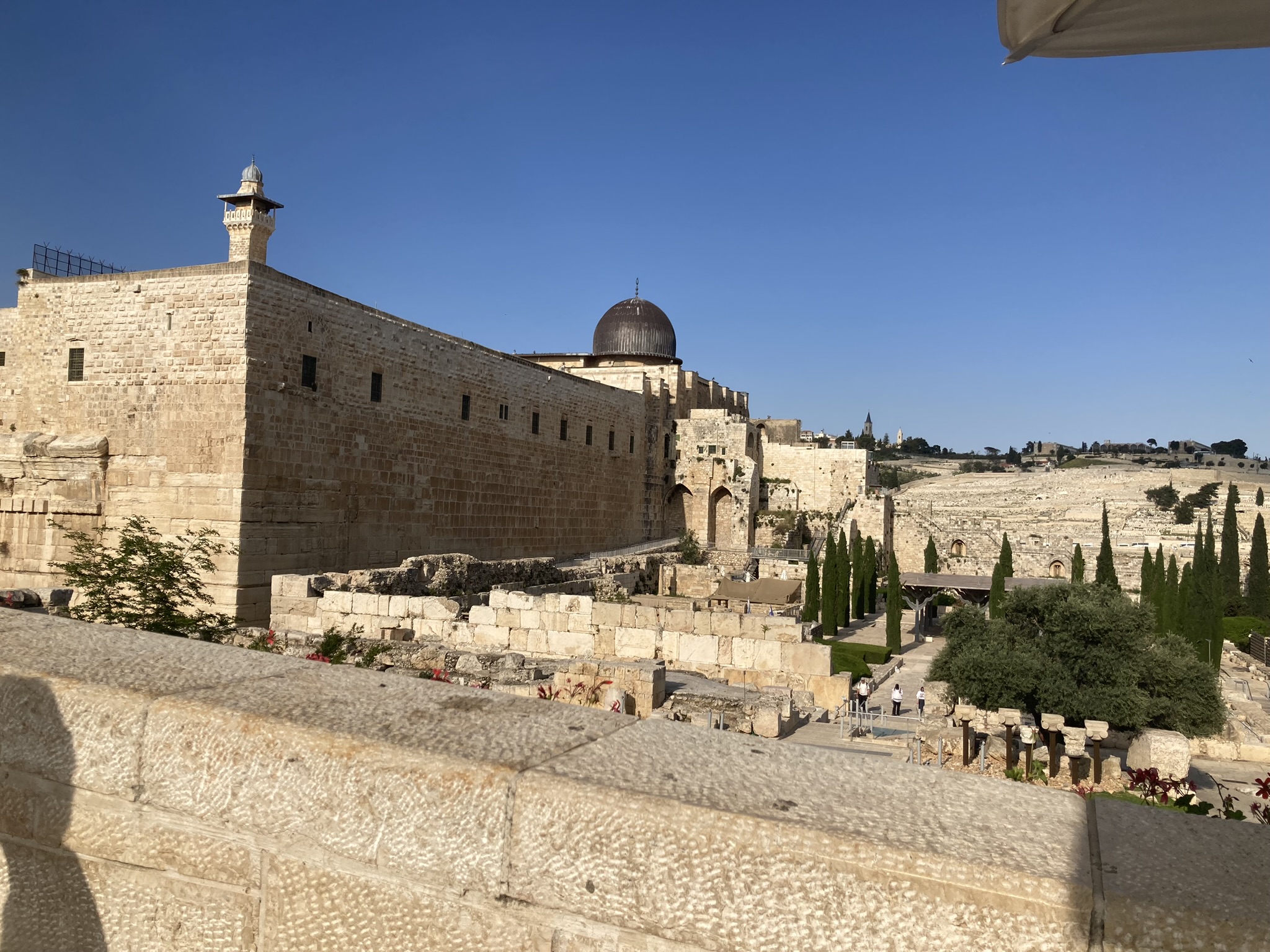
We were not allowed to go to the Temple Mount at the time of our visit because it was the end of the Muslim holiday Ramadan. Below is some information on the site so you can see where the Western Wall is in relation to the whole mount.

The Temple Mount area is about 27 acres on the top of Mount Moriah. The first mention of this place is in Genesis 22:1-19 where God told Abraham to bring Isaac as a sacrifice. When asked about the lamb for the sacrifice, Abraham told Isaac, “God will provide himself the lamb for the burnt offering, my son.” Many centuries later with Jesus, God did indeed provide Himself, complete with His head in thorns.
Between the times of Abraham and Jesus, King David purchased this area of land from Araunah the Jebusite. It was used as Araunah’s threshing floor at that time. David sinned against God by taking a census of the people so he needed to build an alter for God to take away the plague that was sent as punishment. 2 Samuel 24
David’s son Solomon would build the first temple on this site and it lasted for over four hundred years until it was destroyed by King Nebuchadnezzar’s armies in 587/586 BC.
Seventy years later the temple was rebuilt on the same site by the Jews who returned to Jerusalem following their Babylon captivity. This happened in the days of Zerubbabel, Nehemiah and Ezra. This would become known as the Second Temple.
During the “Intertestamental Period“, Antiochus IV (Epiphanes), the king of Syria, captured Jerusalem in 167 BC and desecrated the Temple by offering the sacrifice of a pig on an altar to Zeus (the Abomination of Desolation). The Maccabeus family decided to fight back and not give in. Finally they entered Jerusalem in triumph. They ritually cleansed the Second Temple, reestablishing traditional Jewish worship there; 25 Kislev, the date of the cleansing in the Hebrew calendar, would later become the date when the festival of Hanukkah begins.
Around the first century, Israel was occupied by Rome and King Herod made a significant addition to this Second Temple, which then became known as Herod’s Temple. It was this temple that Jesus cleansed and this temple that He said would fall. And it did.

There are two different Muslim structures on the Temple Mount: The Dome of the Rock and the Al Aqsa (Distant Place) Mosque. The golden domed mosque is called the Dome of the Rock because it was built on top of the Foundation Stone which according to Jewish tradition is the holiest place in the world. Al Aqsa mosque is a low grey roofed mosque also located on the Temple Mount, across from the Dome of Rock.
WESTERN WALL
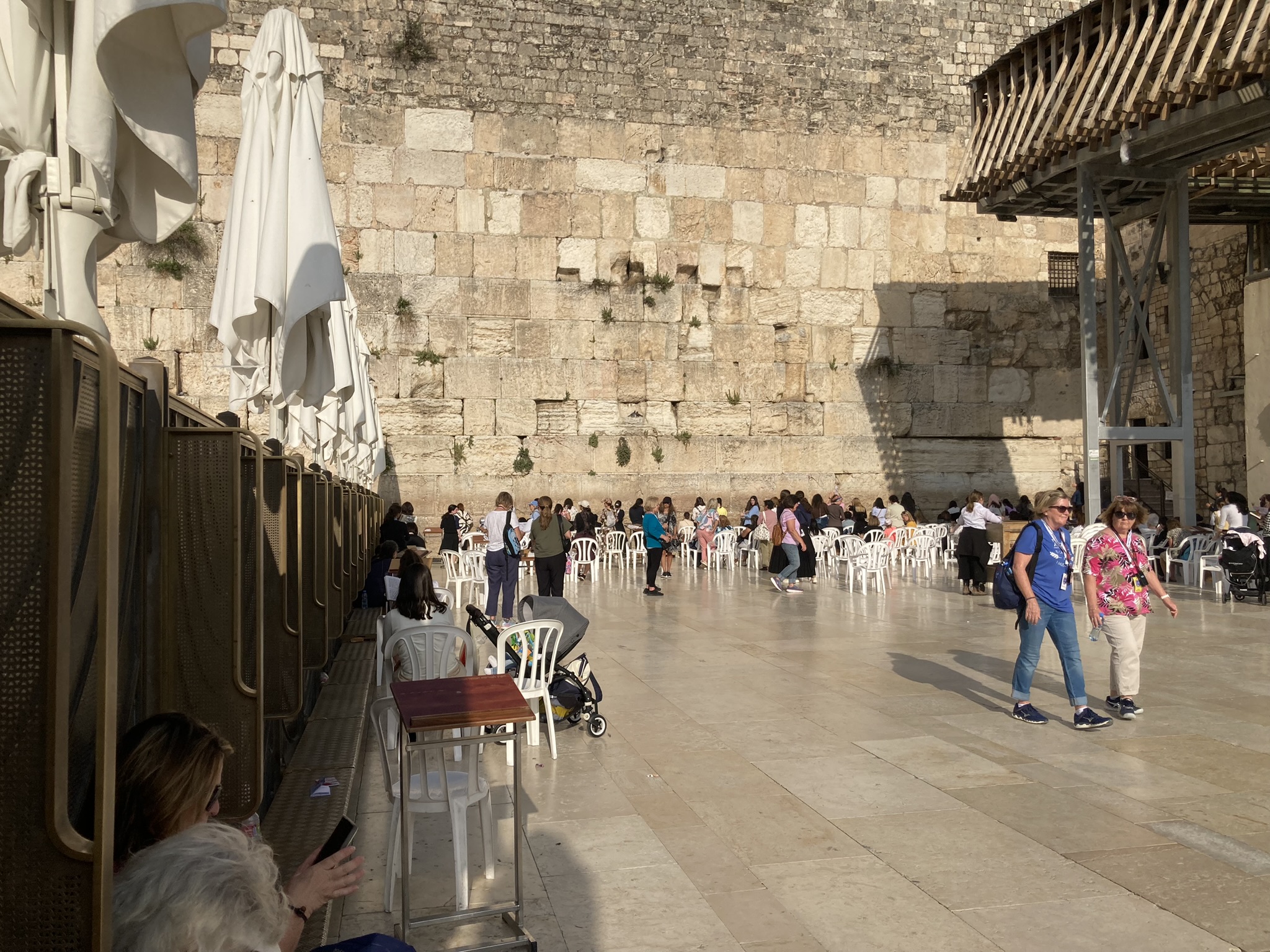
“Western Wall” is a factual description of the wall since it is on the the west side of the Temple Mount. “Kotel” is the Hebrew word which simply means “Wall”. It is also known by non-Jews as the “Wailing Wall”. This is seen by Jews as a derogatory term mocking the pain of the Jewish people.
This 2000-year-old wall made of limestone contains the last remains of the Second Jewish Temple and is currently the most religious site in the world for the Jewish people. The holiest site on earth for the Jewish people is the Temple Mount, but “The Kotel” is special today because it is a fragment of the Temple Mount’s fortifications. It is all that remains of the destruction of Jerusalem and the Second Temple by the Romans, led by Emperor Titus, during the First Jewish War in 70 AD. It’s not even a wall of the Temple structure itself, it is a retaining wall of the compound. Jesus talked about this destruction in Matthew 24:1-2, Mark 13:1-2, and Luke 21:5-6.
Today, paper prayers are jammed in every available crevice of the wall as high as one can reach. After they are removed by the cleaners, the notes are then buried on the Mount of Olives, according to ritual. Rabbi Rabinovitch said: “God willing, these notes will be buried and we hope that God will hear the prayers of all those who put their requests here from Israel and abroad, Jews and non-Jews alike.”
The Western Wall is divided by gender. Men worship and pray on the left and women do the same on the right. There is a large partition between the two.


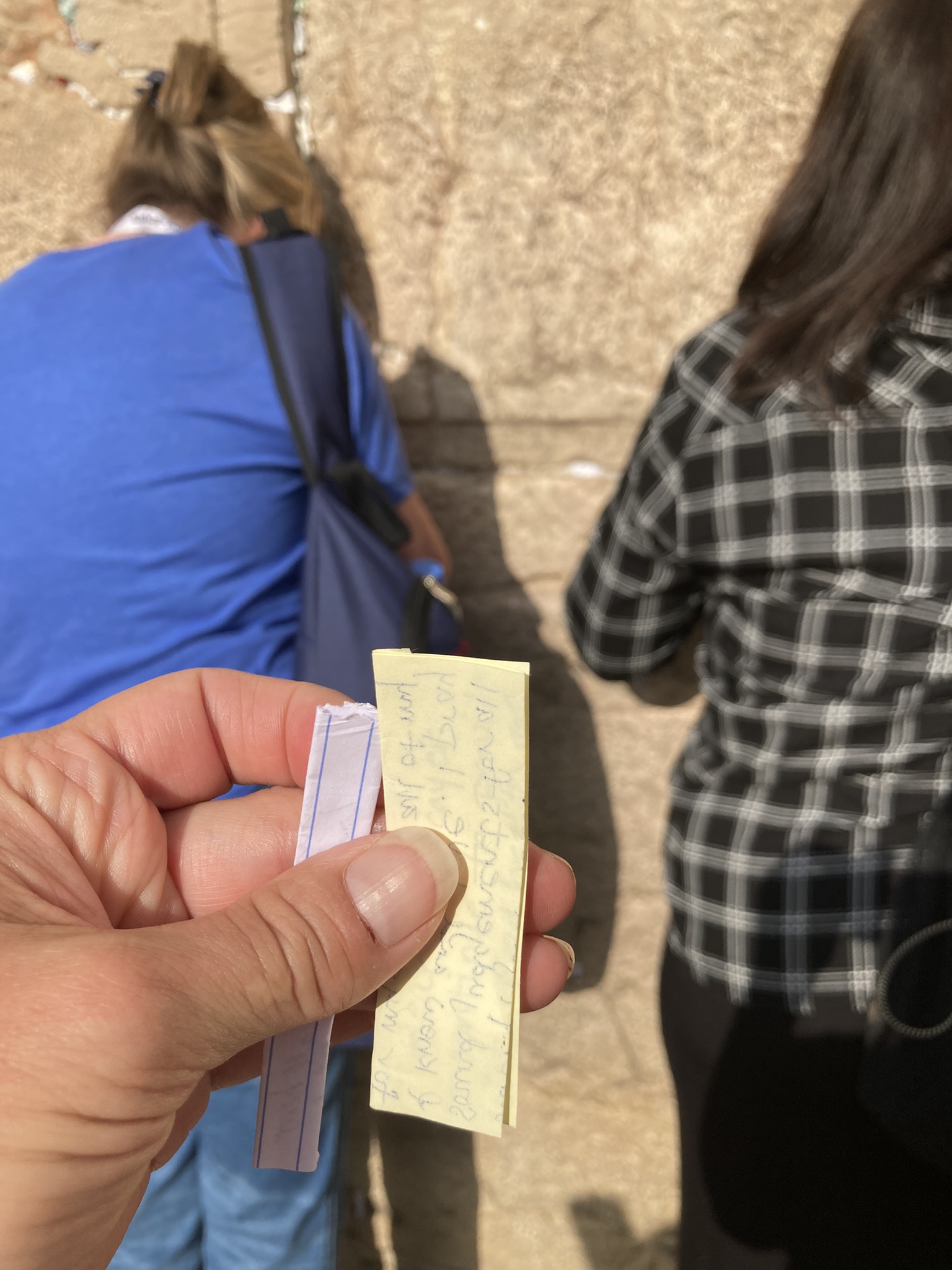

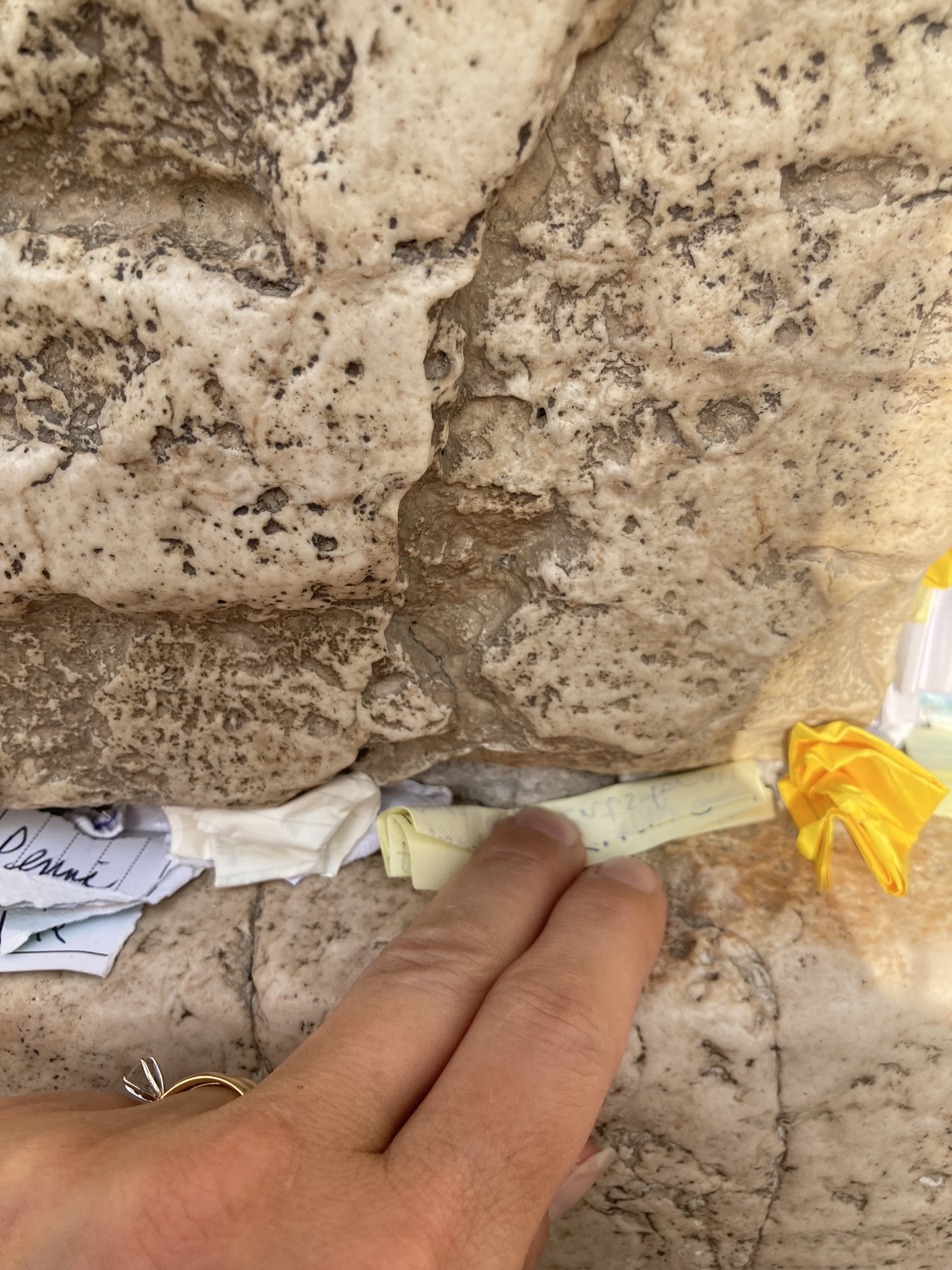

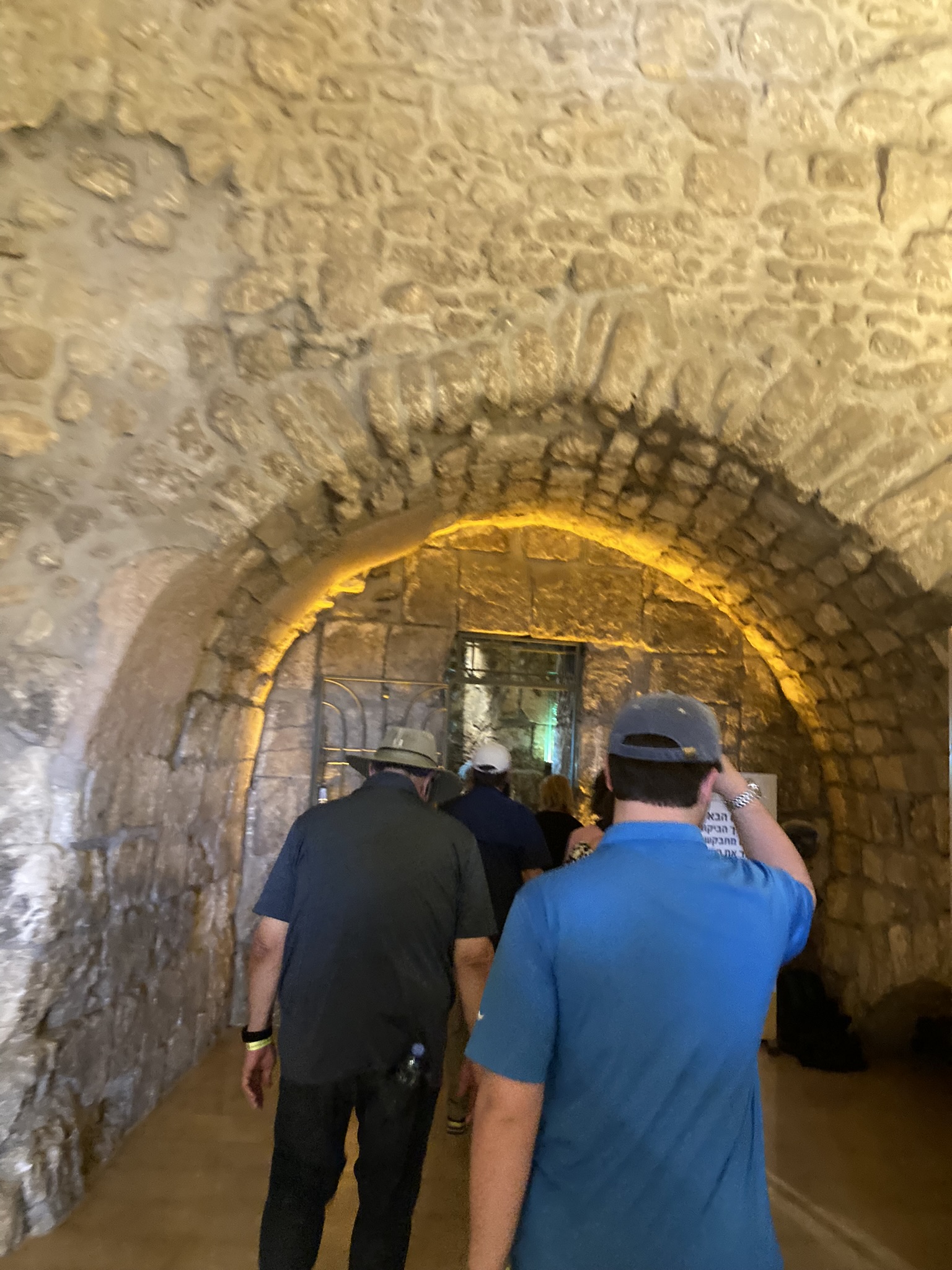
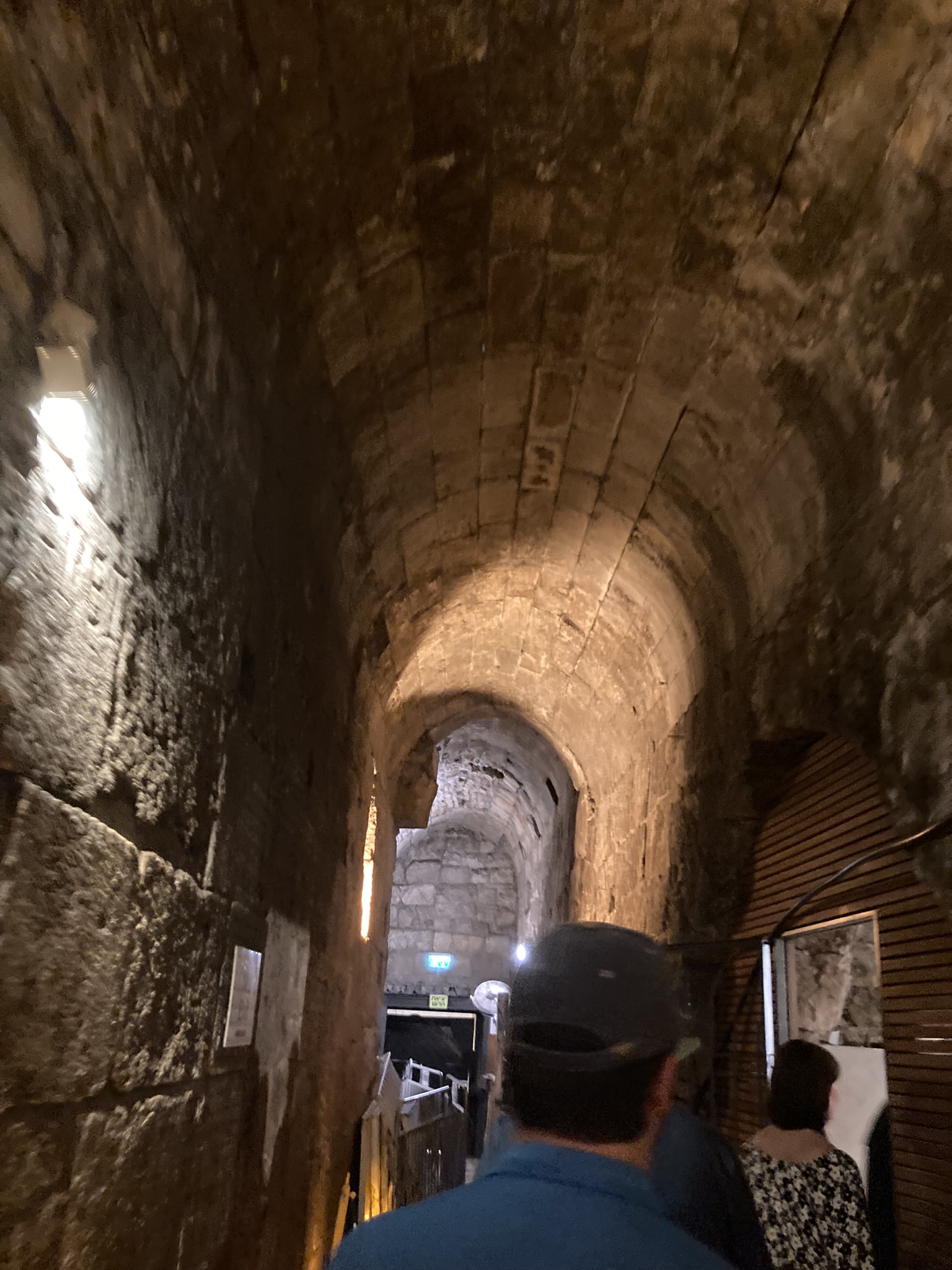
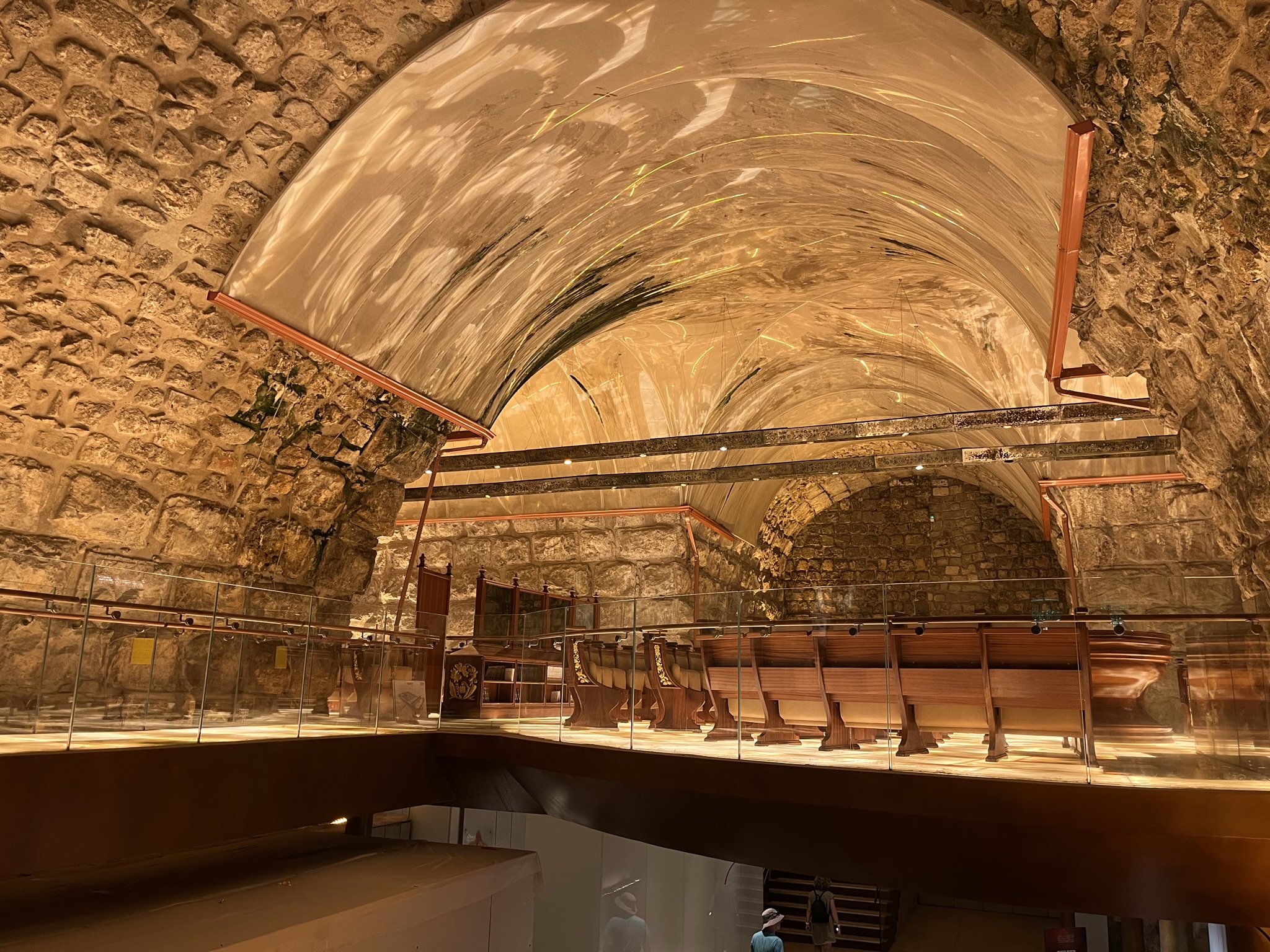
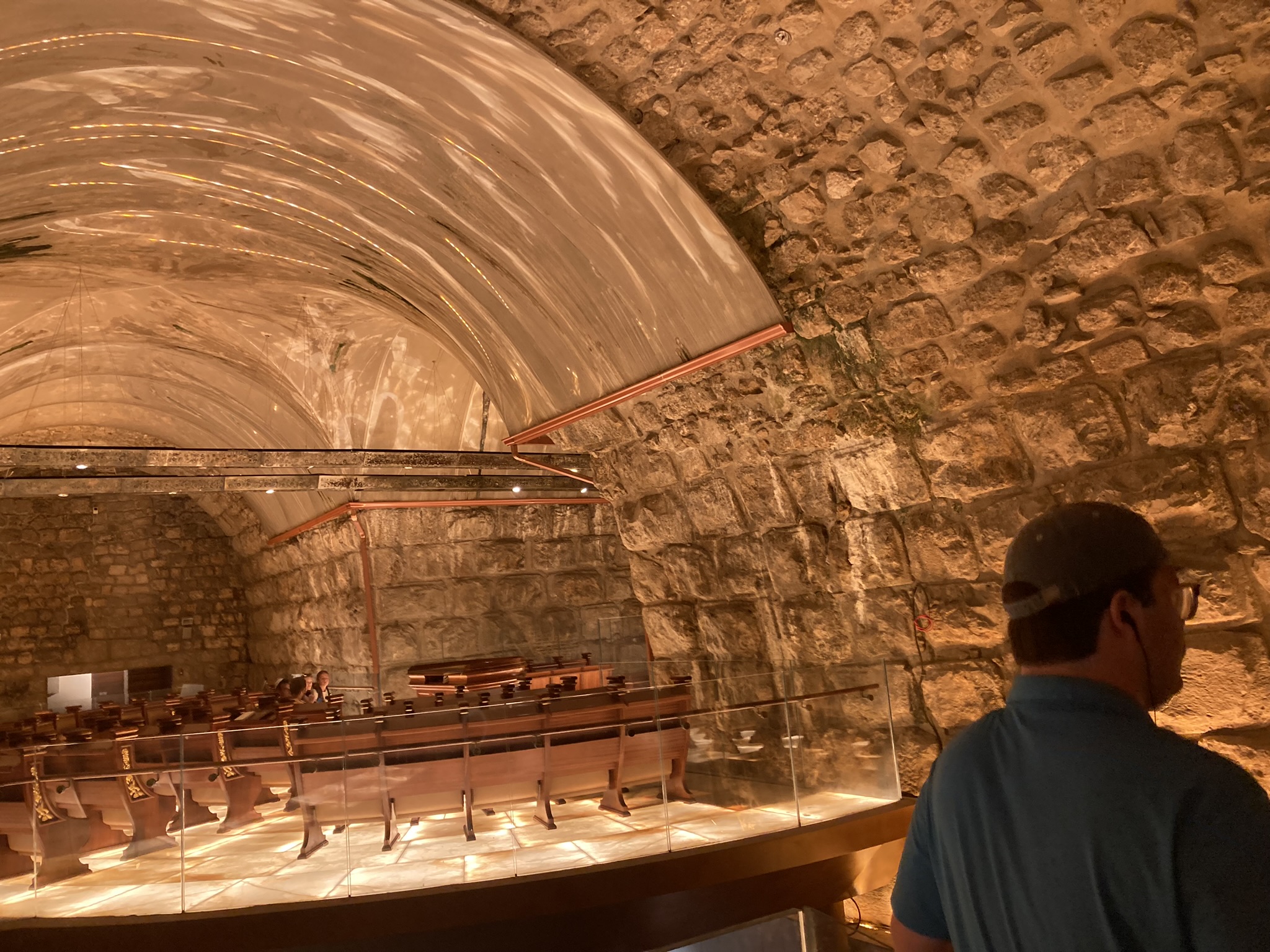
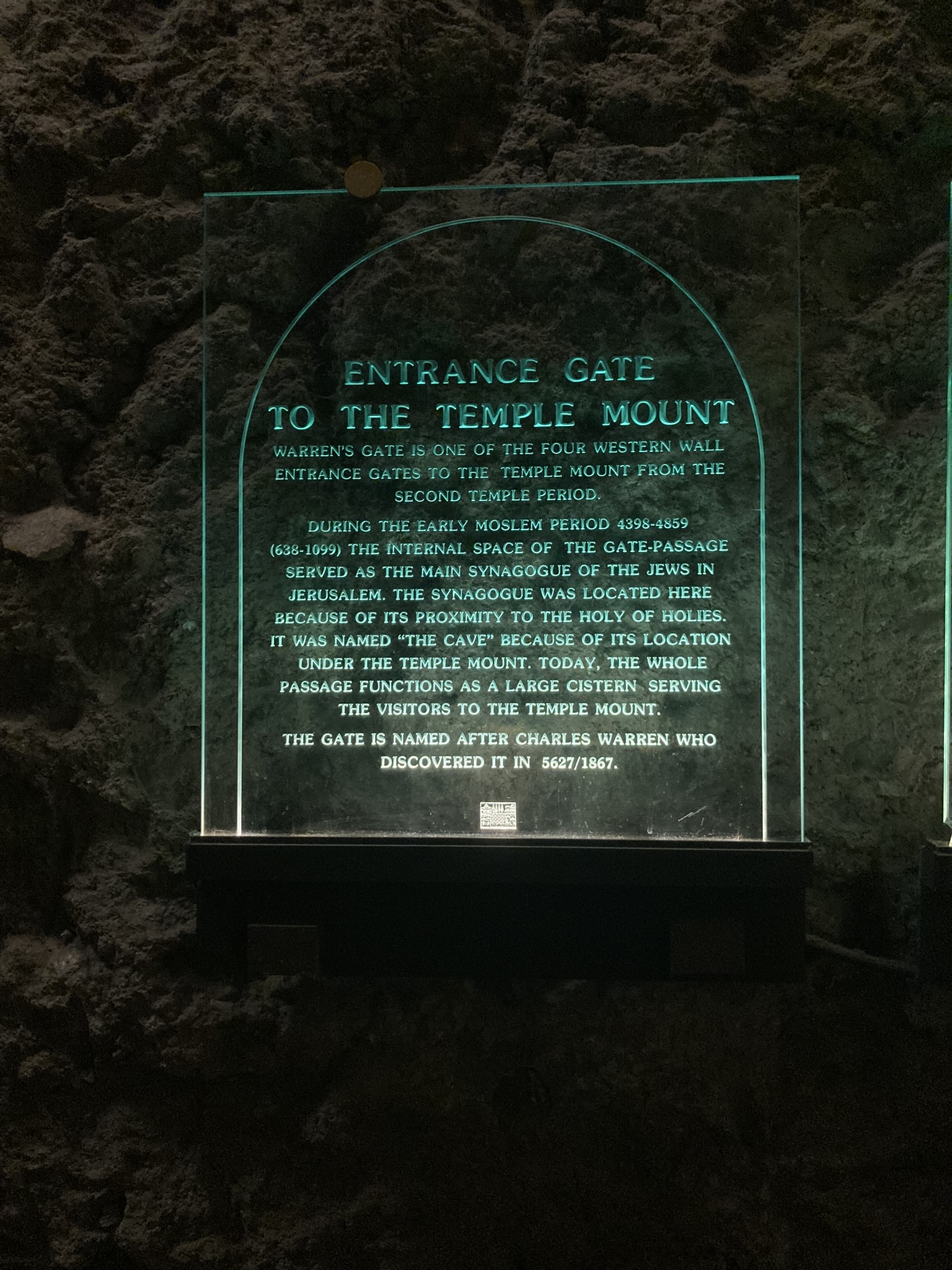
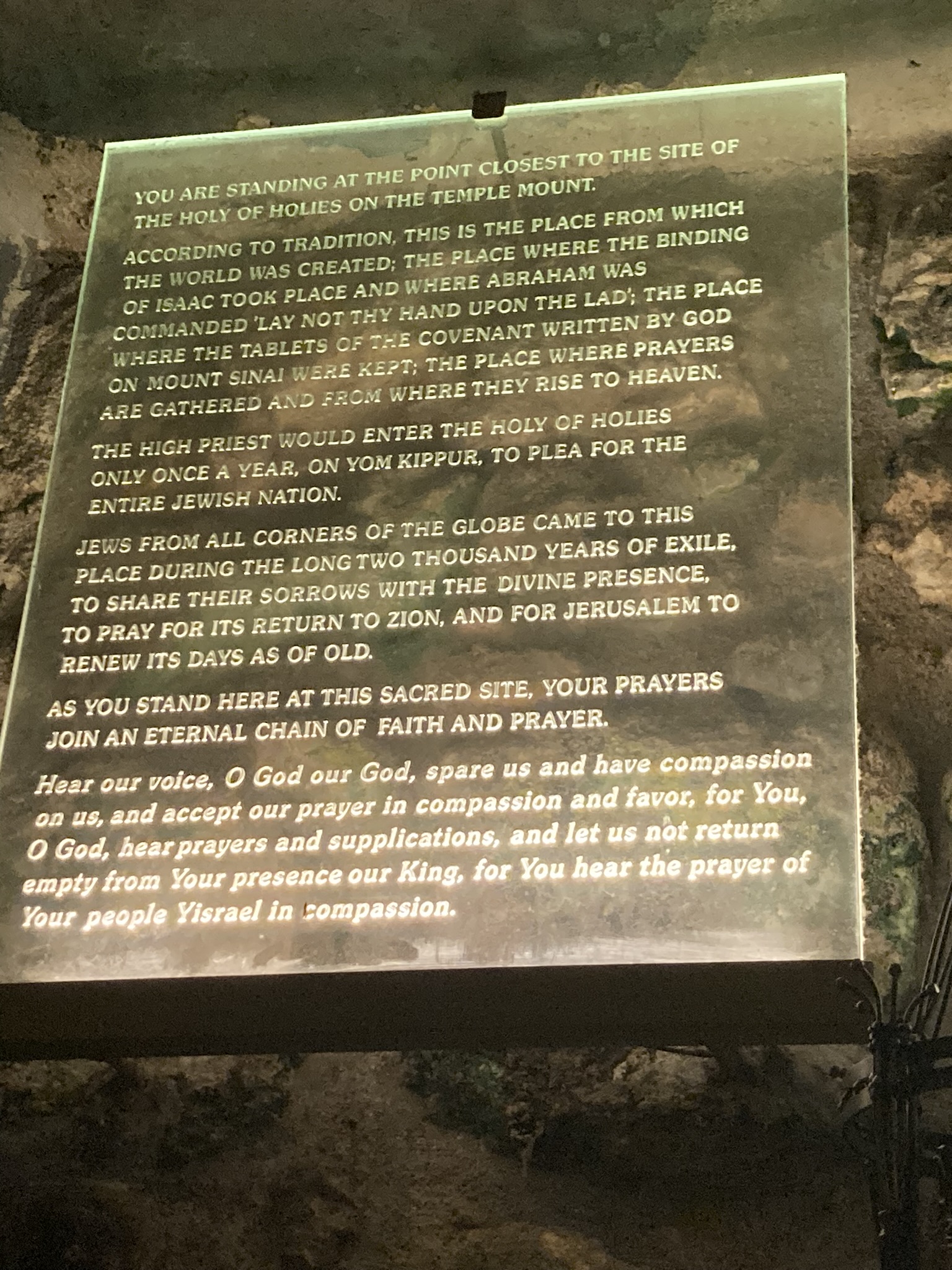
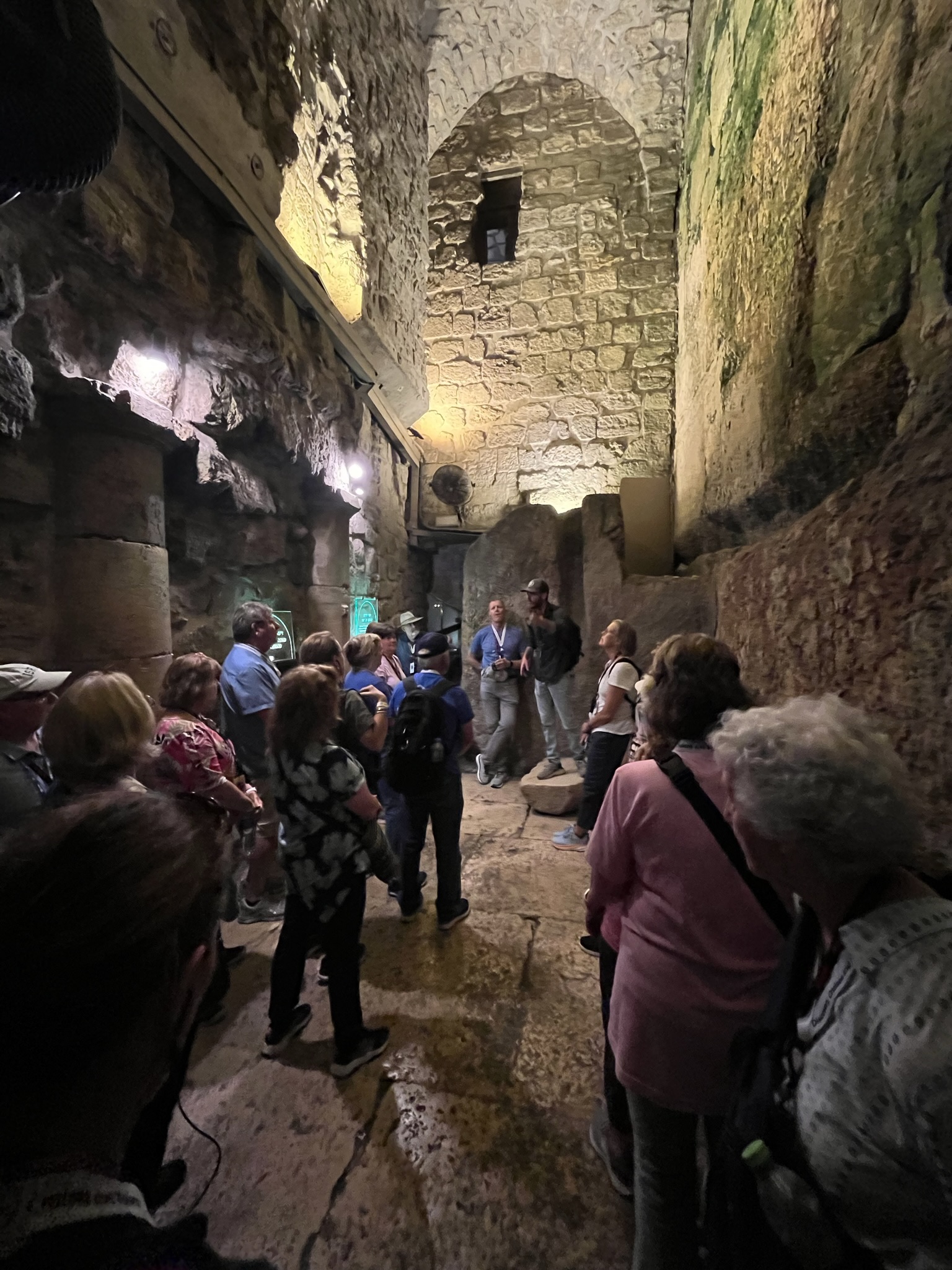
Next we go underground to the foundations of the Western Wall and see the Warren’s Gate entrance. This is the closest place a Jewish person can get to where the Holy of Holies once stood.





 Theresa Haigler