
GOOGLE MAPS: DEAD SEA / QUMRAN / MASADA / EIN GEDI
DEAD SEA – KALIA BEACH
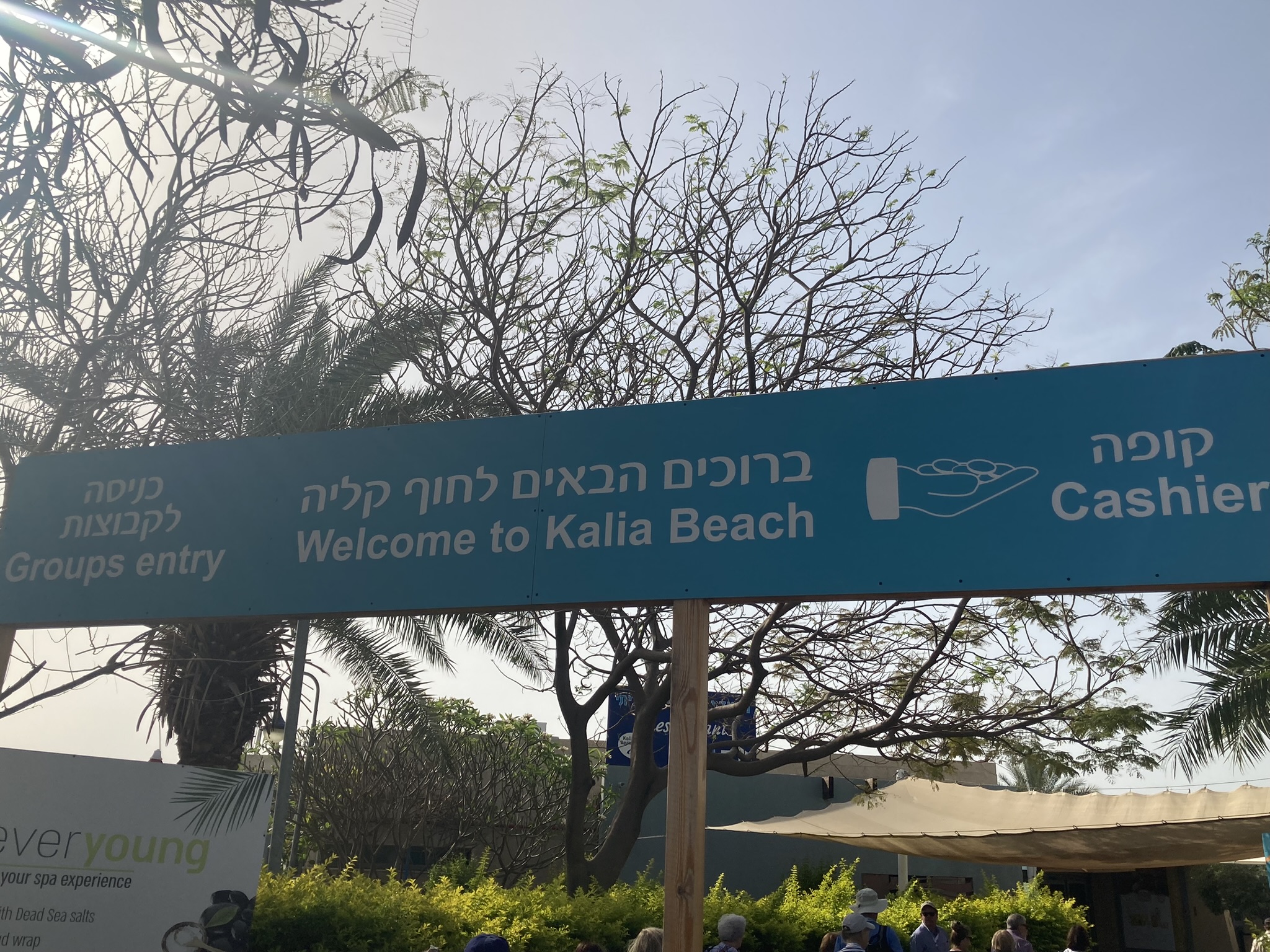
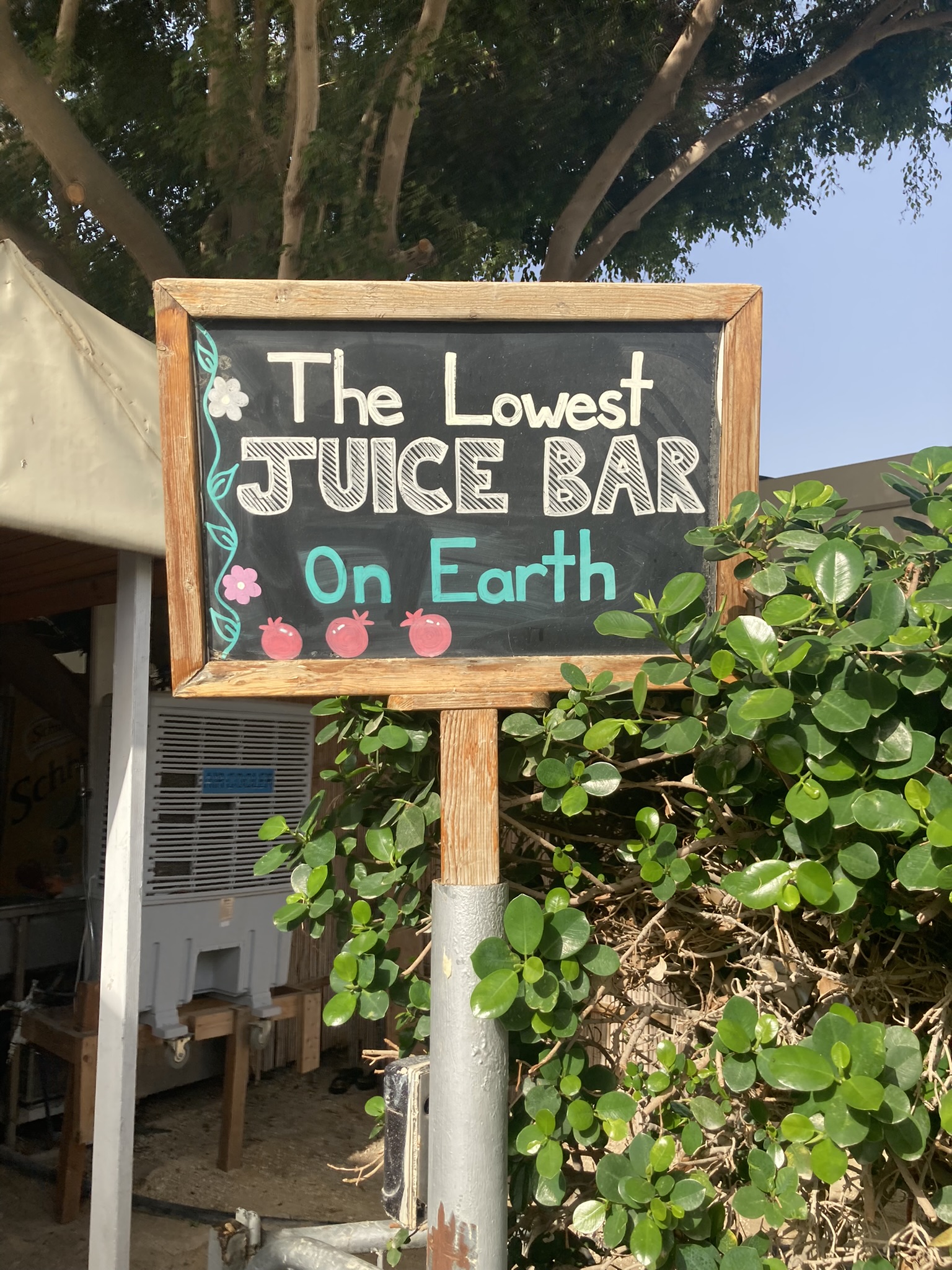
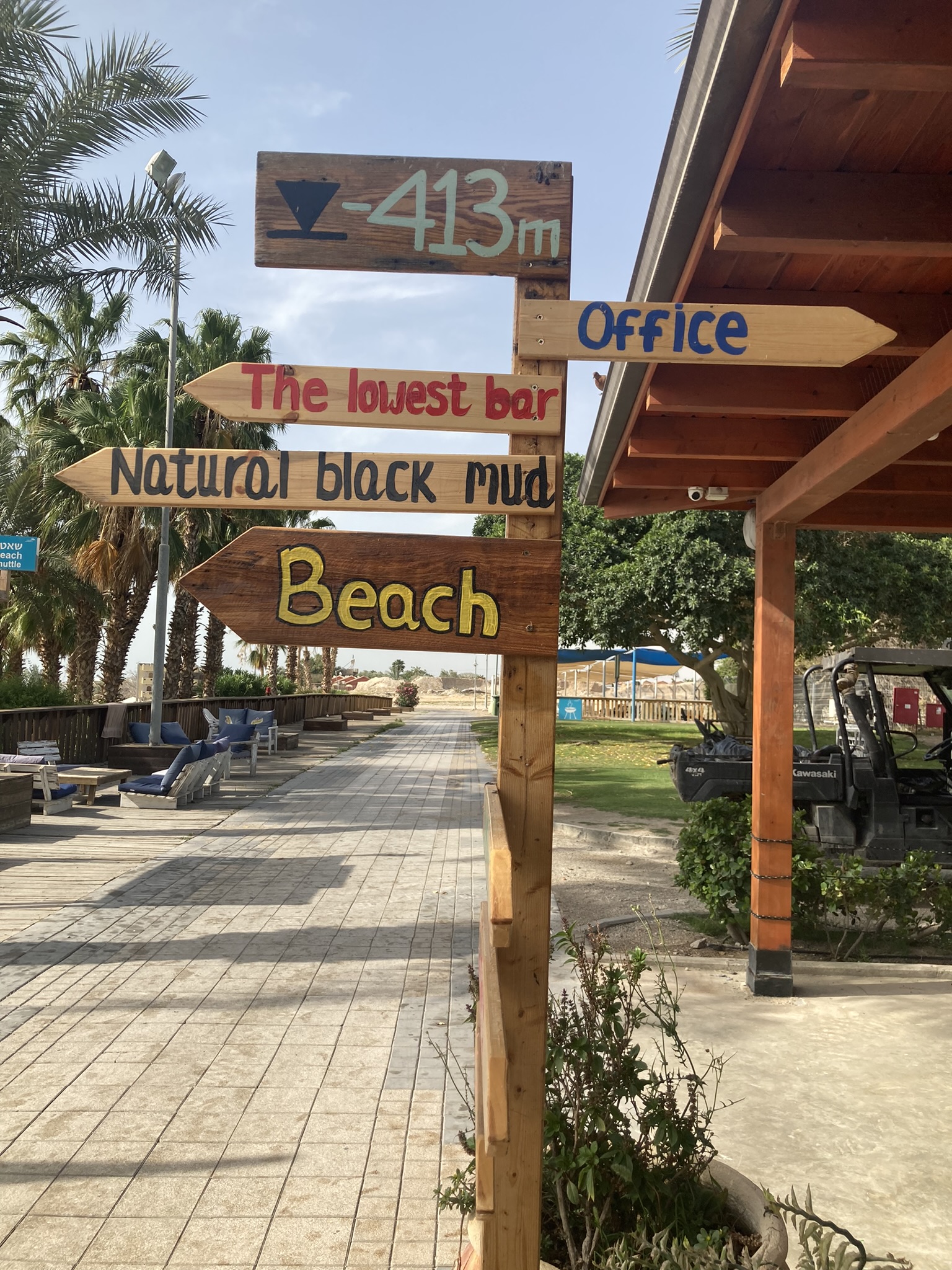
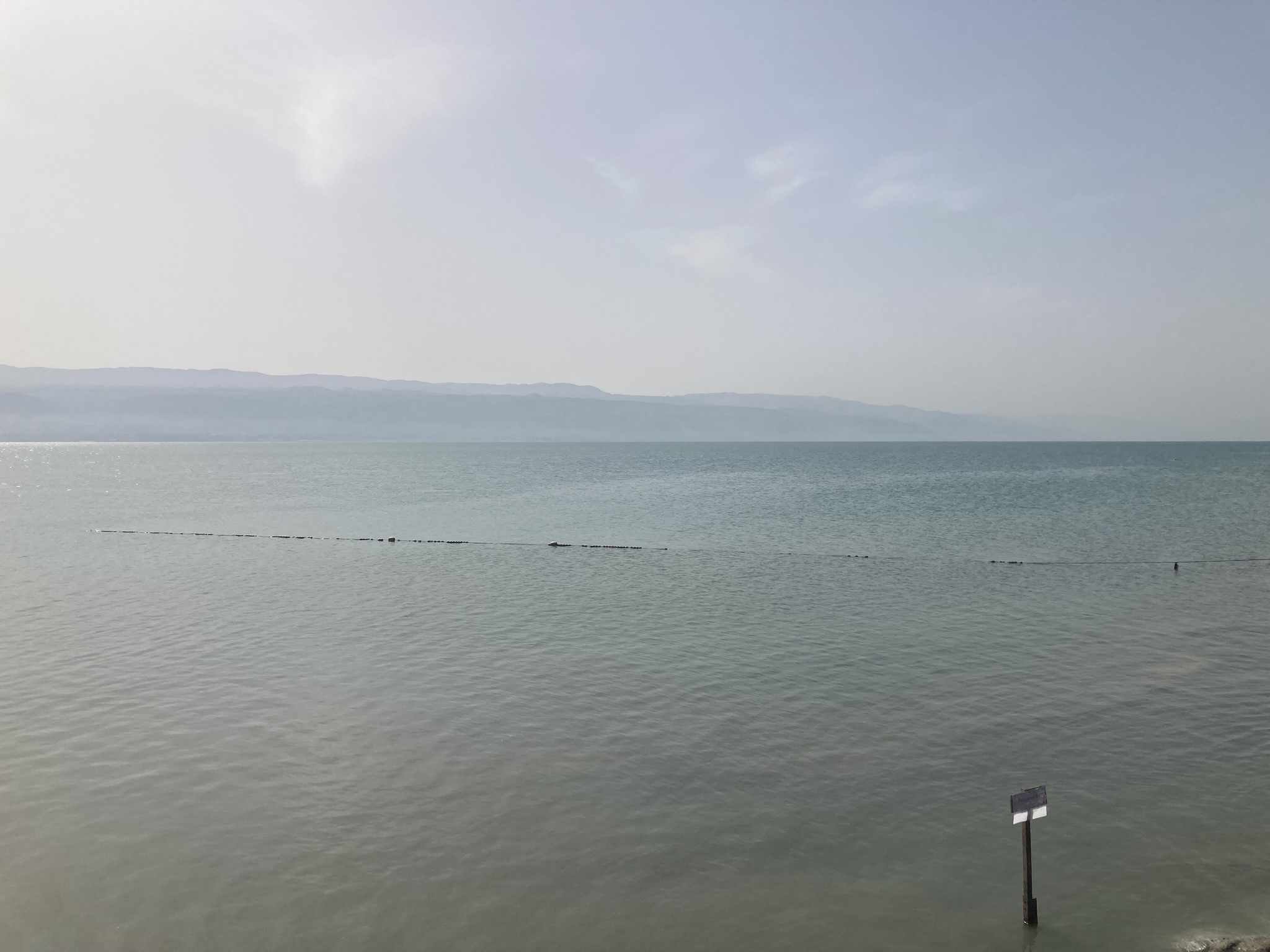
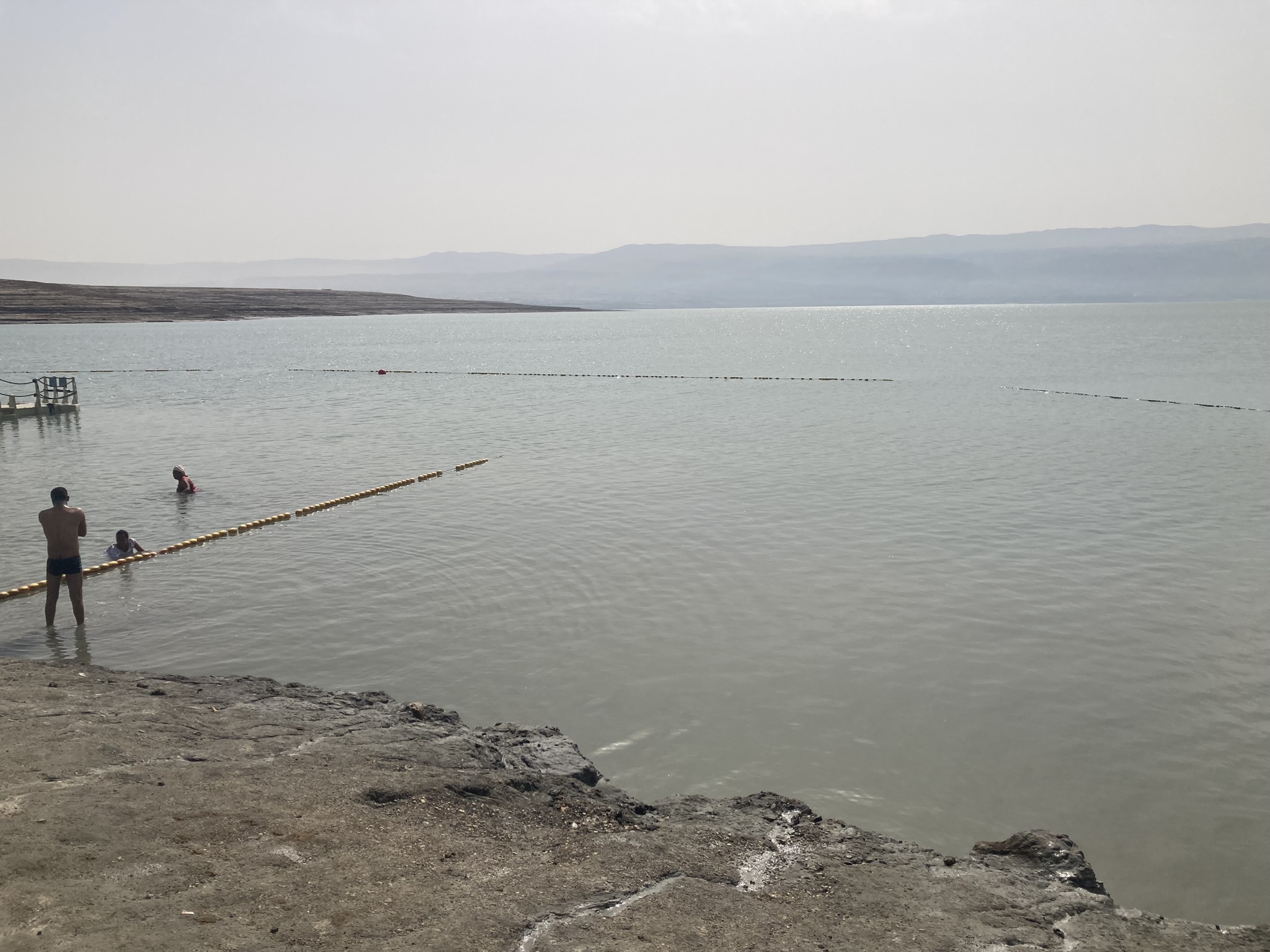
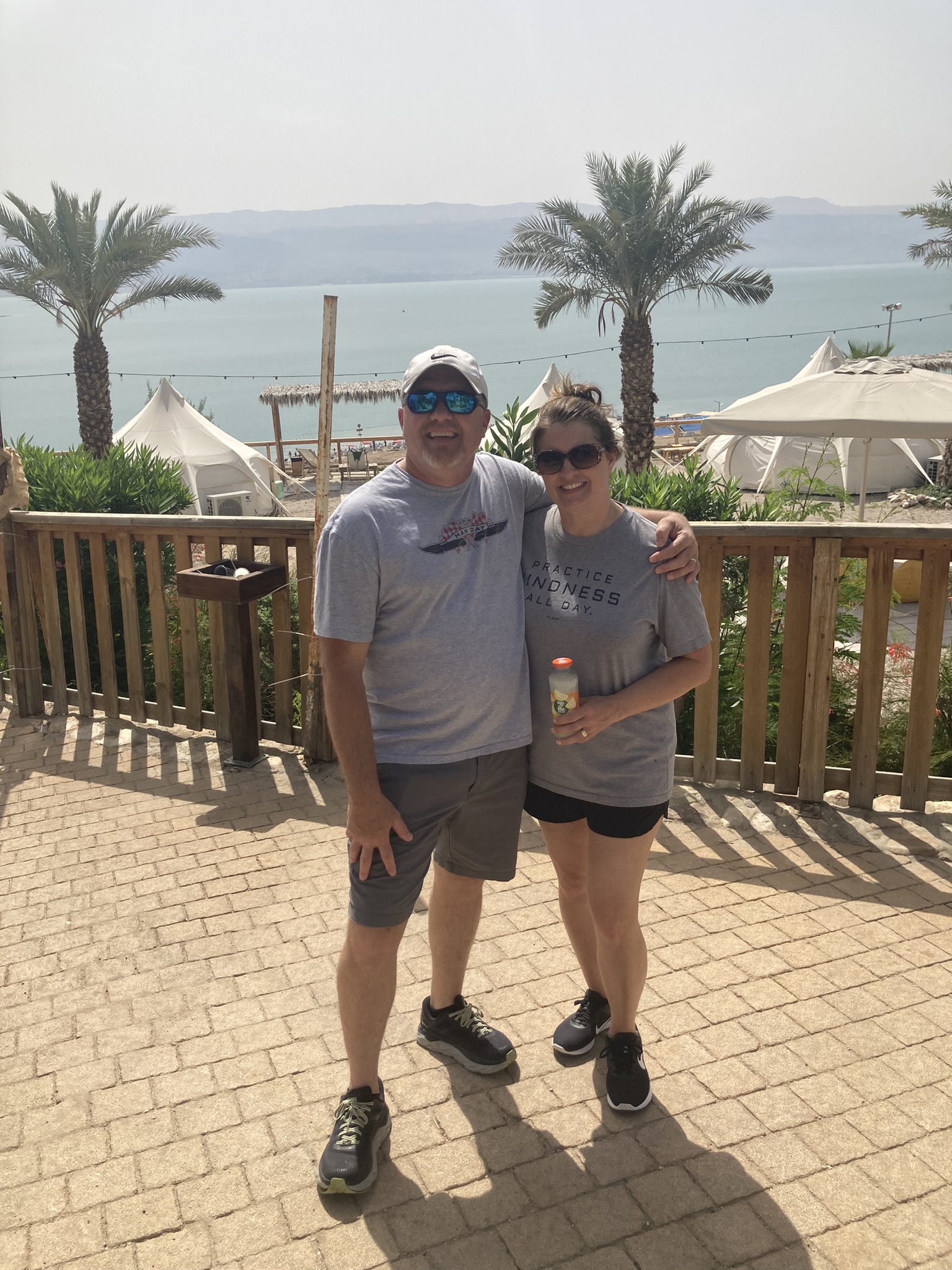
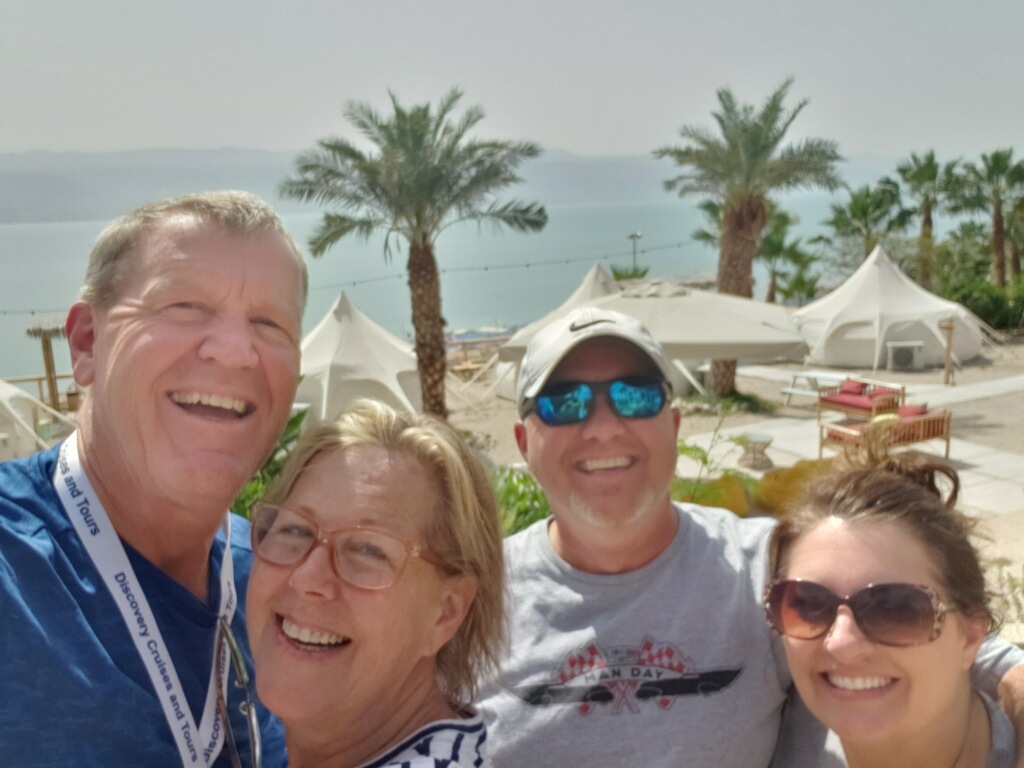
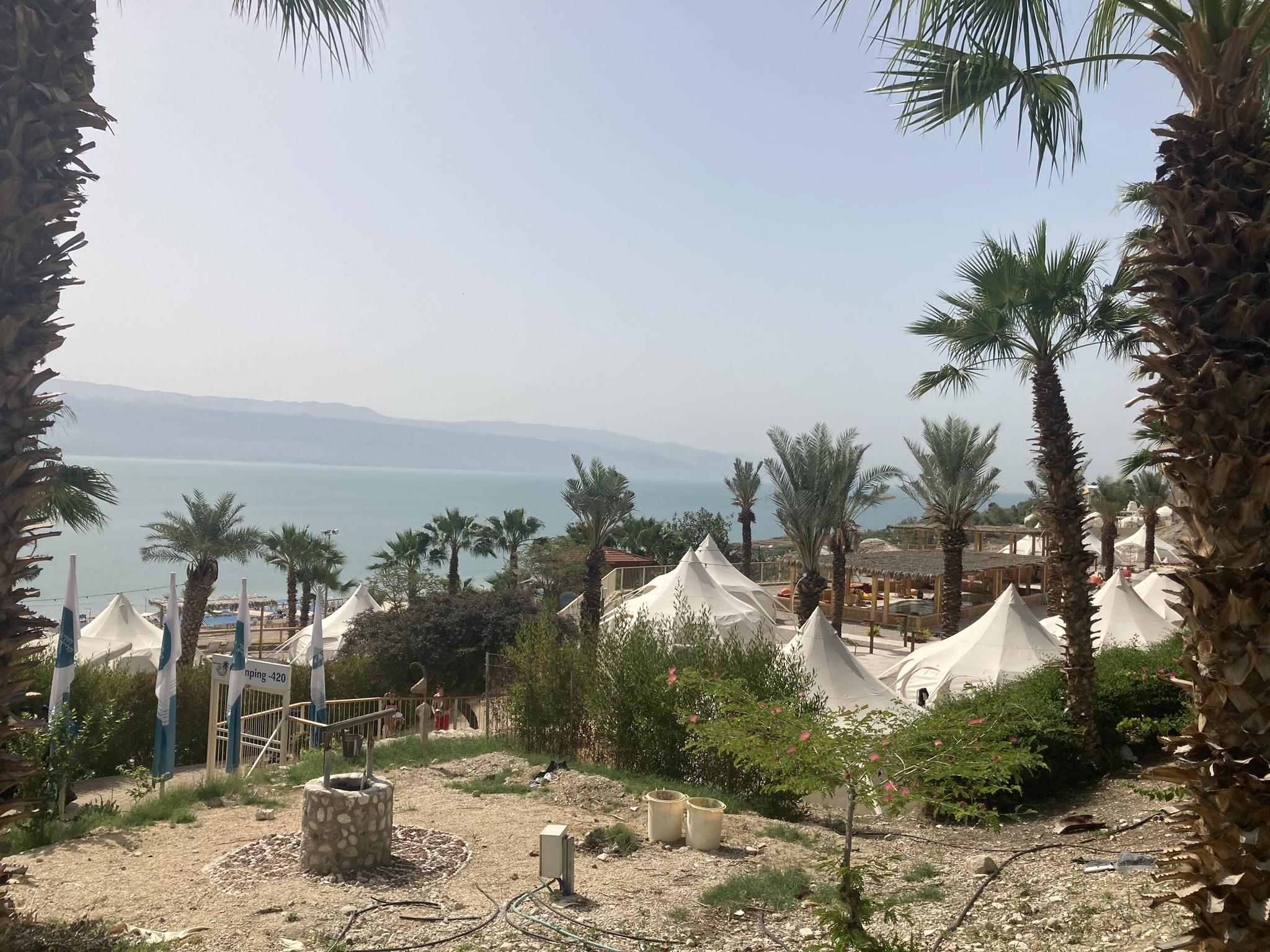
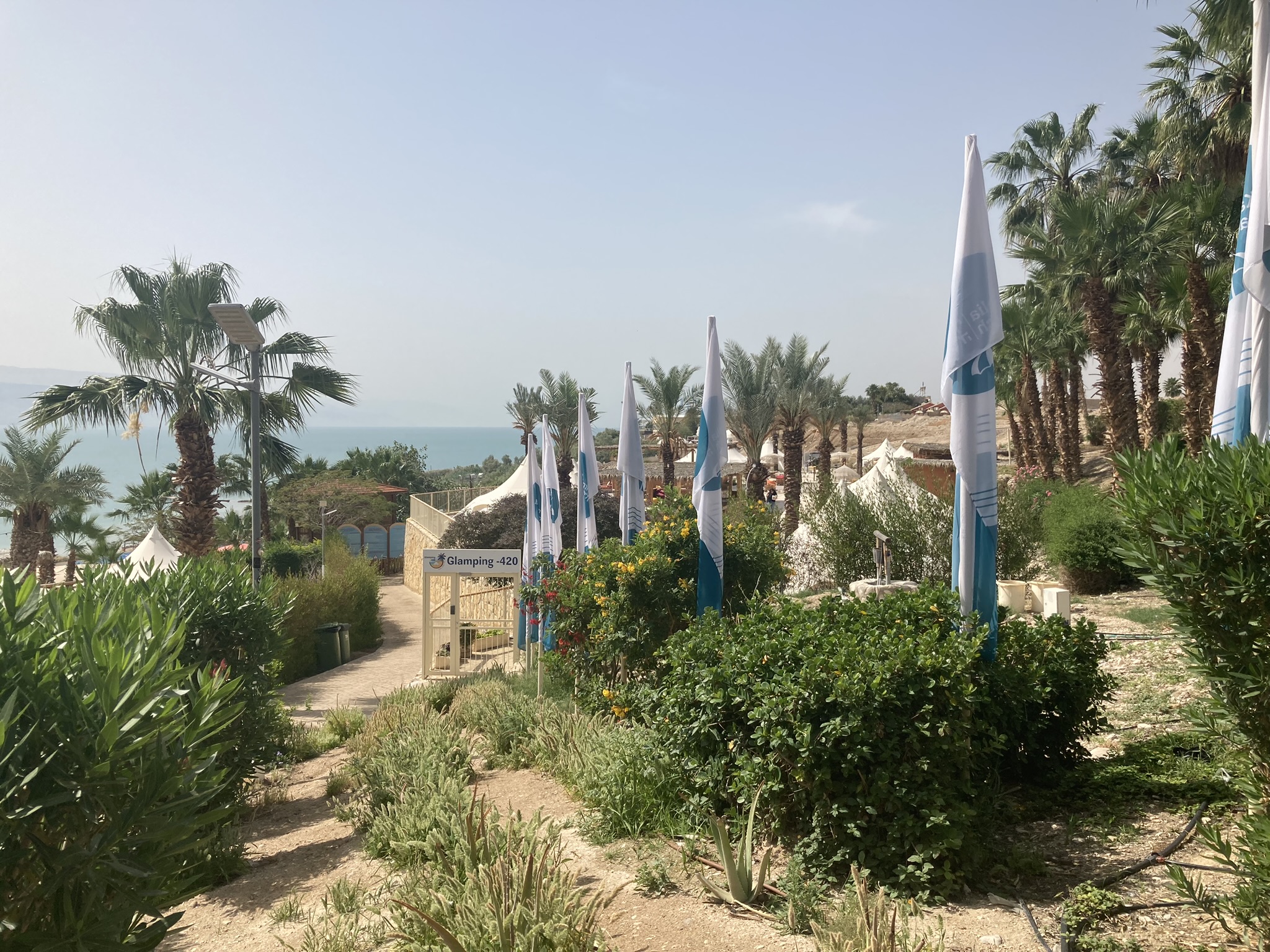
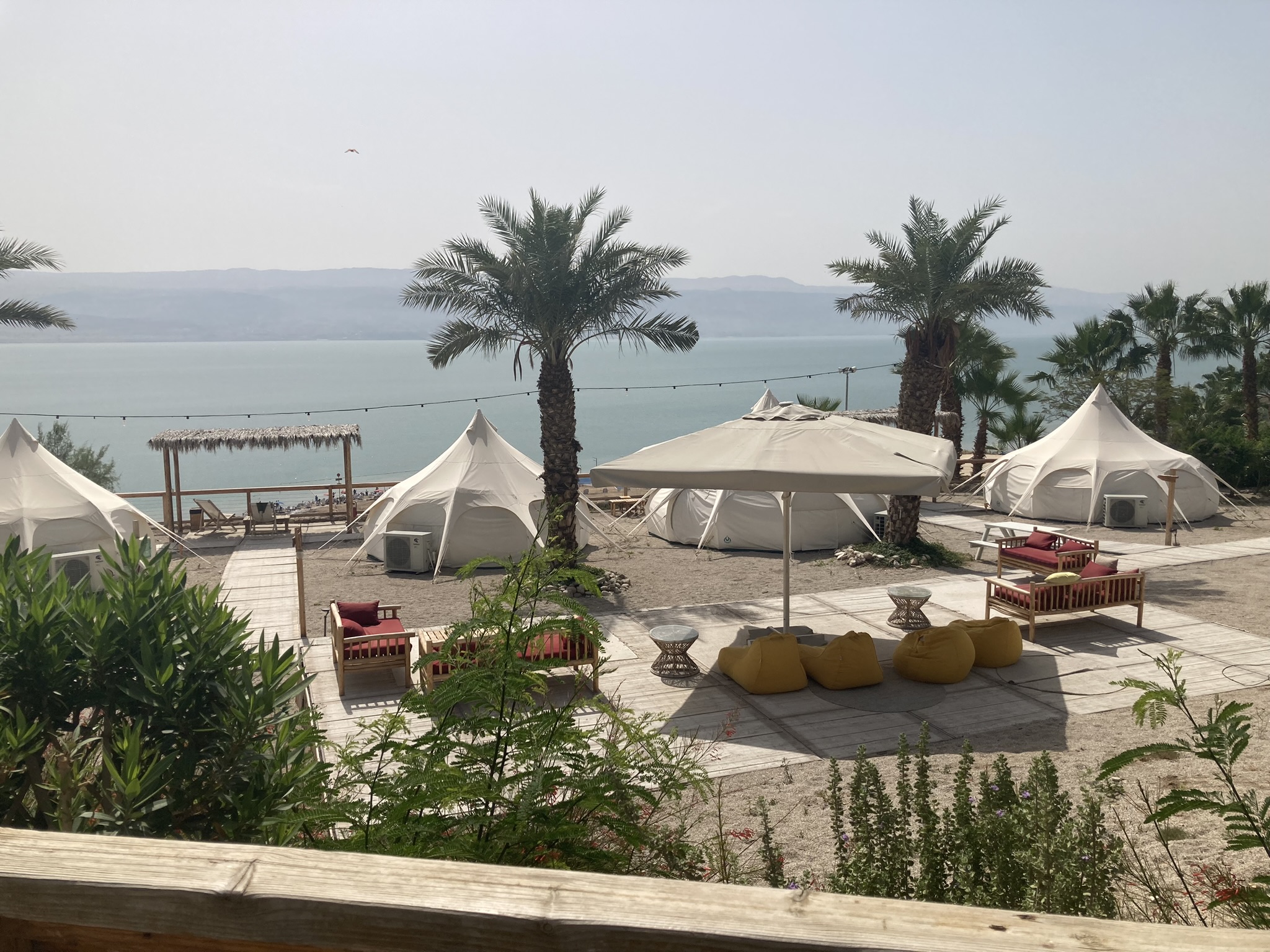
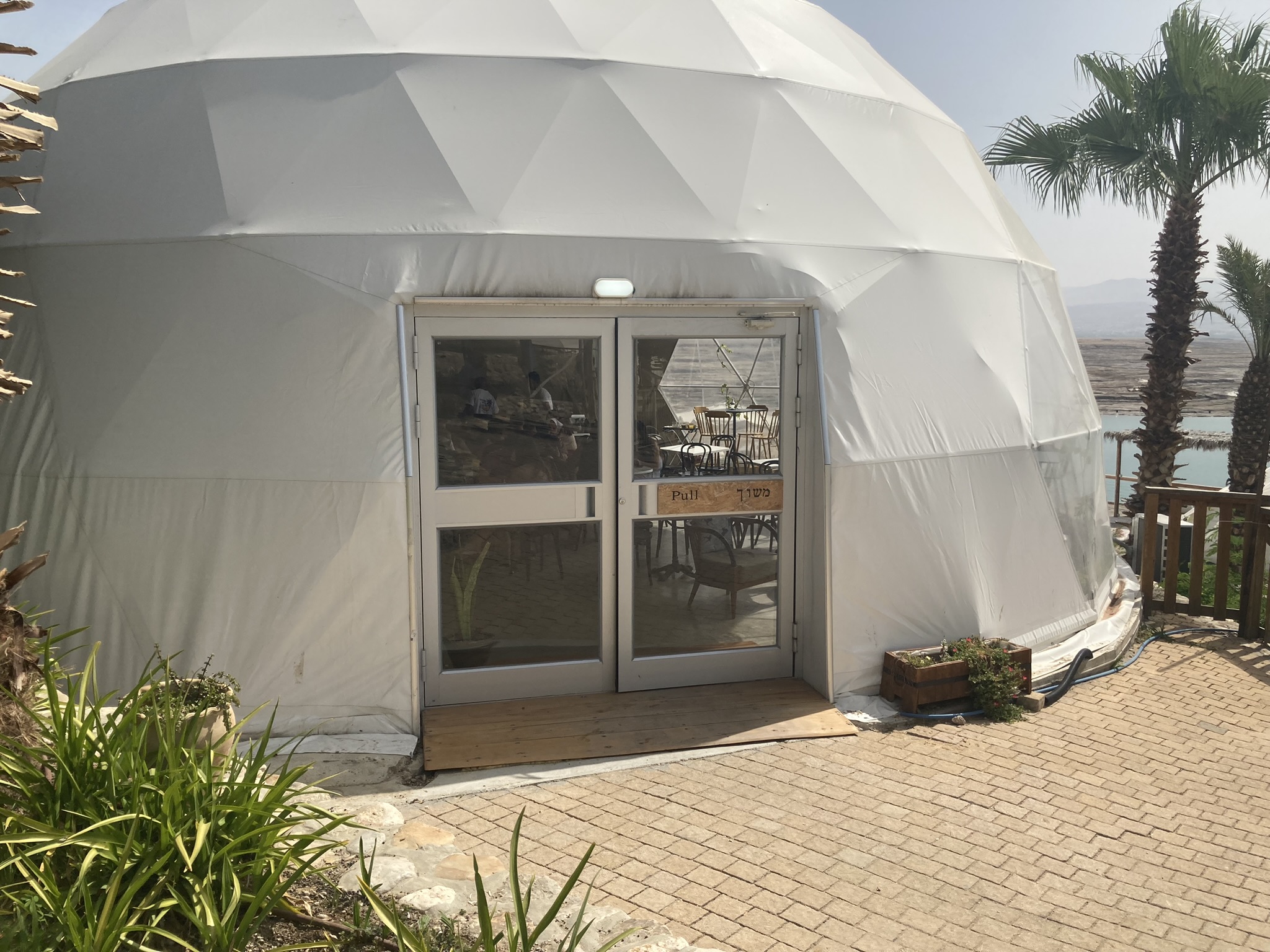
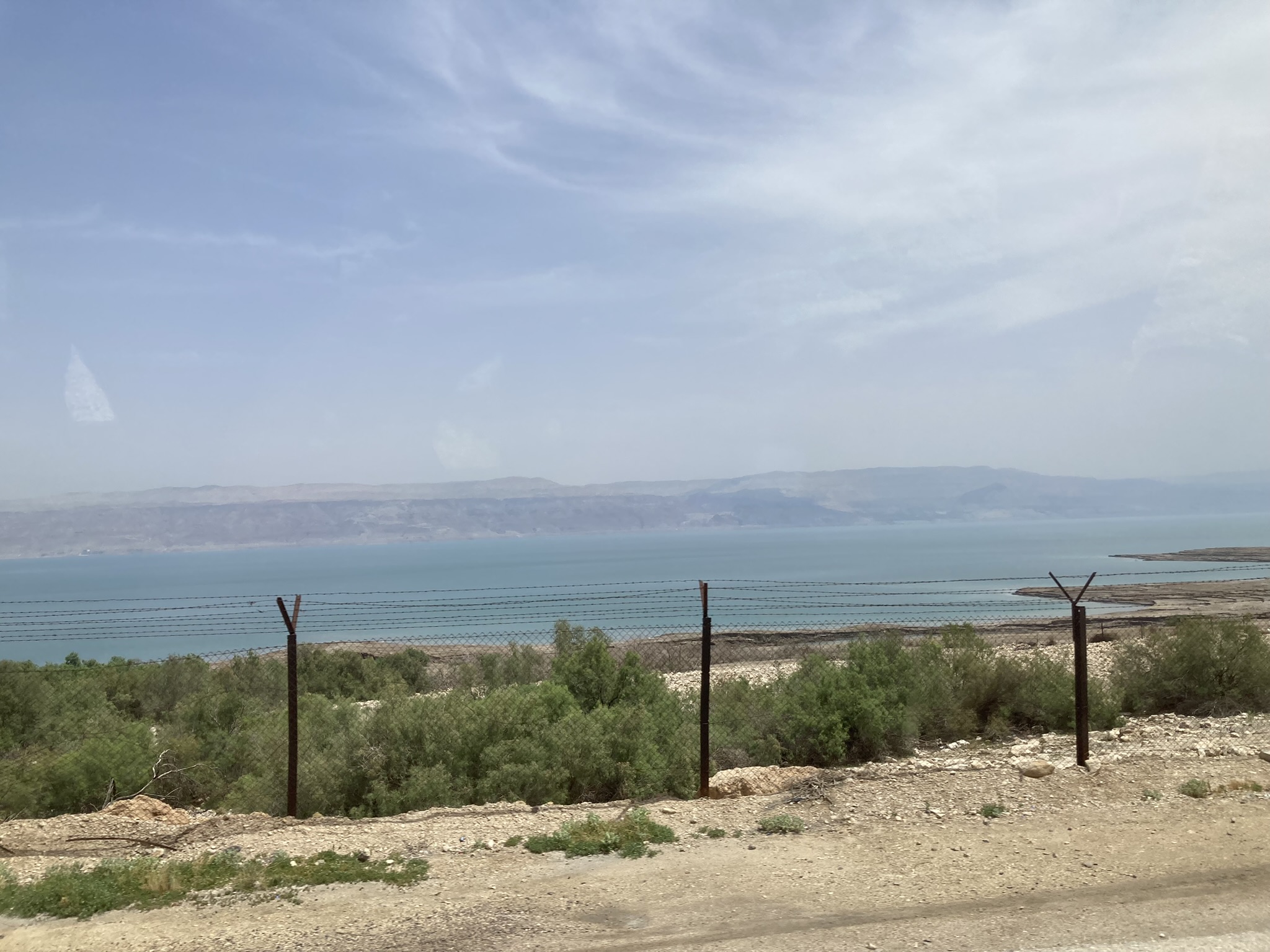
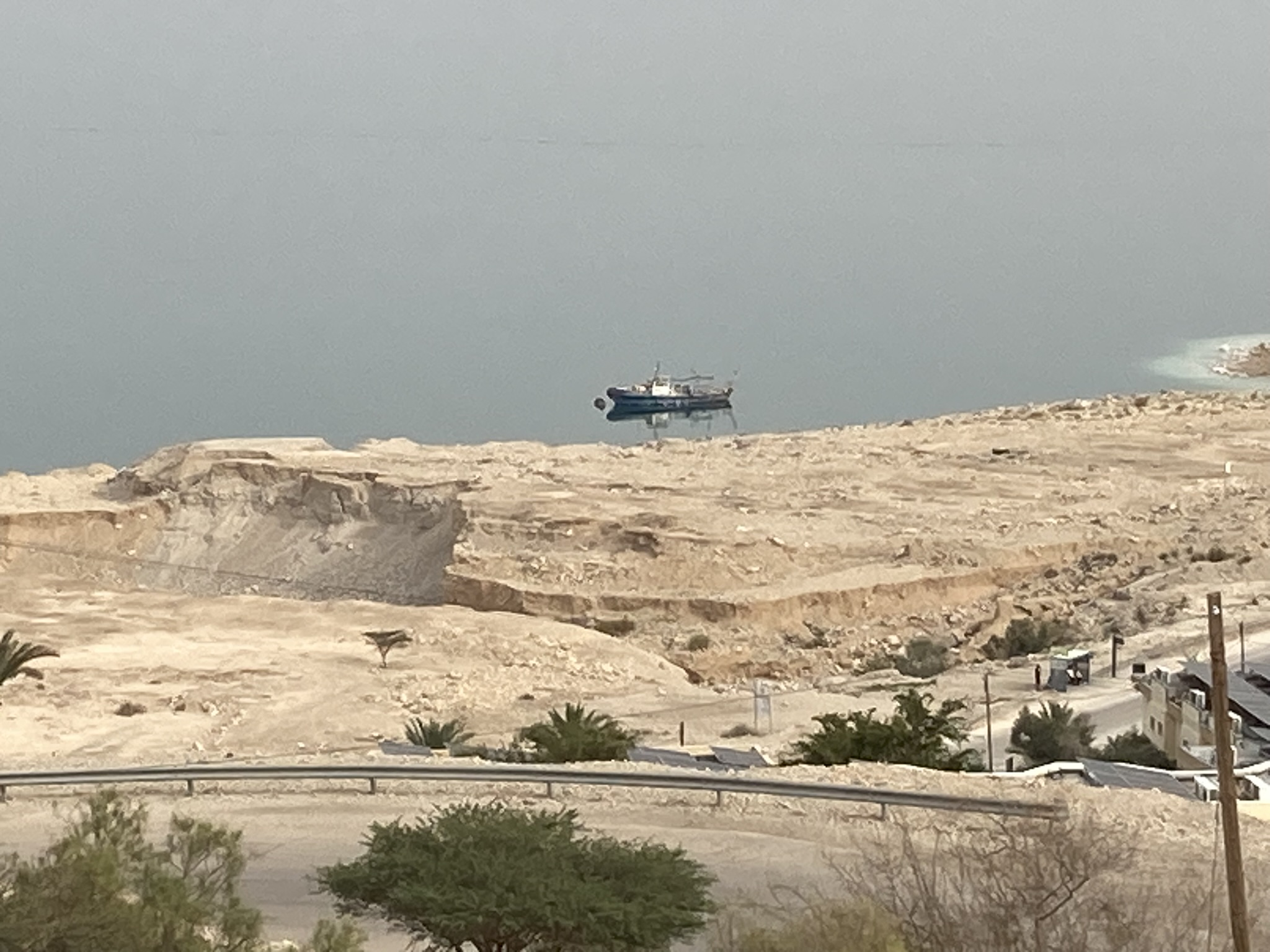
Our first destination was Kalia Beach on the northern side of the Dead Sea. We were able to get in the water and “float” around. It was a strange experience, one that I don’t think my husband enjoyed. He didn’t care for the oily feeling of the water or that he couldn’t ever really relax into the “no sinking” thing. I liked it even though it wasn’t a glamourous experience. It wasn’t a really beautiful beach. The water was not turquoise and the sand was not soft or white. It was a very rocky and dirty experience. I highly recommend wearing old water shoes and an old swimsuit, both which you can throw away when time to change into regular clothes before leaving.
An interesting thing happened while we were there. We were the first tourists to arrive so we had the beach to ourselves for about 20 minutes. Then we saw a long line of people coming down to the beach, all dressed in mostly white and looking like they were of Indian descent. They quickly overpowered the beach where all of our belongings were. We were not too worried about our stuff, they didn’t go through our things. They just politely moved our stuff over.
Then it happened. Shirts started coming off. My eyes got big. Was I on a set of National Geographic and didn’t know it? Many of the women freed themselves on the extra layers and headed to the water where we were. These were women mostly above 50 years of age so don’t picture Sports Illustrated here.
Our group quickly and politely got out of the water and started heading to the showers. We were told not to stay in the water over 20 minutes anyway, so the timing was good with us. And no, you won’t see any of those photos below.












QUMRAN
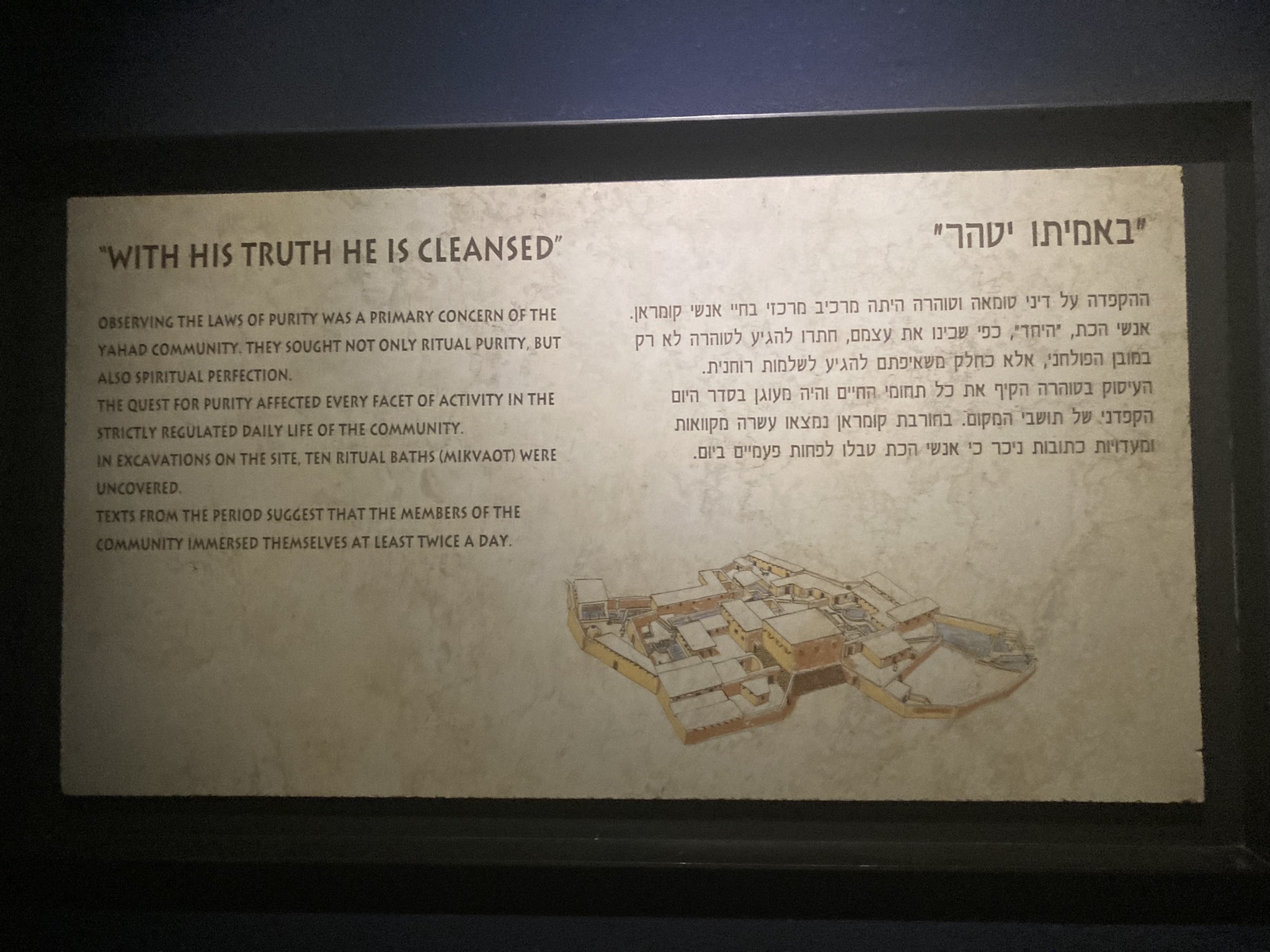
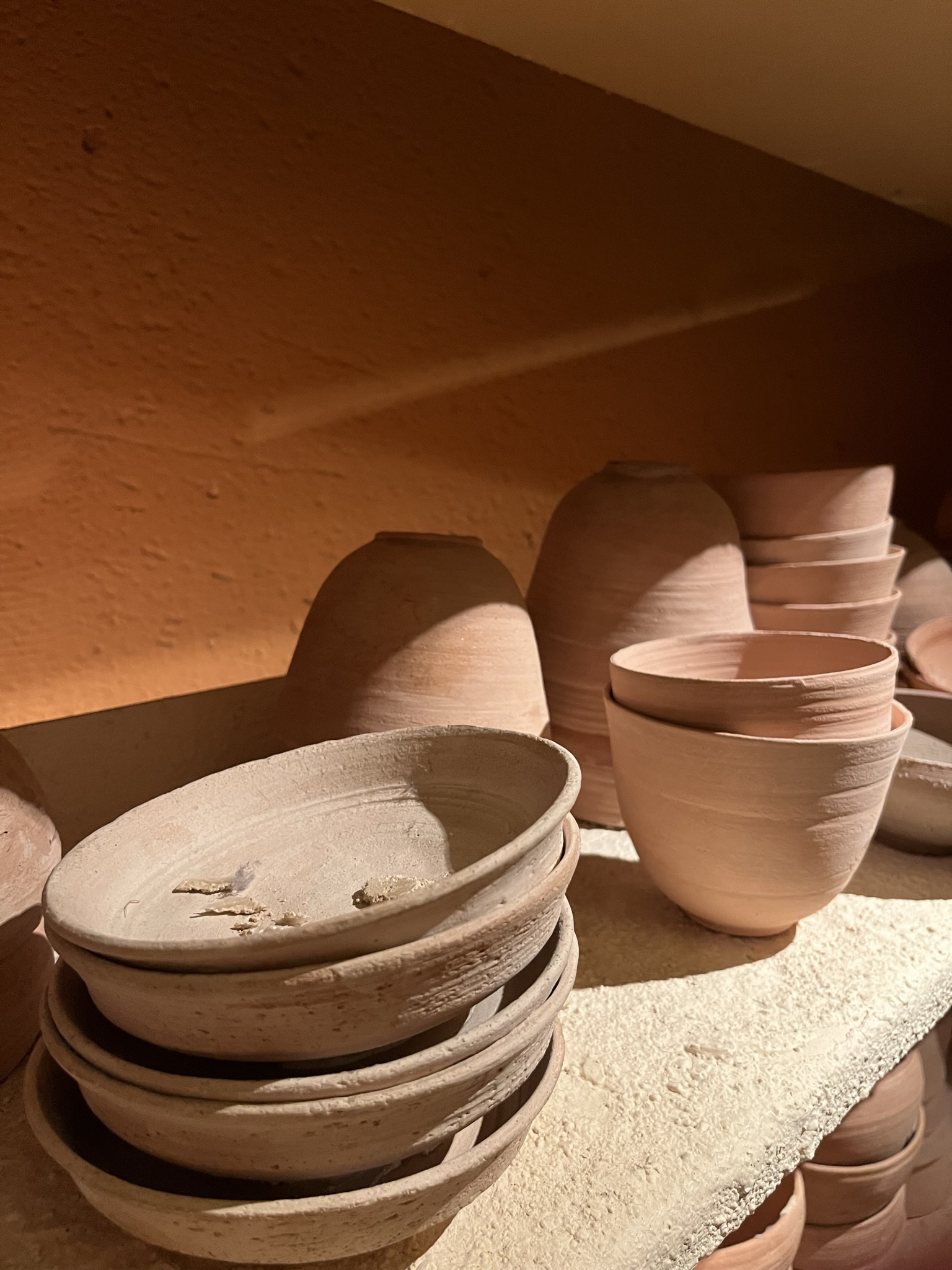
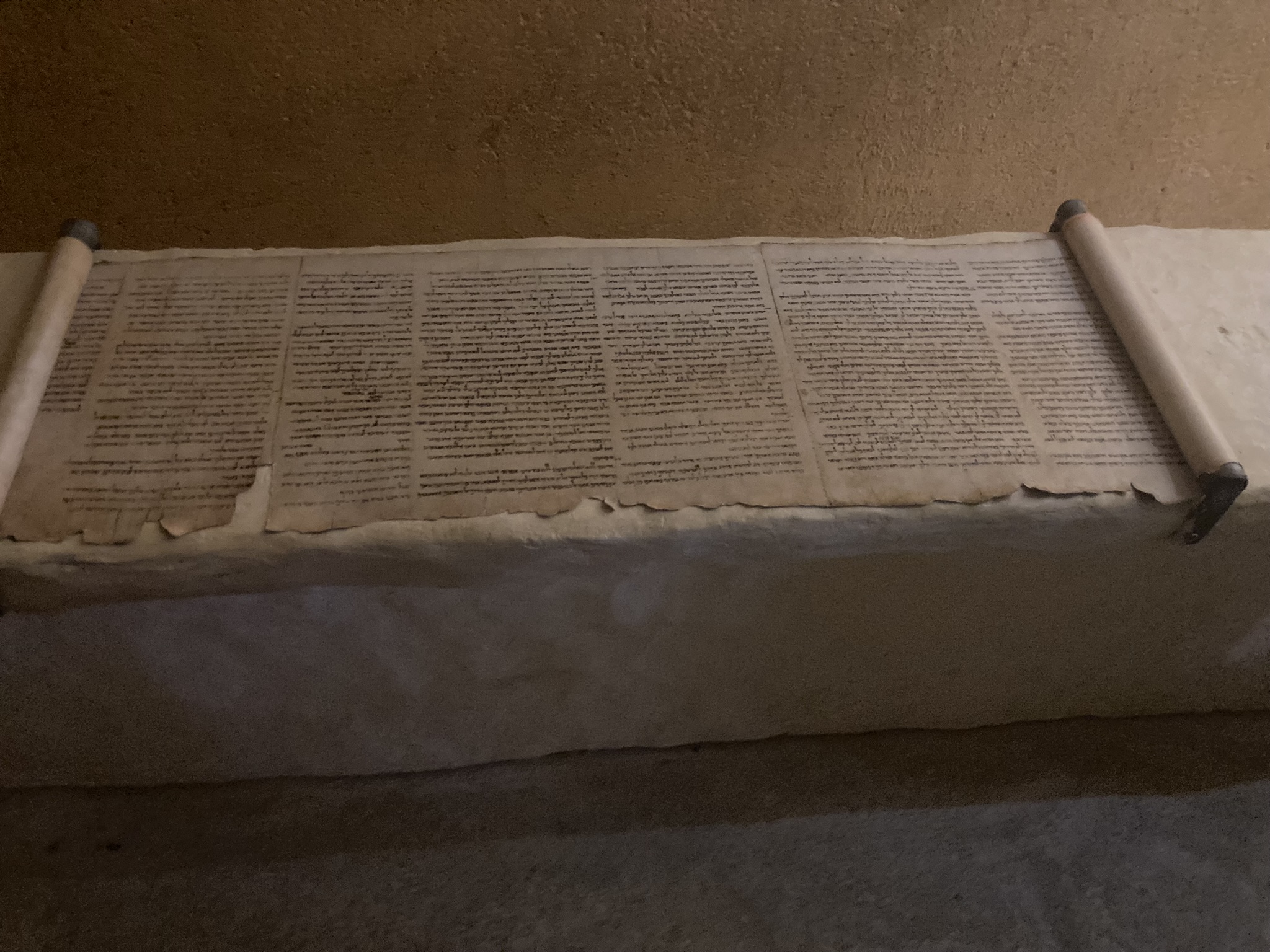
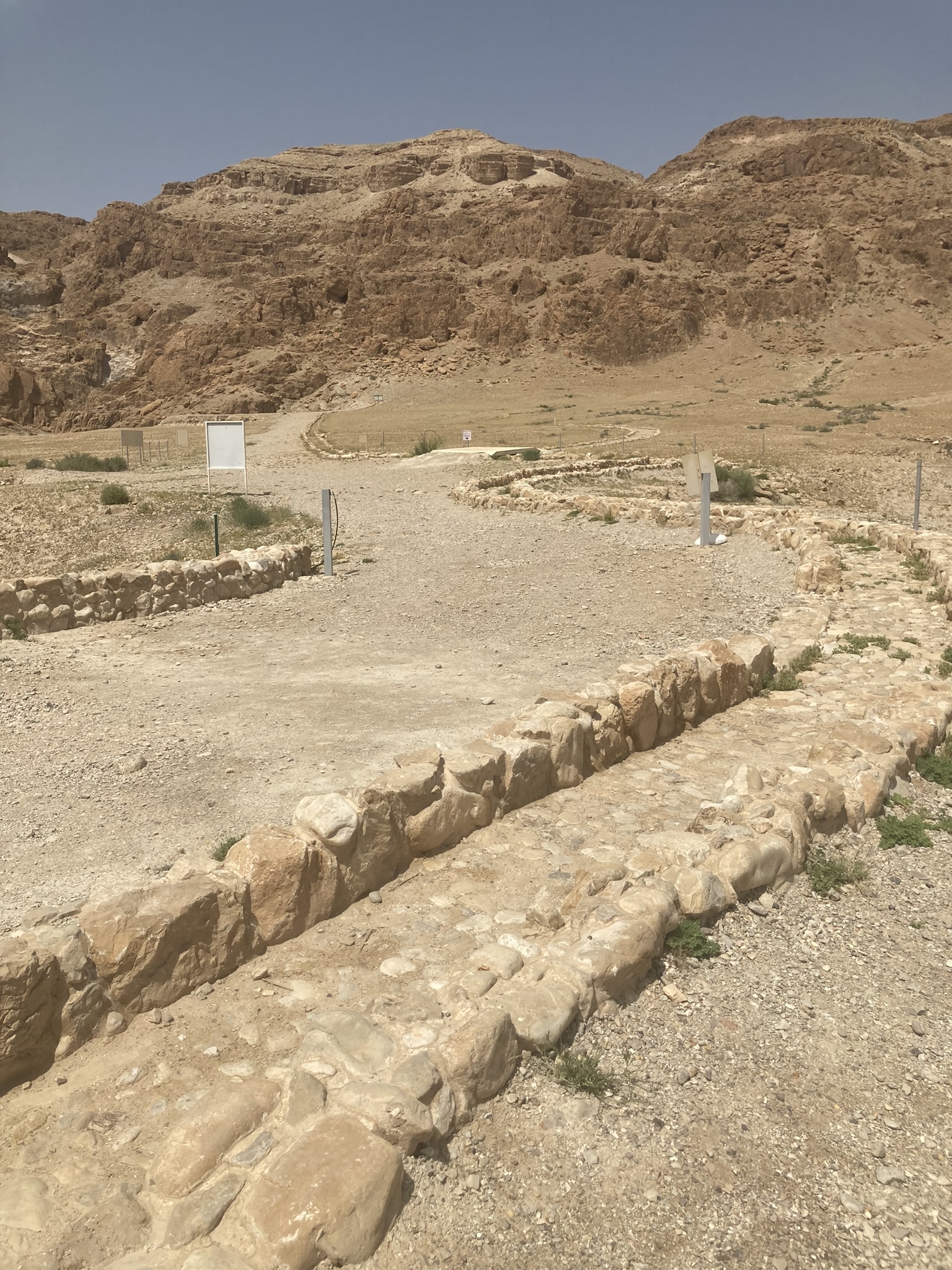
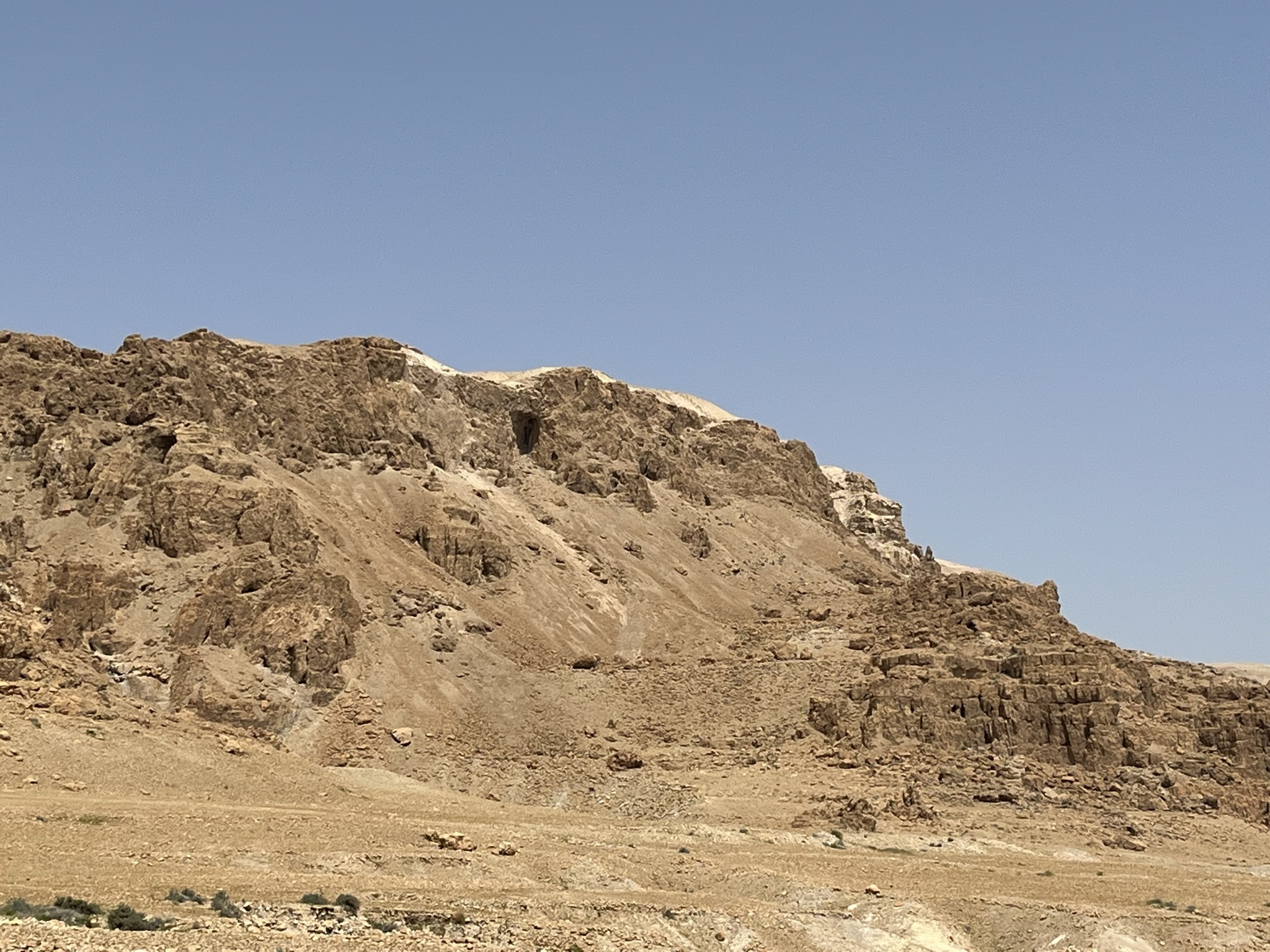
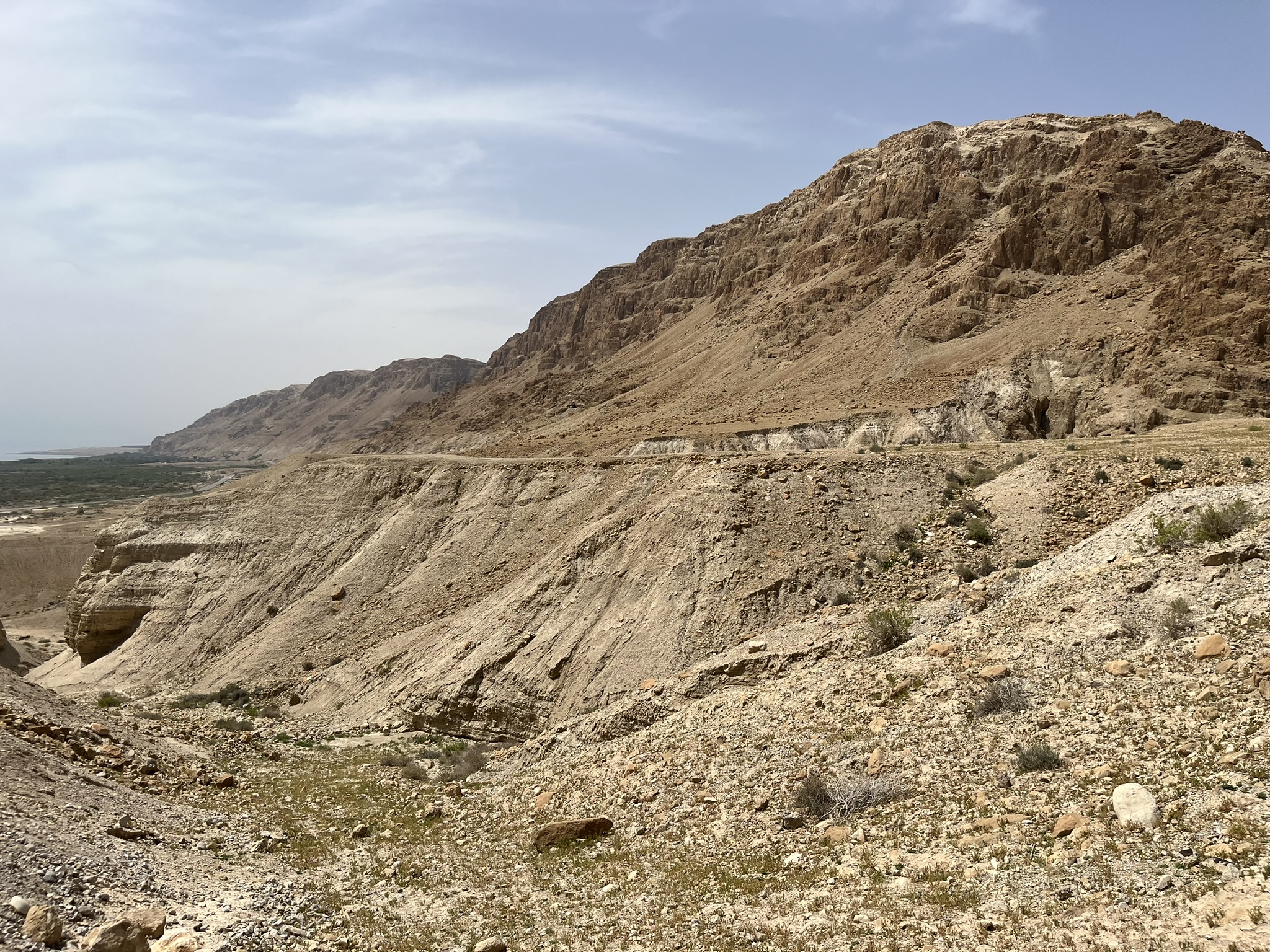
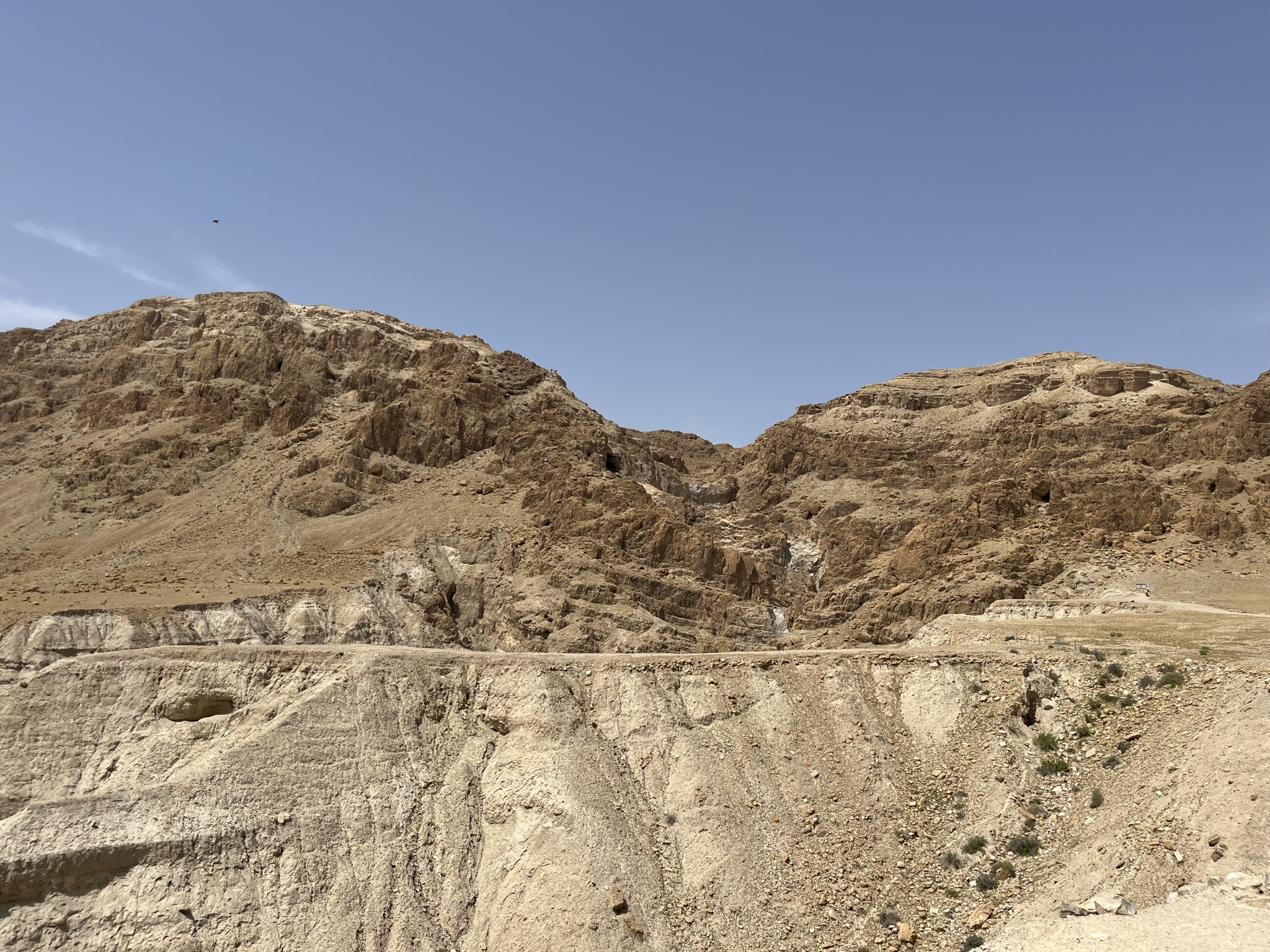
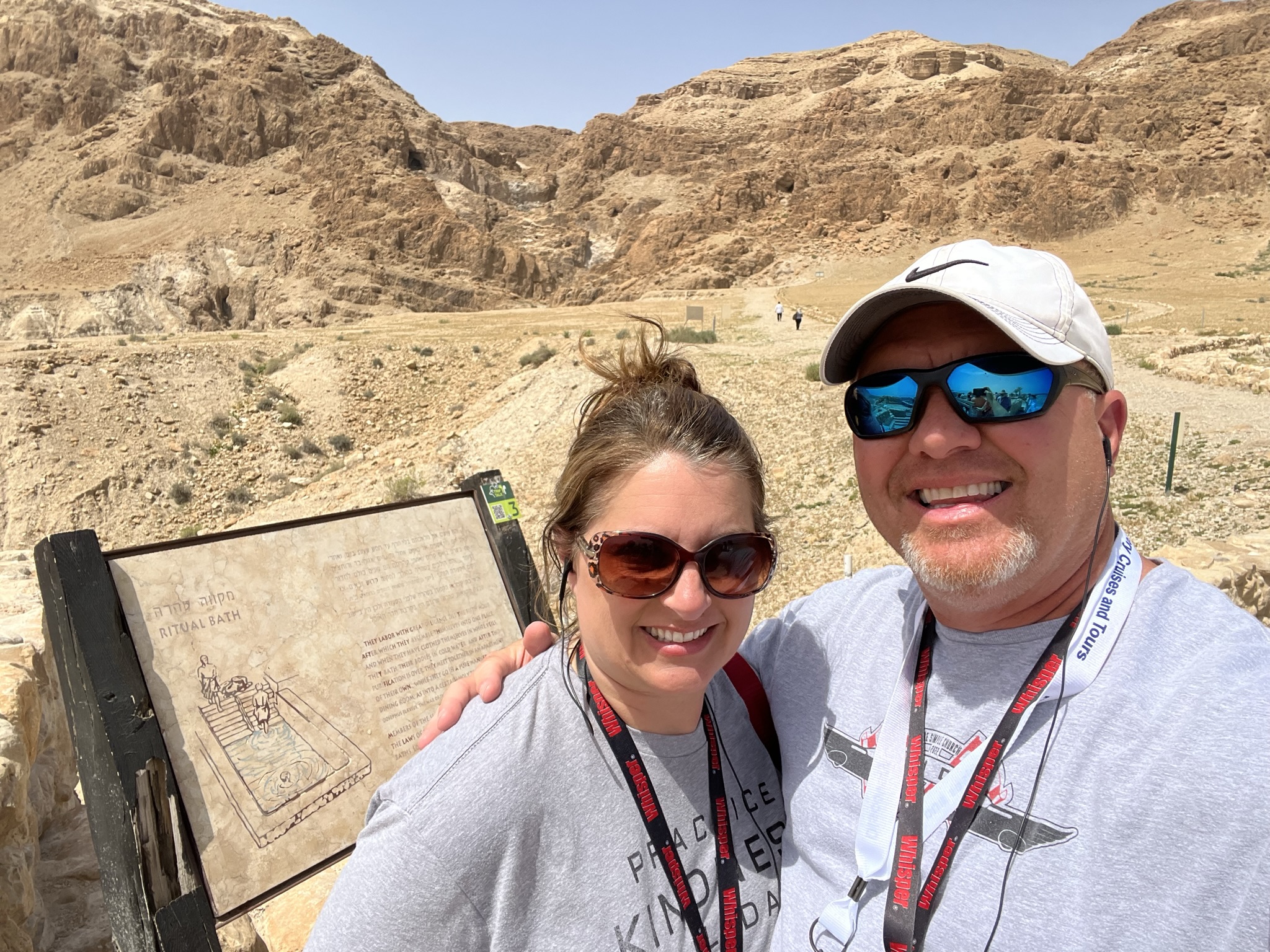
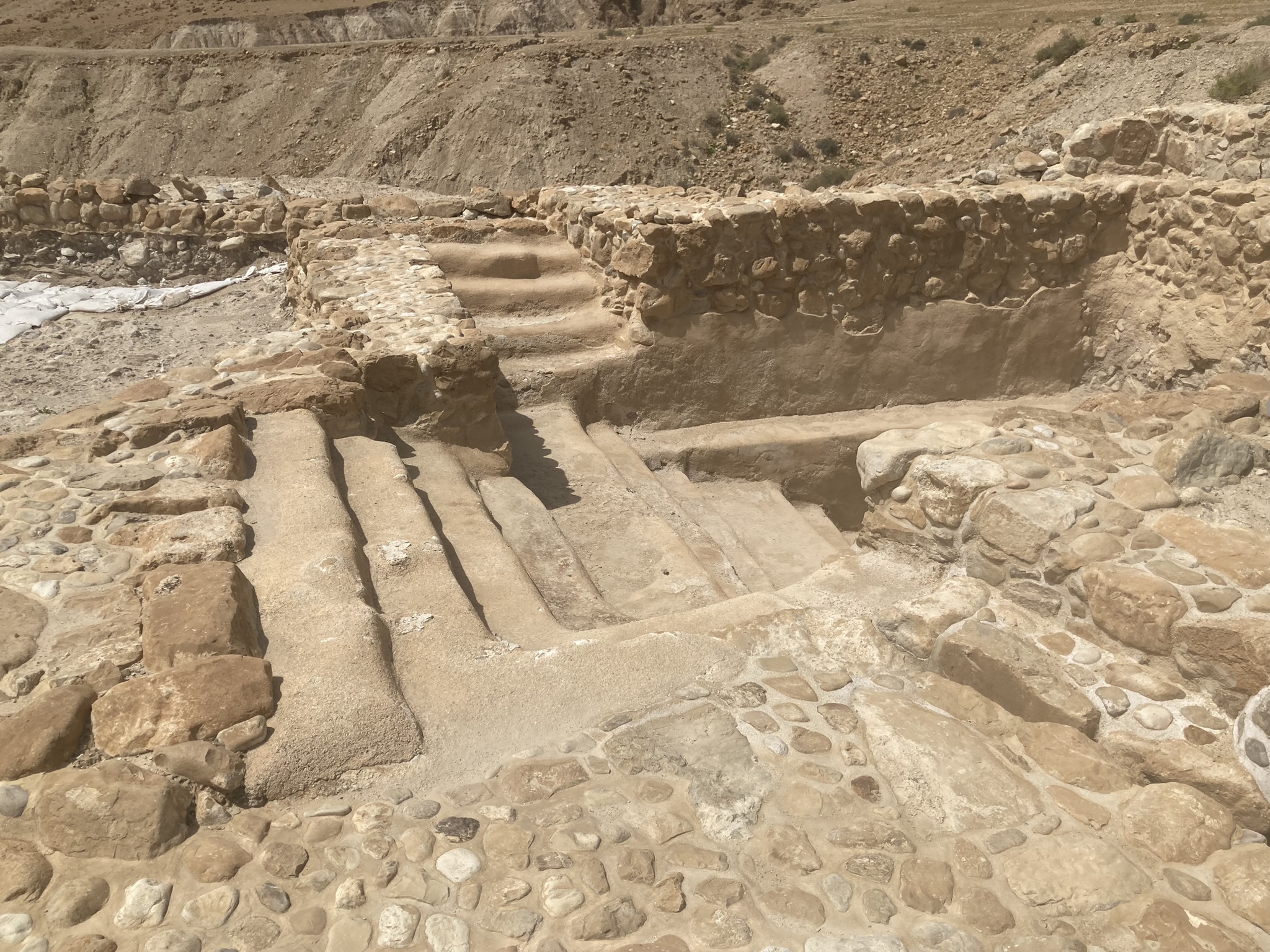
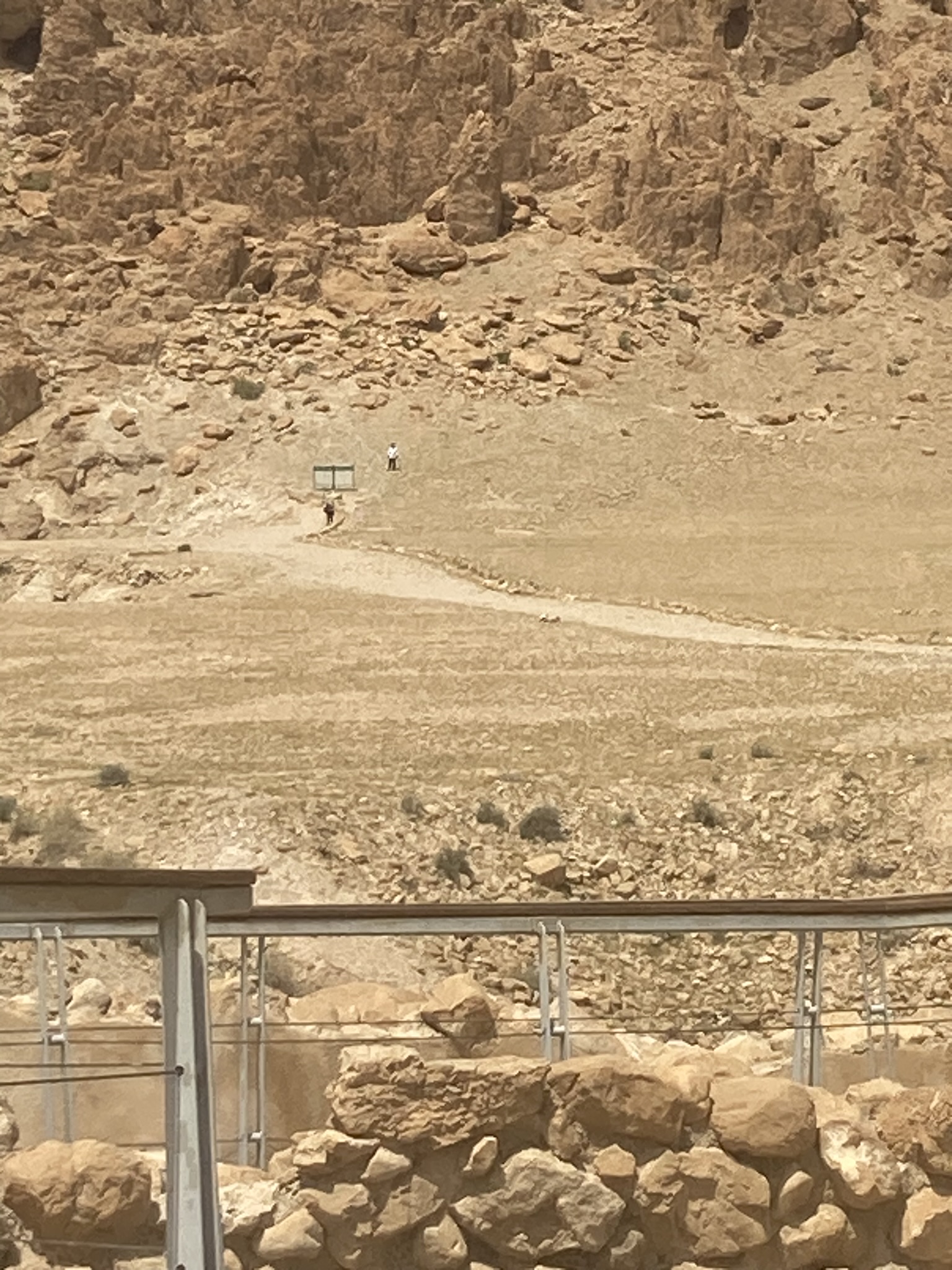
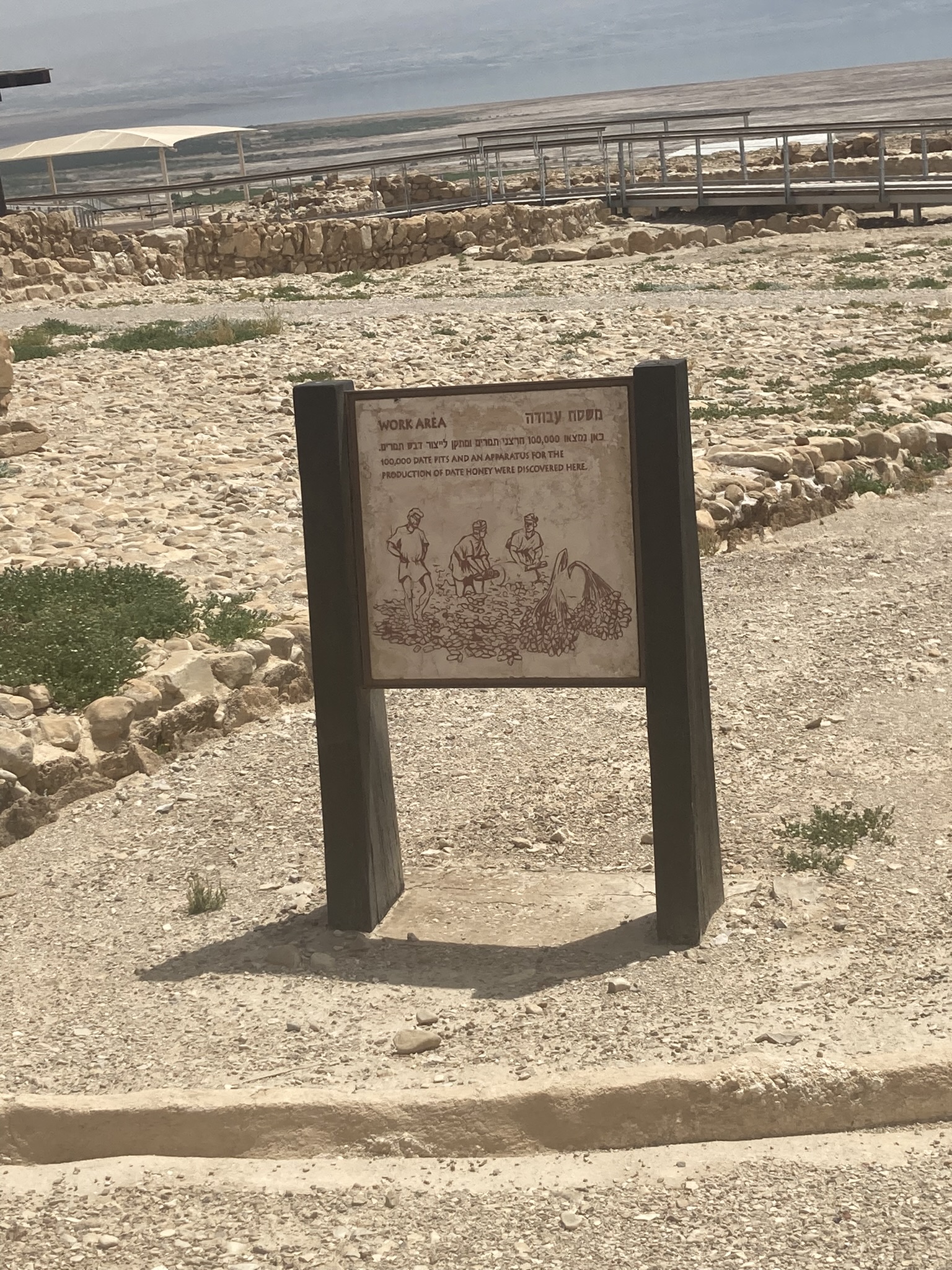
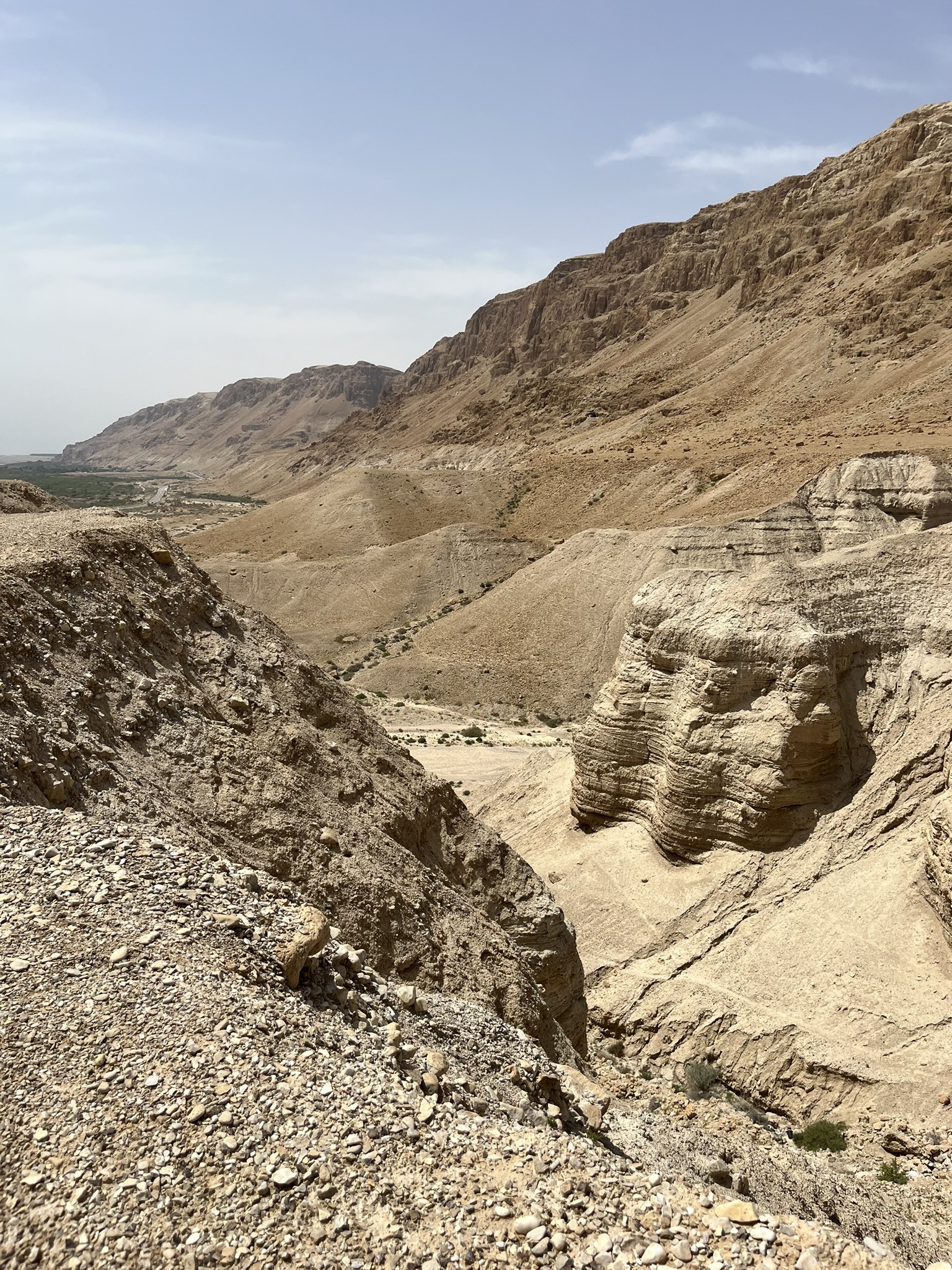
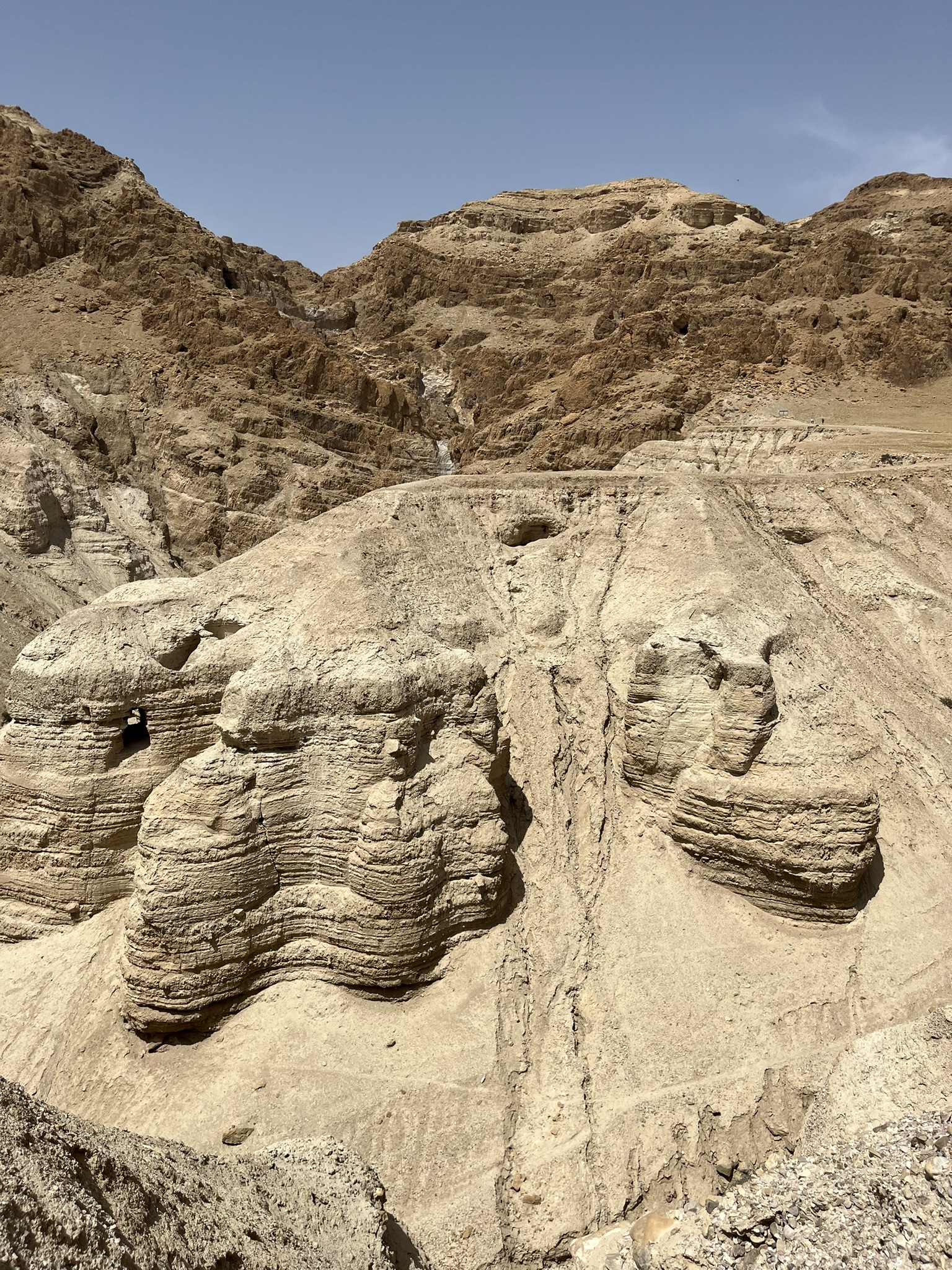
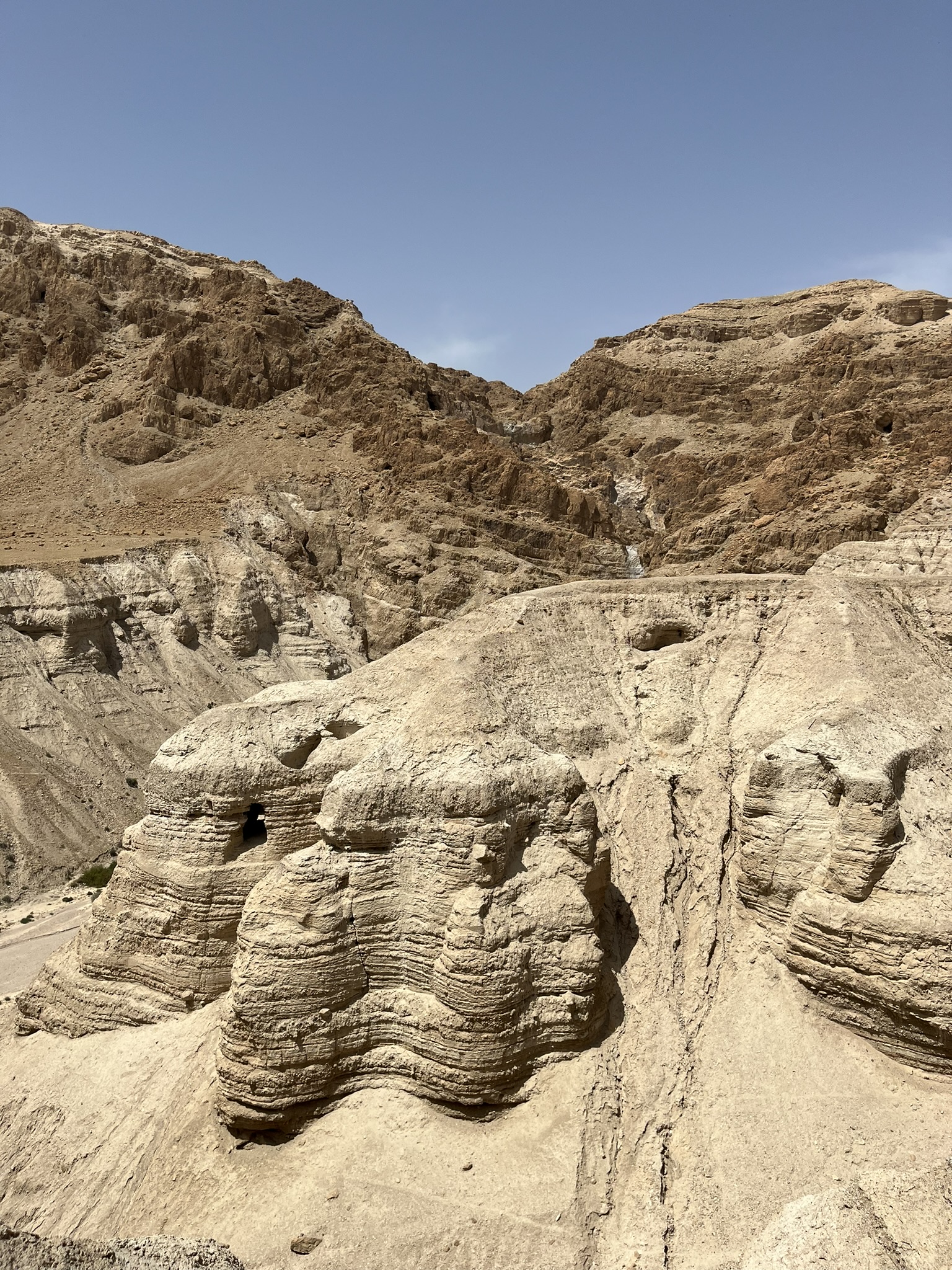
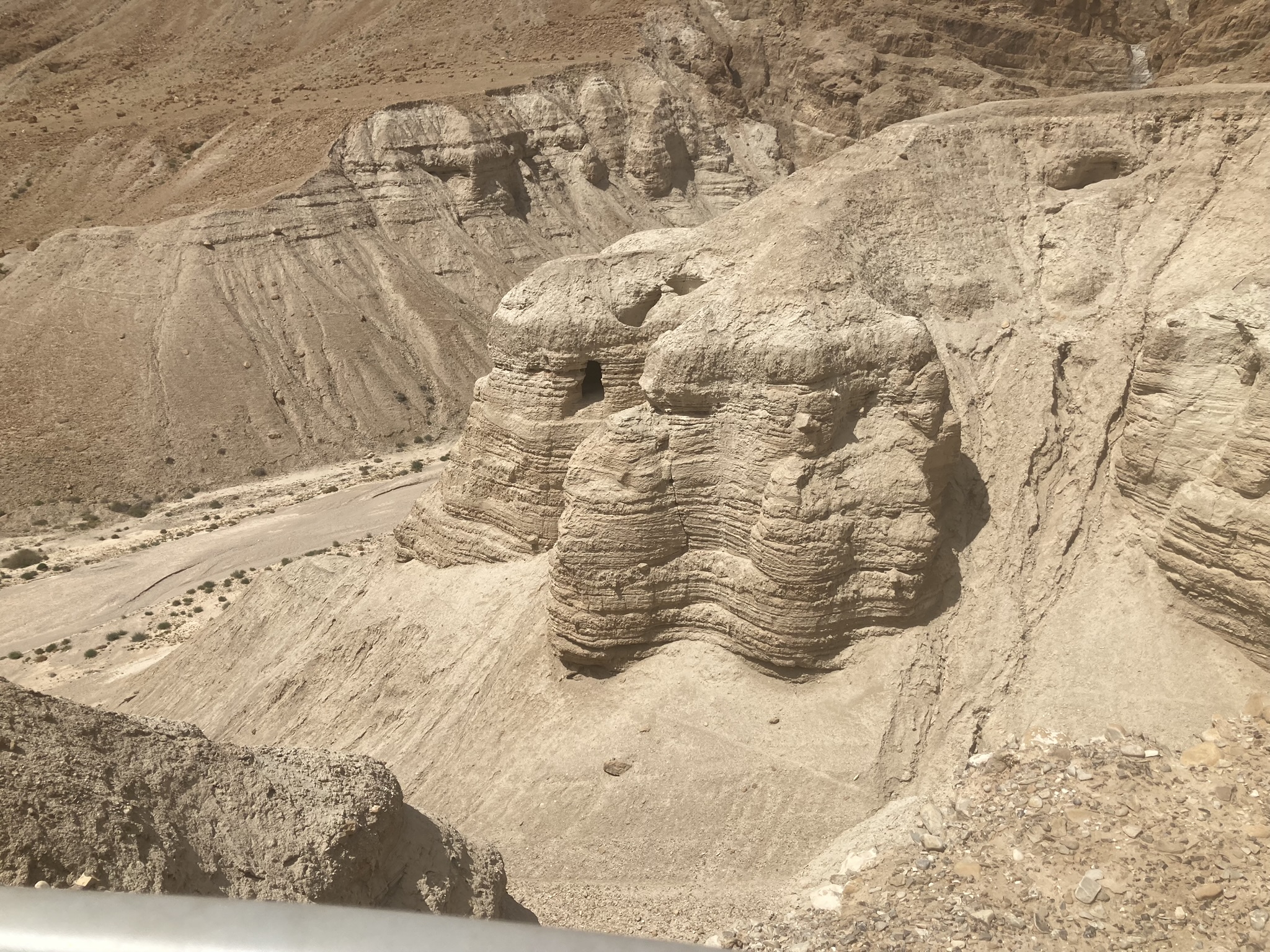
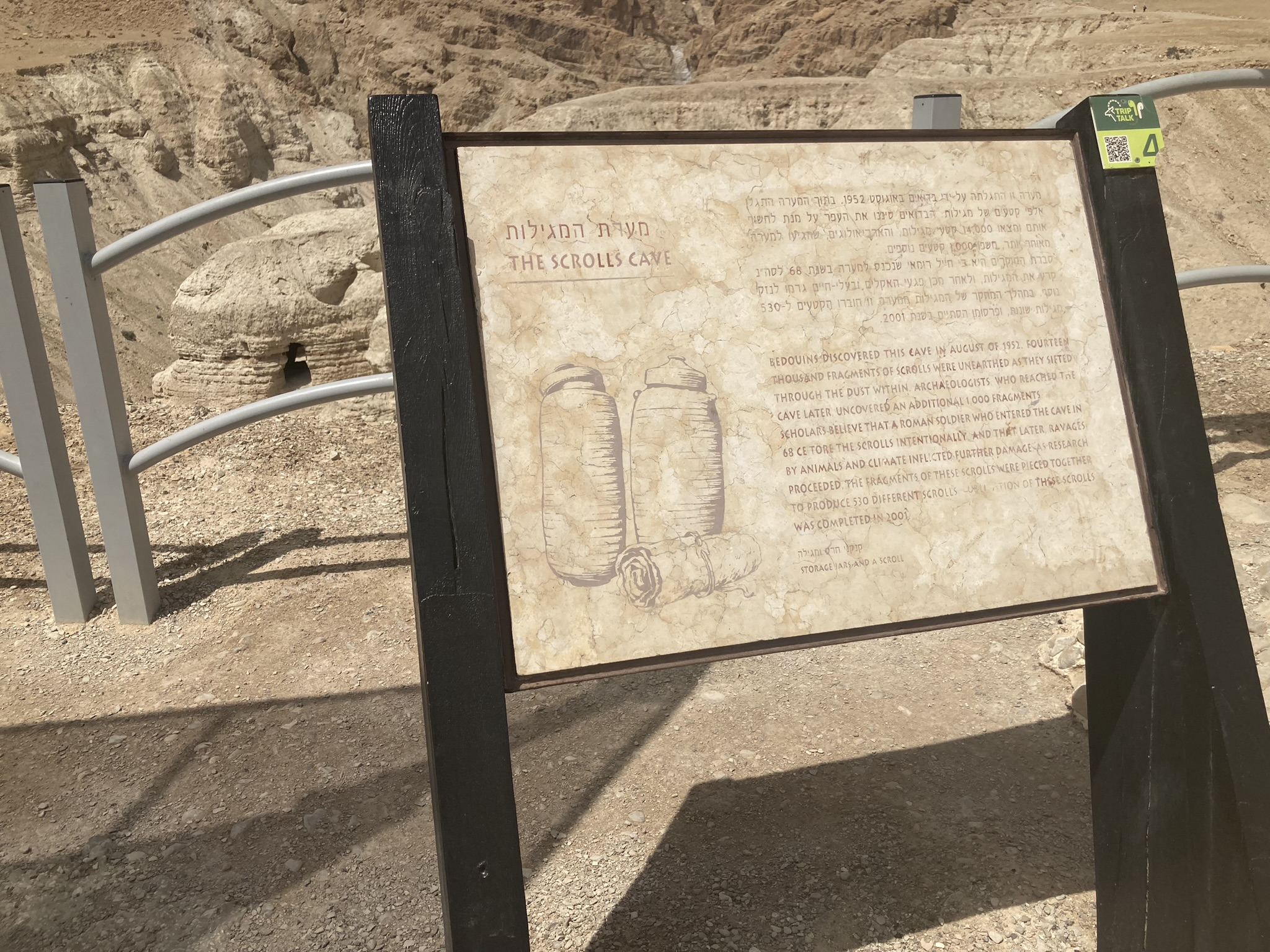
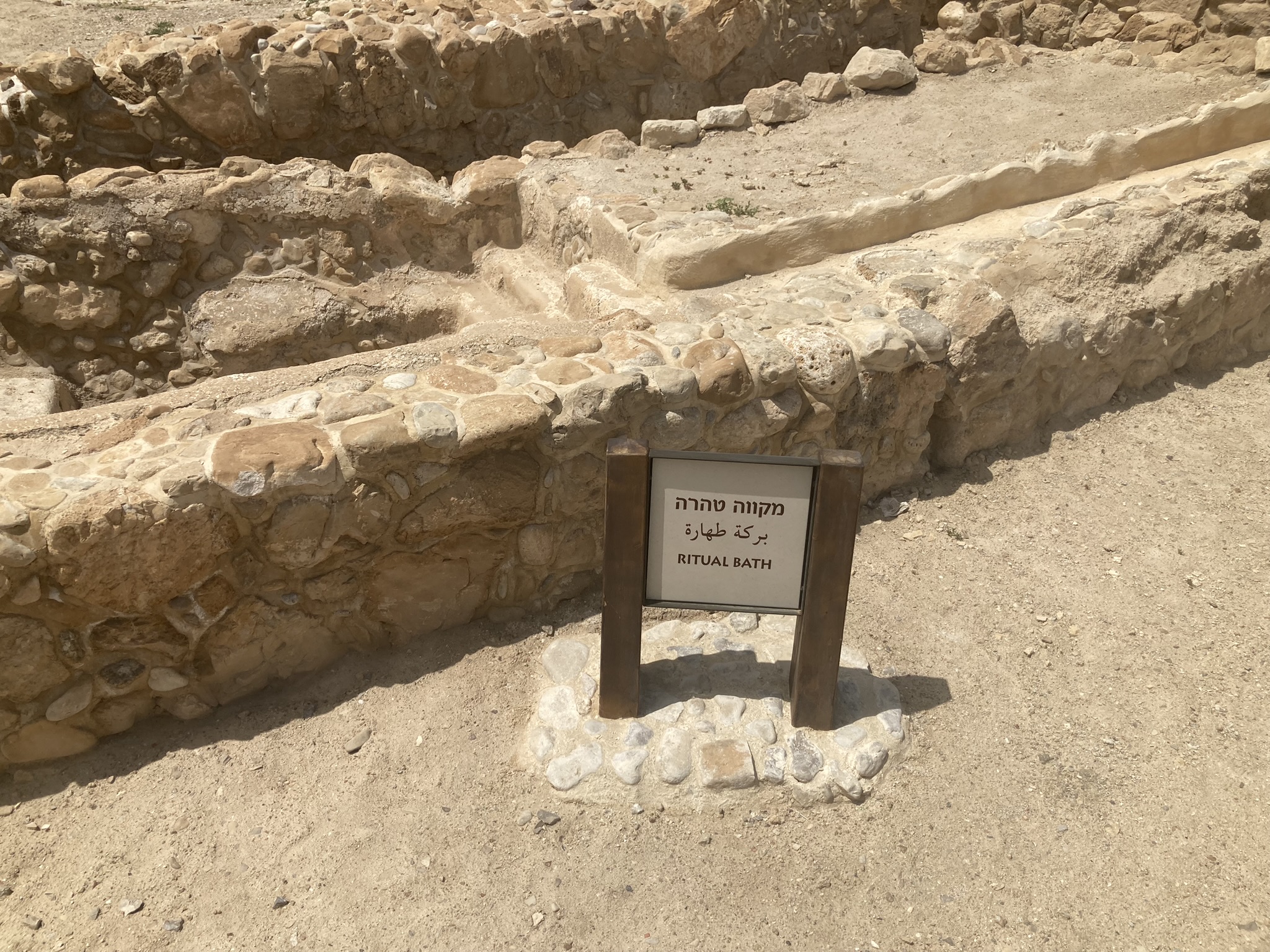
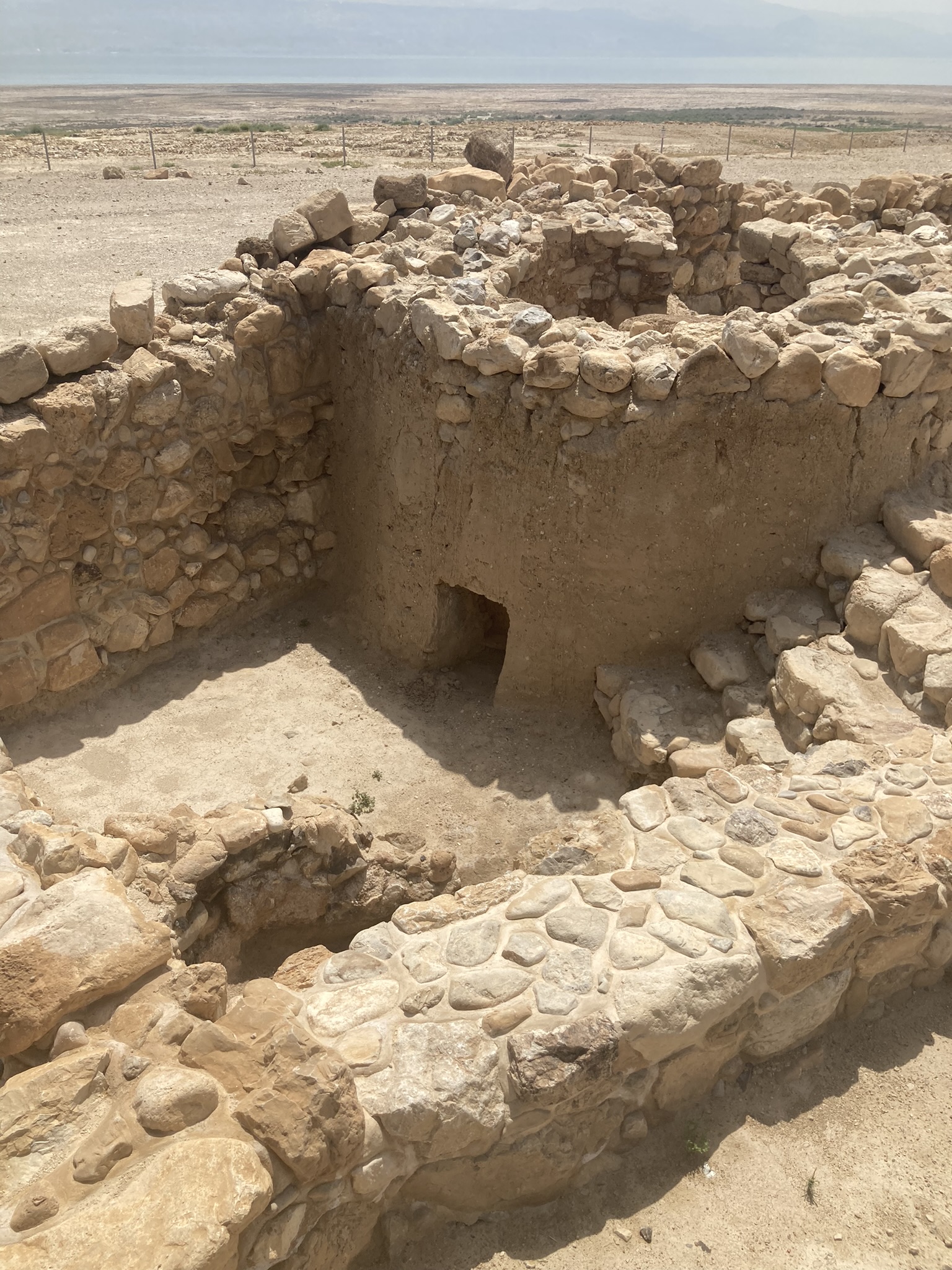
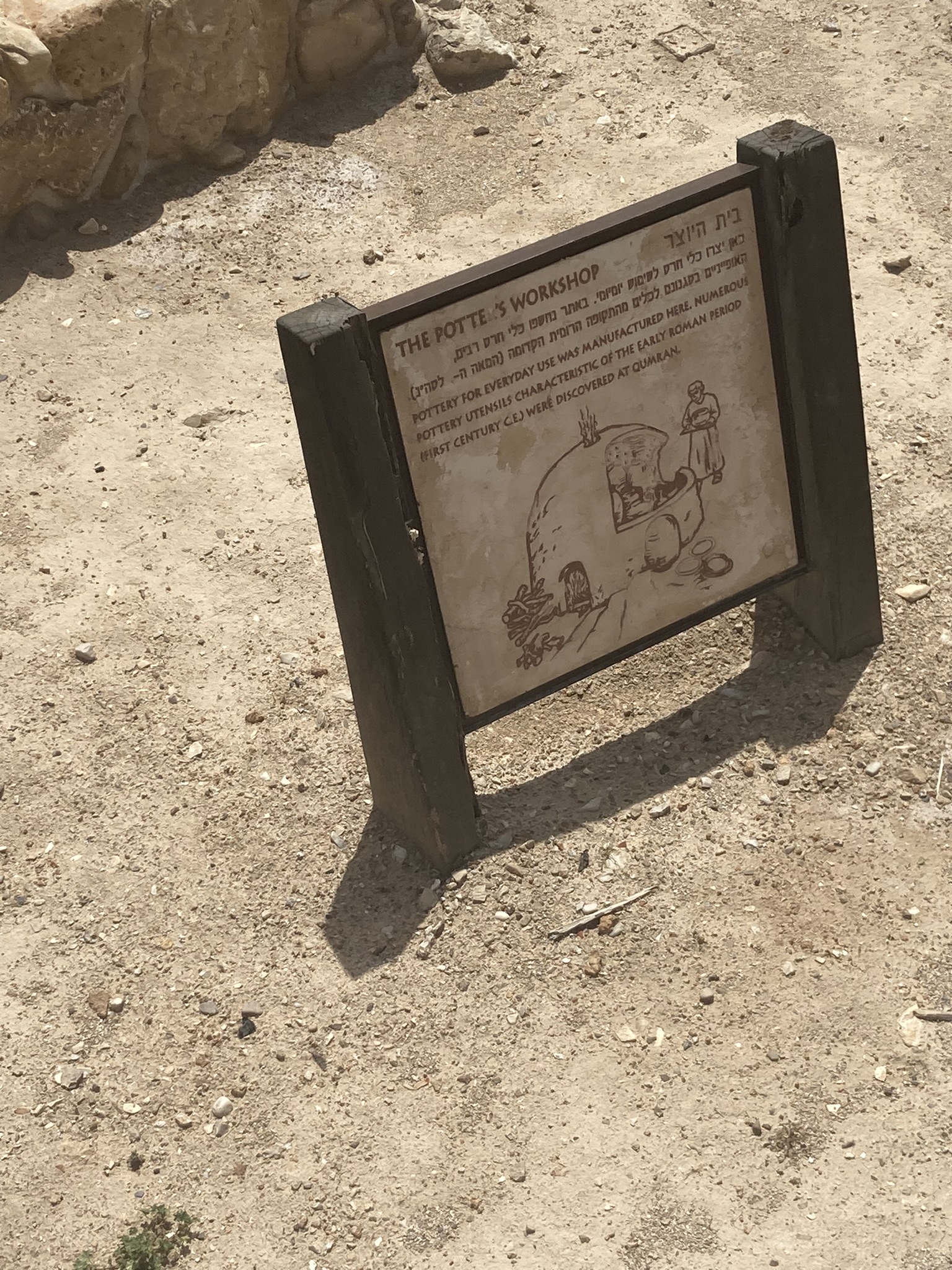
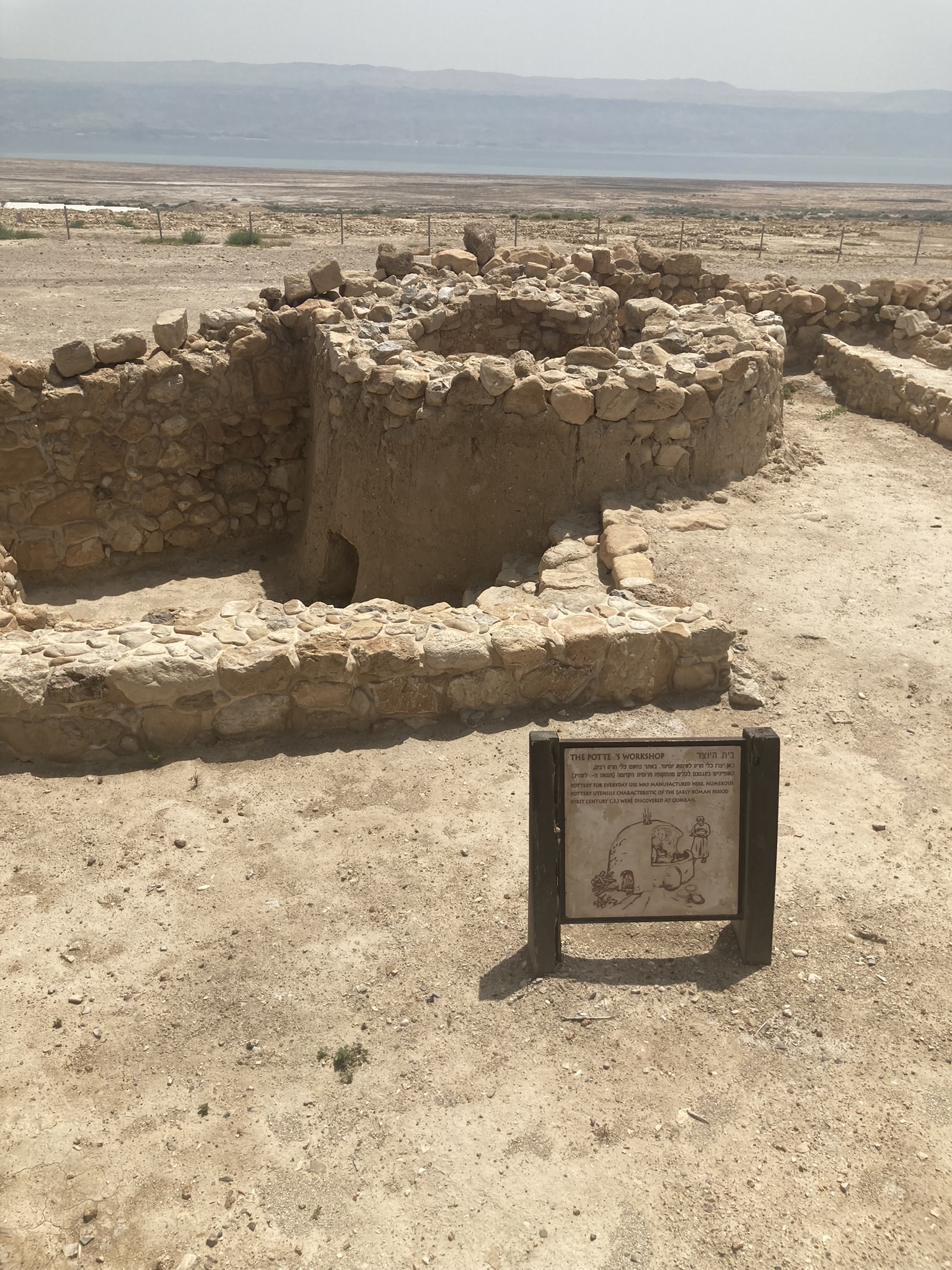
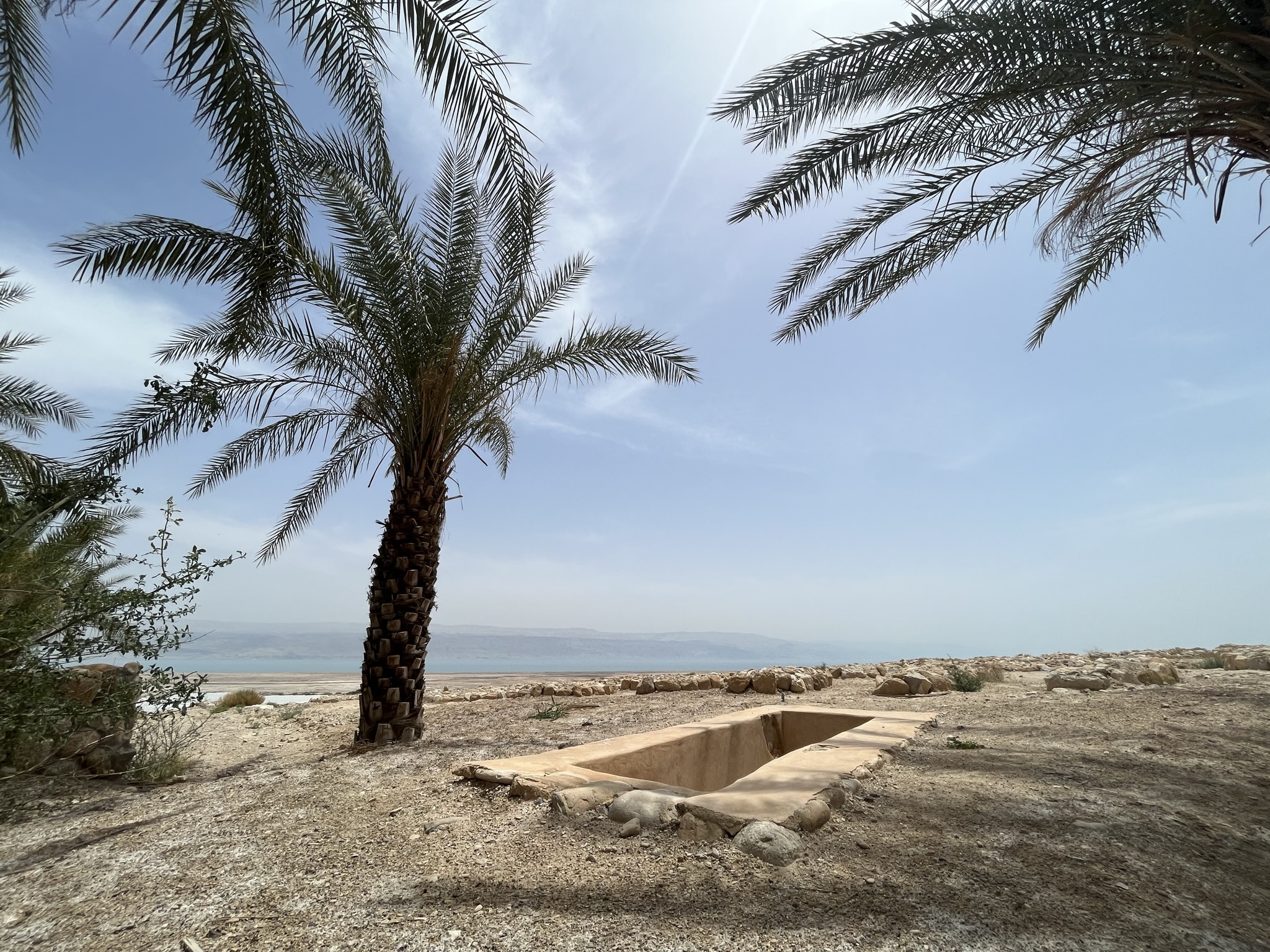
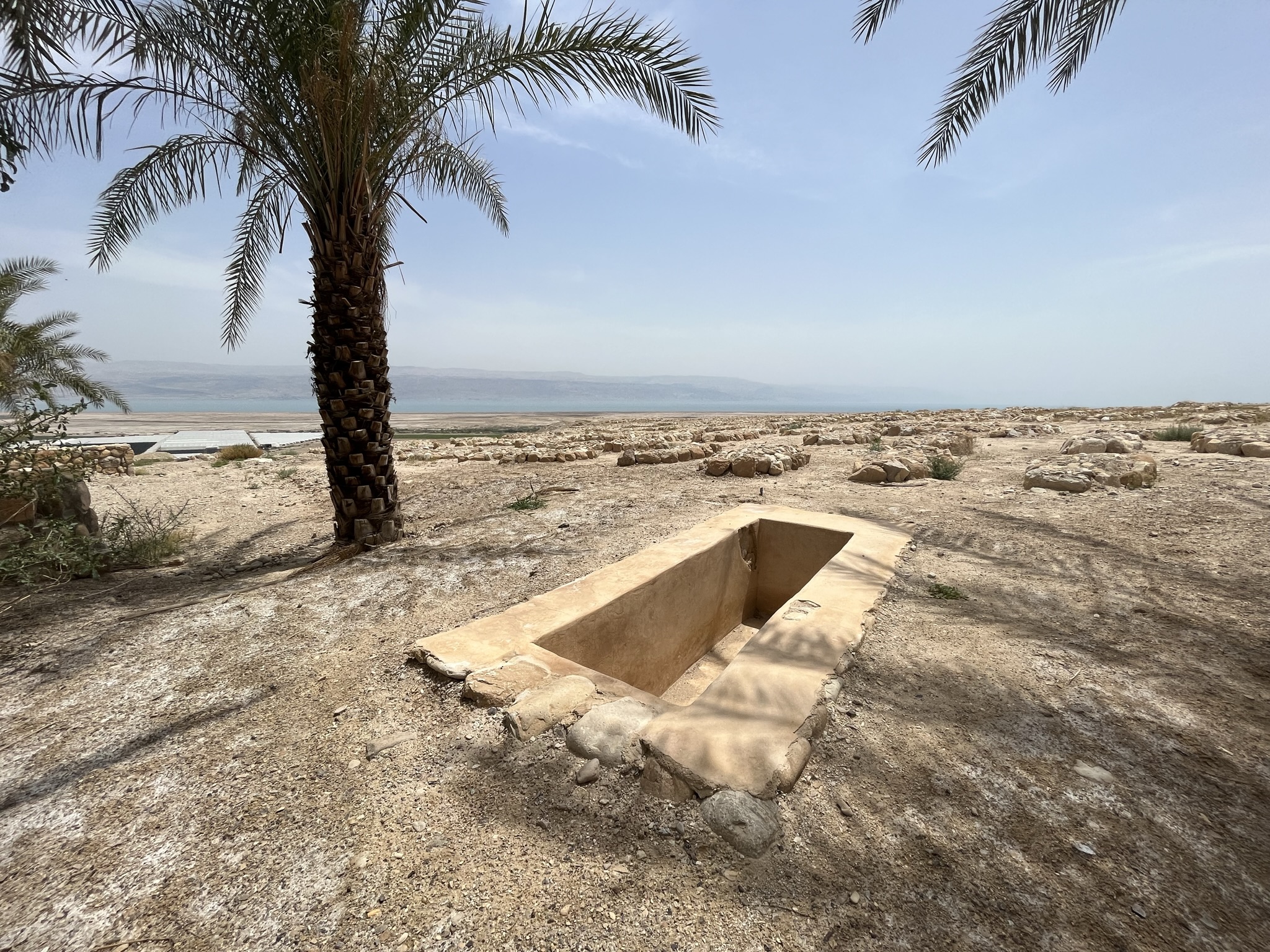
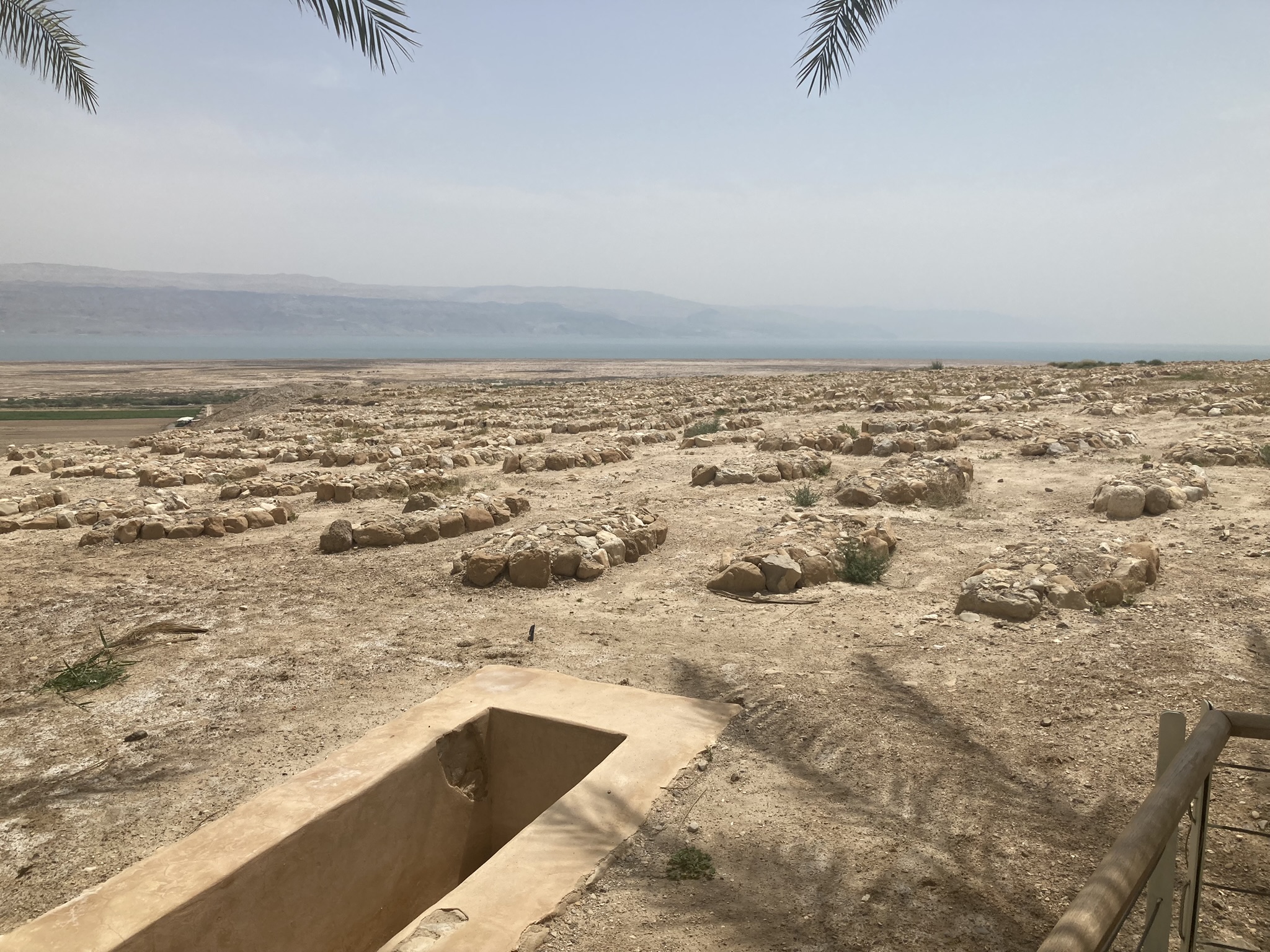
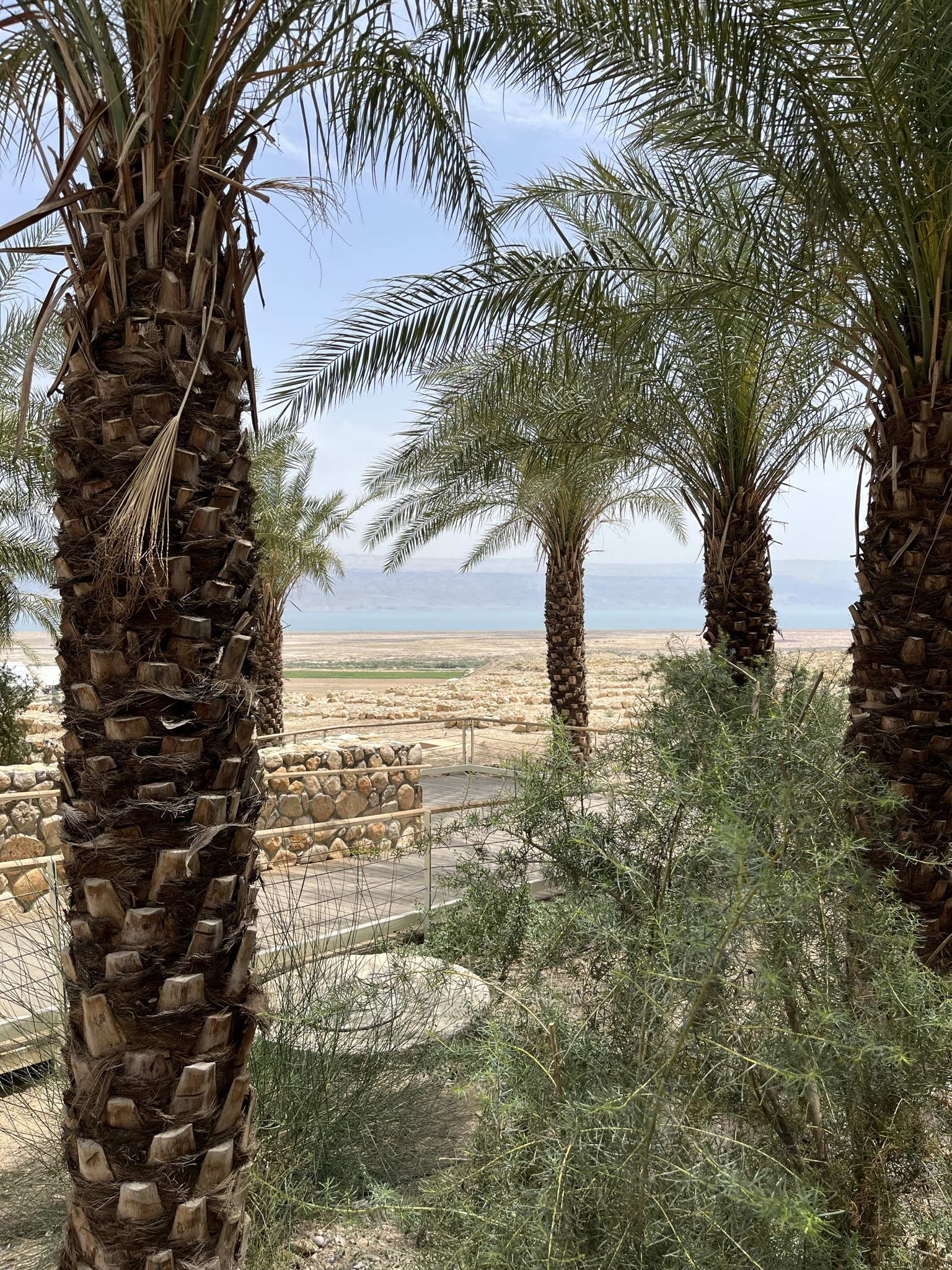
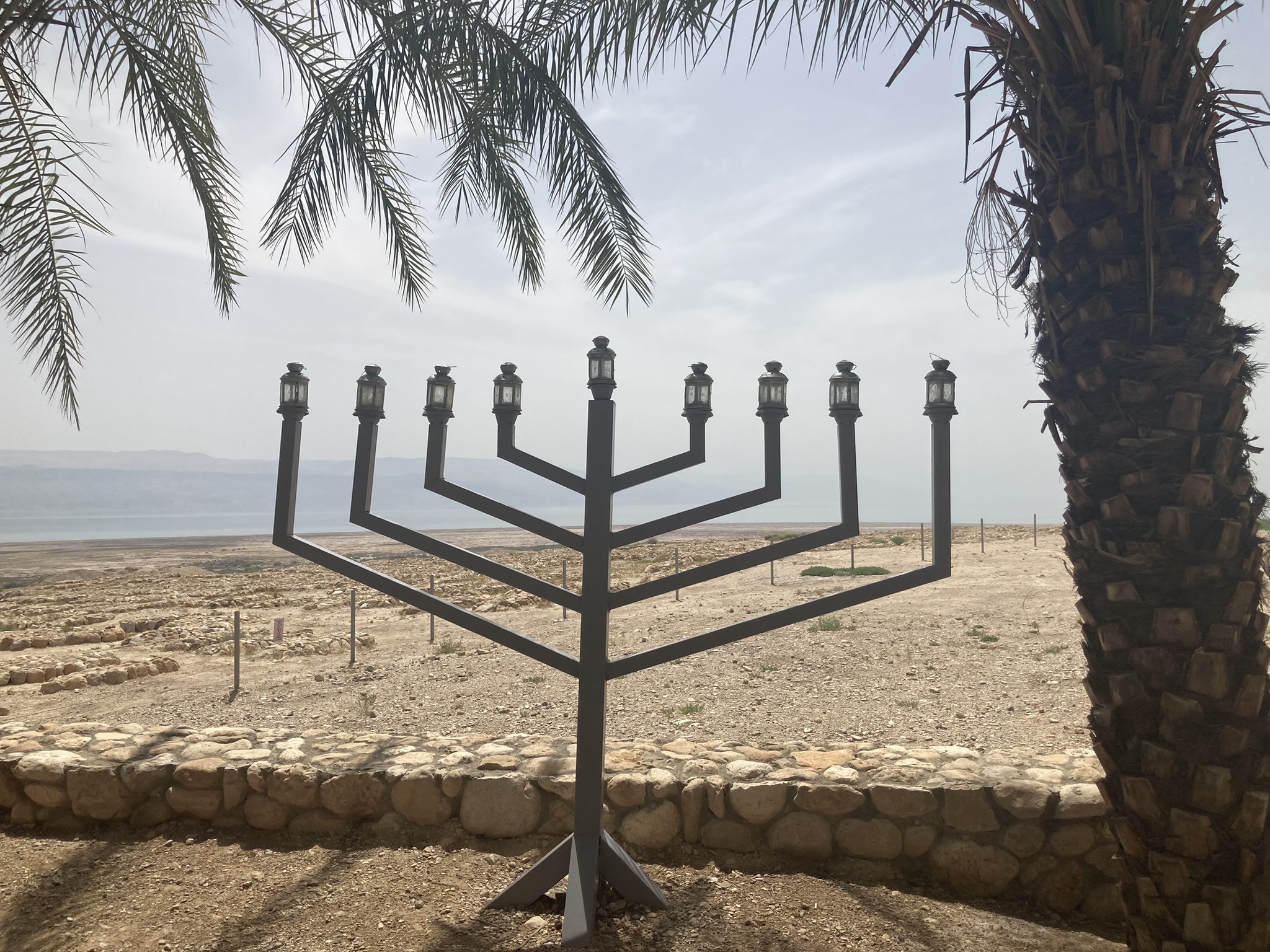
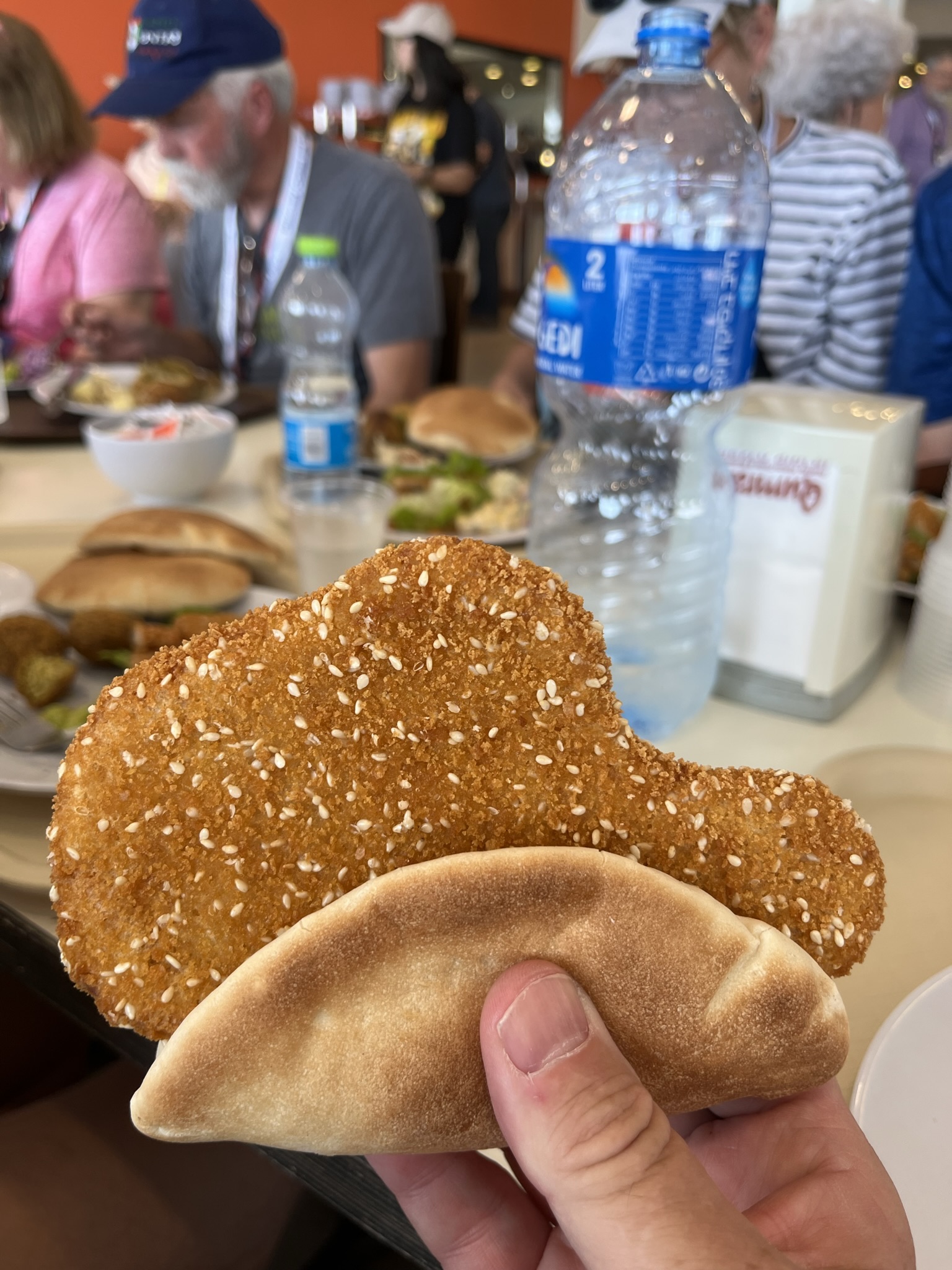
Qumran is a fascinating place. It is where the Dead Sea Scrolls were found. We were able to go to the Qumran National Park where we could see artifacts in a museum and well as tour the current excavations outside. Lunch and shopping were onsite as well.

























MASADA
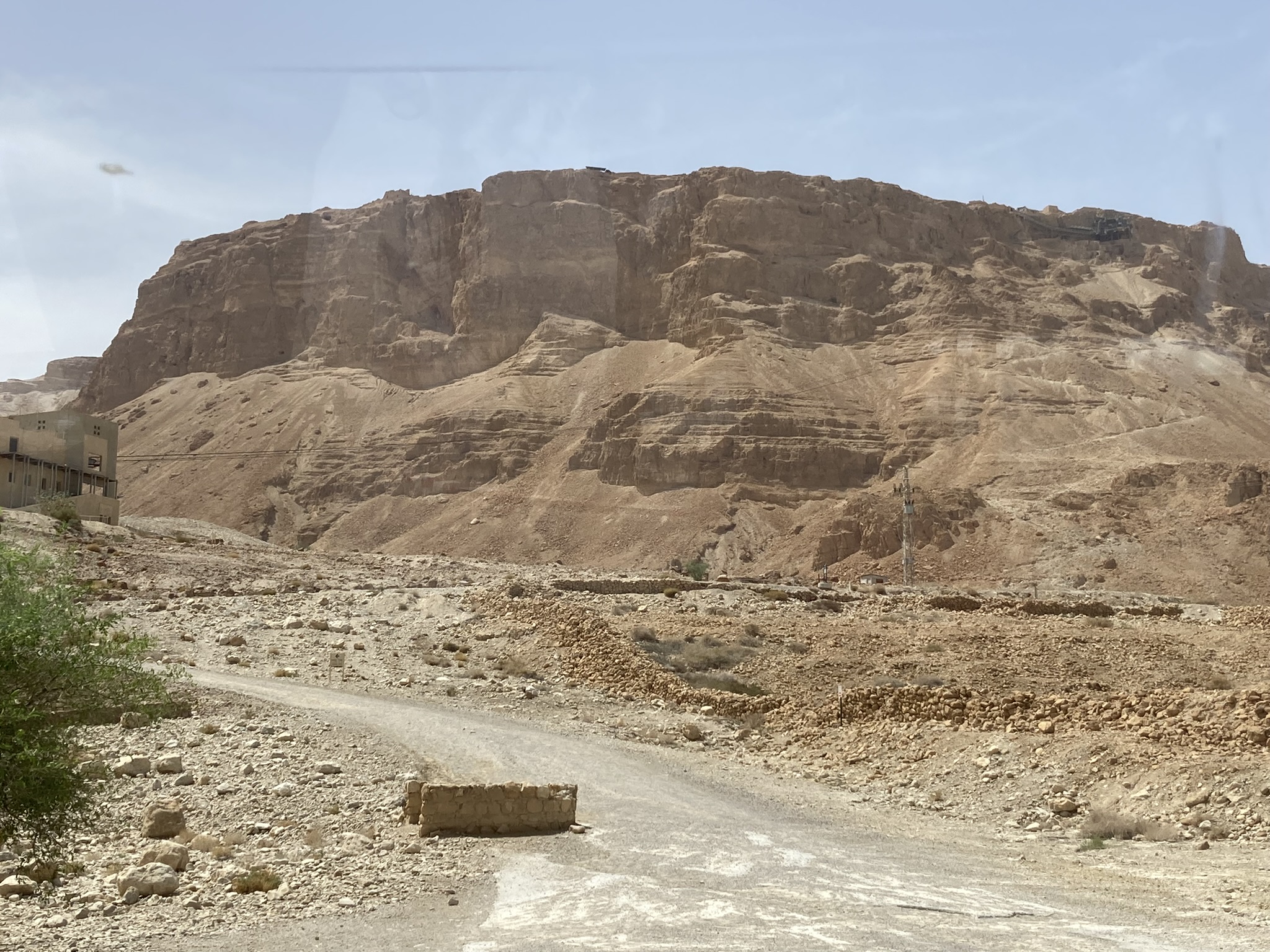
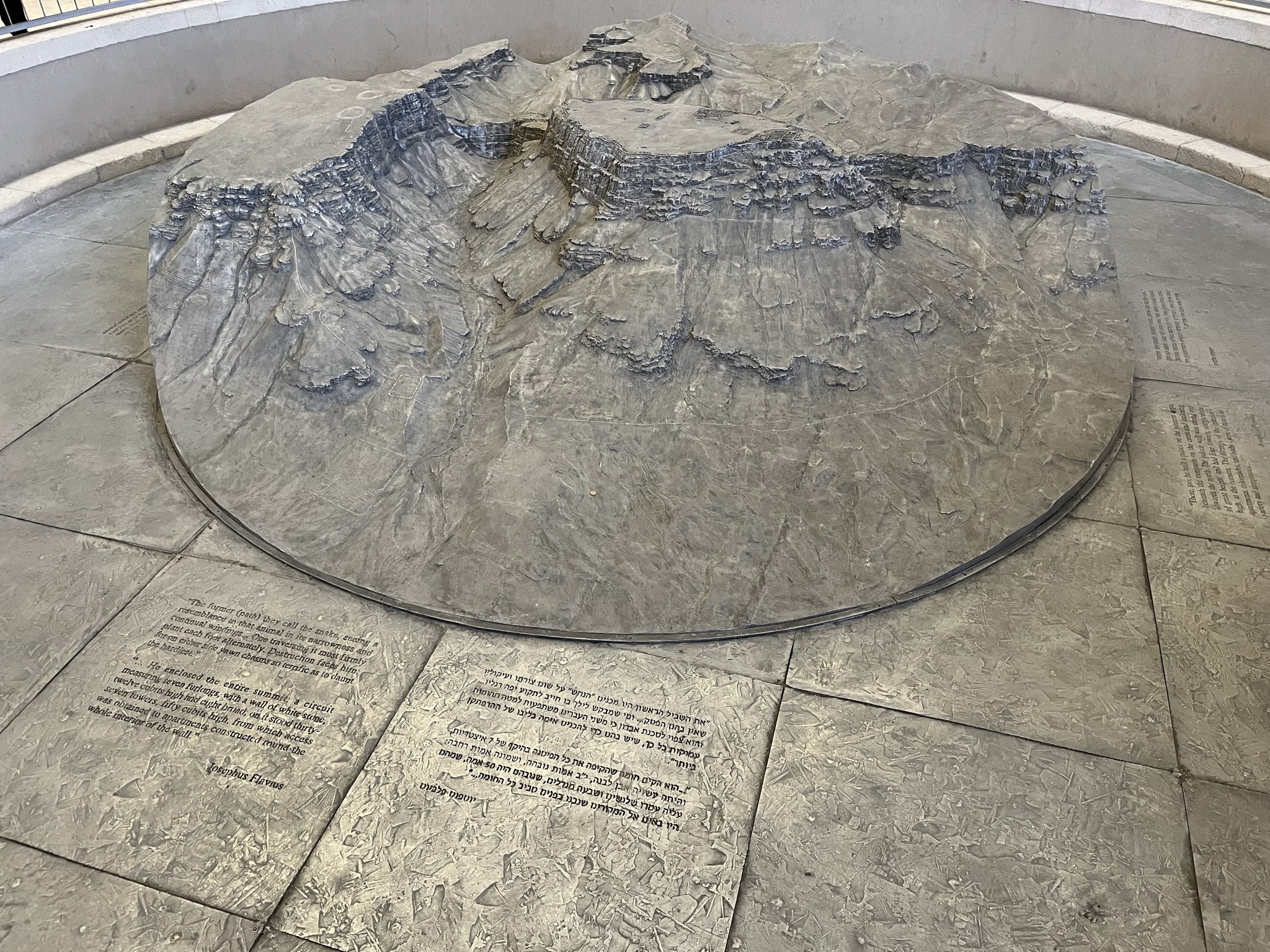
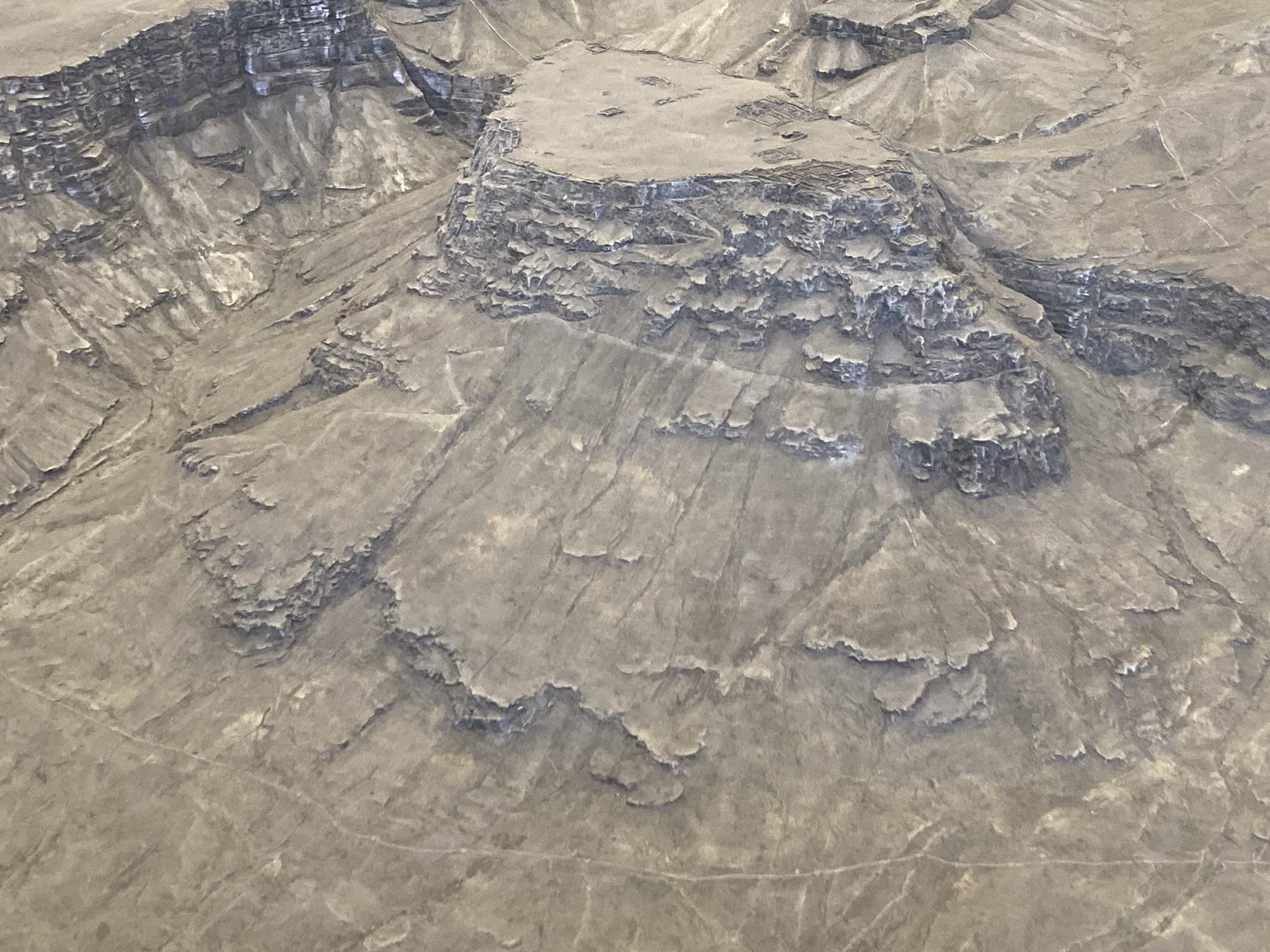
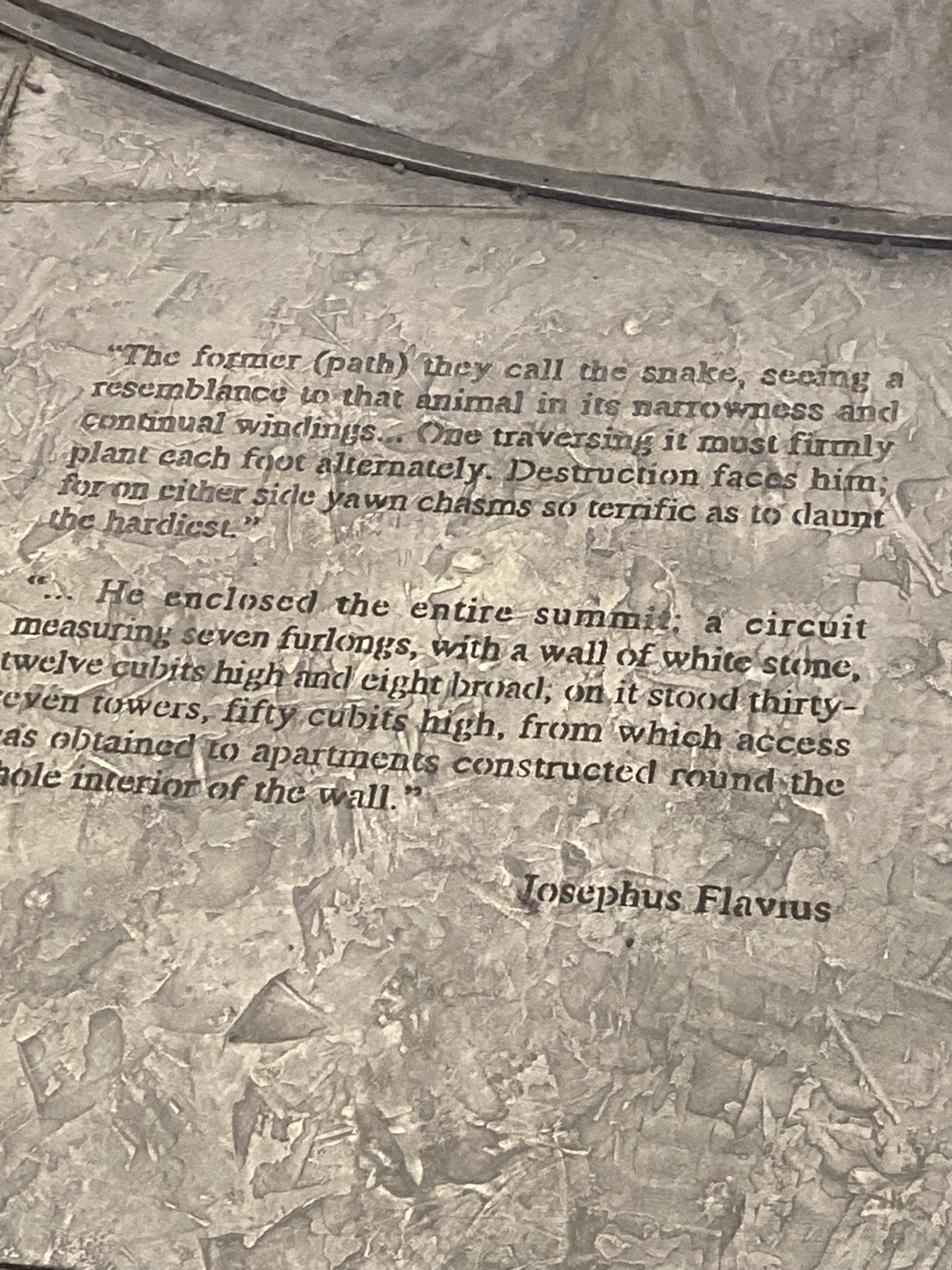
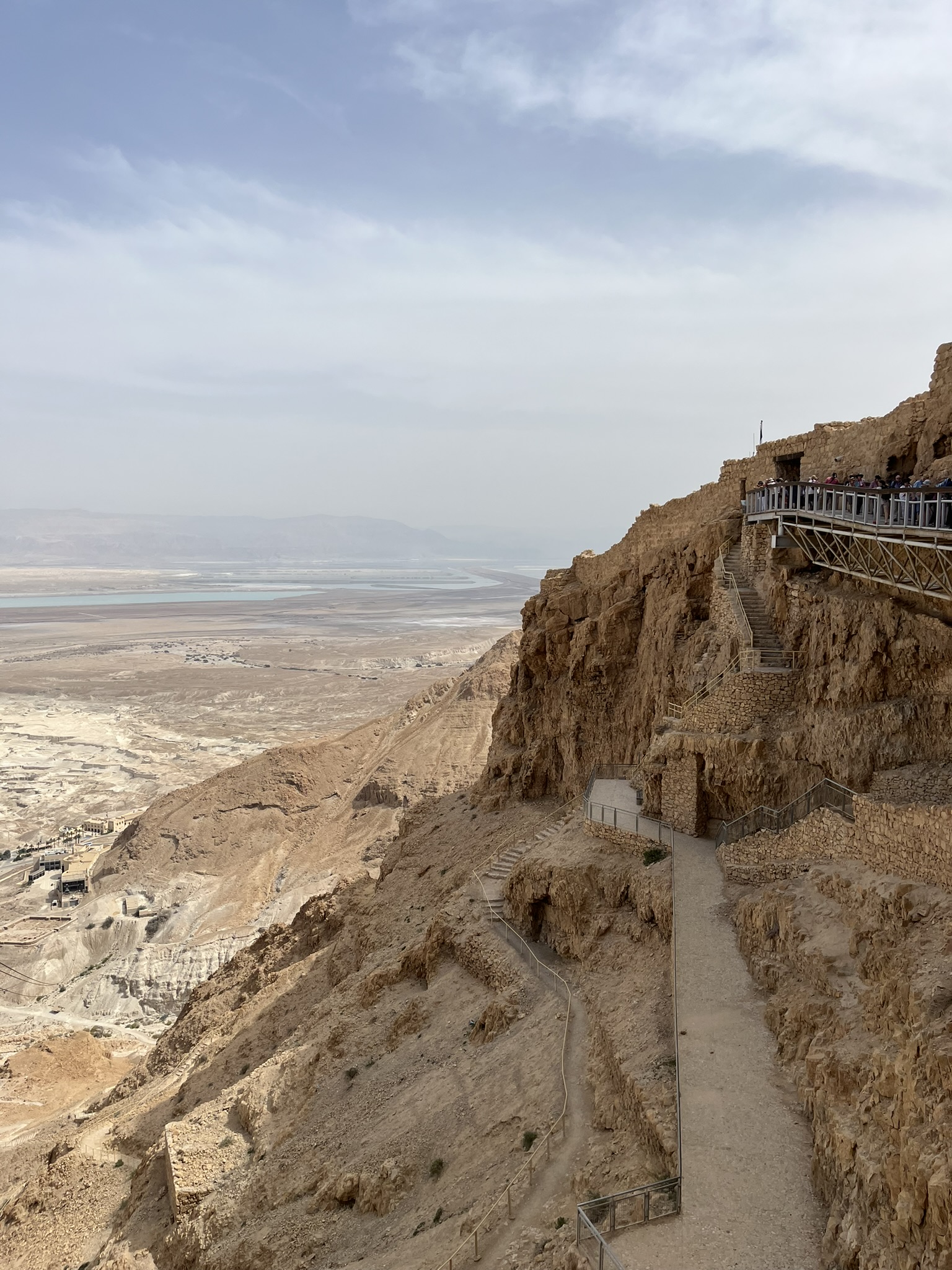
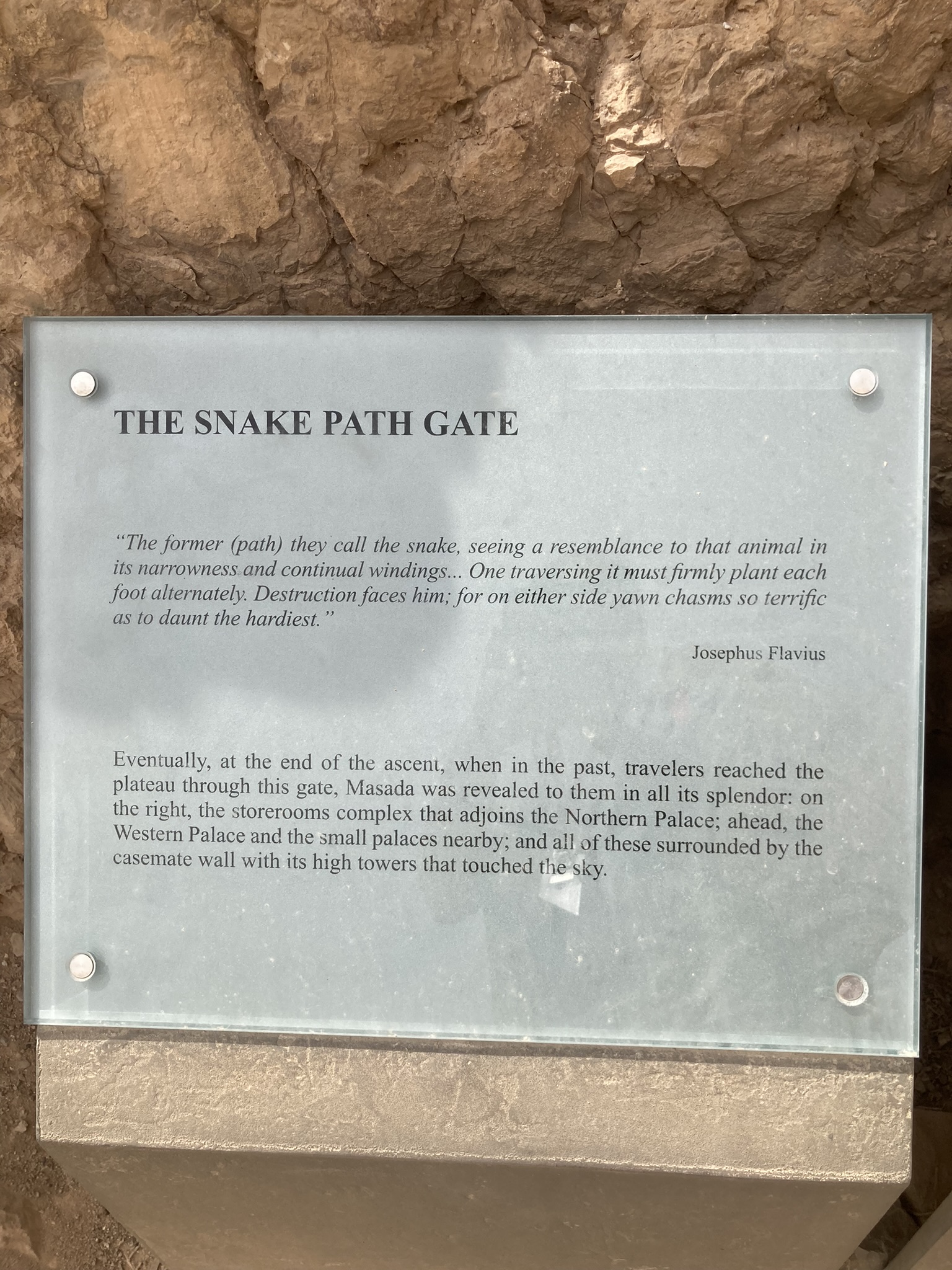
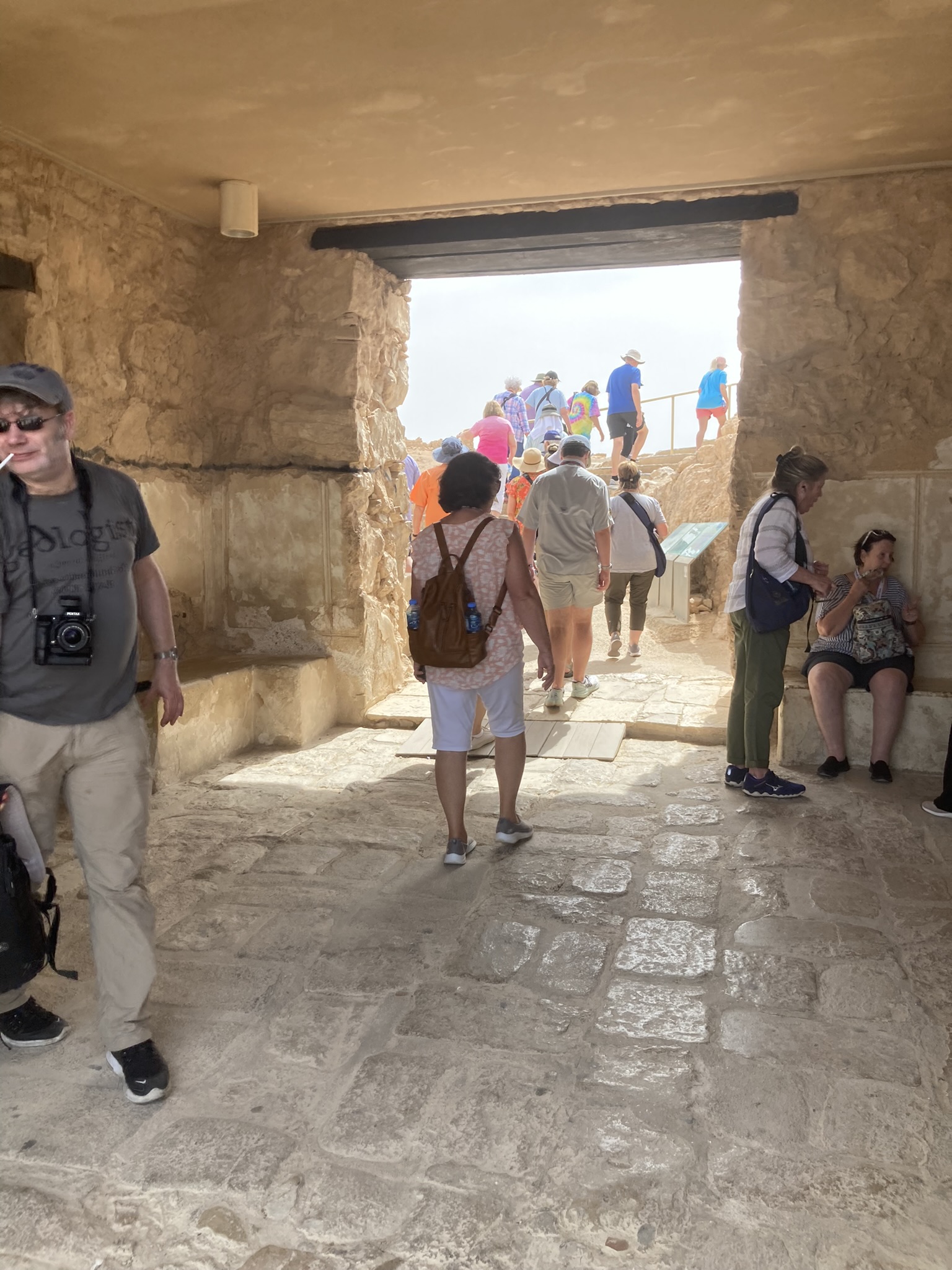
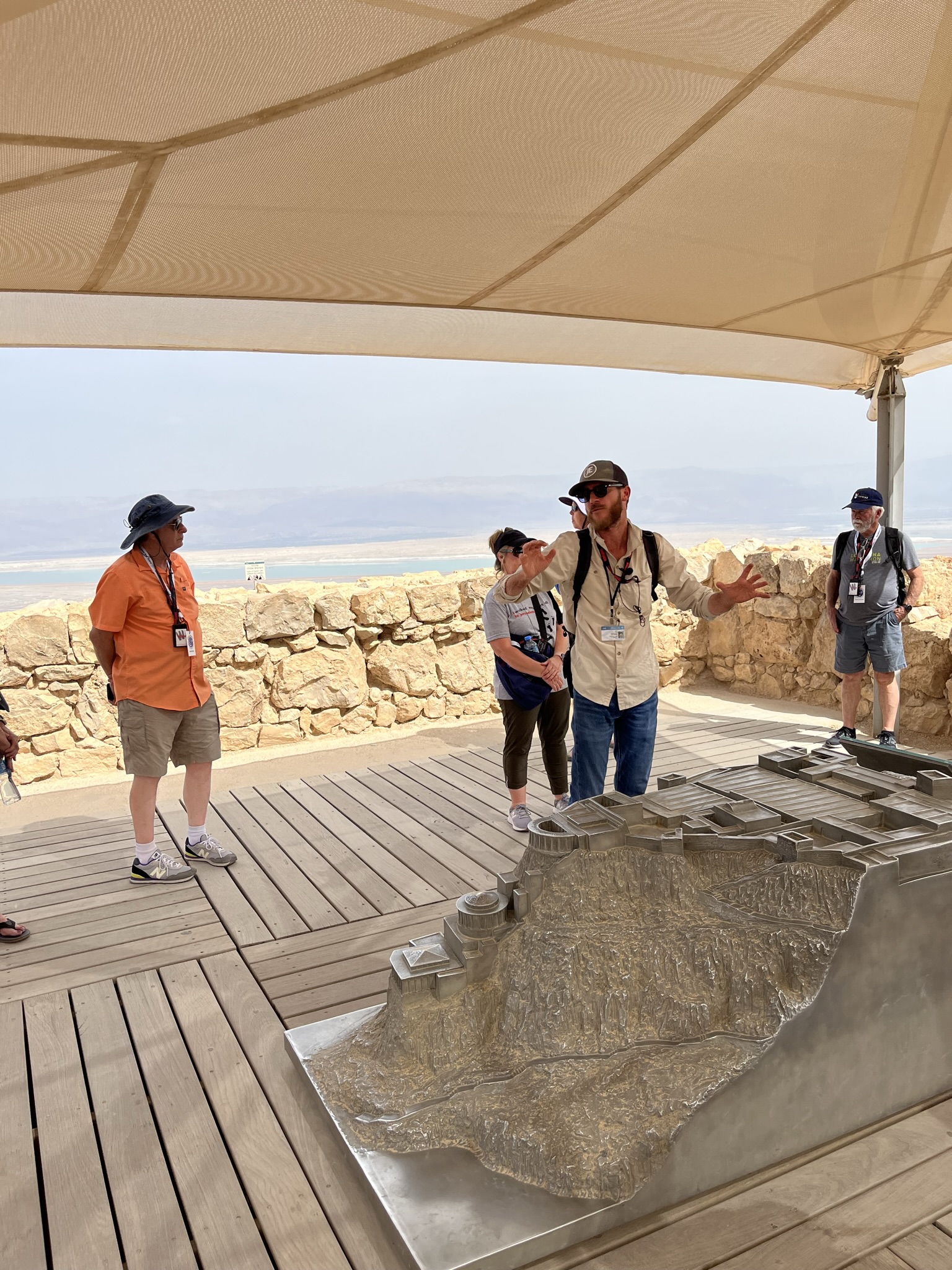
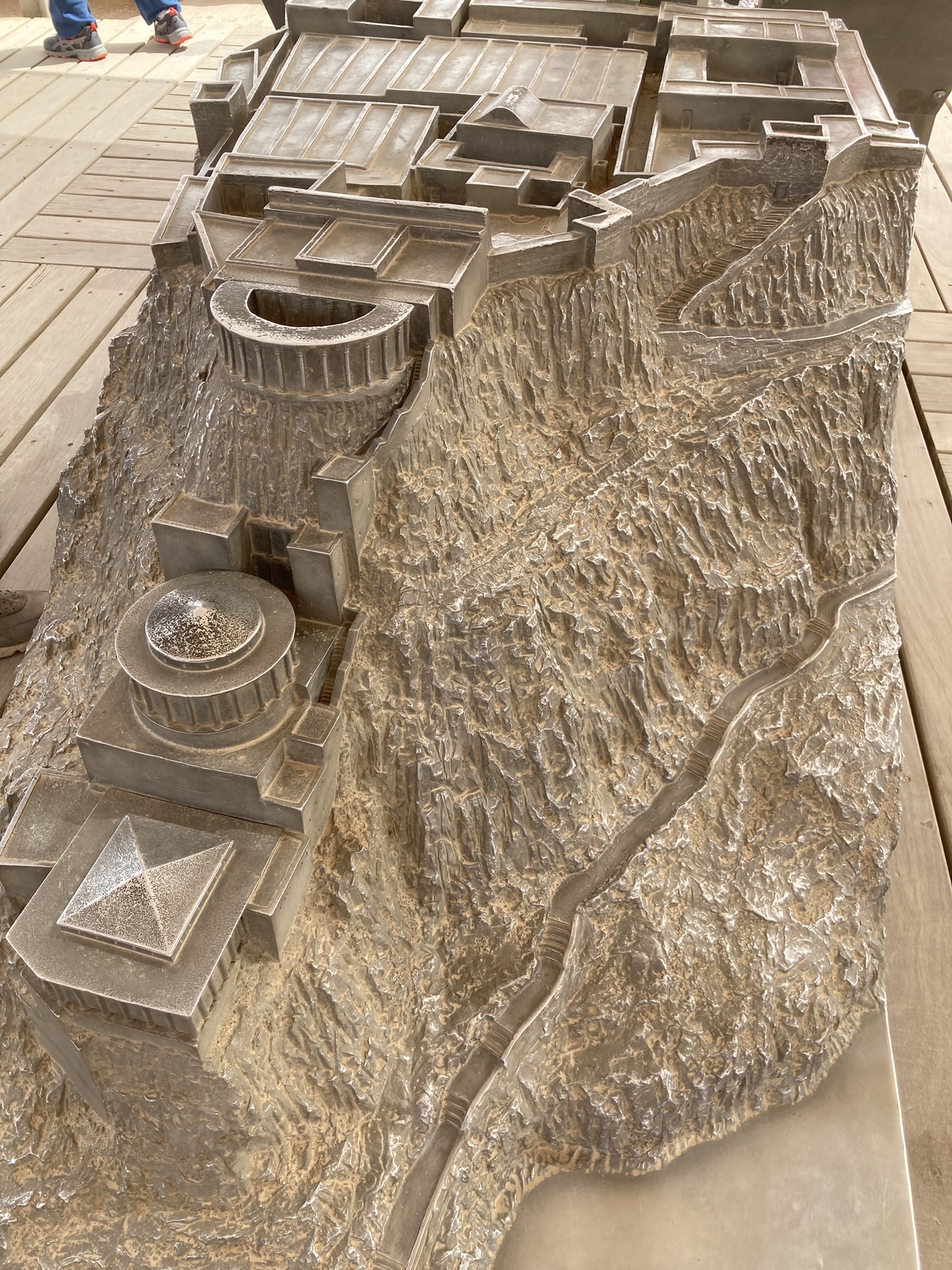
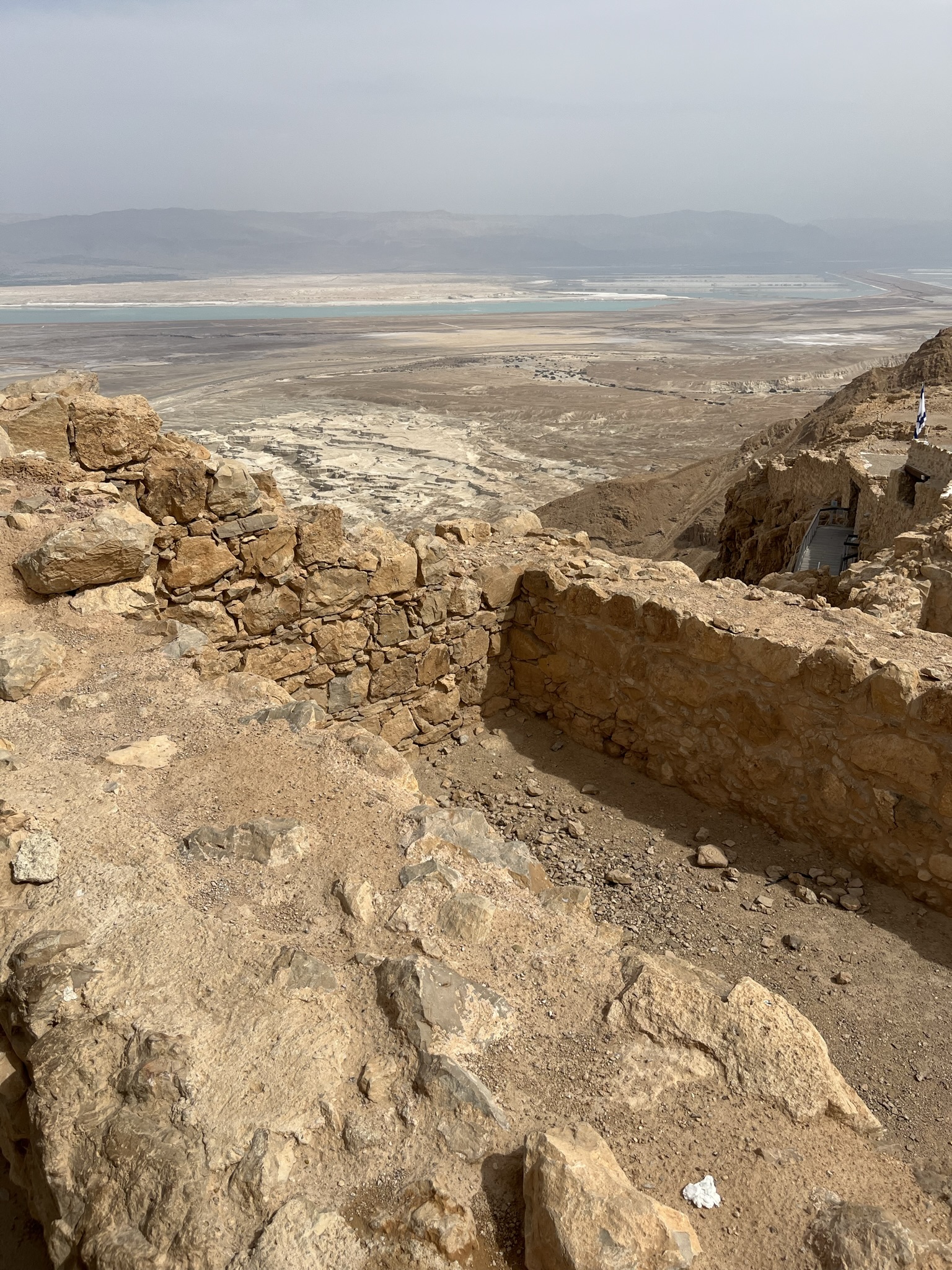
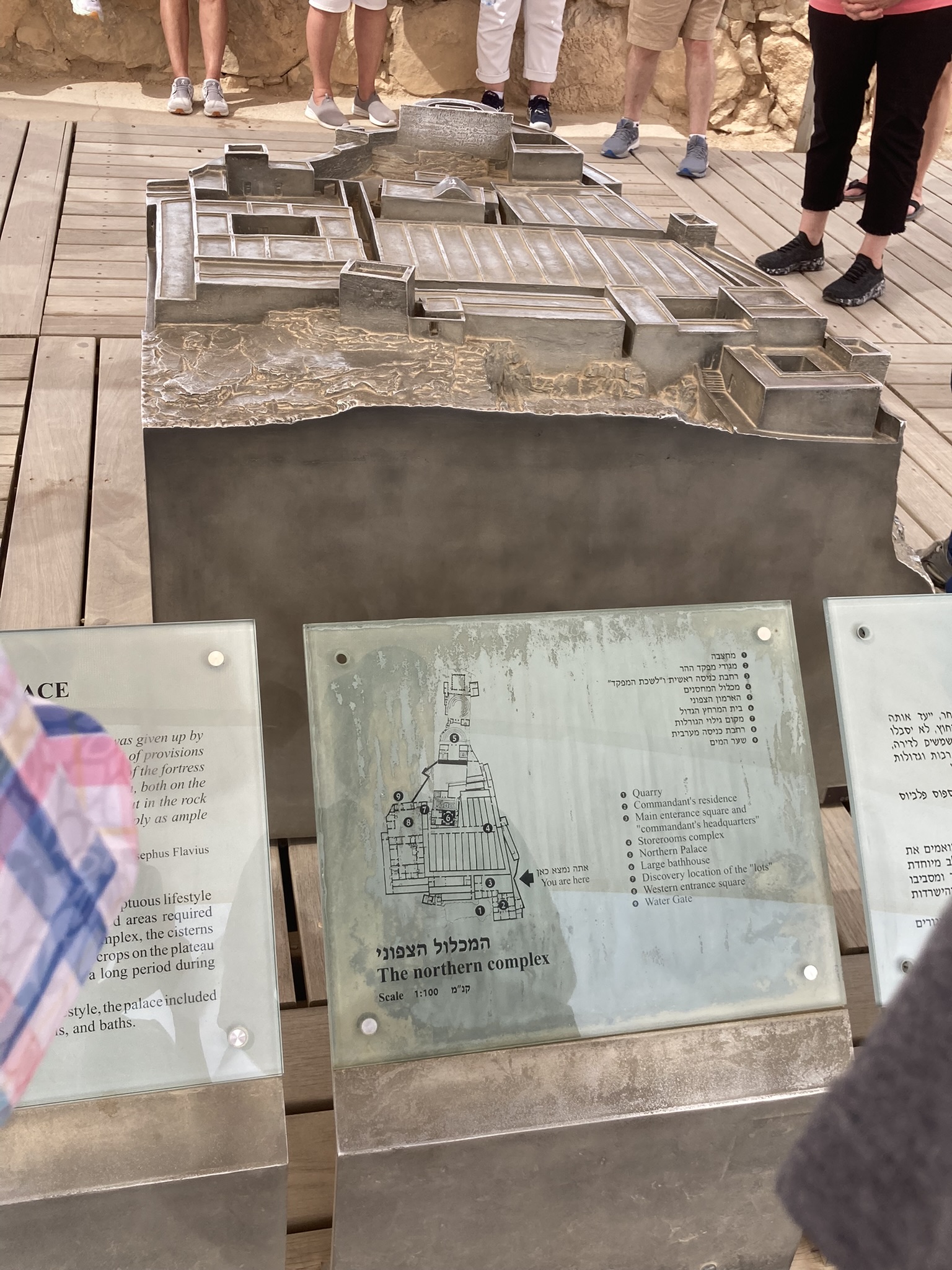
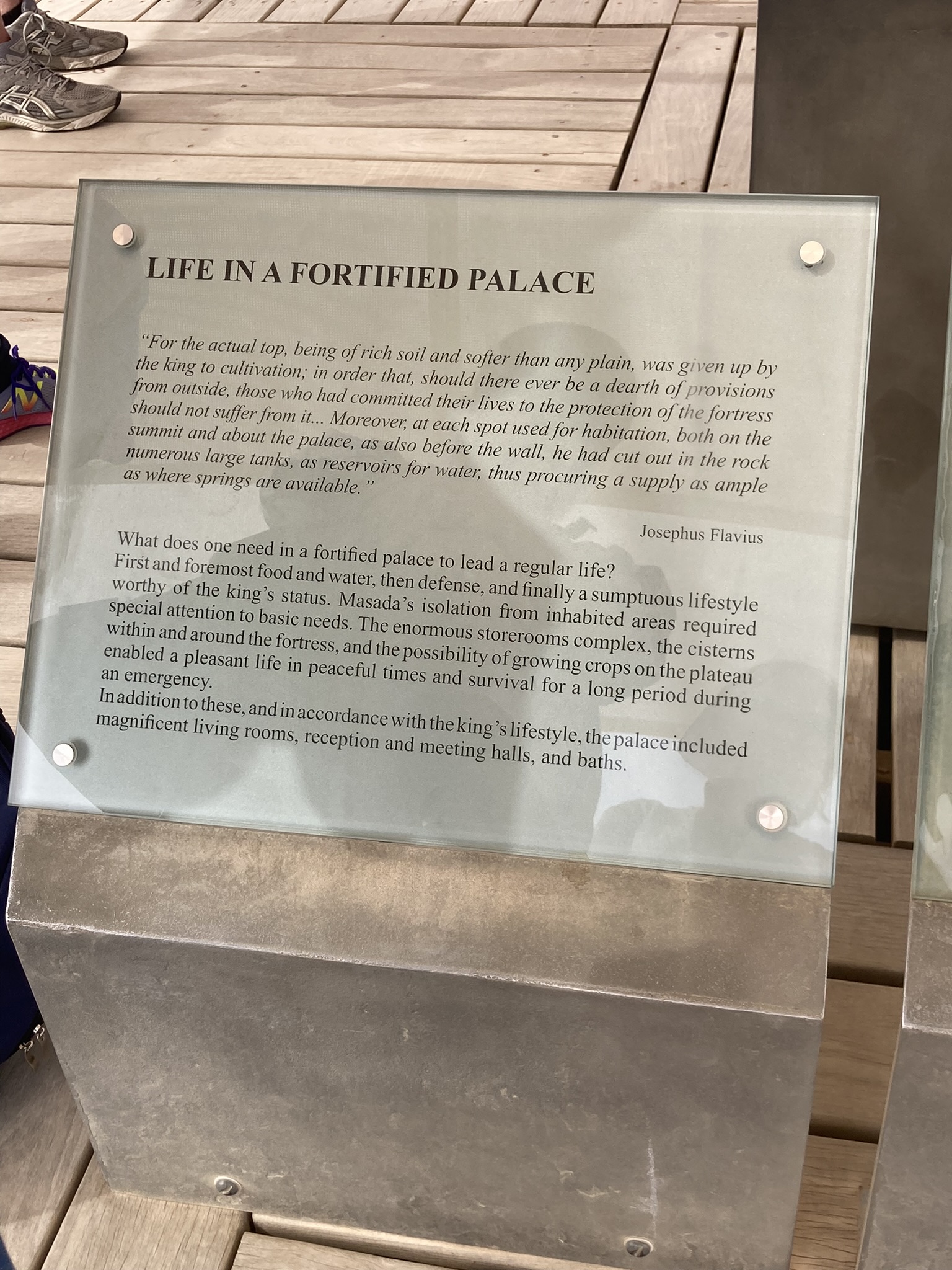
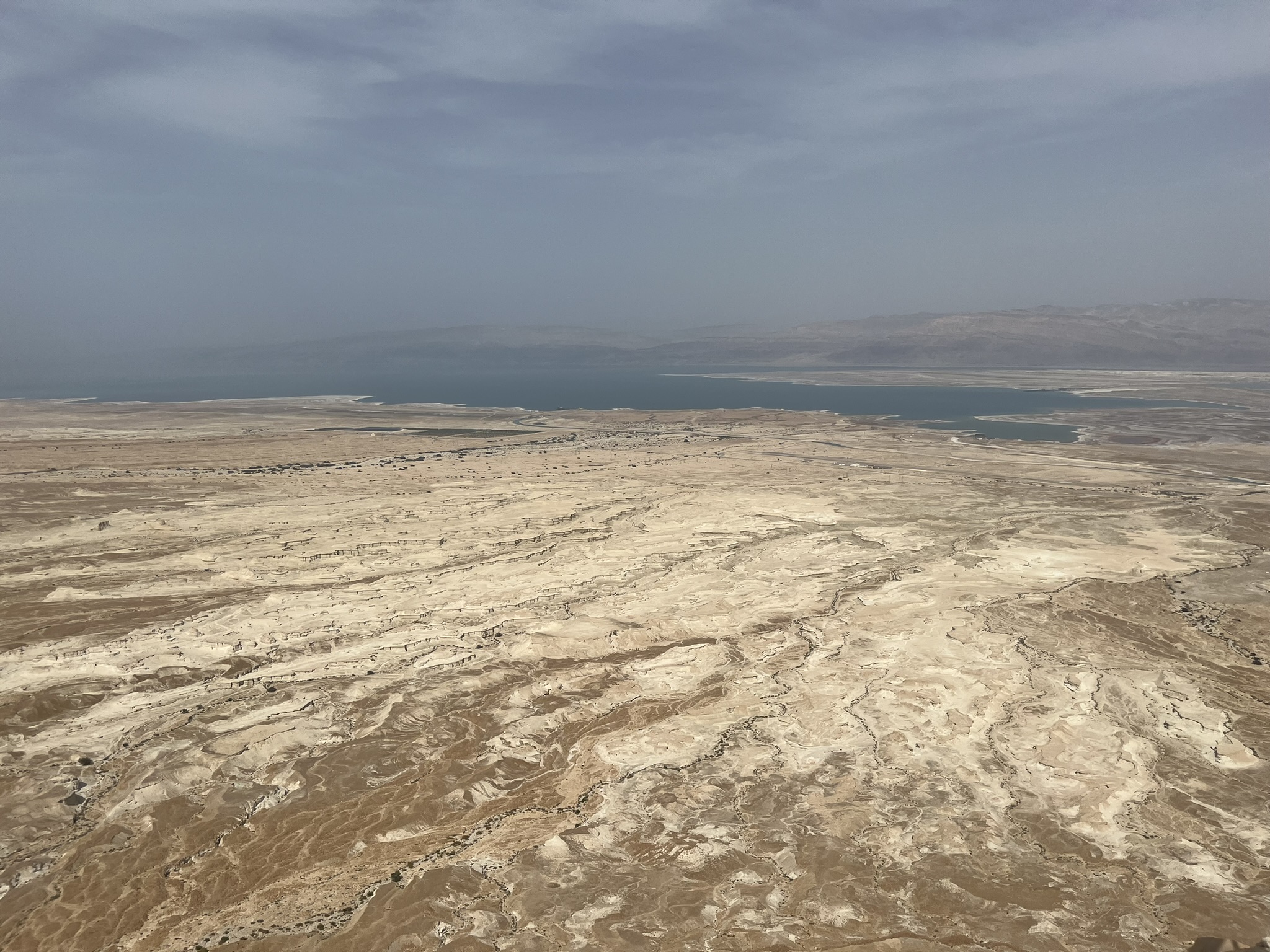
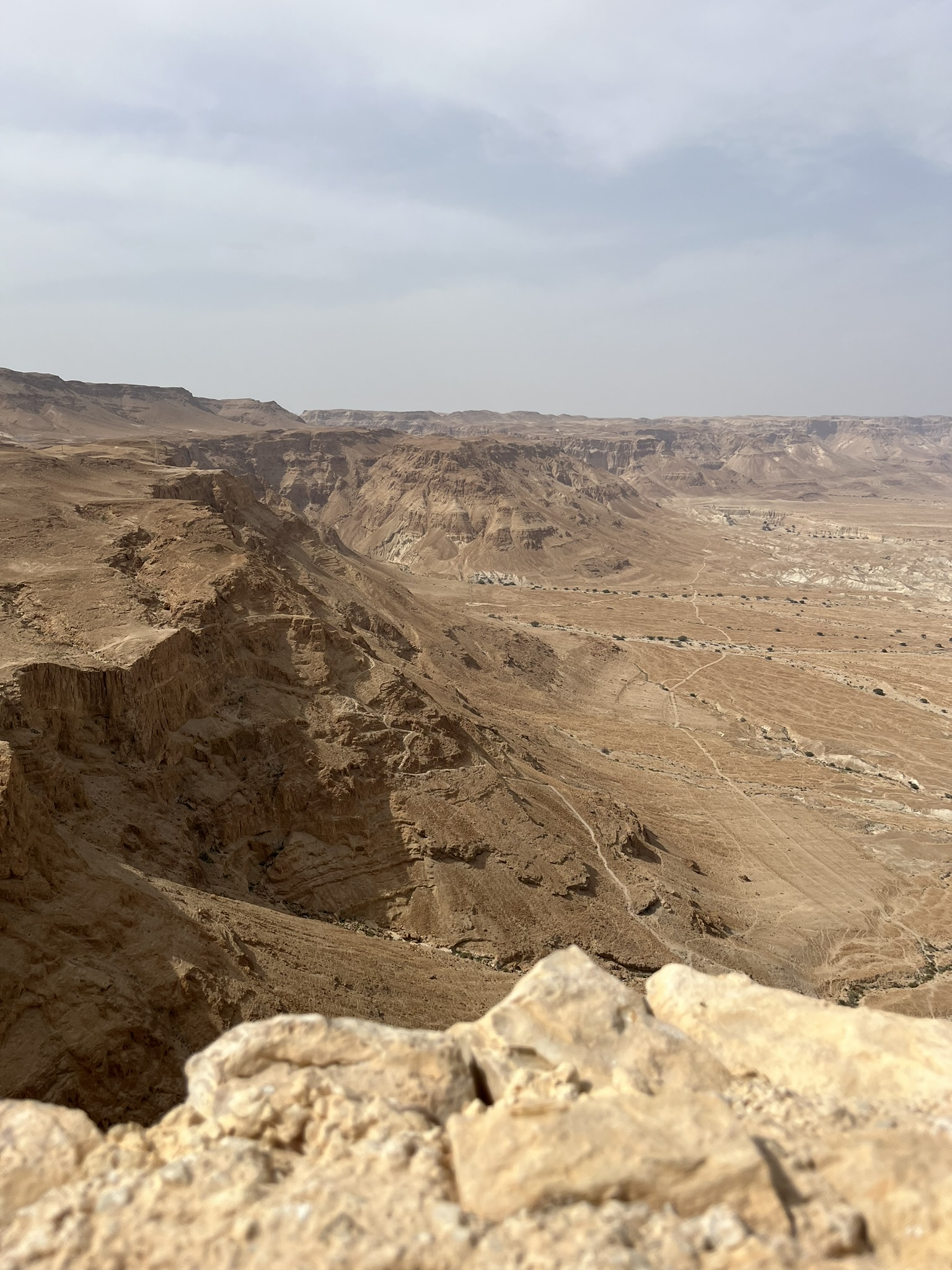
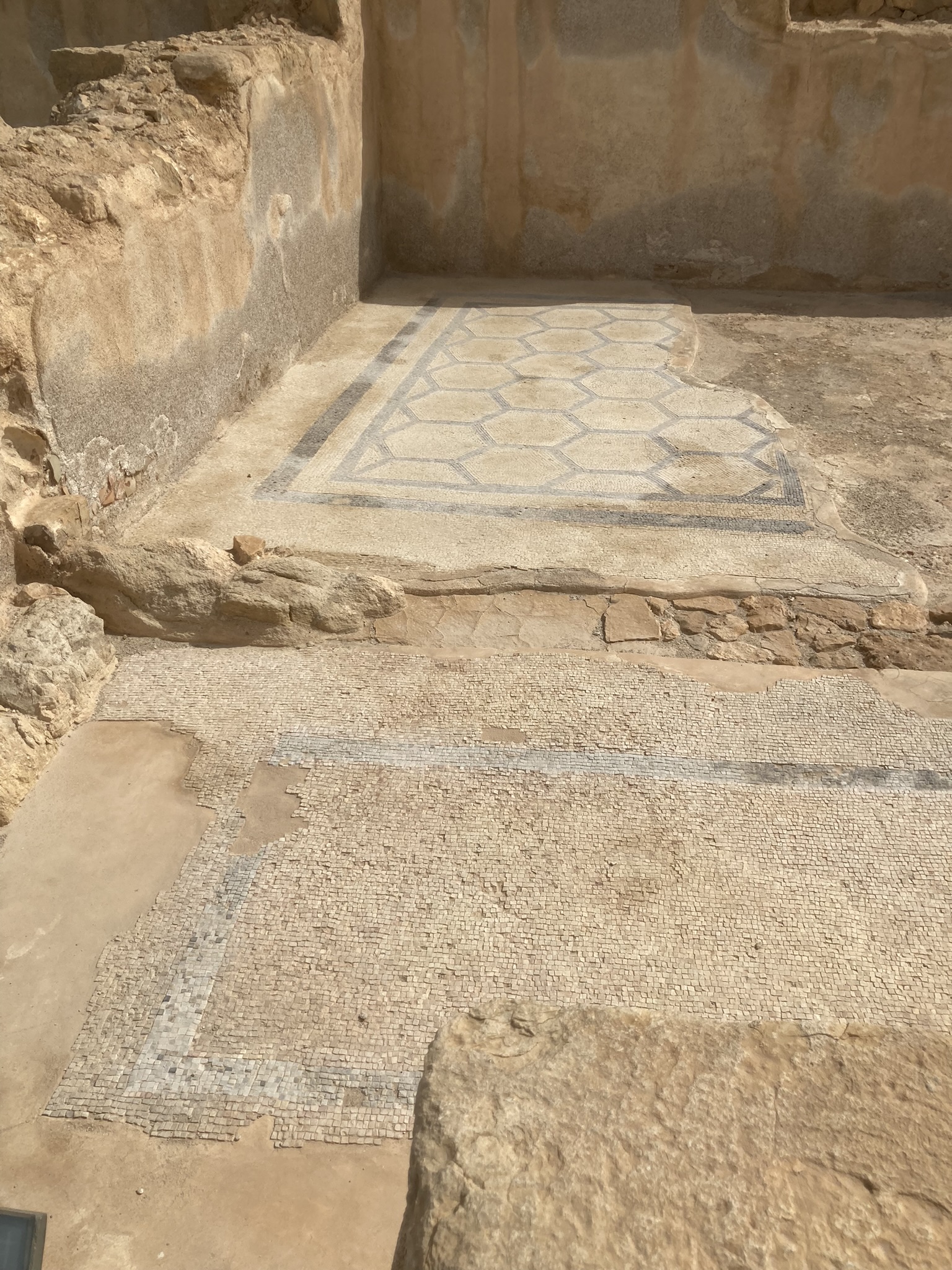
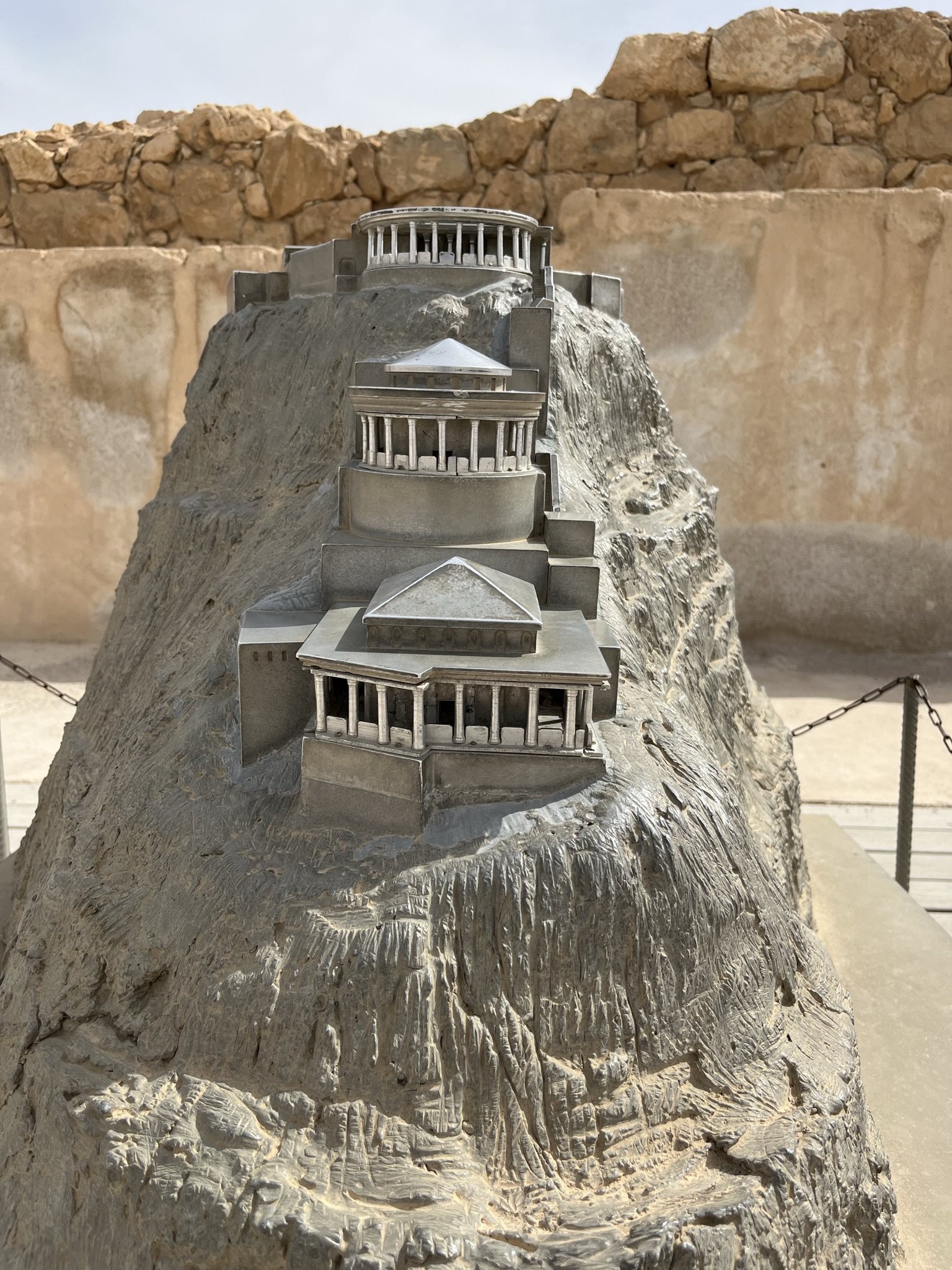
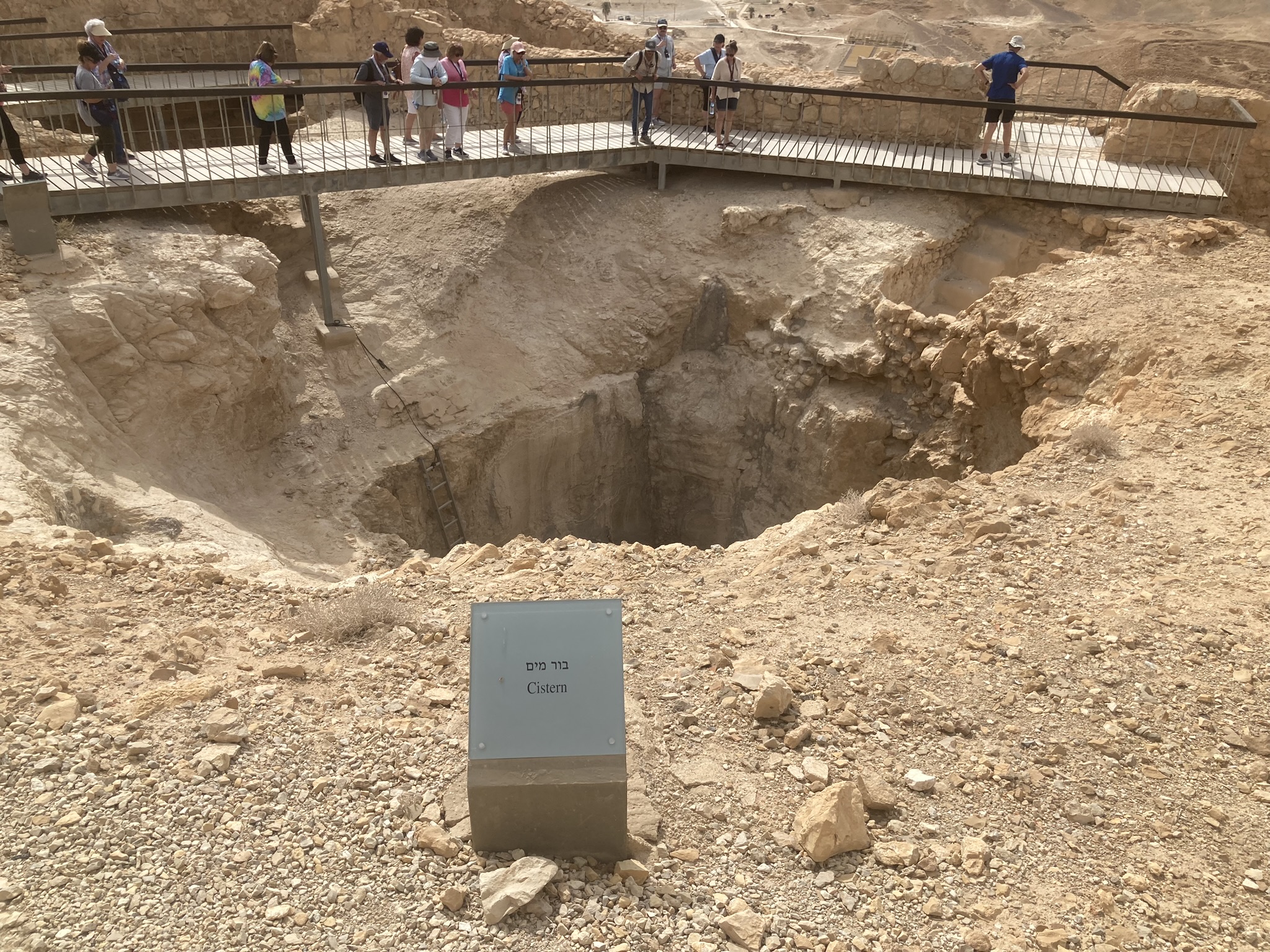
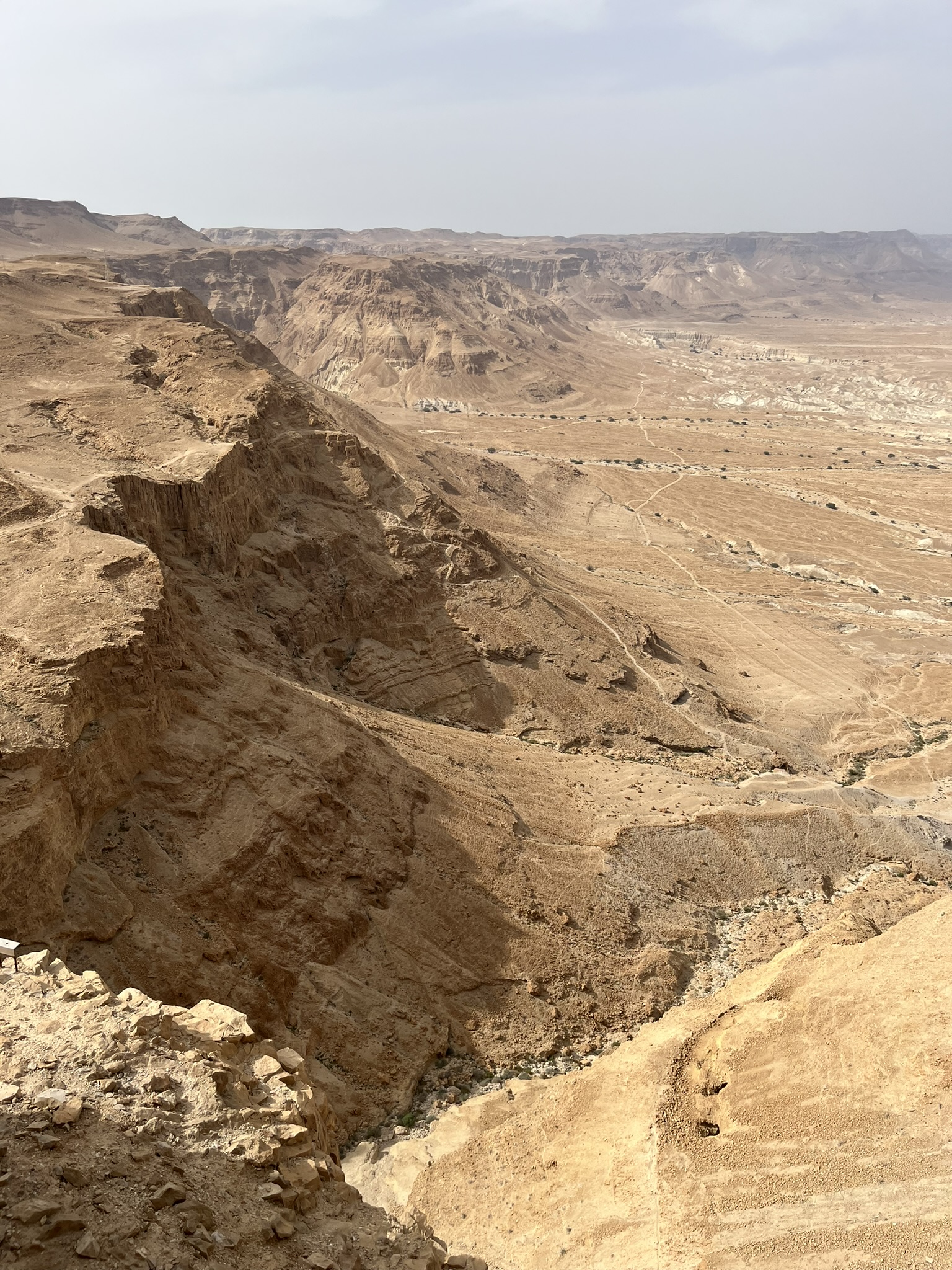
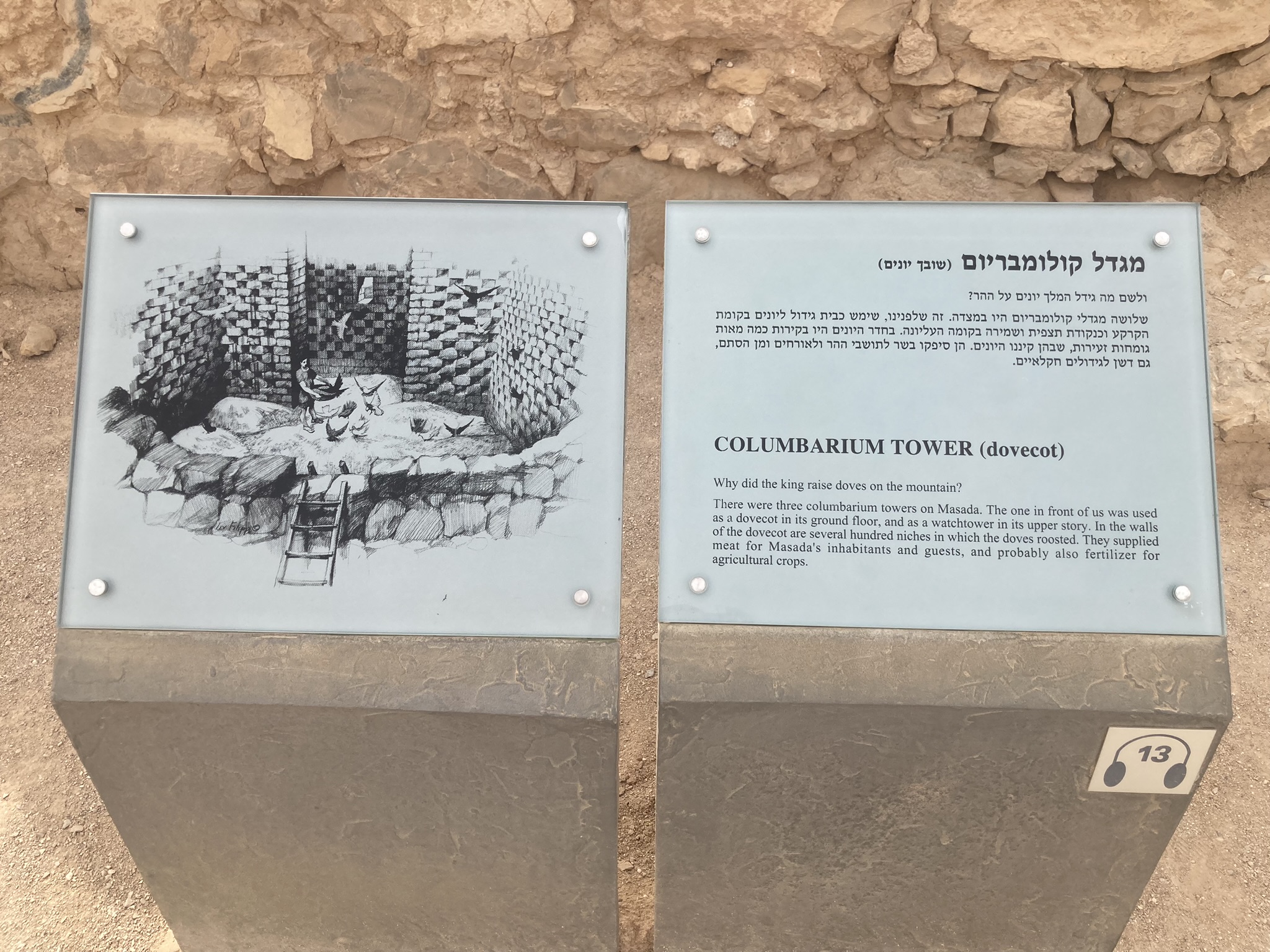
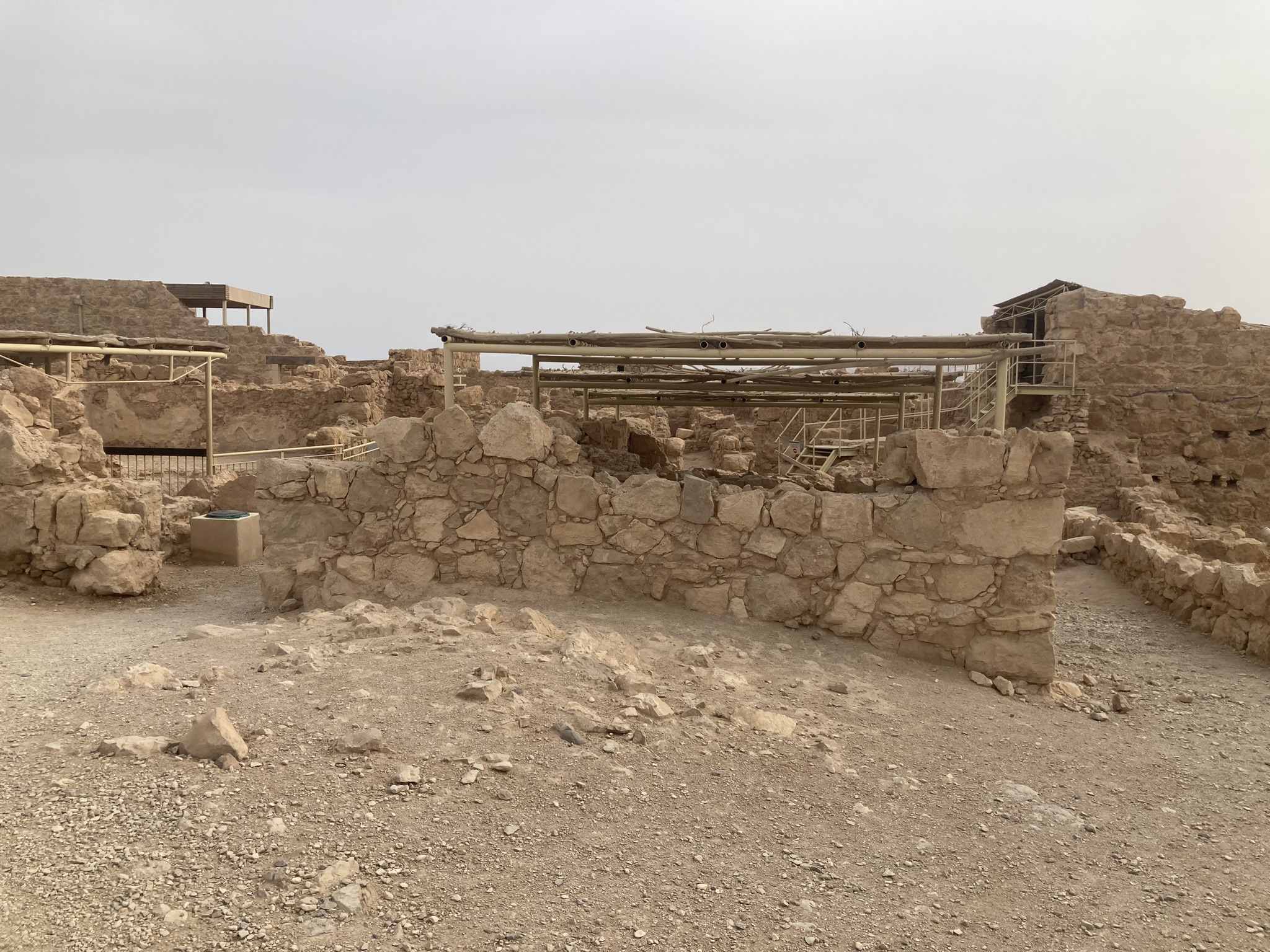
The history of Masada goes back to 31 BC, when Herod the Great completed construction on this “palace of refuge” that he had built in the case of a revolt against him. The fortress contains a number of barracks, armories, and defensive structures. It also has huge storehouses and cisterns, which contained months’ worth of food and water. The primary defense of Masada was a single-file “snake path” up the 1,300-foot mountain. The path was extremely easy to defend from vantage points above.
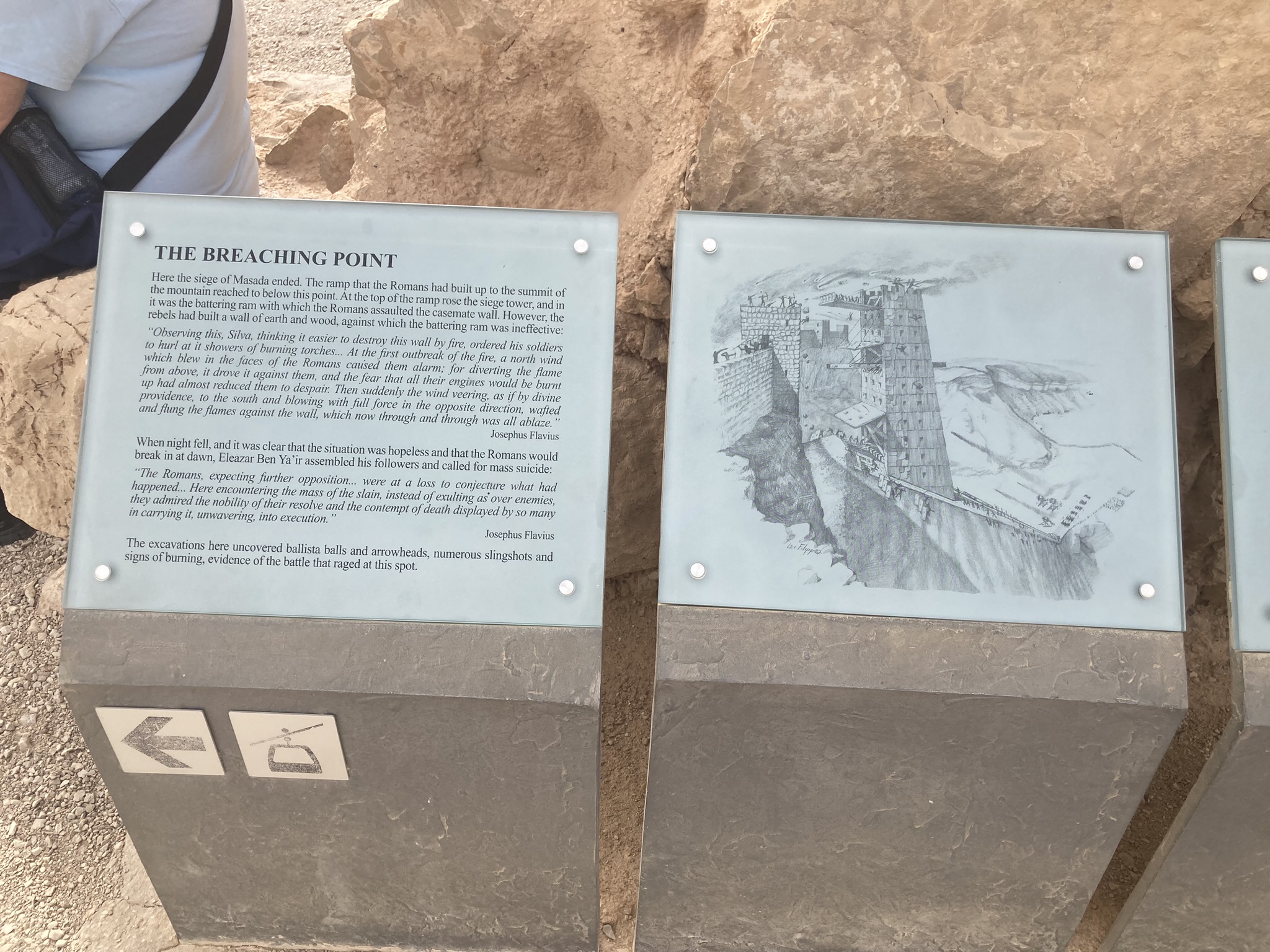
After the fall of Jerusalem in 70 AD, Masada was the last Jewish holdout. As the Romans worked south in a final purge of the land, they came to Masada and the Jewish resistance there. In the year 72 AD, the Romans besieged Masada and succeeded in reaching the steep fortress after constructing a huge earthen ramp on its western side. In the year 73 AD, the 960 Jewish zealots living at the top chose to commit suicide rather than to fall into the hands of the Romans alive.
Accounts of the siege of Masada and the mass suicide were later reported by two women who had hid in a cistern with five children. They recounted the final words of their leader, Eleazar, which Josephus wrote down:
“Since we, long ago, my generous friends, resolved never to be servants to the Romans, not to any other than to God himself, who alone is the true and just Lord of mankind, the time is now come that obliges us to make that resolution true in practice.”


























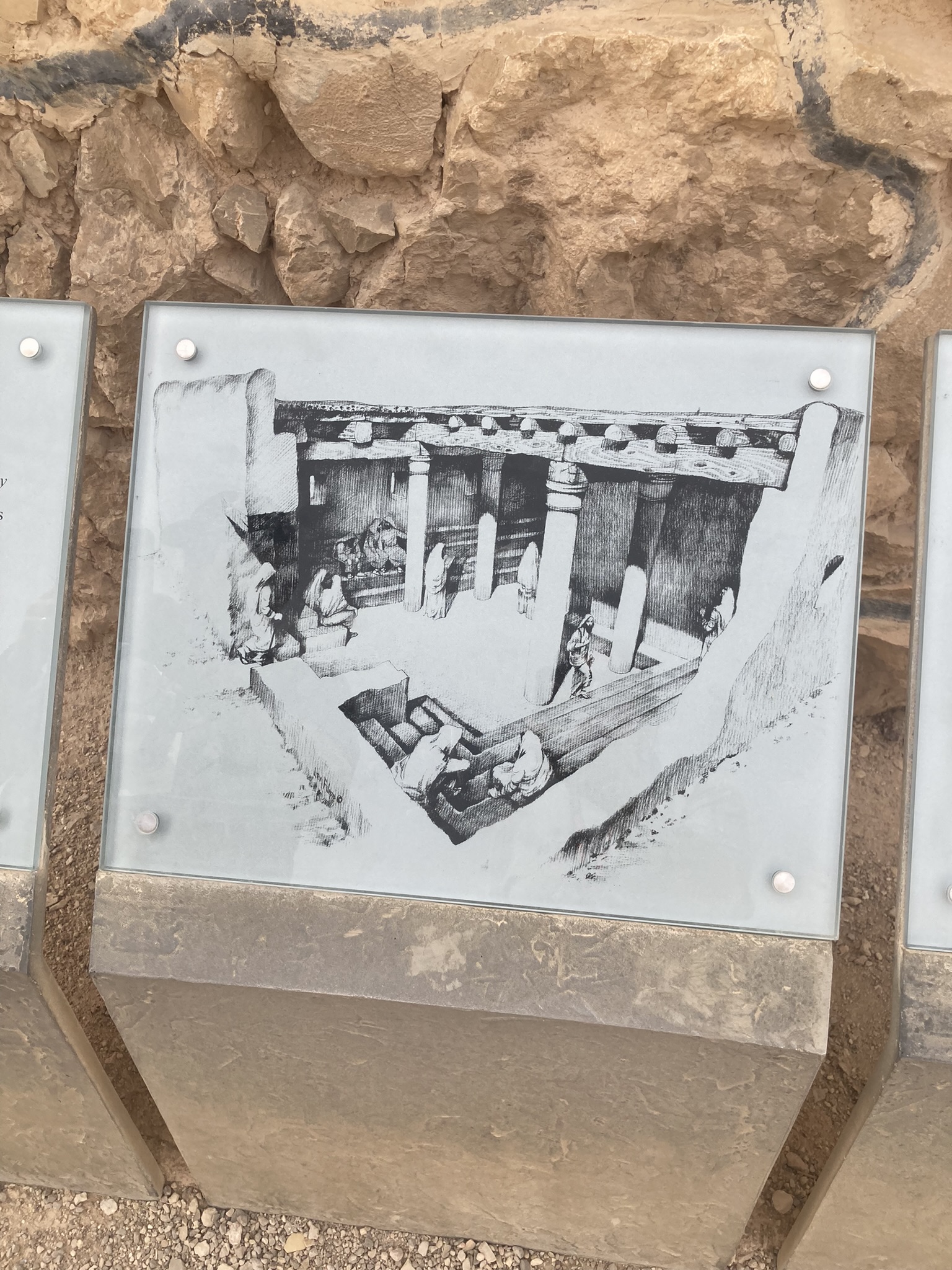

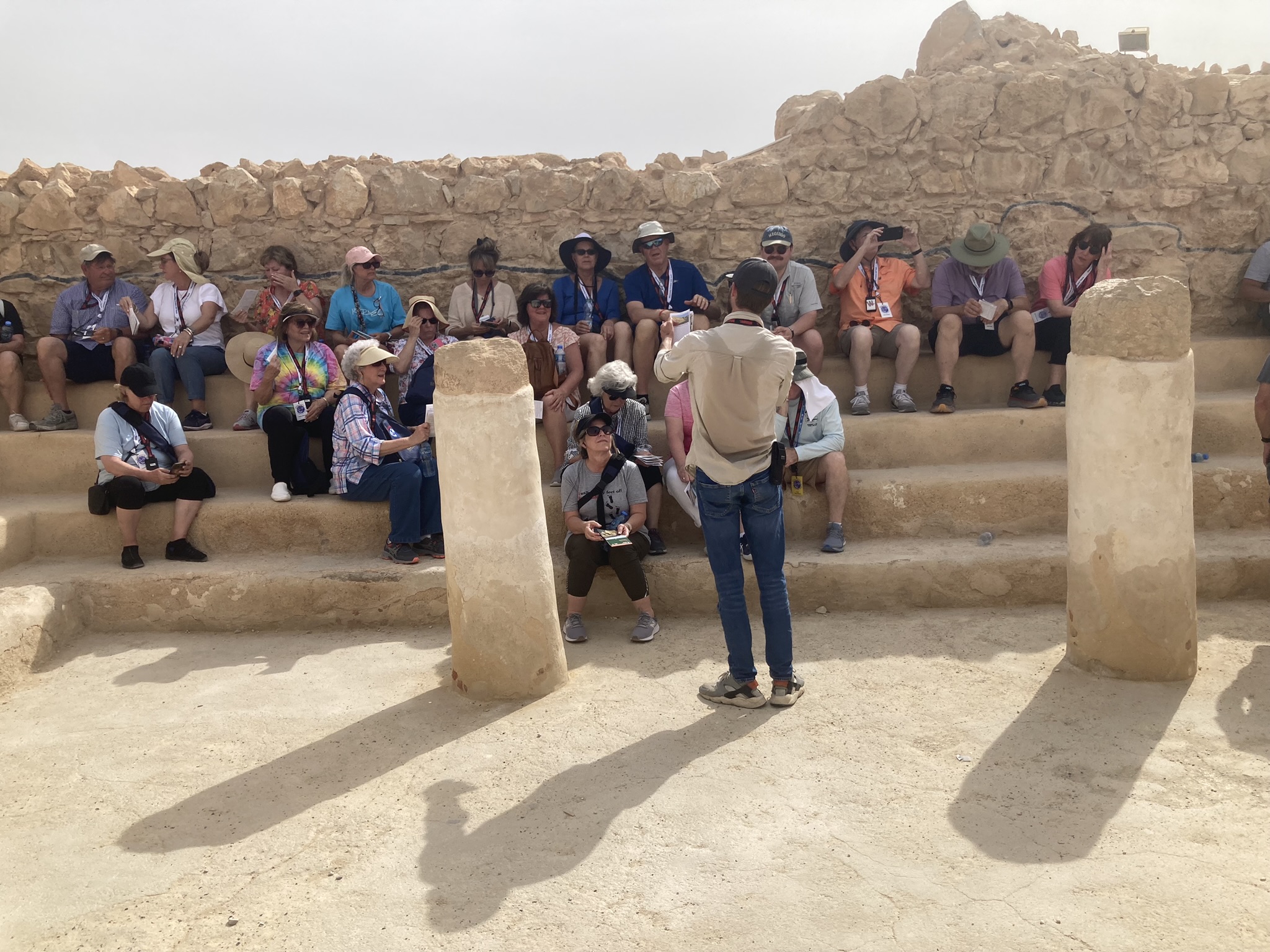
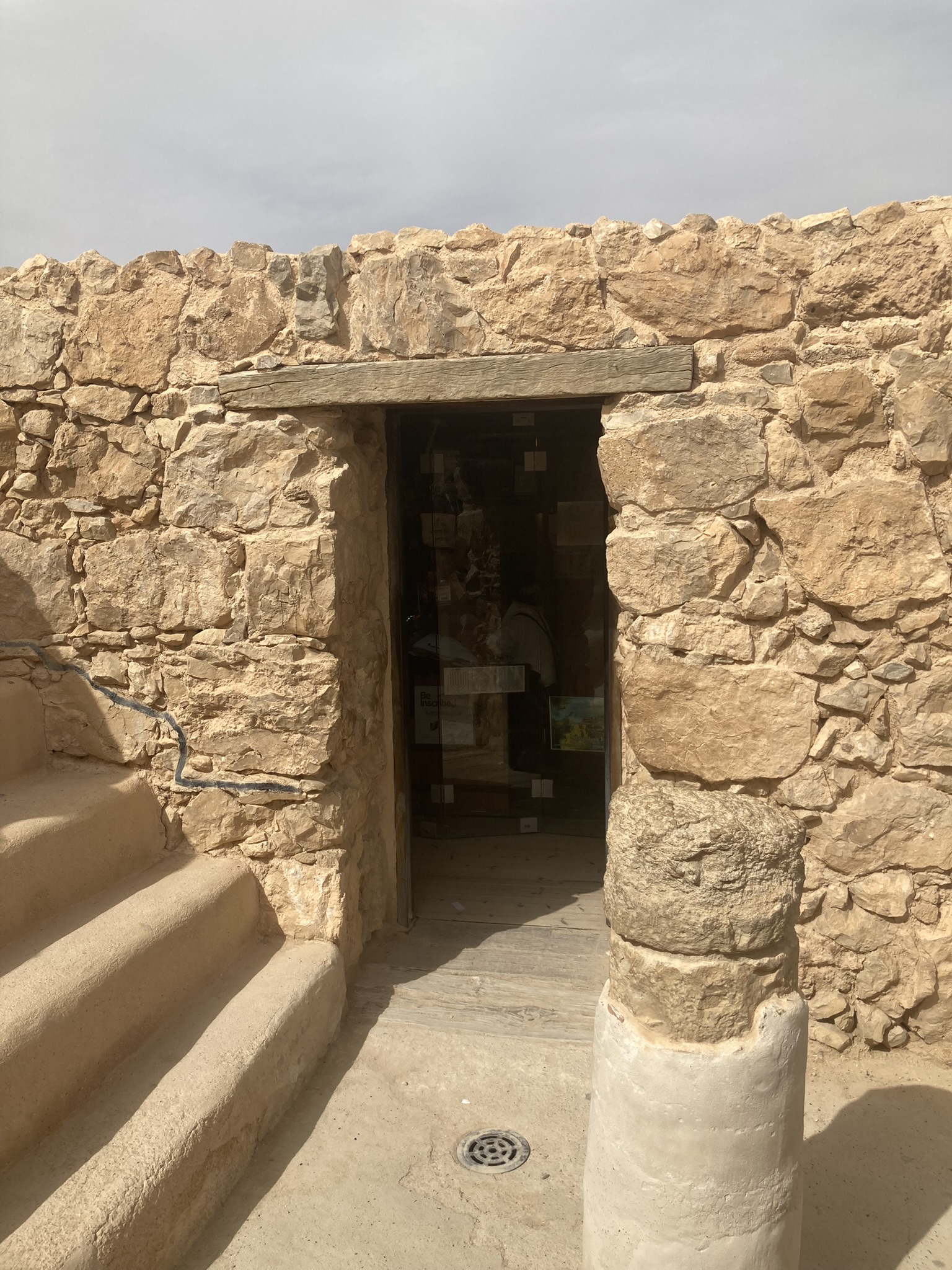


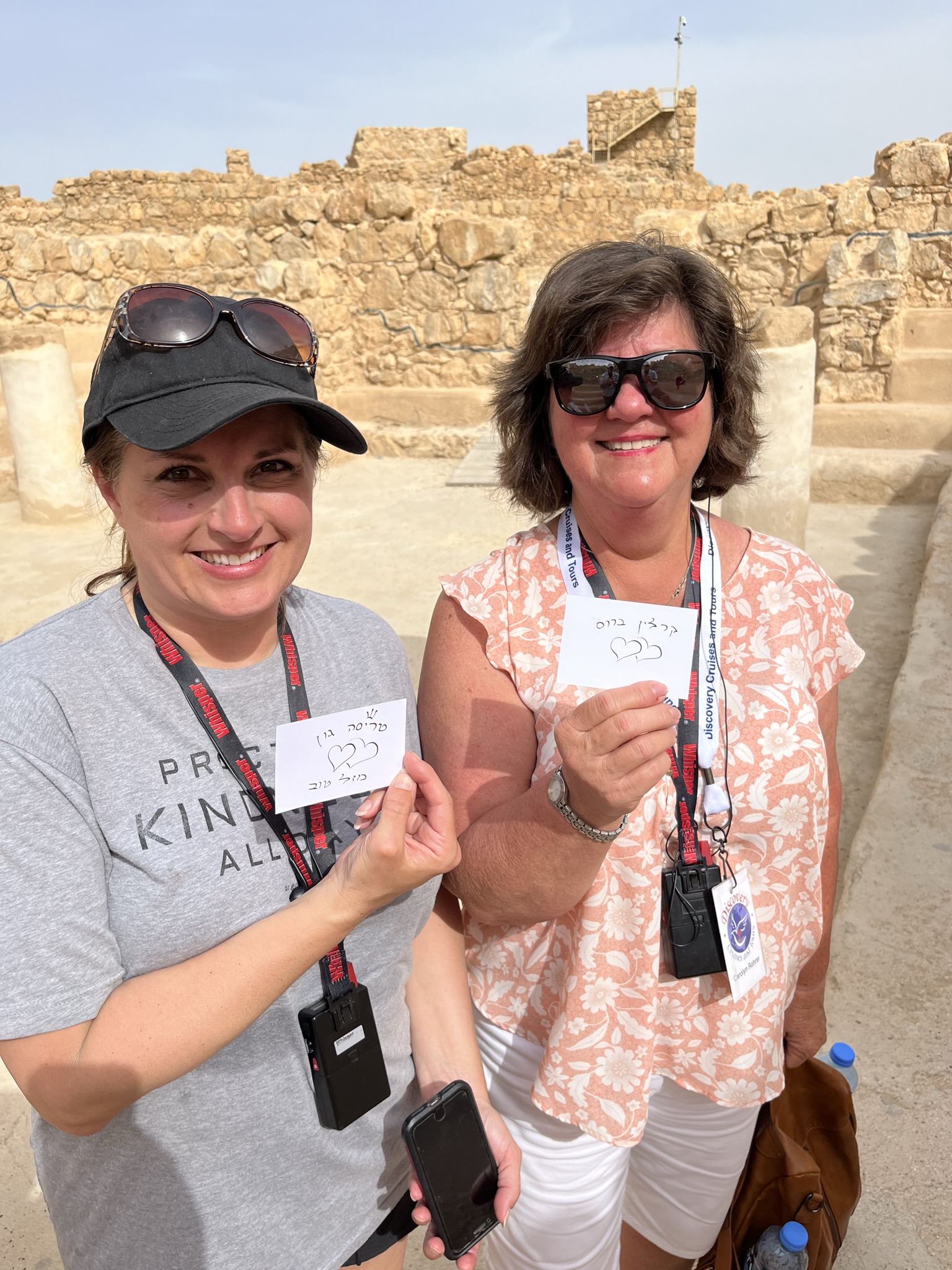





My favorite part of the trip to Masada was getting to meet the scribe Rabbi Shimshon Israeli. He works in the geniza, a room for storing worn out texts before they are given a proper burial in a Jewish cemetery. This scribe is called a Sofer ST”M (abbreviation for Sifrei Torah, Tefillin, Mezzuzot), an observant man of good character who writes Jewish texts according to the laws of soferut (Hebrew calligraphy). This sofer spends part of his day writing a Torah and the other part answering questions by visitors to the site. He also sings “Happy Birthday” very well.
For more information on this site, see these videos:
EIN GEDI

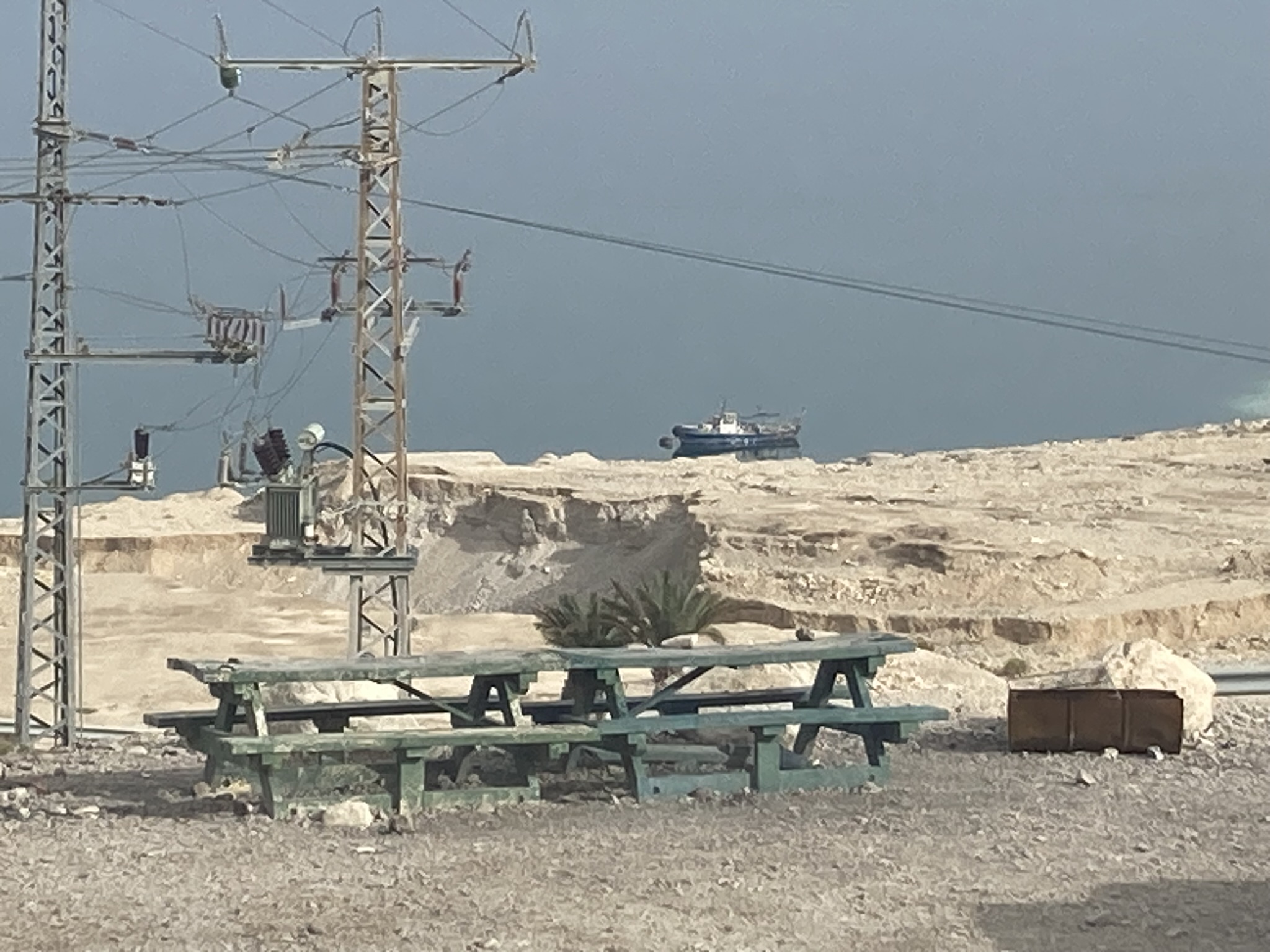
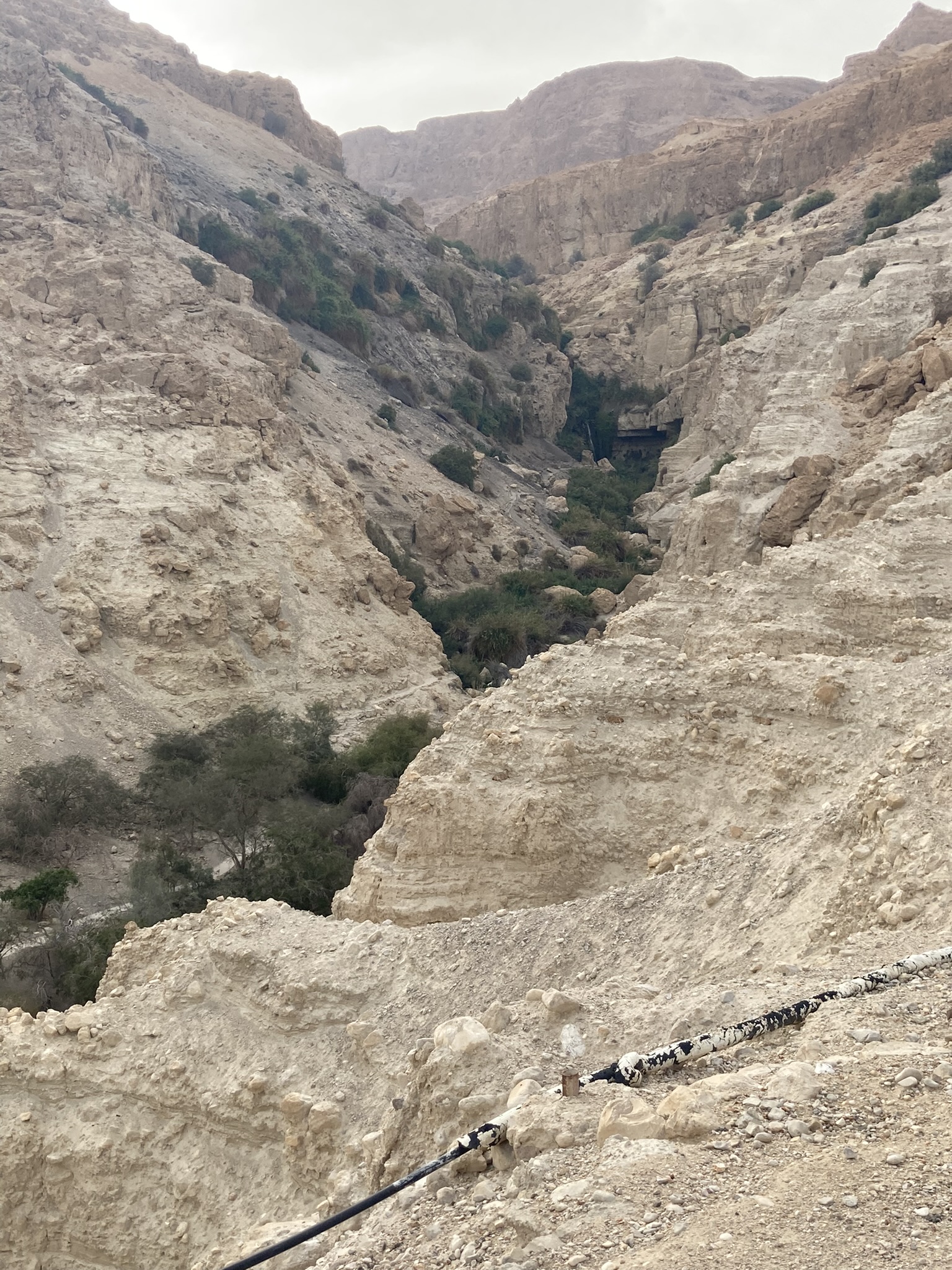
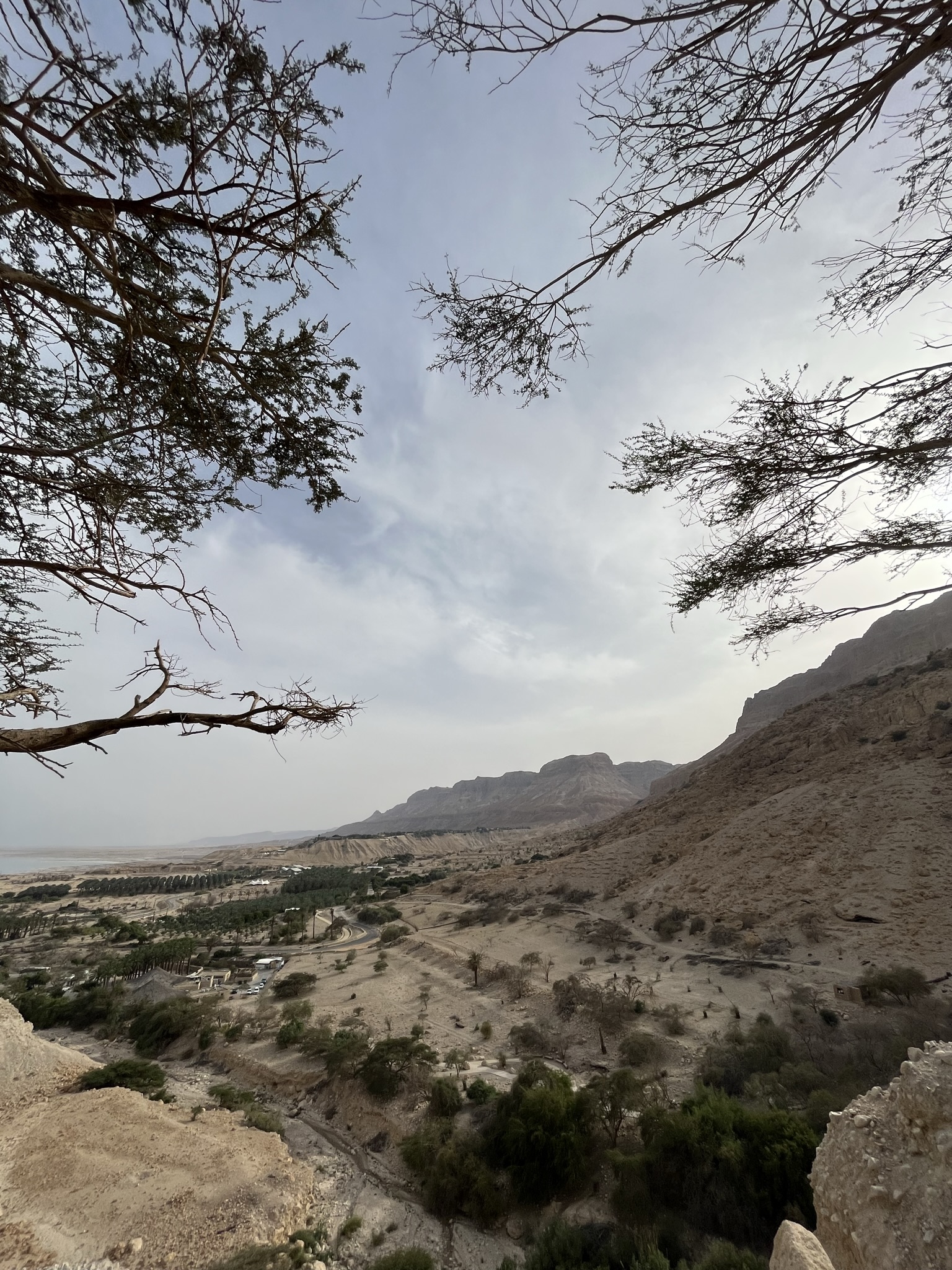
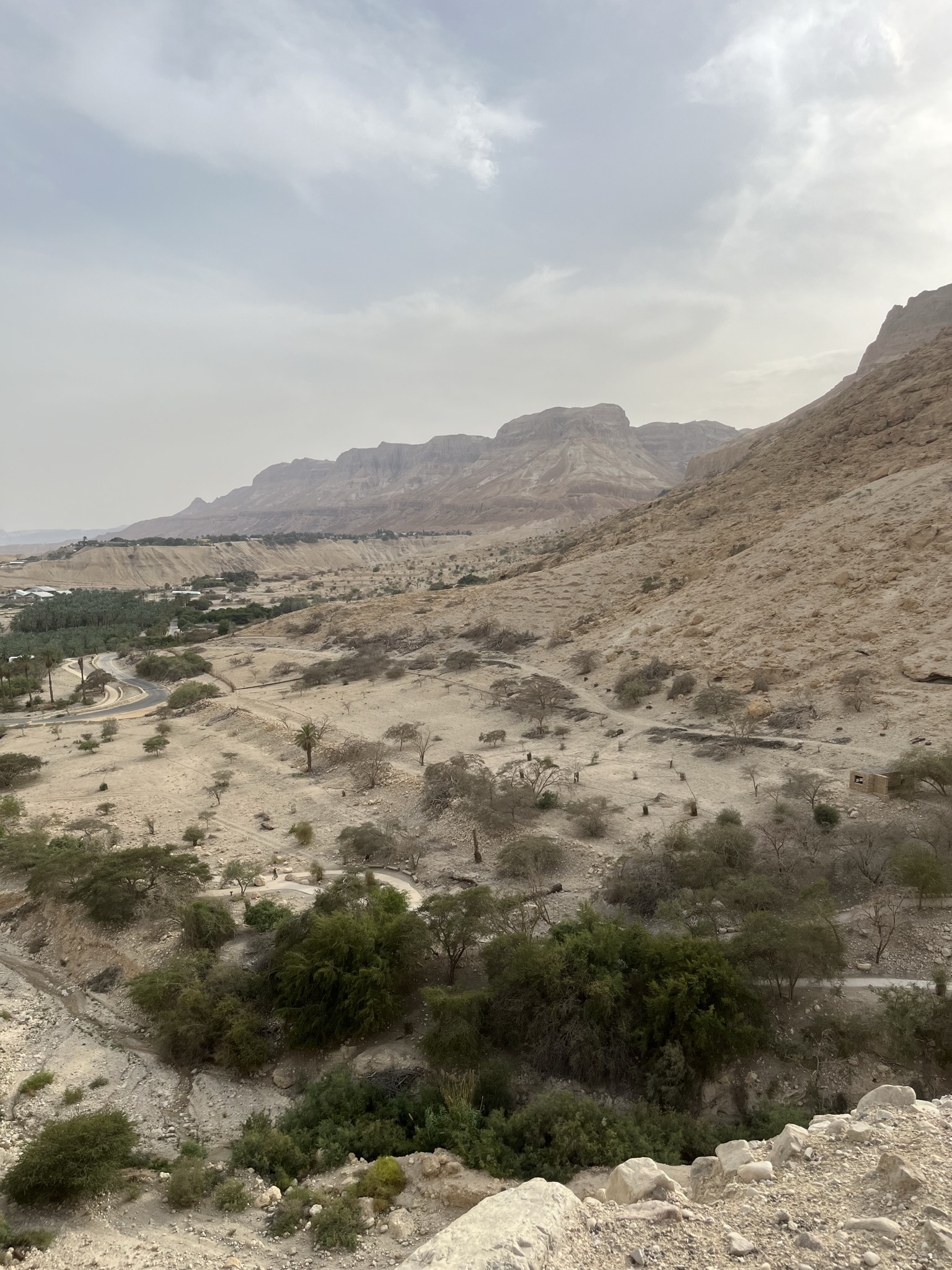
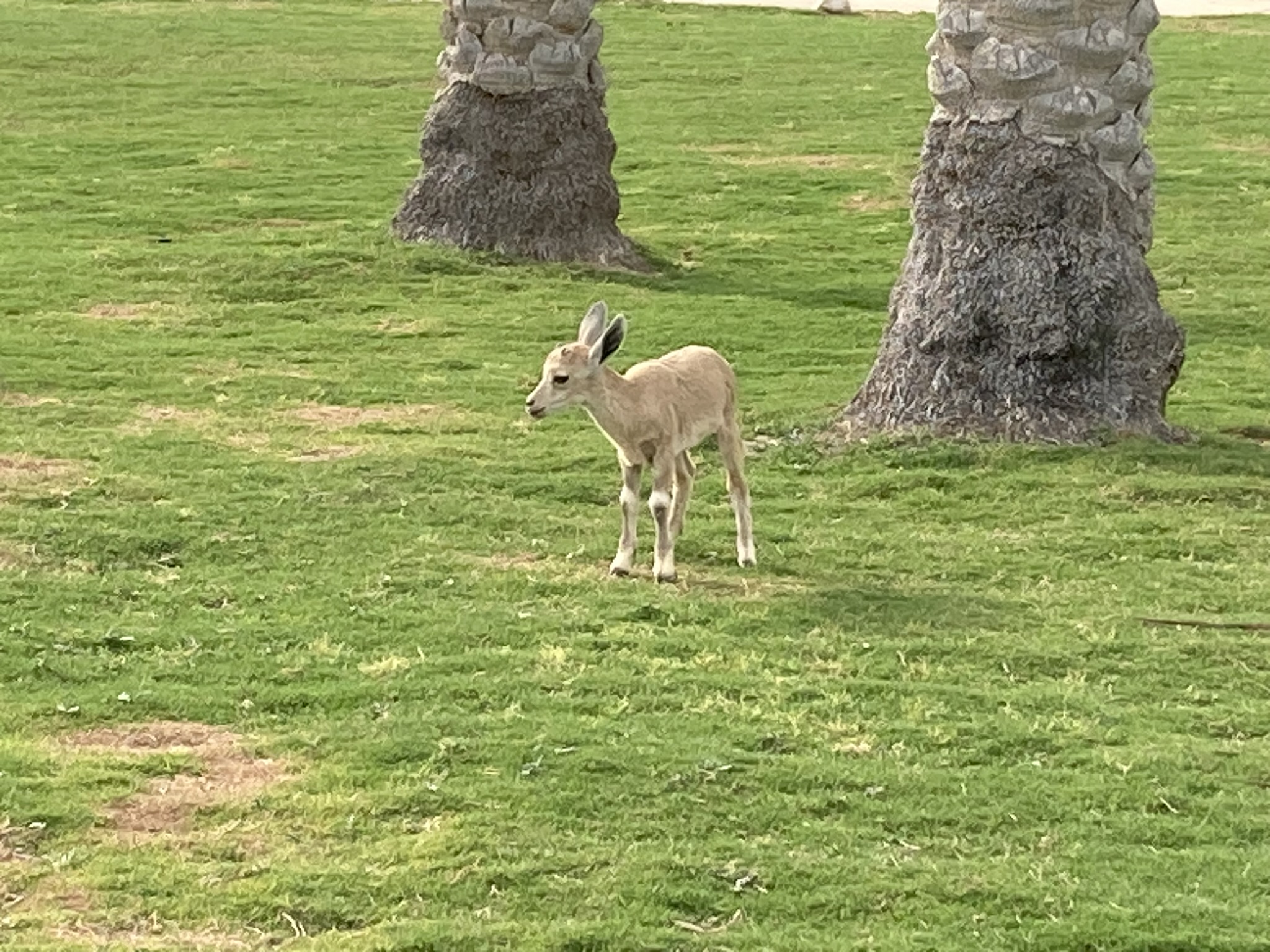
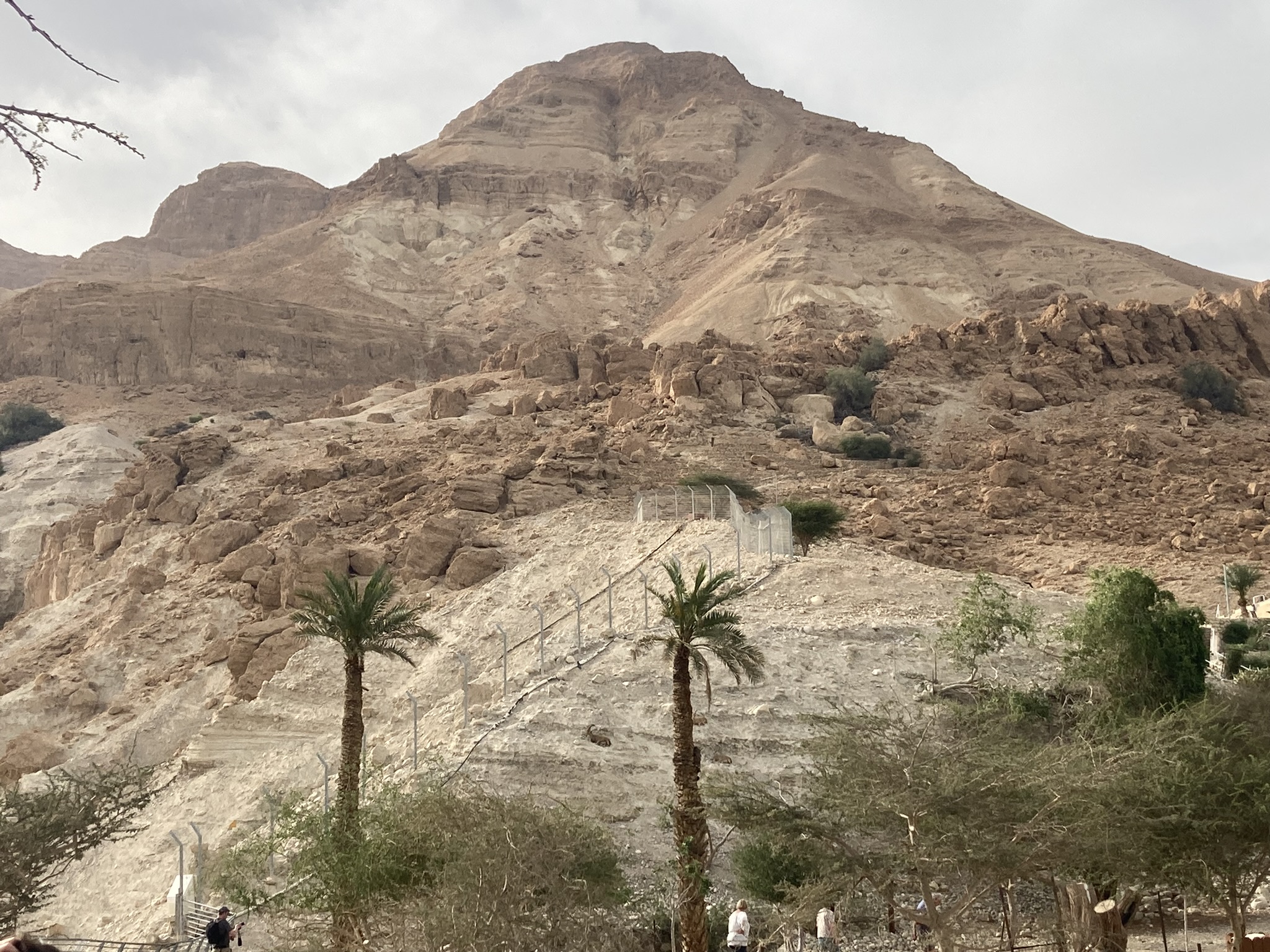
Ein Gedi is the largest oasis along the western shore of the Dead Sea. Four rivers flow year-round to provide water for this place, a site of lush vegetation and wildlife on the shore of the Dead Sea. Ein Gedi is one of only two freshwater springs located on the western shore of the Dead Sea. We were not able to see this beautiful waterfall on our trip this time but we did see some really cute goats.
The Hebrew meaning of Ein Gedi is composed of two Hebrew words: “Ein” means “eye” or “fountain (or spring)” and “gedi” means a kid or a young goat. There are many goats that inhabit this area even today. Its original name was “Hazezon Tamar” (in Hebrew: “dividing the dates”), after the palm trees surrounding the area.







Check out the waterfall with Sergio and Rhoda:
 Theresa Haigler